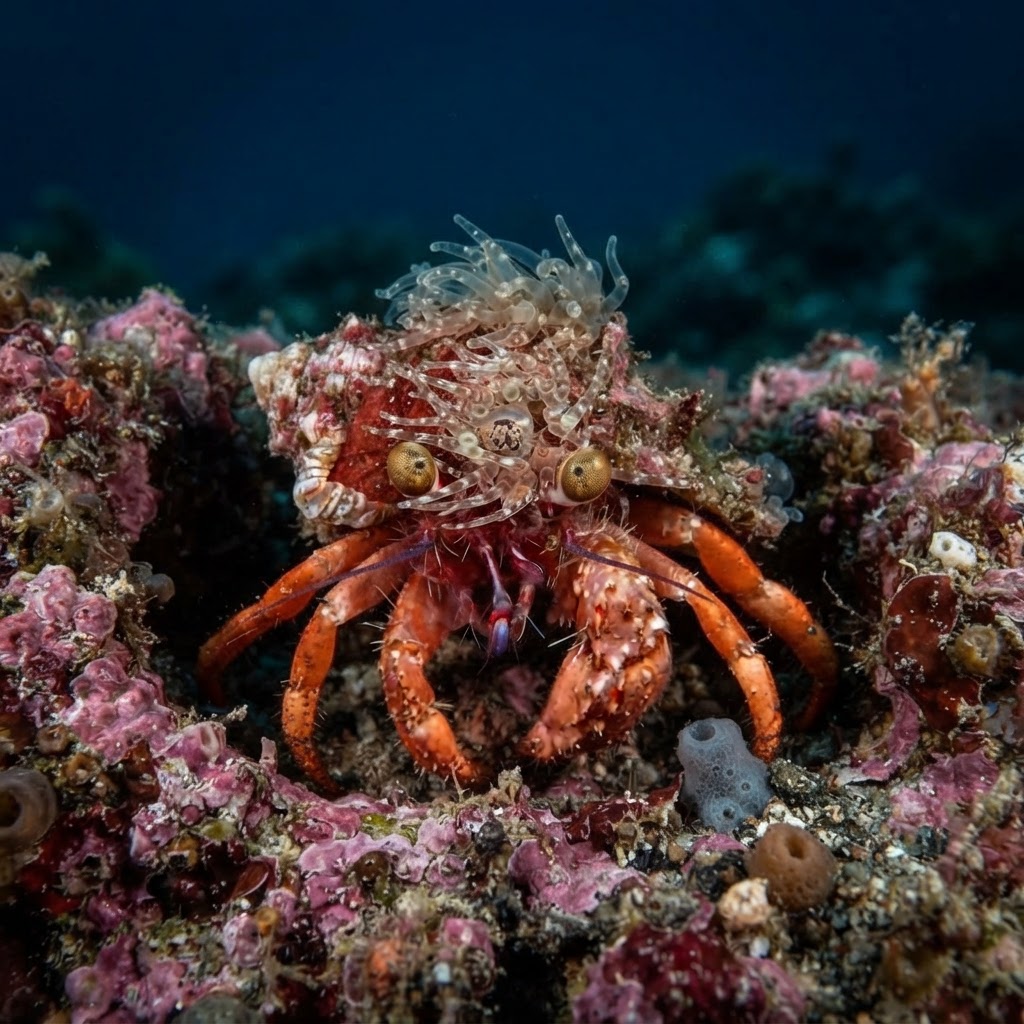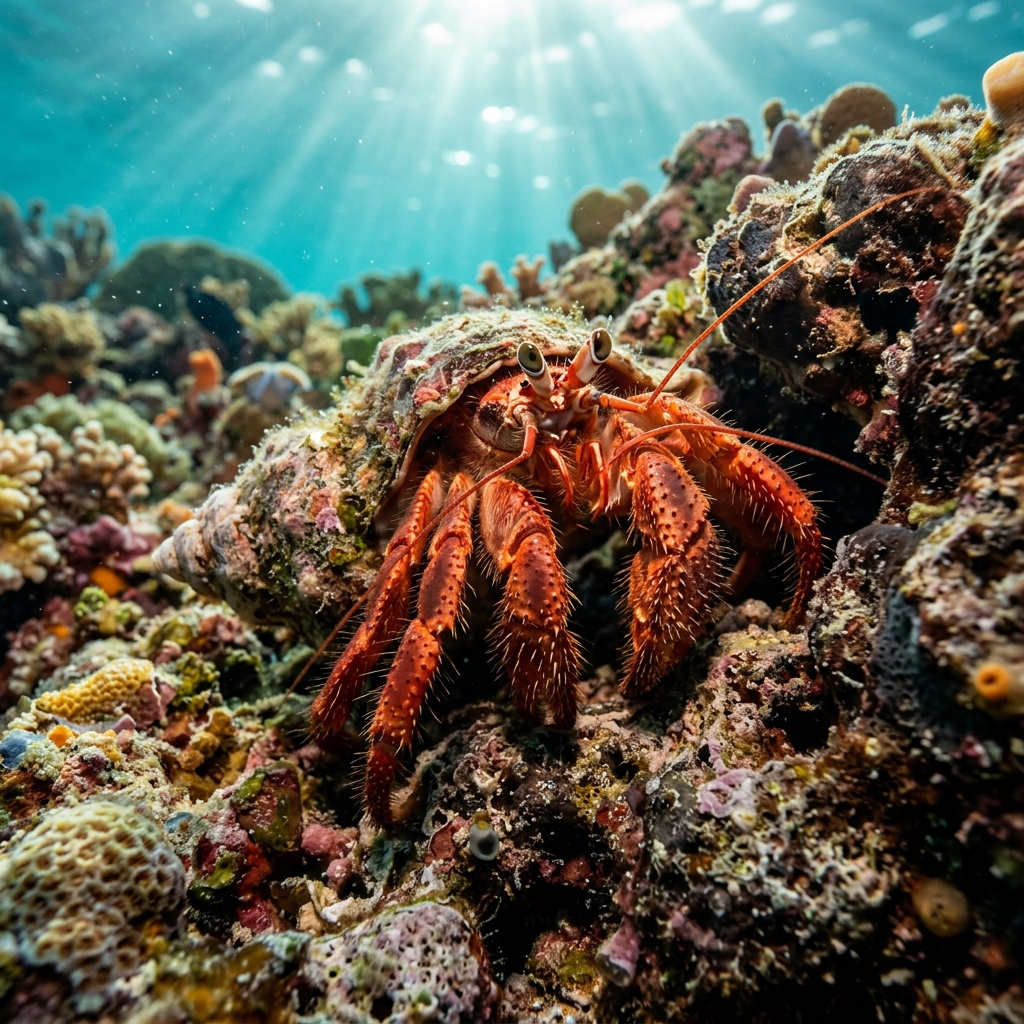
Ciliopagurus strigatus
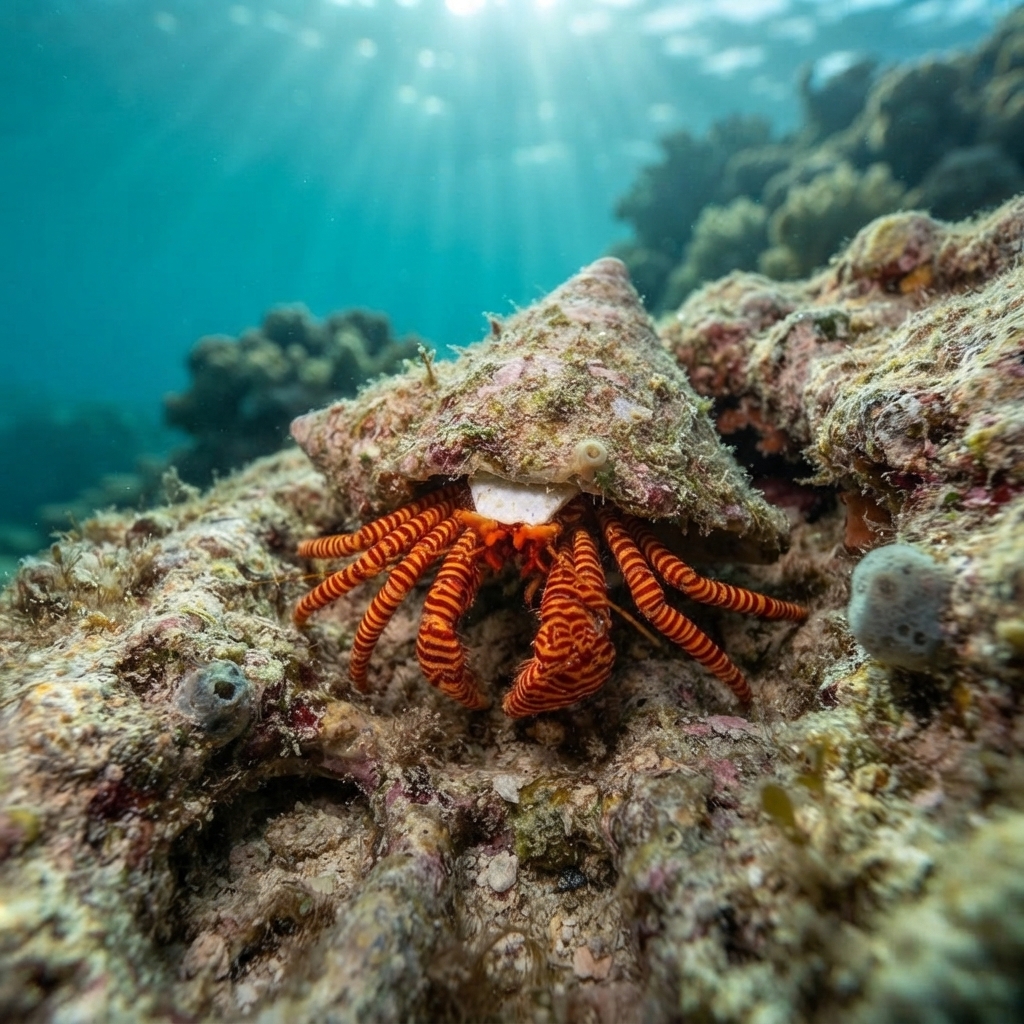
Orange-and-black banded legs against black coral rubble: this hermit crab turns up uncommonly year-round on reefs in Hawaii, Saipan and NSW.
Look for banded legs in bright orange and black, the pattern that gives this hermit crab its name, wrapped around a pale to white shell it has scavenged. It's a small animal in the water, usually tucked partway into a borrowed shell with only the striped legs and eyestalks showing. The claws are proportionally slender compared to bulkier hermit crab species, and it tends to sit low in rubble or crevices rather than out in the open.
Divers typically find this hermit crab wedged into rubble, coral crevices or under ledges, moving slowly across the substrate as it forages for scraps of algae and detritus. It's an uncommon find rather than a rare one, so patient reef scanning during a dive, particularly at night, improves your odds. It tends to withdraw into its shell if a torch beam or hand gets too close, but otherwise pays divers little attention.
Like all hermit crabs it doesn't grow its own armour: as it grows it has to abandon one salvaged shell and find a larger empty one, which makes shell availability on a reef a real limit on how many hermit crabs a site can support.
No clear season shows up in the sighting data, and with a comfortable range of roughly 22 to 30C it stays active on tropical and subtropical reefs all year. Plan around site conditions rather than a particular month.
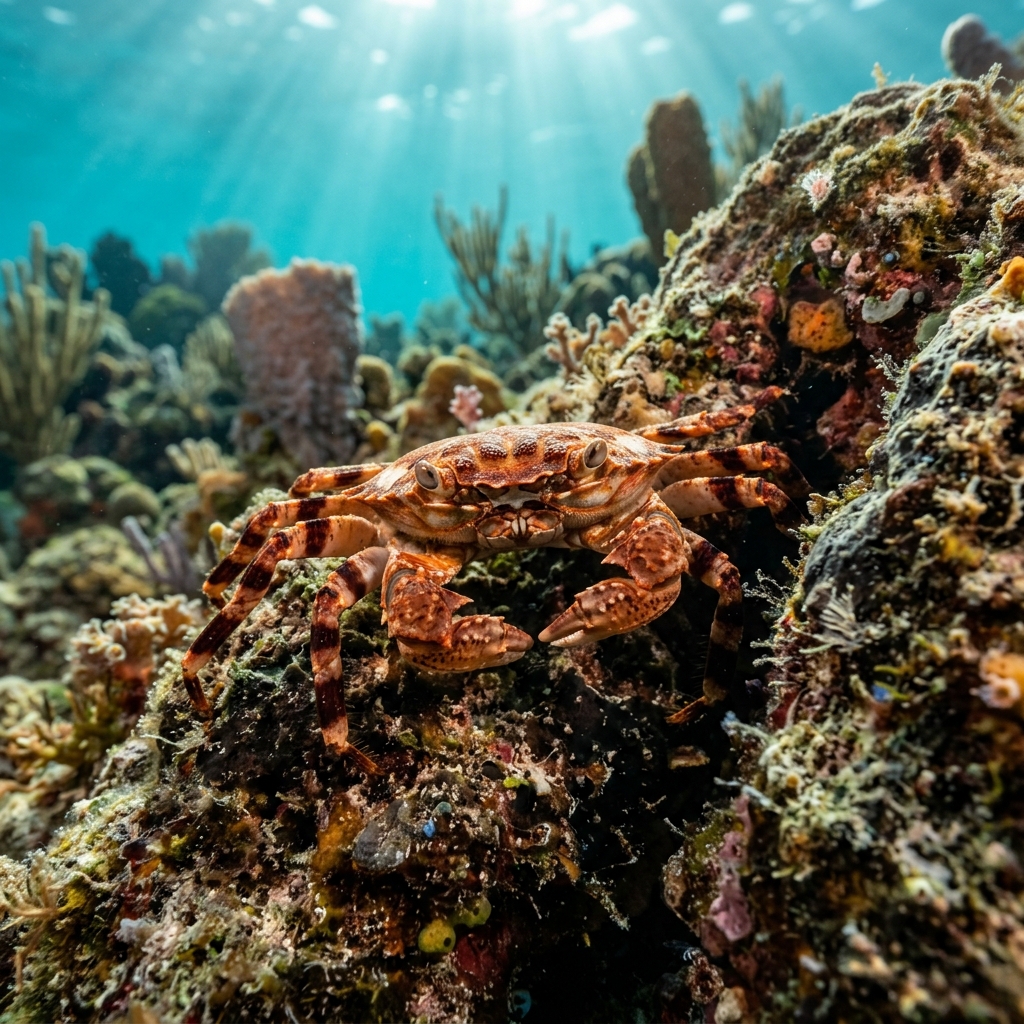
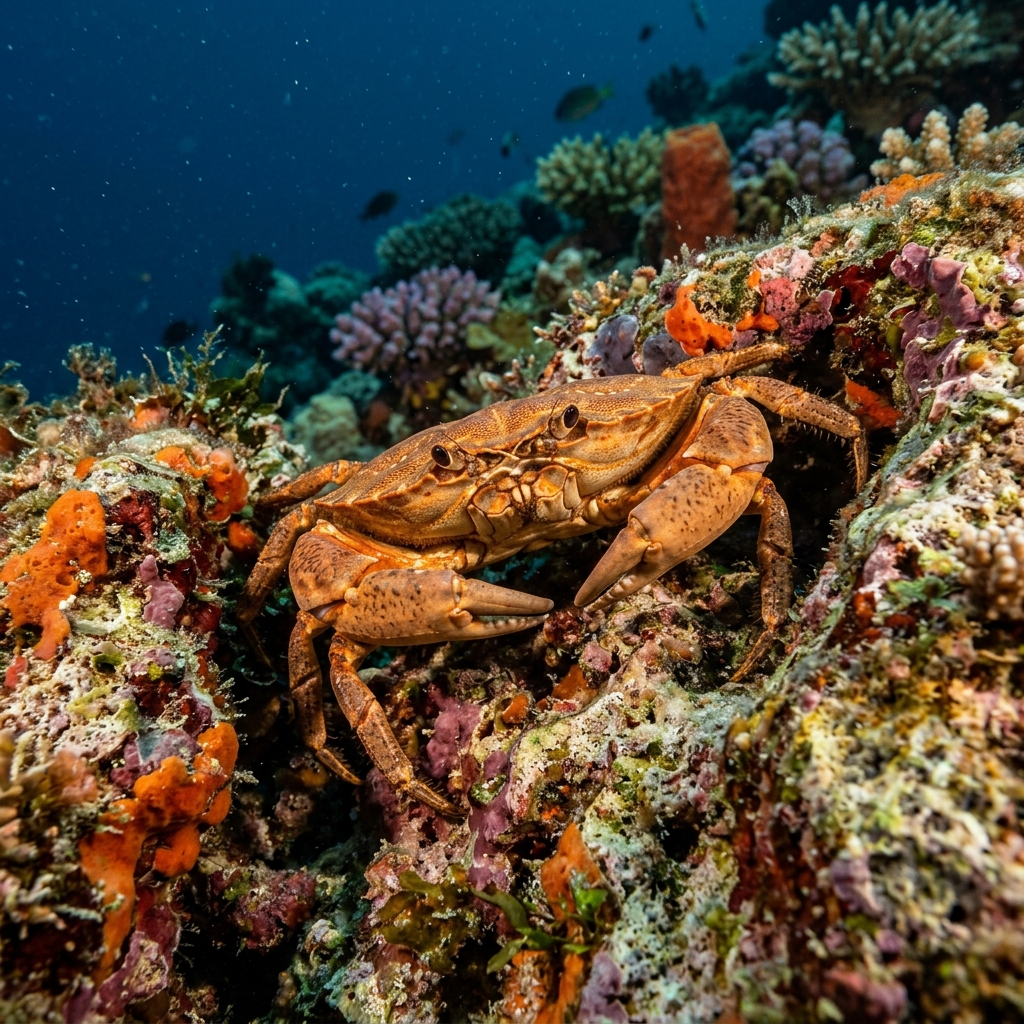
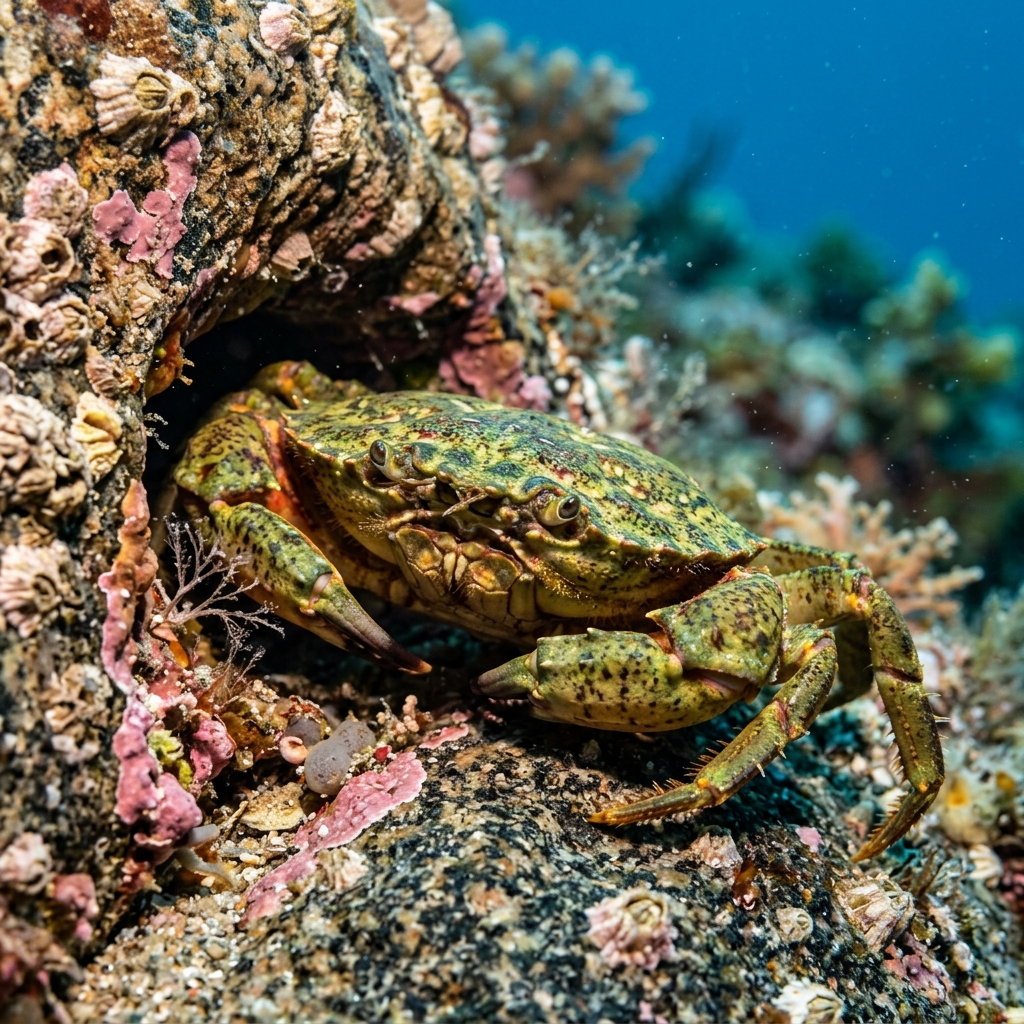
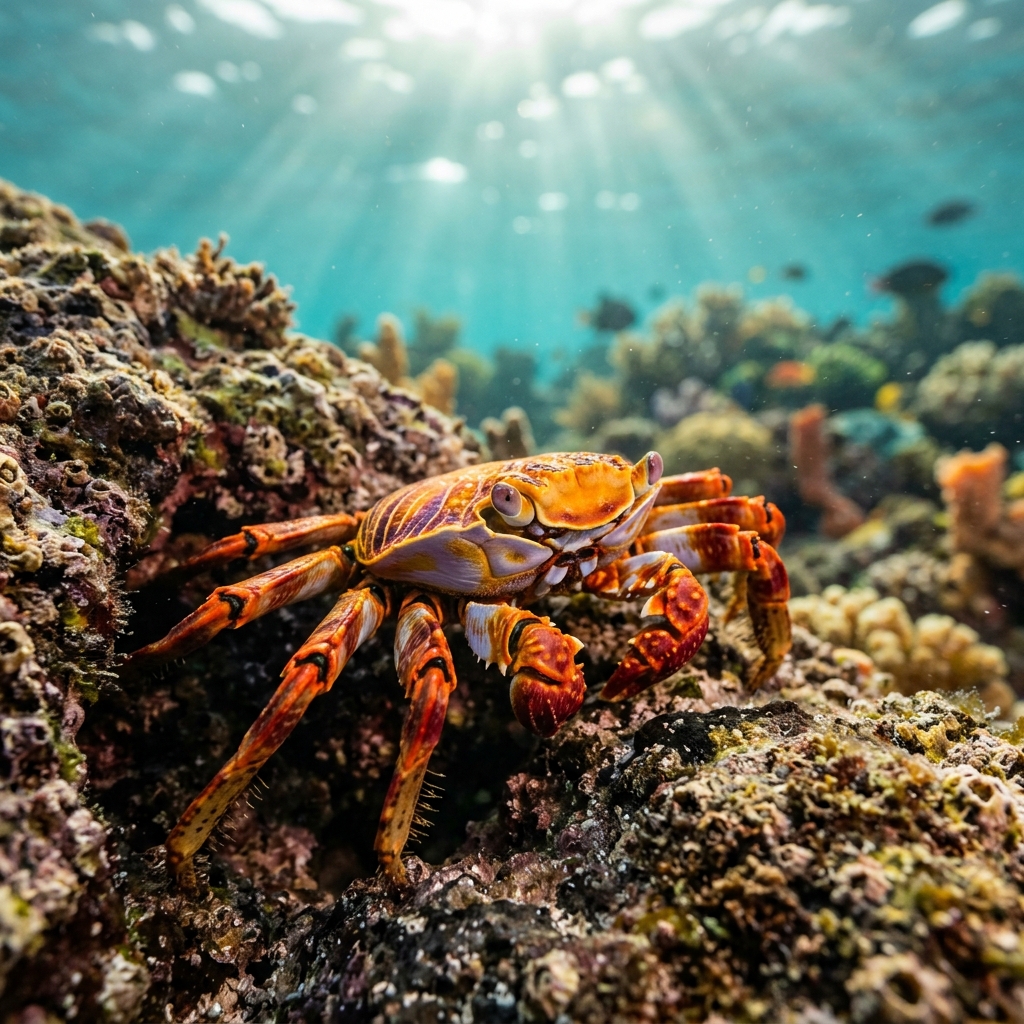
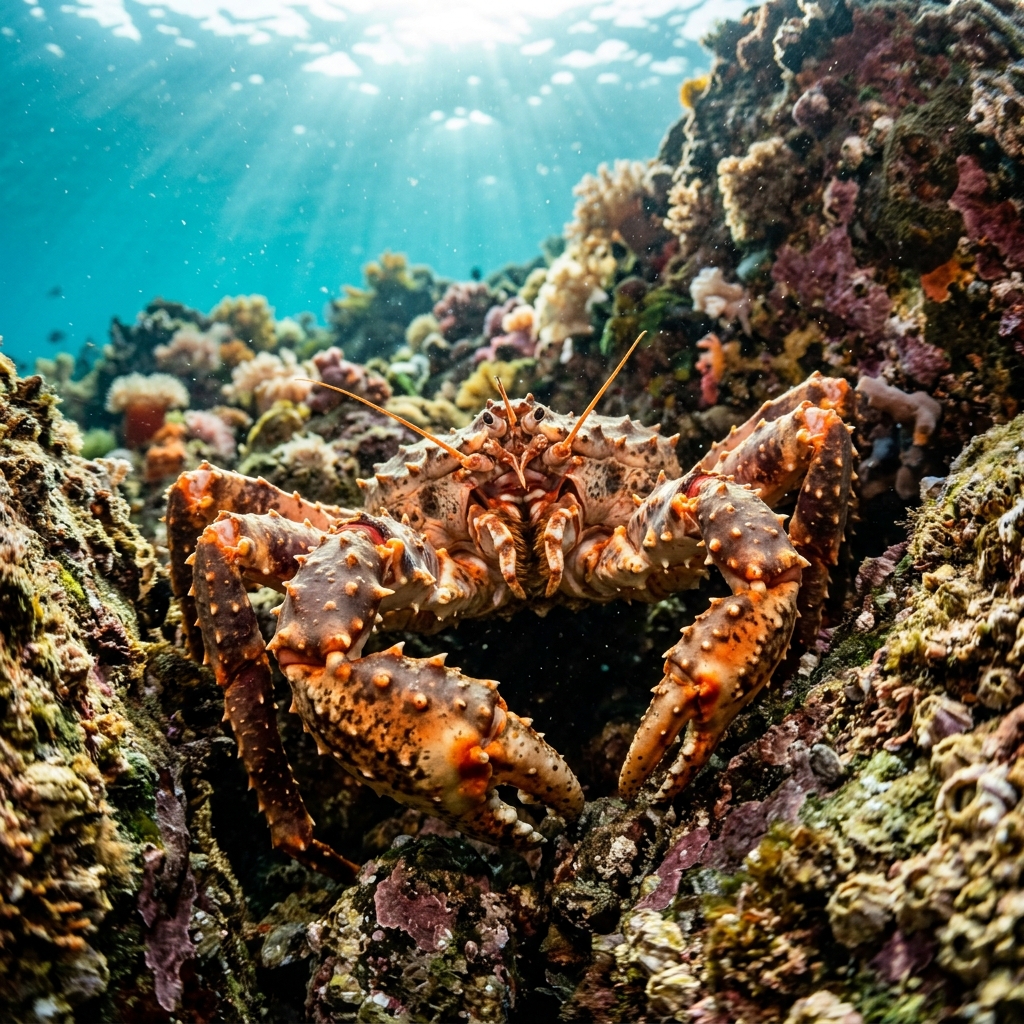
Reef neighbours a diver could mistake it for. Use the identification notes above to tell them apart.
Most consistently logged in Hawaii, which accounts for the bulk of recorded sightings, with a further reliable cluster around Saipan in the Northern Mariana Islands. New South Wales in Australia and the Society Islands of French Polynesia round out the known spread, though sightings there are sparser.
Mapping where Halloween Hermit Crab is logged…
The most reliable sightings come from Hawaii and from Saipan in the Northern Mariana Islands, with additional records from New South Wales in Australia and the Society Islands of French Polynesia.
There's no detected seasonal pattern, and it tolerates a wide temperature range, so it's considered a year-round find rather than something tied to a particular month.
Check the legs first: bold orange and black bands are the giveaway, paired with a scavenged pale shell and slender claws. It sits low in rubble rather than perched in the open.
No. It has no venom or defence relevant to divers and will simply retreat into its shell if disturbed.
Exact size data isn't confirmed, but like most Ciliopagurus hermit crabs it's a small reef species, easily overlooked unless you're scanning rubble and crevices closely.
Site and sighting data is aggregated from diver logs, iNaturalist and GBIF. For taxonomy and conservation status:
European Green Crab
2,469 sites