Chrysiptera caesifrons
A small grey-blue damselfish most reliably logged around Nouméa, New Caledonia, on reefs between 23 and 29°C.
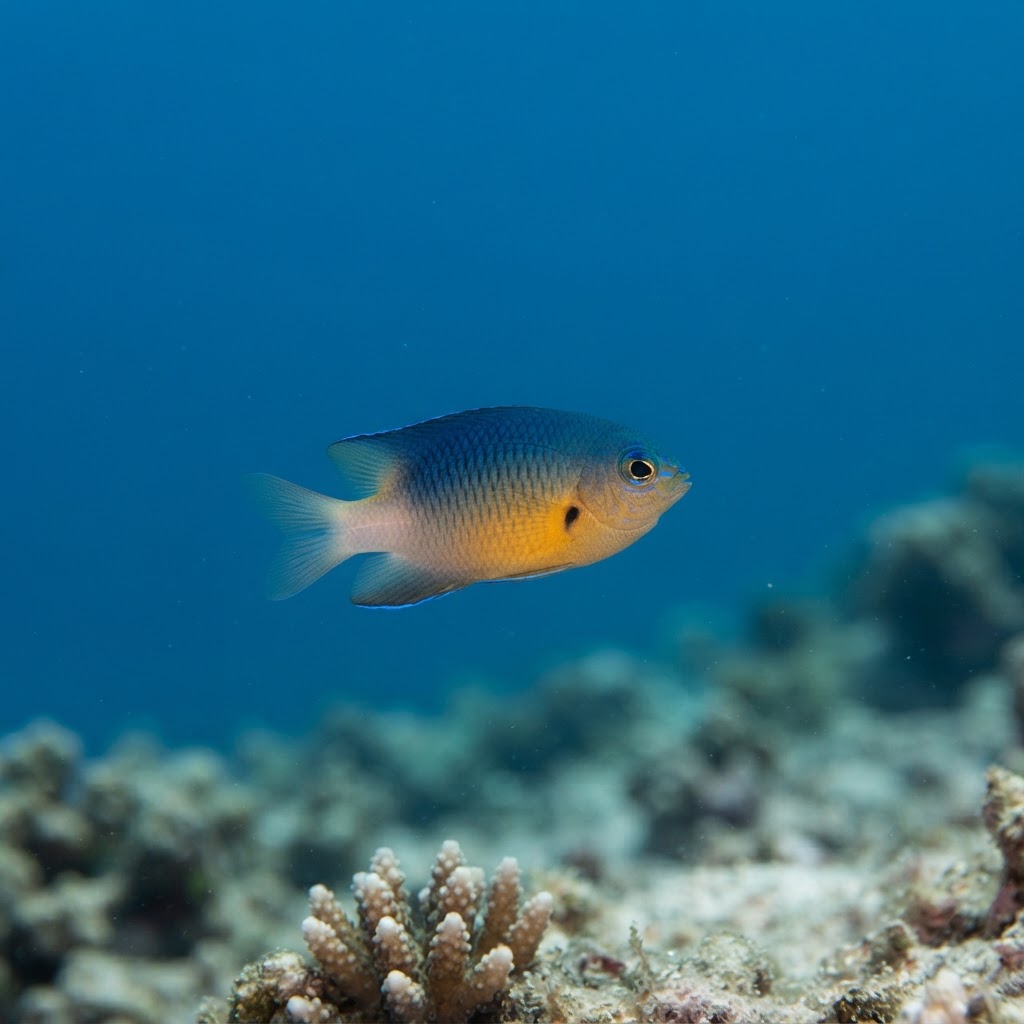
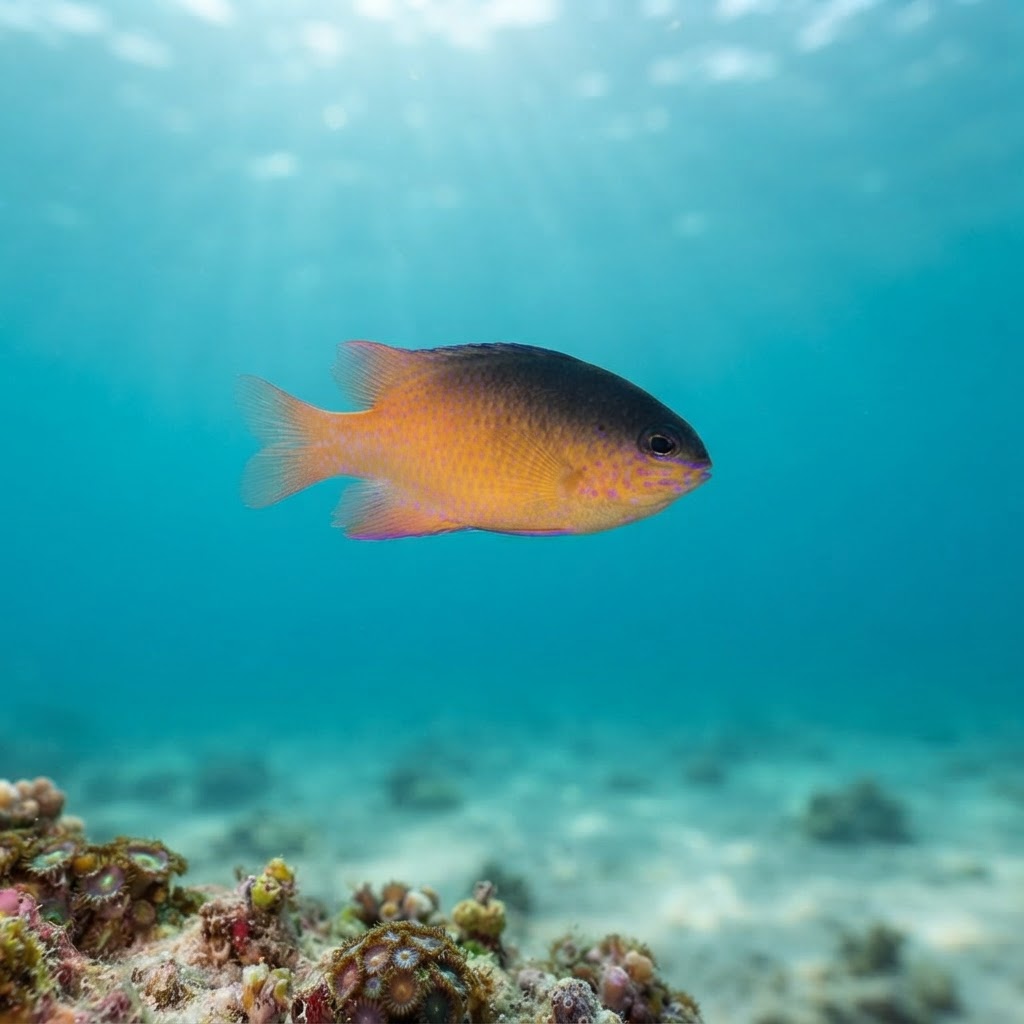
A small, deep-bodied damselfish reaching about 4 cm, with an overall grey to blue-grey wash across the body that darkens slightly toward the back half, giving it the 'greyback' look. Look for the compact, oval profile typical of Chrysiptera damsels and a plain fin pattern without the bold bars or eyespots some relatives carry. It's easy to overlook against rubble and coral debris, where its muted colouring blends right in.
Typically seen hovering low over rubble and reef structure rather than out in open water, sticking close to shelter it can dart into if disturbed. It's logged as uncommon to rare at most sites, so divers tend to spot single fish or small numbers rather than groups, often while working slowly over a patch of broken coral or rubble bottom.
Like other Chrysiptera damsels, it likely holds a small home patch of reef and relies on quick retreats into rubble crevices rather than open confrontation when a diver gets close.
Sightings show no detectable seasonal pattern, and with a comfortable range of roughly 23 to 29°C it's likely present on these reefs year-round rather than tied to a particular month.
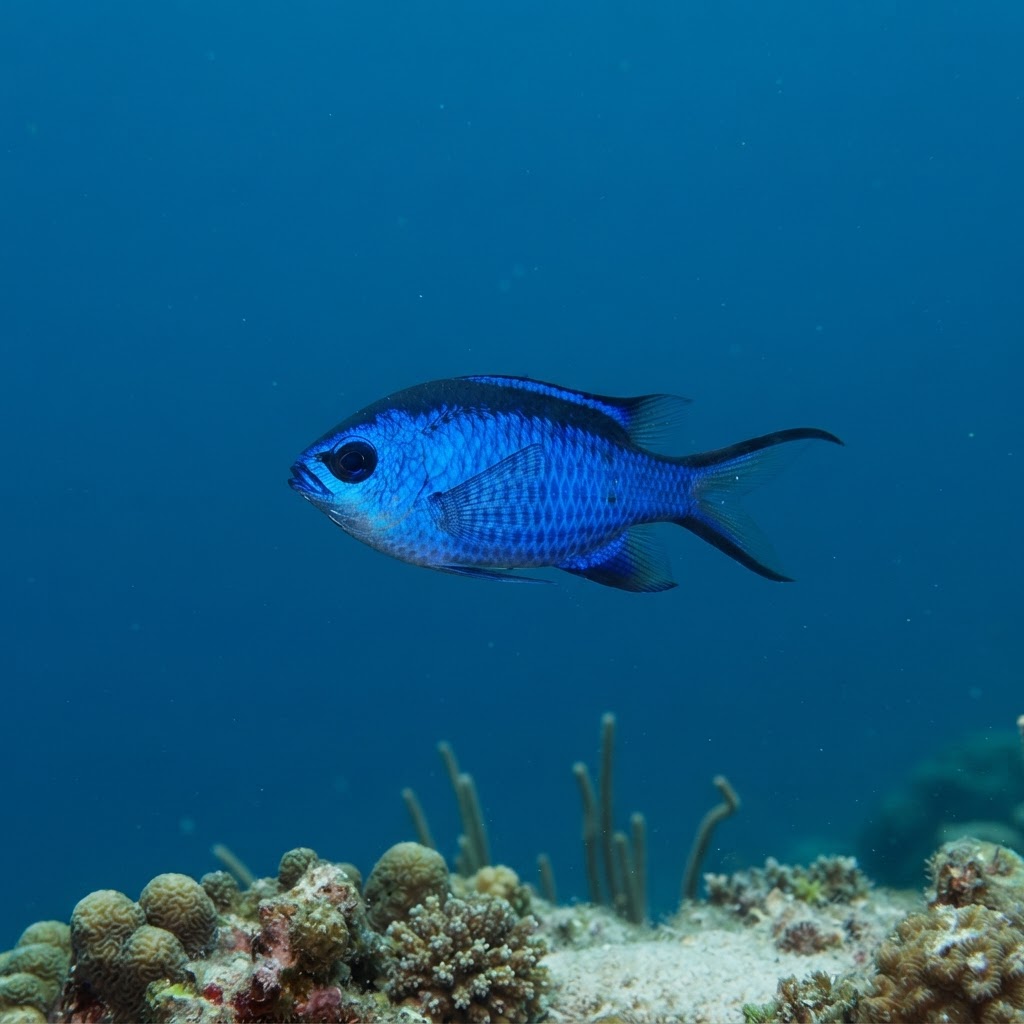
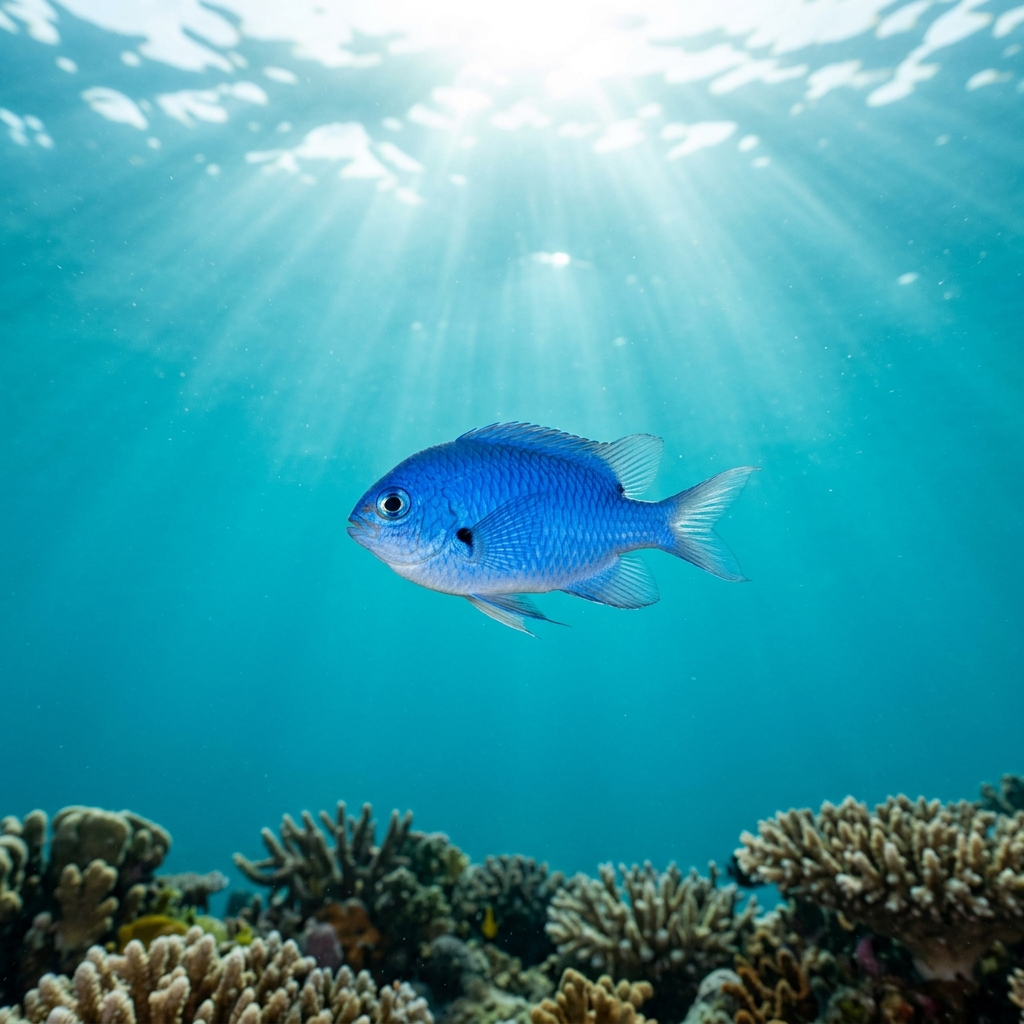
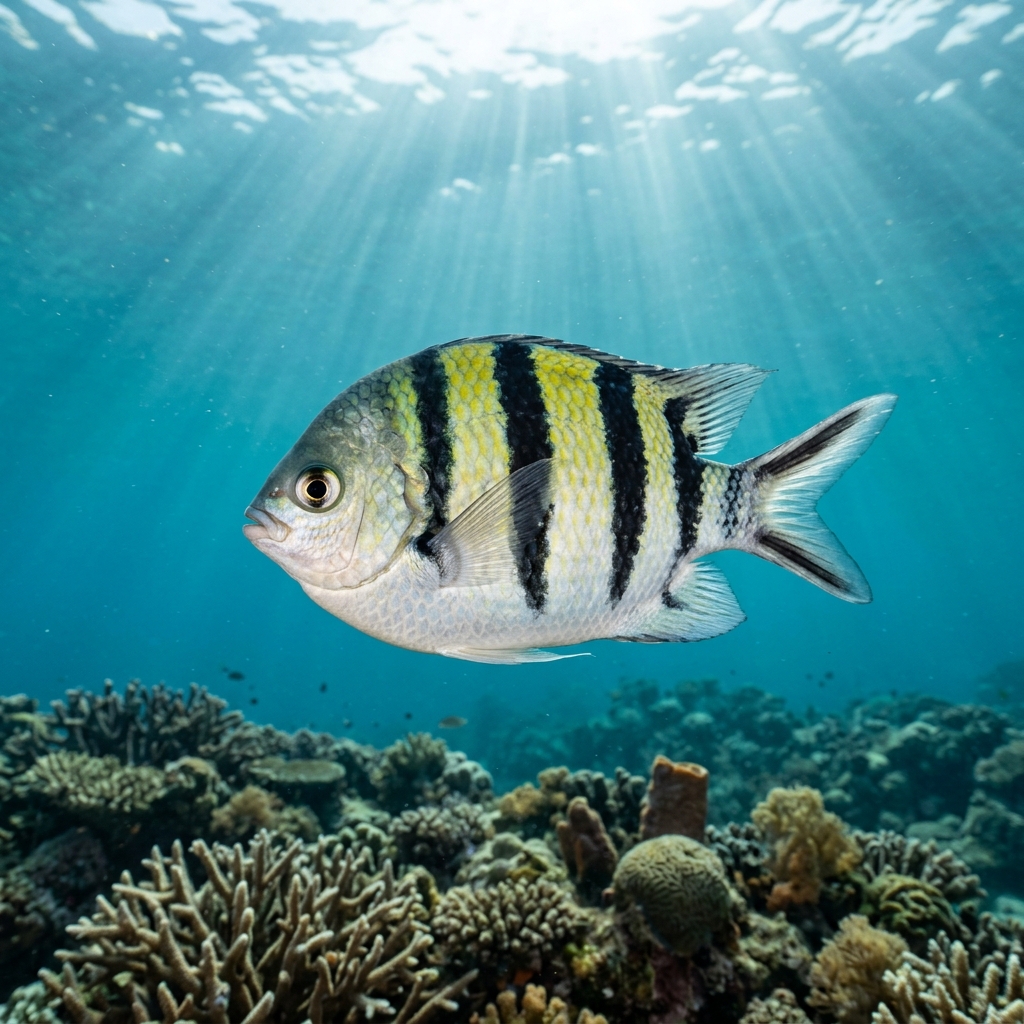
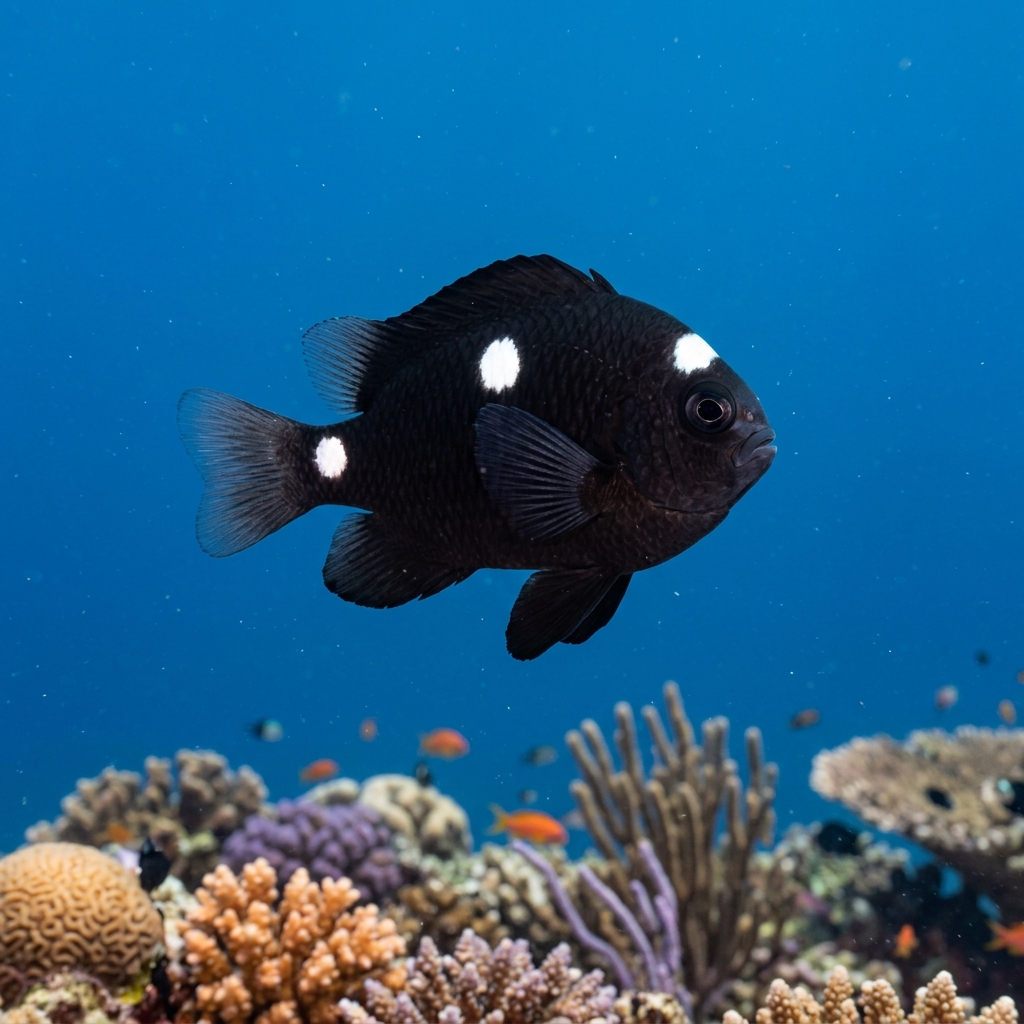
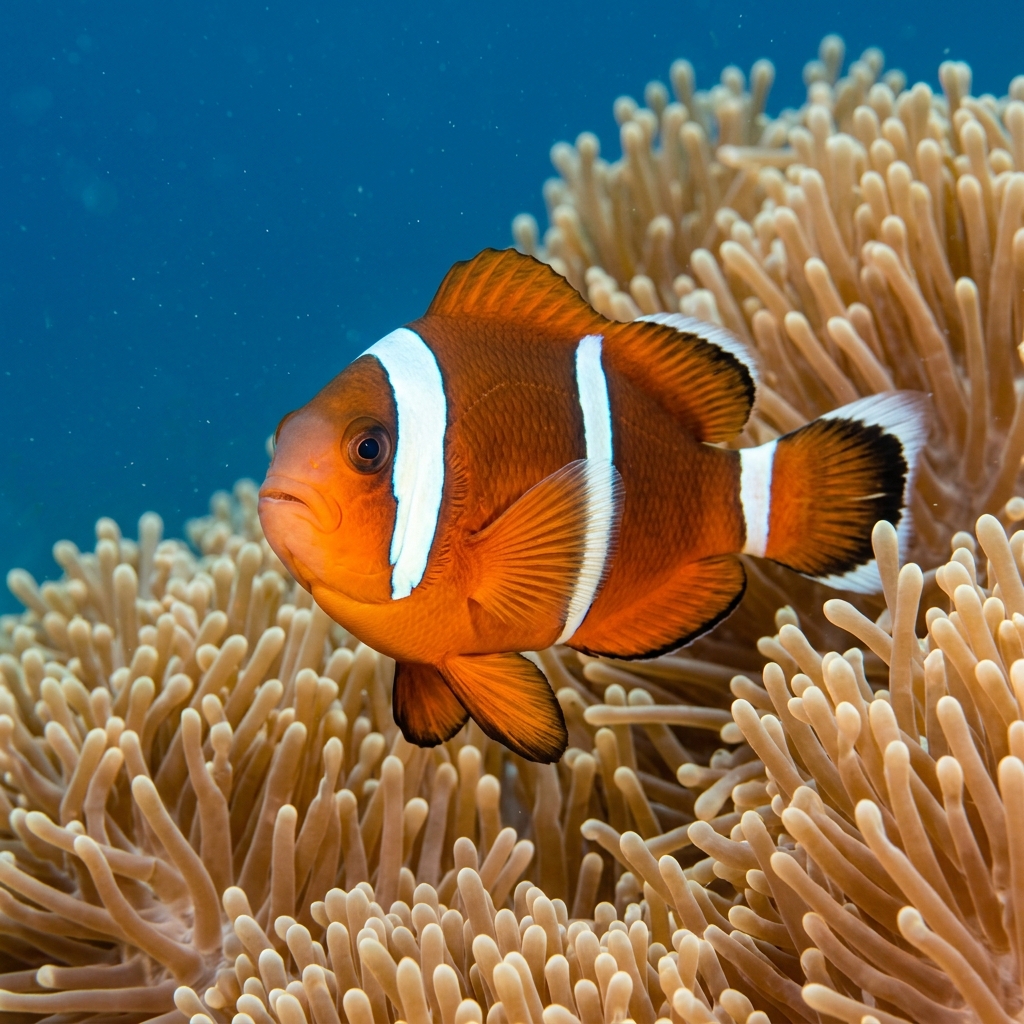
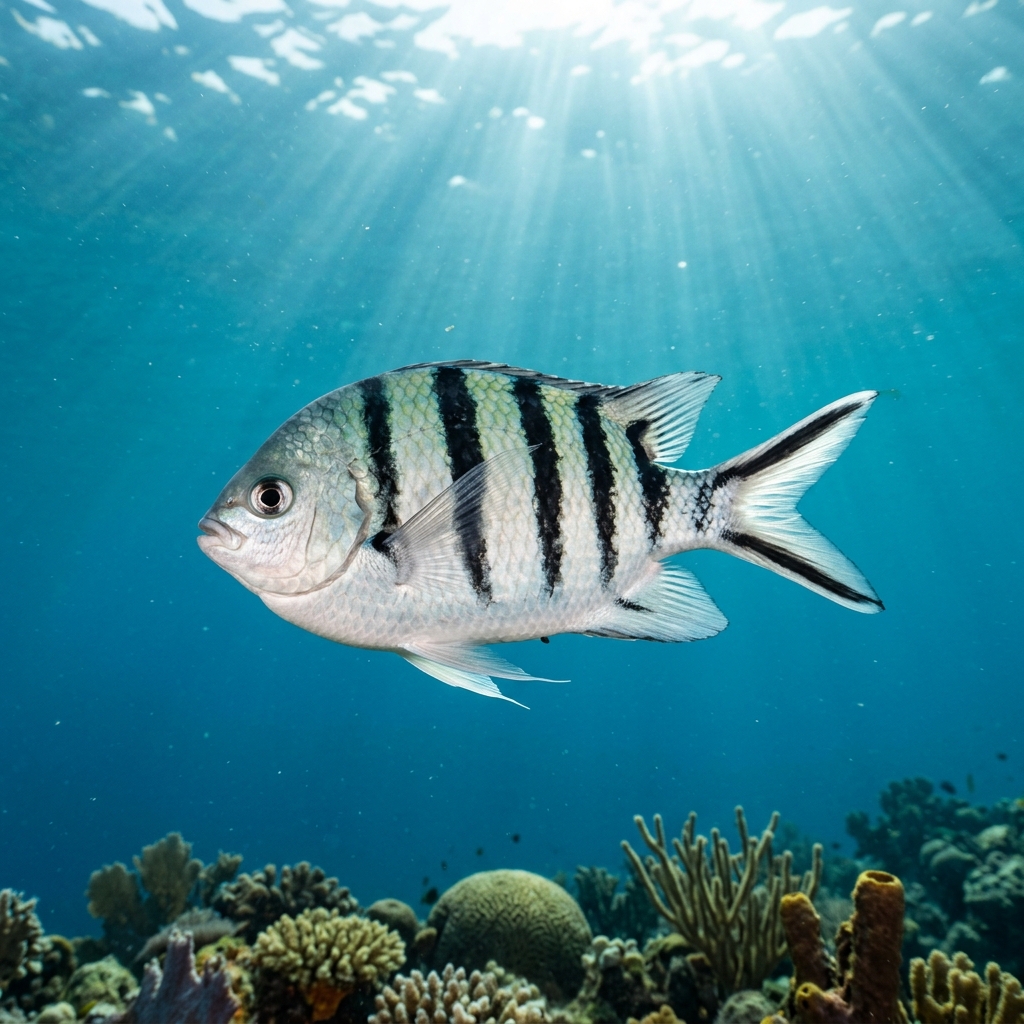
Reef neighbours a diver could mistake it for. Use the identification notes above to tell them apart.
Most consistently logged around Nouméa in New Caledonia, which accounts for the bulk of recorded sightings, with a smaller presence on reefs in Queensland, Australia. Outside these two countries it hasn't been well documented, so New Caledonia is currently the more reliable bet for a dedicated search.
Mapping where Greyback Damsel is logged…
The most reliable region is around Nouméa in New Caledonia, where it has been logged at several sites. It's also been recorded on reefs in Queensland, Australia, though less frequently.
There's no clear seasonal pattern in the sightings, and its comfortable water-temperature range of about 23 to 29°C suggests it's around on tropical reefs throughout the year.
Look for a small, oval-bodied damselfish around 4 cm long with a grey-blue body that darkens toward the back. It lacks bold stripes or bright eyespots, so it often blends into rubble and reef debris rather than standing out.
They stay small, typically reaching around 4 cm in length, in line with other members of the Chrysiptera damselfish genus.
No, they pose no danger to divers. Like most small damselfish they may dart at intruders near their patch of reef, but this is only a mild territorial display, not a real threat.
Site and sighting data is aggregated from diver logs, iNaturalist and GBIF. For taxonomy and conservation status:
Dascyllus
3,697 sites