Rypticus saponaceus
Look for a stout, mottled grey fish tucked under ledges in Bonaire or Curacao, year-round in warm Caribbean water.
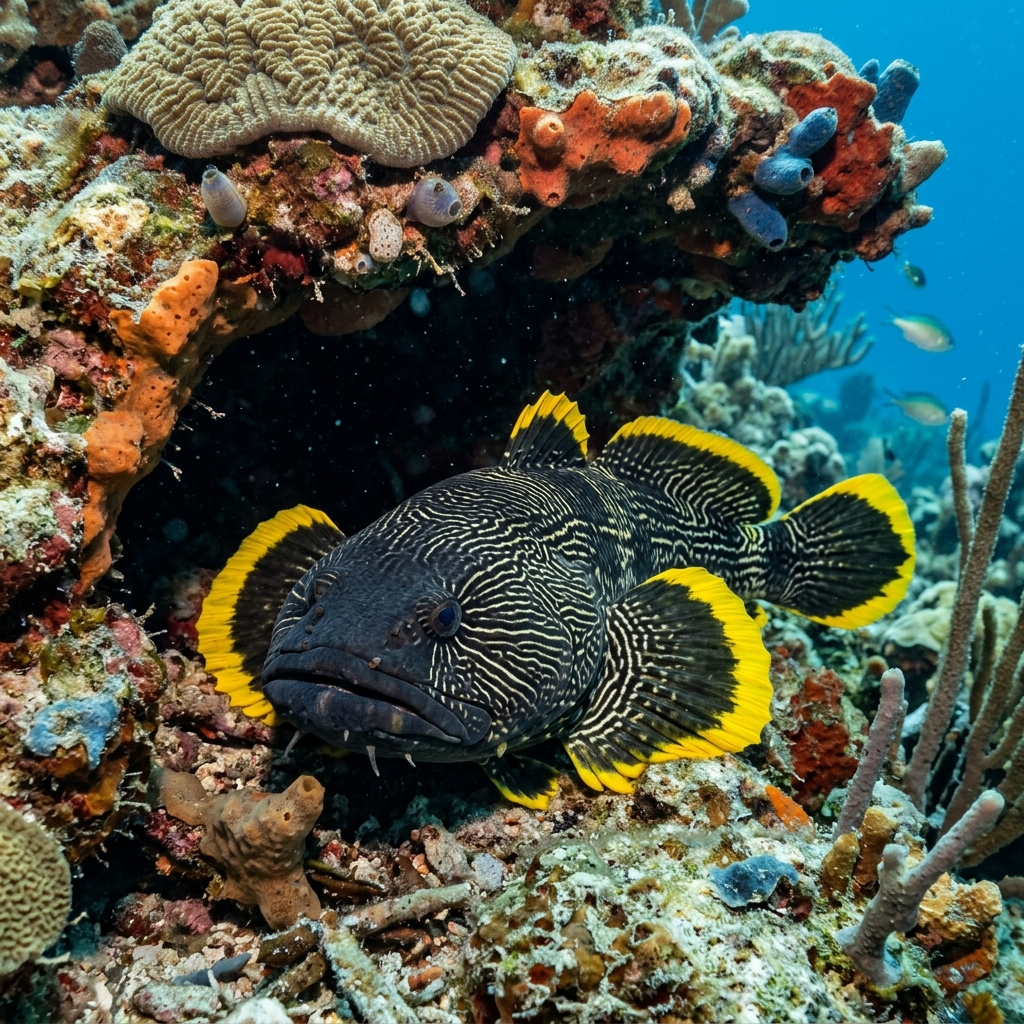
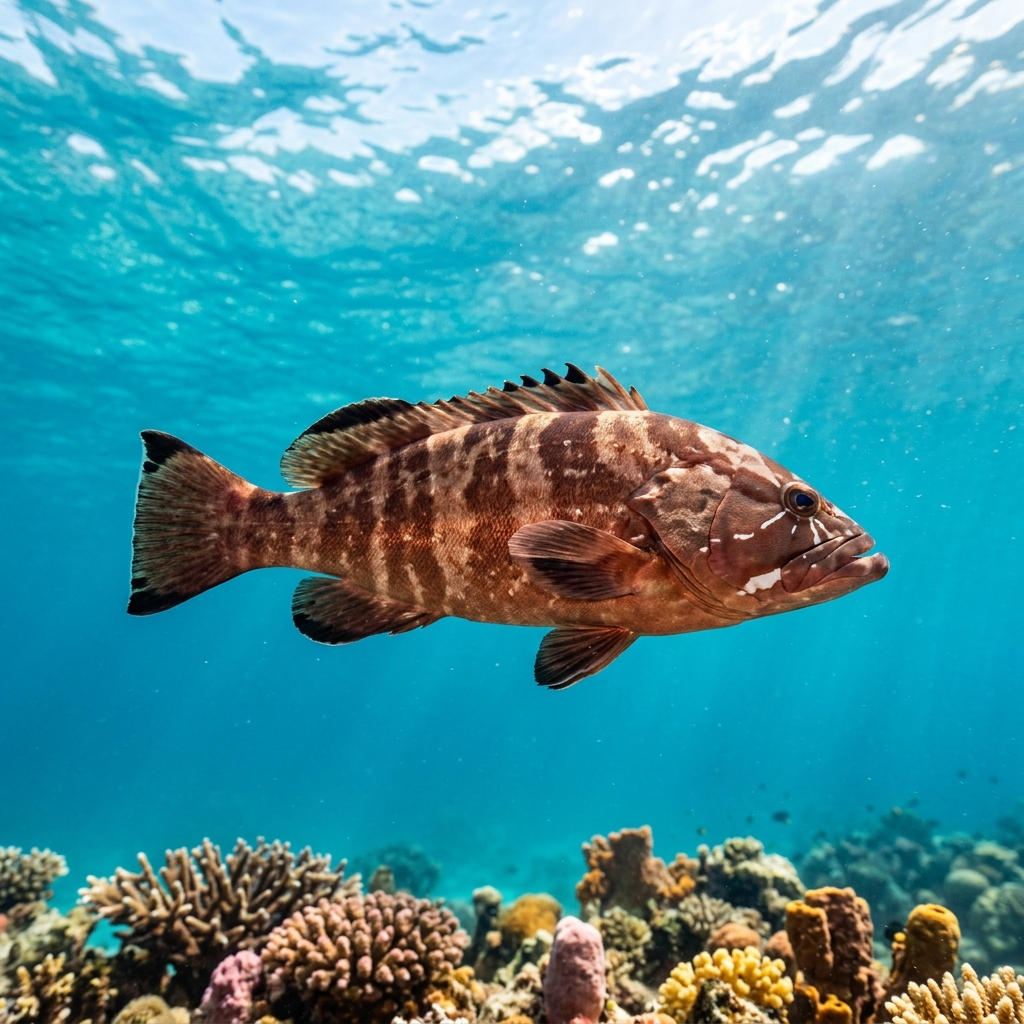
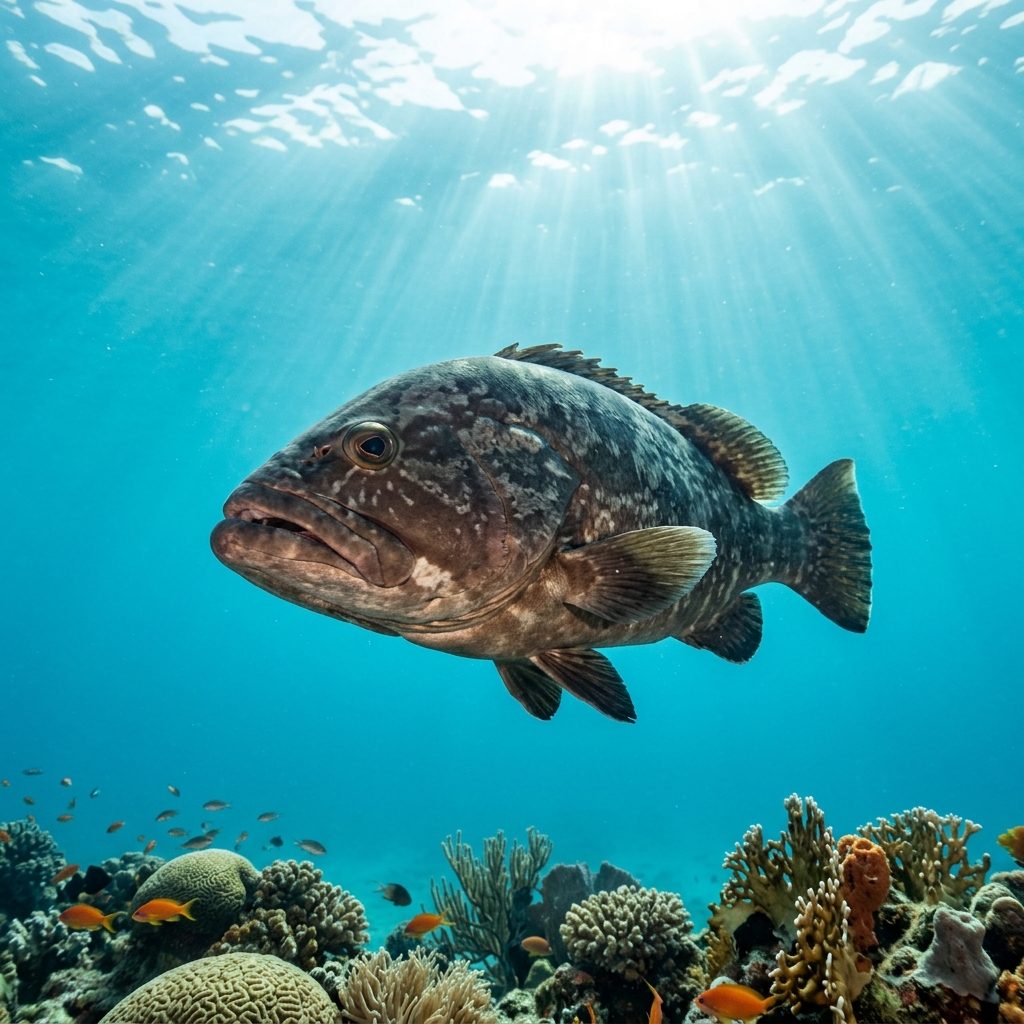
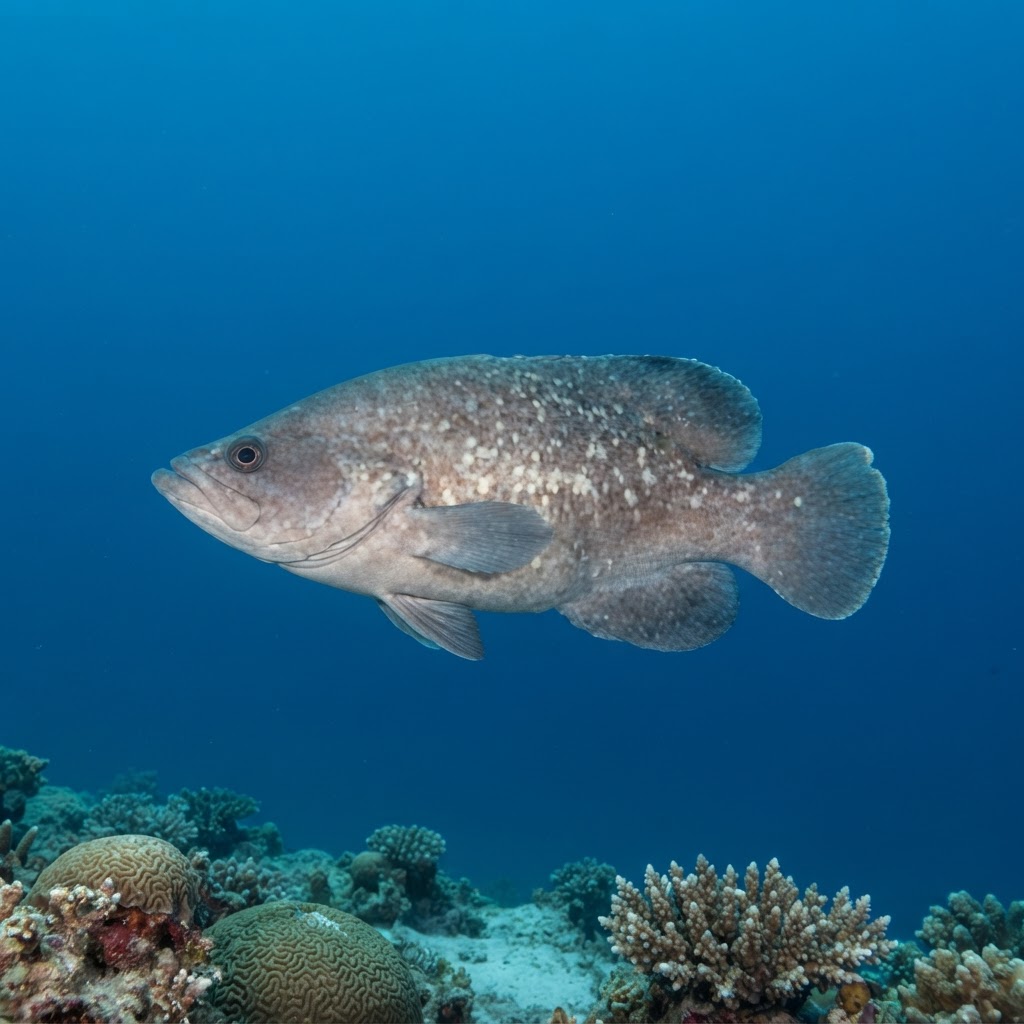
Chunky, almost oval body around 24 cm long, usually seen hanging motionless near a ledge or crevice rather than swimming in open water. Colour is mottled grey to brown with irregular darker blotches that break up its outline against rock and coral rubble. Large head, a slightly downturned mouth, and a thick-lipped, sluggish look are the quickest tells. It tends to sit tilted or wedged into a hole rather than hovering flat like most reef fish.
Expect to find one tucked under a ledge, in a crevice, or resting on rubble rather than out cruising the reef, often during the day when it is at its least active. Divers who hold still and look into dark recesses have the best luck; it rarely bolts and will often just sit there being ignored. Most sightings come from a slow, careful scan of overhangs rather than mid-water encounters.
Its skin secretes a soap-like toxic mucus when stressed or handled, which is where both the common name and the defensive strategy come from, so it is a fish best left where you find it.
No clear seasonal pattern shows up in the sightings, and its comfort range of about 23 to 28 C matches Caribbean and Brazilian reef temperatures for most of the year, so it is a year-round find rather than a seasonal target.
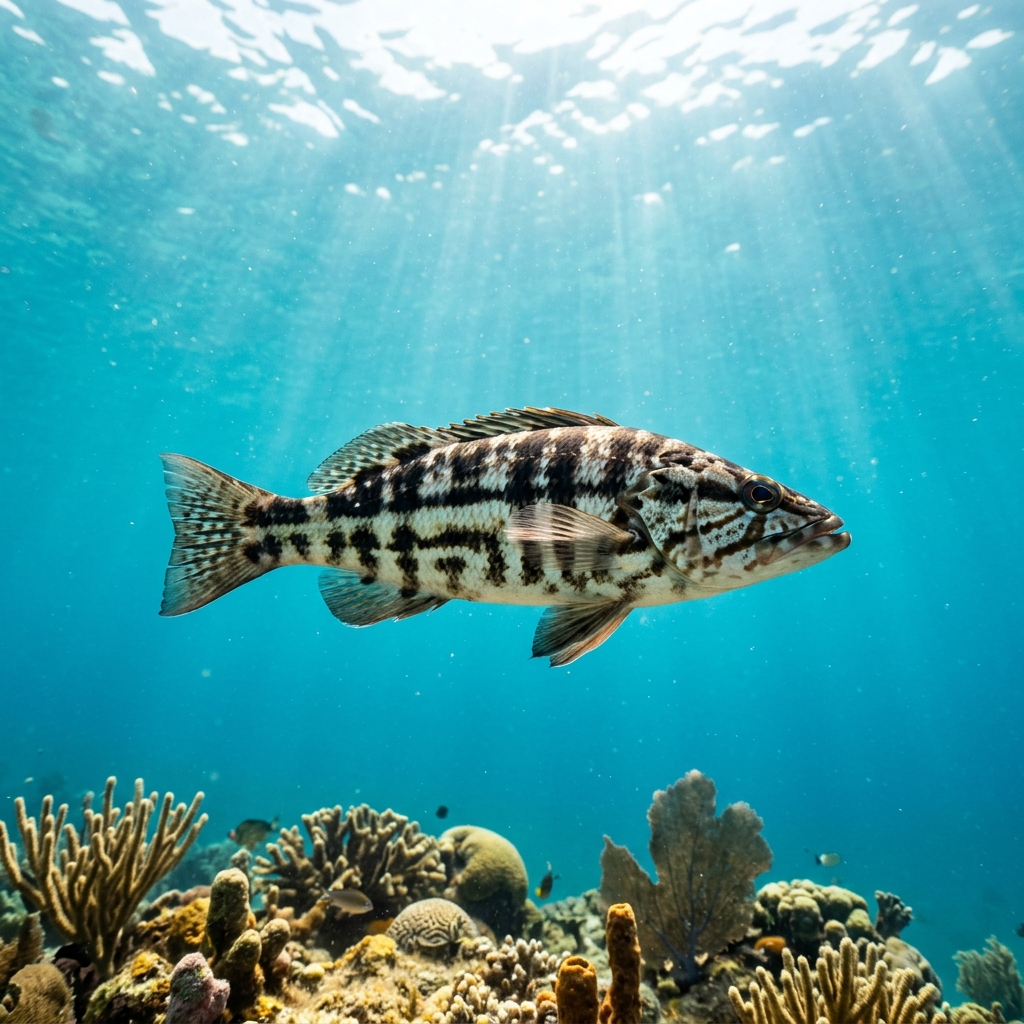
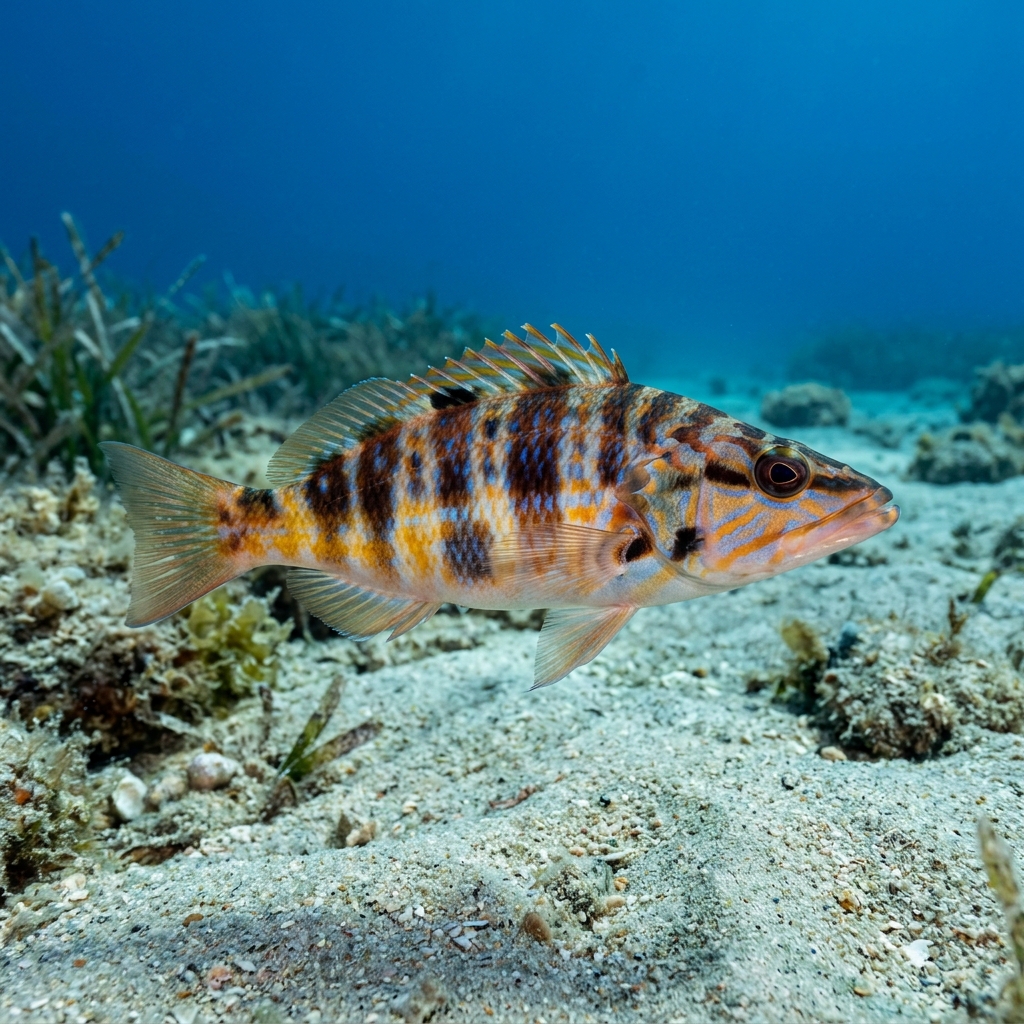
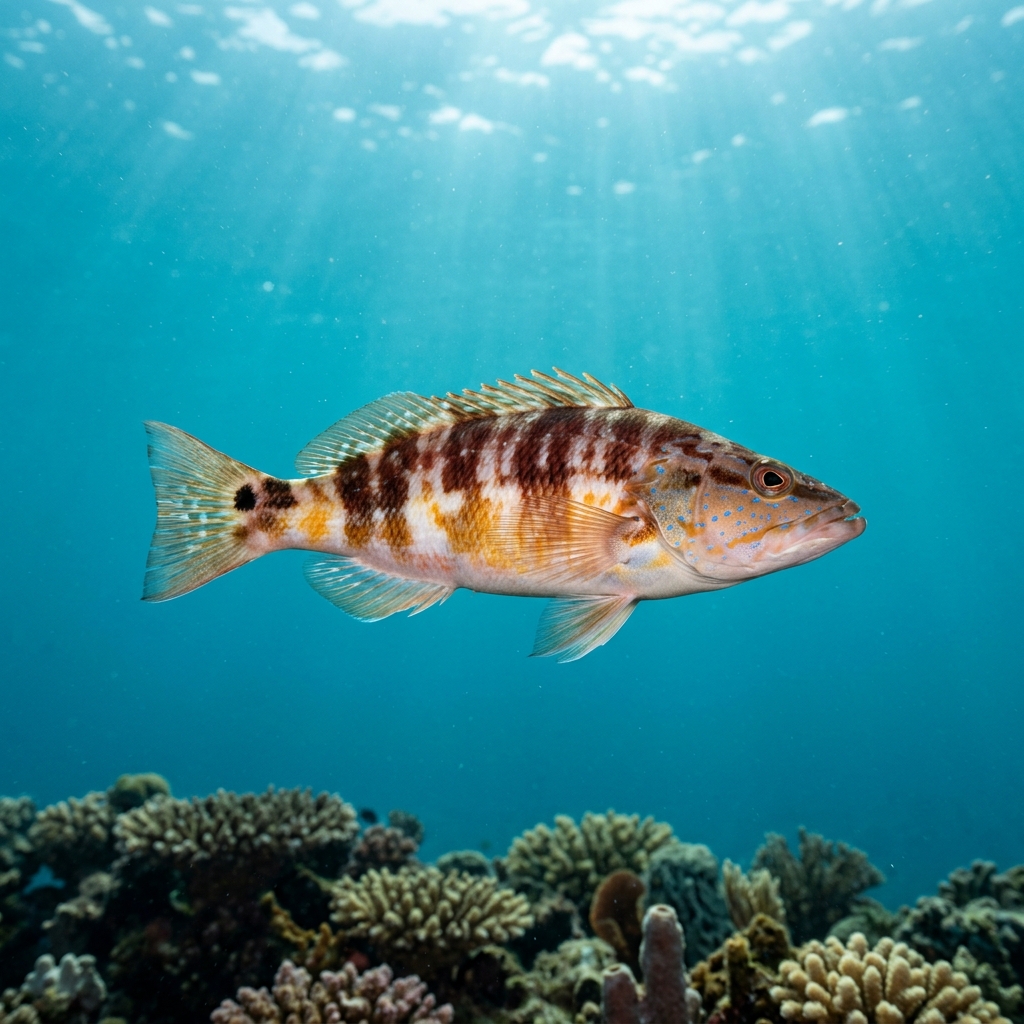
Reef neighbours a diver could mistake it for. Use the identification notes above to tell them apart.
Most reliably logged across the southern Caribbean, with strong numbers in Bonaire and Curacao, plus Grenada (notably around Carriacou) and the US Virgin Islands, especially Saint Croix. It also turns up regularly in Martinique, the Cayman Islands, Aruba, and on Brazilian reefs around Rio de Janeiro and Fernando de Noronha.
Mapping where Greater Soapfish is logged…
Bonaire and Curacao have the strongest sightings, with Grenada's Carriacou and Saint Croix in the US Virgin Islands also reliable spots. Martinique, the Cayman Islands, and Brazil's Rio de Janeiro coast turn them up too.
There is no strong season in the data. They live in water from about 23 to 28 C, which covers Caribbean and Brazilian reefs year-round, so any month works.
Look for a stout, mottled grey-brown fish around 24 cm long wedged under a ledge or in a crevice rather than swimming openly. The blotchy camouflage pattern and thick-lipped, heavy-headed look are the giveaways.
They typically reach around 24 cm in length, a compact, chunky-bodied fish rather than a large one.
When threatened or handled it releases a slippery, toxic mucus that foams like soap, a defence that deters predators and gives the whole family its name.
Site and sighting data is aggregated from diver logs, iNaturalist and GBIF. For taxonomy and conservation status:
Blacktip Grouper
2,726 sites