Pagurus granosimanus
Cold-water hermit crab common on British Columbia's rocky reefs, spotted in 8.5 to 14.5°C water year-round.
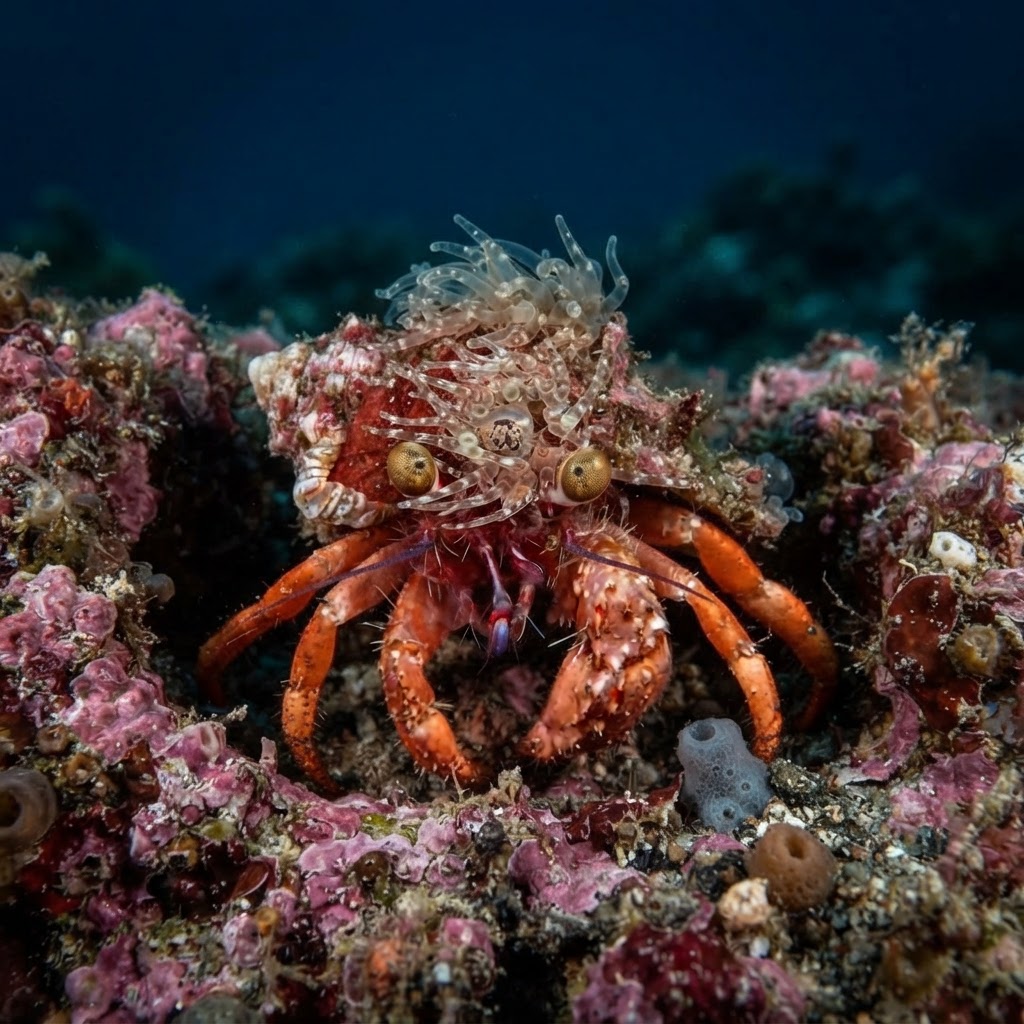
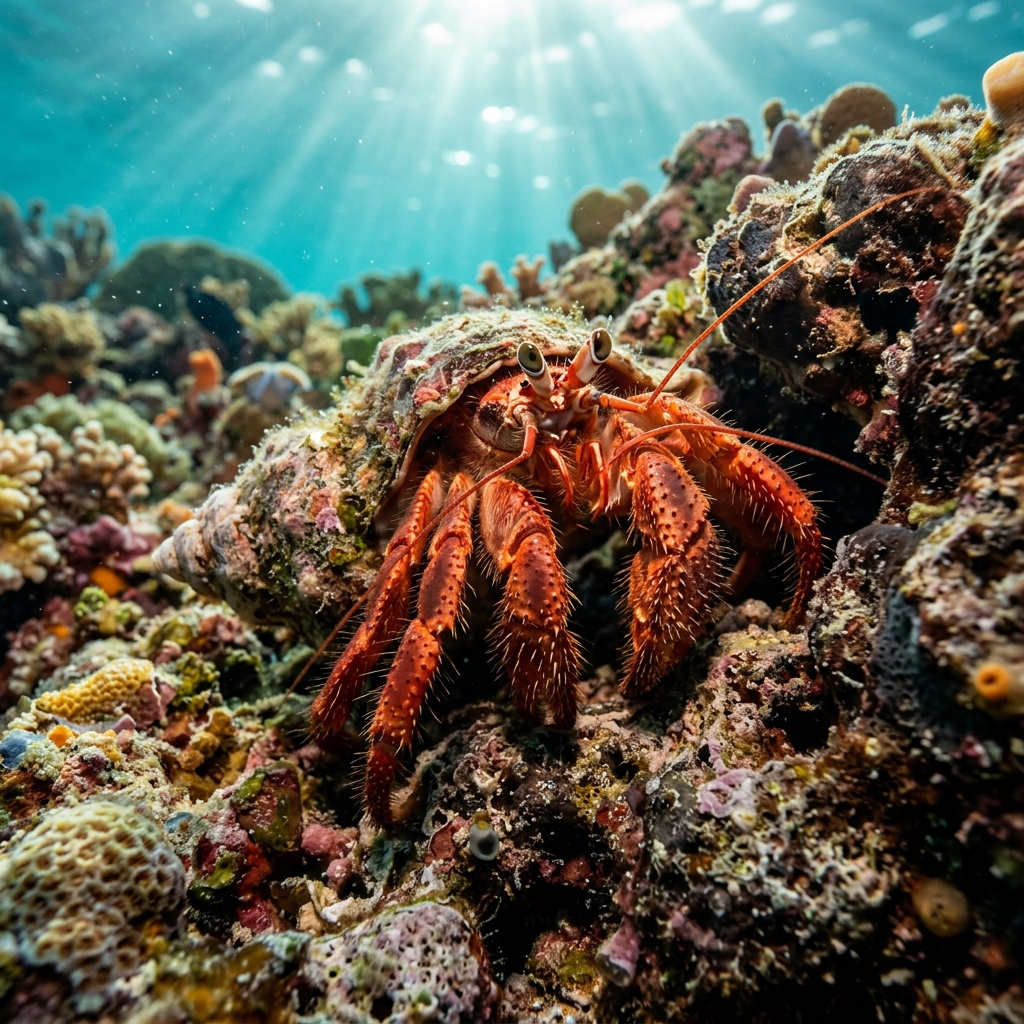
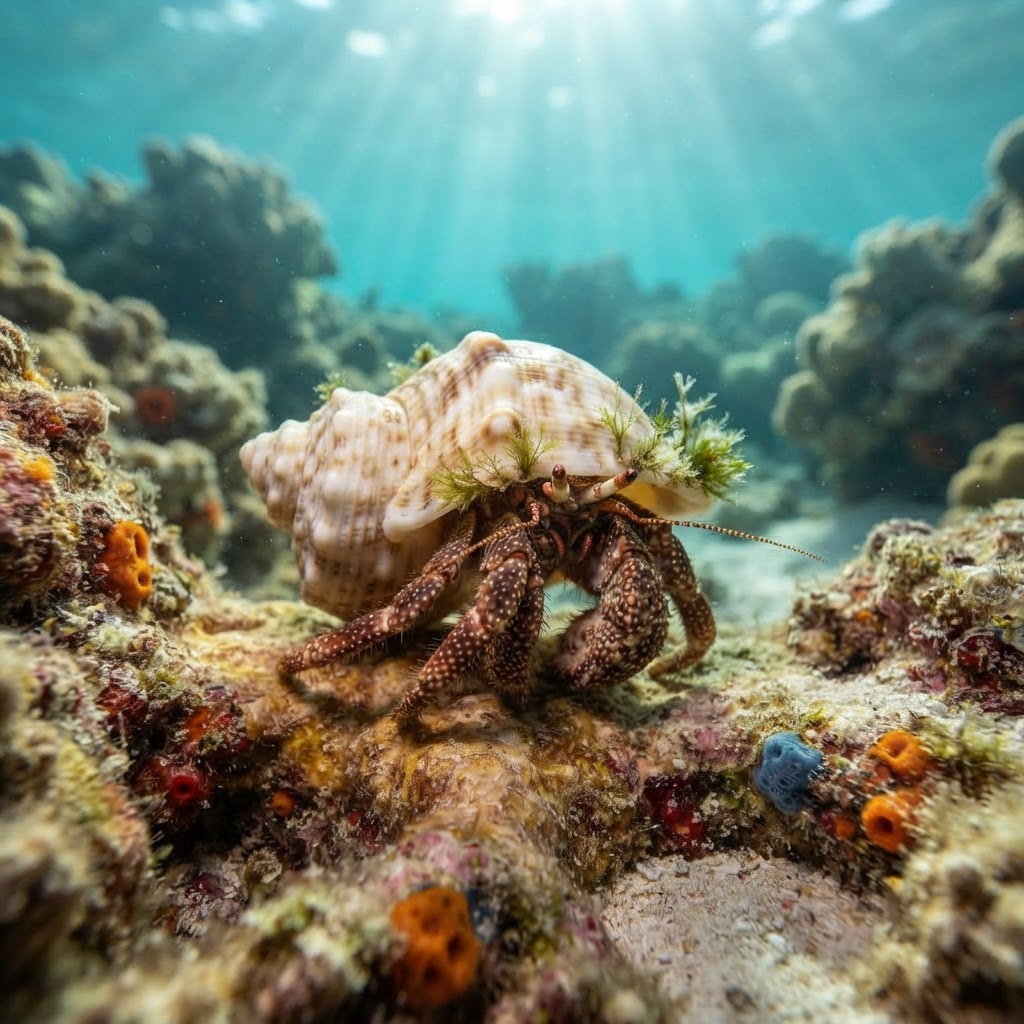
Small hermit crab, easy to overlook, usually tucked into a scavenged snail shell rather than shown fully in the open. Its claws and legs have a distinctly grainy, granular texture rather than being smooth, which is the main feature divers use to key it out under a torch. Colouring runs olive to reddish-brown, blending well with the rocky, algae-covered substrate it favours.
Look for it picking slowly over rocky bottom and among cobble, sifting debris and algae for scraps rather than actively hunting. It tends to stay low and close to cover, retreating into its borrowed shell if a light or hand gets too close, and most divers log it as an incidental find rather than a target species.
Like all hermit crabs it doesn't grow its own shell, it upgrades to a bigger scavenged snail shell as it grows, so the same individual can look quite different in shell shape and size over its life.
Sightings don't show a clear season, and with a temperature niche of 8.5 to 14.5°C it's a cold-water resident that divers encounter year-round rather than on a seasonal window.
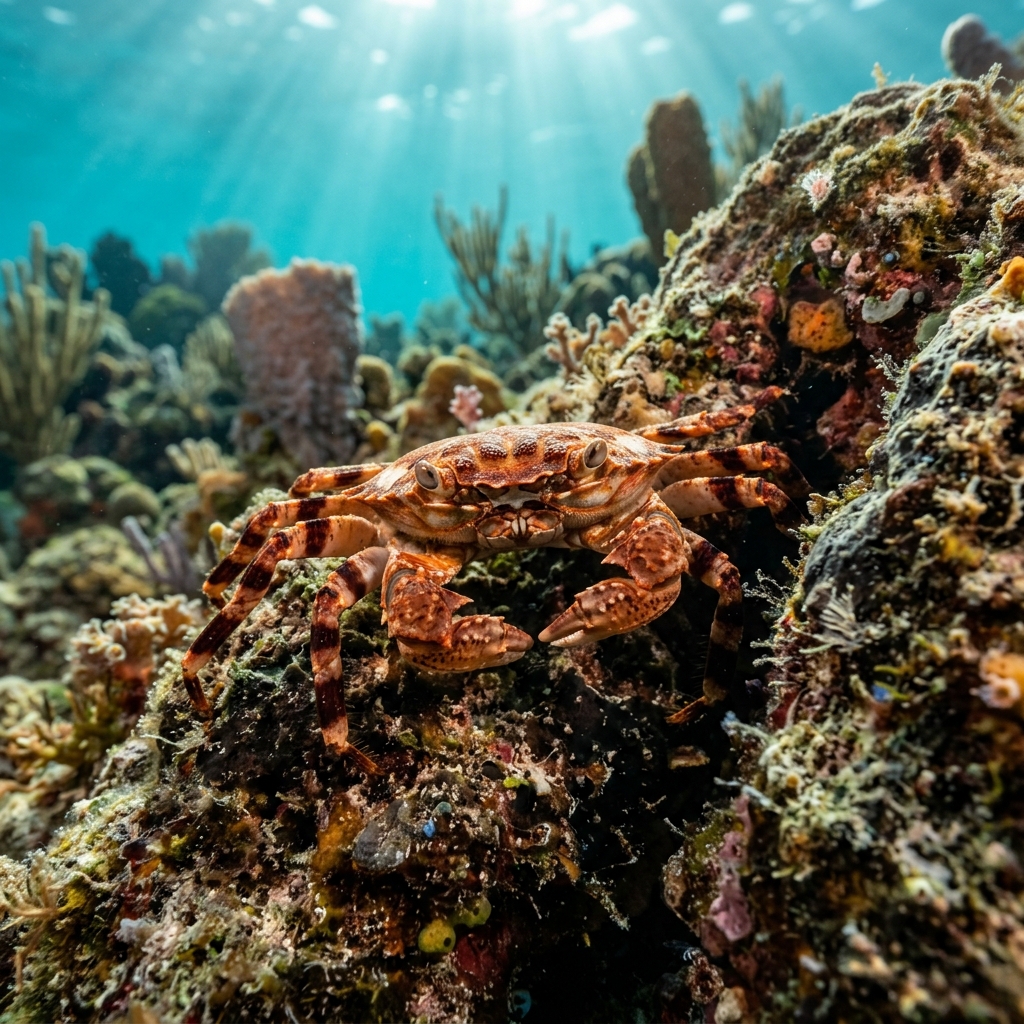
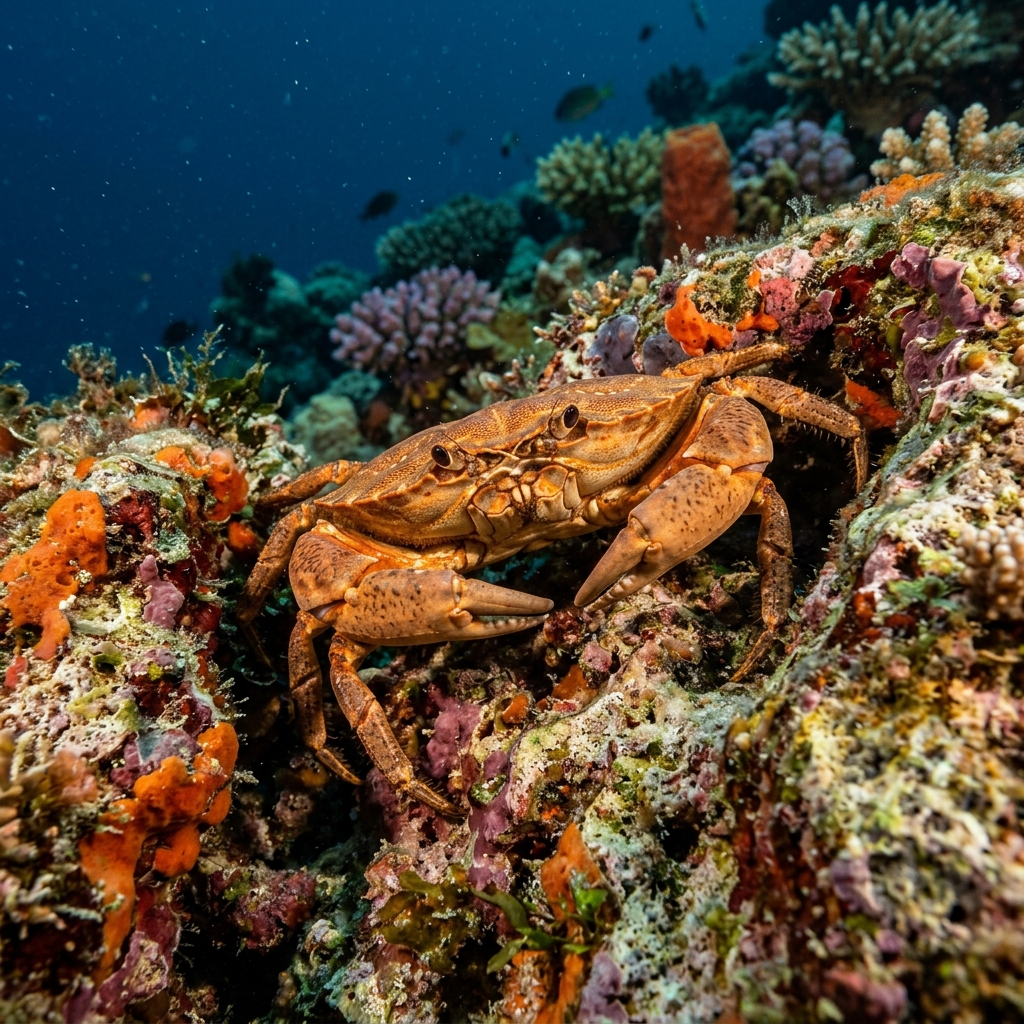
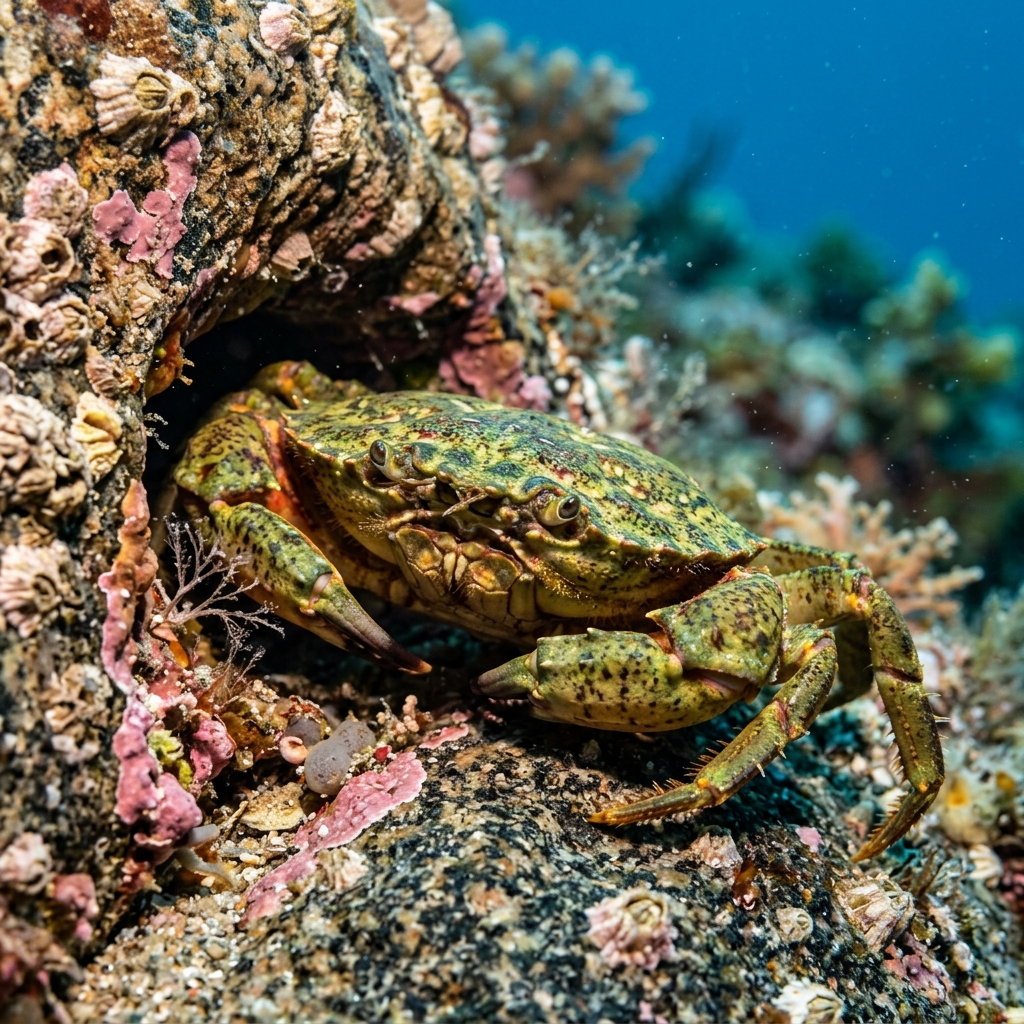
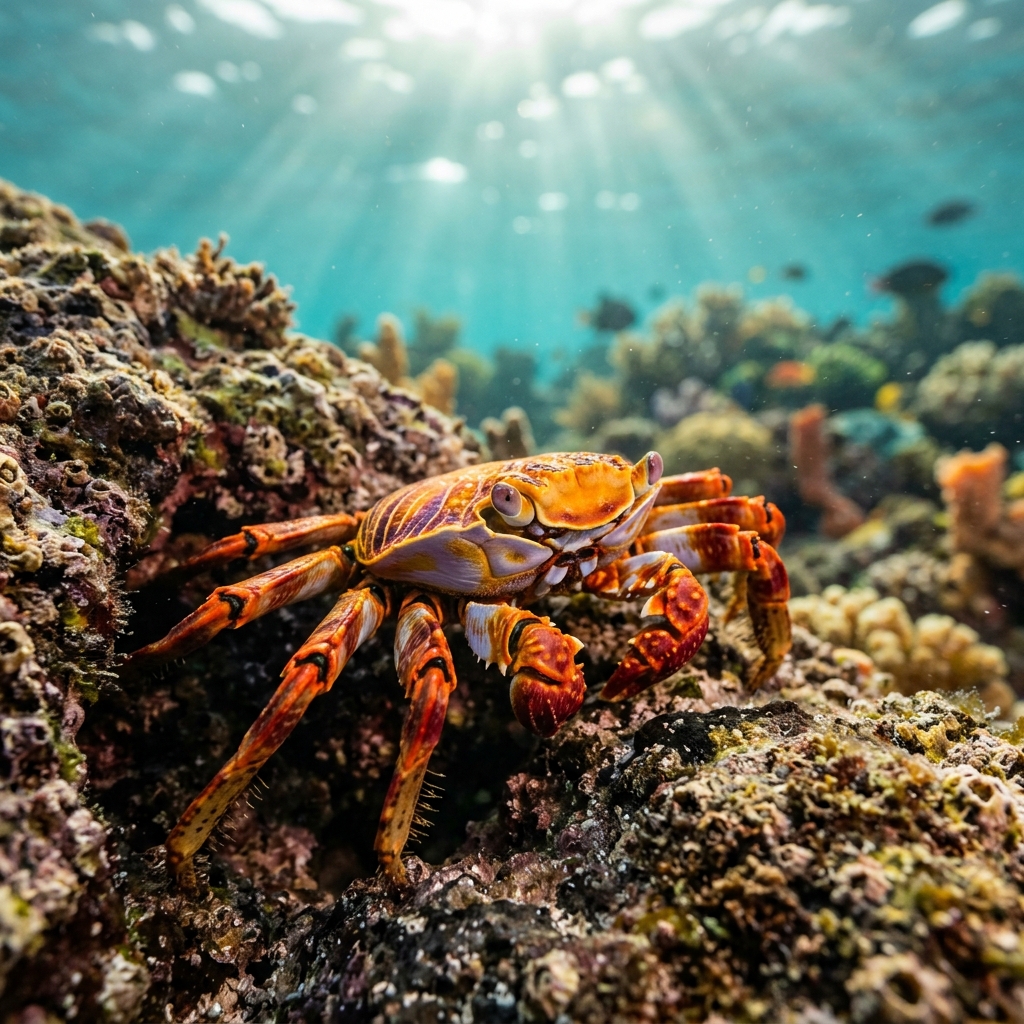
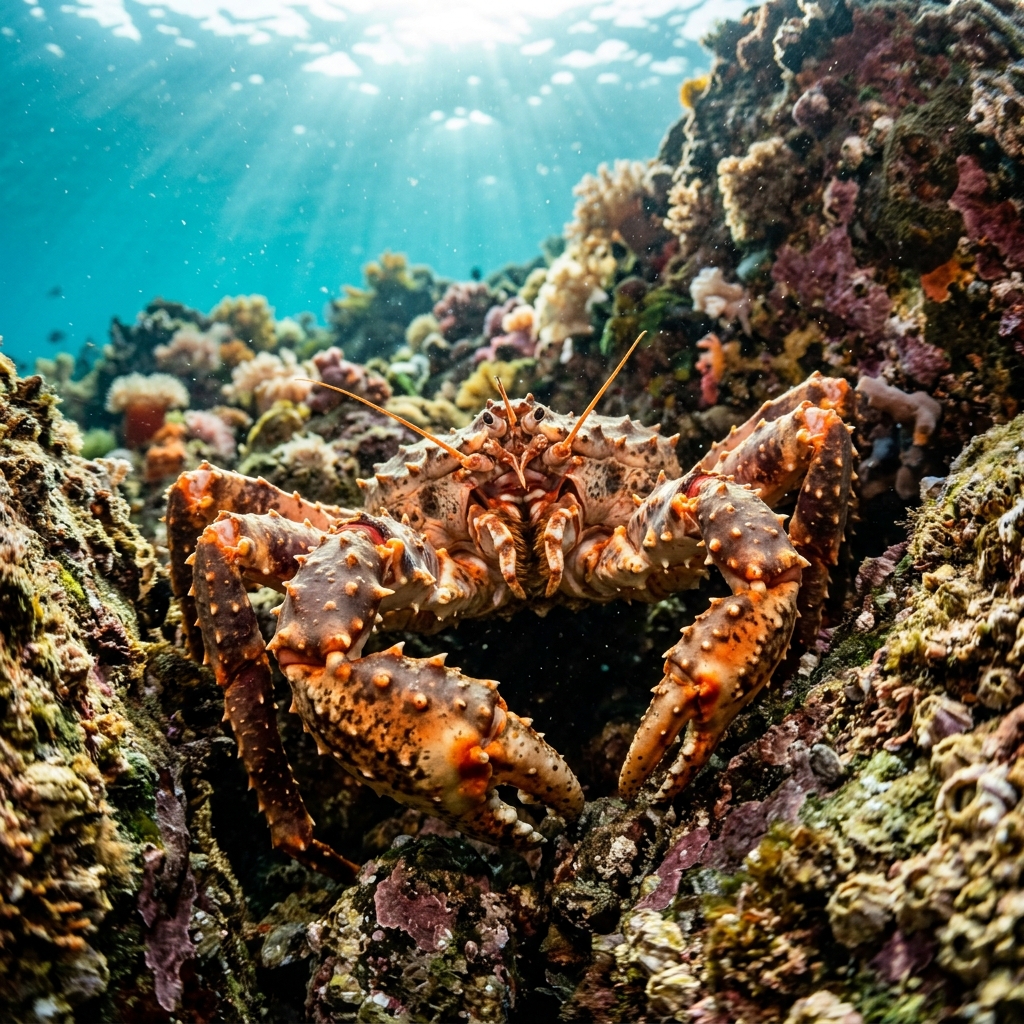
Reef neighbours a diver could mistake it for. Use the identification notes above to tell them apart.
Most reliably logged along British Columbia, particularly on rocky reef and rubble sites, with a strong secondary presence through the Pacific Northwest of the United States. Smaller numbers turn up in California and as far north as Alaska, tracking the cold, temperate coastline of the northeast Pacific.
Mapping where Grainyhand Hermit Crab is logged…
British Columbia is the strongest region for sightings, especially on rocky reef sites, with more logged through the Pacific Northwest, California, and occasionally Alaska.
There's no strong seasonal pattern in sightings, and its 8.5 to 14.5°C temperature range means it's active in the cold Pacific Northwest waters all year.
Check the claws and legs for a rough, granular texture rather than smooth skin, and expect to see it living in a scavenged snail shell on rocky or rubble bottom.
No, they're small, harmless bottom-dwellers that pose no risk to divers and will typically withdraw into their shell if disturbed.
It has a soft, unprotected abdomen, so it occupies empty snail shells for defence and moves into a larger one as its body grows.
Site and sighting data is aggregated from diver logs, iNaturalist and GBIF. For taxonomy and conservation status:
European Green Crab
2,469 sites