Goniobranchus albopustulosus
A Hawaii speciality nudibranch, uncommonly logged on reefs from 22 to 28C, spotted year-round across the islands.
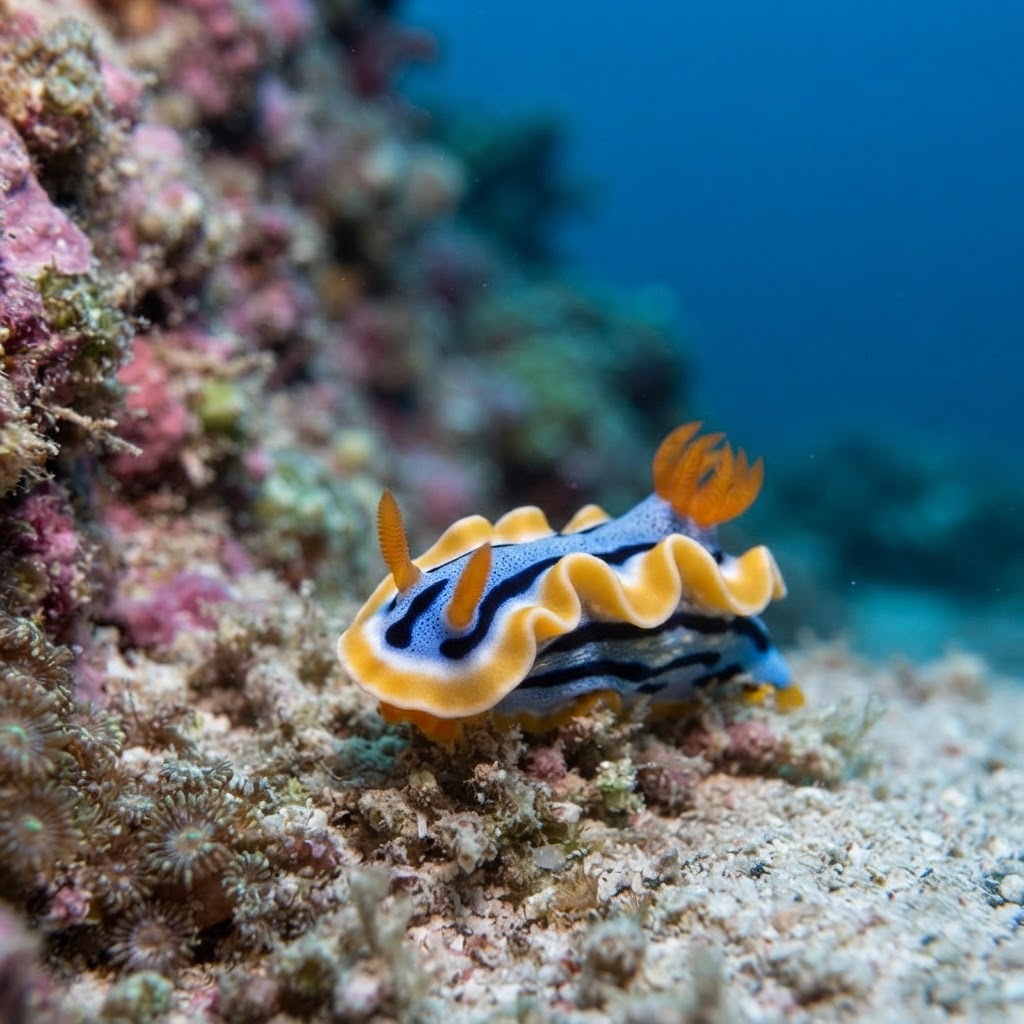
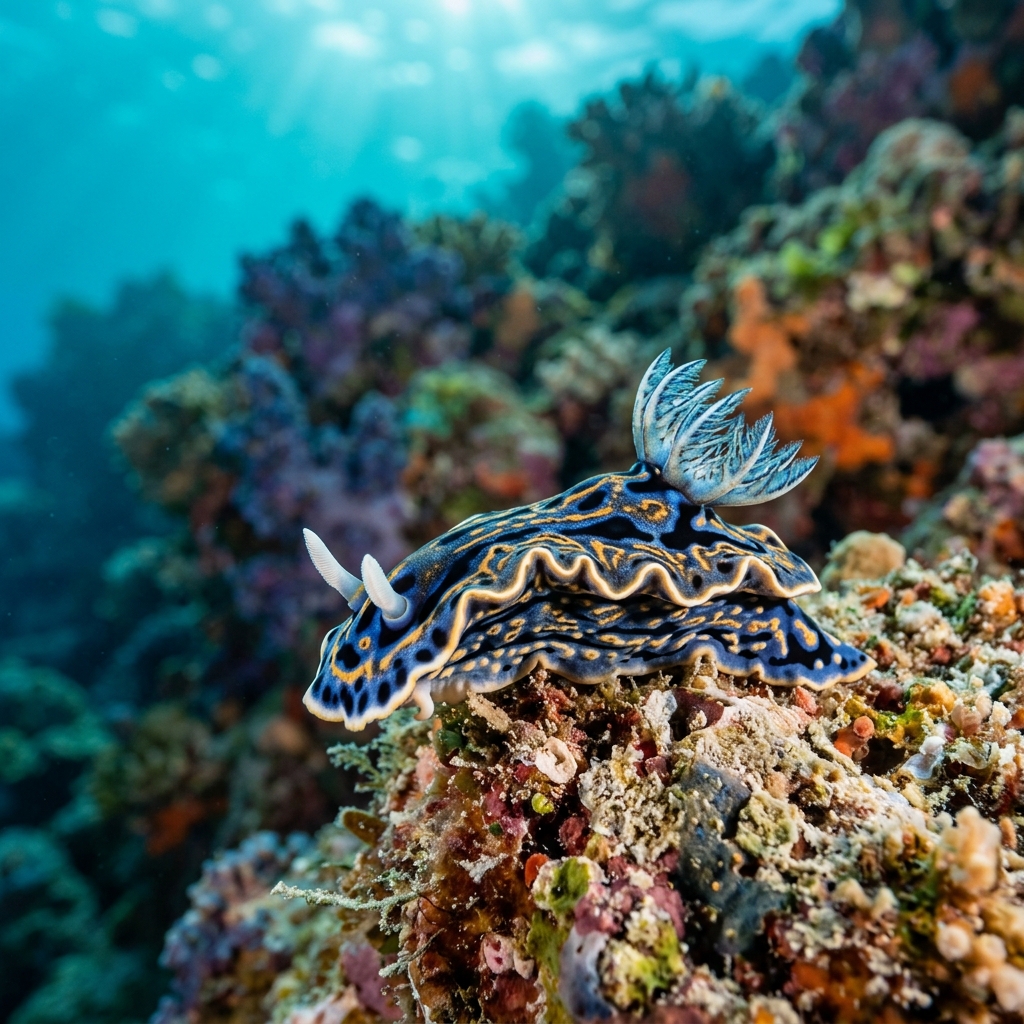
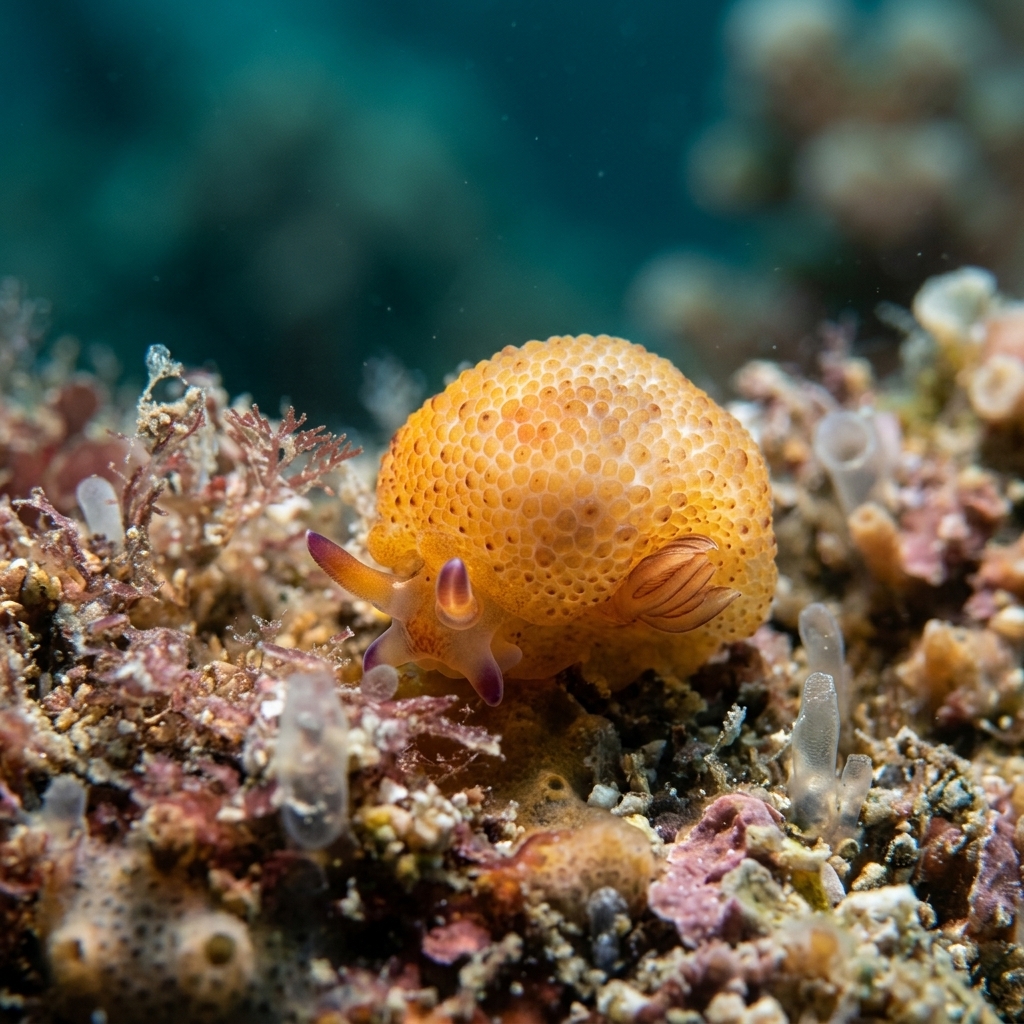
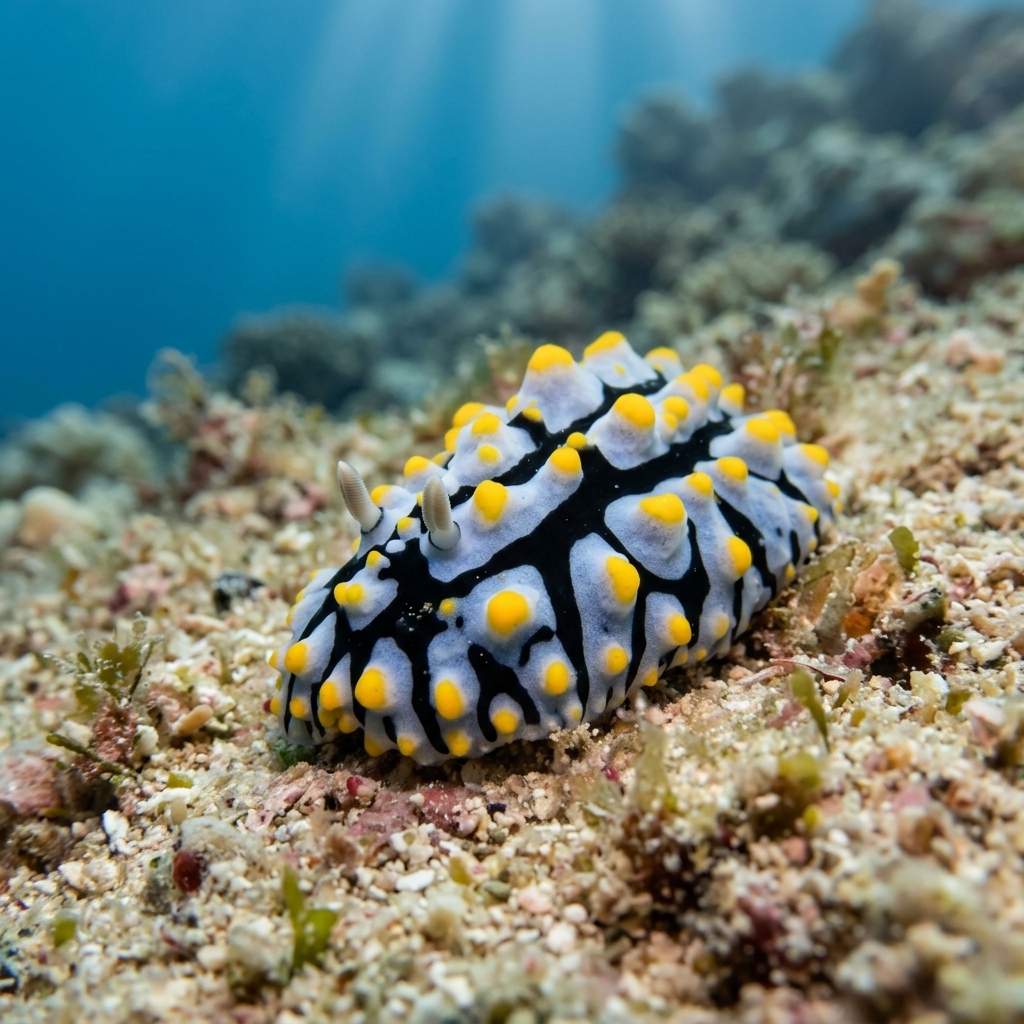
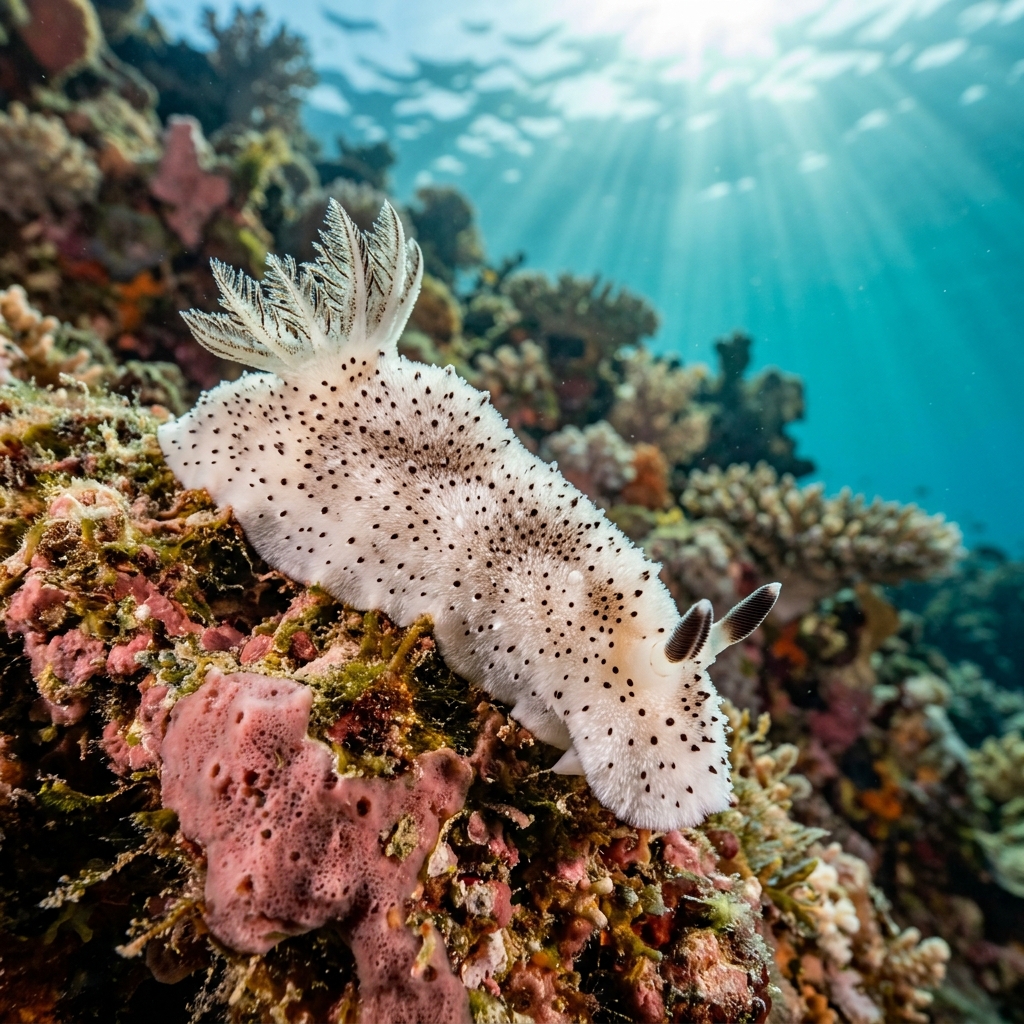
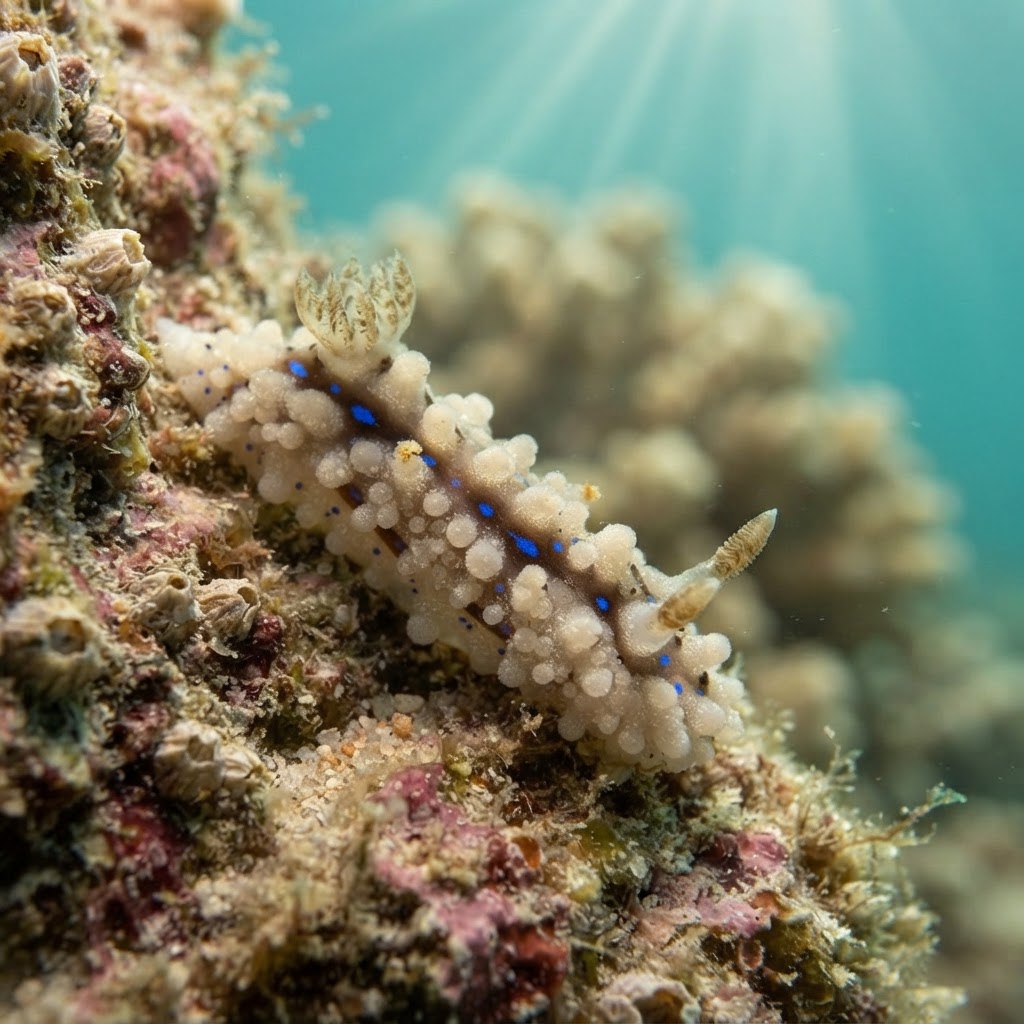
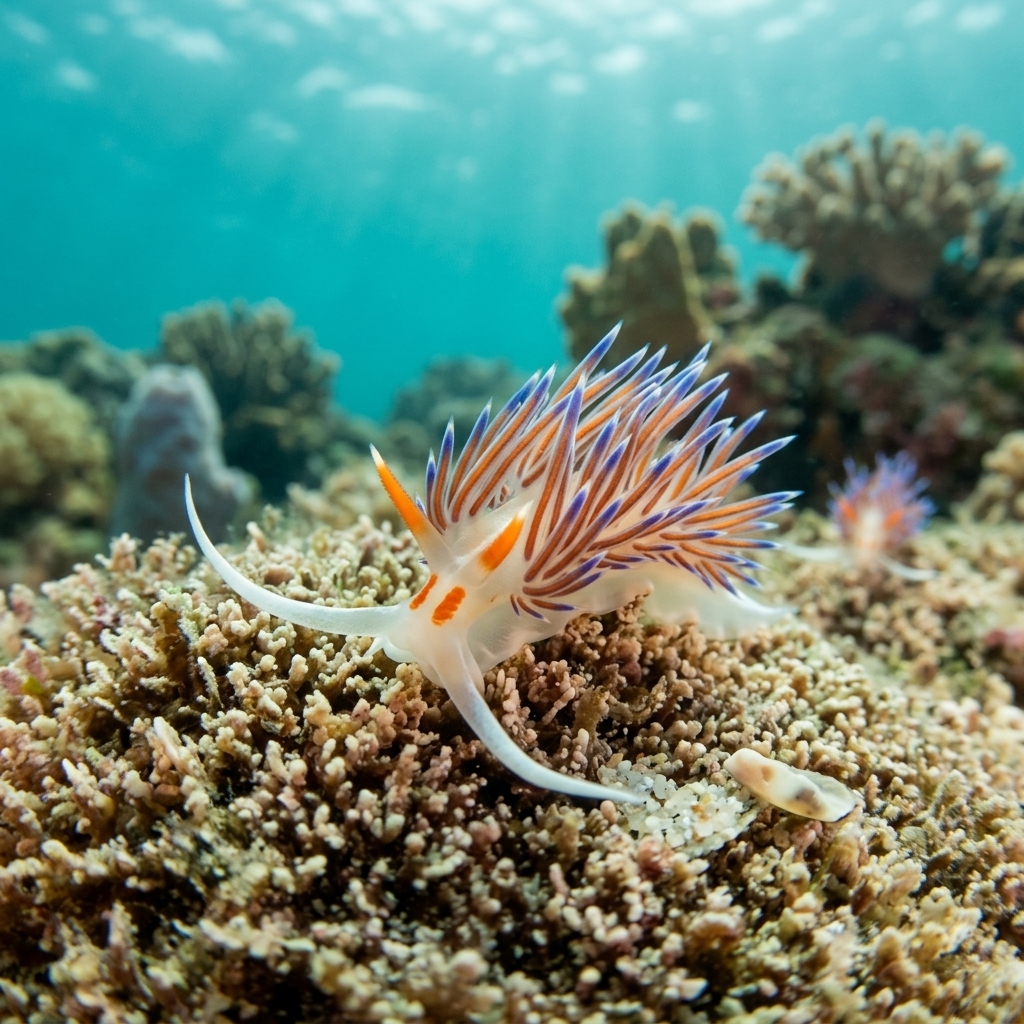
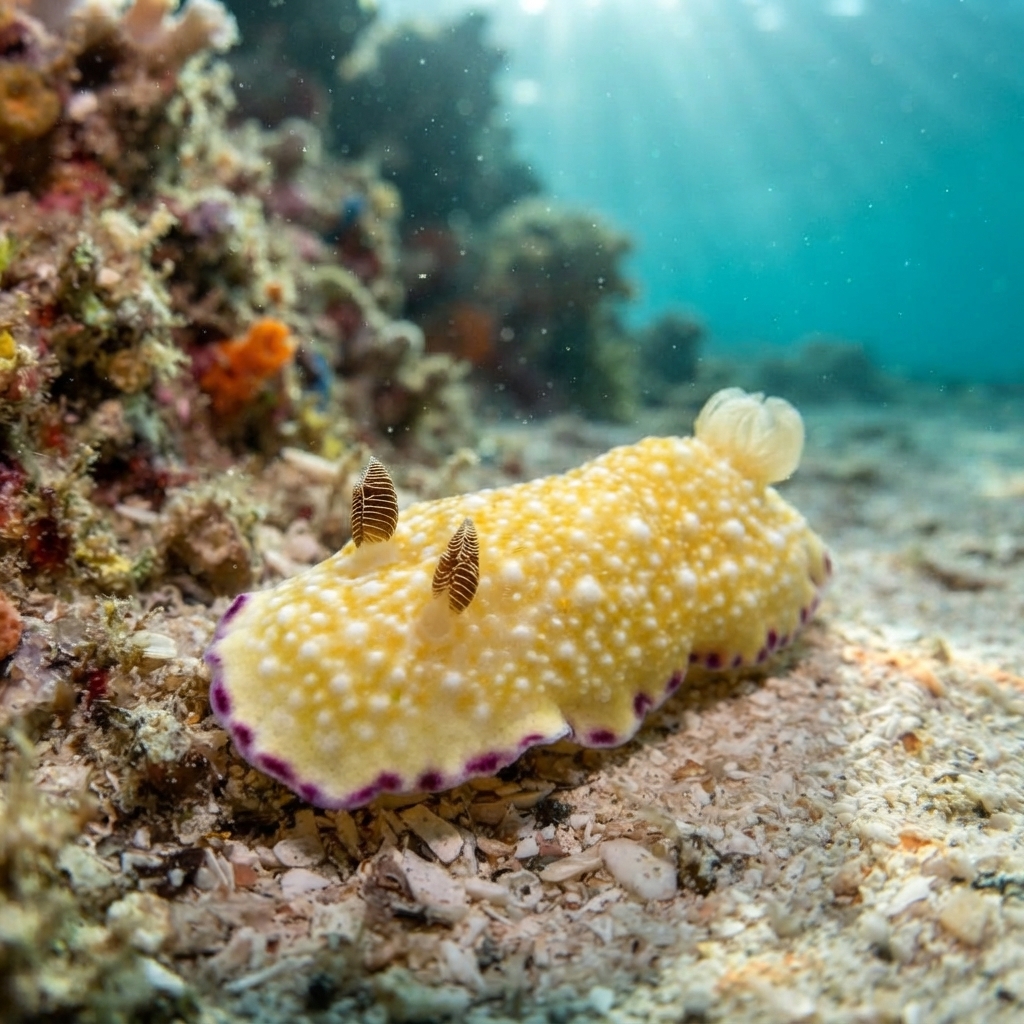
A small dorid nudibranch (a sea slug with a soft, unshelled mantle) recognised by scattered raised white pustules across its mantle surface, giving it a textured, bumpy look rather than a smooth one. The mantle edge and background colour give divers a solid contrast to hunt for on rubble and coral rock, and the rhinophores (the paired sensory horns on the head) are the other feature worth checking for confirmation. Size in the water is small enough that most divers find it while scanning slowly along reef crevices rather than spotting it from a distance.
Divers typically find it moving slowly over rubble, rock, and coral surfaces where it grazes, showing no reaction to divers beyond its usual crawl. Look for it during the day tucked into reef nooks or out in the open on encrusted substrate rather than swimming, since like most dorid nudibranchs it stays on the bottom.
Like other chromodorid nudibranchs, it likely feeds on specific sponges and stores or repurposes chemical compounds from that diet as a defence against predators, which is part of why its colouring stands out rather than blends in.
Sightings sit comfortably within a 22.3 to 28.3C range and show no detected seasonal pattern, so this is a year-round find on Hawaiian reefs rather than a seasonal target.
Reef neighbours a diver could mistake it for. Use the identification notes above to tell them apart.
This one is effectively a Hawaii speciality in the logged data, showing up consistently across dive sites there and nowhere else in significant numbers. Within Hawaii it is most reliably reported as an uncommon find, with a handful of sites where divers rate it common, so patient reef scanning around the islands is your best bet.
Mapping where Goniobranchus albopustulosus is logged…
It is most reliably logged in Hawaii, with dive sites across the islands turning up sightings, though usually as an uncommon rather than guaranteed find.
There is no clear seasonal pattern in the sightings, and the temperature range it is found in (22.3 to 28.3C) holds year-round on Hawaiian reefs, so any month is fair game.
Check for a mantle covered in small raised white pustules that give the surface a bumpy texture, paired with the rhinophores on the head typical of dorid nudibranchs. It is a slow crawler on rock and rubble rather than a fast-moving species.
Exact size data is not confirmed for this species, but like most Goniobranchus nudibranchs it stays small, typically found by divers scanning closely rather than spotting from afar.
As with many chromodorid nudibranchs, it probably draws on chemical defences from its sponge diet, using those compounds to deter predators rather than relying on speed or camouflage.
Site and sighting data is aggregated from diver logs, iNaturalist and GBIF. For taxonomy and conservation status:
Nudibranch
3,168 sites