Heteropriacanthus cruentatus
Big red eyes, deep red body, tucked into Caribbean reef crevices by day: find Glasseye in Grenada and Bonaire year-round in 23-29C water.
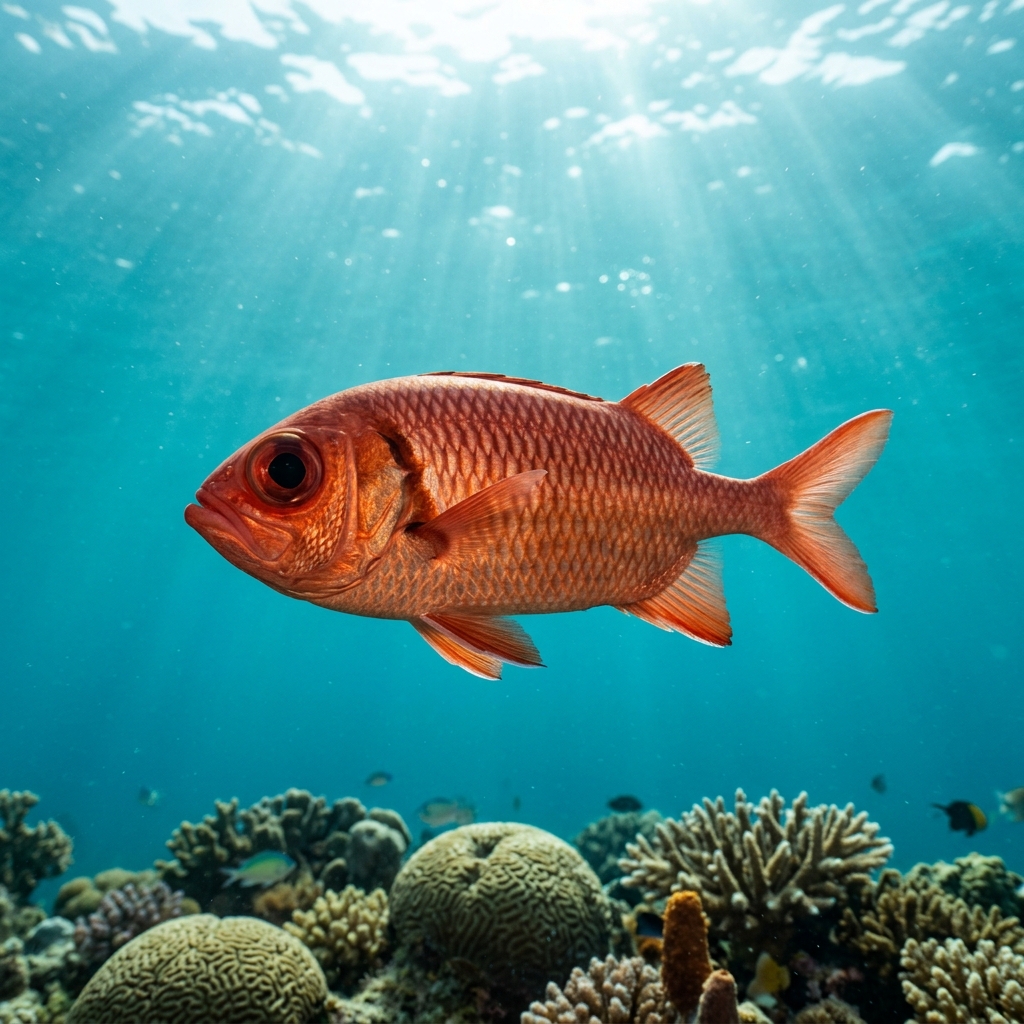
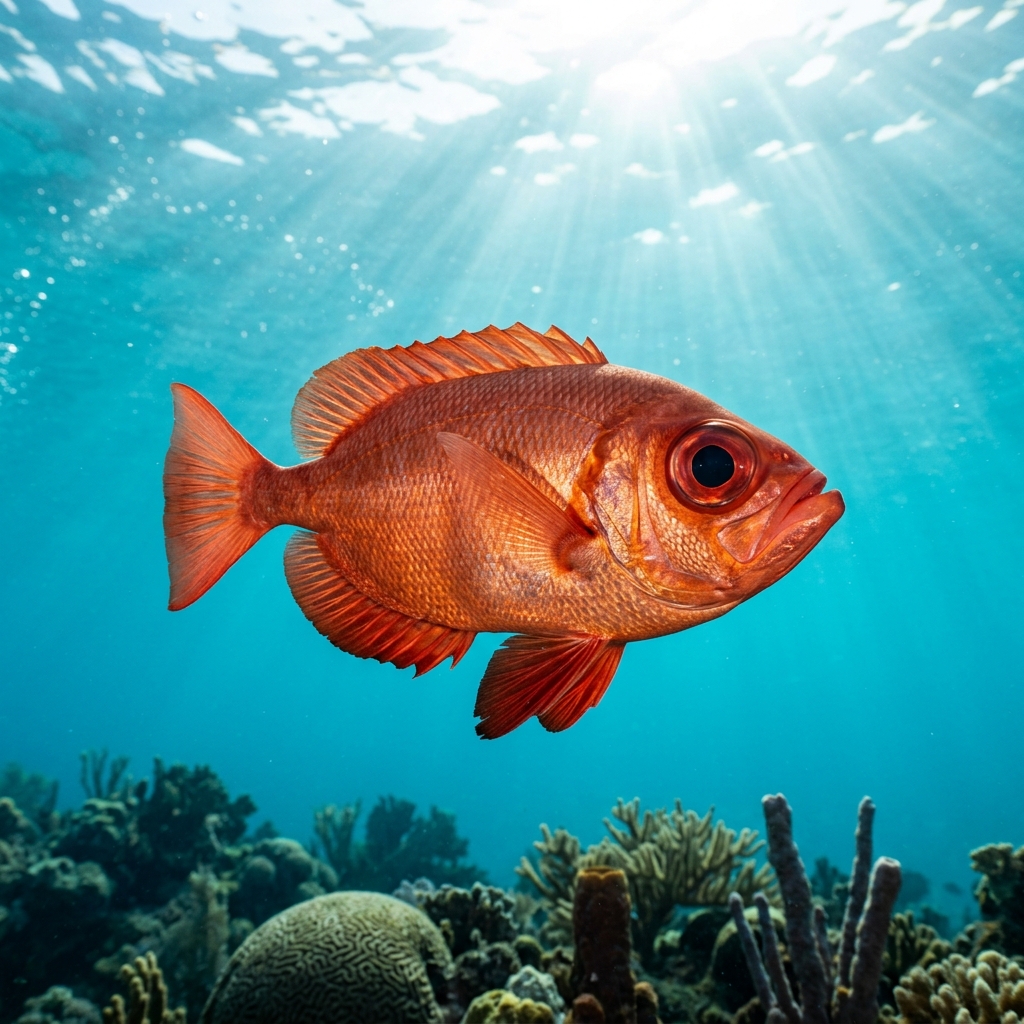
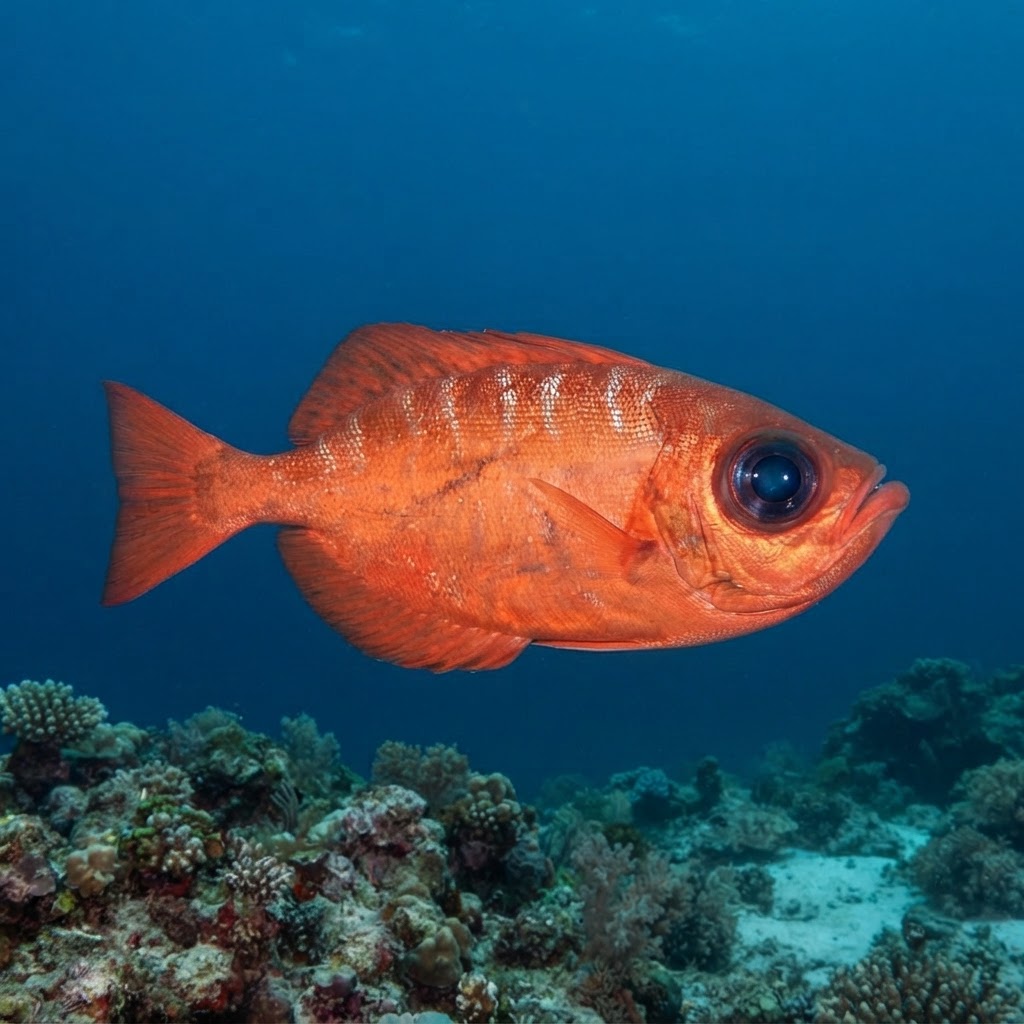
Look for a deep-bodied, laterally compressed fish about the size of a dinner plate, usually a mottled red to pinkish-silver, sometimes flushing darker or paler depending on mood and light. The giveaway is the eye: oversized, glassy, and reflective, built for low-light hunting, which is exactly why you tend to find this fish tucked under ledges or in shadow rather than out cruising the reef top. The dorsal and anal fins are tall and rounded, giving it a squat, almost boxy silhouette compared with slimmer reef fish nearby.
Expect to find it holding still under ledges, in crevices, or hovering just inside cave mouths during the day, using those big eyes to stay oriented in low light rather than to actively hunt. It is generally unbothered by divers at a respectful distance, more likely to hold position or slip deeper into shadow than bolt across open reef. Sightings skew toward daytime dives on structure with plenty of overhangs, since this is a fish that shelters by day and becomes more active after dark.
Those huge eyes are a nocturnal feeding adaptation: glasseyes are most active hunting small crustaceans and fish at night, which is why daytime divers mostly find them parked motionless in shaded pockets of reef rather than out feeding.
No clear season shows up in the sighting data, and with a comfortable range of 23.3 to 29C this fish stays put on tropical reefs through the year, so any month works for a dive trip built around finding it.
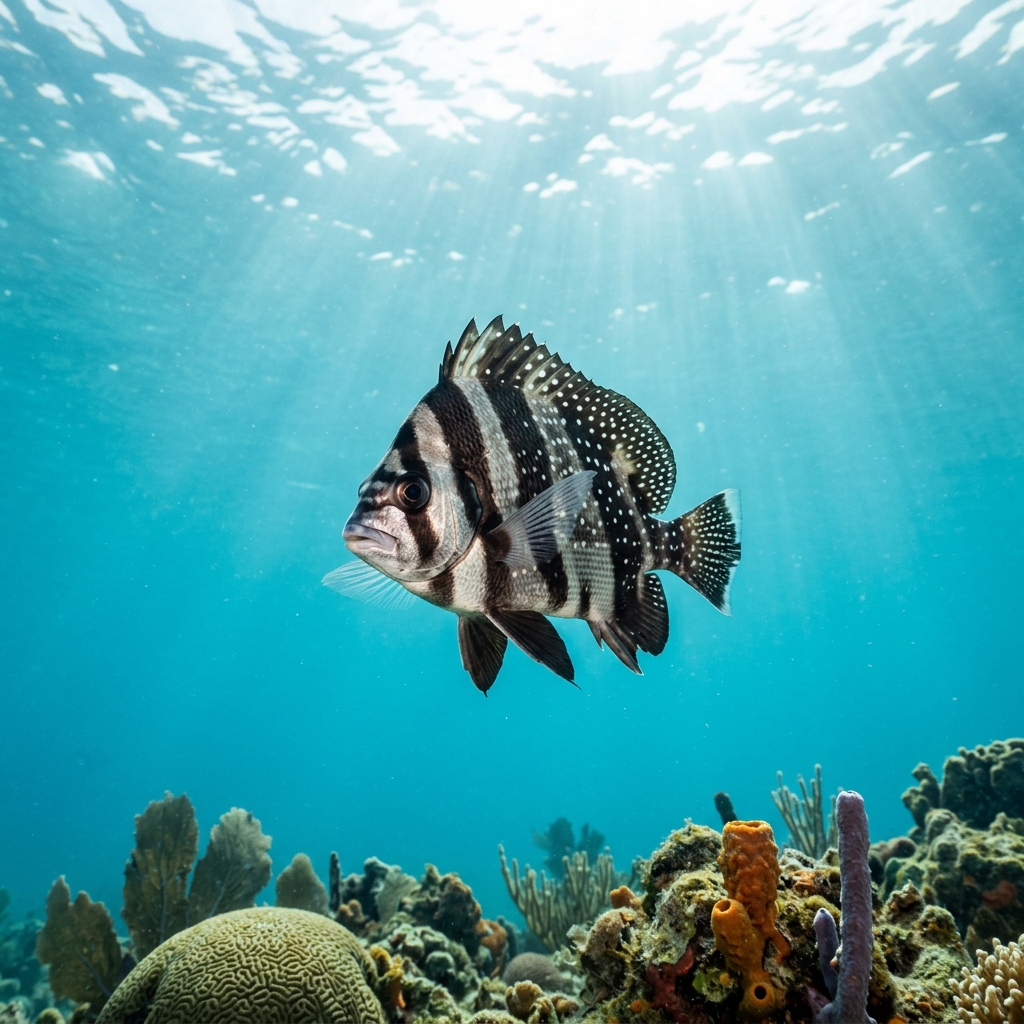
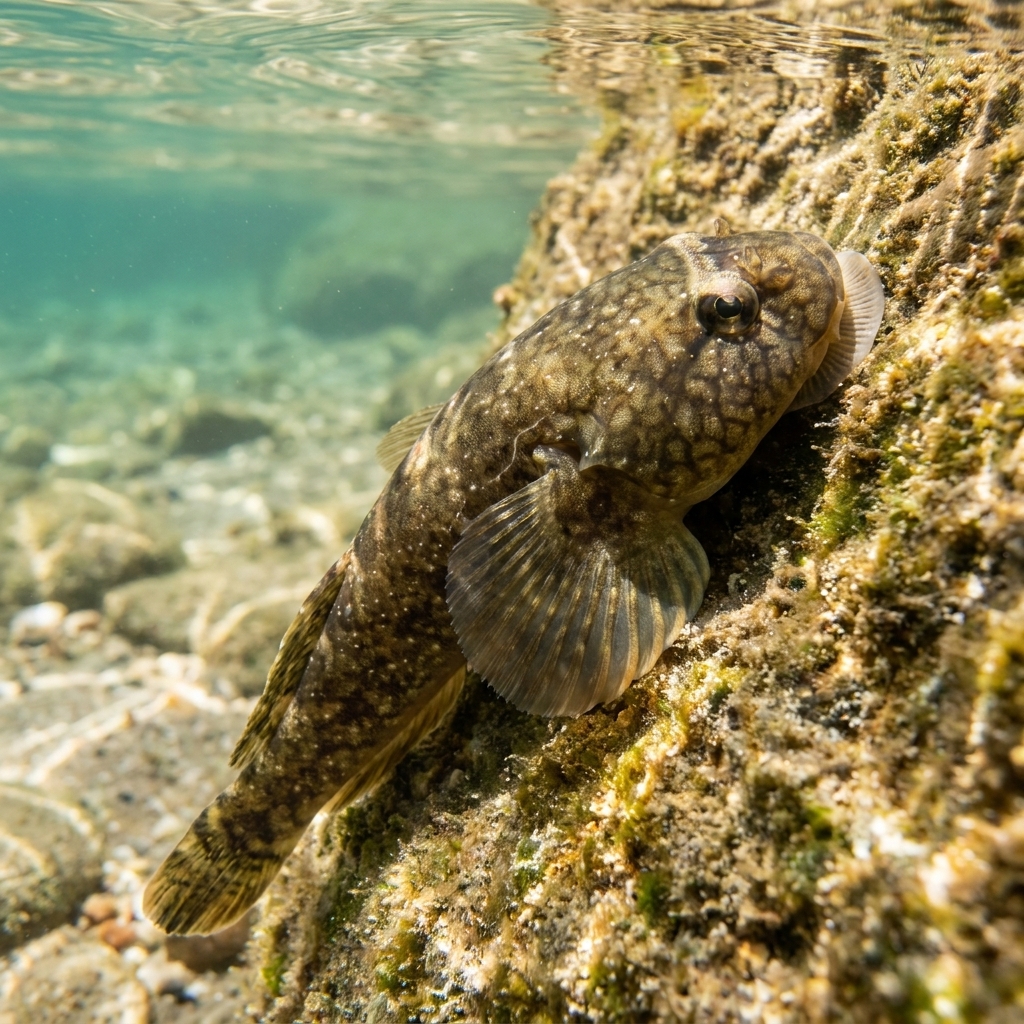
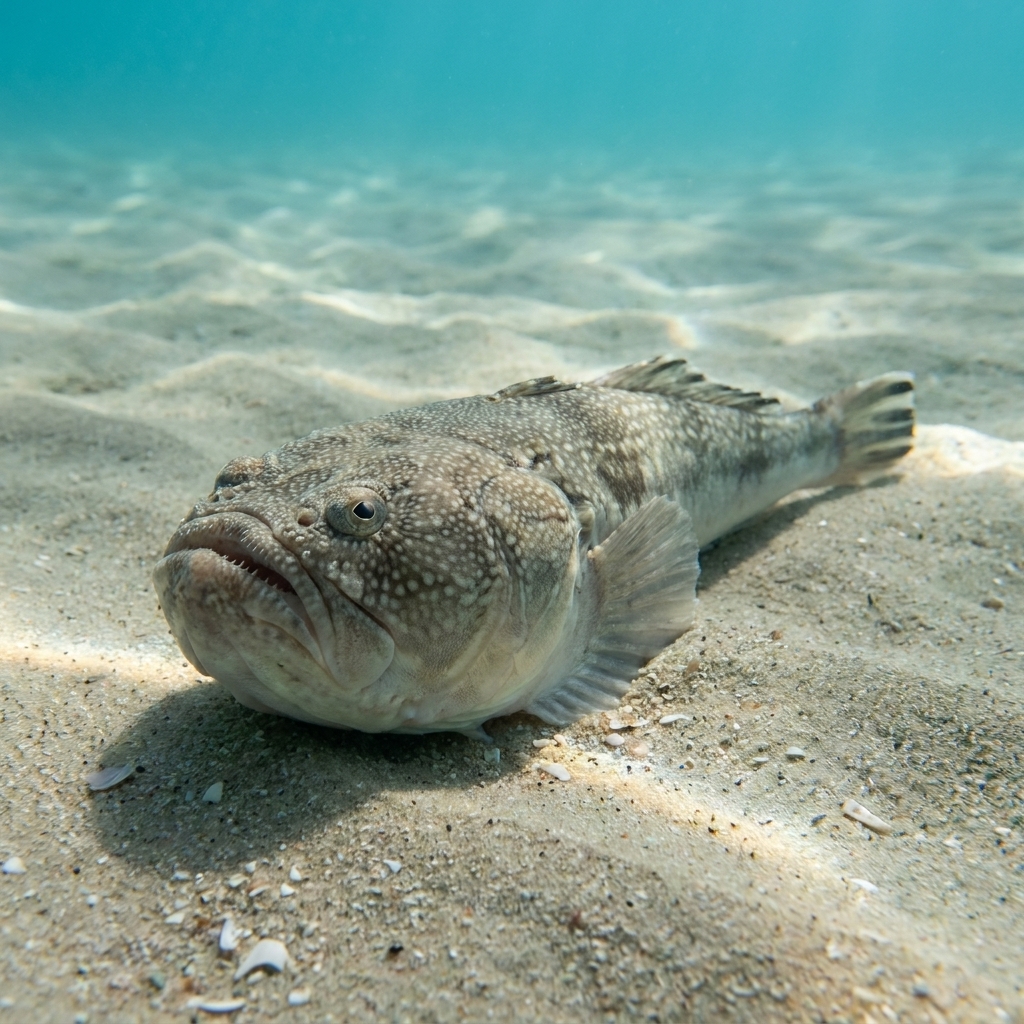
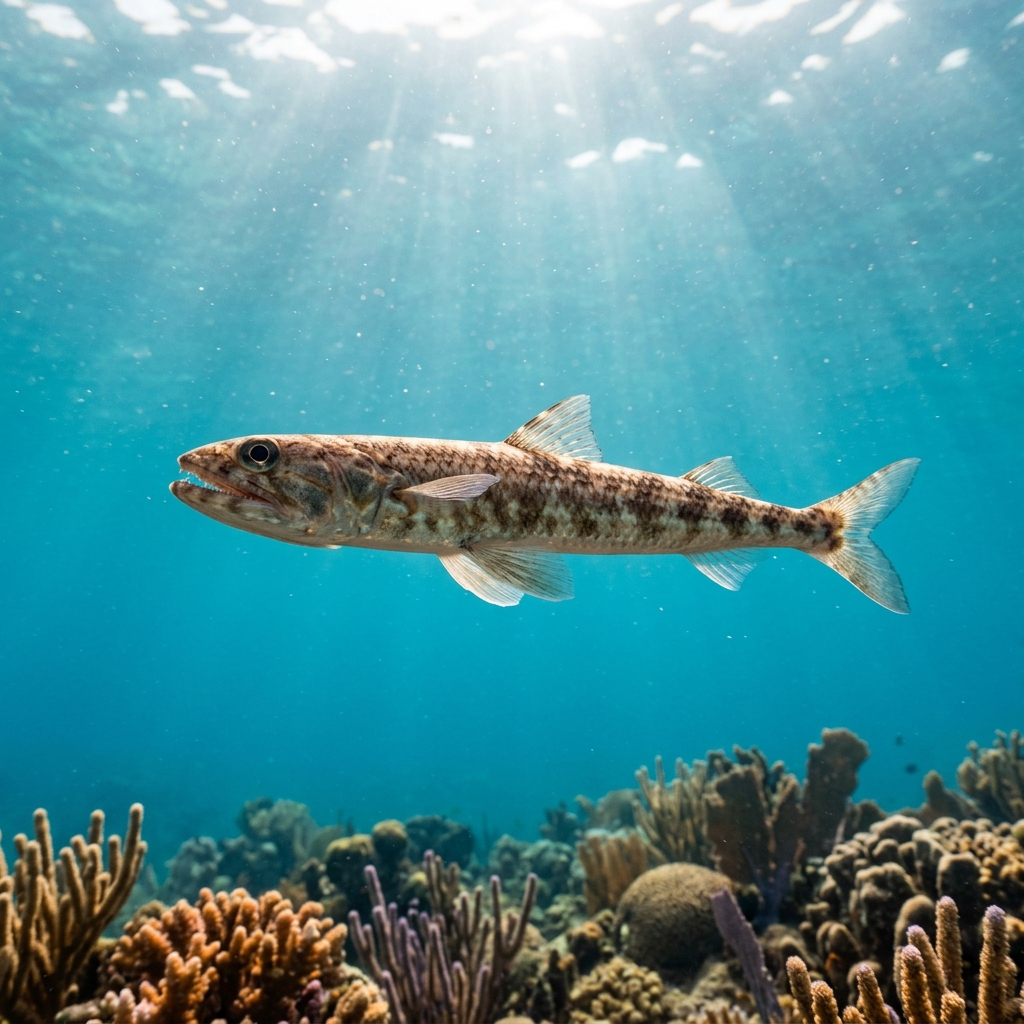
Reef neighbours a diver could mistake it for. Use the identification notes above to tell them apart.
Grenada and Bonaire post the strongest numbers of sightings, with Grenada Island and Bonaire's Leeward Coast standing out as reliable spots, followed by the US Virgin Islands (especially Saint John and Saint Thomas), Sint Eustatius, and St. Martin/Sint Maarten. Martinique, Puerto Rico, and the Cayman Islands round out a Caribbean-wide spread, so divers working reef ledges and overhangs through the Eastern Caribbean and Lesser Antilles have a fair shot at one.
Mapping where Glasseye is logged…
Grenada and Bonaire have the strongest sighting records, with Sint Eustatius, St. Martin/Sint Maarten, the US Virgin Islands, Martinique, Puerto Rico, and the Cayman Islands also producing regular sightings on reef ledges and crevices.
There is no strong seasonal pattern in the sighting data, and the fish tolerates water from about 23 to 29C, so it is present on Caribbean reefs year-round rather than tied to a particular season.
Check for a deep, laterally flattened red to silvery-pink body around 35cm, tall rounded fins, and unusually large reflective eyes. It usually sits still under ledges or in shadow rather than swimming openly over the reef.
They typically reach around 35cm in length, giving them a deep-bodied, dinner-plate profile that stands out against slimmer reef fish nearby.
The oversized eyes are a nocturnal adaptation for hunting small crustaceans and fish in low light. During the day the fish typically shelters under ledges and in crevices, saving its active feeding for after dark.
Site and sighting data is aggregated from diver logs, iNaturalist and GBIF. For taxonomy and conservation status:
Soldierfish
3,612 sites