Festucalex cinctus
A slender 9cm pipefish logged off New South Wales, Australia, in water around 18 to 24 C, uncommon but worth the hunt for sharp-eyed divers.
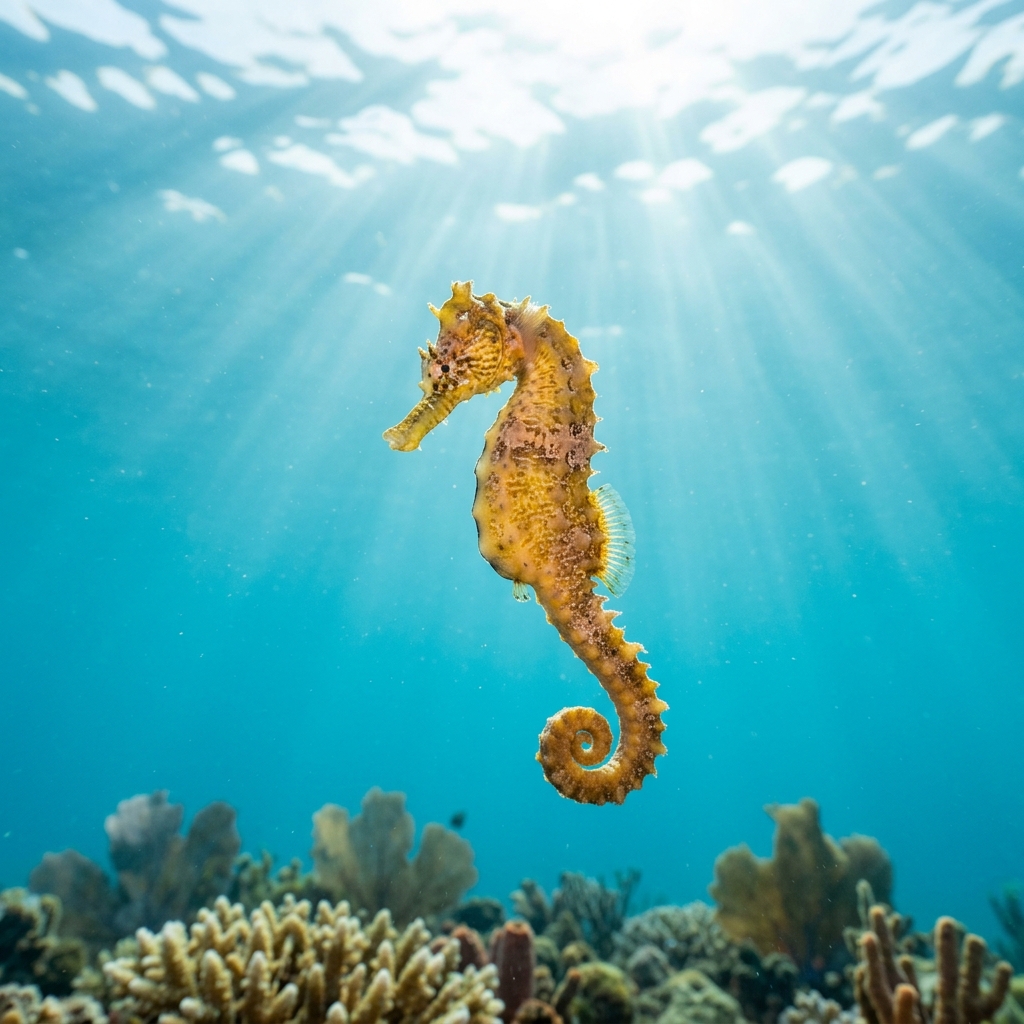
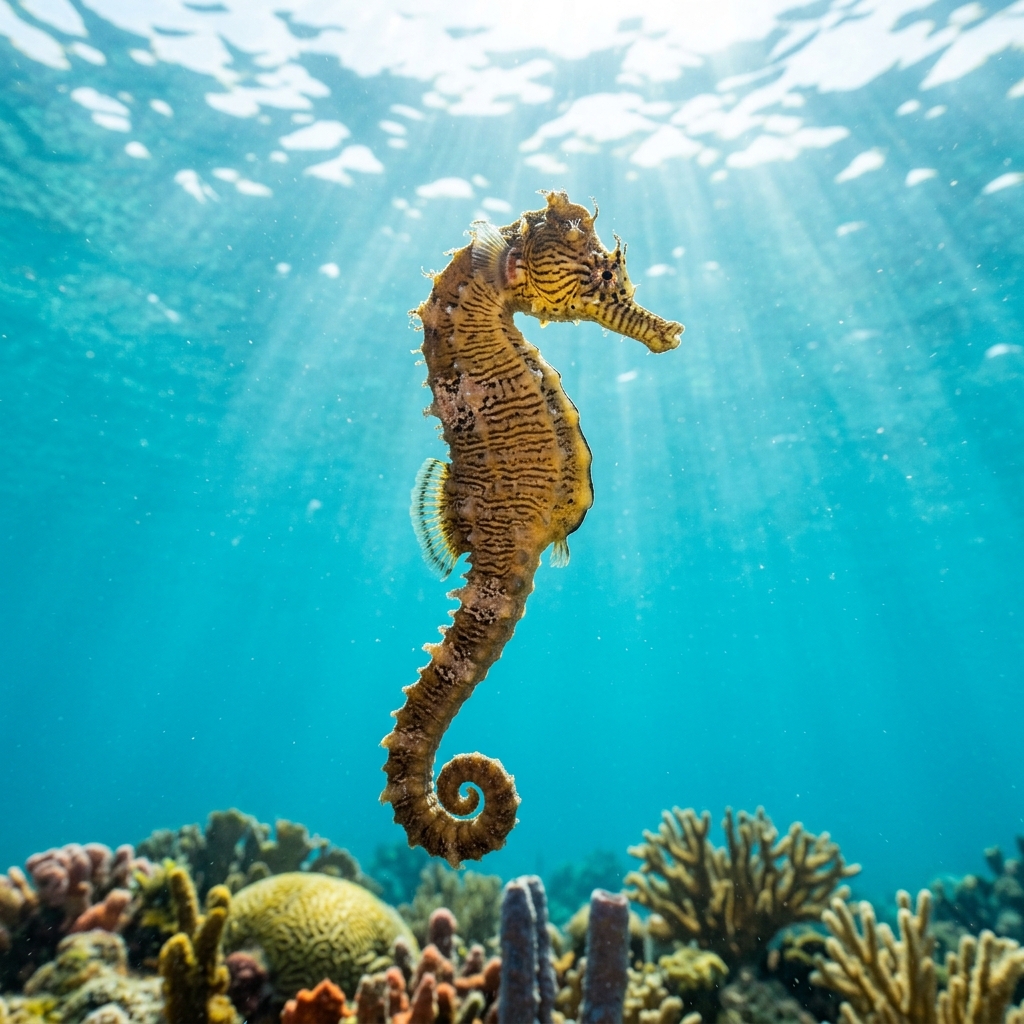
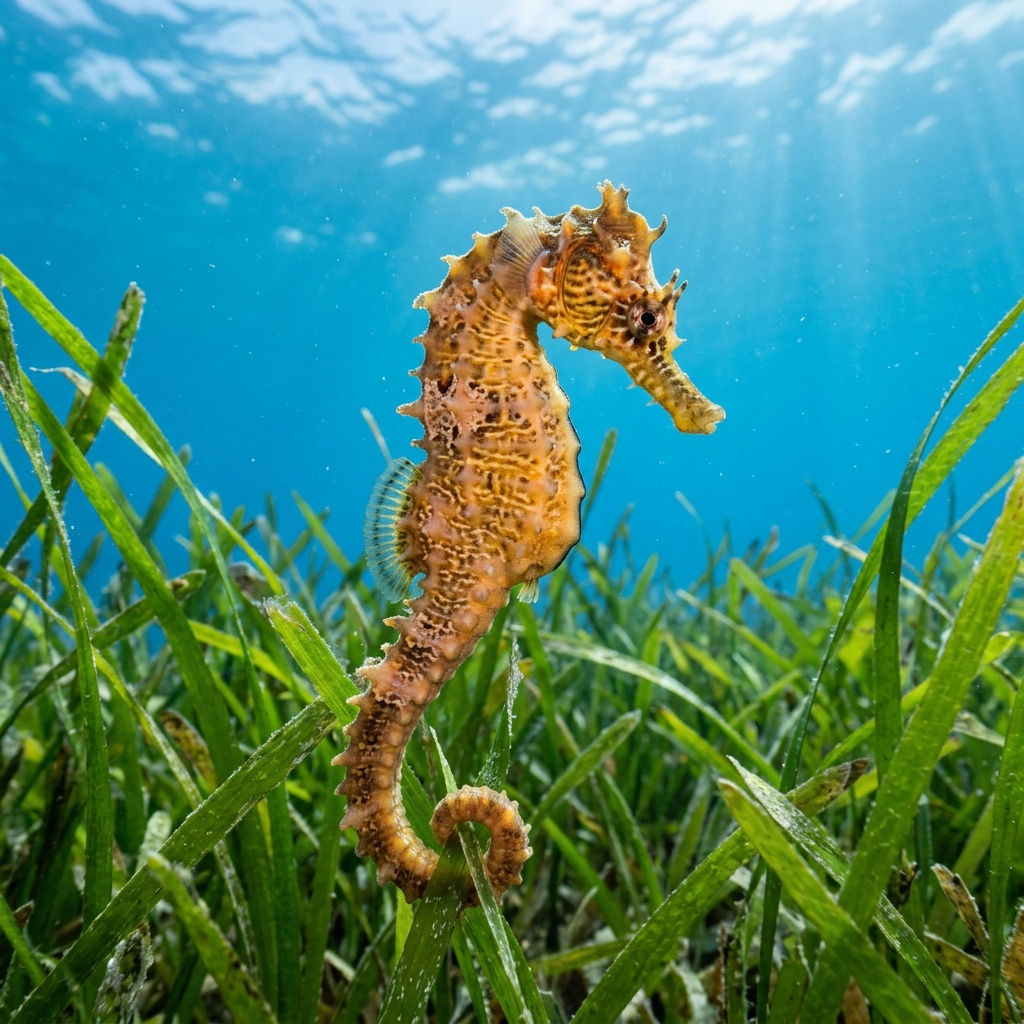
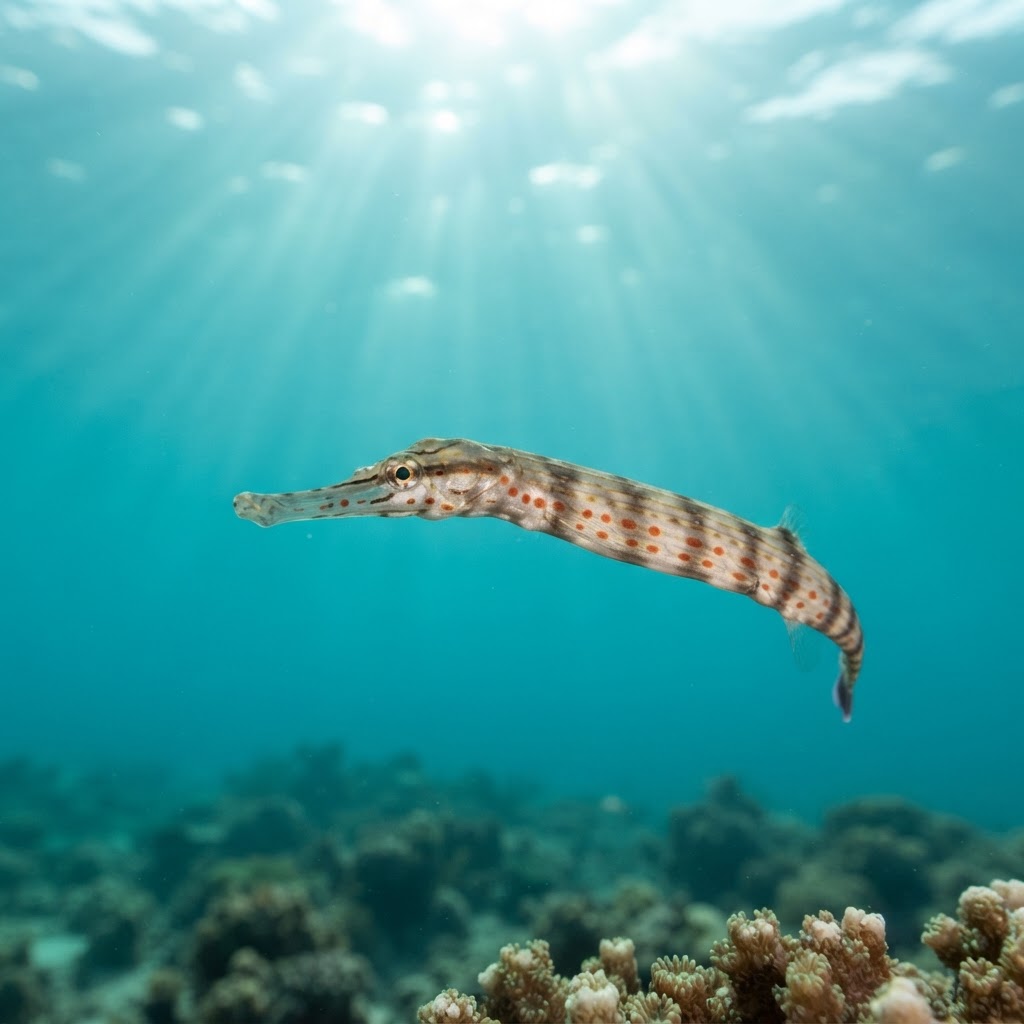
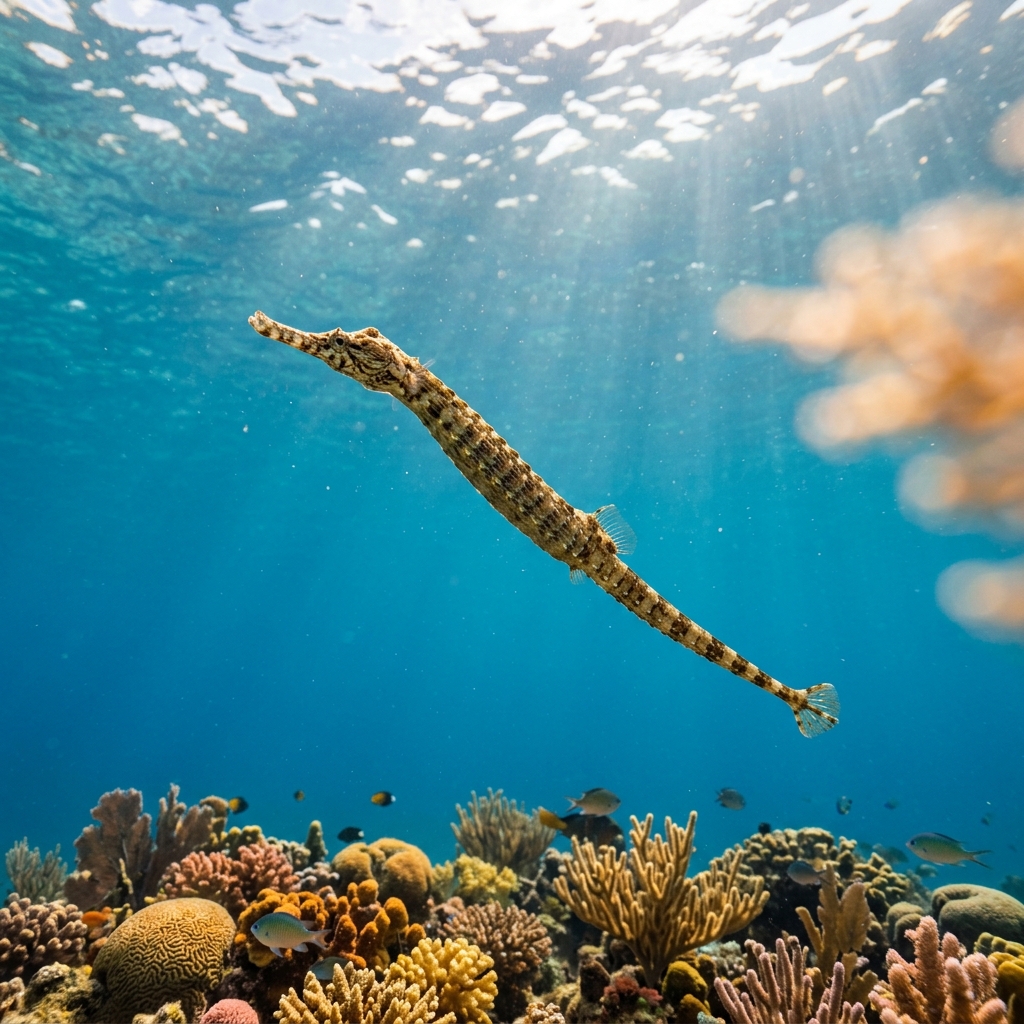
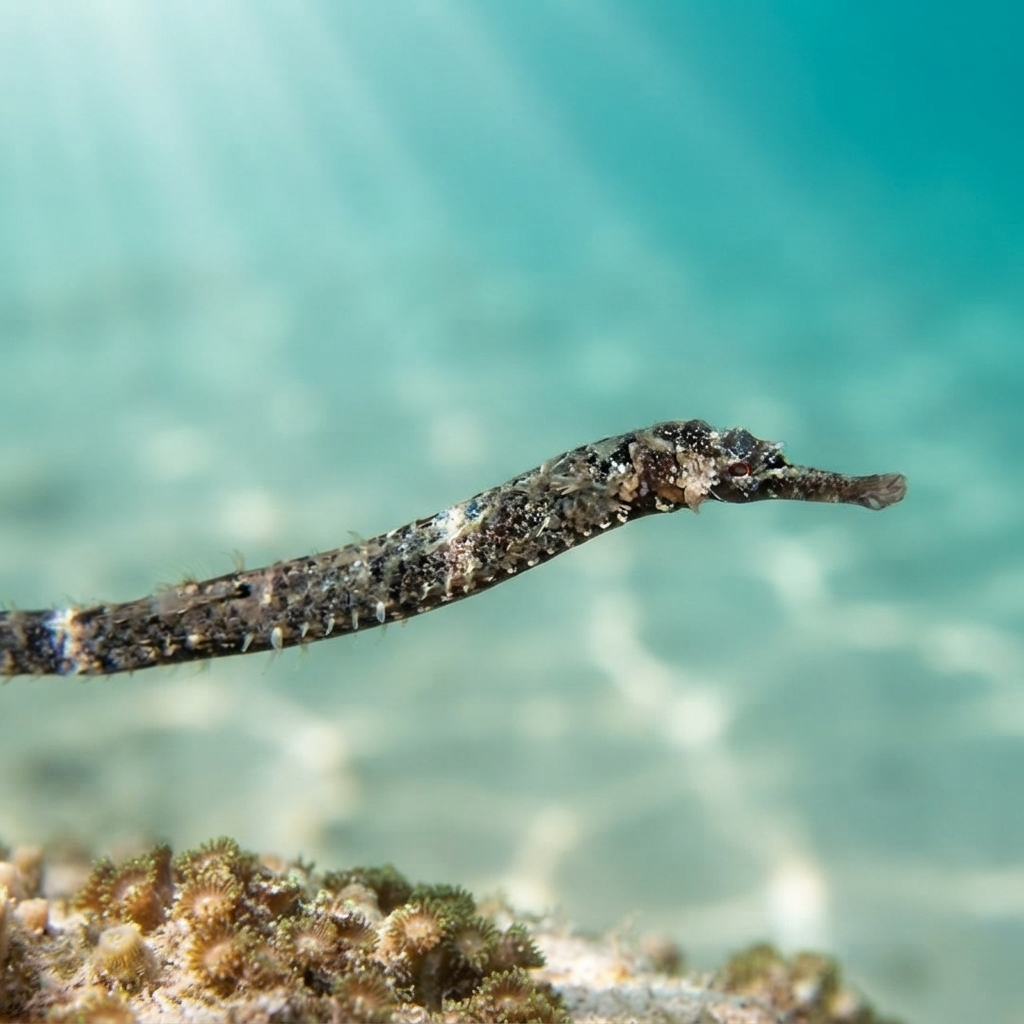
A slim, elongated body reaching about 9 cm, built like a straightened seahorse with a bony, ringed exterior rather than scales. Look for the banding pattern ("girdled" markings) crossing the body, which is the main visual cue against plain rubble or weed backgrounds. It swims in a slow, horizontal hover rather than the head-down posture of a seahorse, using tiny fin flutters that are easy to miss unless you slow right down.
Divers who log this species typically find it hovering low over rubble or weedy rock, holding still or drifting slightly with a slow undulation of its fins. It relies on its banded, twig-like shape to go unnoticed rather than fleeing, so a patient, close look at likely rocky micro-habitat pays off more than covering distance. Given the low sighting frequency, most encounters are incidental finds during a slow, methodical scan of the substrate rather than a targeted sighting.
Like all pipefish, males of this family carry the fertilised eggs on their body until they hatch, so any individual you find brooding eggs is a male, not a female.
Sighting data does not show a clear seasonal pattern, and the observed temperature range of 17.7 to 23.7 C spans much of the year on temperate New South Wales reefs, so it is best treated as a year-round possibility rather than a seasonal target.
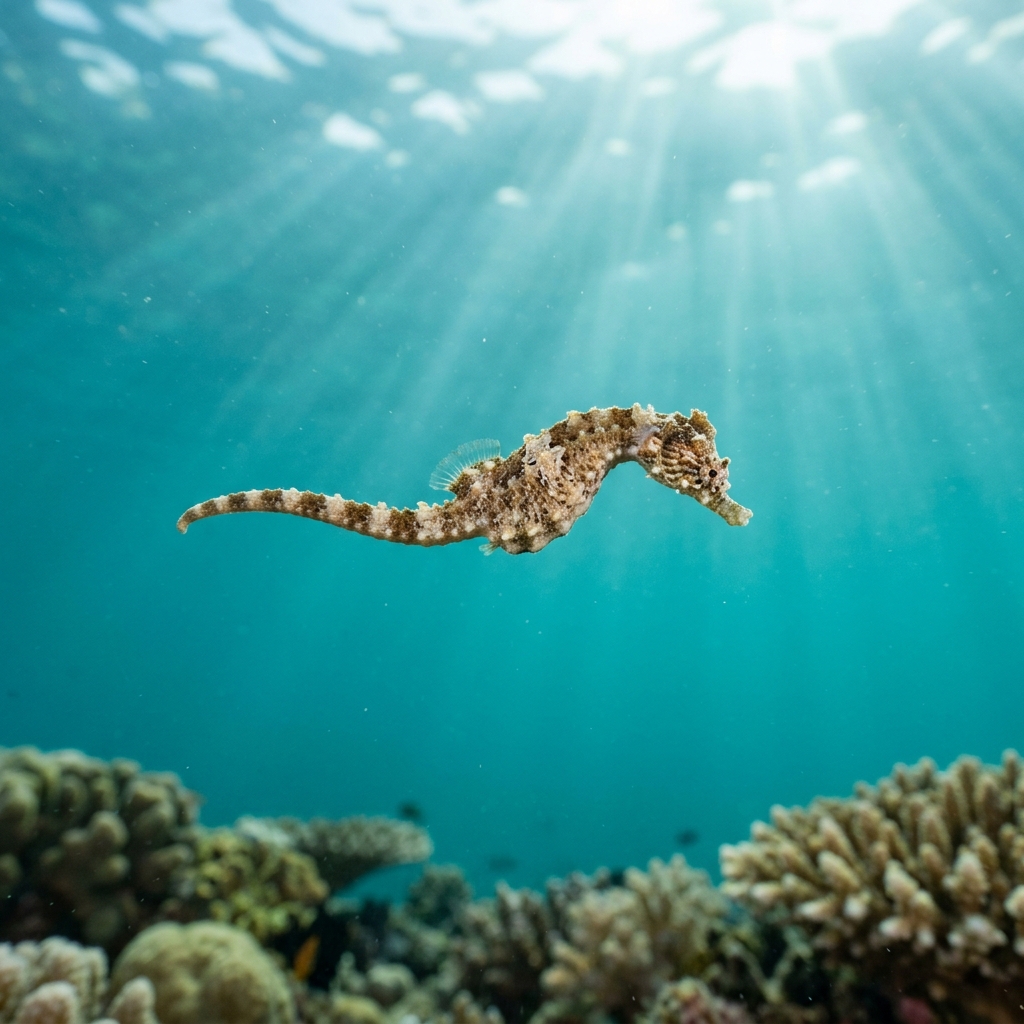
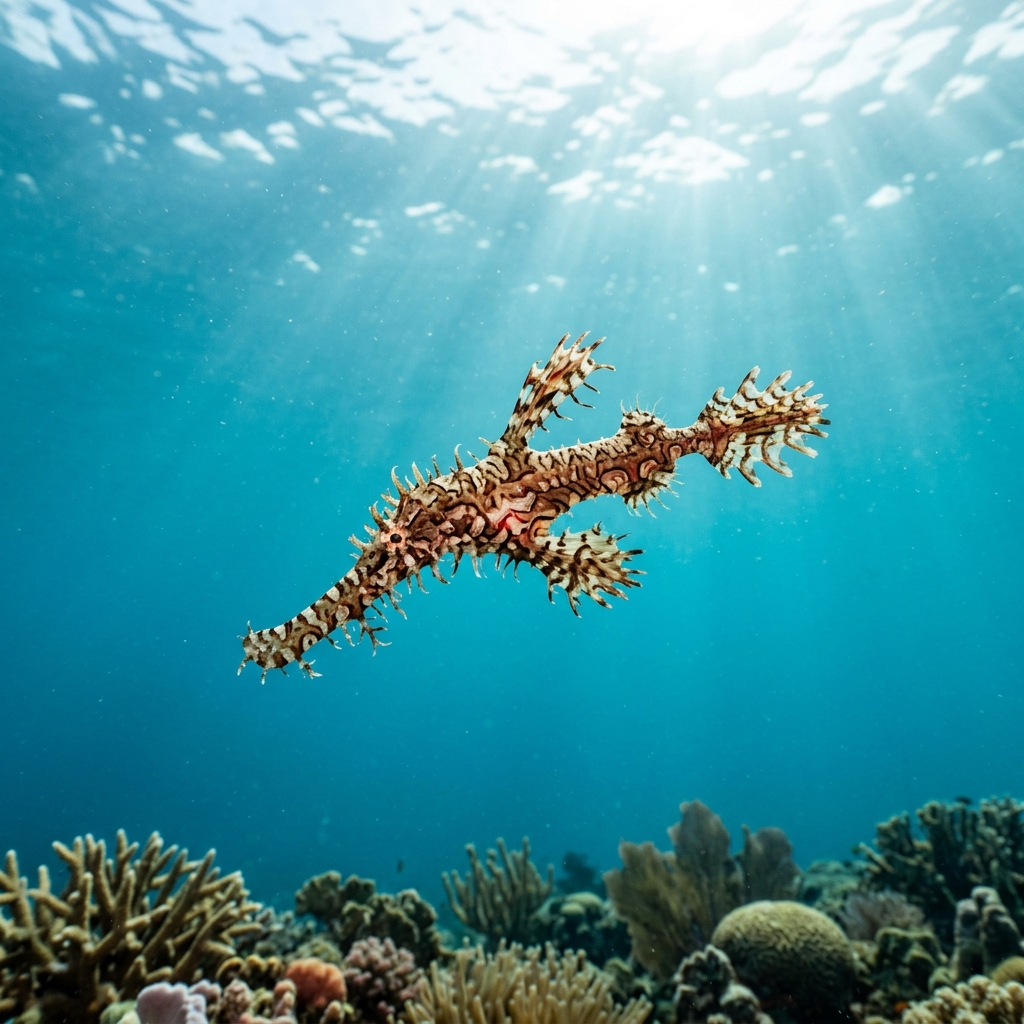
Reef neighbours a diver could mistake it for. Use the identification notes above to tell them apart.
The only confirmed sightings logged so far come from New South Wales, Australia, making it the place to look if you want a real shot at this species. Divers working temperate rocky reef and rubble sites in this region have the best documented chance, though the species is likely under-recorded elsewhere given how easily pipefish blend into their surroundings.
Mapping where Girdled Pipefish is logged…
The species is currently confirmed from New South Wales, Australia, where divers scanning rocky reef and rubble habitat have logged it. It has not yet been documented at dive sites outside this region.
There is no detected season for this species; sightings occur across a temperature range of roughly 18 to 24 C, which covers much of the diving year in New South Wales, so it can turn up any month.
Look for a slender, straight-bodied fish around 9 cm long with distinct banding across its body, hovering low over rubble or rock rather than gripping weed like a seahorse. Its bony ringed body and horizontal swimming posture separate it from true seahorses.
They reach about 9 cm in length, making them a small, easy-to-overlook species best spotted with a slow, close scan of rubble and rocky substrate.
No, they pose no threat to divers. They are small, slow-moving and rely entirely on camouflage rather than any defensive behaviour.
Site and sighting data is aggregated from diver logs, iNaturalist and GBIF. For taxonomy and conservation status:
Seahorse
1,346 sites