Geitodoris planata
A speckled cold-water dorid logged across Zeeland's dive sites, found deep in 9-15C water year-round in the Netherlands.
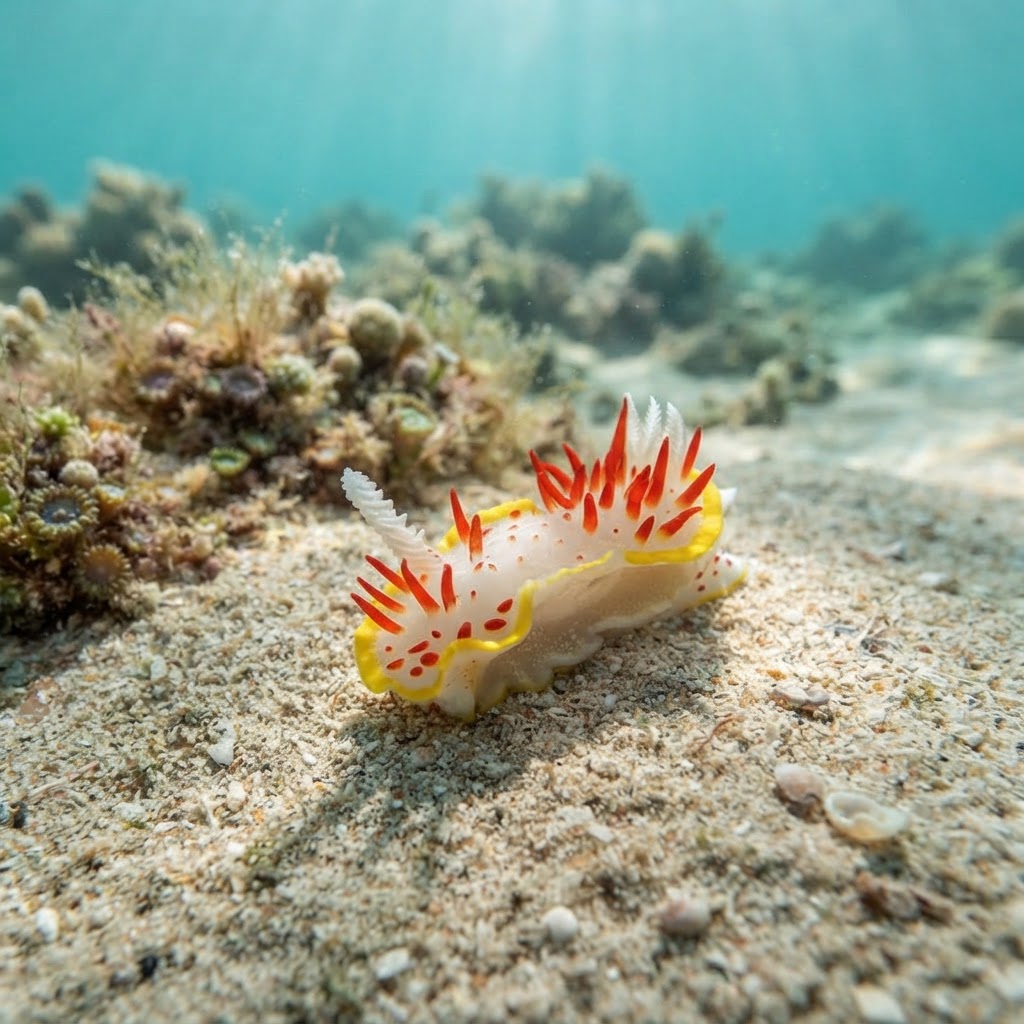
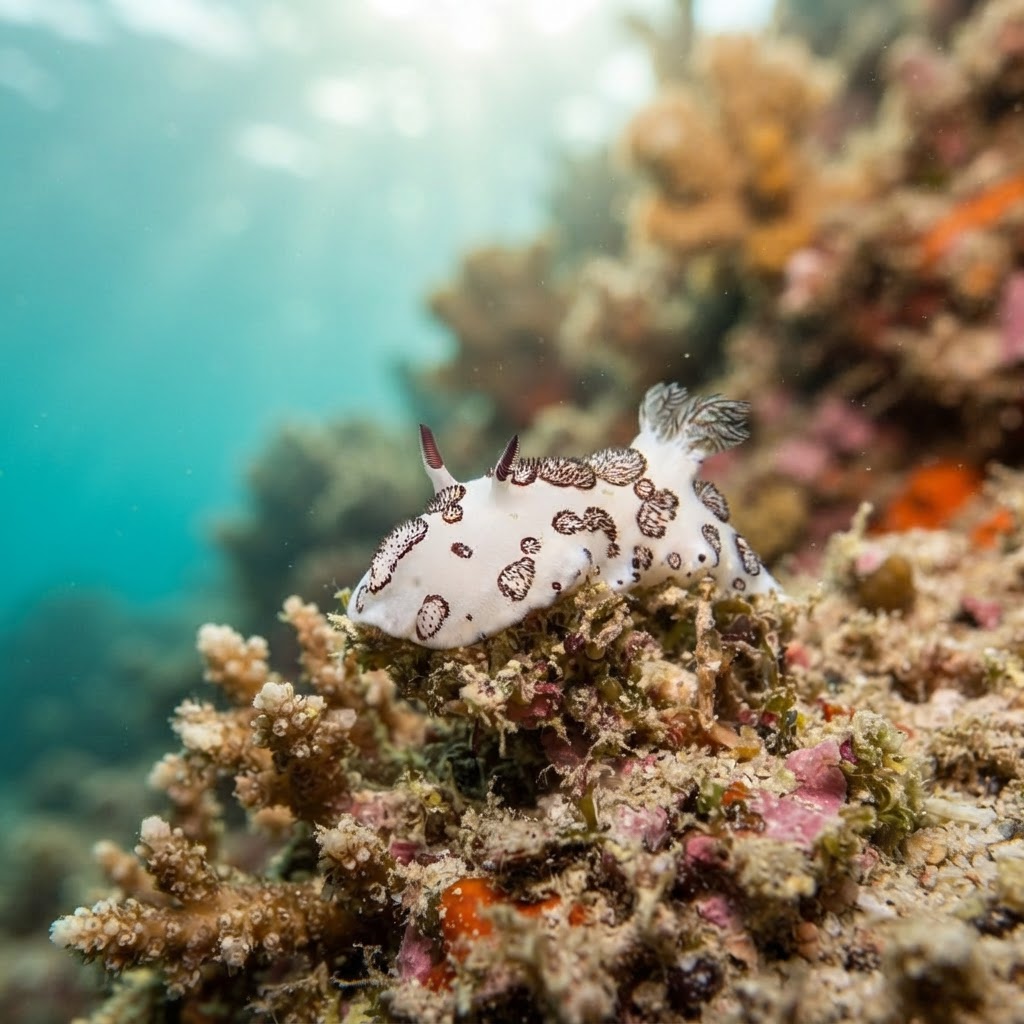
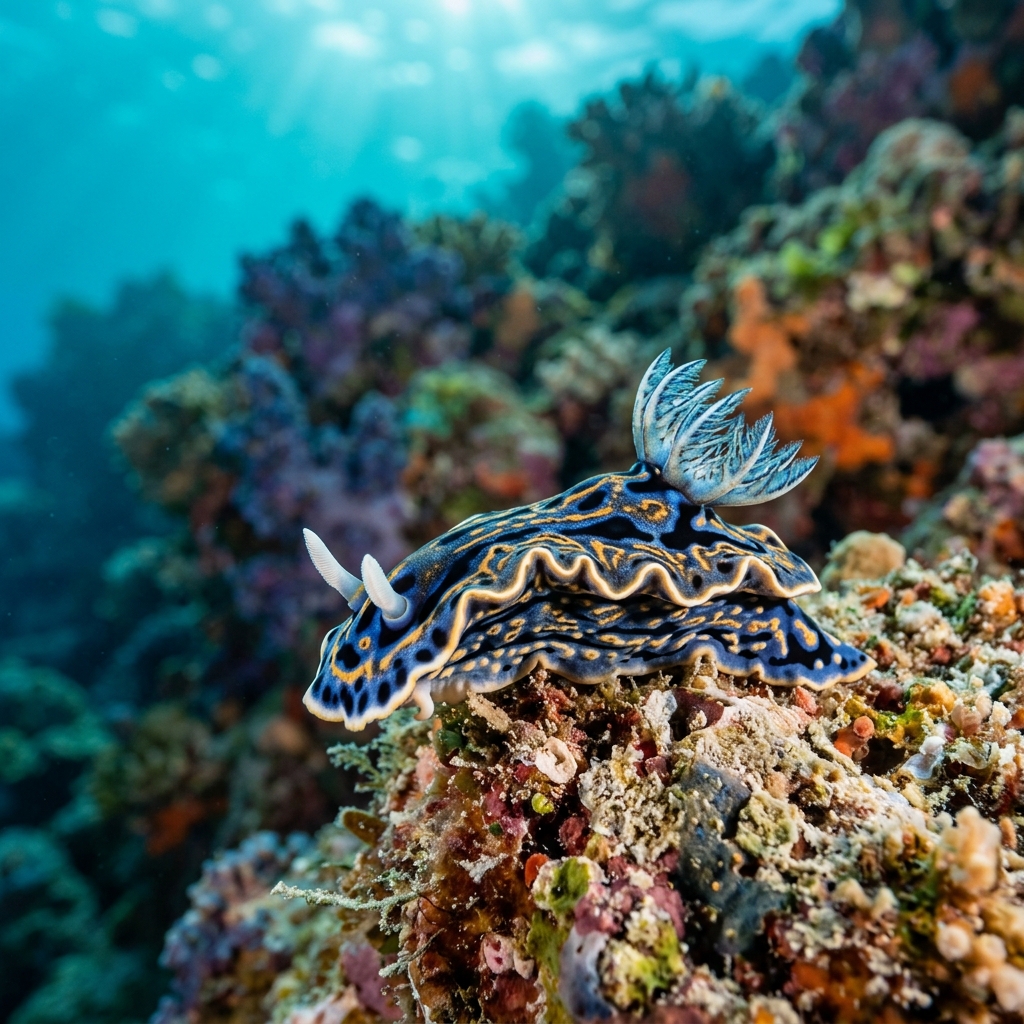
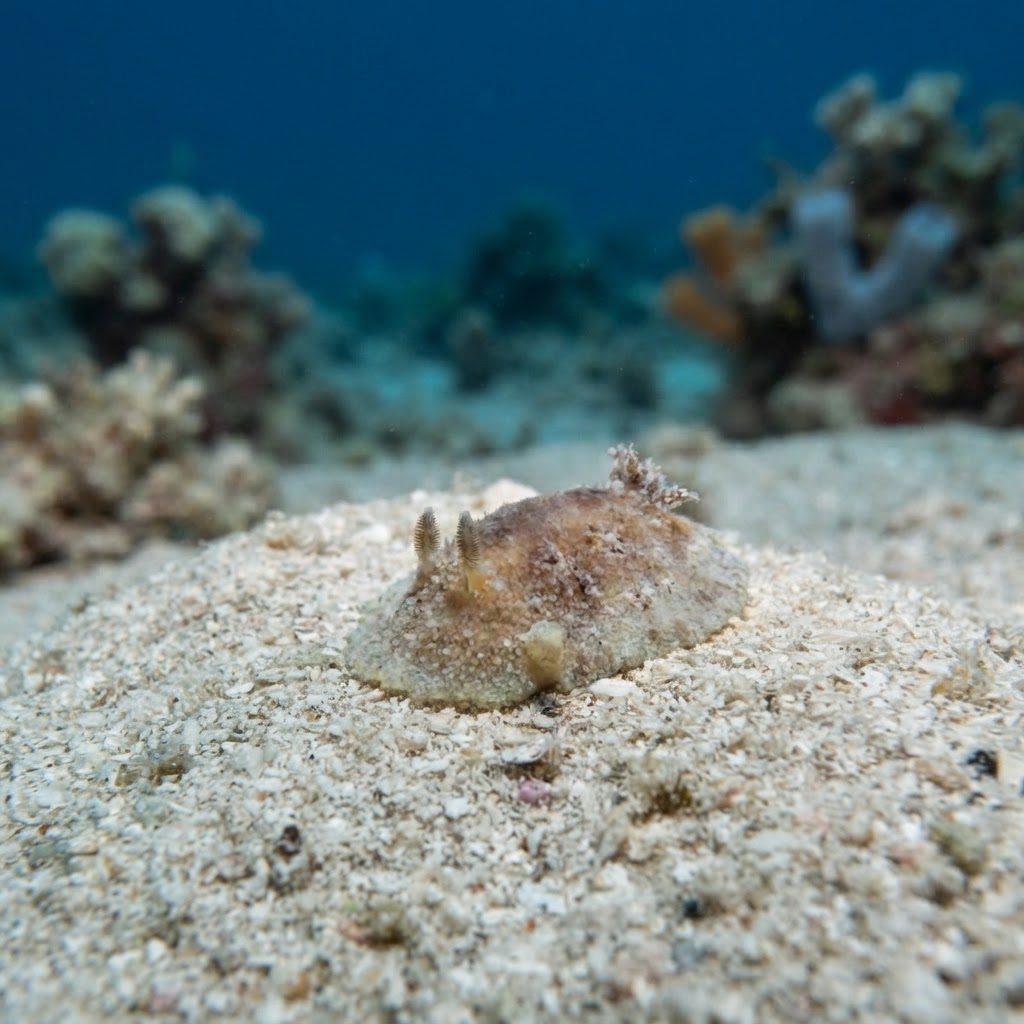
A small oval nudibranch around 2 cm long, with a mantle covered in low warty tubercles (bumps) giving it a rough, granular look. Colouring runs pale cream to greyish-brown with darker speckling scattered across the back, which helps it disappear against silty or rocky bottoms. Look for the frilly gills clustered at the rear and the pair of rhinophores (sensory tentacles) up front, both retractable if disturbed.
Divers find this one sitting still or moving slowly across rock, rubble or silty seabed well below recreational depths, usually deeper than 90 metres, so most logged sightings come from technical or remote-camera dives rather than casual reef dives. It shows no reaction to divers or lights beyond a slow retraction of its gills and rhinophores if brushed. Expect it singly rather than in groups, tucked low against the substrate where its mottled colouring blends in.
Like other discodorid nudibranchs, it likely feeds on sponges, using its colouring and warty texture as camouflage rather than any active defence against predators.
Sighting data shows no clear seasonal pattern, so treat it as a year-round find. It sits in a narrow cold-water band of roughly 9 to 15C, conditions that hold steady across much of the year at these depths in Zeeland, Brittany, Northern Ireland and Norwegian sites.
Reef neighbours a diver could mistake it for. Use the identification notes above to tell them apart.
This dorid is most reliably logged in Zeeland, Netherlands, which accounts for the bulk of recorded sightings, with further strongholds in Brittany, France, Northern Ireland, and Østlandet in Norway. Scattered records also come from Scotland, England, and the Bay of Biscay, pointing to a broad but distinctly northern European, cold-water range.
Mapping where Geitodoris Planata is logged…
It is most commonly logged in Zeeland in the Netherlands, with further records from Brittany in France, Northern Ireland, and Østlandet in Norway. These are all cold-water sites, so the species has a distinctly northern European spread rather than a tropical one.
There is no strong seasonal pattern in the sighting data, so it is considered a year-round find. Its preferred water temperature of roughly 9 to 15C is present for much of the year at the depths where it lives.
Look for a small, warty-backed nudibranch around 2 cm long with a pale, speckled cream-to-brown mantle. The rough, tubercle-covered surface and retractable gill tuft at the rear are the key details to check against similar dorids.
It stays small, typically around 2 cm in length, which is fairly average for a discodorid nudibranch.
No. It has no venom or sting relevant to divers and simply retracts its gills and rhinophores if disturbed.
It lives unusually deep for a nudibranch commonly logged by divers, with records running from around 91 down to 267 metres, meaning most sightings come from technical or remote dives rather than typical recreational depths.
Site and sighting data is aggregated from diver logs, iNaturalist and GBIF. For taxonomy and conservation status:
Nudibranch
3,168 sites