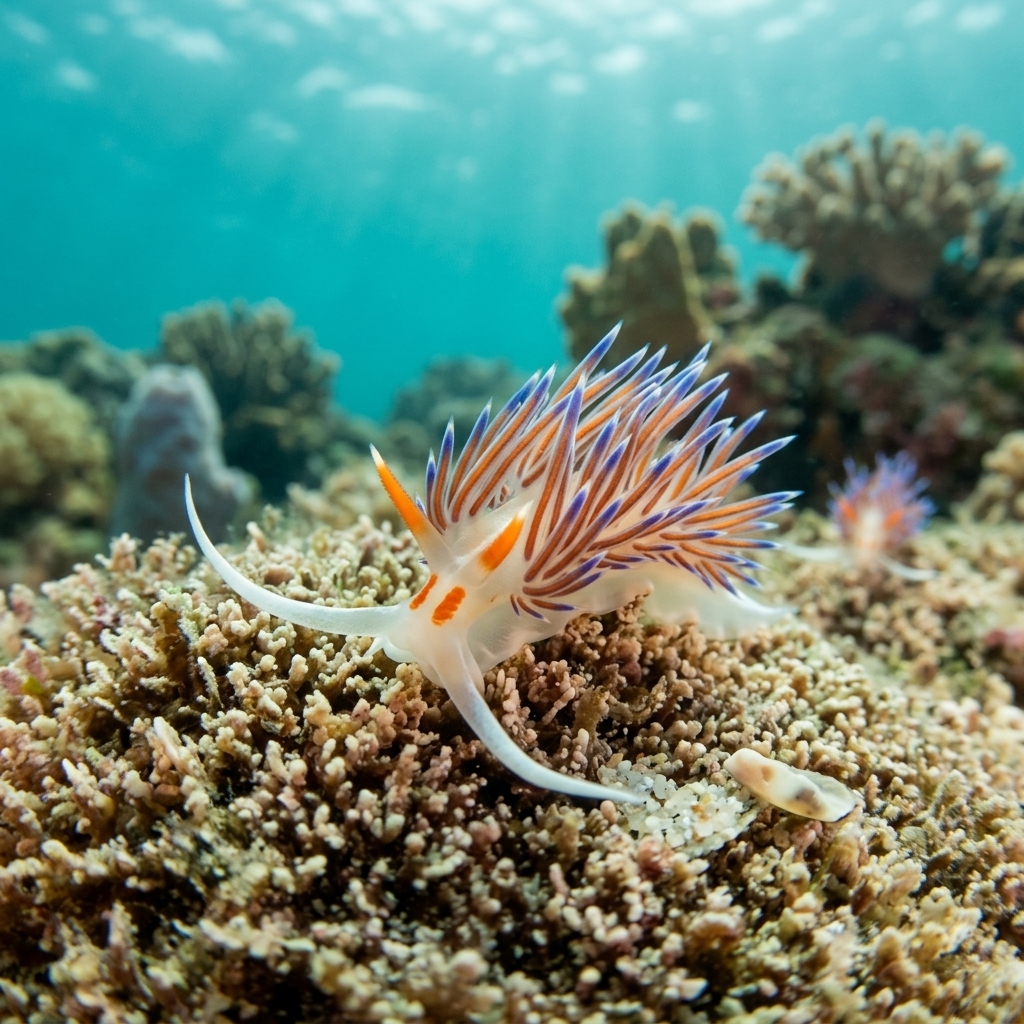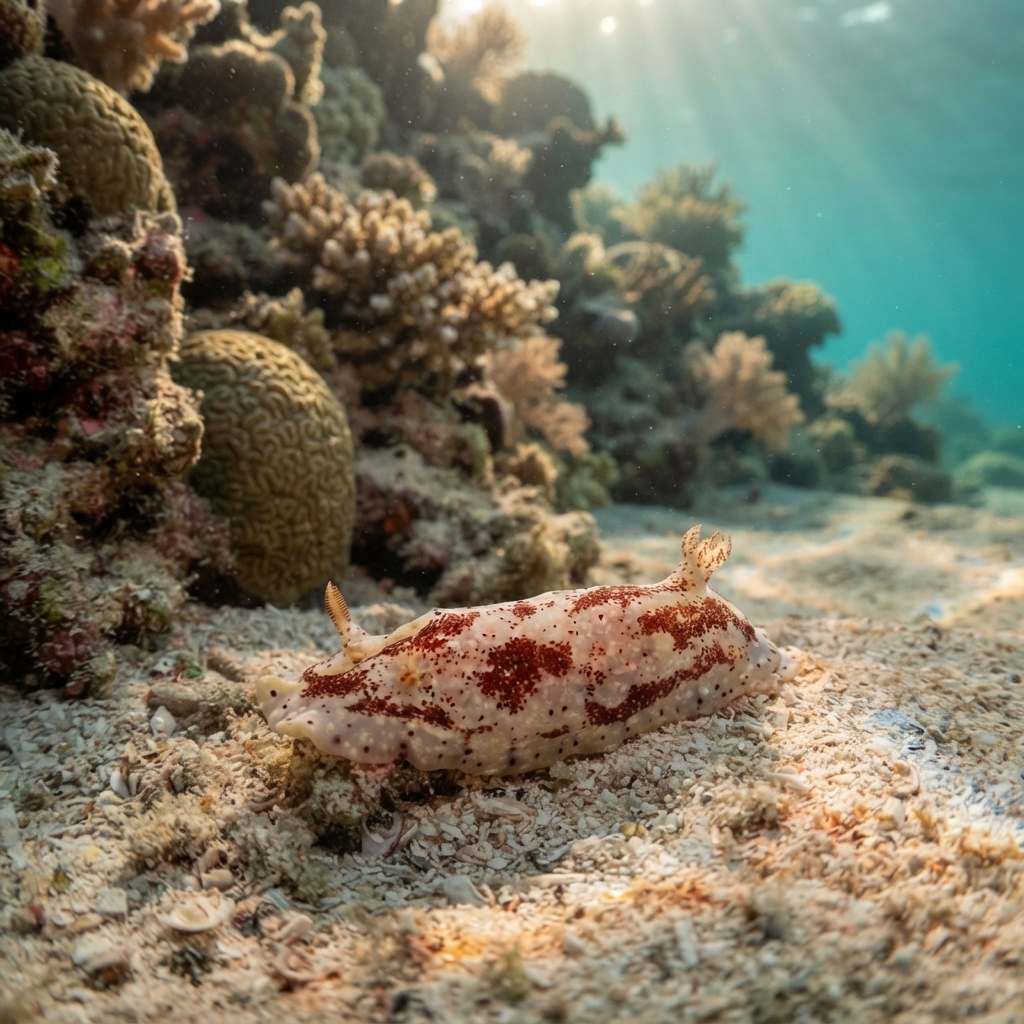
Aphelodoris antillensis
Uncommon nudibranch find logged across Grande-Terre and Îles des Saintes, Guadeloupe, in warm 25 to 31C reef water year-round.
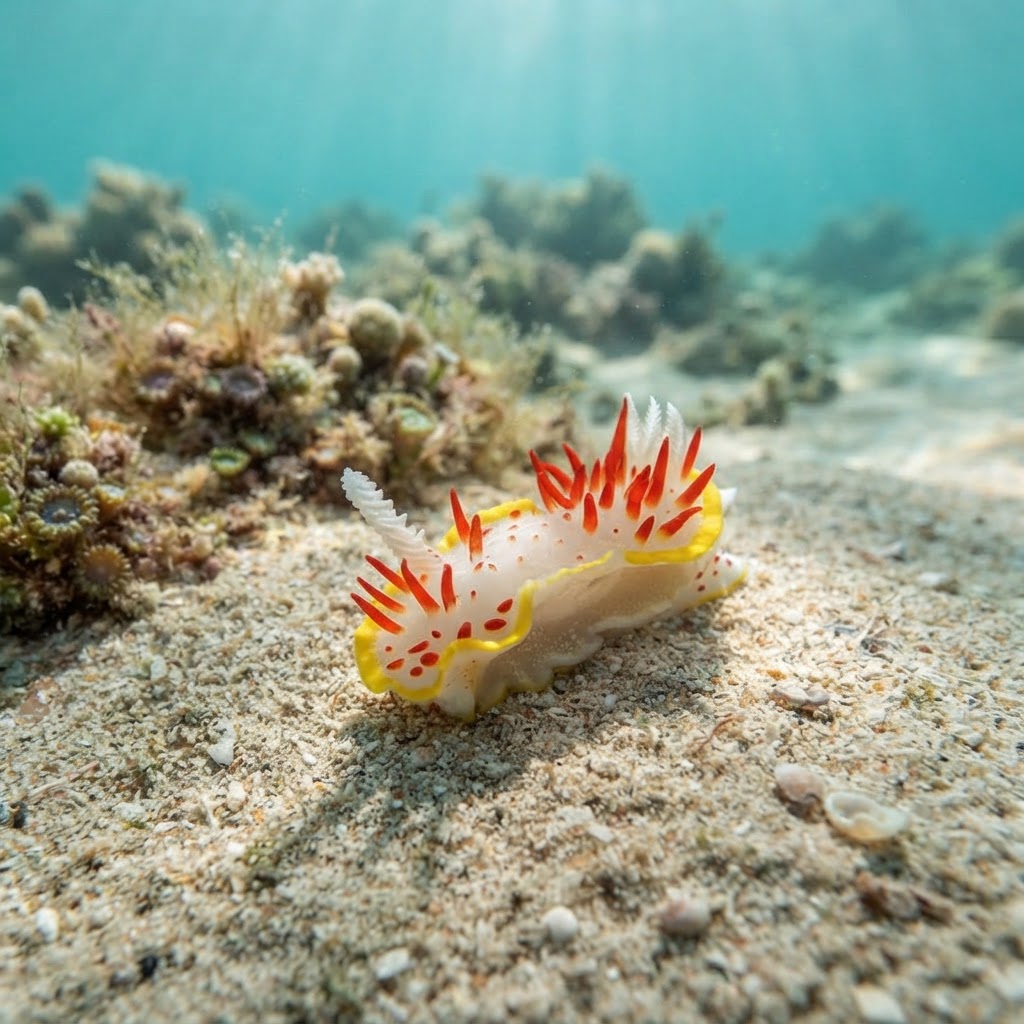
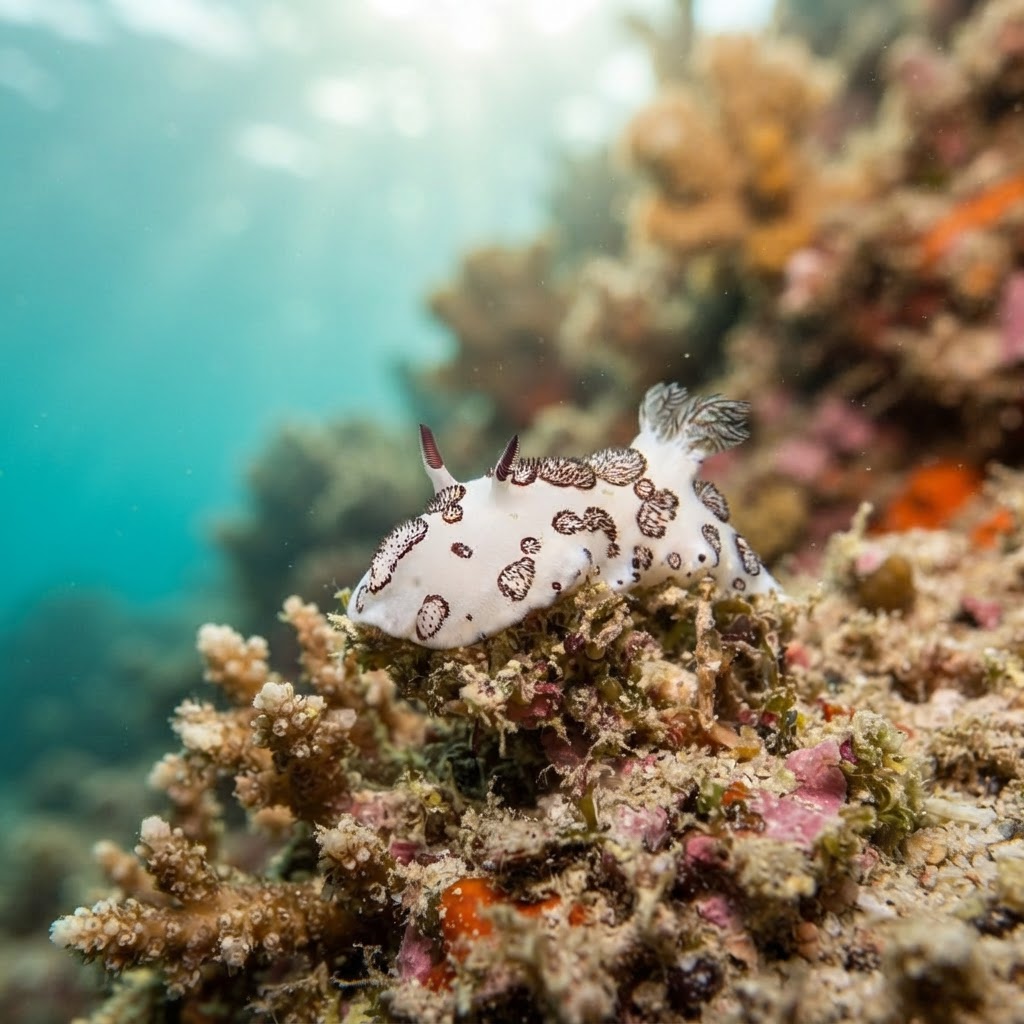
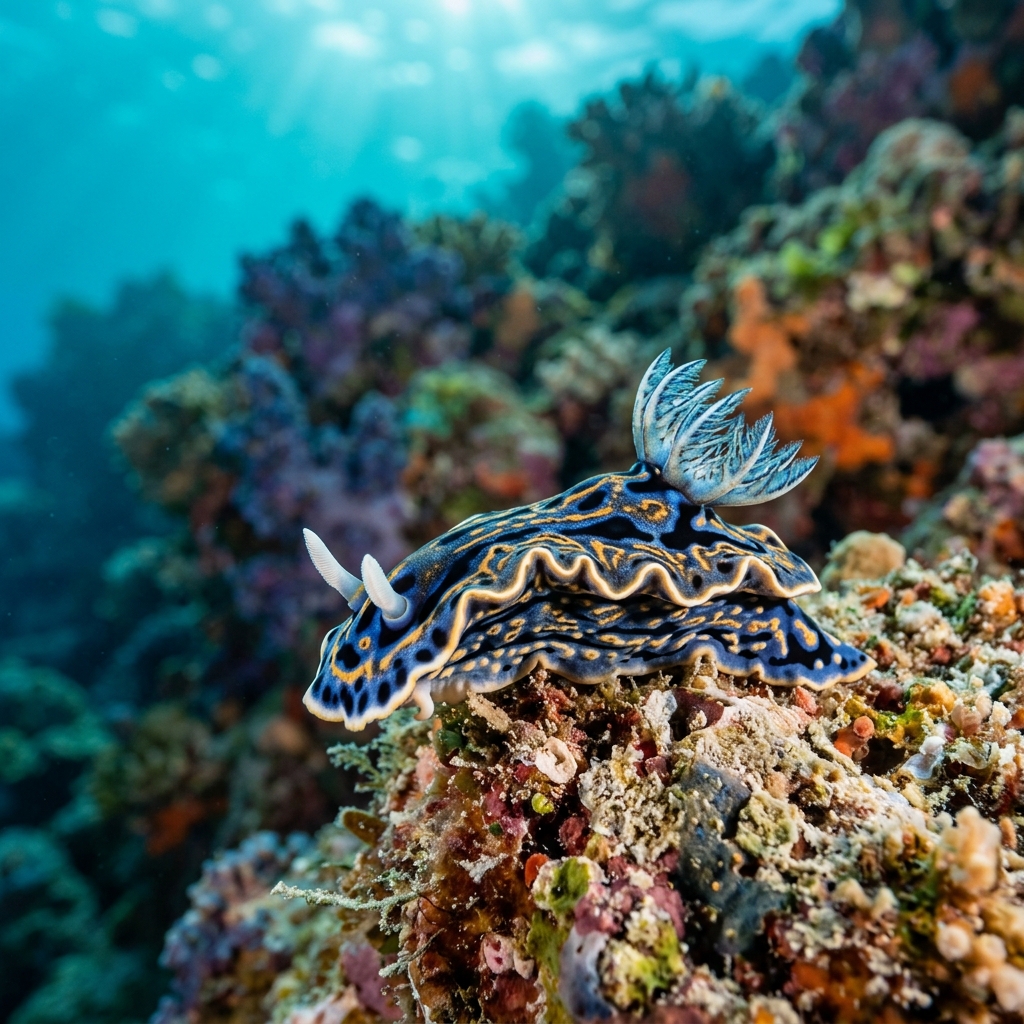
Recognisable as a soft-bodied, oval nudibranch with a mottled, speckled surface typical of discodorid sea slugs, moving slowly across reef substrate or rubble. Look for the pair of feathery gills (breathing tufts) toward the rear of the body and a set of small sensory tentacles (rhinophores) up front, both retractable when disturbed. Size in the water is small, easily overlooked against a similarly textured seabed unless you're scanning close-up.
Typically found grazing slowly across rubble and reef substrate, moving at the unhurried pace typical of nudibranchs as it works over sponges. It shows no reaction to divers beyond retracting its gills and rhinophores if bumped or brushed, and is easiest to spot on a slow, close look rather than a fast swim-by. Most sightings come from a single glance during a broader reef or rubble scan rather than a targeted search.
Like other discodorid nudibranchs, it likely feeds on sponges, using diet-derived chemicals from its prey as a form of chemical defence against predators.
No clear seasonal pattern shows up in the data, and it's found year-round in water running from about 25 to 31C, so any month diving Guadeloupe gives a fair shot at it.
Reef neighbours a diver could mistake it for. Use the identification notes above to tell them apart.
Logged almost exclusively in Guadeloupe, with the strongest run of sightings across Grande-Terre, followed by Îles des Saintes and Basse-Terre. If you're diving Guadeloupe's reefs and rubble patches, this is one of the more reliable small finds to add to a macro checklist.
Mapping where Gastropod is logged…
Sightings are concentrated in Guadeloupe, especially around Grande-Terre, with further records from Îles des Saintes and Basse-Terre. Outside Guadeloupe it isn't a species with an established diver-logged presence.
There's no strong seasonal pattern in the sighting data, and it tolerates water from about 25 to 31C, so it's considered a year-round find on Guadeloupe's reefs.
Look for a small, mottled oval-bodied nudibranch moving slowly across rubble or reef, with a tuft of gills near the tail and a pair of rhinophores up front. It's easy to miss unless you're doing a close, slow scan of the substrate.
Exact size figures aren't well documented for this species, but like most discodorid nudibranchs it stays small, typically only a few centimetres long, and is easy to overlook on a reef.
No, it poses no danger to divers. It has no sting or bite of concern and simply retracts its gills if disturbed.
Like other members of the Discodorididae family, it most likely feeds on sponges and may borrow chemical compounds from its prey as a defence against predators, a common nudibranch survival trick.
Site and sighting data is aggregated from diver logs, iNaturalist and GBIF. For taxonomy and conservation status:
Nudibranch
3,168 sites