Petrolisthes cinctipes
Tucked under rocks from British Columbia to California, this flat little crab waves feathery claws in 9-15C water year-round.
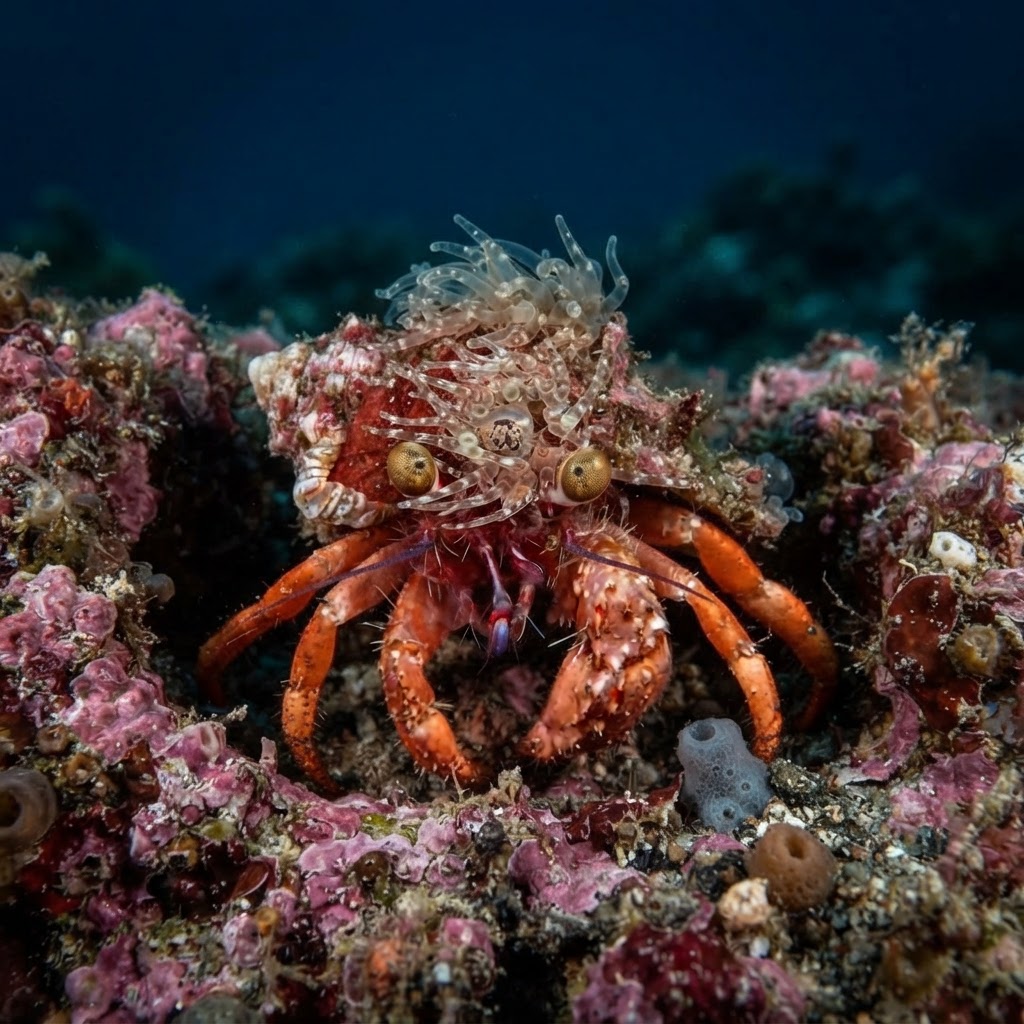
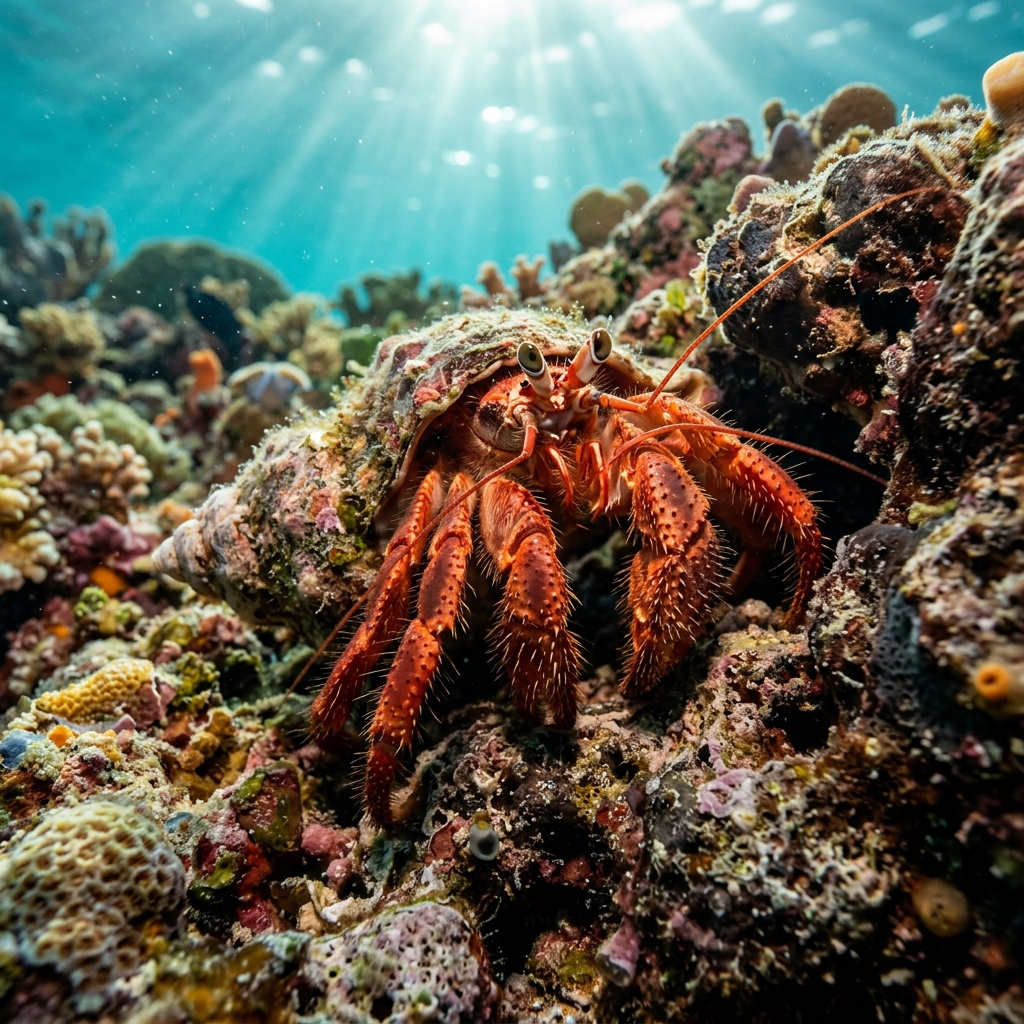
A small, distinctly flattened body no thicker than a coin lets it wedge tight under rocks and into crevices. Colour runs brown to reddish, often mottled, blending well with the rocky substrate it clings to. Look for the long, fringed antennae and the oversized, flattened claws held out front, which it uses to filter food rather than to pinch. Unlike true crabs it only has three visible pairs of walking legs, with the last pair reduced and tucked out of sight.
Spend most of a dive tucked flat against the underside of a rock or wedged into a crevice, only visible if you actually flip a loose rock and look underneath. When exposed it tends to freeze or scuttle sideways for cover rather than swim off, and its feathery claws fan gently in the current when left undisturbed to sieve tiny food particles from the water. Best found by carefully turning over rubble on cold rocky reefs and replacing rocks afterwards.
Those big flattened claws are not for fighting or feeding on prey; they are lined with fine hairs used to filter plankton and detritus straight out of the water, a feeding style closer to a barnacle than a typical crab.
No clear seasonal pattern shows up in the sighting data, so treat this as a year-round find. It sits in a cold-water niche of roughly 9 to 15C, matching the Pacific Northwest and British Columbia coastline conditions divers see across the seasons.
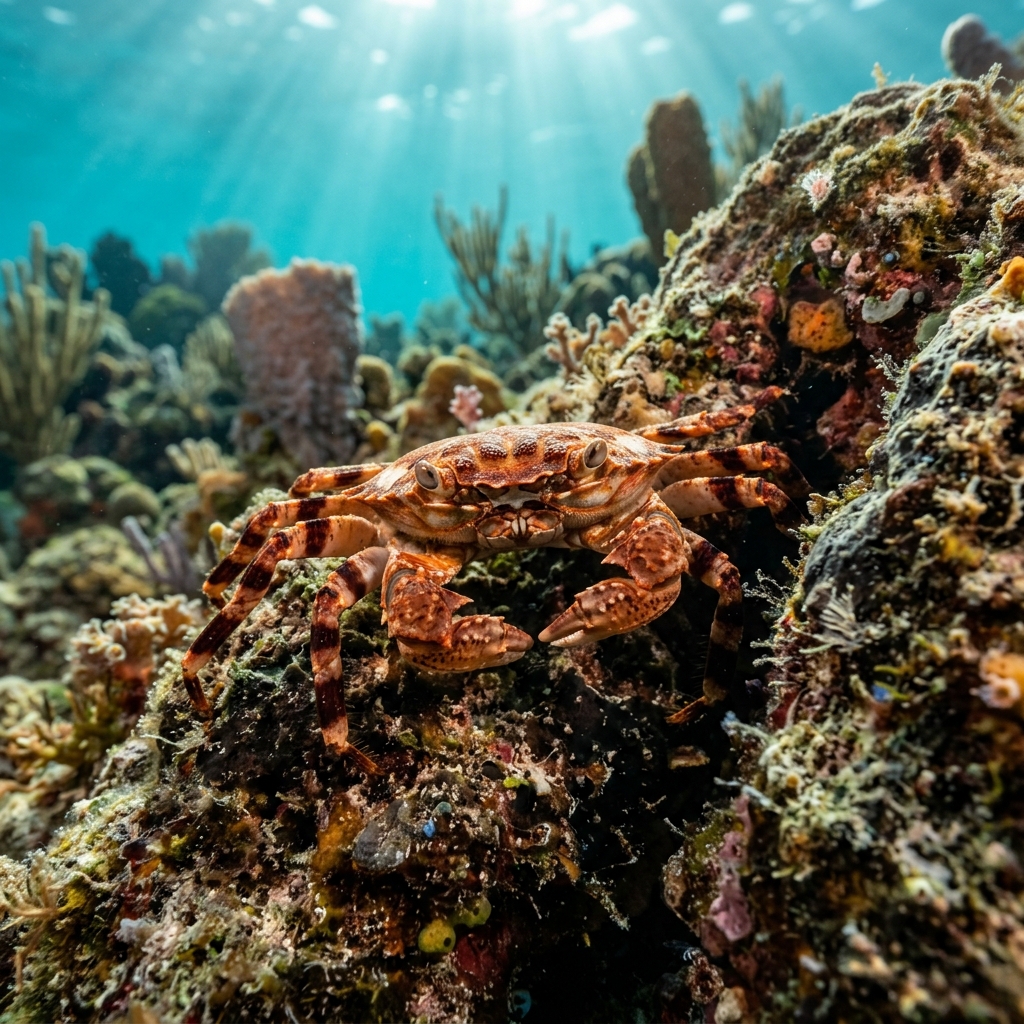
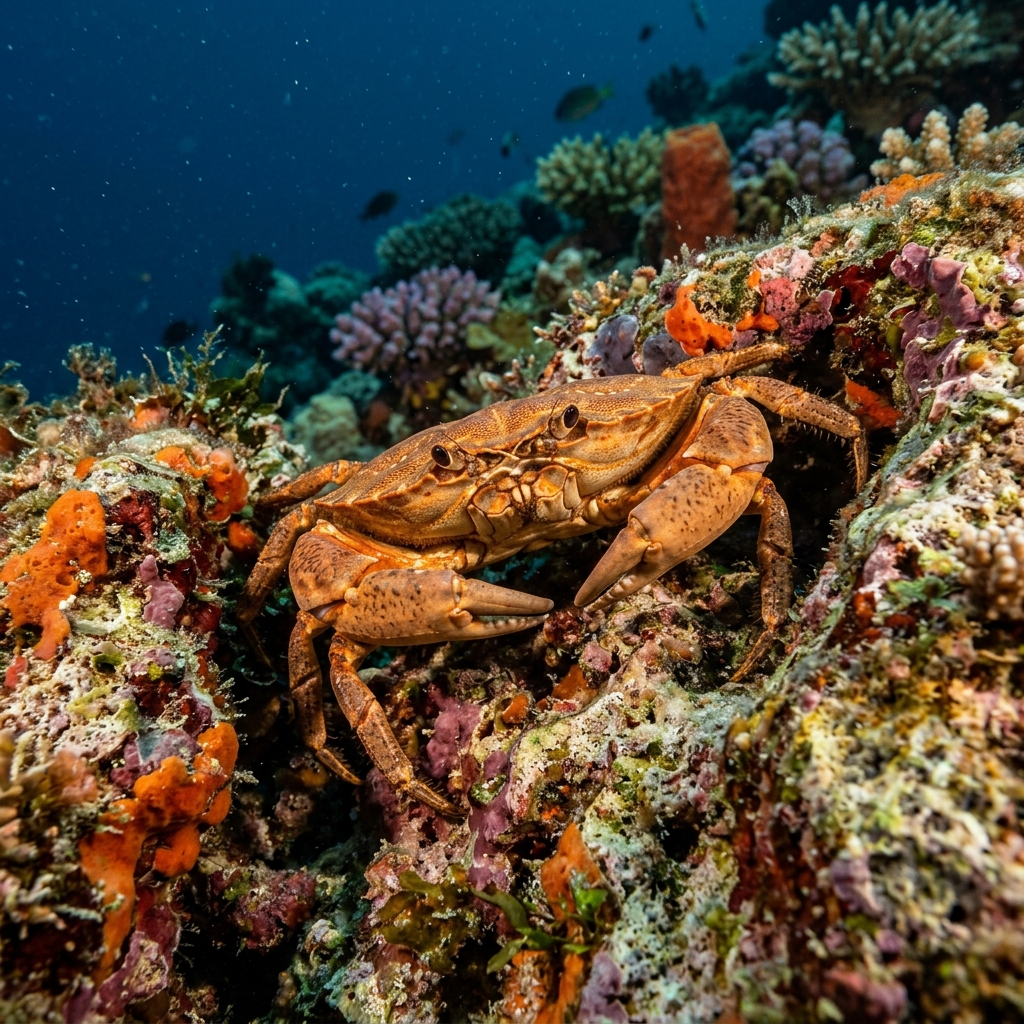
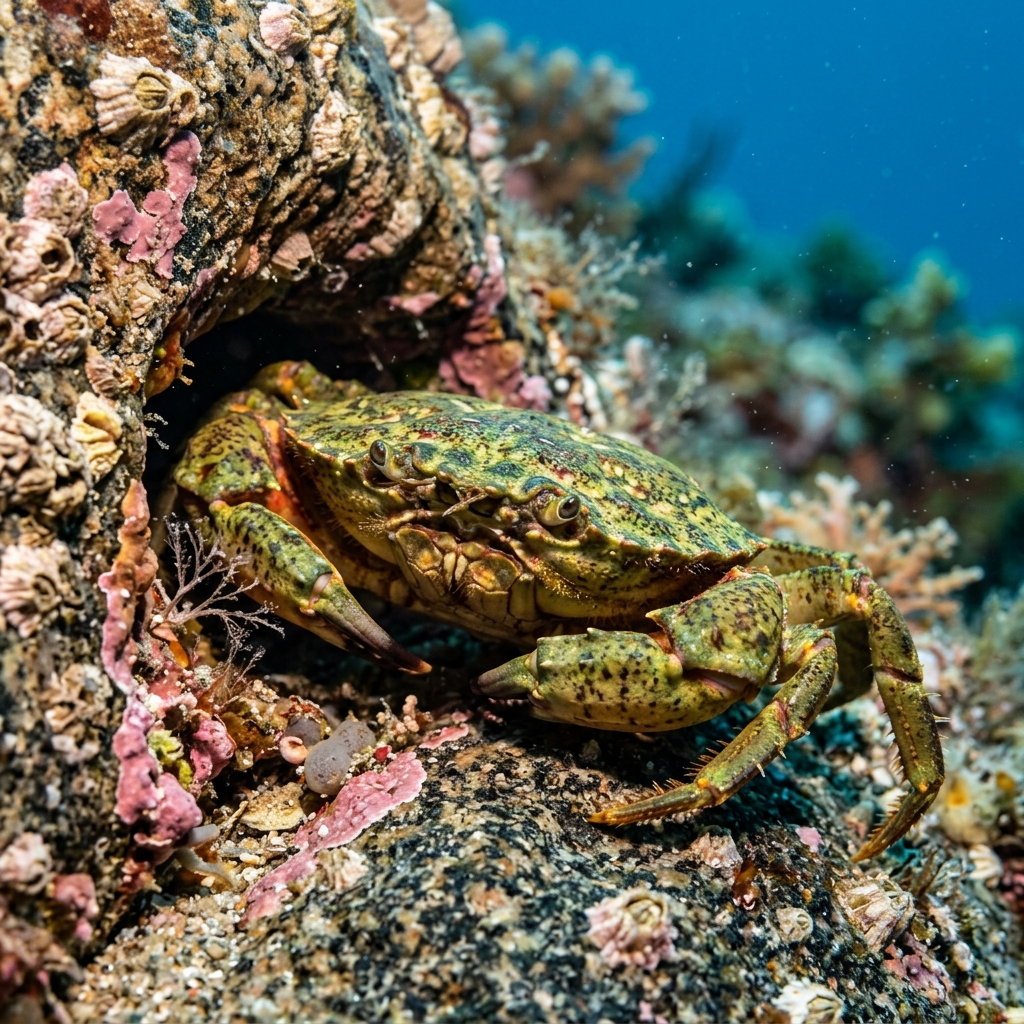
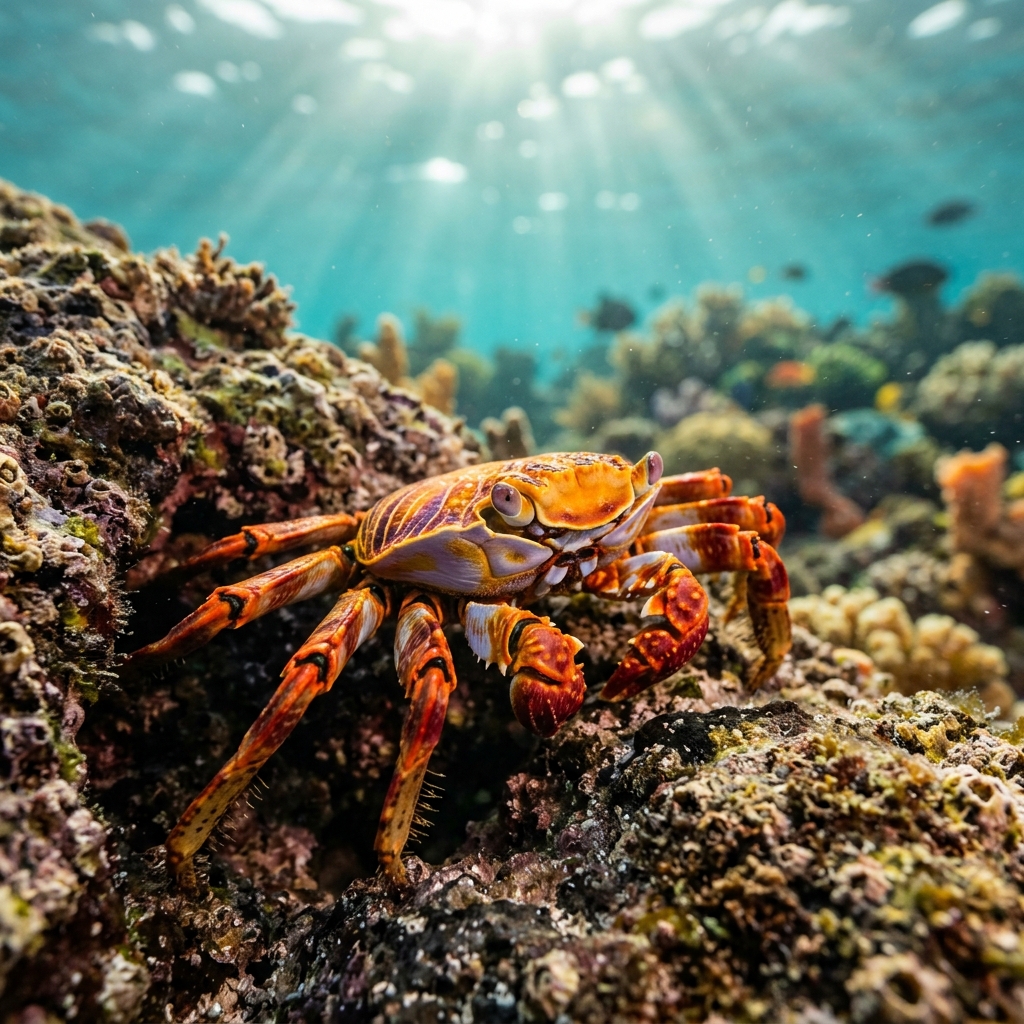
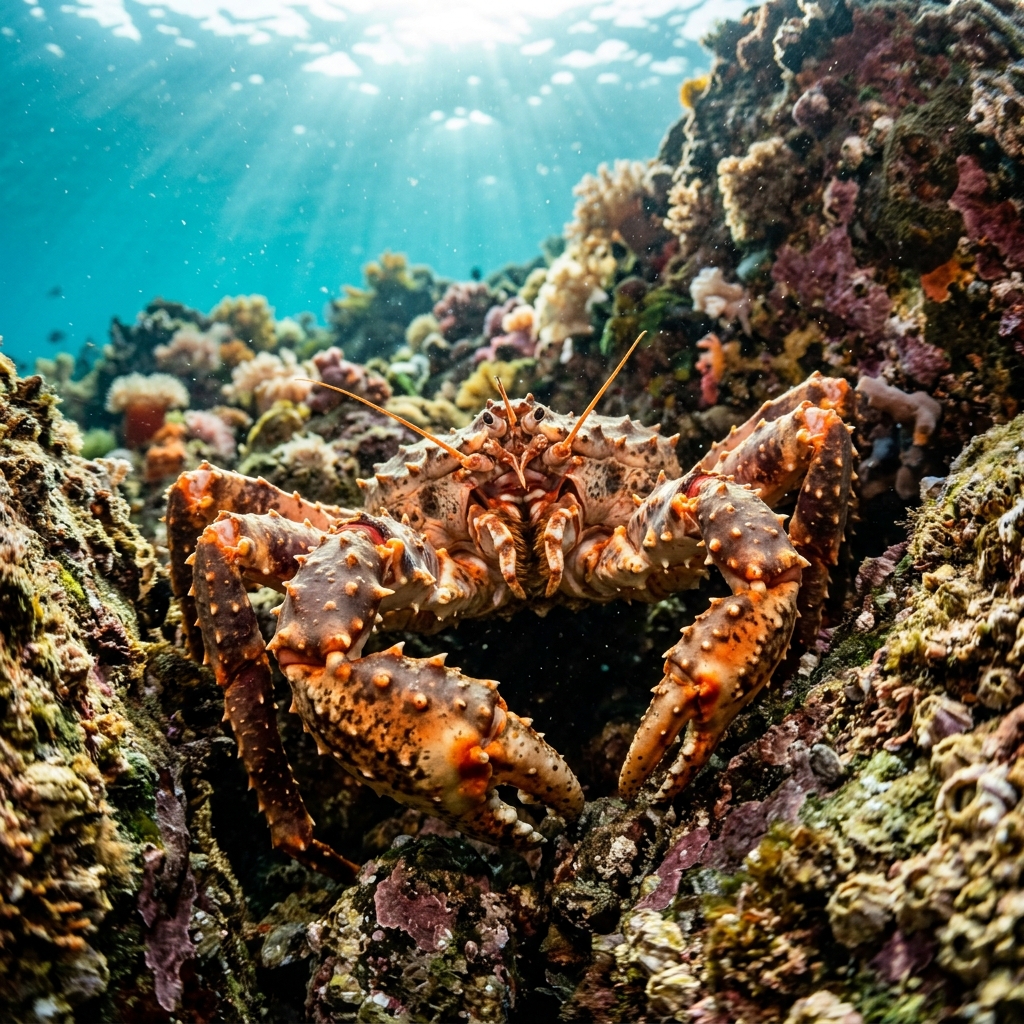
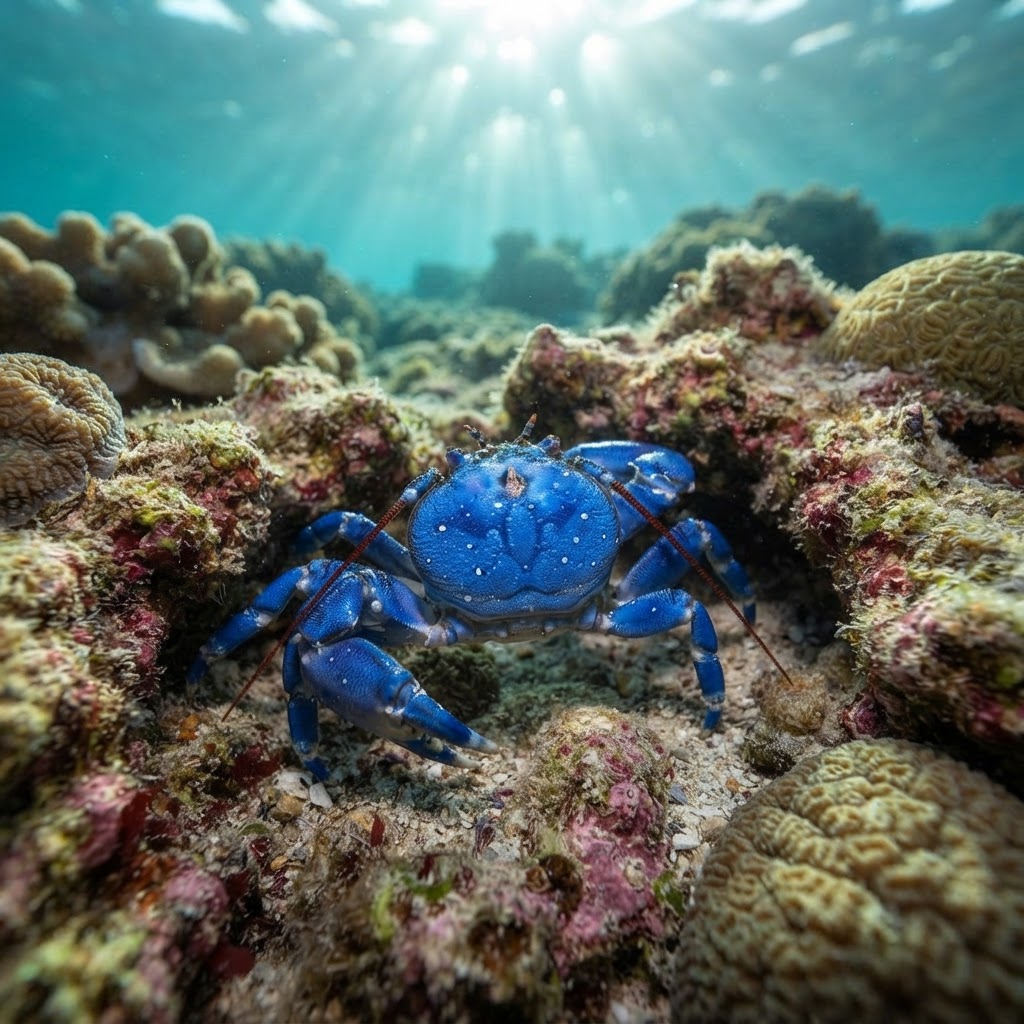
Reef neighbours a diver could mistake it for. Use the identification notes above to tell them apart.
Most reliably logged in the Pacific Northwest of the United States and in British Columbia, Canada, with a further cluster of sightings down the California coast. Across the 76 sites where divers have found it, it turns up as an uncommon to rare find under rocky rubble rather than as a headline sighting.
Mapping where Flat Porcelain Crab is logged…
It's most often found in the Pacific Northwest of the United States and in British Columbia, Canada, with additional sightings along the California coast. Look under rocks on cold rocky reefs rather than in open water.
There's no strong seasonal signal in the sighting data, so it's considered a year-round find. It lives in cold water around 9 to 15C, conditions typical of the Pacific Northwest and British Columbia through most of the year.
Check under loose rocks for a small, flattened brown crab with long antennae and oversized flat claws held out in front. The flattened body and filtering claws are the giveaway, distinguishing it from thicker-bodied true crabs.
They stay small, easily overlooked against rock and rubble, which is part of why sightings logged by divers are usually rare to uncommon rather than frequent.
Instead of grabbing prey, it fans its fringed claws through the water to filter out plankton and detritus, a feeding method more like a barnacle than a typical crab.
No. They have no pinch worth worrying about and their instinct is to hide, not confront a diver, so there's no safety concern when turning over rocks to look for one.
Site and sighting data is aggregated from diver logs, iNaturalist and GBIF. For taxonomy and conservation status:
European Green Crab
2,469 sites