Ciliata mustela
Cold-water bottom fish logged at 46 UK sites in temperatures of 8 to 12C, most often around England and Brittany, usually solo under rocks.
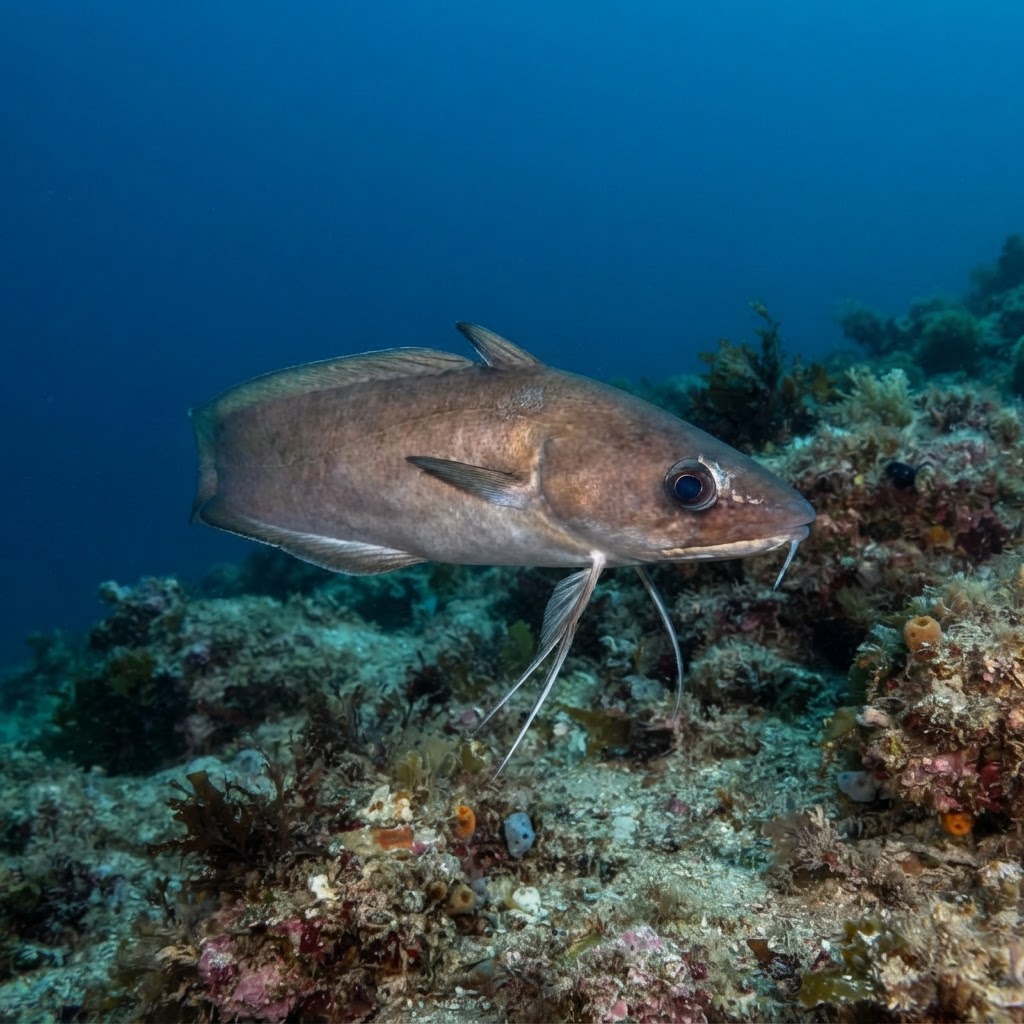
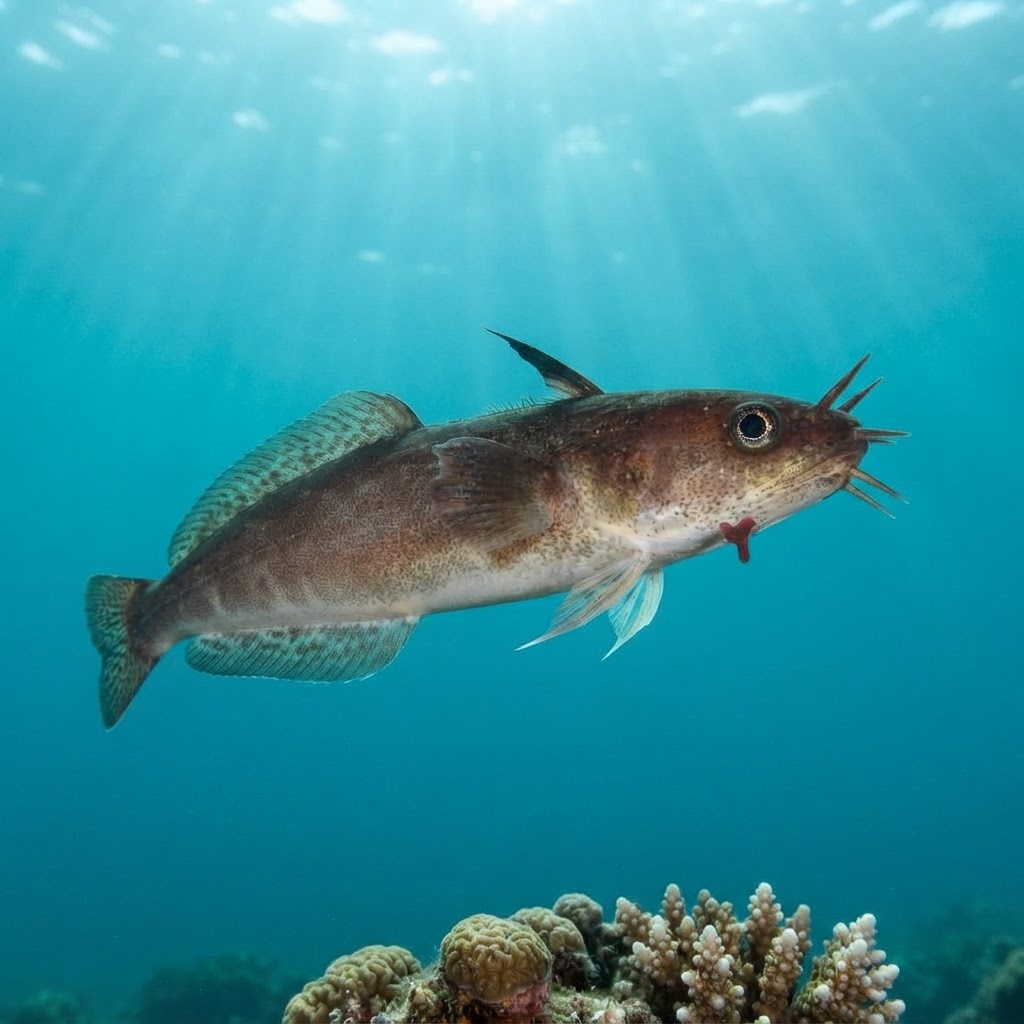
Slim, eel-like body around 18cm long with a mottled brown to olive skin tone that blends into rock and gravel. The giveaway is the fringe of barbels (whisker-like feelers) around the mouth and snout, five in total, which it uses to feel out food on the seabed. A single long dorsal fin runs most of the length of its back, and it tends to sit low, almost pressed against the substrate, rather than swimming freely in open water.
Look for it tucked under rock ledges, in crevices, or lying still on gravel and mixed seabed, using its barbels to probe for small invertebrates rather than actively hunting in the open. It rarely reacts to divers beyond a slow retreat further into cover, and most sightings are of single fish rather than groups, usually spotted on a slow look along the bottom rather than mid-water. Its low profile and camouflage mean it is easy to swim straight past.
Those five barbels aren't just for show, they're packed with sensory cells that let the fish find prey by touch and taste in low light or murky water where eyesight alone wouldn't cut it.
Sightings show no clear seasonal pattern, and with a water-temperature niche of 8.4 to 11.8C it's a fish suited to cool water year-round rather than a summer specialist. Divers log it consistently across the seasons at UK and Breton sites.
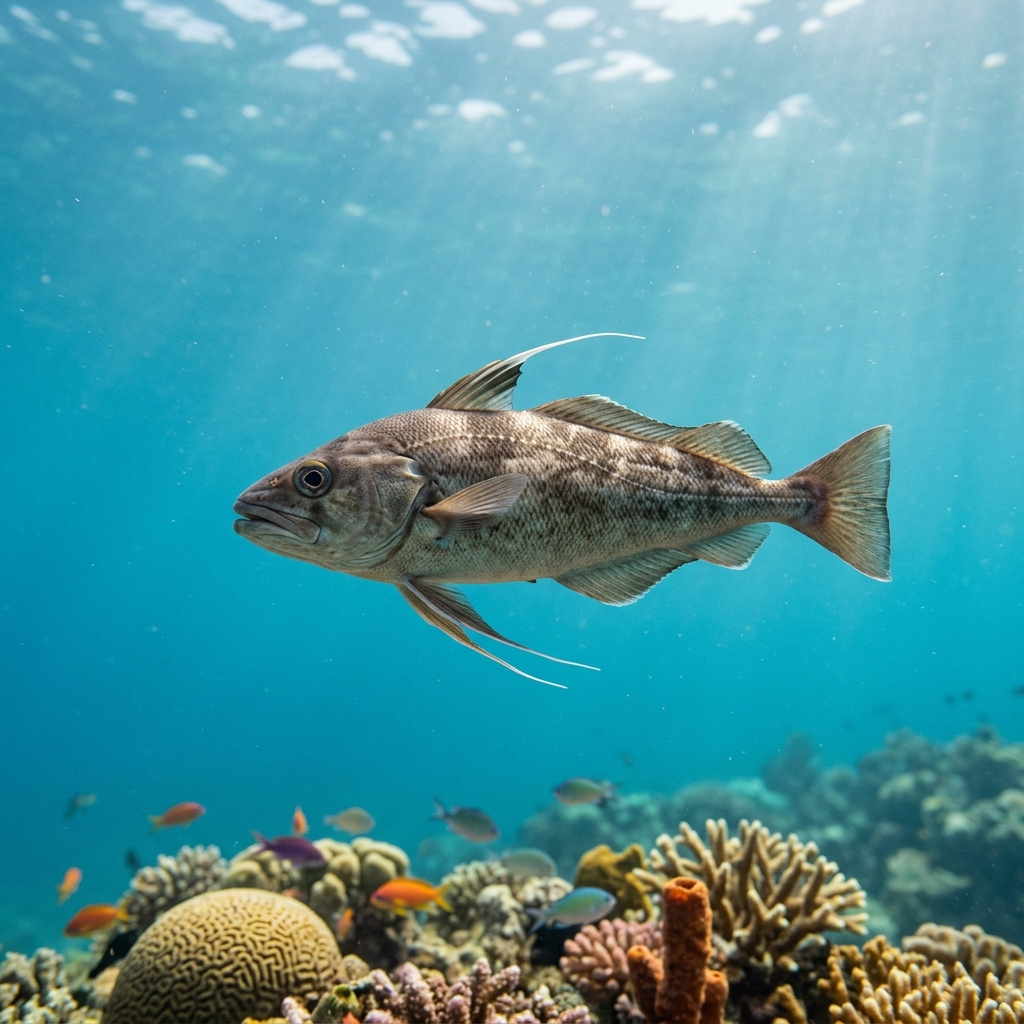
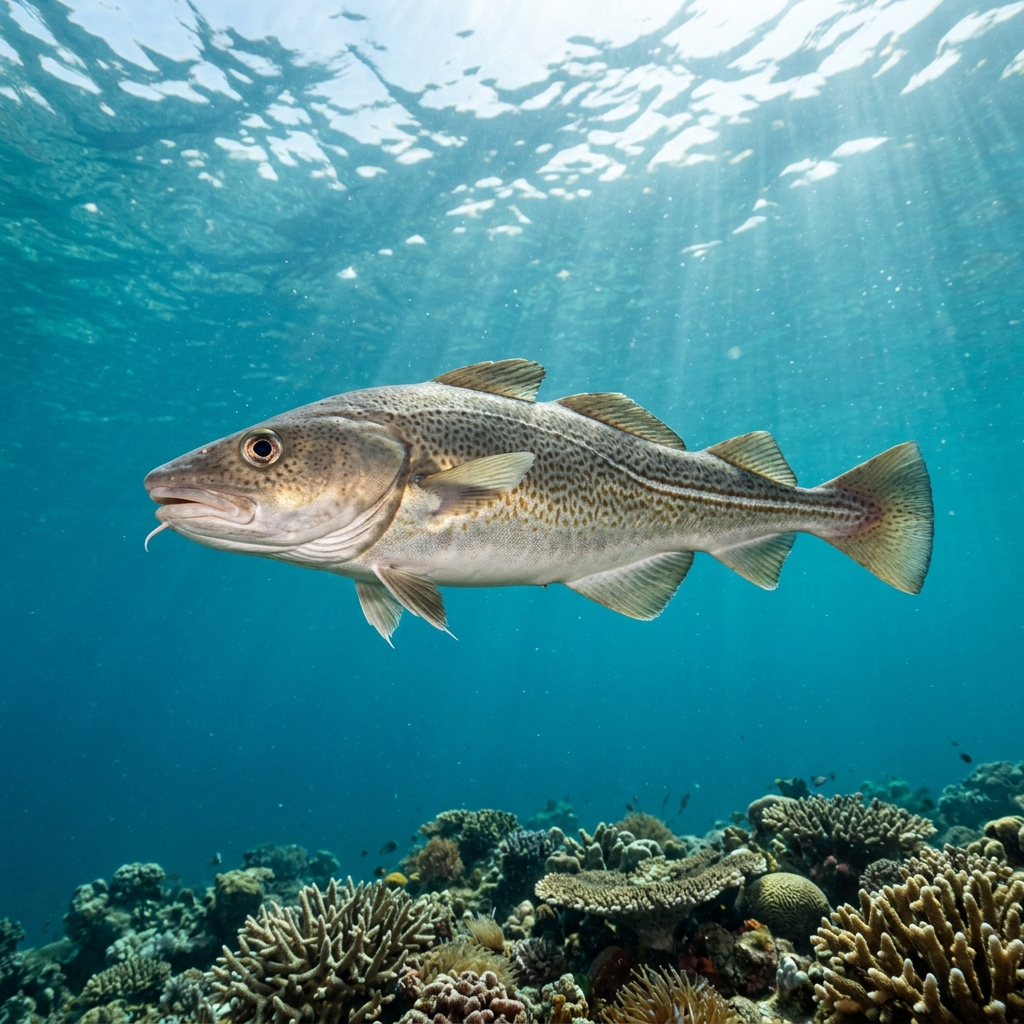
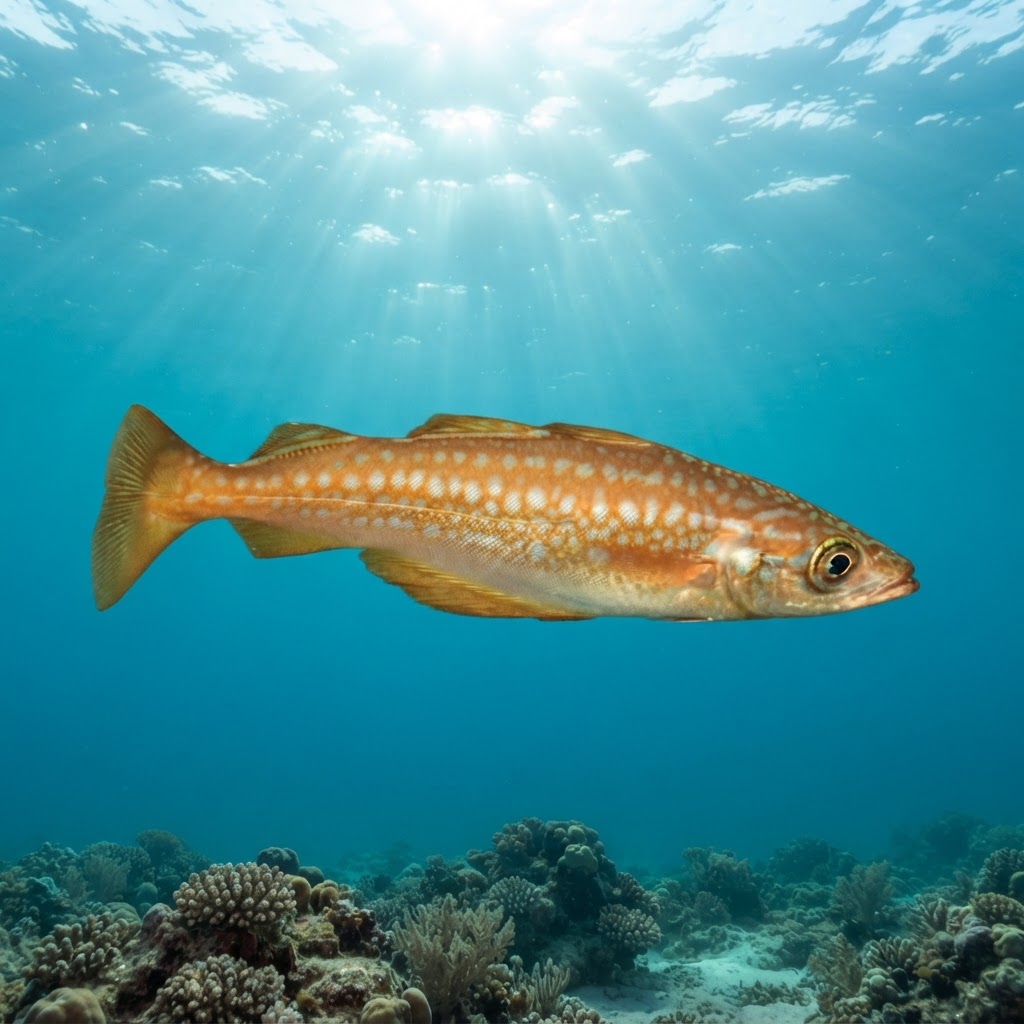
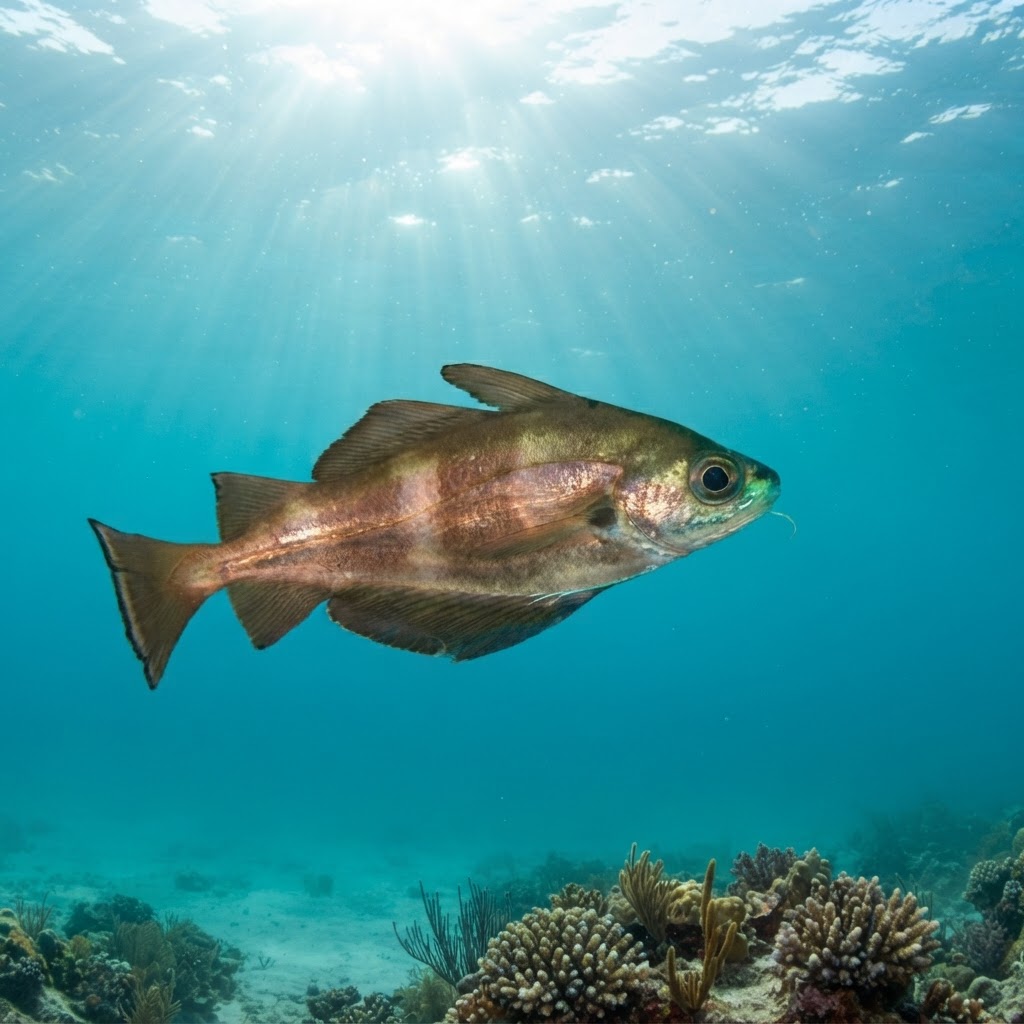
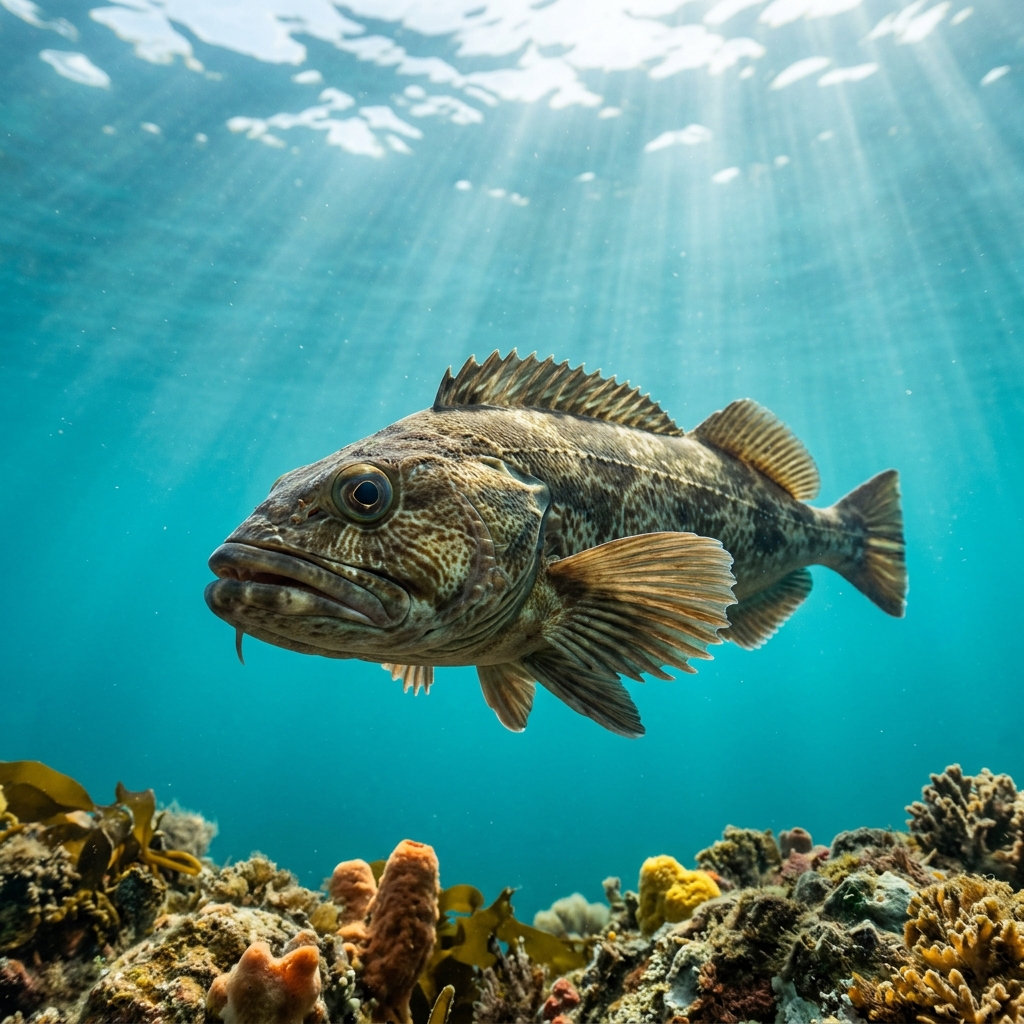
Reef neighbours a diver could mistake it for. Use the identification notes above to tell them apart.
This is a cold-water species most commonly logged in the United Kingdom, especially across England, with a strong secondary population in Brittany, France. Smaller numbers turn up in Jersey and Guernsey, Wales, and Galway & Connemara in Ireland, so it's fundamentally a northern European rocky-reef fish rather than a tropical one.
Mapping where Five-bearded Rockling is logged…
It's most reliably found around England's rocky reefs and in Brittany, France, with smaller numbers reported from Jersey, Guernsey, Wales, and Galway & Connemara in Ireland. It favours cool, shallow rocky ground rather than open water or tropical reefs.
There's no strong seasonal pattern in the data, and it lives comfortably in 8.4 to 11.8C water, so it's logged year-round at UK and Breton sites rather than during one particular season.
Look for a slim, mottled brown fish around 18cm long lying close to the seabed under ledges or in crevices. The clearest ID feature is the set of five barbels around its mouth, used to feel out food on the bottom.
They typically reach around 18cm, making them a small, easy-to-overlook bottom-dweller rather than a fish that stands out from a distance.
Its five facial barbels are sensory organs, not just decoration, letting it detect small prey by touch in dim or silty water where vision is less useful. It relies on this touch-based hunting more than active sight-hunting.
No, it poses no risk to divers. It's a small, retreating bottom fish that will simply tuck further into cover if approached.
Site and sighting data is aggregated from diver logs, iNaturalist and GBIF. For taxonomy and conservation status:
Pollack
282 sites