Helioporidae spp.
Blue coral thrives in warm Indo-Pacific waters from the Maldives to the Philippines. Learn to spot it on tropical reefs and where divers log it most.
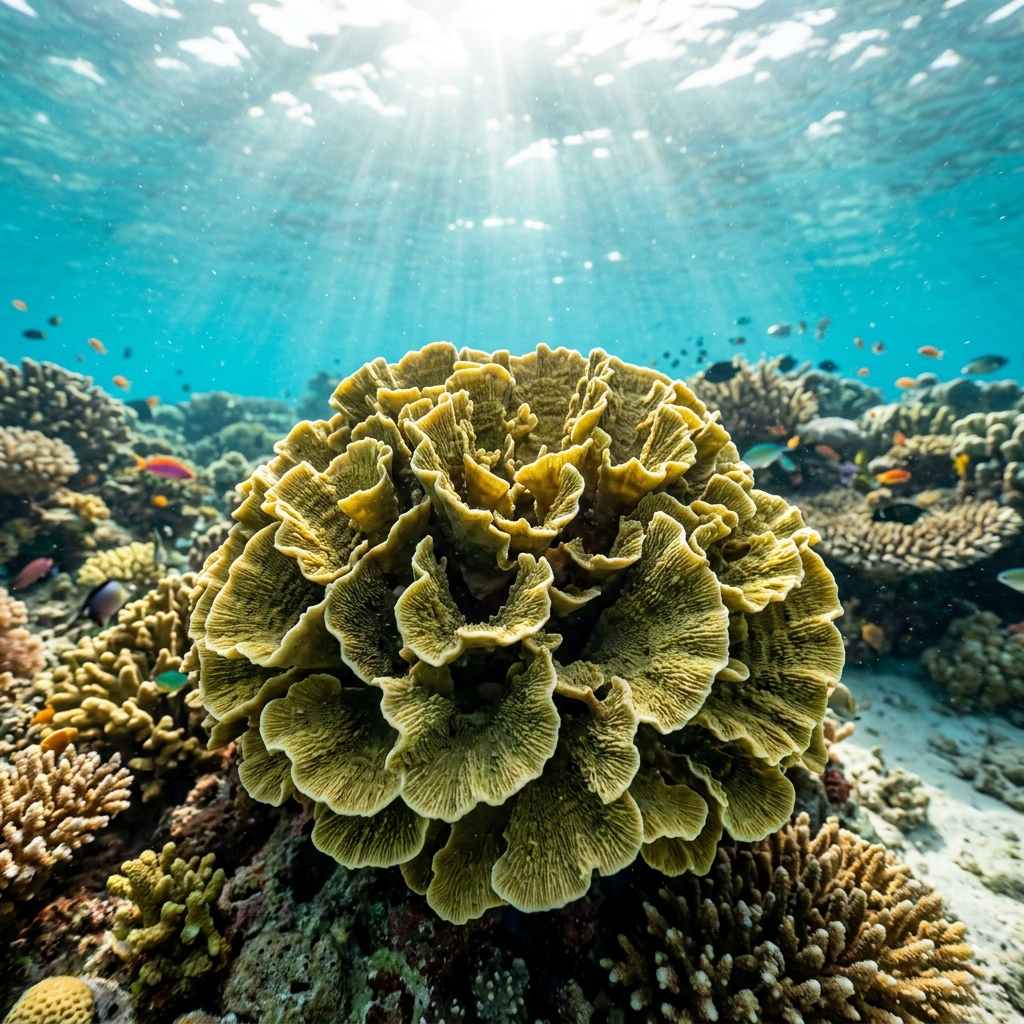
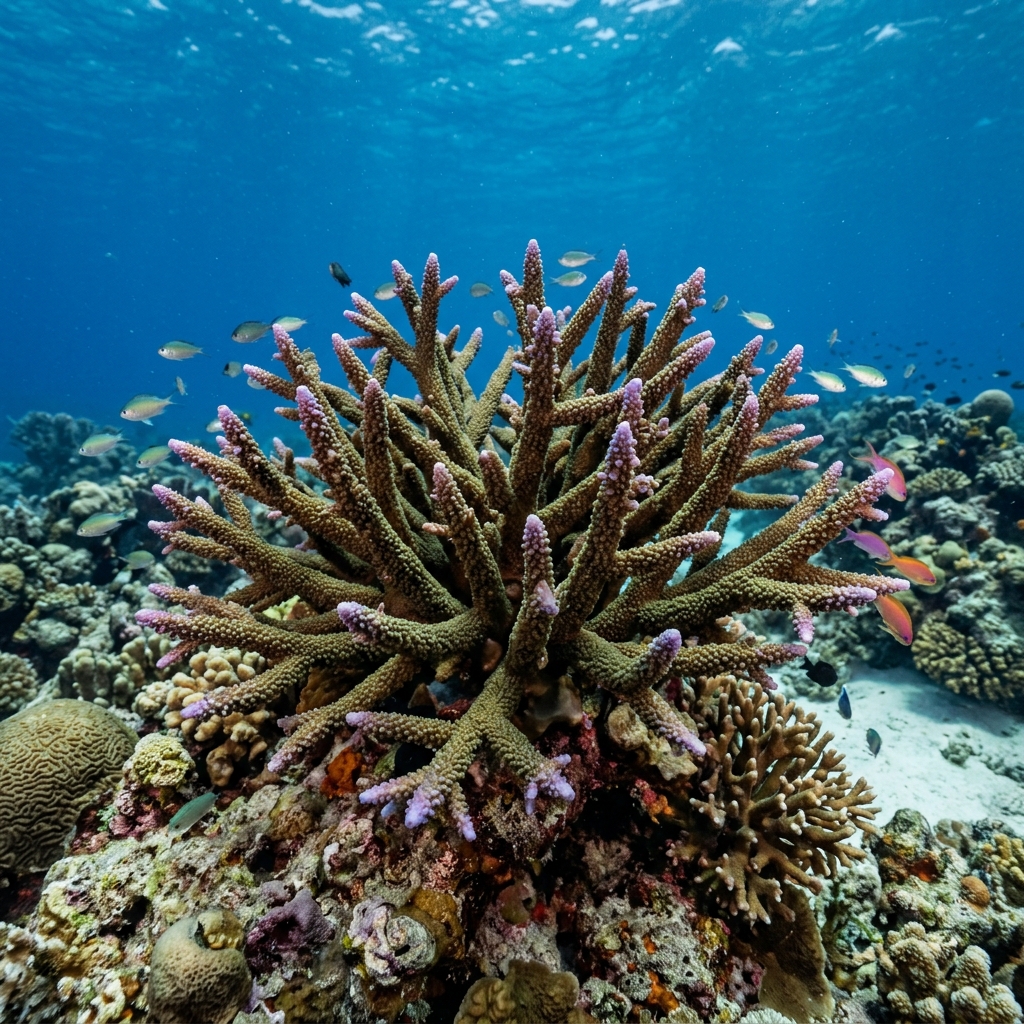
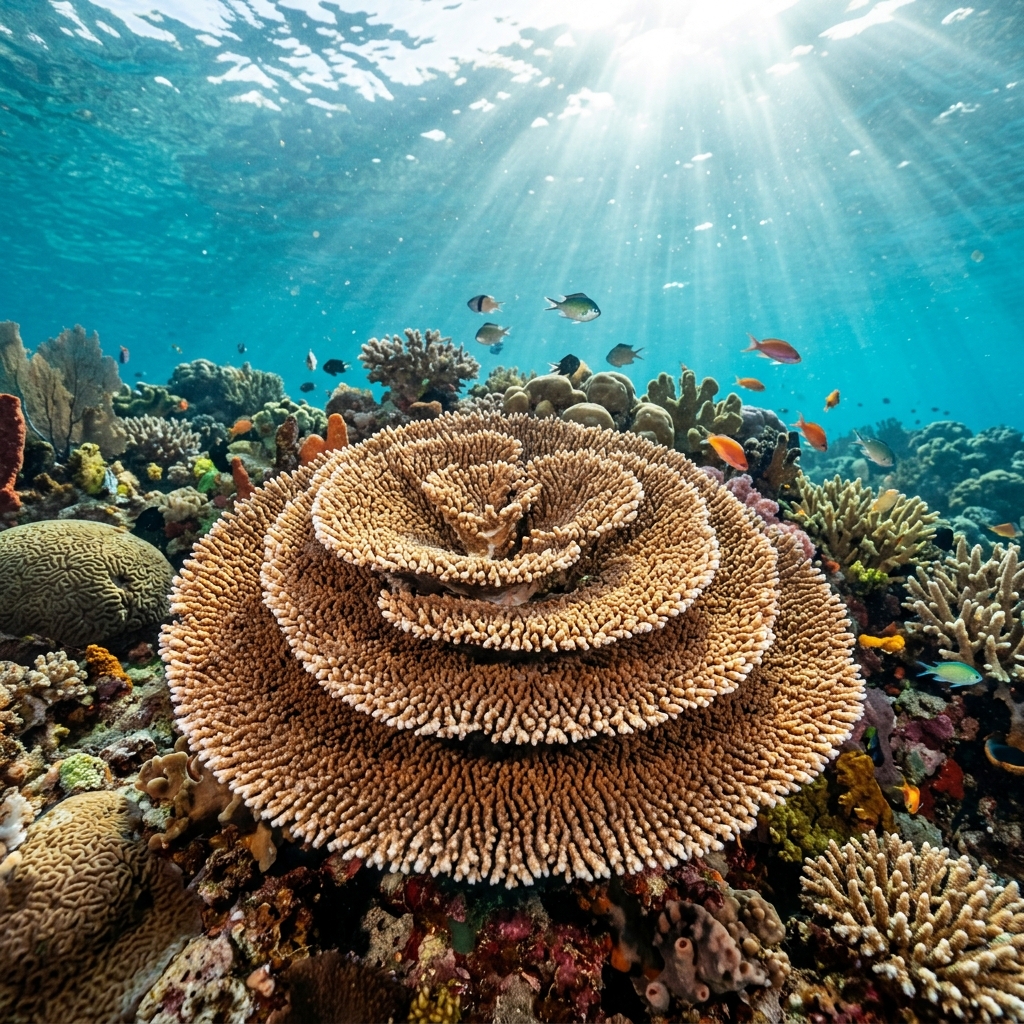
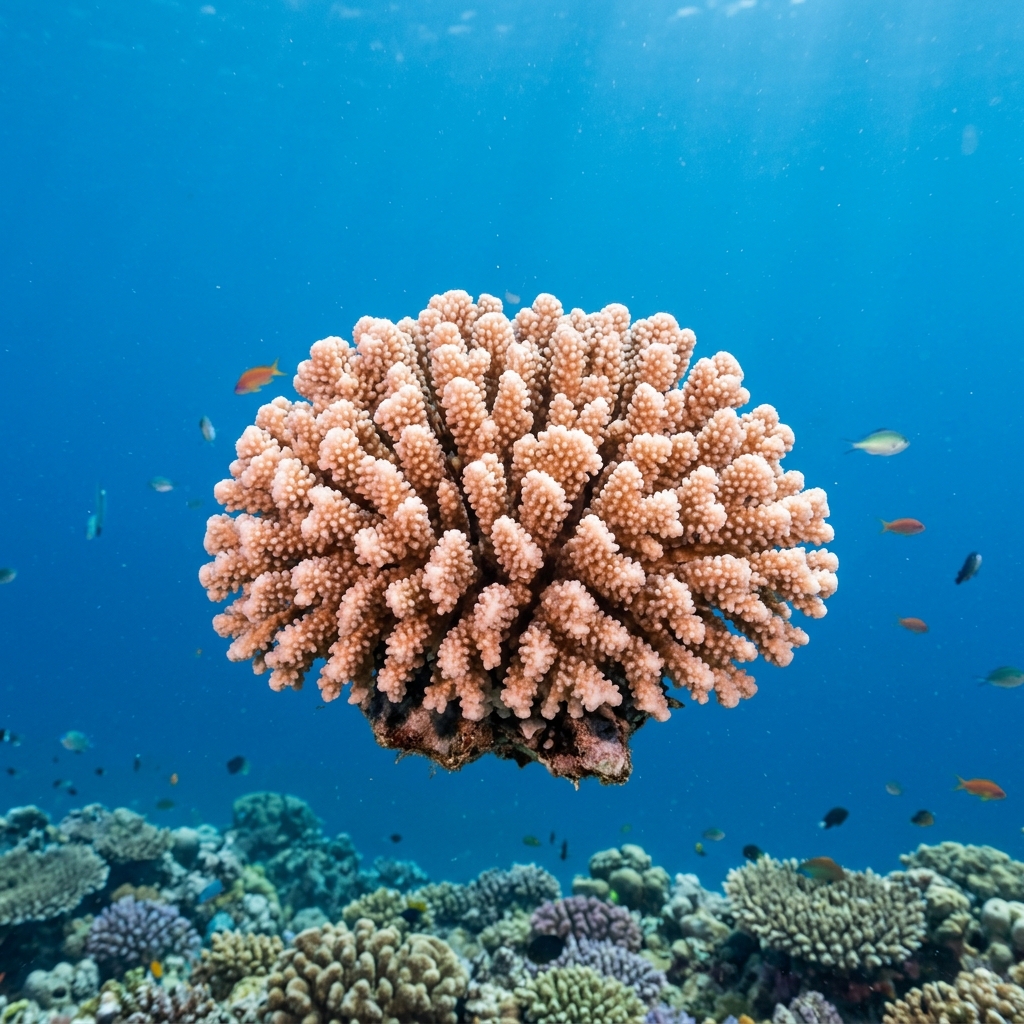
Blue coral (the group's most recognisable member) is named for its vivid blue-grey skeleton, which stands out against the typical browns and greens of a reef. Colonies grow in branching or plate-like formations, often reaching half a metre or more across. The polyps are tiny and retract quickly, leaving the hard skeleton's colour as the main ID feature underwater. Look for that distinctive steel-blue hue on branching colonies in warm, well-lit reef zones.
Colonies are sessile (fixed to the substrate), so you will find them anchored to reef slopes, walls, and shallower reef flats where light penetrates well. They play a structural role on the reef, providing shelter for small fish and invertebrates that tuck into their branches. Unlike fish, they do not react to diver approach, but strong surge or careless fin kicks will damage colonies that may have taken decades to grow.
Blue coral (Heliopora coerulea), the best-known member of this family, is the only living coral known to produce a blue skeleton made of aragonite pigmented with biliverdin. Most hard corals have white skeletons, so when you see that steel-blue colour even on a broken fragment, it is a reliable field clue.
Observed in waters between roughly 26 and 29 degrees Celsius, placing it firmly in tropical reef territory year-round. No seasonal pattern has been detected from current sighting data, so any time you are diving its core Indo-Pacific range is a reasonable bet.
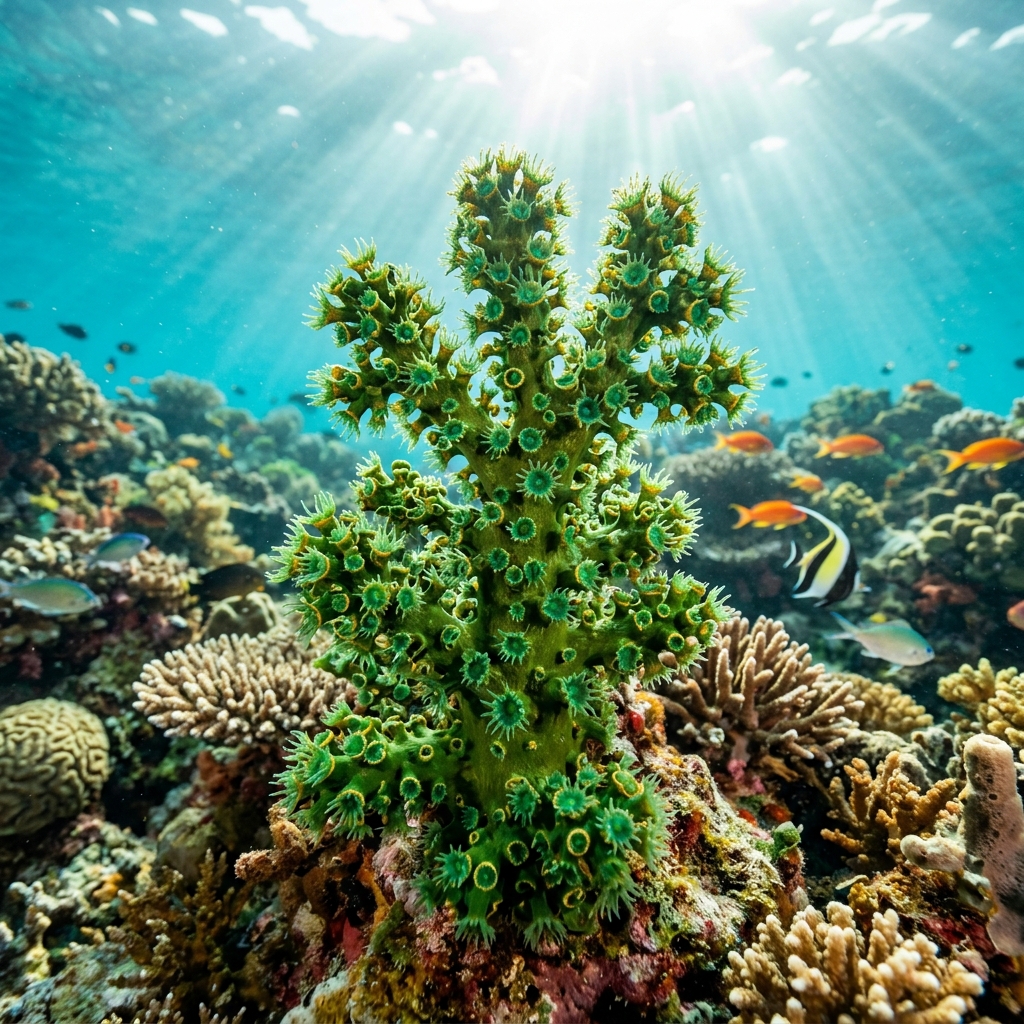
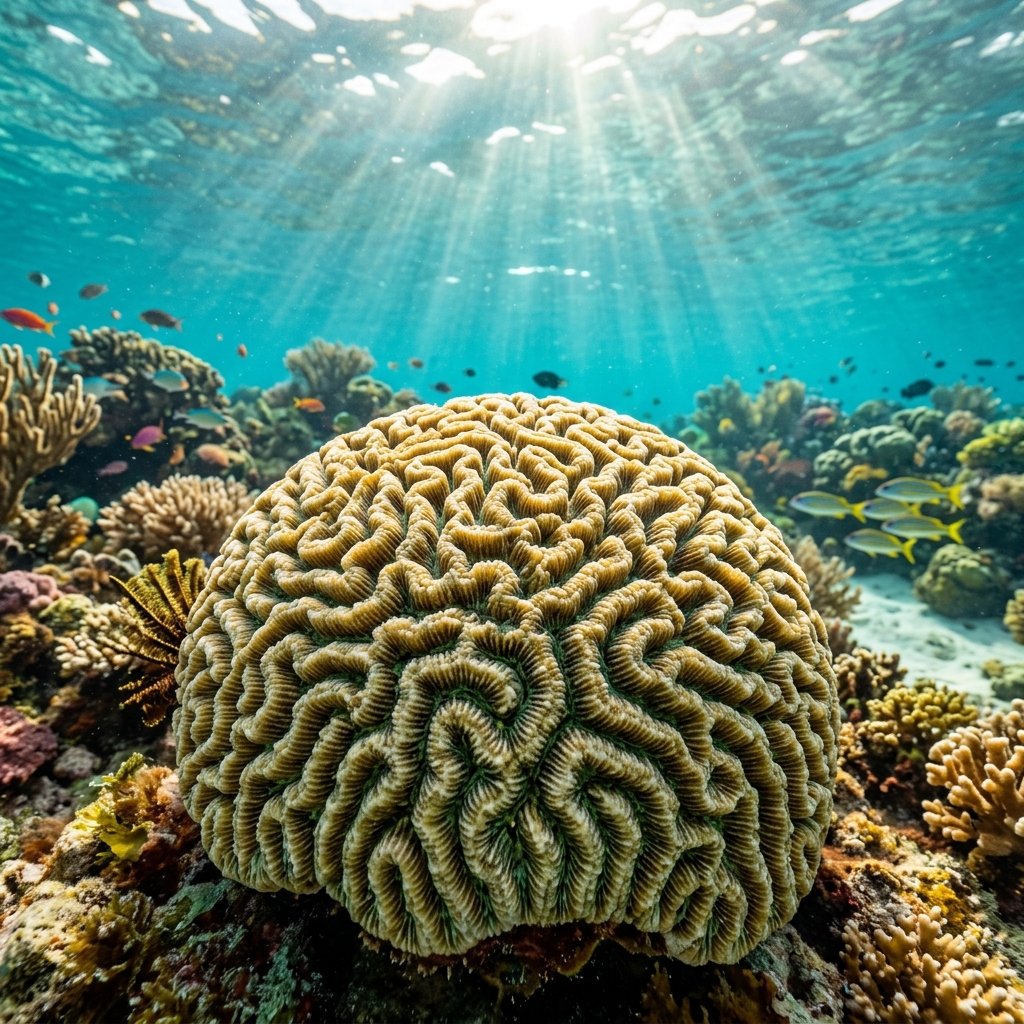
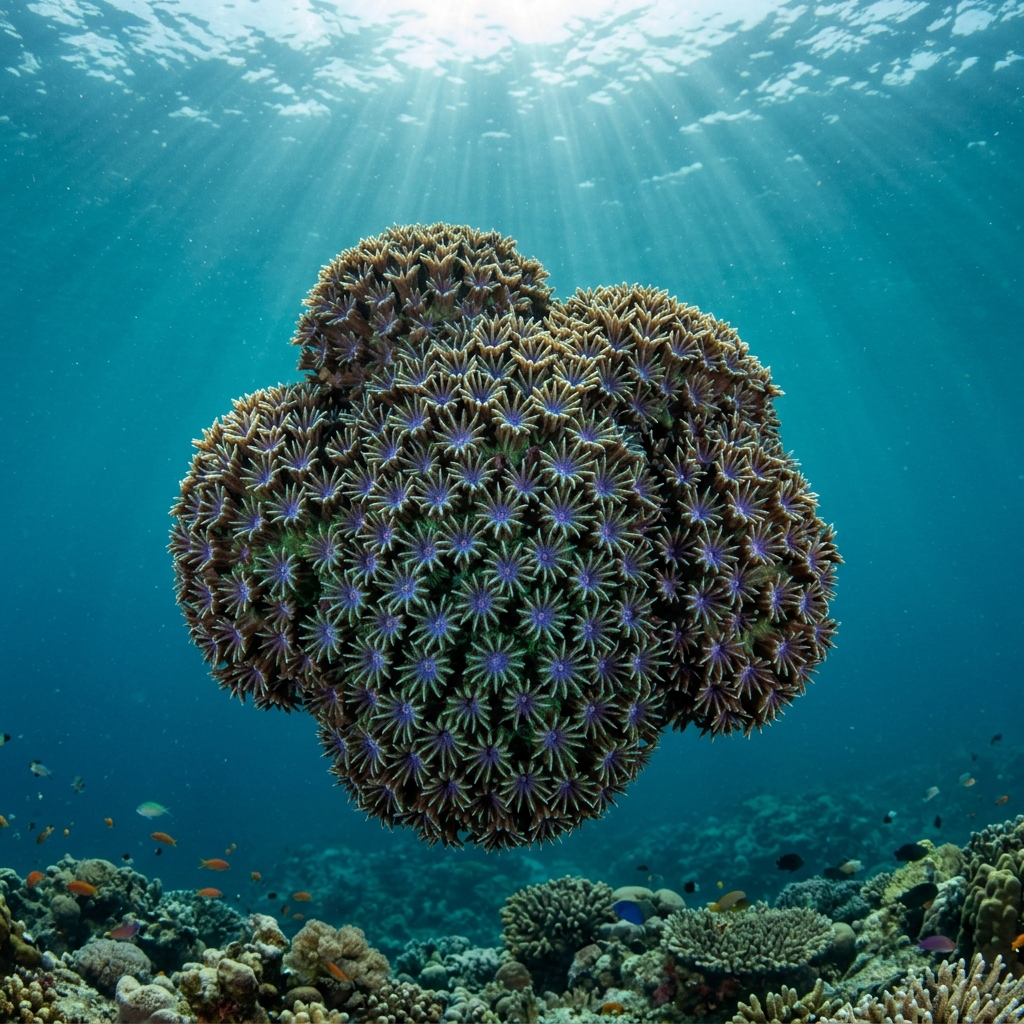
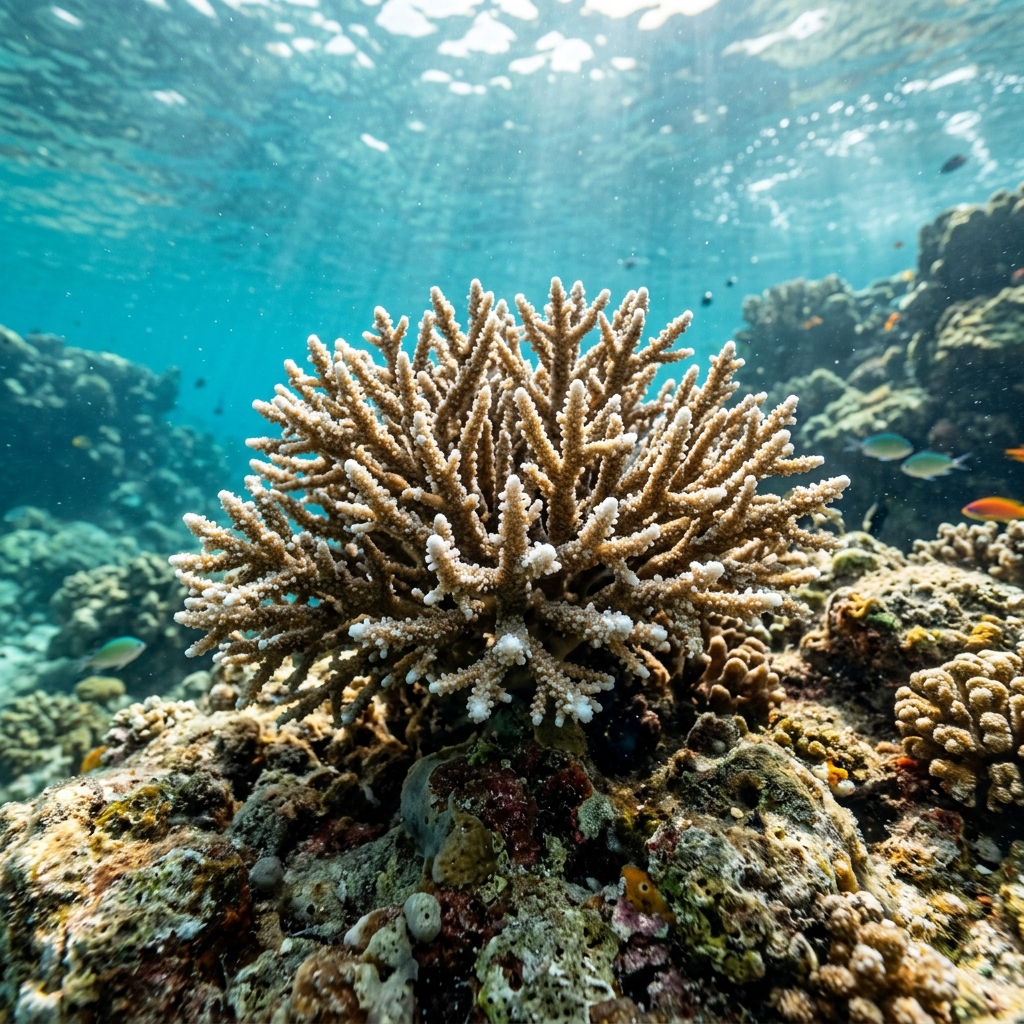
Reef neighbours a diver could mistake it for. Use the identification notes above to tell them apart.
Most commonly logged across the Indo-Pacific, with the strongest site coverage in the Maldives, the Philippines, and Indonesia. Top regions include the North and Central Atolls of the Maldives, the Visayas and Palawan areas of the Philippines, and Sulawesi in Indonesia. Queensland, Australia and Malaysia also offer solid opportunities to encounter this group.
Mapping where Blue Coral is logged…
The strongest site coverage is in the Maldives, Philippines, and Indonesia, with popular dive regions including the North and Central Atolls of the Maldives, the Visayas in the Philippines, and Sulawesi. Malaysia, Thailand, Micronesia, Mozambique, and Queensland, Australia also feature the group across many logged dive sites.
Current sighting data shows no strong seasonal pattern, and the group thrives in water temperatures around 26 to 29 degrees Celsius, which describes tropical Indo-Pacific reefs year-round. Visit any time you can reach the top dive regions.
Look for the distinctive steel-blue to blue-grey skeleton on branching or plate-like colonies. That blue colouration is unusual among hard corals and is the key field marker. Colonies can grow large, often half a metre or more across, on well-lit reef slopes and walls.
Most hard corals have white aragonite skeletons. Blue coral produces a skeleton pigmented with biliverdin, giving it a permanent blue-grey colour that persists even in dead or broken fragments. It is the only living coral known to do this, making it straightforward to identify from a skeleton alone.
Site and sighting data is aggregated from diver logs, iNaturalist and GBIF. For taxonomy and conservation status:
Plate Coral
2,991 sites