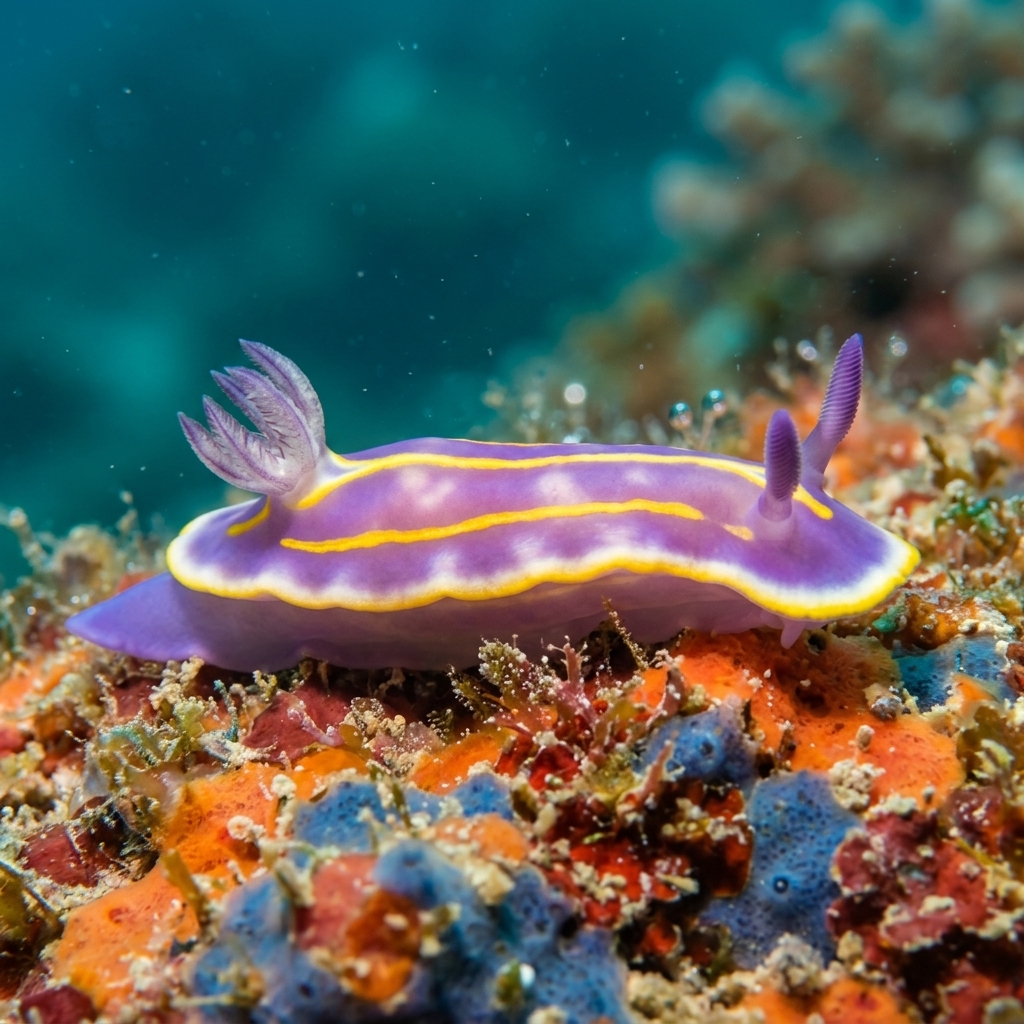
Felimida binza
Spot the Harlequin Sea Goddess nudibranch in the Balearic Islands and Costa Blanca. Sightings peak Jun, Oct in waters from 13.5 to 28 °C.
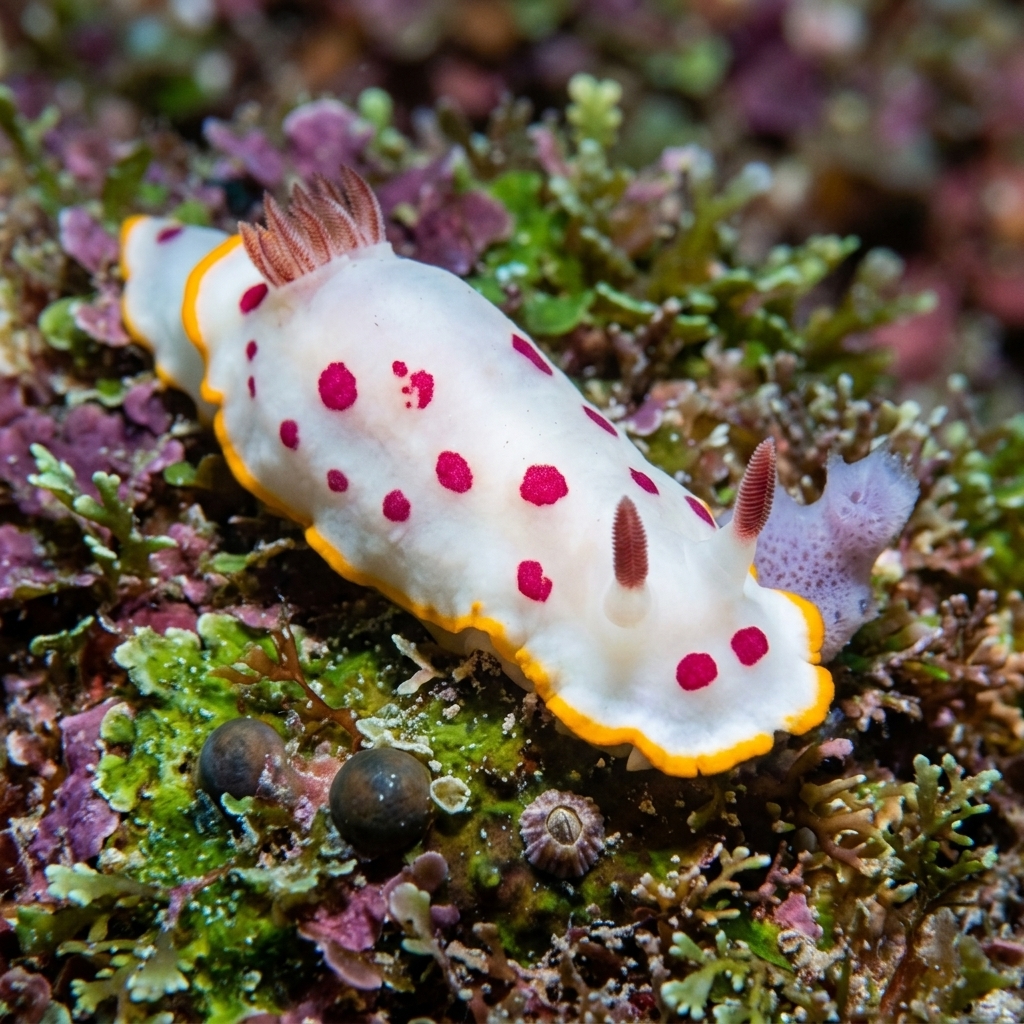
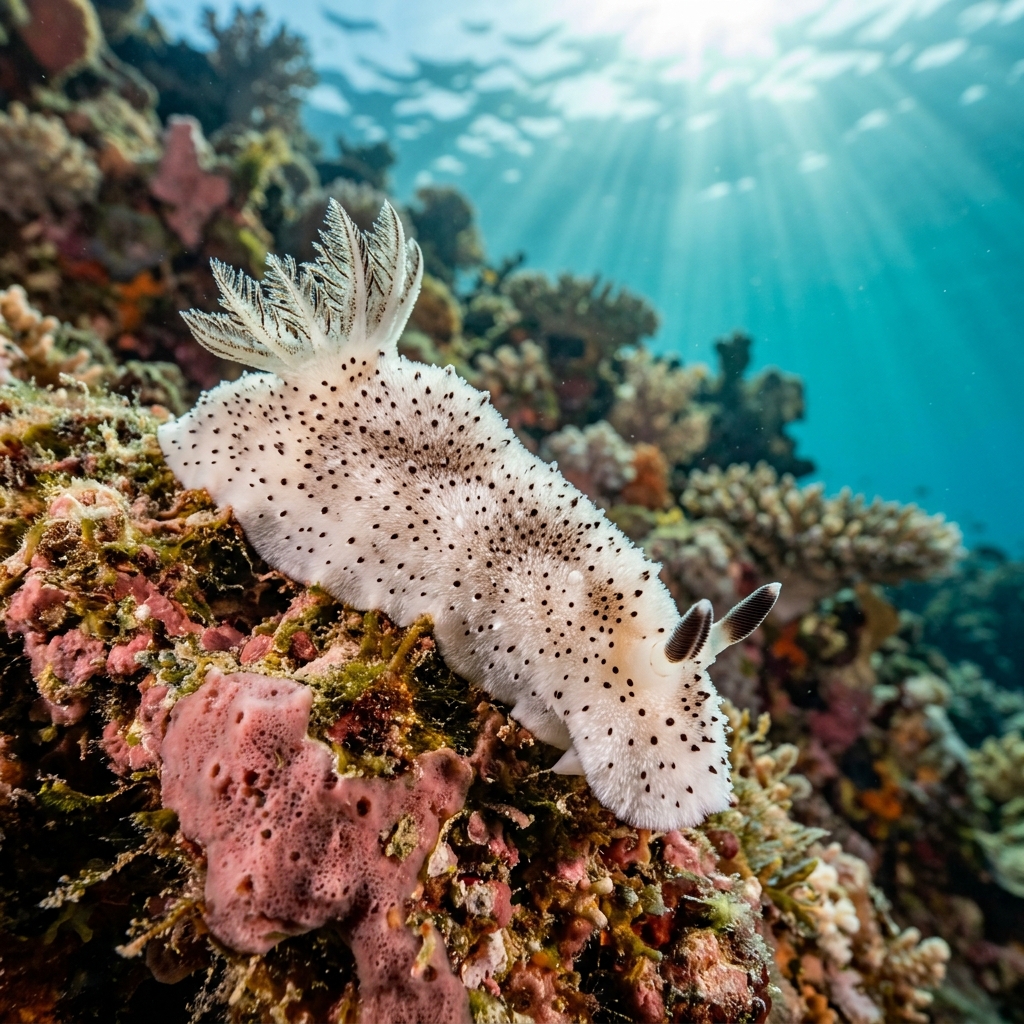
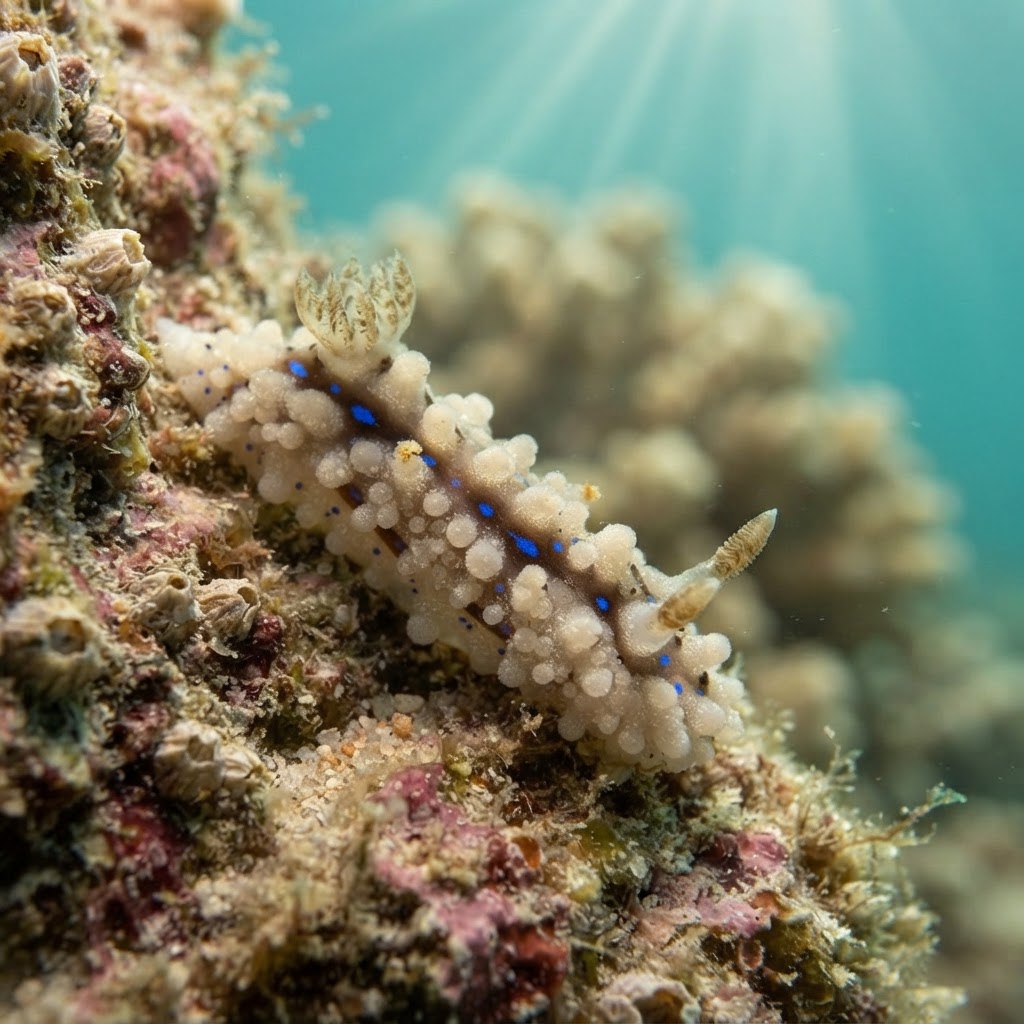
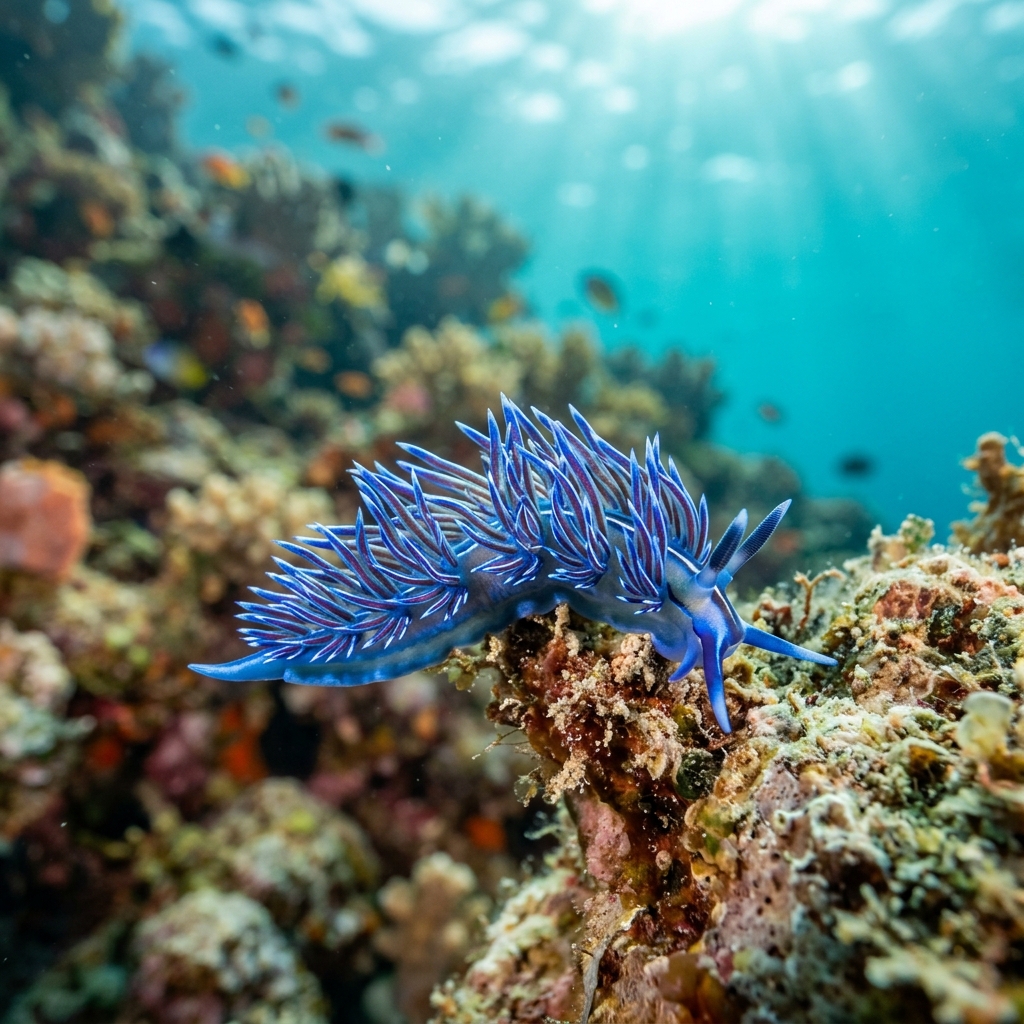
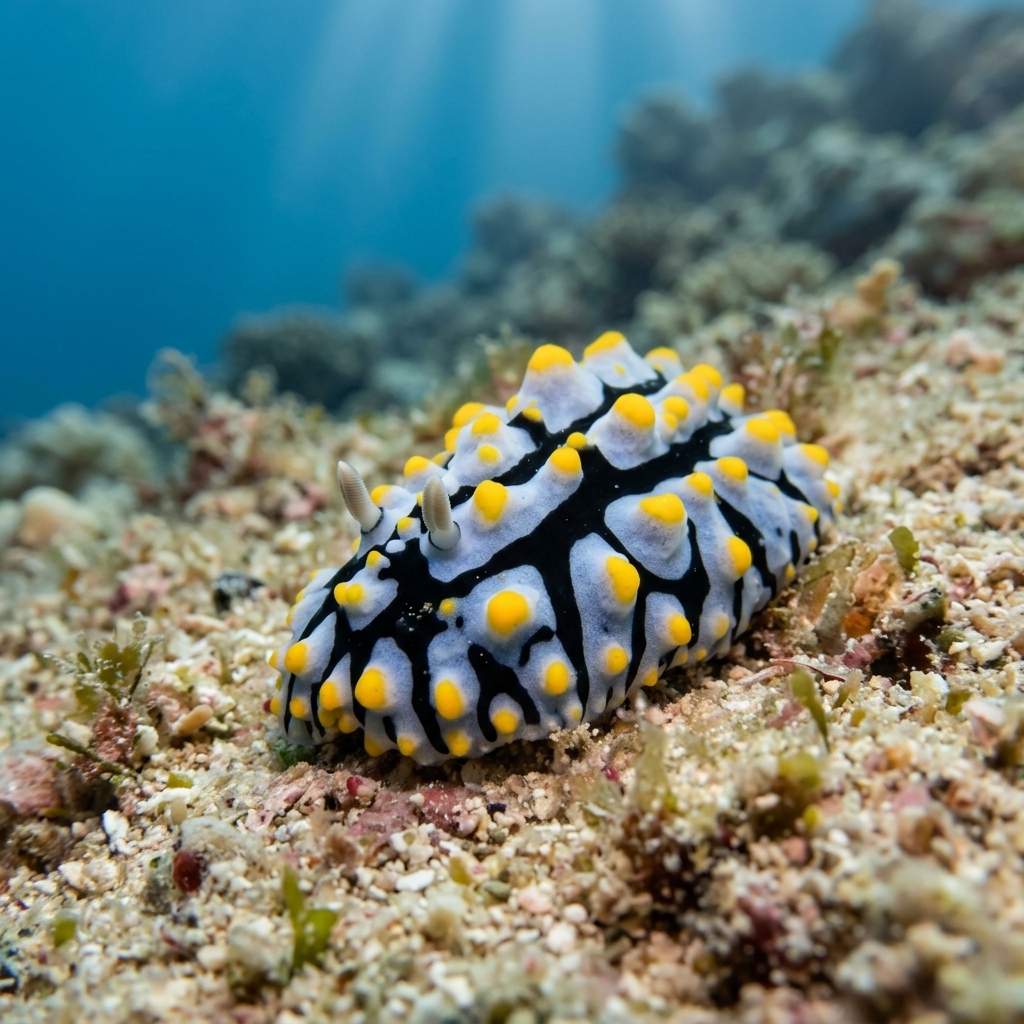
A small chromodorid nudibranch (sea slug) with a distinctively coloured mantle that divers key on by its bold, contrasting markings rather than size alone. Look for the characteristic cerata (finger-like gill plumes) rising from its back, which are tipped in contrasting colours against the body. On rocky reef surfaces it moves slowly and low, making its bright patterning the main giveaway. No significant colour difference between sexes is documented.
Like most chromodorids, the Harlequin Sea Goddess is typically found crawling slowly across rocky or mixed rubble reef, often in fairly shallow water, grazing on encrusting sponges. It does not react strongly to divers and will simply continue moving; a slow, calm approach gives you the best chance to observe it properly. It is most often spotted as a solitary individual rather than in groups.
Chromodorid nudibranchs sequester toxic or distasteful compounds from the sponges they eat and advertise this defence through their bright colour patterns, a strategy called aposematism. That vivid appearance is a warning, not camouflage.
In the Northern Hemisphere, sightings concentrate from June through October, aligning with warmer inshore water temperatures across the Mediterranean and Florida. The species has been recorded in water as cool as 13.5 °C, so encounters outside peak summer are possible but much less frequent.
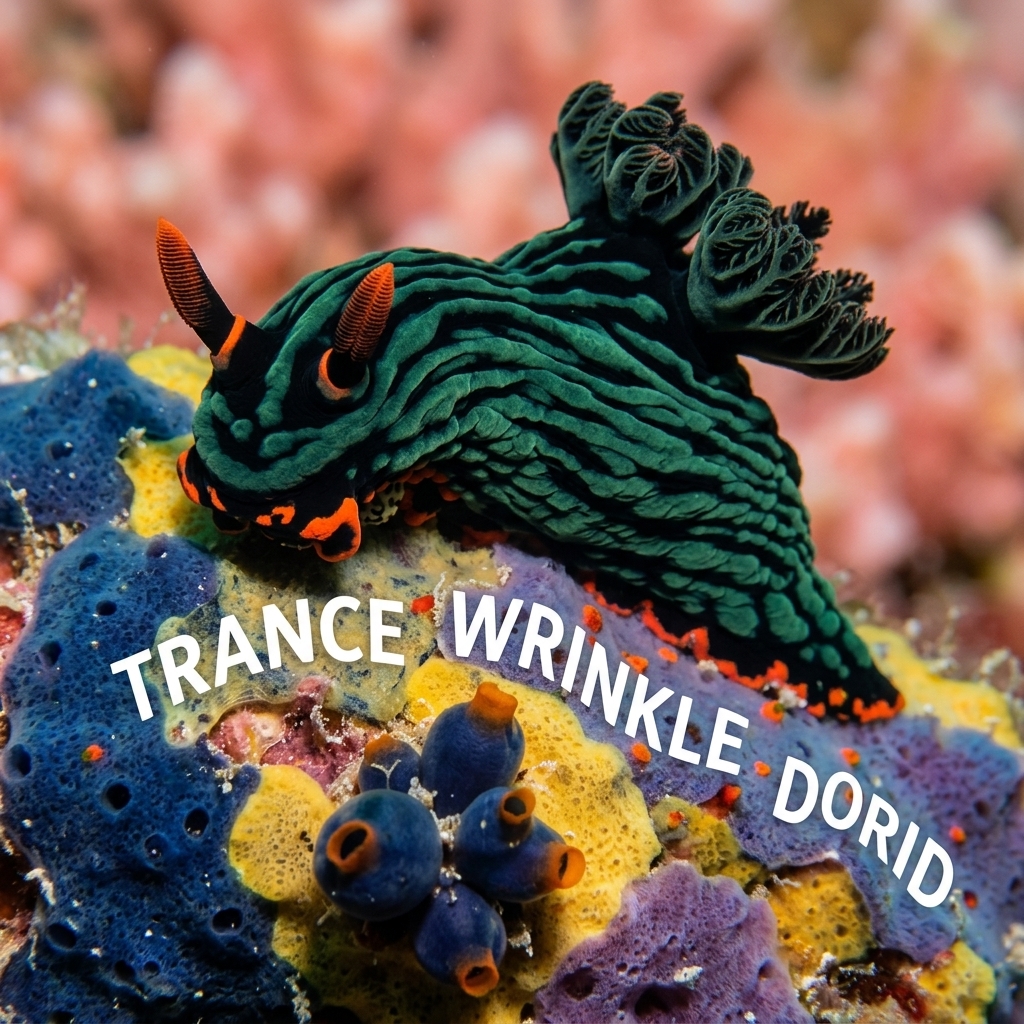
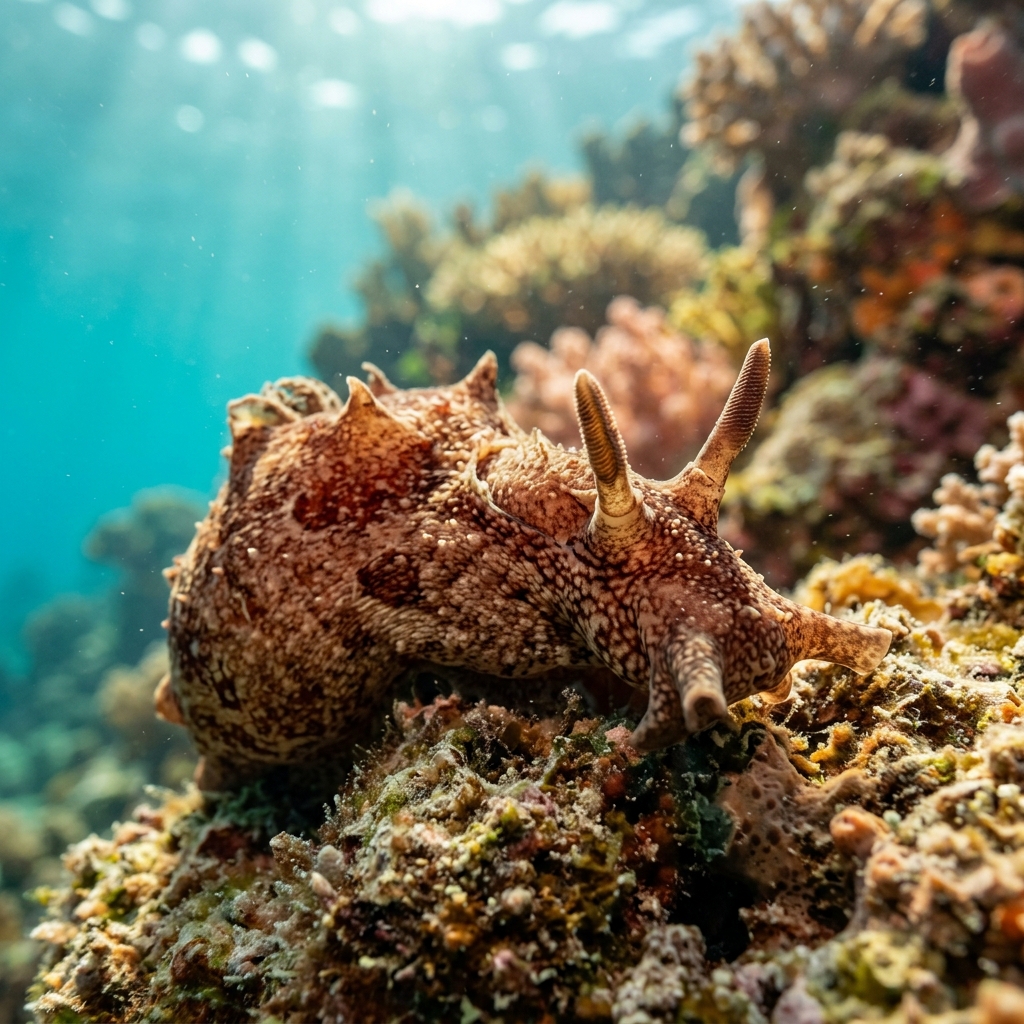
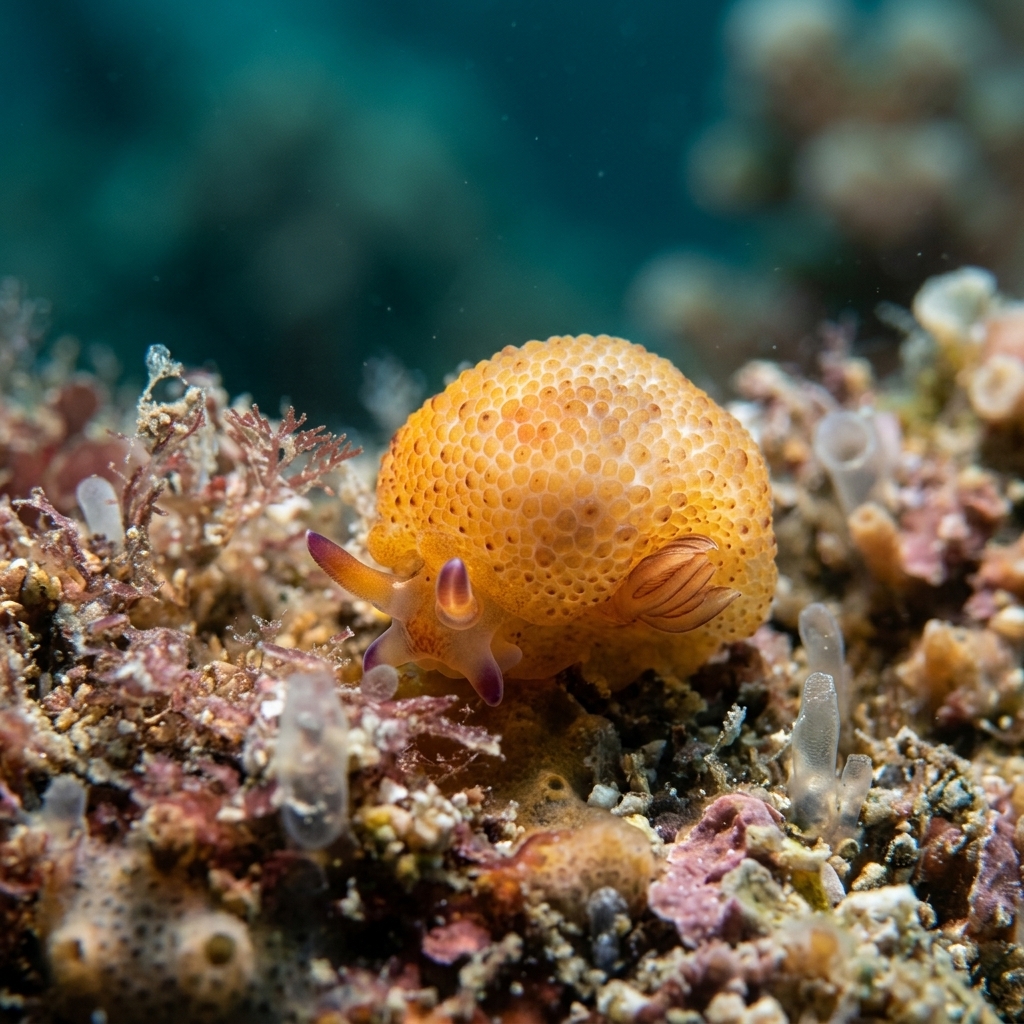
Reef neighbours a diver could mistake it for. Use the identification notes above to tell them apart.
Most sightings come from the western Mediterranean, with the Balearic Islands and Costa Blanca in Spain together accounting for the largest share of logged observations. France's French Riviera and Provence coast and the waters around Sicily and Lampedusa in Italy are also well-represented. Outside Europe, Florida divers log it regularly, and smaller numbers of sightings come from Sint Maarten and Saint Martin in the Caribbean.
Mapping where Harlequin Sea Goddess is logged…
The strongest concentrations of sightings are in the Balearic Islands and Costa Blanca regions of Spain, with solid records also from the French Riviera, Sicily, and Florida. Smaller populations have been logged in Sint Maarten and Saint Martin in the Caribbean, as well as the Azores.
In the Northern Hemisphere, June through October is the peak window. This aligns with warmer Mediterranean and Atlantic coastal waters. Encounters outside these months are possible given its tolerance for cooler temperatures, but considerably less likely.
Look for a small, slow-moving nudibranch on rocky reef with bold contrasting colours and distinctively tipped gill plumes on its back. It belongs to the family Chromodorididae, so the body is relatively flat and the gills form a rosette or cluster. Its vivid patterning is the key field mark.
No. Like other chromodorid nudibranchs it may carry toxins derived from its sponge diet, but it poses no threat to divers. Look, photograph, and enjoy without touching it.
It is a chromodorid nudibranch, and members of this family feed on encrusting sponges. They store chemical compounds from the sponges in their own tissue, which makes them unpalatable to most predators and supports their bright warning colouration.
Site and sighting data is aggregated from diver logs, iNaturalist and GBIF. For taxonomy and conservation status:
Light-spotted Aegires
3,168 sites