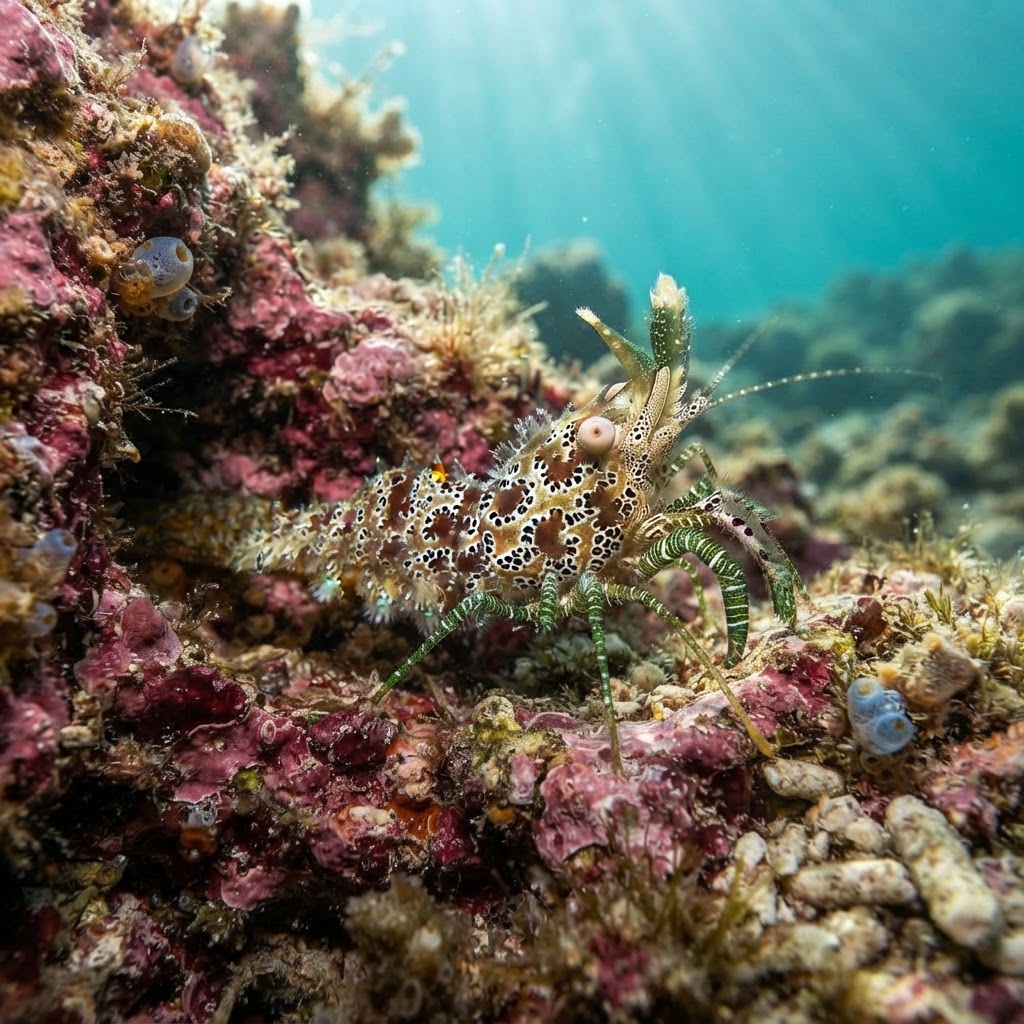
Saron neglectus
Spot the eyespot shrimp on night dives across the Visayas, Philippines, in warm 24-30C reef water year-round.
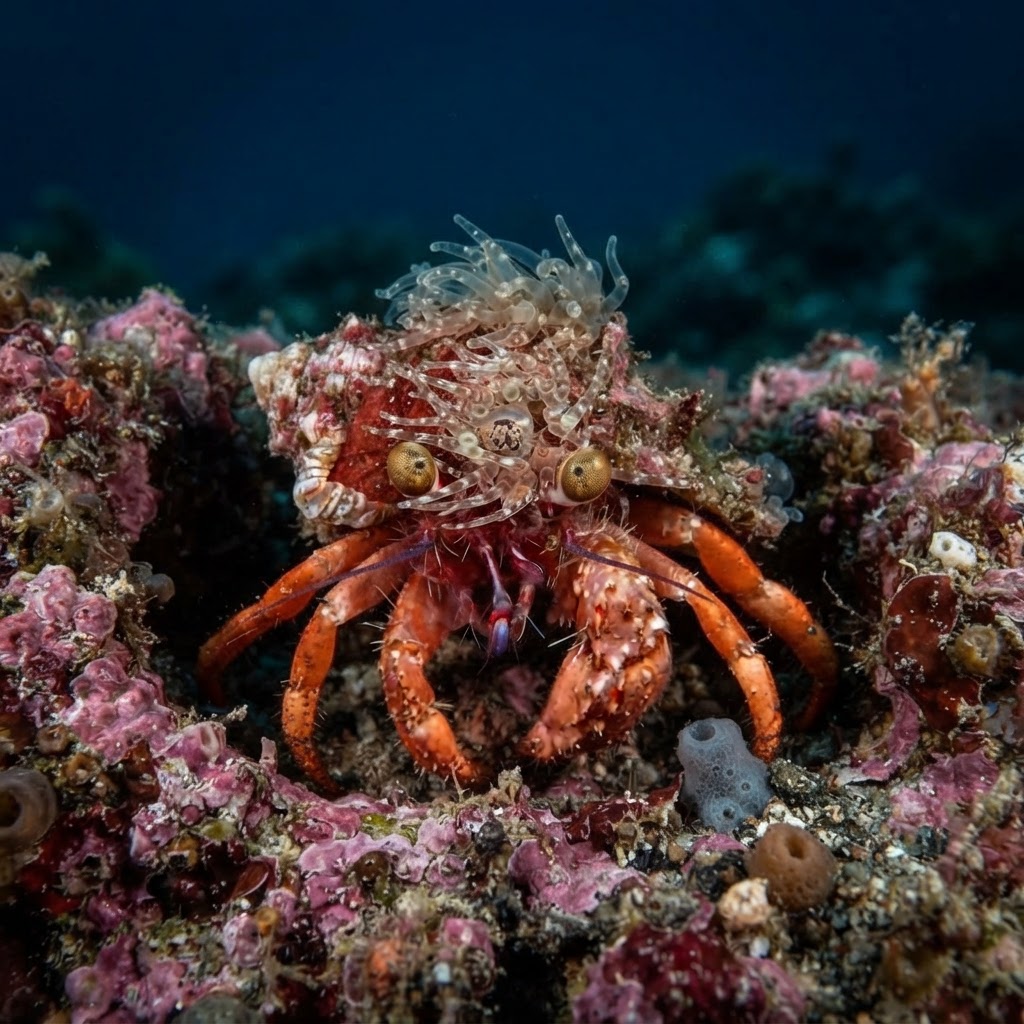
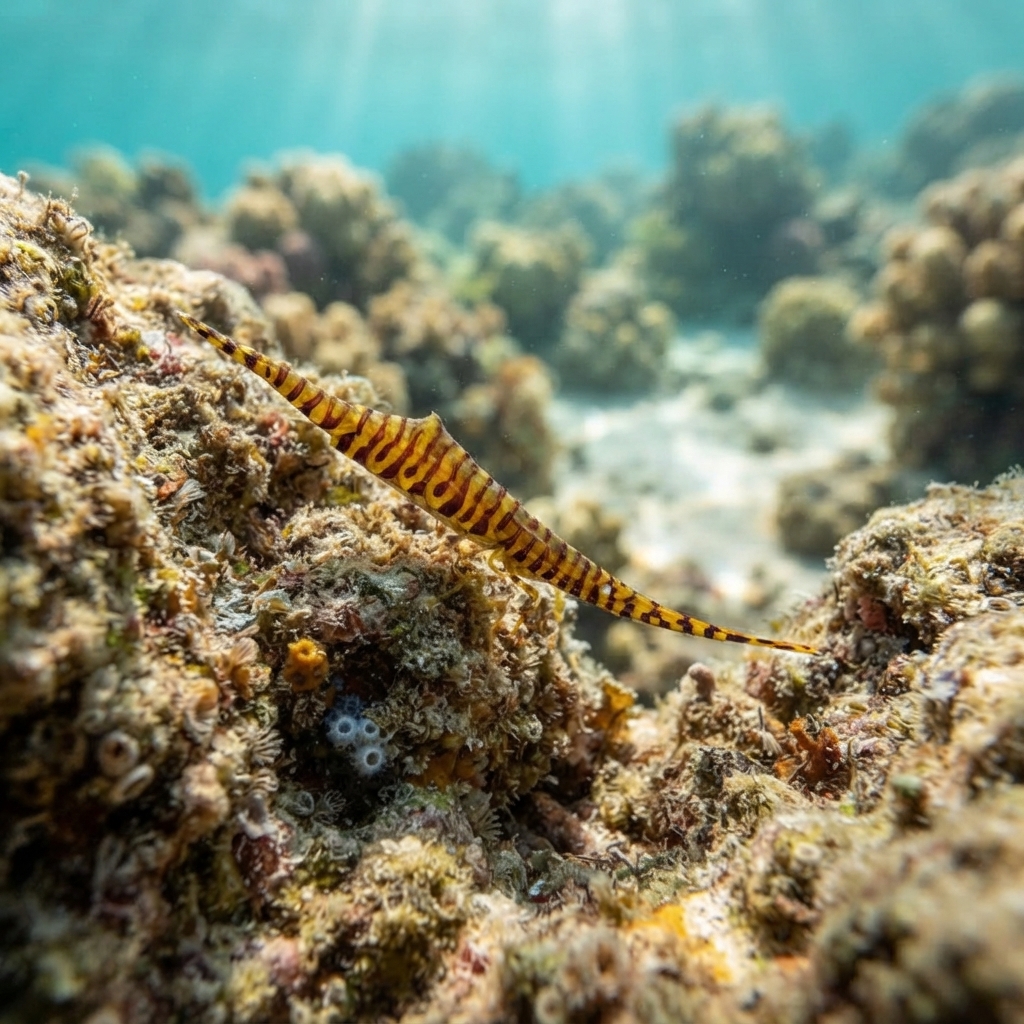
A small, spiny-bodied shrimp with a mottled red-brown to rust colouring that breaks up its outline against rubble and coral debris. Look for the pair of dark eyespot markings near the tail end, the feature that gives this species its name, along with long antennae that sweep constantly as it moves. Its body carries fine hair-like bristles and a hunched, almost crustacean-cartoon posture typical of Saron shrimp.
Divers log this shrimp tucked into rubble, crevices and coral debris, mostly active after dark like many of its Saron relatives. It tends to stay low and still when a torch beam lands on it, relying on its mottled colouring to blend into the rubble rather than bolting for cover. Expect a slow, deliberate walk on its legs rather than the darting retreat you get from cleaner shrimp species.
The eyespot markings near the tail are a classic decoy defence, drawing a predator's strike toward the rear of the body and away from the head, buying the shrimp a split second to escape.
Sightings show no detected seasonal pattern, and the water temperature range logged for this species (23.8 to 29.8C) covers the Visayas year-round, so any month works. It is logged as uncommon at every site, so treat any sighting as a bonus rather than something to plan a trip around.
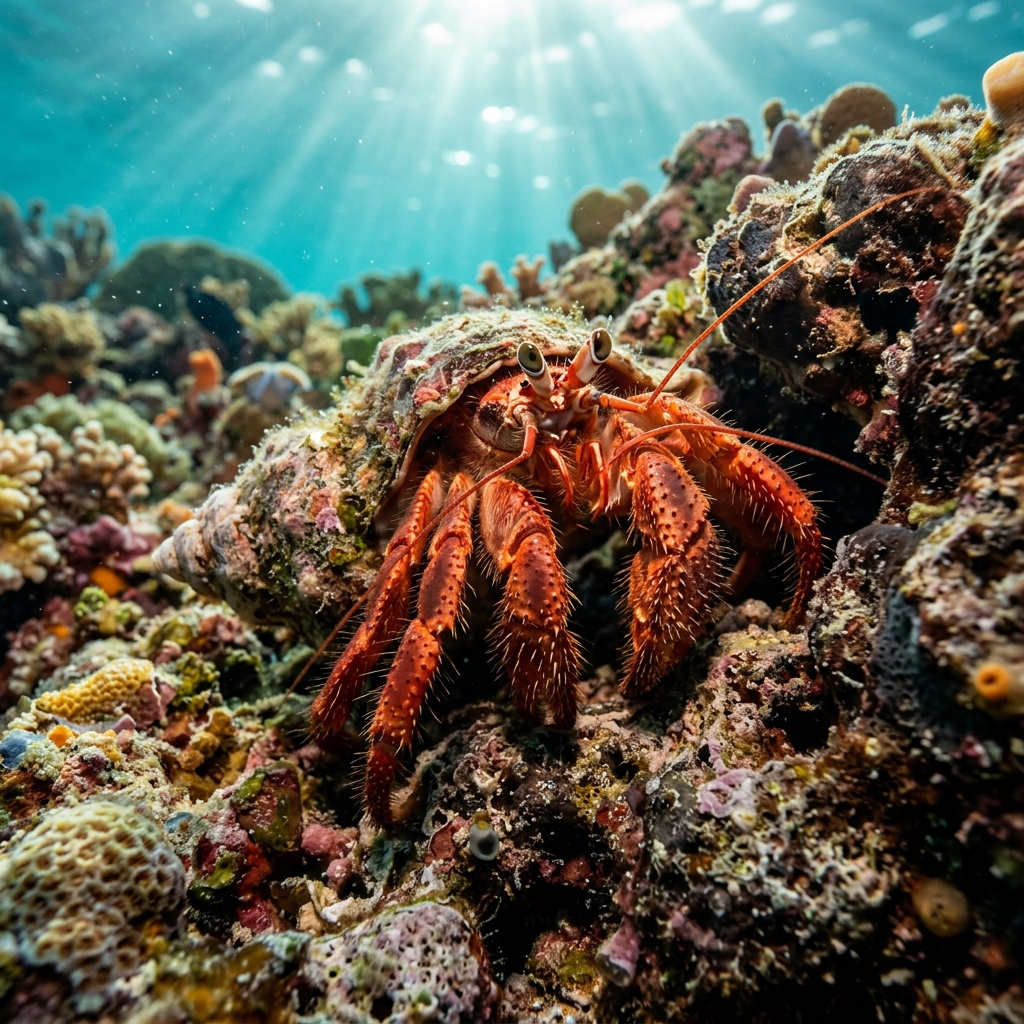
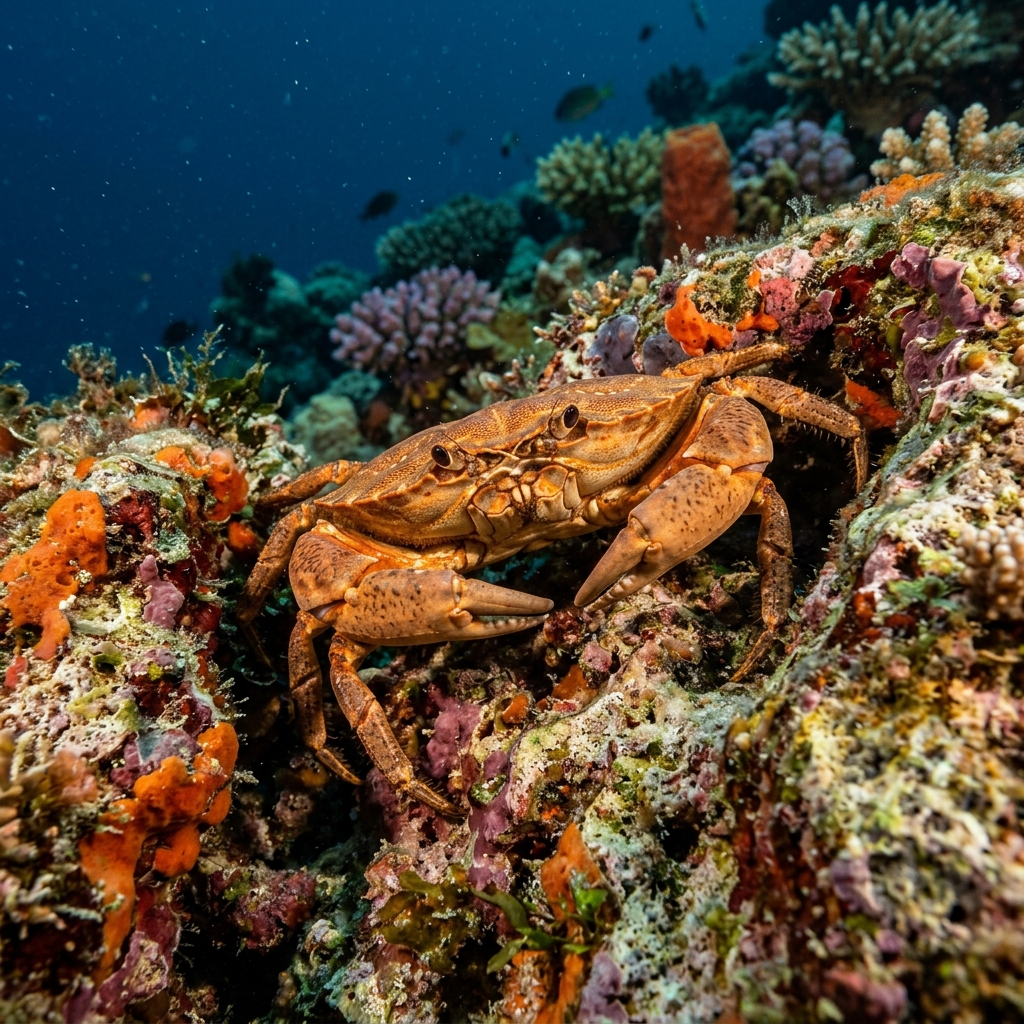
Reef neighbours a diver could mistake it for. Use the identification notes above to tell them apart.
Every logged sighting of this shrimp so far comes from the Philippines, concentrated in the Visayas region. If you are hunting for one specifically, night dives on Visayan reef and rubble sites give you the best real shot.
Mapping where Eyespot Shrimp is logged…
All confirmed sightings come from the Philippines, with the Visayas region standing out as the reliable area to look. It has not been reported from other countries in current diver data.
There is no detected season for this species, and Visayan waters stay within its comfortable 24 to 30C range all year, so it can turn up on any month's night dive.
Look for a small, spiny, mottled red-brown shrimp on rubble or coral debris with a pair of distinctive dark eyespots near its tail. Its bristly texture and hunched posture separate it from smoother, more streamlined reef shrimp.
Exact size data is not confirmed for this species, but it sits in line with other Saron shrimp, which are small enough to easily miss without a torch and a careful eye on rubble patches.
No, they pose no threat to divers. They are small, defensive rather than aggressive, and rely on camouflage and their decoy eyespots to avoid predators, not confrontation.
The eyespots near its rear act as a false target, tricking predators into attacking the tail end instead of the head so the shrimp gets a better chance to flee.
Site and sighting data is aggregated from diver logs, iNaturalist and GBIF. For taxonomy and conservation status:
Sally Lightfoot Crab
2,422 sites