Pseudocheilinus octotaenia
A small striped wrasse darting through Hawaii's reefs and Palau's Rock Islands, present year-round in warm 25-29C water.
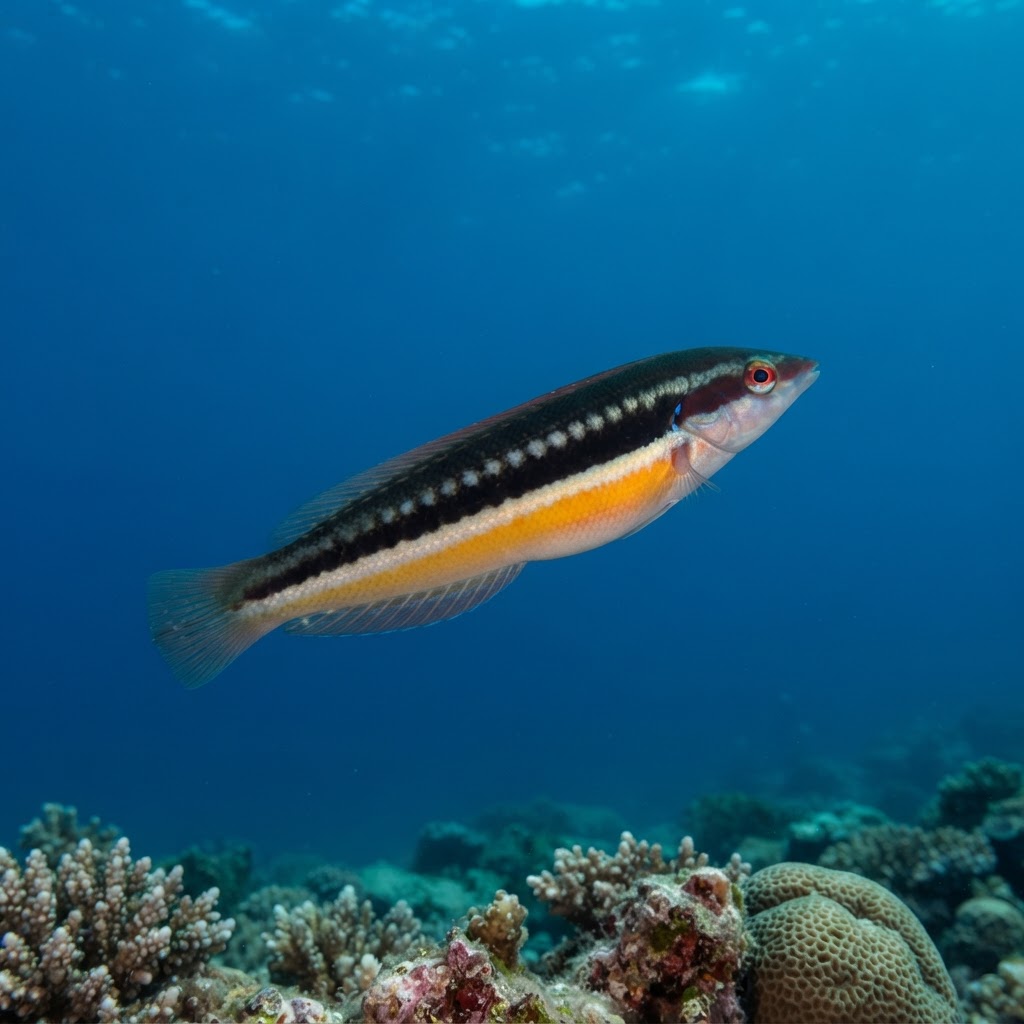
A small, torpedo-shaped wrasse, rarely more than 10 cm, with a reddish-brown to maroon body marked by a series of thin pale stripes running along its length, giving it the striped look its name refers to. It has a rounded head and tends to hover close to coral rubble or crevices rather than swimming in open water. Look for quick, jerky darts between hiding spots rather than a smooth cruising motion, which is often the first clue you're looking at this species rather than a similarly sized reef wrasse.
Divers typically find this wrasse darting in and out of coral heads and rubble patches, sticking close to cover rather than venturing into open water. It's a shy, quick mover that tends to duck away when a diver gets too close, so patient, still observation near the reef structure works better than chasing it. Most sightings come from daytime reef dives at sites with plenty of nooks and crevices for it to retreat into.
Like many small wrasses, it is a protogynous hermaphrodite, meaning individuals can start life as female and later transition to male, a trait shared across much of the wrasse family.
No clear seasonal pattern shows up in the sighting data, and given its comfort range of roughly 25 to 29C, that tracks: this is a year-round resident of tropical reefs rather than a seasonal visitor.
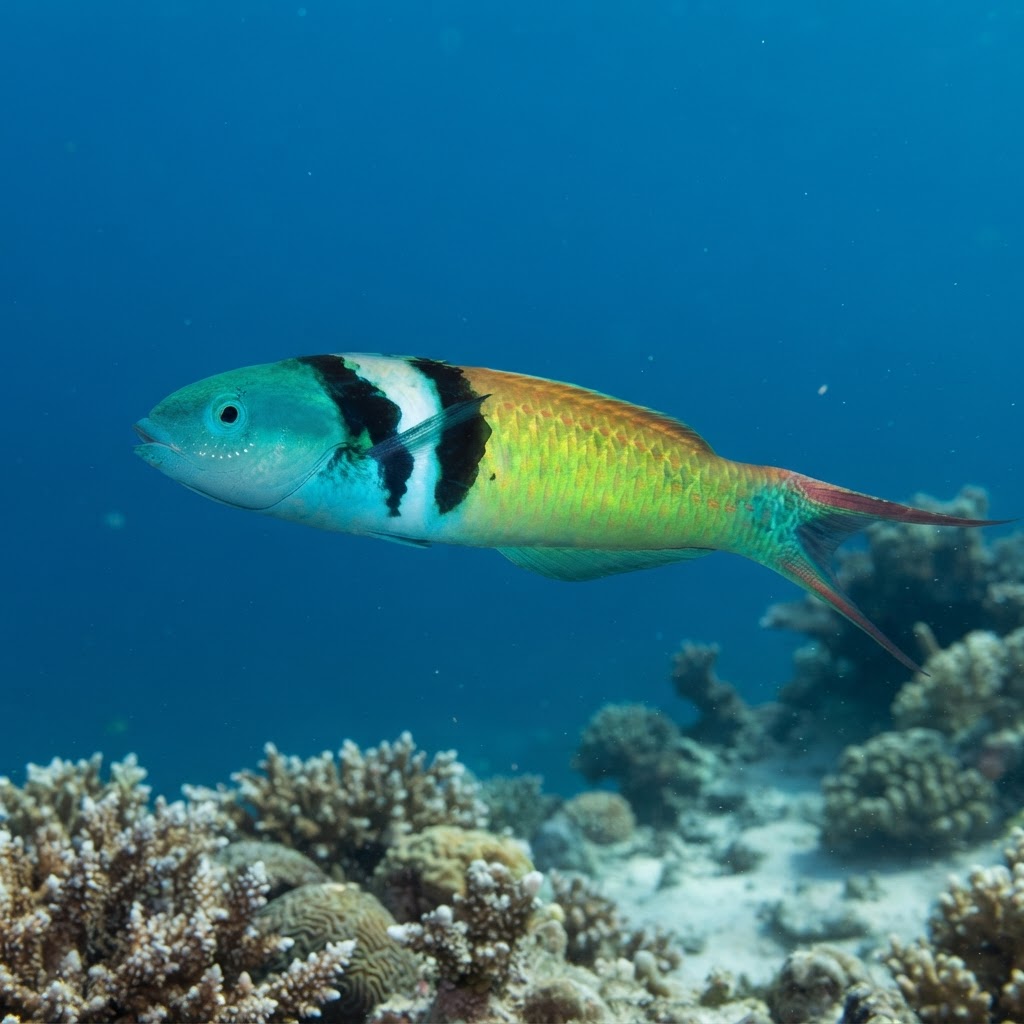
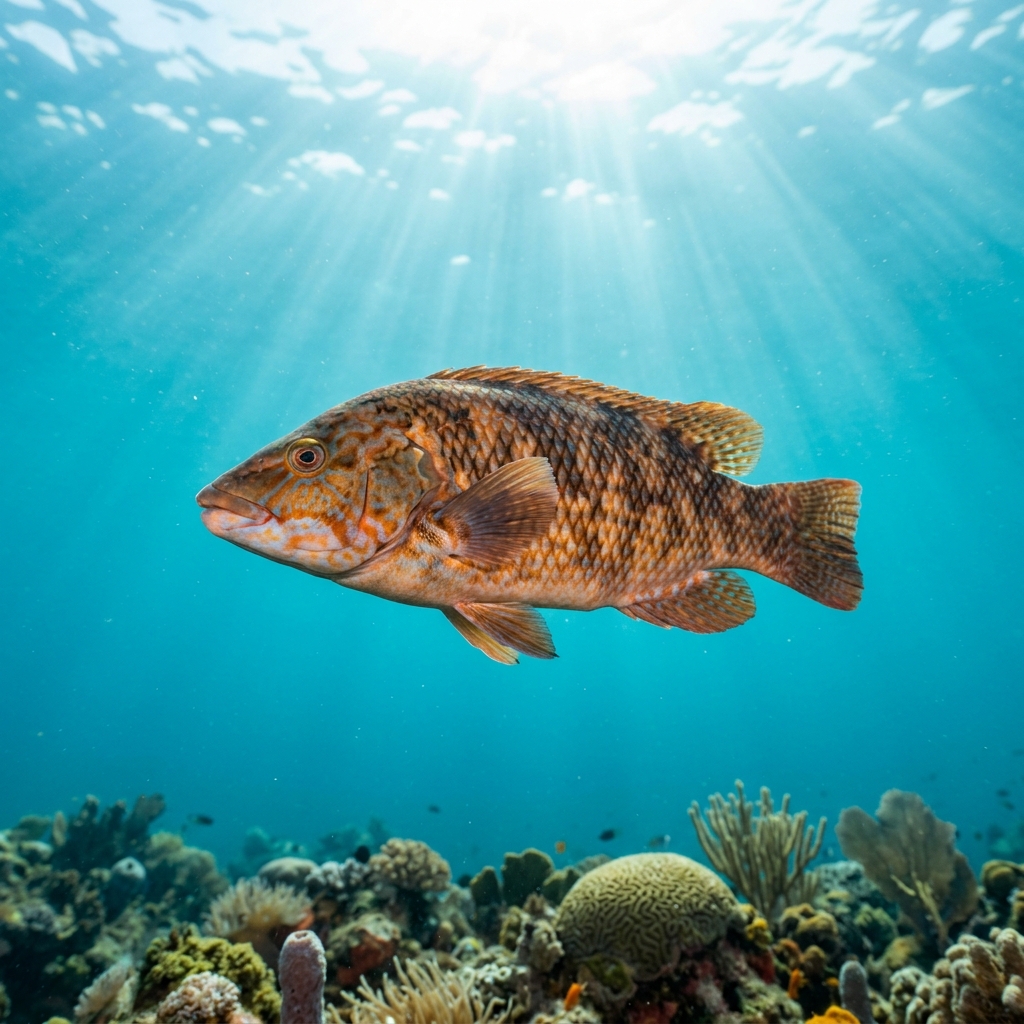
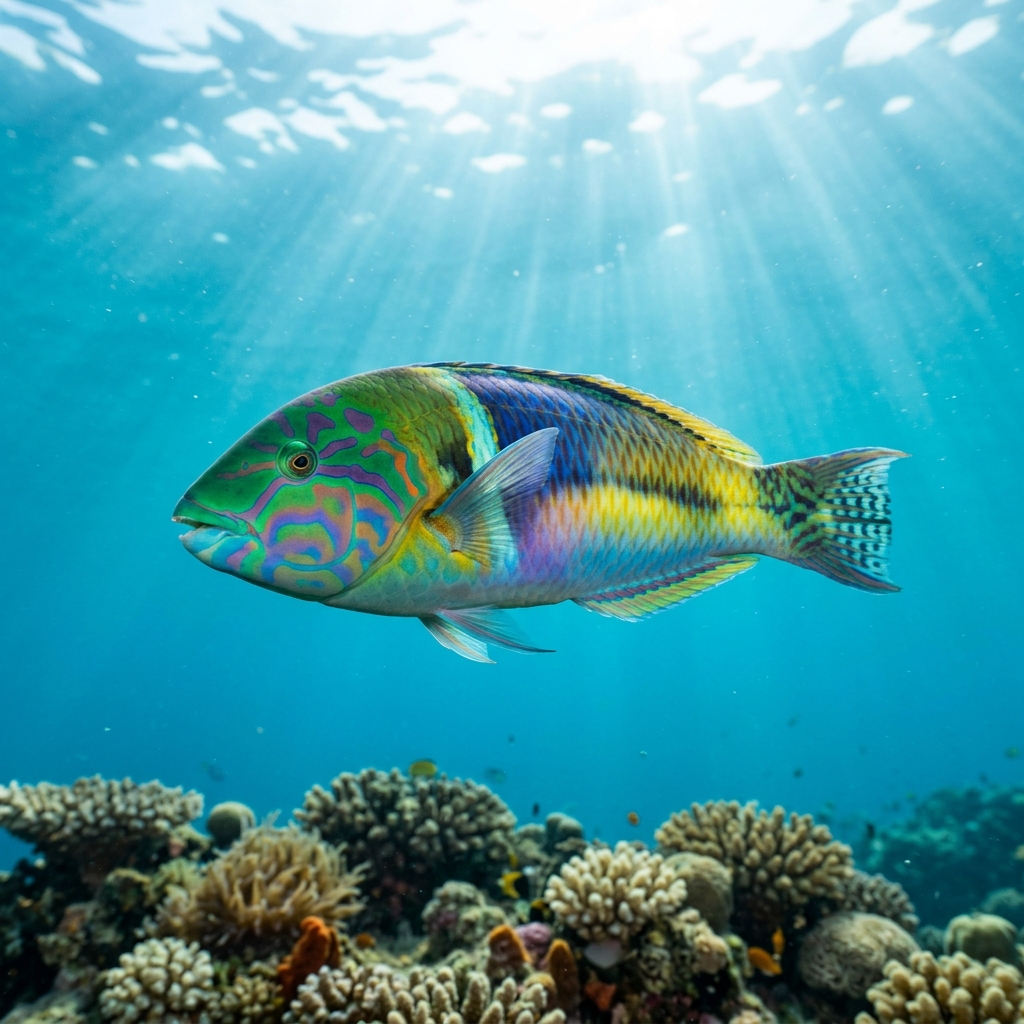
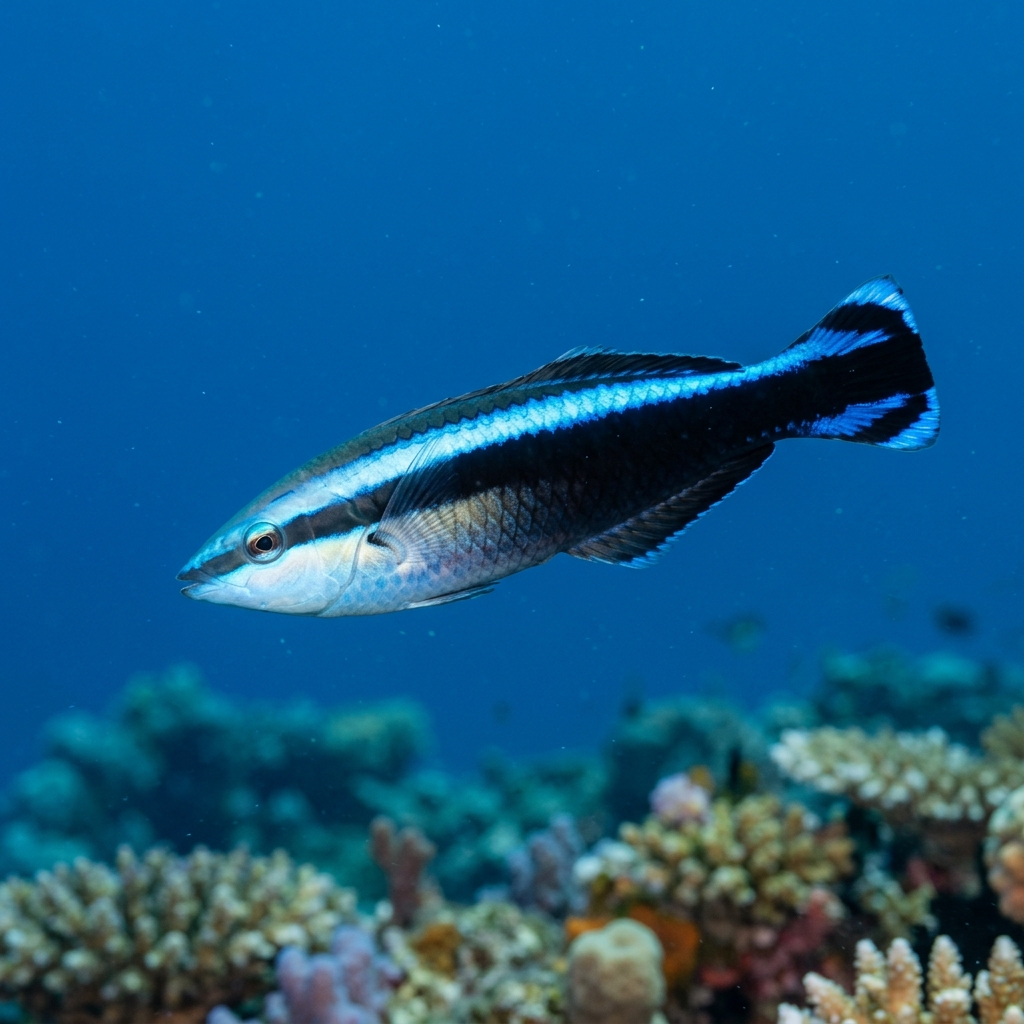
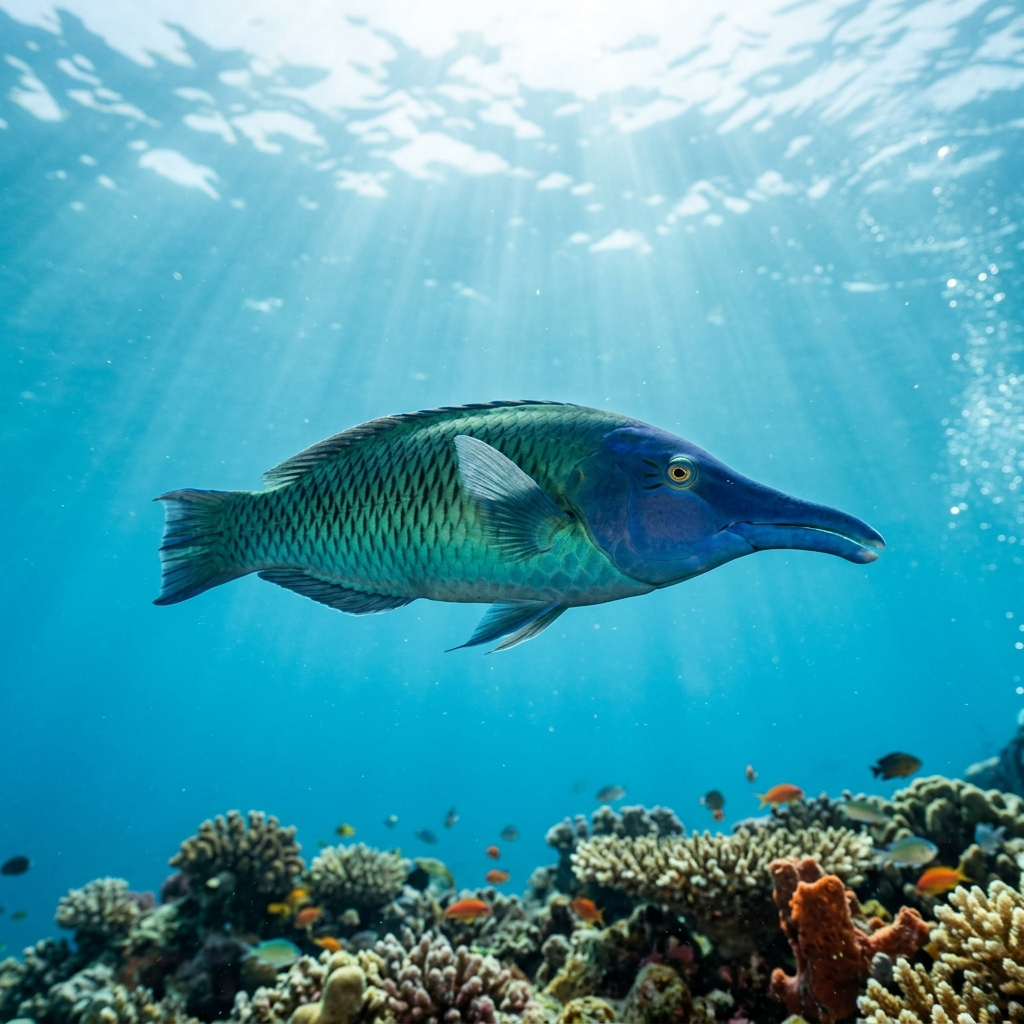
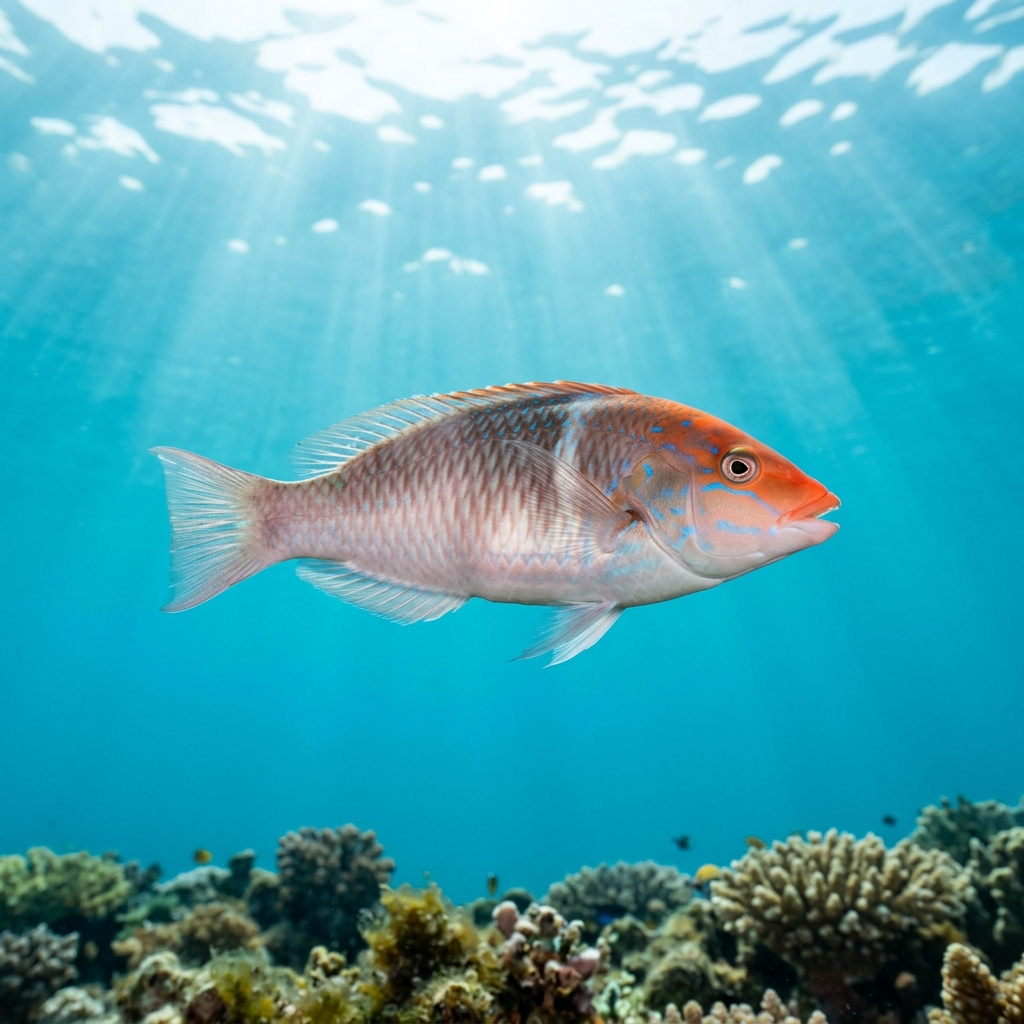
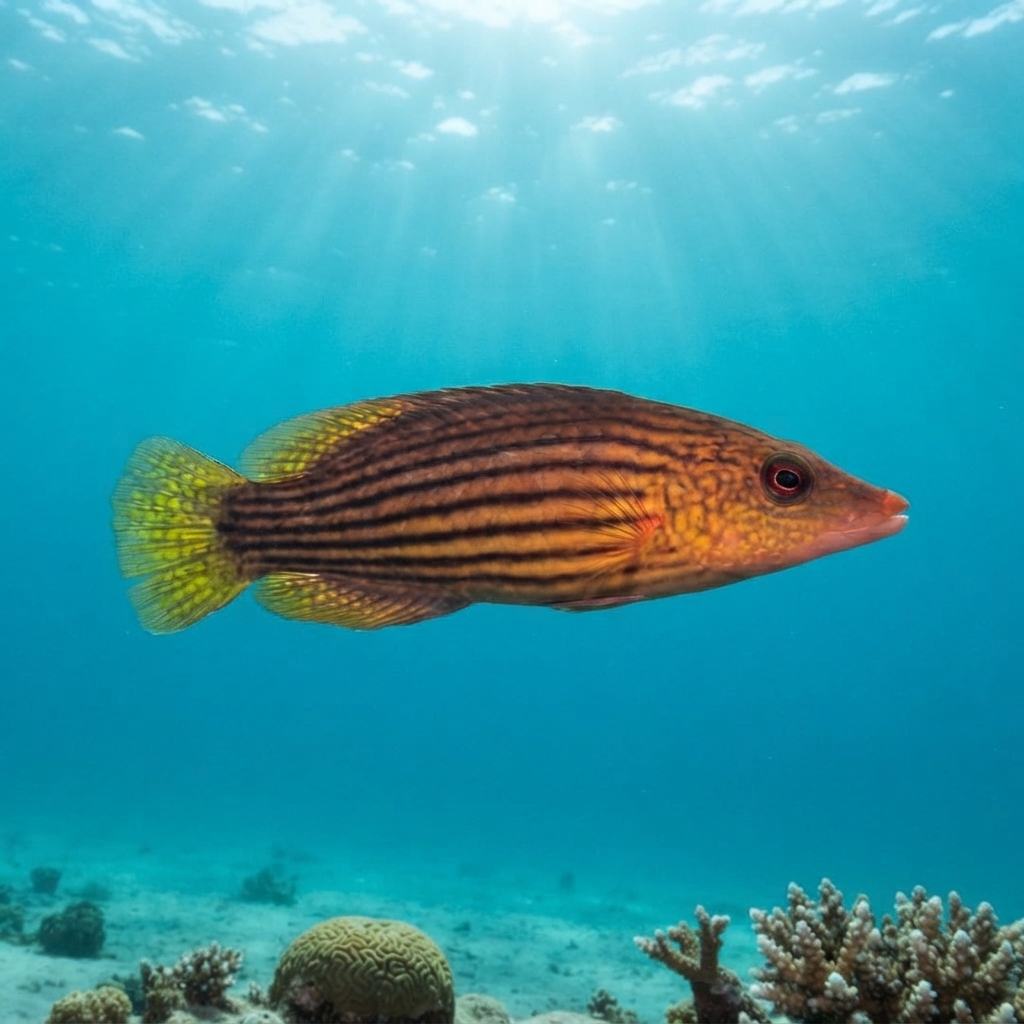
Reef neighbours a diver could mistake it for. Use the identification notes above to tell them apart.
Most reliably logged in Hawaii, where it turns up across a wide spread of sites, and a strong second population in Palau's Rock Islands. It also shows up regularly in the Philippines around Luzon, with occasional sightings in French Polynesia's Tuamotu Islands and Fiji's Lomaiviti region.
Mapping where Eightline Wrasse is logged…
Hawaii offers the most consistent sightings, with Palau's Rock Islands and the Philippines around Luzon also reliable spots. Smaller numbers turn up in French Polynesia's Tuamotu Islands and Fiji.
There's no strong seasonal pattern in the data, and its warm-water comfort range of about 25 to 29C means it's present on tropical reefs throughout the year.
Look for a small reddish-brown wrasse under 10 cm with several thin pale stripes along its body, darting between coral rubble and crevices rather than swimming in open water.
They stay small, typically reaching around 10 cm, making them one of the more petite wrasses divers encounter on Indo-Pacific reefs.
No, they pose no threat to divers. They're shy, small reef fish that retreat into cover when approached rather than showing any defensive behaviour toward people.
Yes, like many wrasses they are protogynous hermaphrodites, meaning some individuals begin life as female and later transition into males as they mature.
Site and sighting data is aggregated from diver logs, iNaturalist and GBIF. For taxonomy and conservation status:
Bird Wrasse
3,632 sites