Schuettea scalaripinnis
Silvery and deep-bodied, Eastern Pomfred turns up year-round on New South Wales reefs in 21.5-25.2C water. Here's where divers find it.
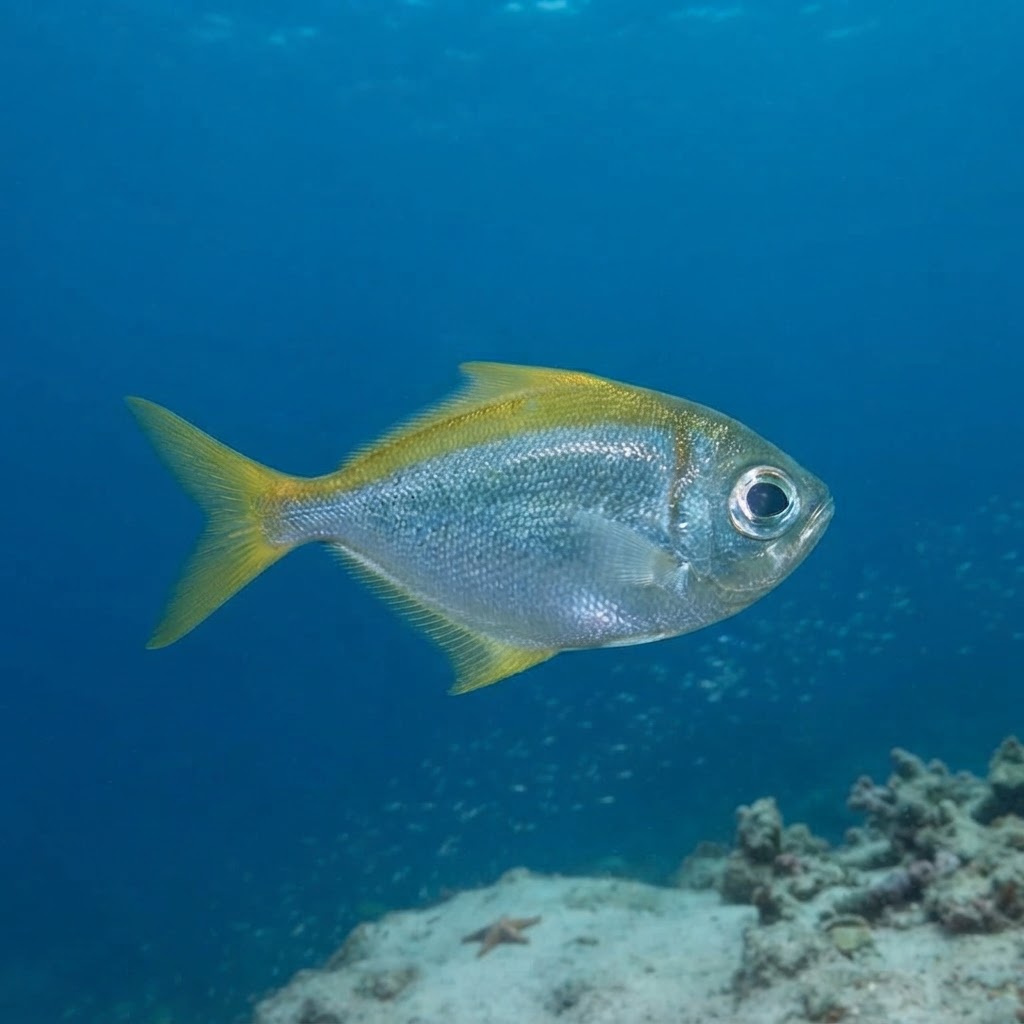
Small, deep-bodied fish reaching around 14 cm, with a flattened, almost coin-shaped silhouette typical of pomfrets. Look for a silvery body with a subtly arched back profile and a small mouth set low on the face. It's usually seen hovering alone or in loose groups just off the reef structure rather than tight against it, which combined with its compact disc-like shape helps separate it from the deeper-water fish it's occasionally confused with.
Divers most often log it hovering in open water just above reef or rocky structure, in the 10 to 30 m range rather than shallow. It tends to sit at a fairly relaxed, unhurried pace and doesn't dart for cover the way many small reef fish do when a diver approaches. Expect single fish or small loose gatherings rather than large schools.
It's a member of the pomfret family, a group better known from open-water and deeper habitats, so finding one hanging over a reef edge is a nice reminder that not every pomfret species sticks to the open ocean.
No clear seasonal pattern shows up in the sighting data, so treat it as a year-round possibility. Its comfort range of roughly 21.5 to 25.2C sits well within NSW's temperate-to-subtropical water temperatures for much of the year, which likely explains the lack of a sharp season.
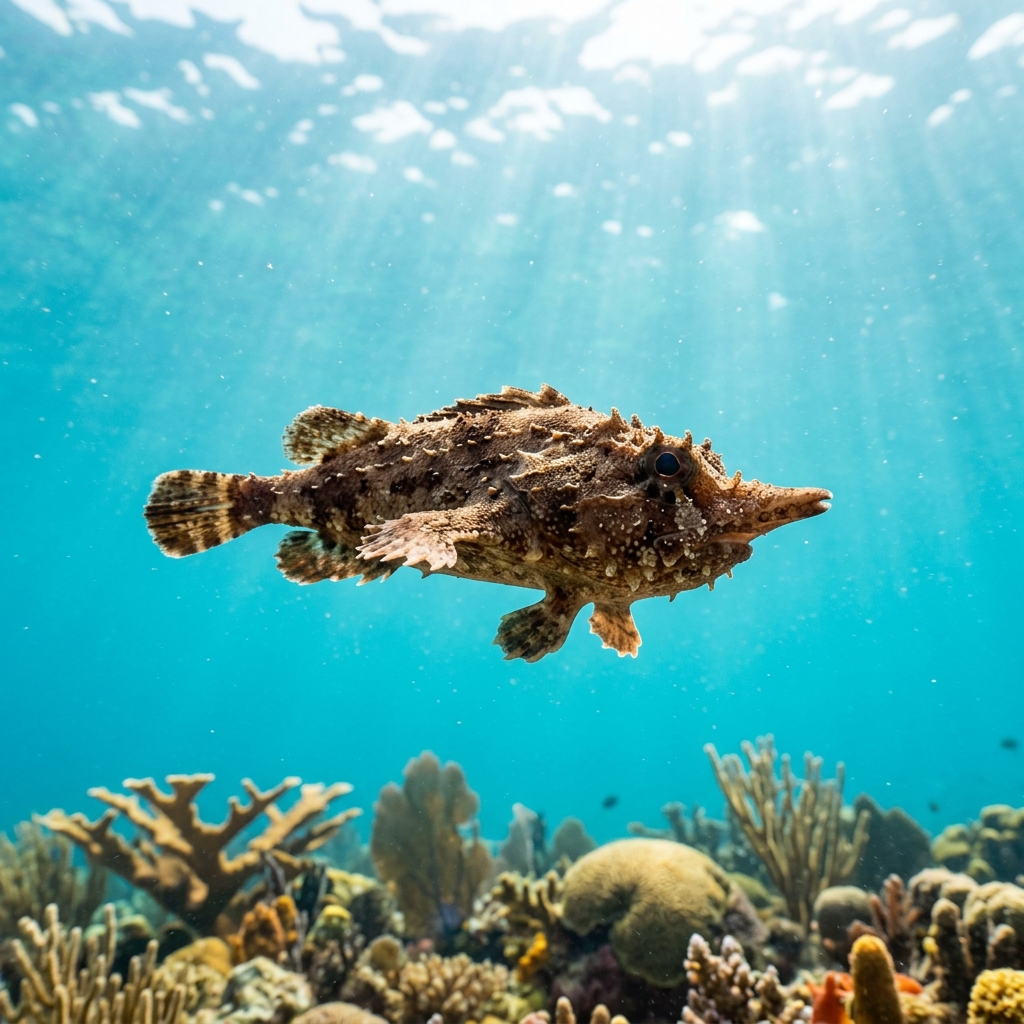
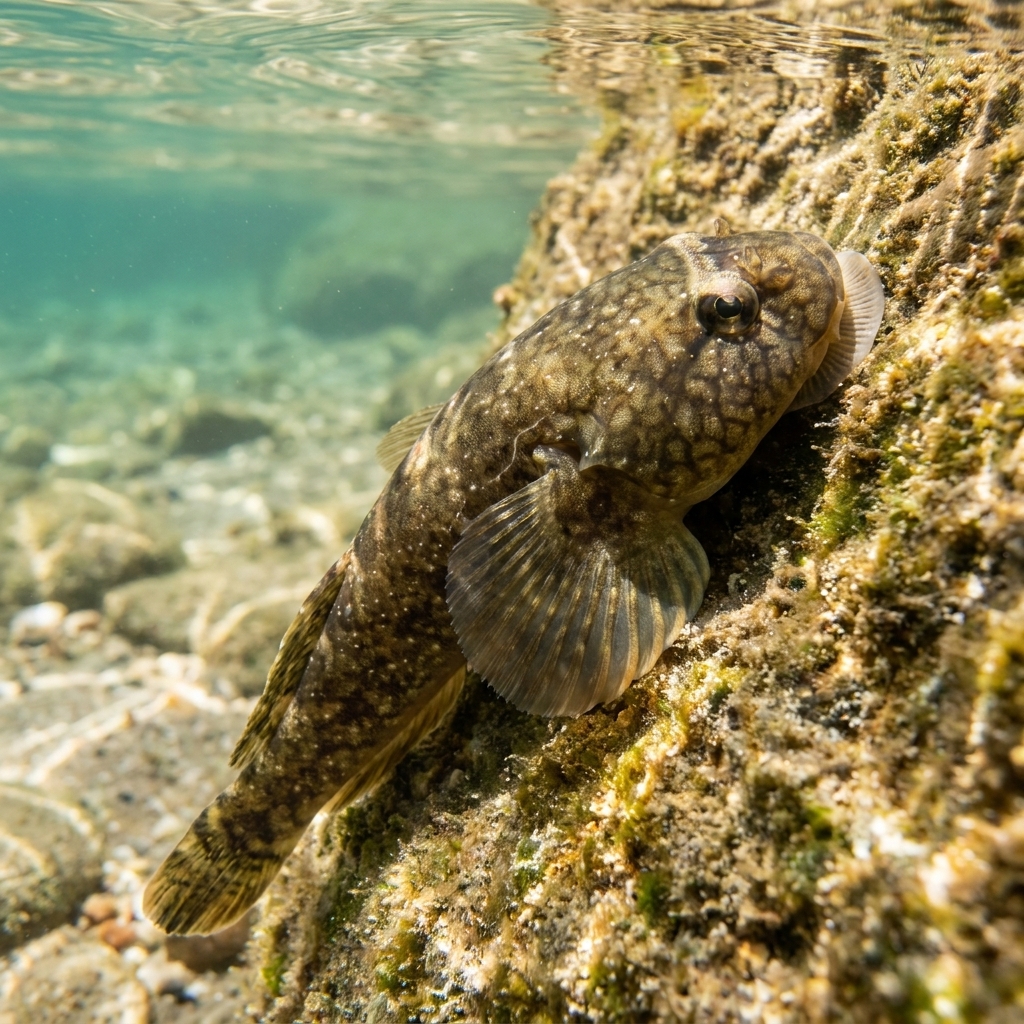
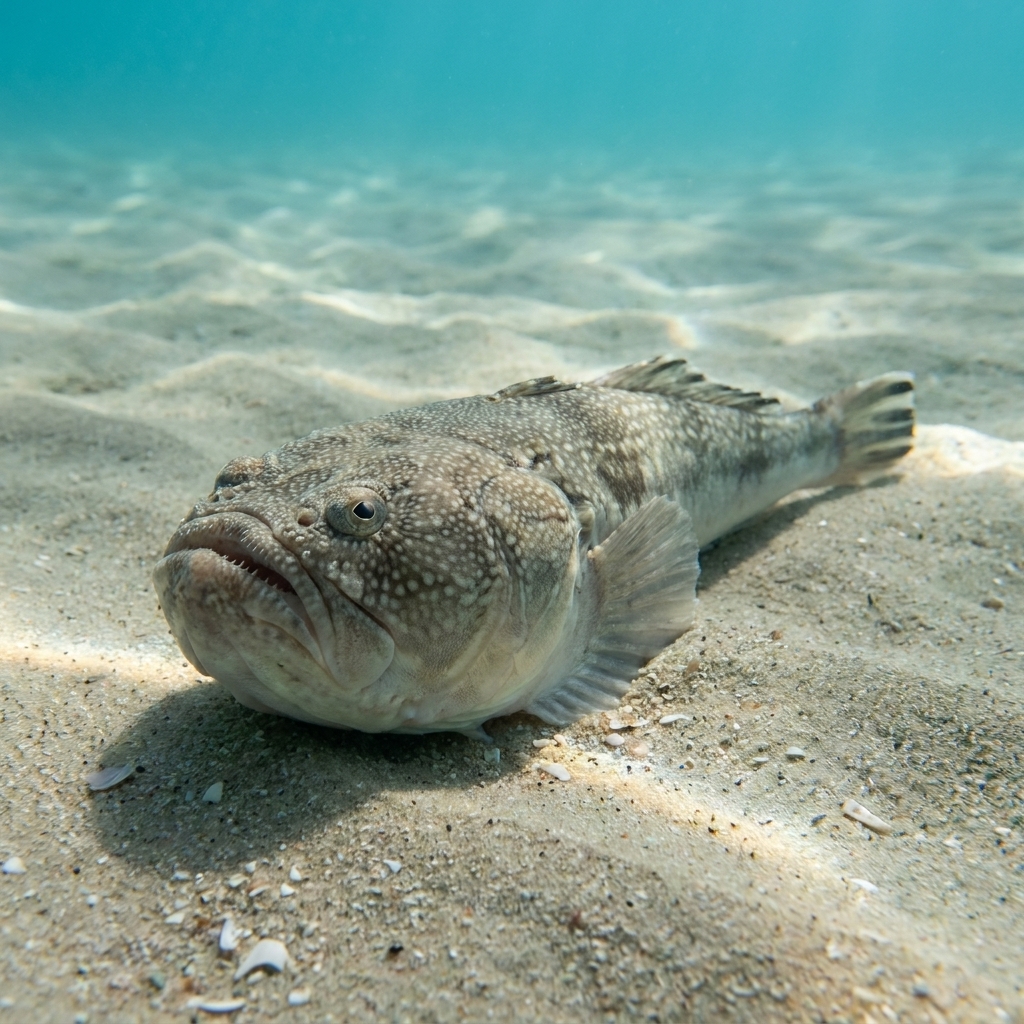
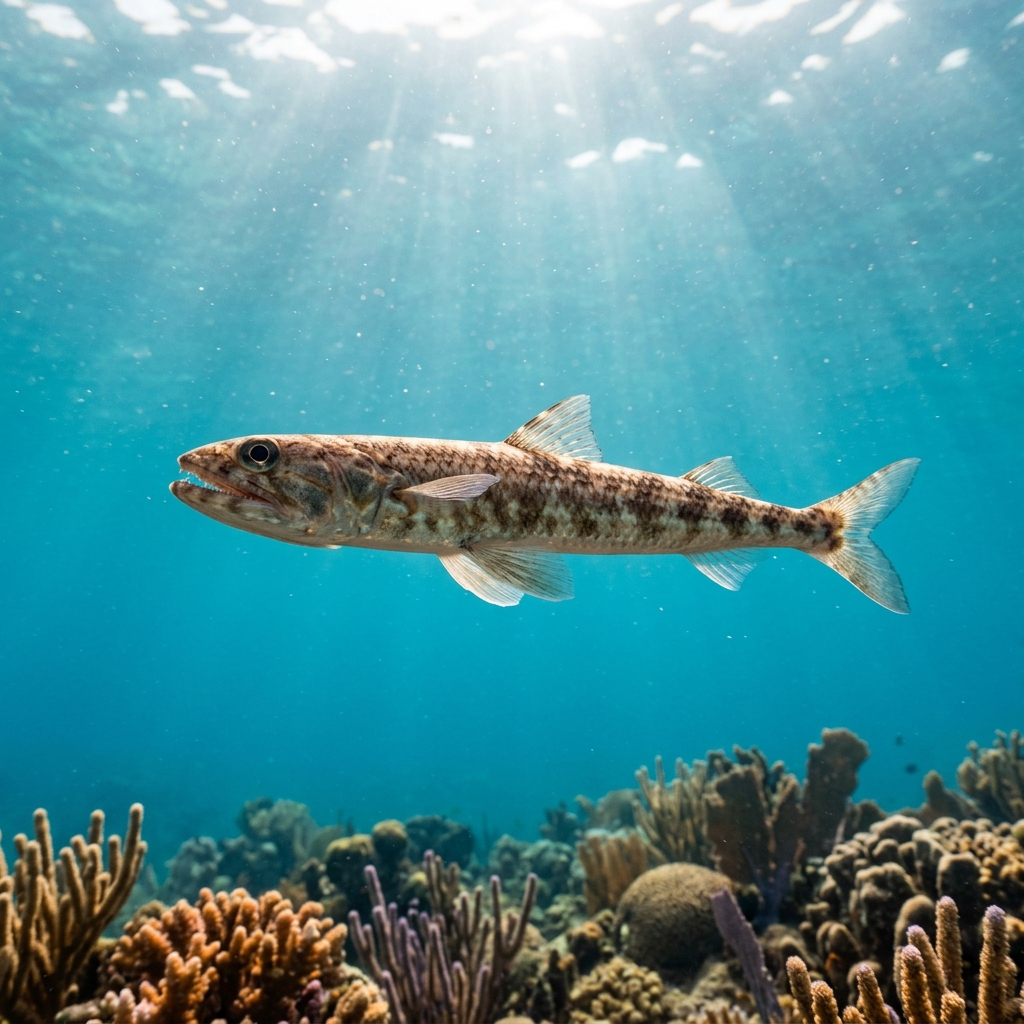
Reef neighbours a diver could mistake it for. Use the identification notes above to tell them apart.
Overwhelmingly a New South Wales fish, with sites concentrated along that stretch of the Australian coast making up the bulk of logged sightings. A smaller number of dives also report it further north in Queensland, but NSW is by far the most reliable place to look for it.
Mapping where Eastern Pomfred is logged…
New South Wales, Australia is the stronghold, with sites there accounting for almost all logged sightings. A handful of Queensland sites also report it, but NSW is the place to plan around.
There's no strong seasonal signal in the data, so it's best treated as a year-round sighting in NSW waters, consistent with its 21.5 to 25.2C temperature range.
Look for a small, silvery, deep-bodied fish around 14 cm long with a compact, disc-like shape and a small low-set mouth. It's usually seen hovering in open water near reef structure rather than tucked into crevices.
They're a small species, typically around 14 cm long, so don't expect a large or imposing fish. Size alone is a useful clue against bulkier reef species nearby.
No, they pose no threat to divers. They're a small, harmless fish that divers can approach calmly without any special precautions.
Site and sighting data is aggregated from diver logs, iNaturalist and GBIF. For taxonomy and conservation status:
Soldierfish
3,612 sites