Batrachomoeus dubius
Mottled and motionless on the reef floor, the Eastern Frogfish turns up uncommonly across New South Wales dive sites in 16-24C water.
Safety warning
Eastern Frogfish carry venomous spines and have a startlingly wide mouth, so the risk is almost entirely about accidental contact. Don't touch, don't put a hand down on rubble or rock where one might be resting, and watch your fin placement when you're crouched low for a photo.
If you're stung
Venomous spinesGeneral first-aid guidance, not a substitute for professional medical care. In an emergency, call your local emergency number.
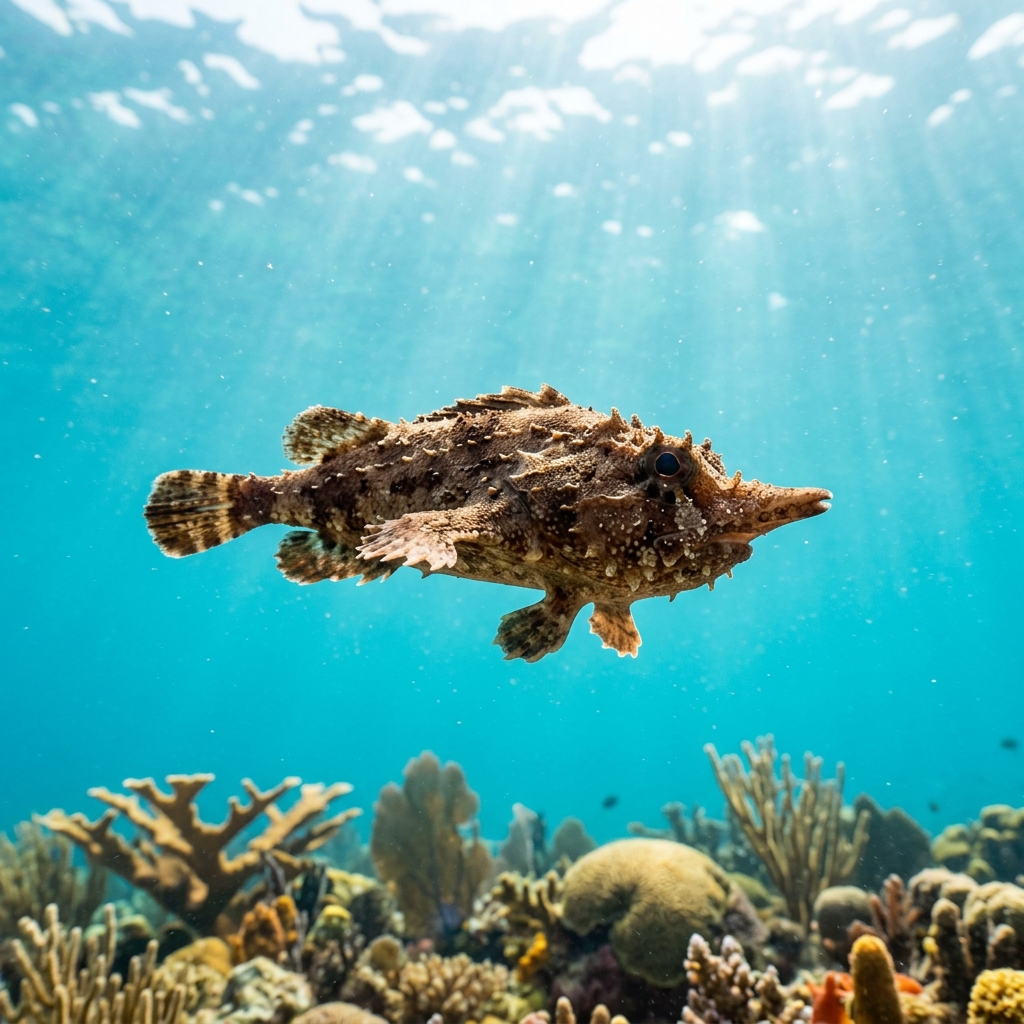
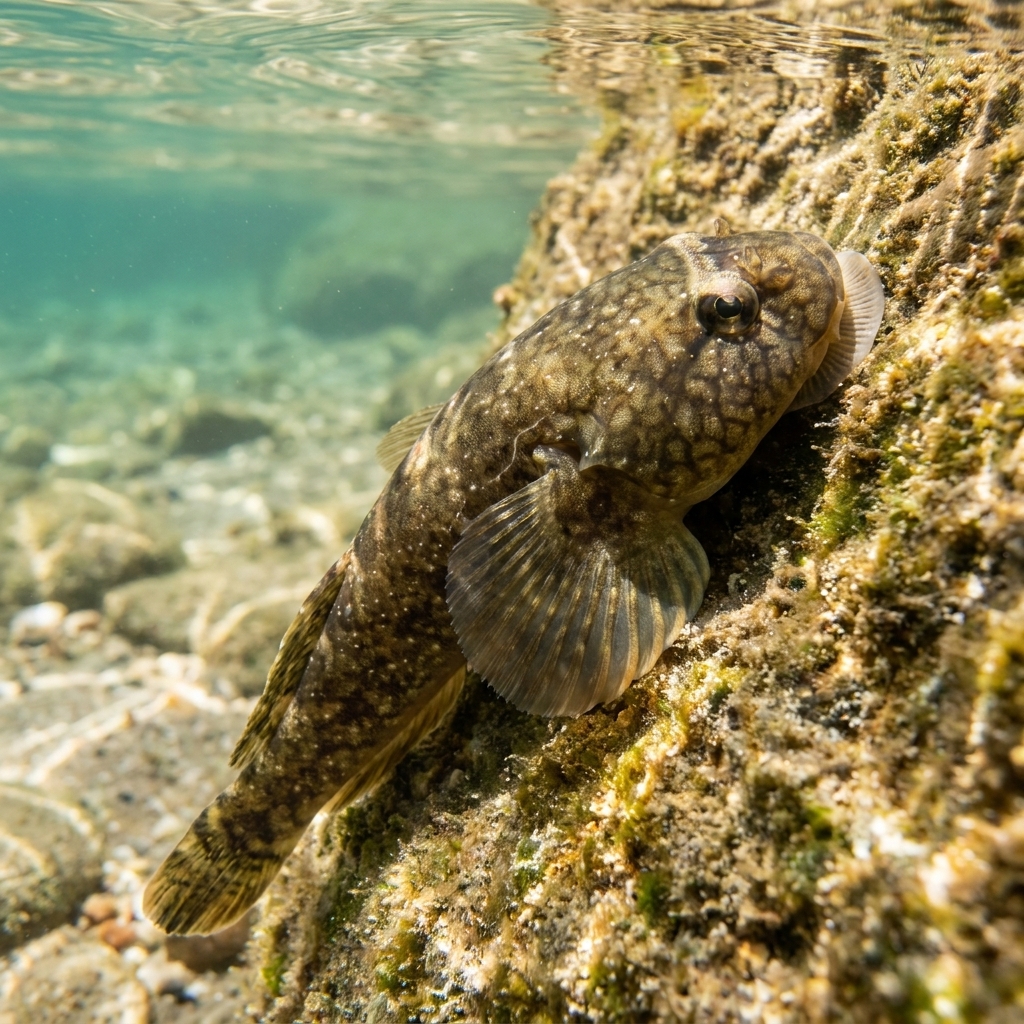
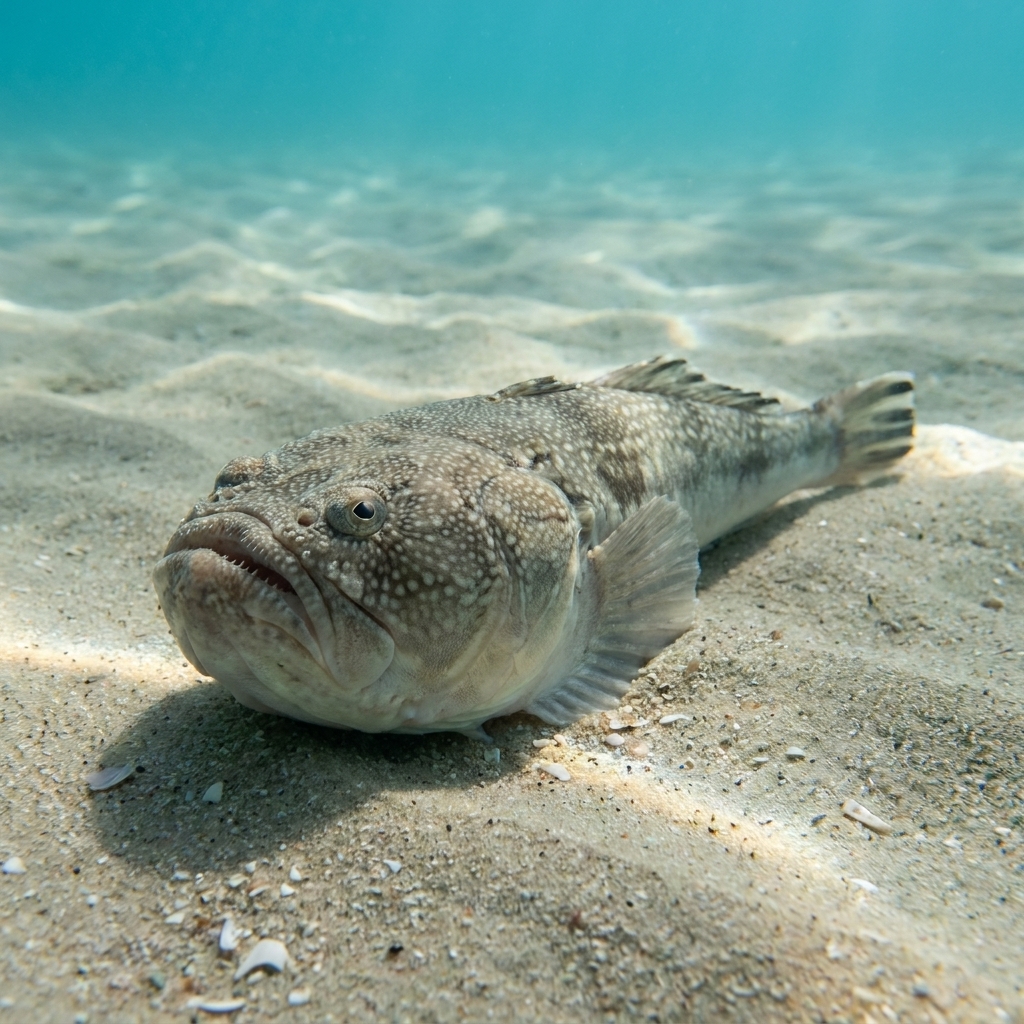
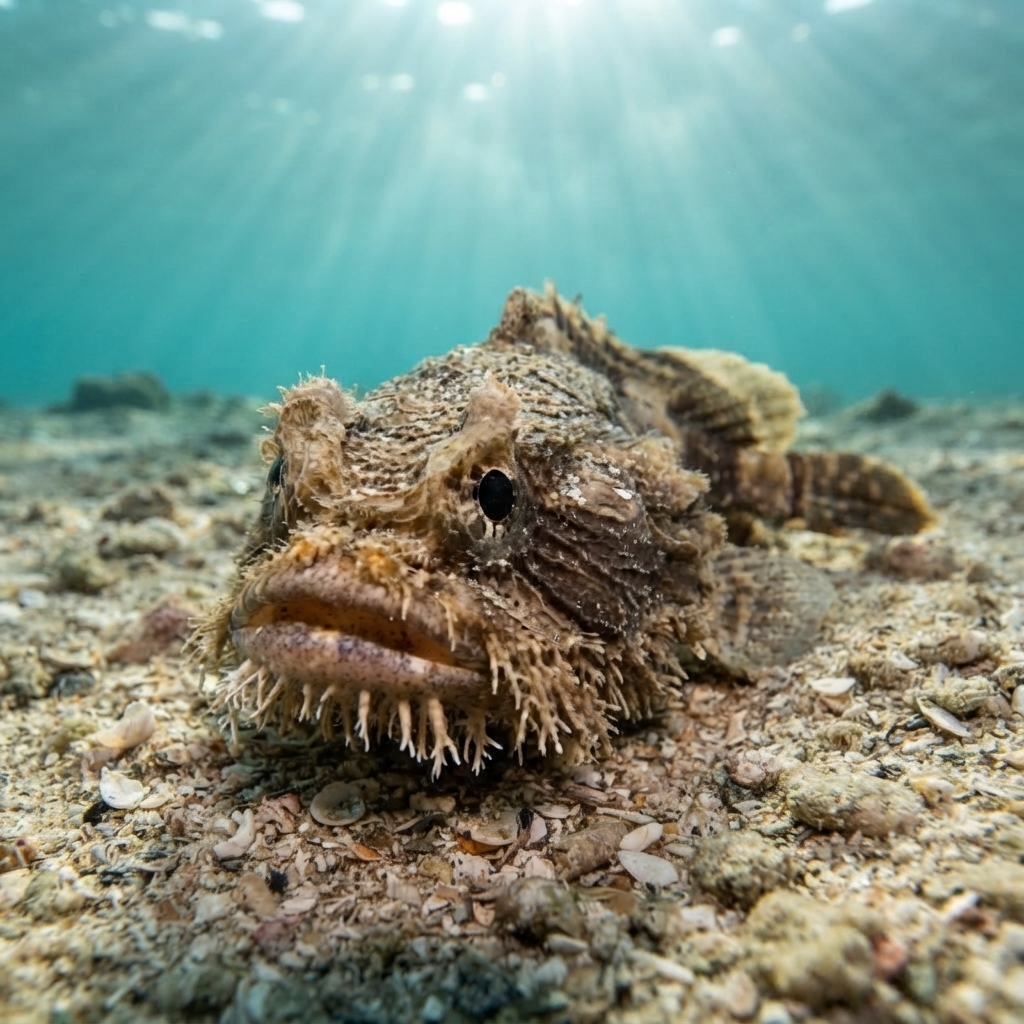
Squat, thick-bodied fish to about 24 cm, with a broad flattened head and a wide mouth that gives it a permanently grumpy look. Skin is mottled in browns, greys and creams, breaking up its outline against rock and rubble so it reads as part of the seafloor rather than a fish. It sits still on the bottom rather than swimming, propped on paddle-like pectoral fins, which is usually the giveaway that separates it from anything actually finning past you.
Expect to find it parked motionless on sand, rubble or rocky bottom, relying on its mottled camouflage rather than movement to stay unnoticed. It's logged as uncommon at most sites, so spotting one usually comes down to slow, careful scanning of the substrate rather than luck in open water. Divers who do find one typically report it staying put rather than bolting, letting you get a good close look if you approach calmly.
Frogfish in this family are ambush feeders, relying on stillness and camouflage to let prey wander within striking range rather than chasing it down.
Sightings don't show a clear seasonal pattern, and the observed temperature range of 16 to 24.3C spans NSW's cooler and warmer months alike, so it's a fair bet on any dive there year-round.
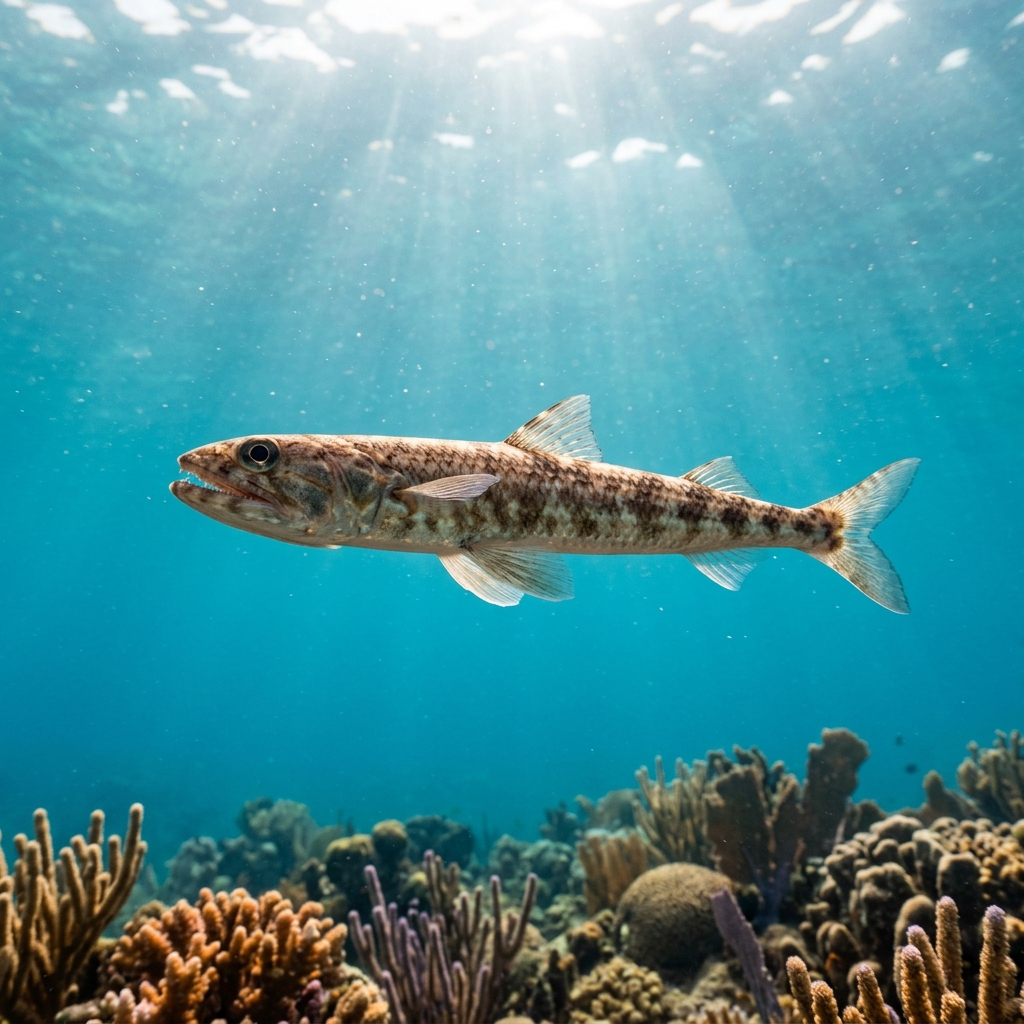
Reef neighbours a diver could mistake it for. Use the identification notes above to tell them apart.
This one is a New South Wales specialty as far as logged sightings go, with all recorded dive sites clustered in that region of Australia. If you're diving temperate NSW reefs and rubble patches, keep an eye on the bottom rather than the water column.
Mapping where Eastern Frogfish is logged…
Logged sightings are concentrated in New South Wales, Australia, where divers find them resting on rocky or rubble bottoms at temperate reef sites.
There's no strong seasonal pattern in the data, and they're recorded across a wide temperature range of 16 to 24.3C, so they're a possibility on any NSW dive through the year.
Yes, they have venomous spines, so accidental contact is the main risk. Keep hands and fins clear of rock and rubble where one might be resting and never touch one.
Look for a squat, mottled brown and grey fish up to about 24 cm, lying still on rock or rubble with a broad flat head and wide mouth. It relies on camouflage and stillness rather than swimming to avoid notice.
They typically reach around 24 cm in length, a stocky, bottom-hugging size rather than anything elongated or showy.
Like other frogfish, they're ambush predators that stay motionless and camouflaged, letting prey come close before striking rather than chasing it down.
Site and sighting data is aggregated from diver logs, iNaturalist and GBIF. For taxonomy and conservation status:
Soldierfish
3,612 sites