Atypichthys latus
A grey and yellow reef chub logged mostly around North Island, New Zealand, in water from 16.7 to 22.7 C, year-round.
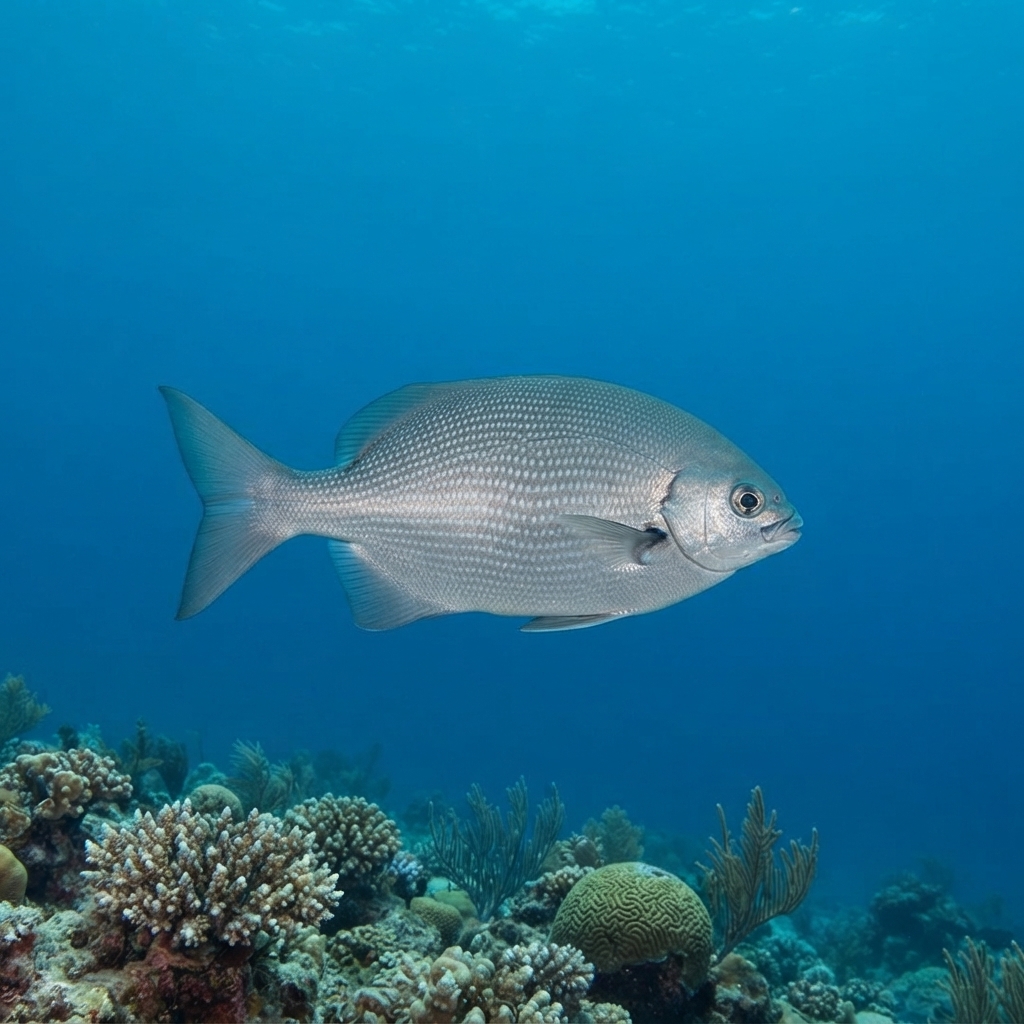
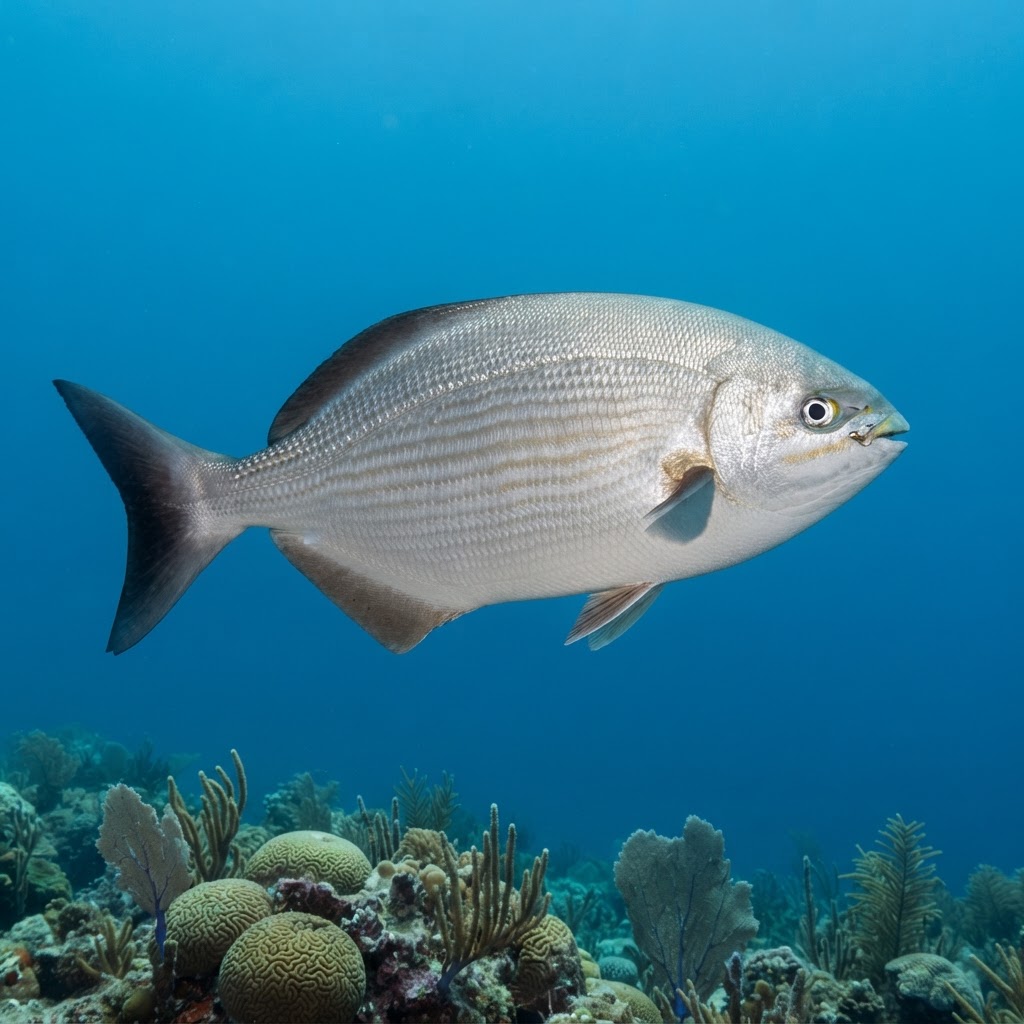
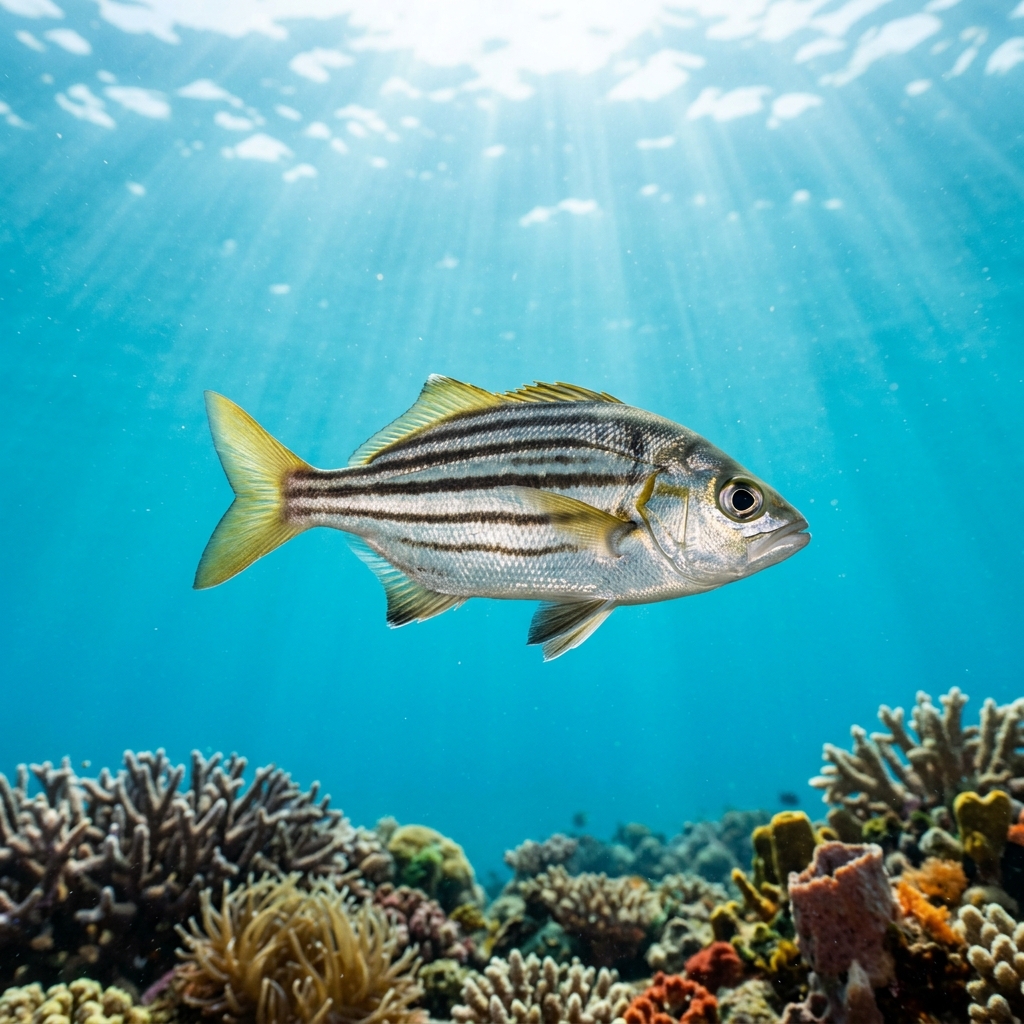
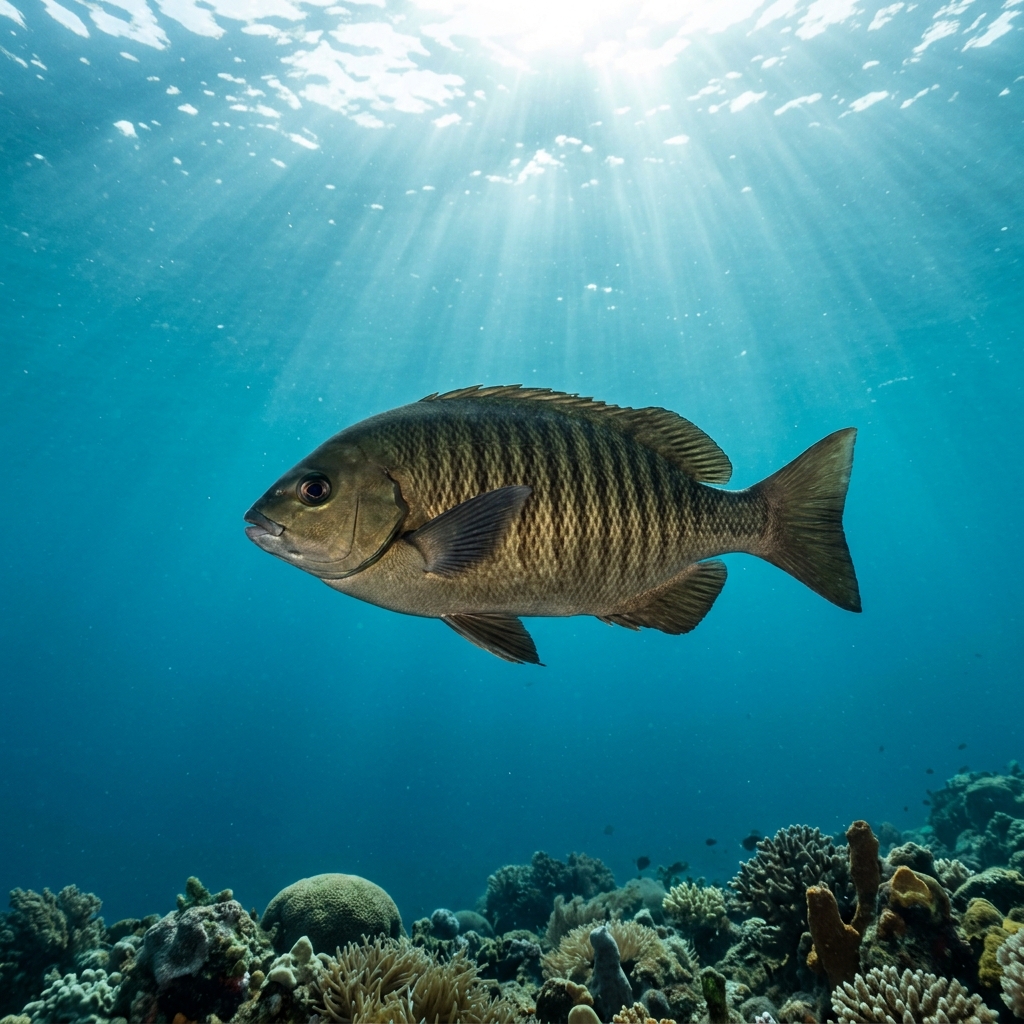
Grows to around 21 cm, with a deep, oval body typical of sea chubs and a blunt, rounded snout. Look for a grey to brown body with faint darker vertical banding and yellowish fins, especially the tail and anal fin, which help it stand apart from plain silver reef fish nearby. It tends to hang at a slight angle in the current rather than swim flat, which is often the first thing that catches a diver's eye.
Usually seen cruising over rocky reef and reef edges alone or in loose small groups, holding a steady mid-water position rather than darting for cover. It doesn't show strong avoidance of divers, often continuing to feed or patrol a patch of reef while you pass, which makes it an easy fish to get a clean look at once you spot it.
It belongs to the sea chub family, a group generally associated with grazing on algae and small invertebrates along temperate rocky reefs, giving them a quiet but steady role in keeping reef surfaces grazed.
No clear seasonal pattern shows up in the sighting data, and with a water-temperature niche spanning 16.7 to 22.7 C it seems to tolerate a decent swing between cooler and warmer temperate conditions, so it's worth watching for on any dive in its range rather than planning around a particular month.
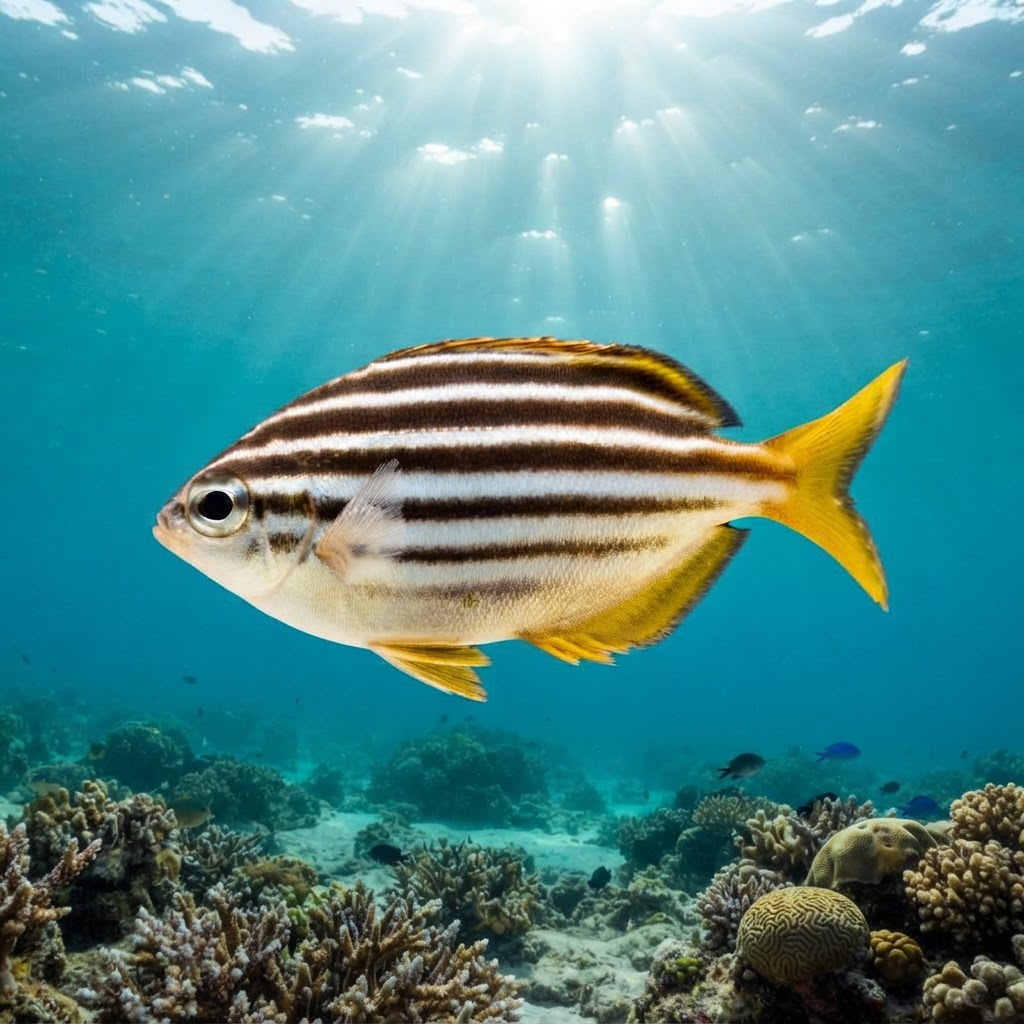
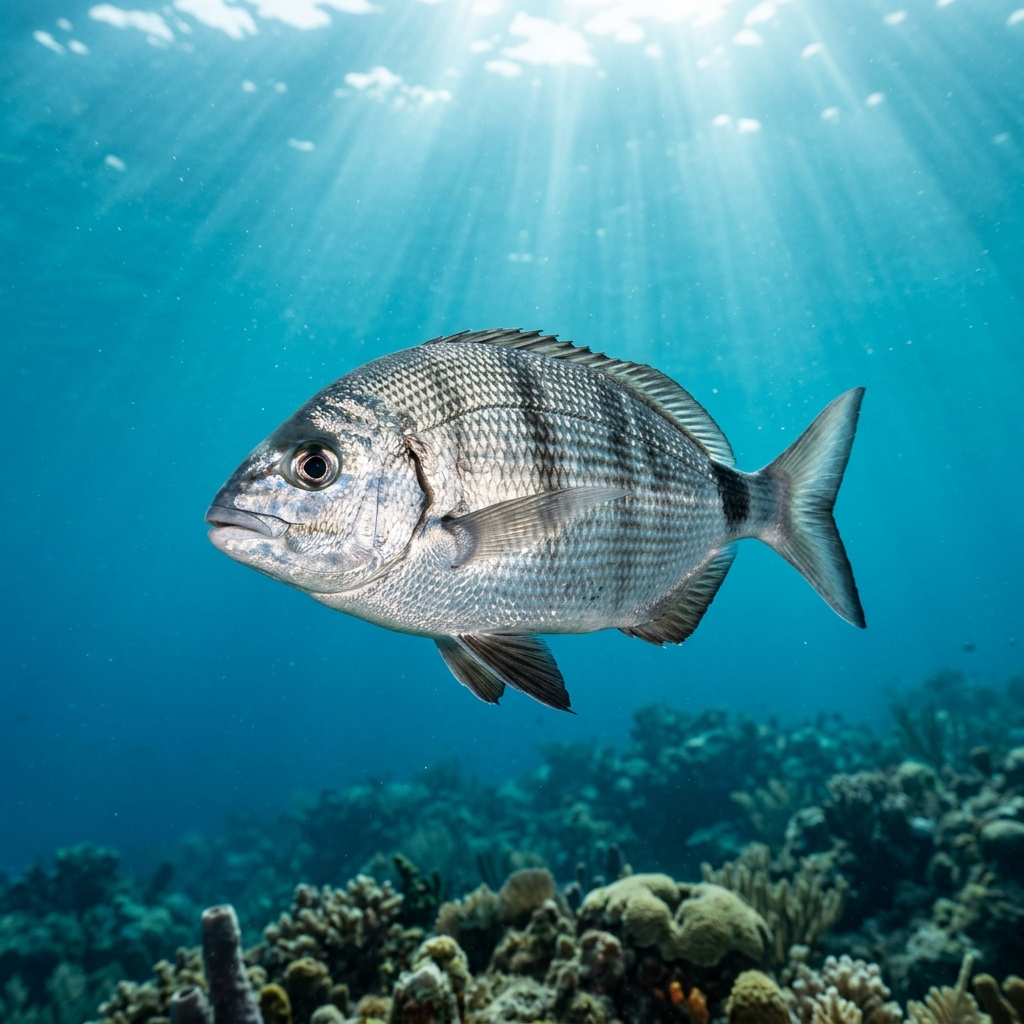
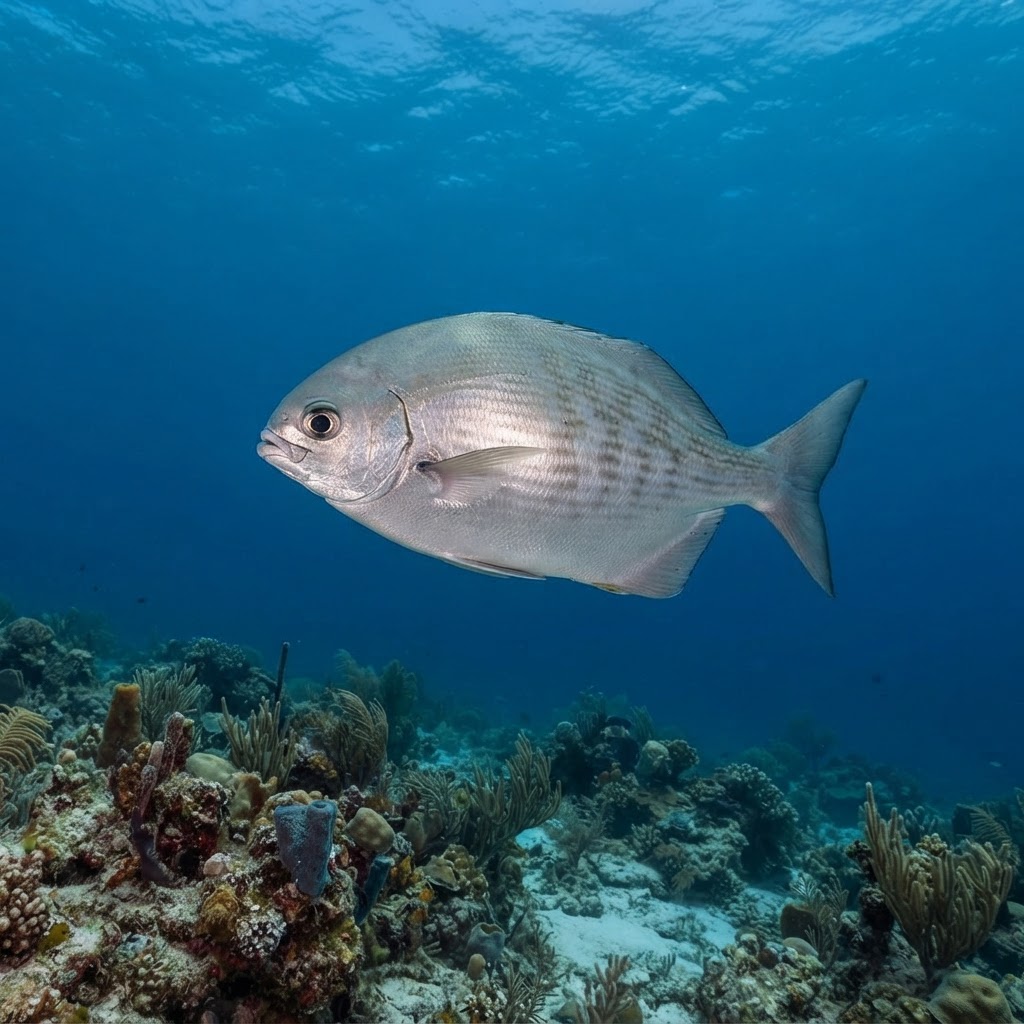
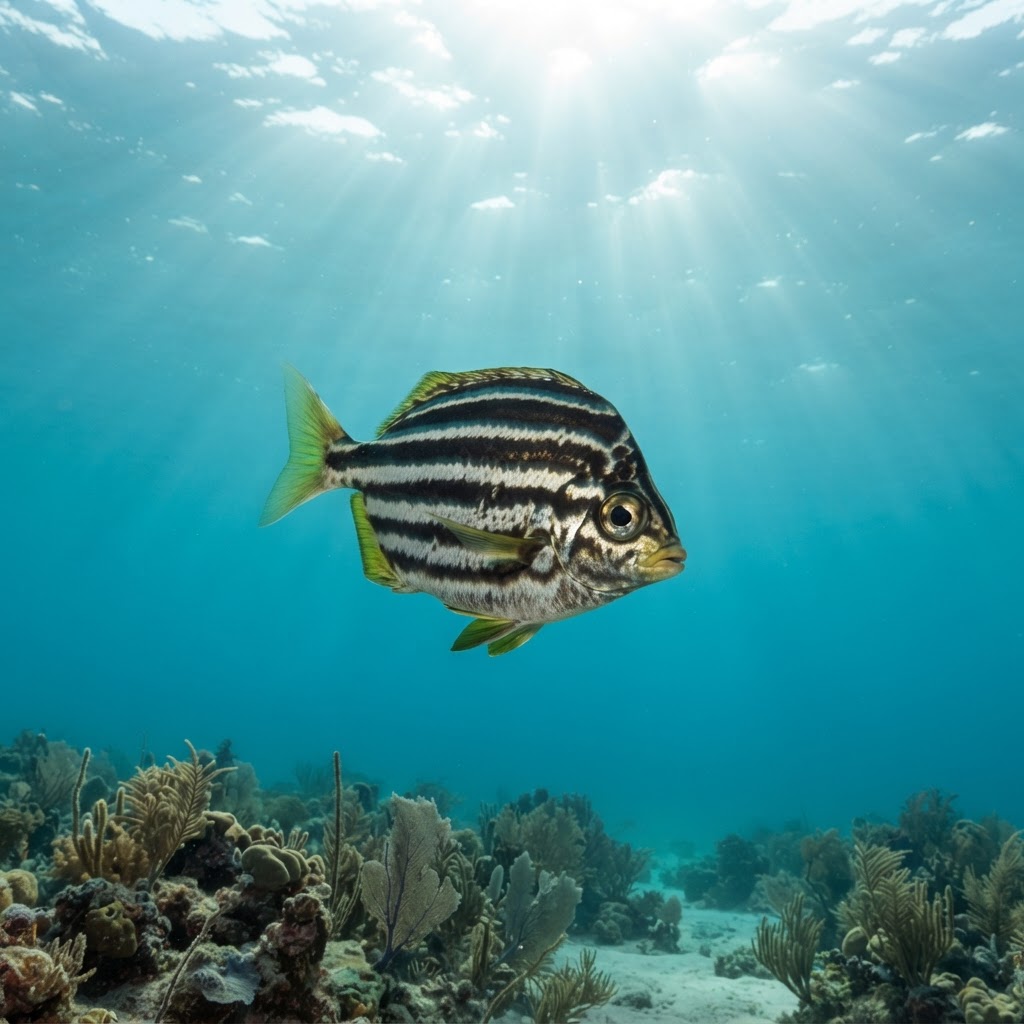
Reef neighbours a diver could mistake it for. Use the identification notes above to tell them apart.
Most reliably logged around North Island, New Zealand, which accounts for the bulk of recorded sightings, with smaller but real populations in New South Wales, Australia, and around Norfolk Island. Divers working temperate reef and rocky reef sites in these regions have the best odds of a sighting, usually logged as uncommon rather than a guaranteed encounter.
Mapping where Eastern Footballer is logged…
North Island, New Zealand is the strongest region for sightings, with additional records from New South Wales in Australia and around Norfolk Island. It favours rocky and reef habitat in cooler temperate water.
There's no detected seasonal pattern, so it's logged year-round within its temperature range of roughly 16.7 to 22.7 C. Plan around the region's usual dive conditions rather than a specific month.
Look for a deep-bodied, oval fish around 21 cm with a grey-brown body, faint vertical banding and yellowish fins, particularly the tail. It often hovers at a slight angle over rocky reef rather than swimming flat like many similar chubs.
They typically reach about 21 cm in length, a modest size that keeps them easy to overlook against busier reef backgrounds.
No, they pose no danger to divers and show no aggressive or defensive behaviour towards people in the water.
Site and sighting data is aggregated from diver logs, iNaturalist and GBIF. For taxonomy and conservation status:
Blue Sea Chub
554 sites