Cephaloscyllium isabella
A boxy, blotched catshark logged around North Island, New Zealand in cool 8-15C water, most often at rare-but-reliable rates.
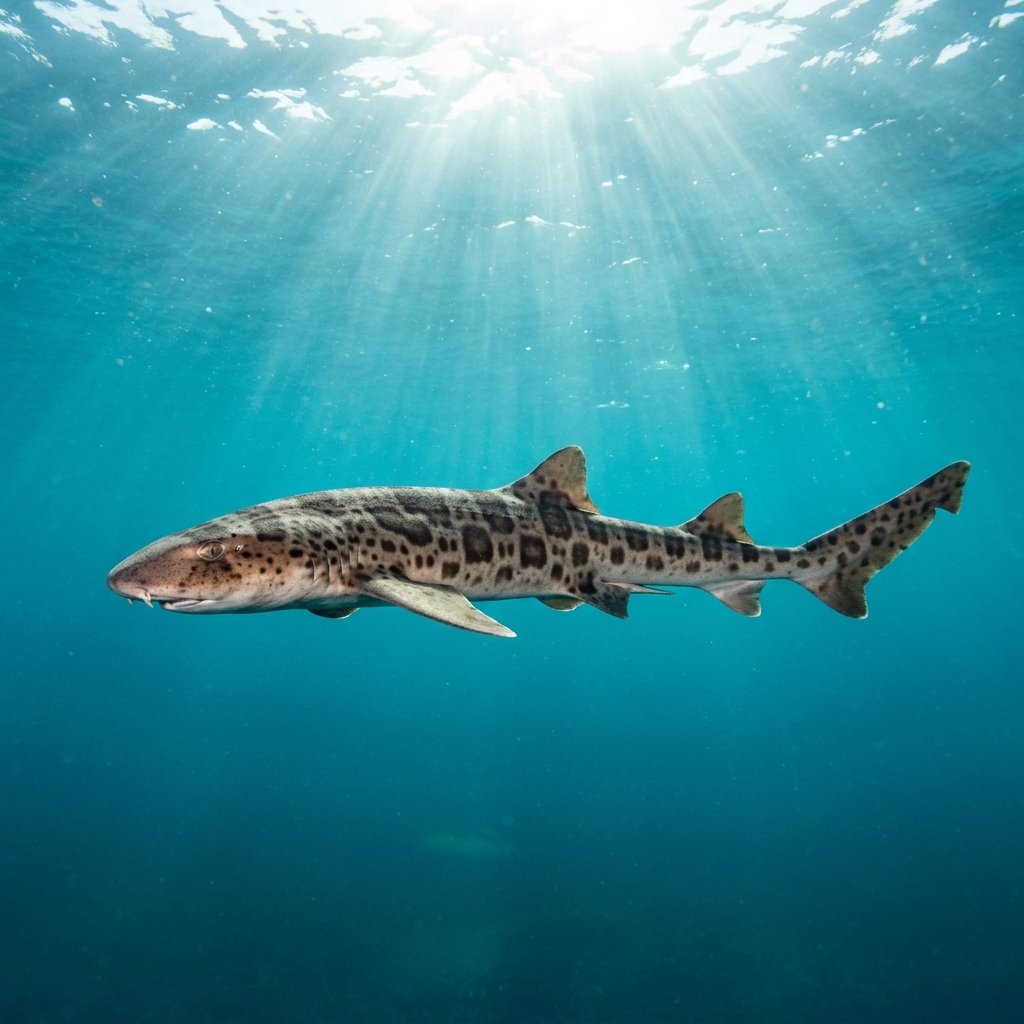
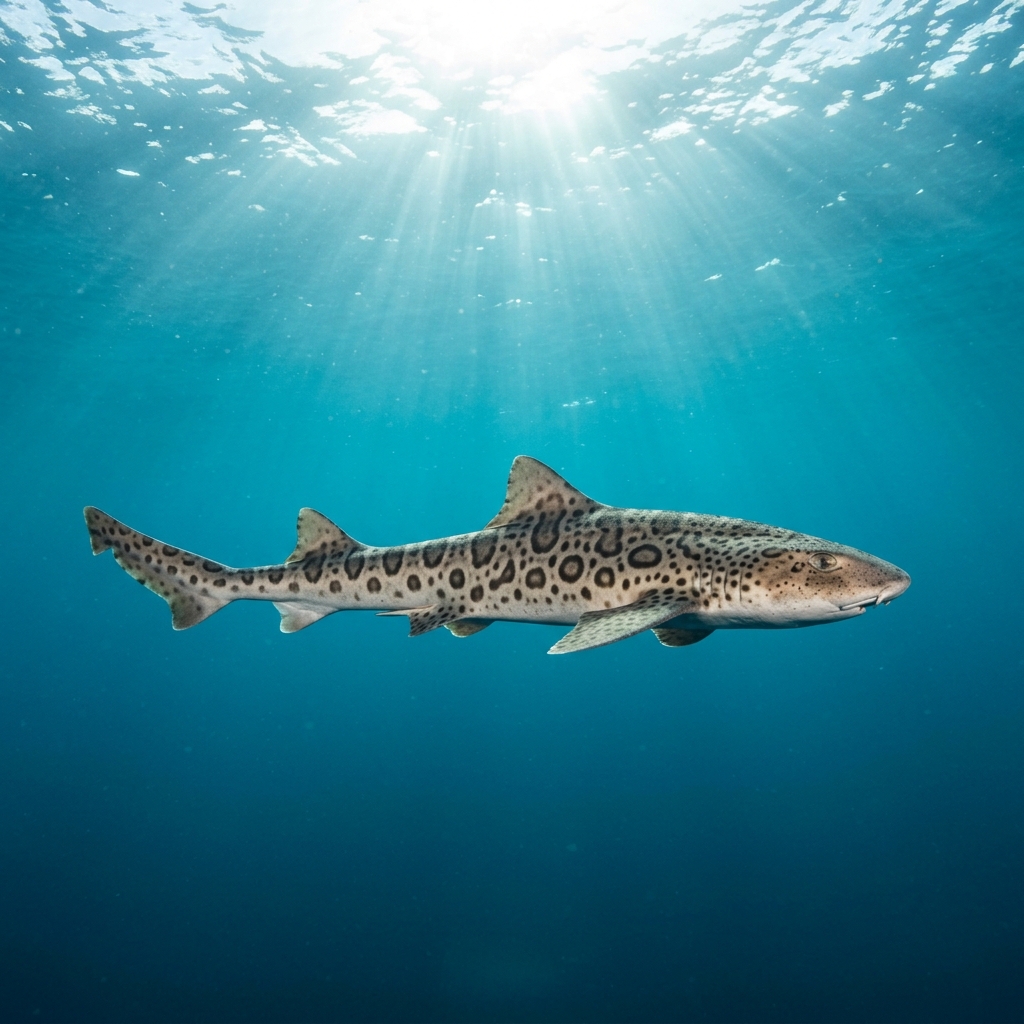
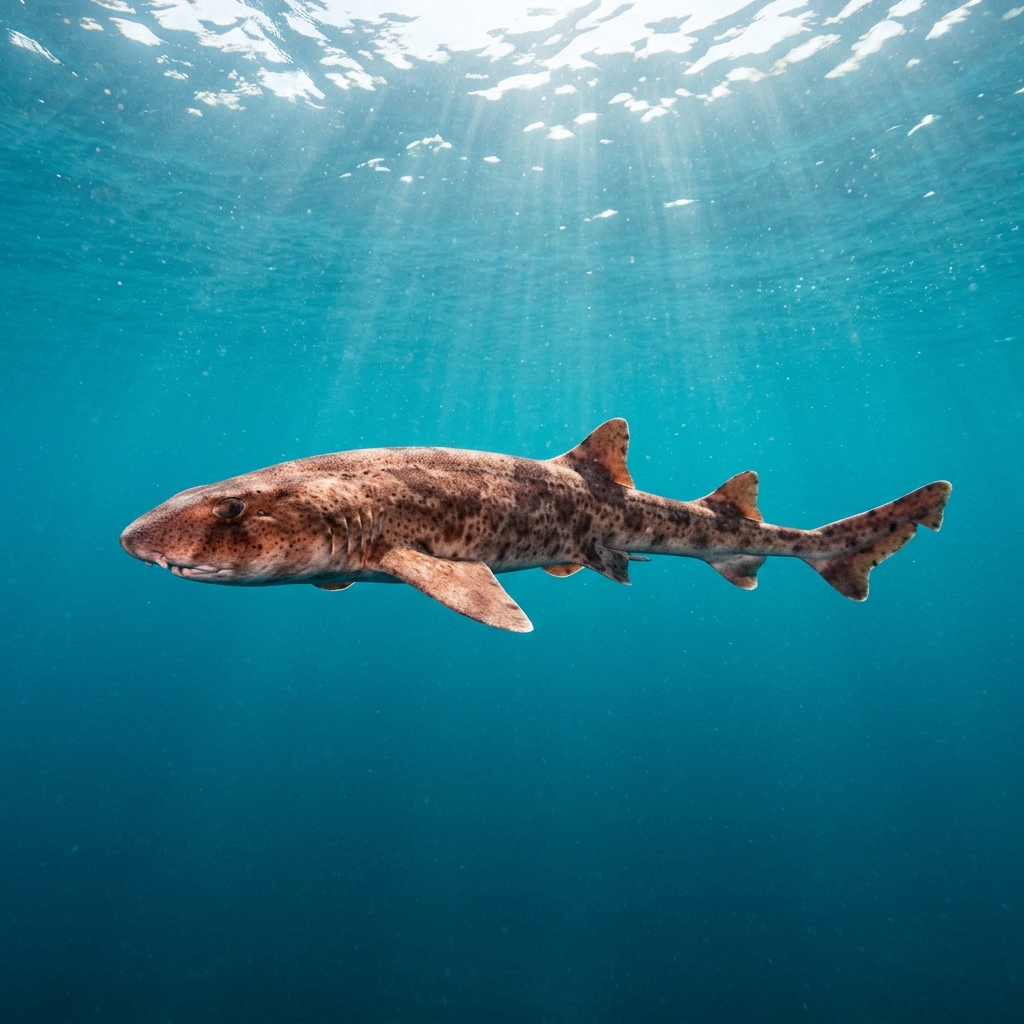
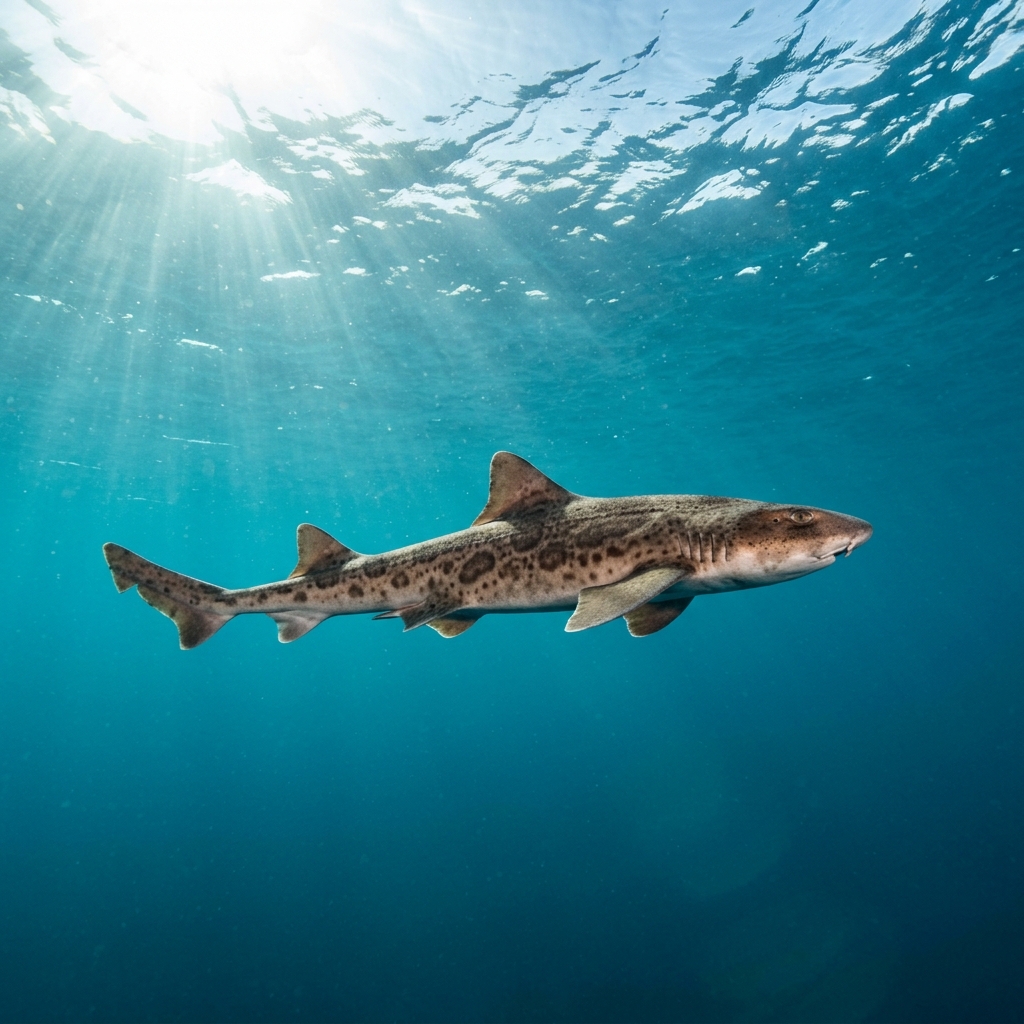
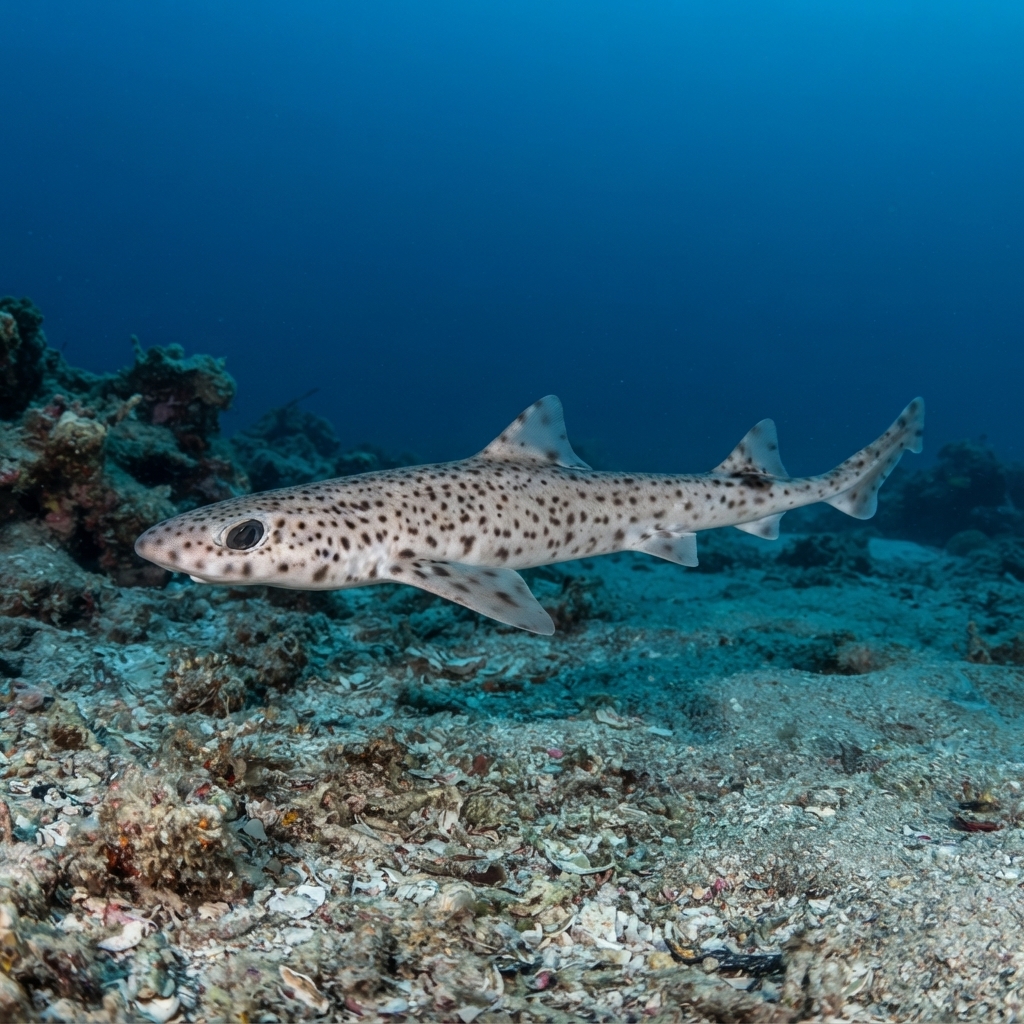
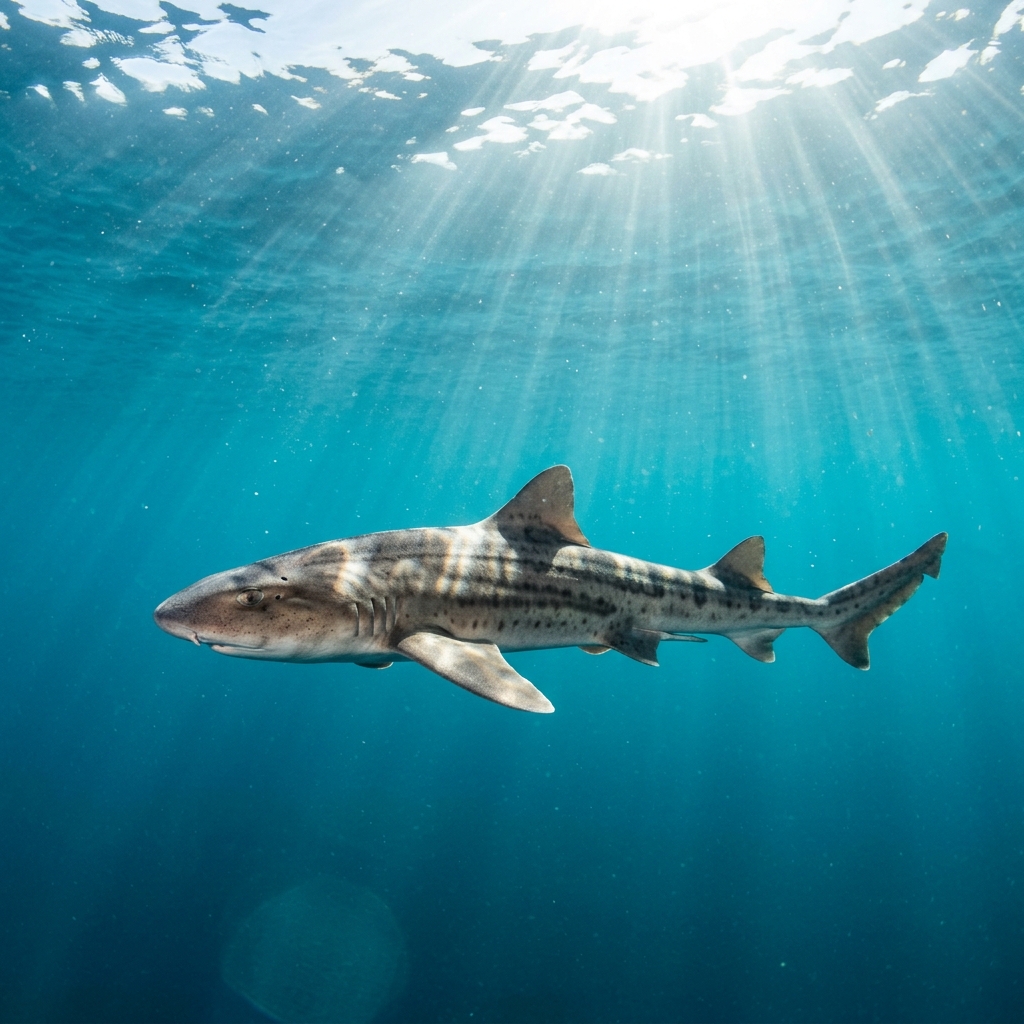
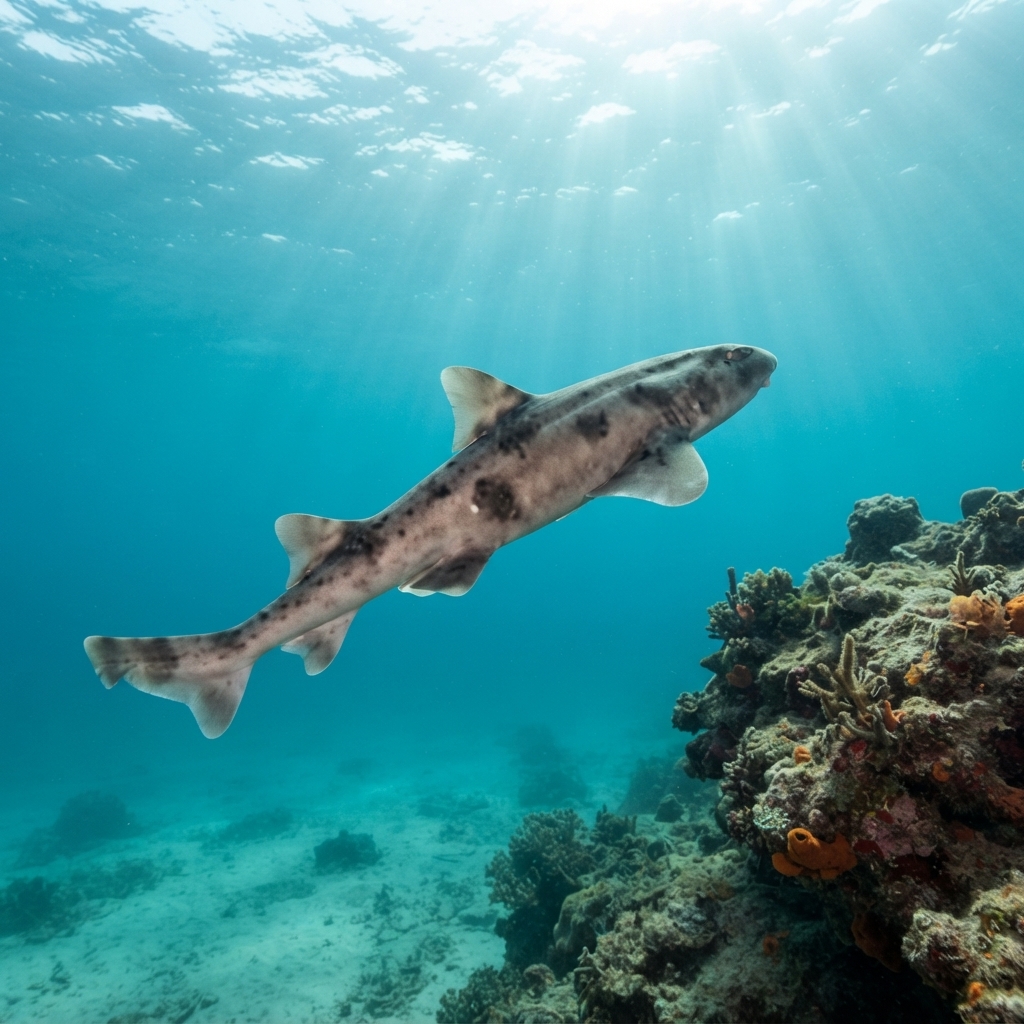
A short, thick-bodied shark to about 70 cm with a broad, slightly flattened head and a blunt snout. The giveaway is the pattern: large dark brown to black saddle-like blotches over a pale grey-brown body, arranged in a rough chequerboard that gives the species its name. It usually sits still on the bottom, tail slightly flattened, rather than swimming in open water.
Divers usually find these sharks tucked under ledges or wedged into rocky crevices, lying still rather than cruising. They are not shy in the sense of bolting off, more just inactive and easy to swim past unnoticed if you are not scanning gaps in the rock. Most reports describe single animals resting rather than any grouping or daytime feeding activity.
Like other catsharks in its family, this species can gulp water and inflate its body when threatened, wedging itself into a crevice so tightly a predator (or a diver trying to move it) cannot pull it free.
Sightings do not show a clear season, so treat it as a year-round find on New Zealand reefs where water sits in the 8 to 15C range typical of the sites where it has been logged. Cooler months will simply mean colder water, not a change in likelihood of seeing one.
Reef neighbours a diver could mistake it for. Use the identification notes above to tell them apart.
Logged almost entirely around New Zealand, with North Island sites providing most of the sightings and a single South Island site adding to the record. There is not yet enough data from other countries to call this a wider-range species for divers to plan around.
Mapping where Draughtsboard Shark is logged…
Almost all logged sightings come from New Zealand, particularly around the North Island, with additional records from the South Island. It is currently a New Zealand speciality rather than a species found on dive trips elsewhere.
There is no strong seasonal pattern in the sighting data, so it is considered a year-round find. It has been observed in water from roughly 8 to 15C, so cooler-water dive conditions are normal for this species.
Look for a short, stocky shark under a metre long with a chequerboard pattern of large dark blotches over a lighter body. It is usually found resting motionless under ledges or in crevices rather than swimming.
They typically reach around 70 cm in length, making them one of the smaller sharks divers are likely to encounter on a reef or rocky wall.
No, they are not considered dangerous to divers. They tend to sit still and rely on wedging into crevices rather than any aggressive response if approached.
It can swallow water to inflate its body and jam itself into a rocky crevice, making it very hard for a predator, or a curious diver, to pull out.
Site and sighting data is aggregated from diver logs, iNaturalist and GBIF. For taxonomy and conservation status:
Swell Shark
108 sites