Pterocaesio digramma
Blue-and-silver schooling fish common on Queensland reefs and Malaysia's east coast, comfortable in warm 25-29C water year-round.
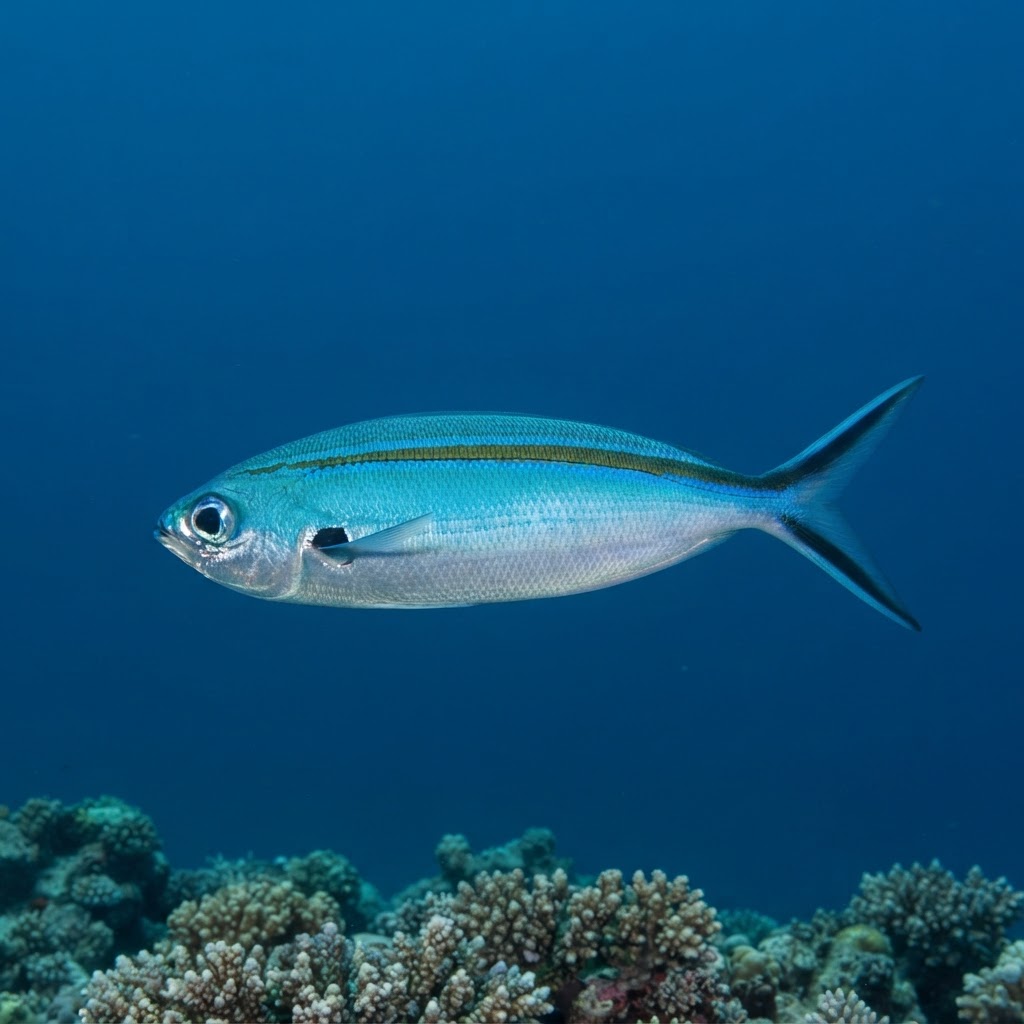
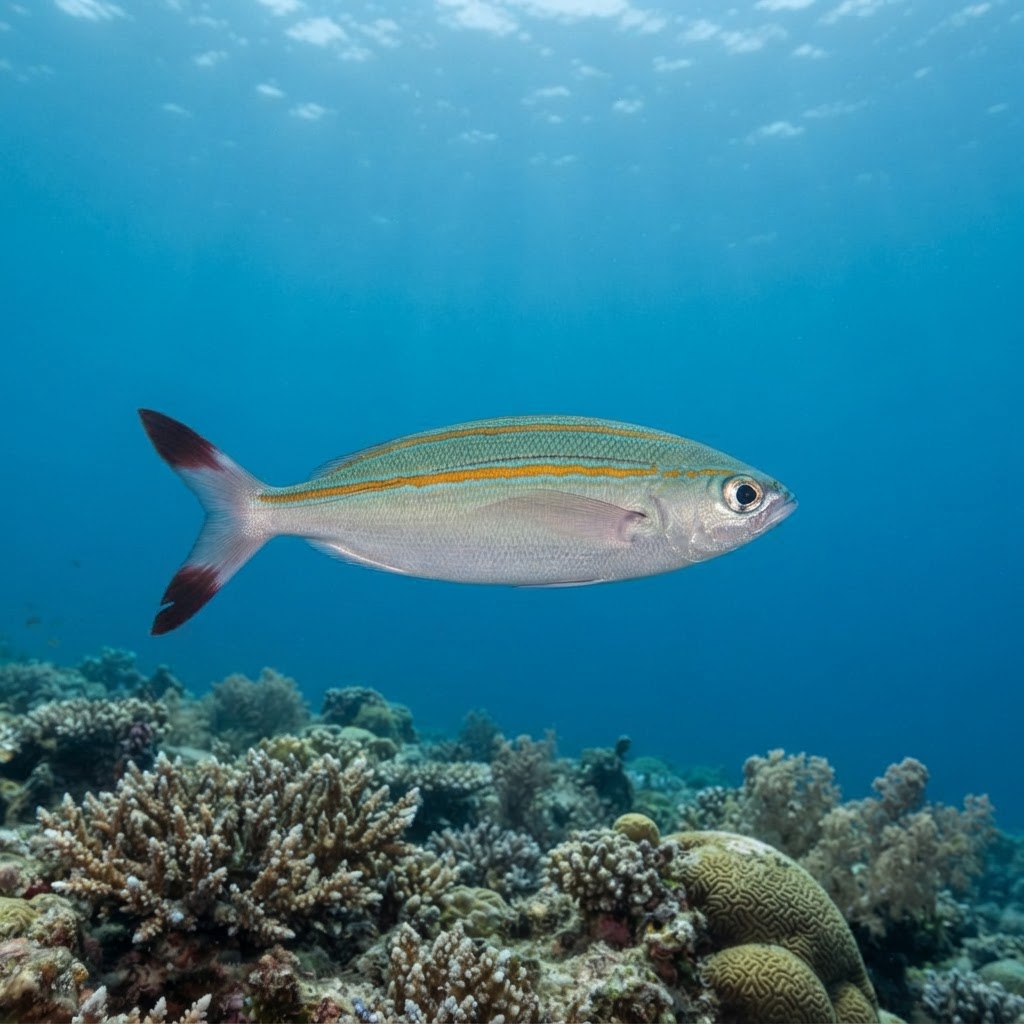
Slender, torpedo-shaped body around 21 cm long, blue-grey above fading to silver below, with two dark stripes running along the upper flank that give it its name. Look for a deeply forked tail, often with a dark tip, and the tendency to hang in loose schools just off the reef rather than hugging the bottom. At a glance it can look like a plain blue blur in a moving school, so the double stripe on the upper body is the detail worth pausing on.
Typically seen cruising in loose, mid-water schools over reef slopes and drop-offs, feeding on plankton drifting past in the current rather than picking at the reef itself. Divers usually find it uncommon rather than abundant at a given site, often mixed in with other fusilier or snapper schools, and it tends to keep a comfortable distance without scattering dramatically when approached.
Fusiliers feed by picking plankton straight out of open water, which is why you'll often see them schooling well off the bottom in current-swept spots rather than tucked into reef structure like many snappers.
No clear seasonal pattern shows up in the sightings, and with a comfortable range of roughly 25 to 29C it stays on these reefs year-round, so any month works for a dive trip built around it.
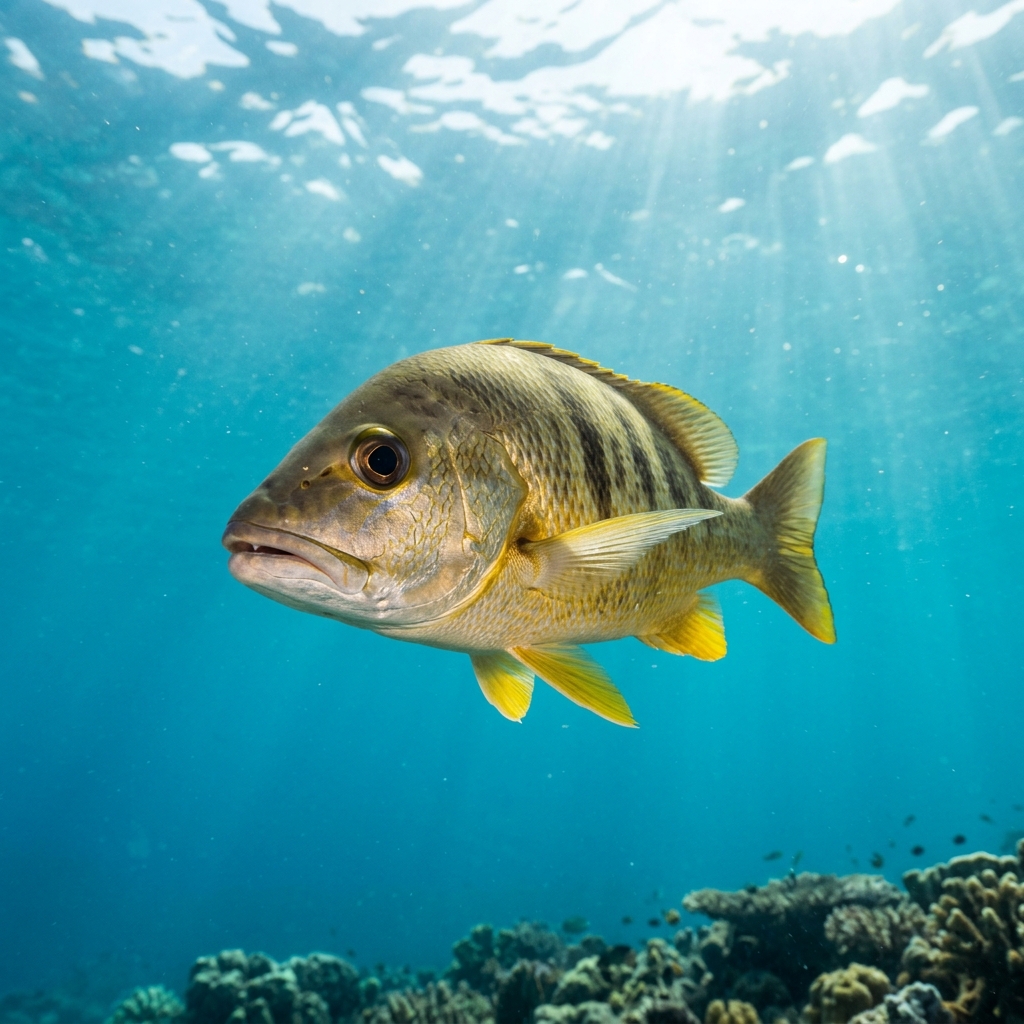
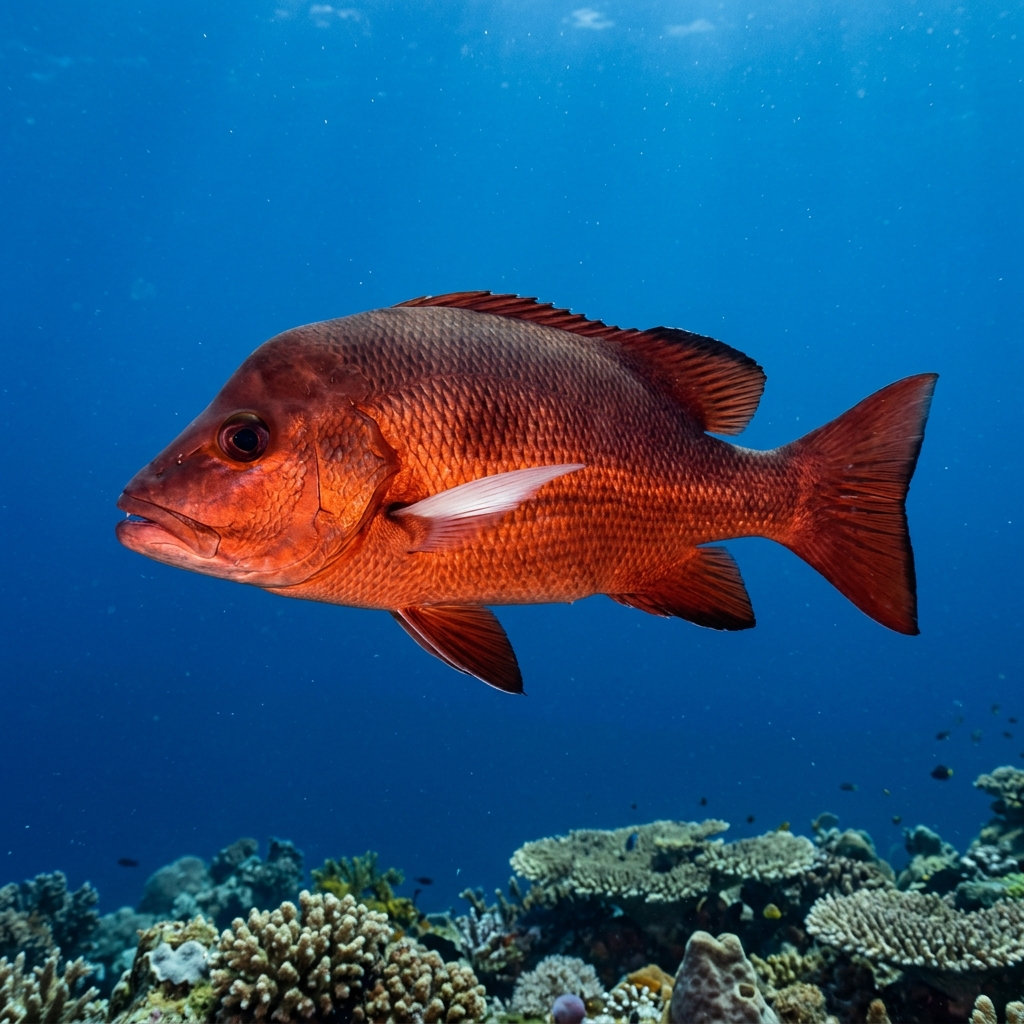
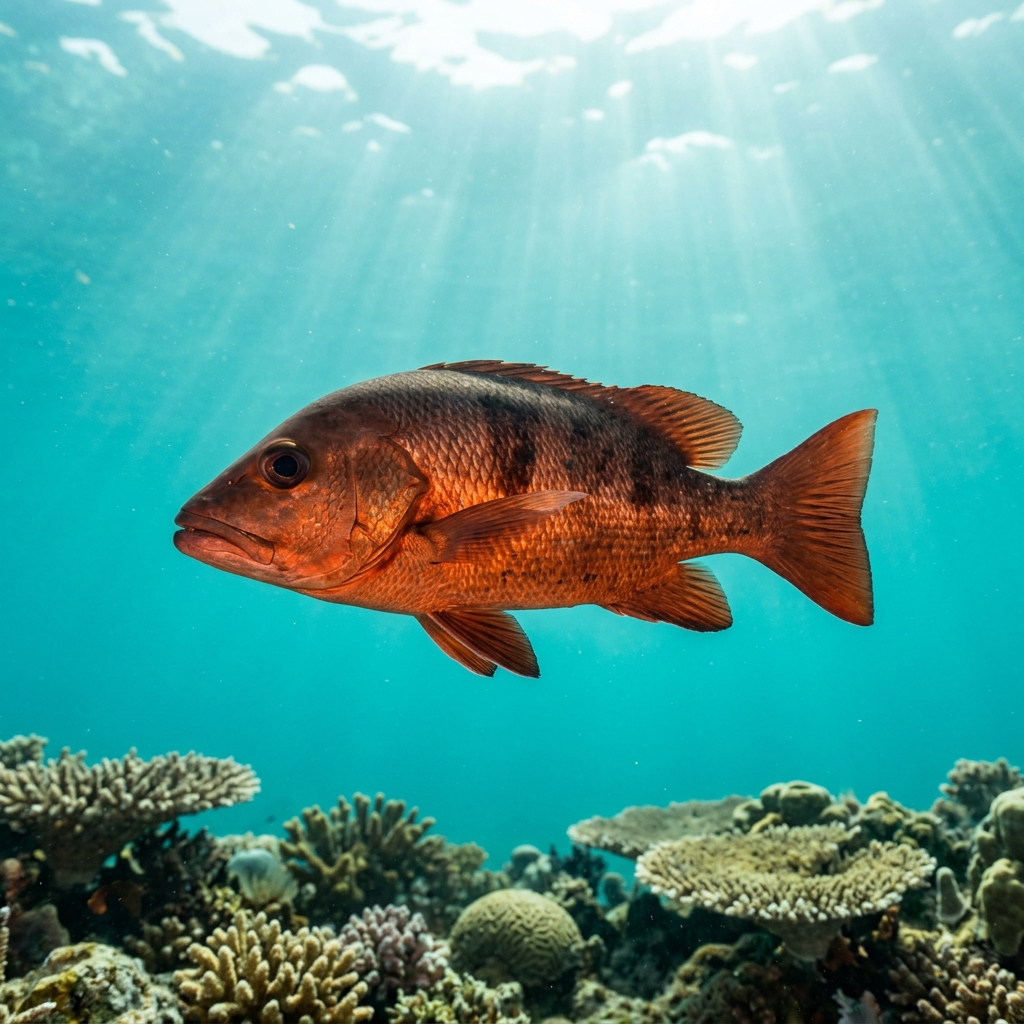
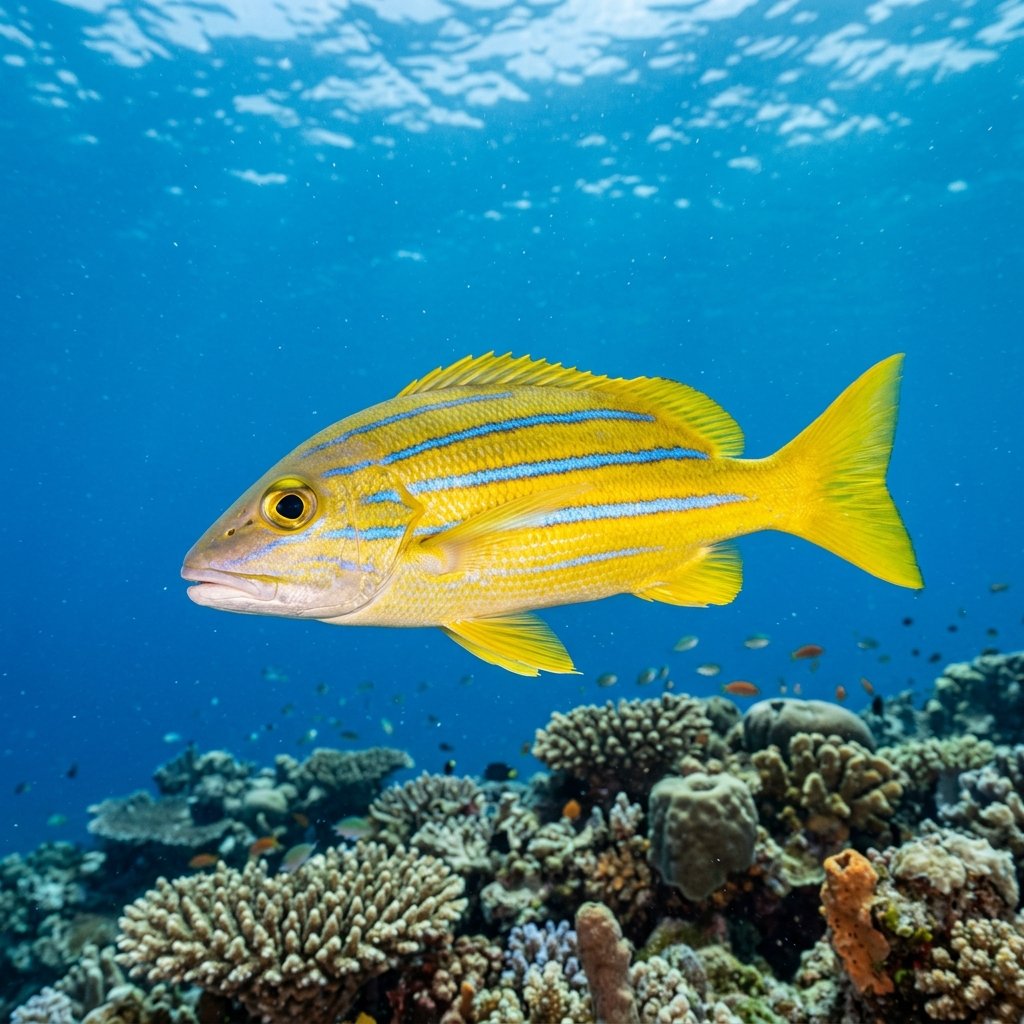
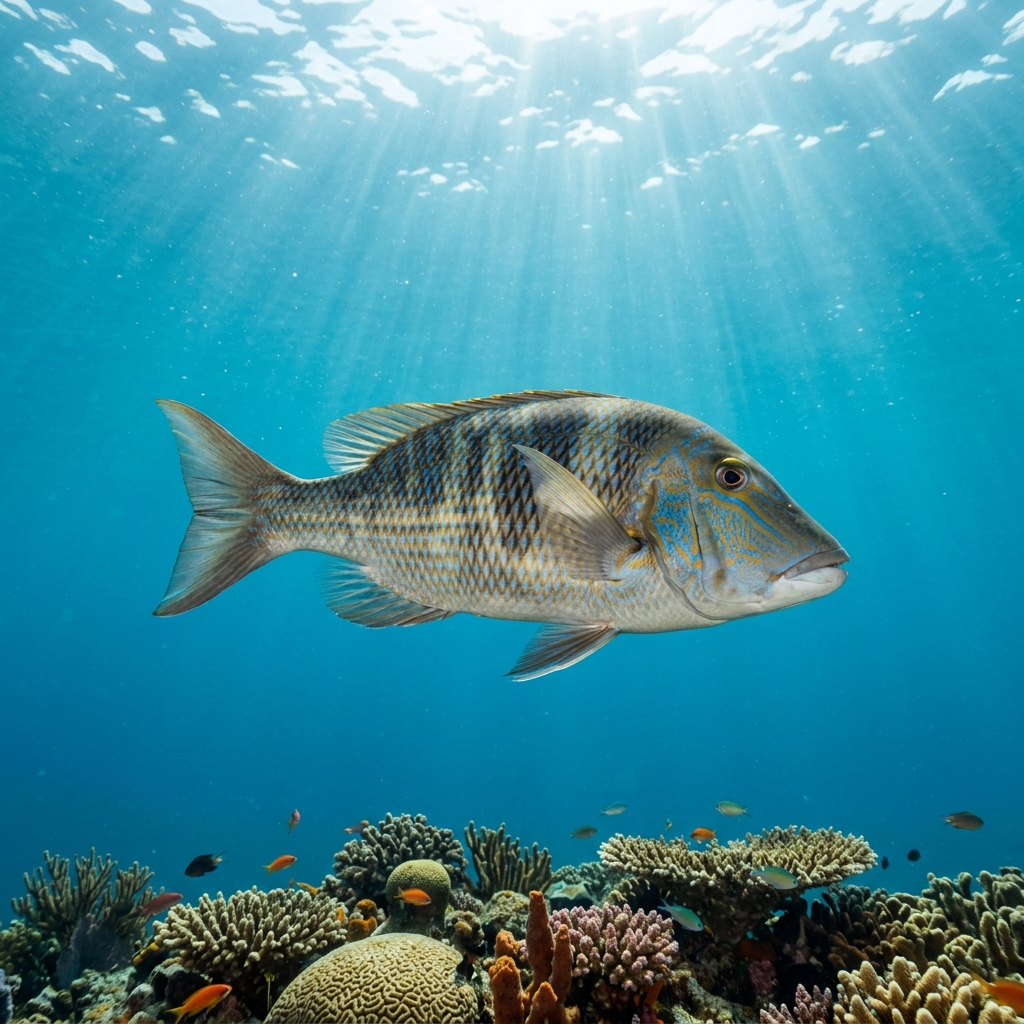
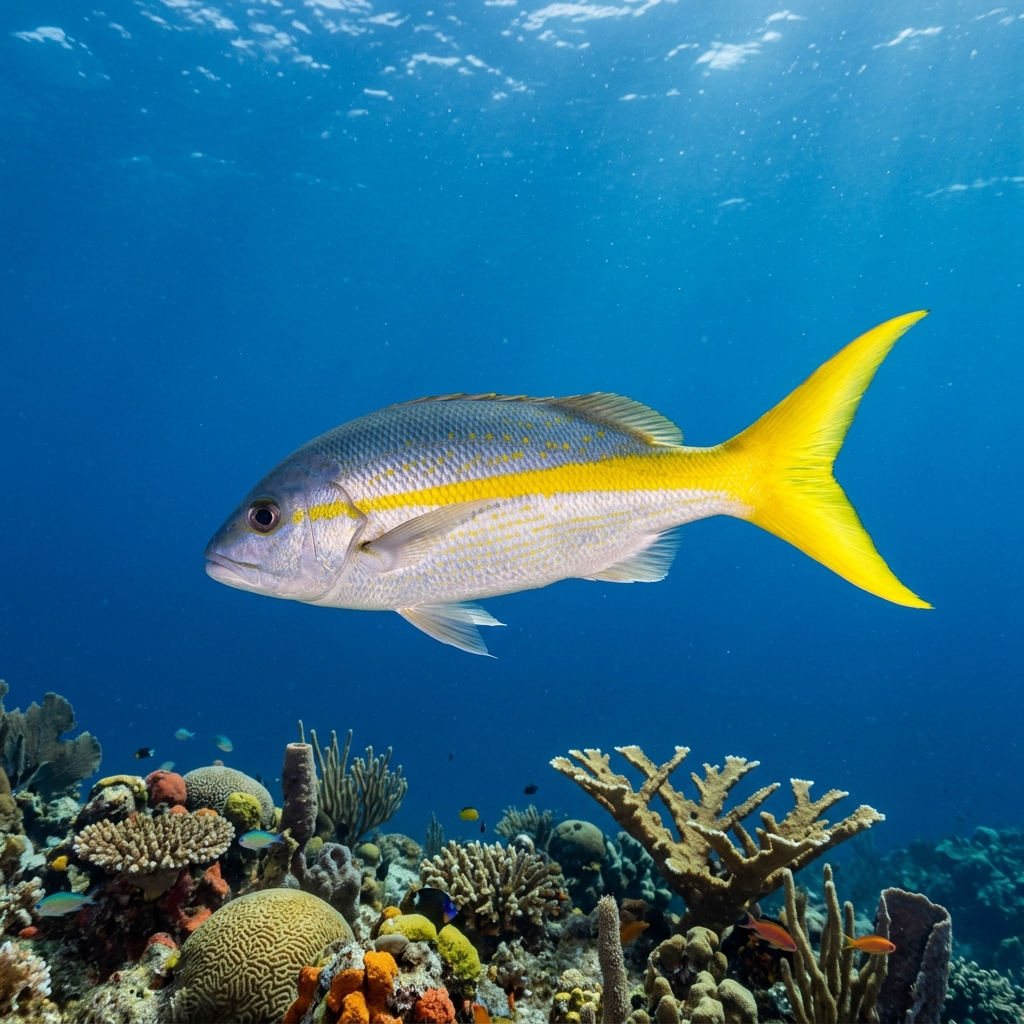
Reef neighbours a diver could mistake it for. Use the identification notes above to tell them apart.
Most reliably logged on reefs in Queensland, Australia, and along Peninsular Malaysia's east coast, with a further reliable presence in Kenting, Taiwan. Smaller but consistent numbers turn up around Île des Pins in New Caledonia and on Western Australia's reefs, with occasional sightings in the Solomon Islands and Indonesia.
Mapping where Double-lined Fusilier is logged…
Queensland in Australia and Malaysia's east coast are the most reliable spots, with further sightings in Kenting, Taiwan, and Île des Pins, New Caledonia. It also turns up on Western Australia's reefs and occasionally in the Solomon Islands.
There's no strong seasonal signal in the sightings, and its warm-water comfort zone of roughly 25 to 29C means it's present on tropical reefs all year round.
Look for a slim, silvery-blue fish around 21 cm with two dark stripes along its upper body and a forked tail, usually seen schooling in open water just off the reef rather than sitting on the bottom.
They typically reach around 21 cm in length, a modest size that suits their habit of schooling in open water over reefs rather than patrolling alone.
No, they pose no danger to divers. They're plankton feeders that keep their distance and pass by in schools without any interest in interacting with people.
Site and sighting data is aggregated from diver logs, iNaturalist and GBIF. For taxonomy and conservation status:
Bluestriped Snapper
2,054 sites