Diversidoris sulphurea
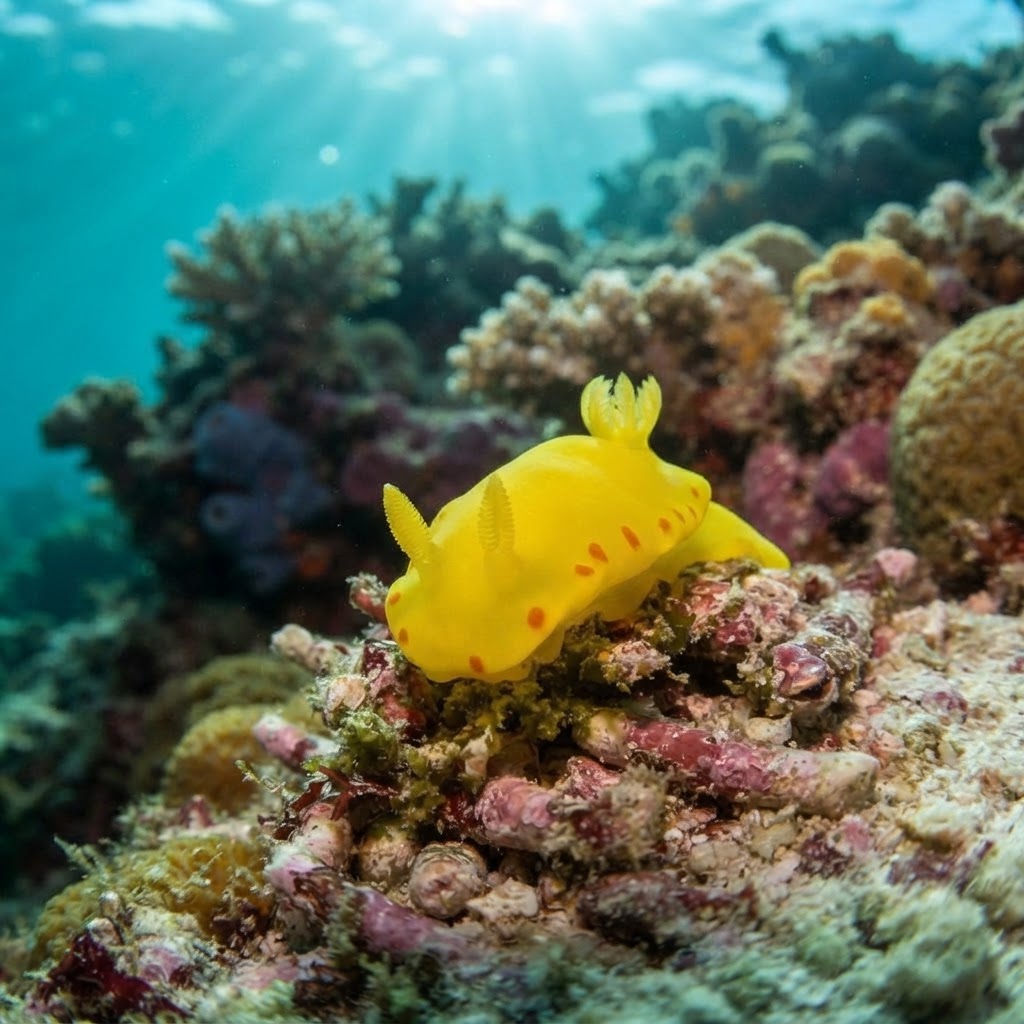
Sulphur-yellow nudibranch found off New South Wales, Australia, in 17 to 23 C water, an uncommon but reliable macro find.
Small, soft-bodied sea slug in a solid sulphur-yellow to pale lemon tone, with a smooth, oval body lacking the bold contrast stripes or spots seen on many chromodorid nudibranchs. Look for the two rhinophores (sensory horns) and feathery gill cluster near the rear, both usually a shade darker or matching the body colour. Its size and muted colouring make it easy to swim straight past, so slow macro-focused scanning of rubble and sponge-covered rock is the way to spot one.
Found crawling slowly over rubble, sponge-encrusted rock and low reef structure, usually solo and easy to overlook against similarly toned substrate. It shows no reaction to divers beyond its normal slow grazing pace, making it a patient macro subject once found. Best located with a careful, close-range search rather than a swim-by, as it doesn't stand out at distance.
Like other chromodorid nudibranchs, it likely feeds on sponges and stores or modifies sponge chemicals for its own chemical defence, one reason these slugs can sit exposed on the reef without much cover.
Sighting records don't show a clear seasonal spike, so treat it as a year-round possibility on New South Wales and Victoria reefs sitting in the 17.3 to 23.3 C range this species tolerates.
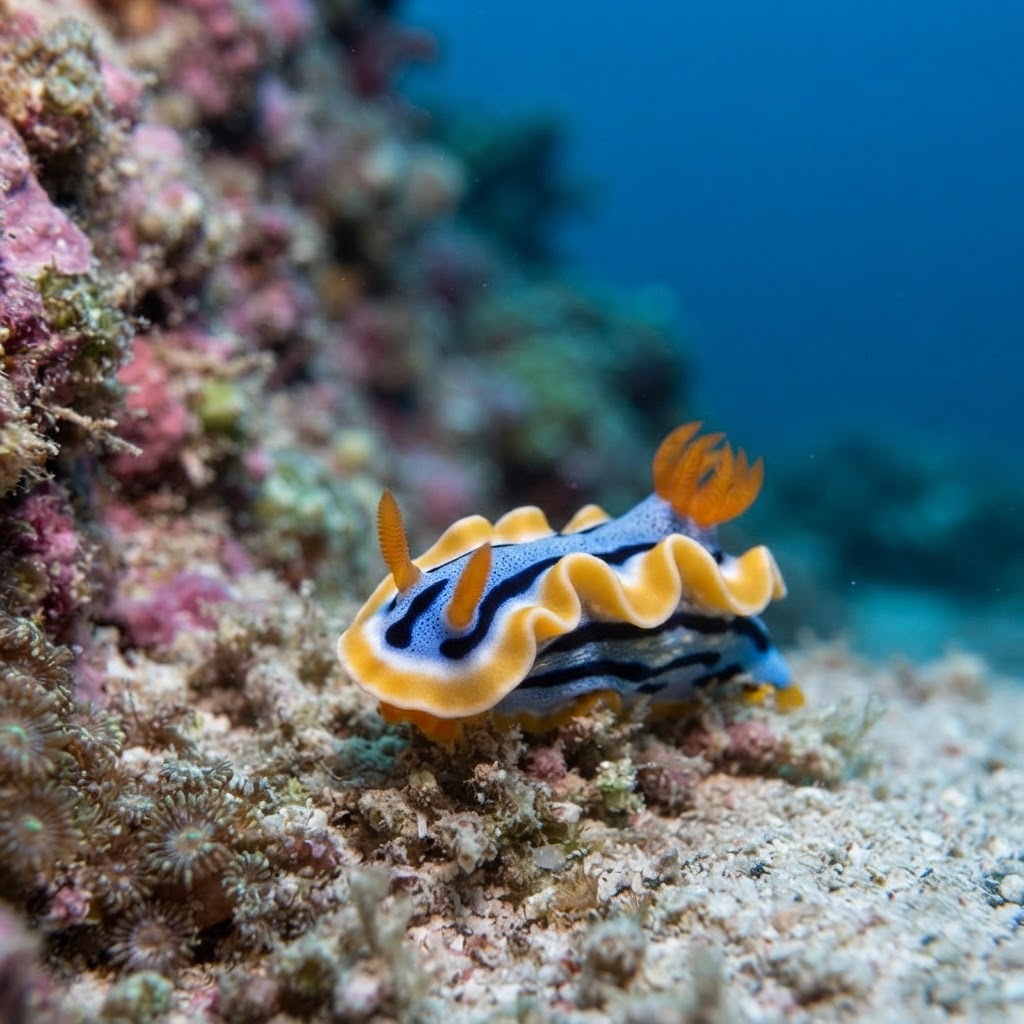
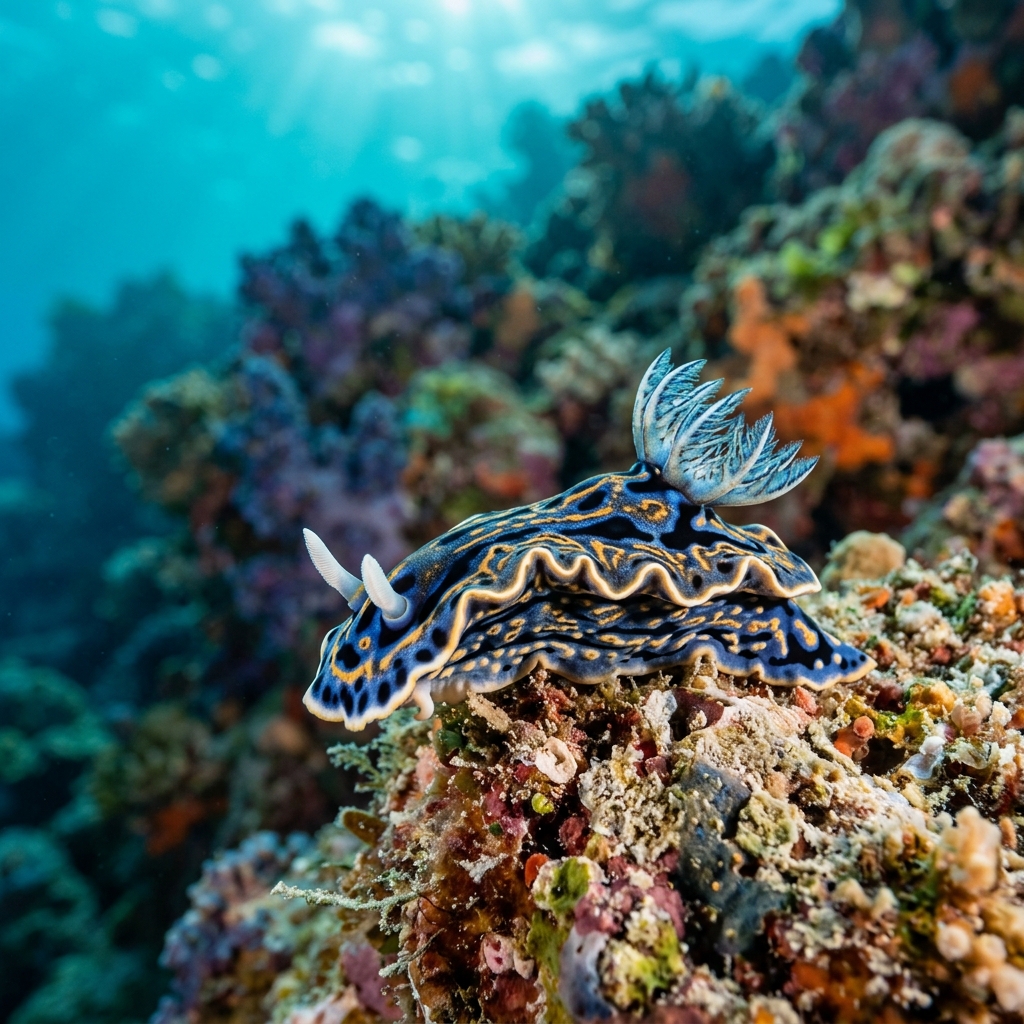
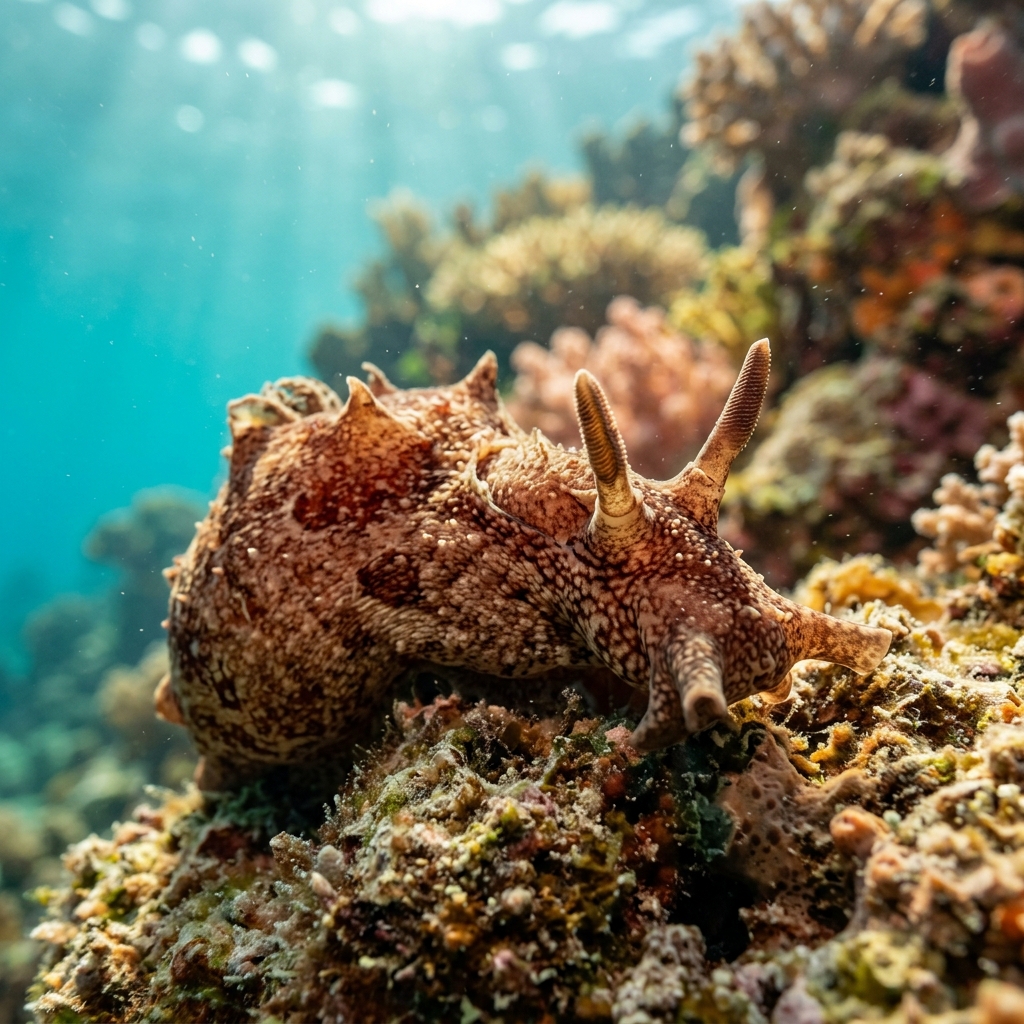
Reef neighbours a diver could mistake it for. Use the identification notes above to tell them apart.
Logged almost exclusively in Australia, with New South Wales the strongest area for sightings and a further site recorded in Victoria. Divers hunting this one should focus temperate reef and rubble sites along the New South Wales coast rather than tropical destinations.
Mapping where Sulphur Diversidoris is logged…
It's most reliably logged in New South Wales, Australia, with an additional record from Victoria. Outside Australia it has no confirmed dive-site sightings in current data.
There's no detected seasonal pattern, so it's considered a year-round sighting on New South Wales and Victorian reefs within its observed 17.3 to 23.3 C temperature range.
Look for a small, solid sulphur-yellow nudibranch with a smooth oval body, no bold stripes, and darker rhinophores and gill tuft towards the rear. Its plain colouring is the main tell against more patterned chromodorid look-alikes.
Exact size data isn't confirmed for this species, but like most Diversidoris nudibranchs it stays small, typically only a few centimetres long, so close-up searching is needed to spot one.
No, they're harmless to divers. Any chemical defences they carry are aimed at predators, not people, so they're safe to observe and photograph up close.
Site and sighting data is aggregated from diver logs, iNaturalist and GBIF. For taxonomy and conservation status:
Light-spotted Aegires
3,168 sites