Cyerce elegans
Spot the Elegant Sapsucking Slug in the warm waters of the Philippines, Indonesia, and Taiwan. Rare but real, here's where divers find it.
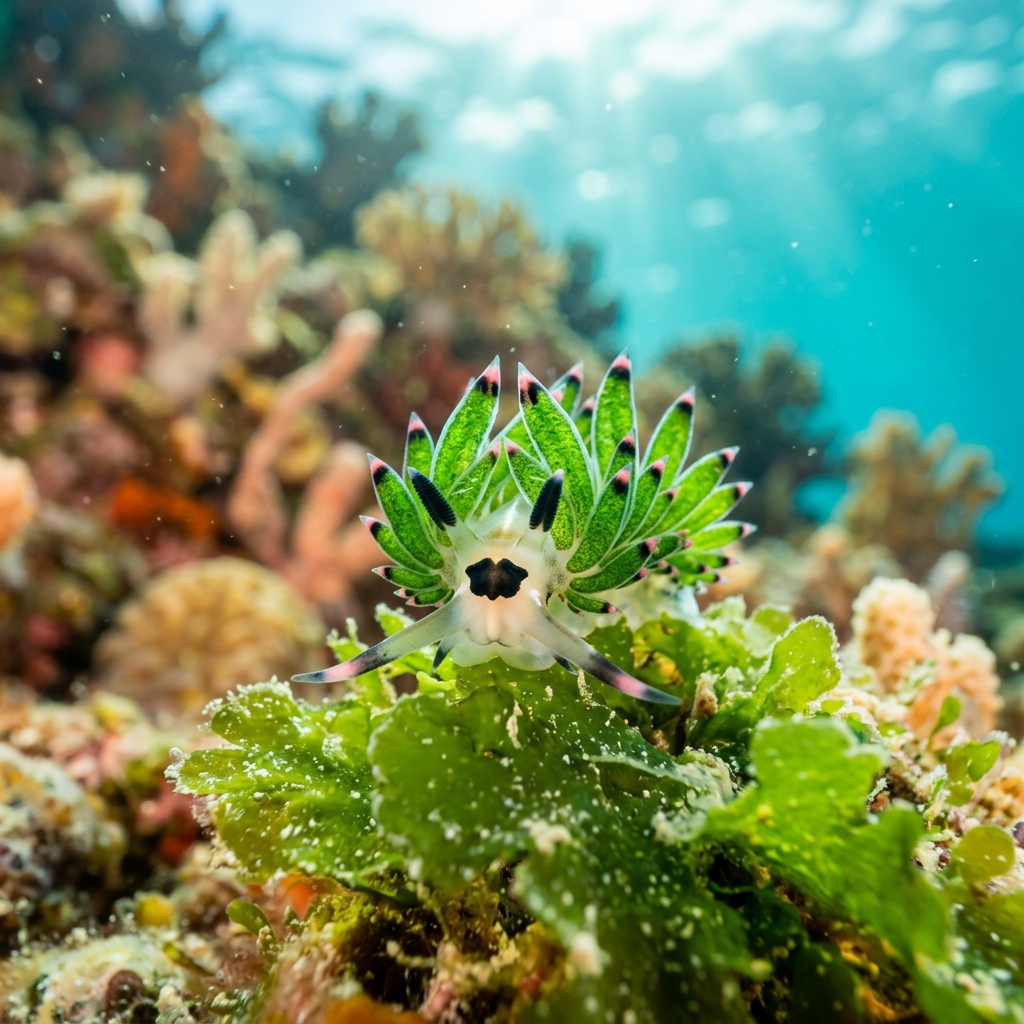
A small sacoglossan (sap-sucking sea slug) with a cluster of flattened, leaf-like cerata (the finger-like projections covering its back) that are typically translucent with bold colour tips and internal markings. The cerata can be waved or curled, giving the animal an almost fluttering appearance. Look for the pale, rounded body and distinctive patterned cerata tips, these are the detail your eye locks onto when scanning rubble or algae patches.
Divers almost always find this slug slowly working across algae-covered rubble or hard substrate, rasping at the siphonalean algae it feeds on, a feeding method that gives sapsucking slugs their name. It moves deliberately and stays small against the substrate, making it very easy to overlook. When encountered, it shows little reaction to a diver's presence, continuing to feed or resting motionless.
Like other sacoglossans, Cyerce elegans can autotomise (voluntarily shed) its cerata when threatened, each detached ceras continues to writhe on the substrate, potentially distracting a predator while the slug makes its slow escape.
No clear seasonal pattern emerges from the available data, so it's treated as a year-round target. It's observed in water temperatures from around 26 to 29 °C, pointing firmly to shallow tropical reefs where those warm conditions persist throughout the year.
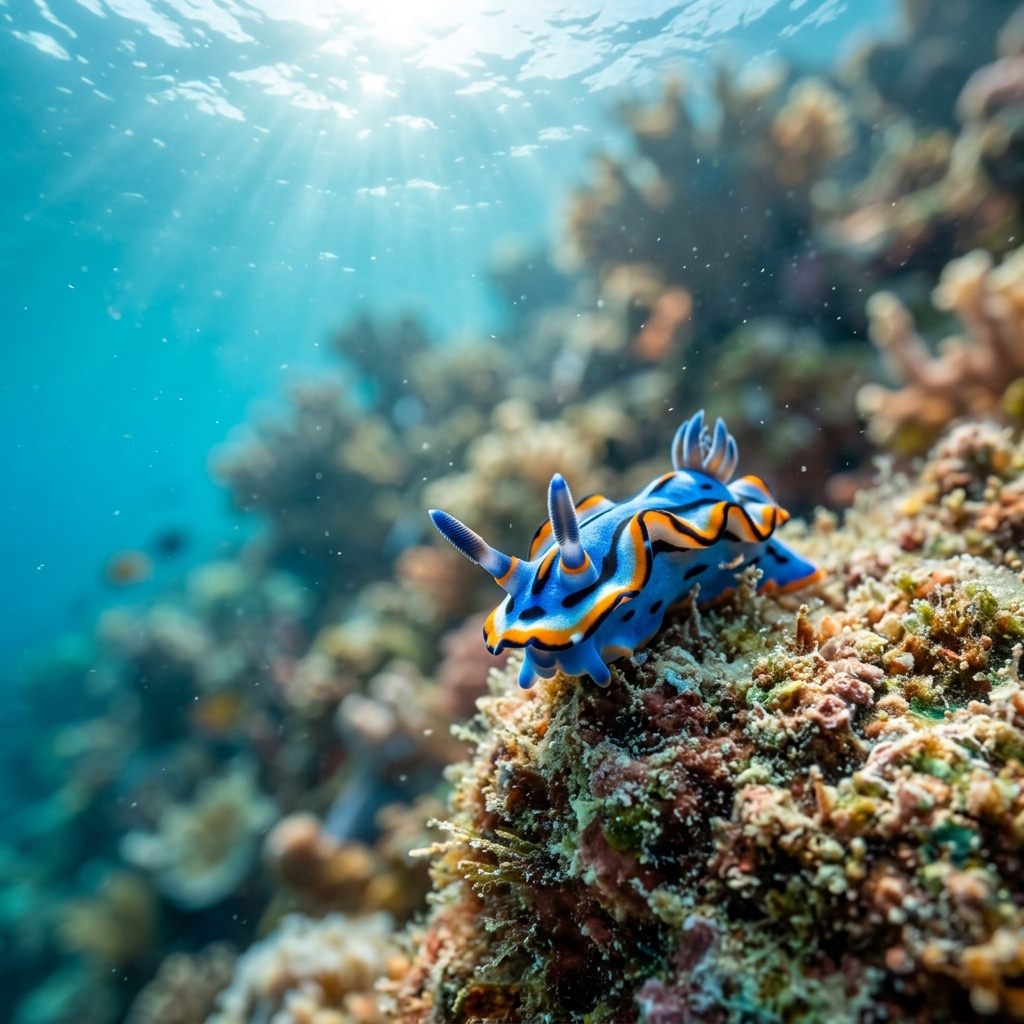
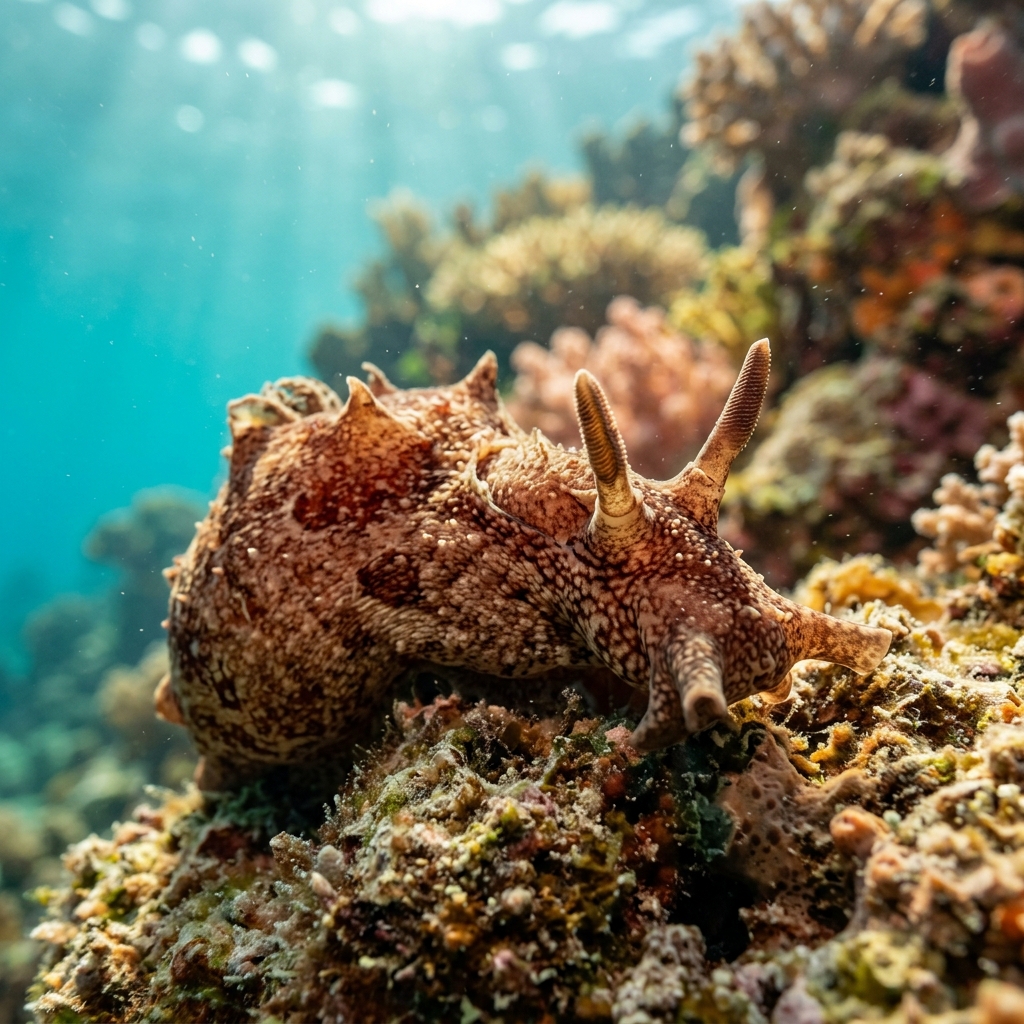
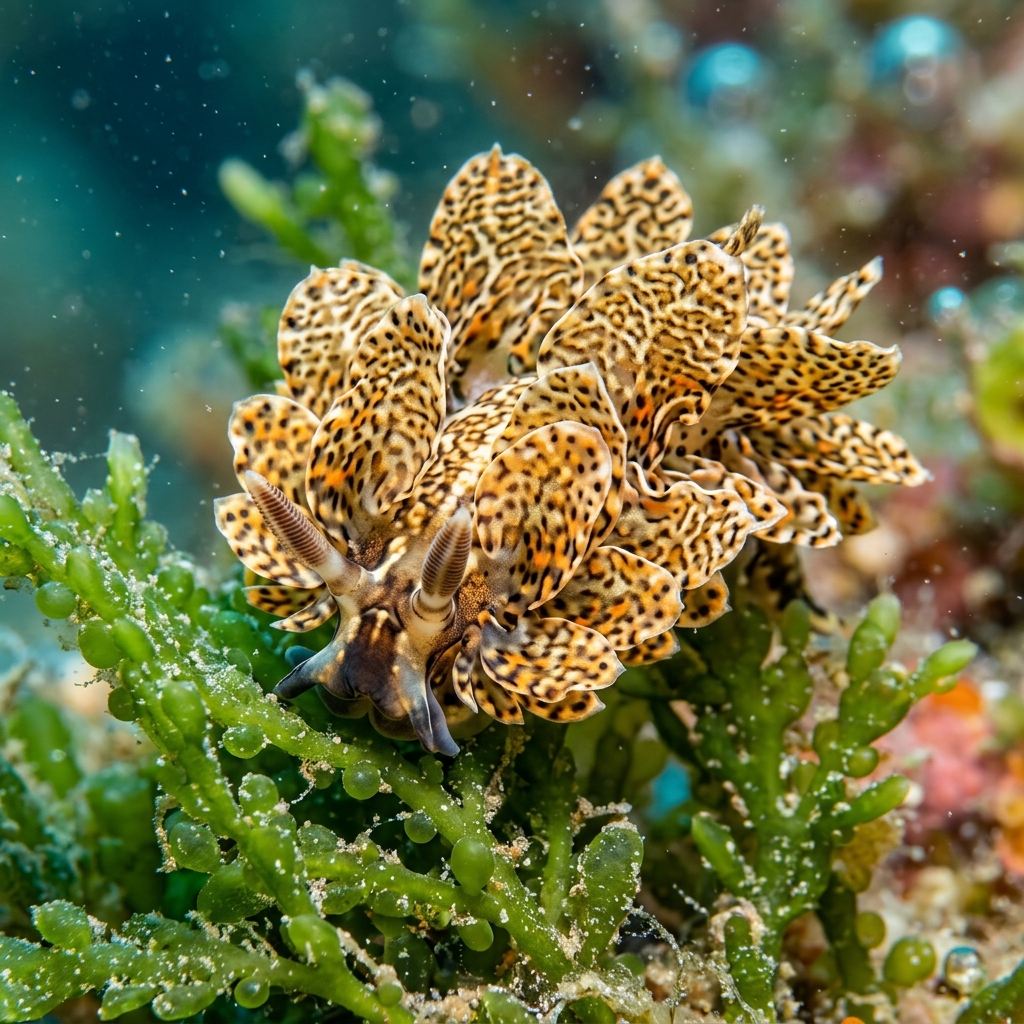
Reef neighbours a diver could mistake it for. Use the identification notes above to tell them apart.
Most sightings come from the Philippines, particularly the Visayas region, both the East & North Visayas and Western Visayas, which together account for the largest share of logged encounters. Indonesia, especially Bali, Lombok, and Java, is another strong bet, and meaningful records also exist from Liuqiu Island in Taiwan and Kwajalein Atoll in the Marshall Islands.
Mapping where Elegant Sapsucking Slug is logged…
The Philippines tops the list, with Visayas East & North and Western Visayas producing the most records. Indonesia's Bali, Lombok, and Java region is another reliable area, and divers have also logged it at Liuqiu Island in Taiwan and Kwajalein Atoll in the Marshall Islands.
There's no defined season in the sighting data, so any time of year is worth trying. It's found in water between roughly 26 and 29 °C, meaning the warm, shallow tropical reefs where it lives suit it year-round.
Look for a small slug covered in flat, leaf-like cerata that are translucent with coloured tips and internal patterning. The cerata are the giveaway, they can look almost like tiny fluttering leaves. It's found on or near the algae it feeds on, usually on rubble or encrusted hard substrate.
It's classed as rare at the vast majority of sites where it has been recorded. Even at its most-visited locations in the Philippines and Indonesia, encounters are infrequent. Slow, careful searches of algae-covered rubble give you the best chance.
Site and sighting data is aggregated from diver logs, iNaturalist and GBIF. For taxonomy and conservation status:
Light-spotted Aegires
3,168 sites