Cephalopholis microprion
Deep red with blue dots, uncommon on Visayas reefs at 26.6-29.1 C, year-round sighting in the Philippines.
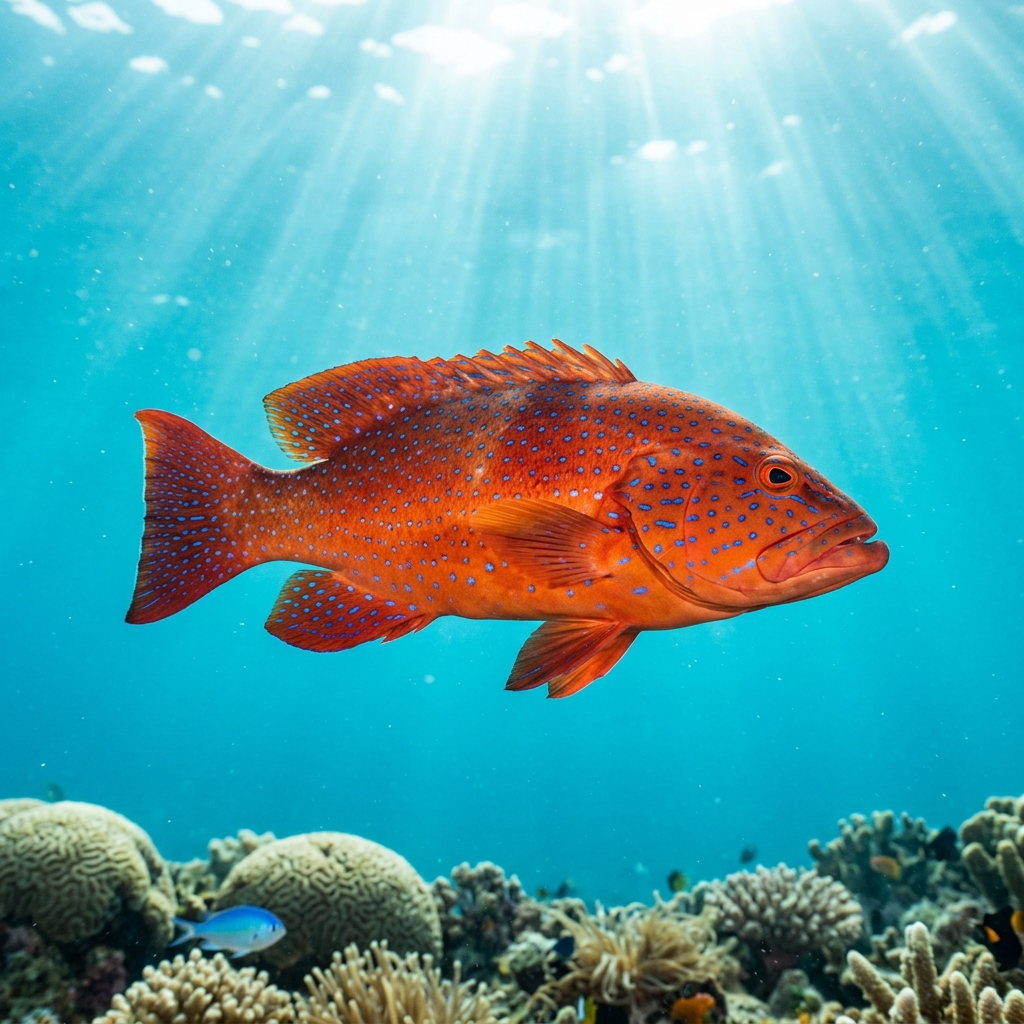
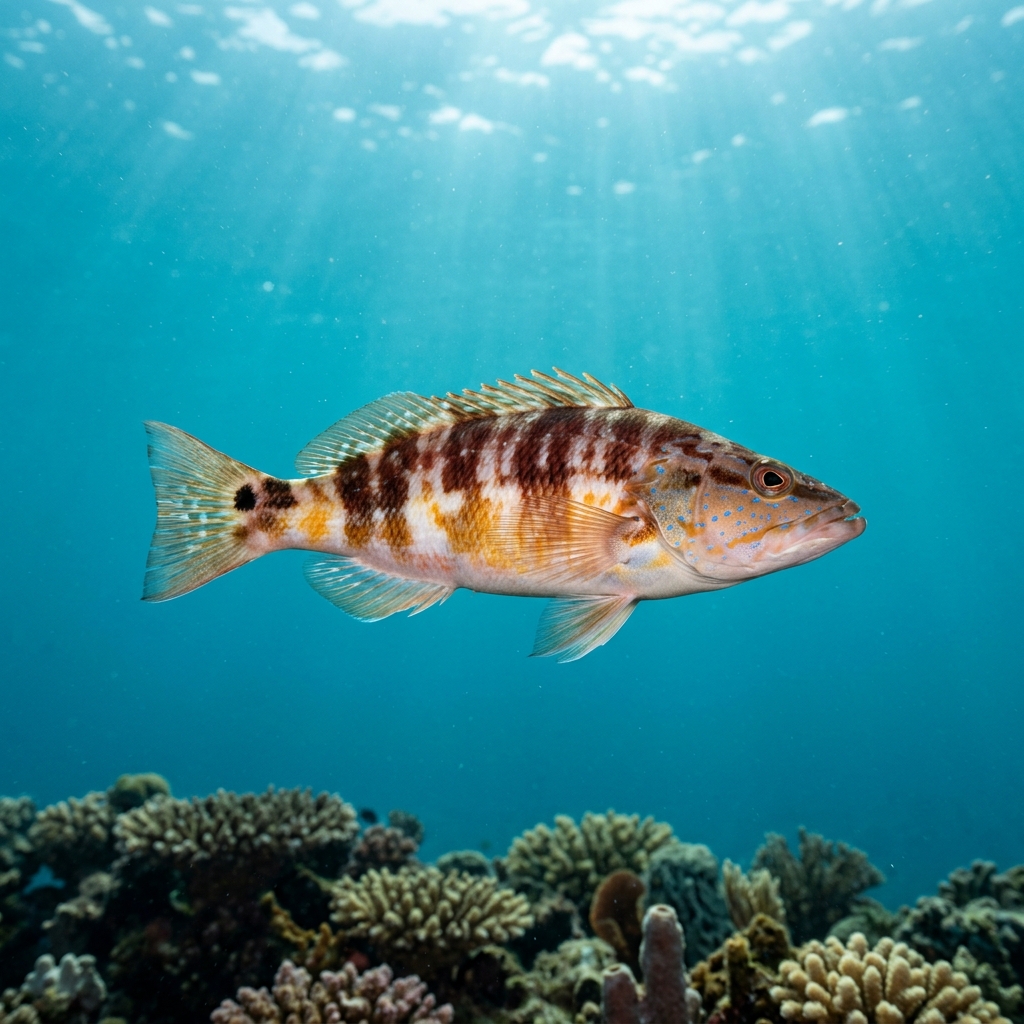
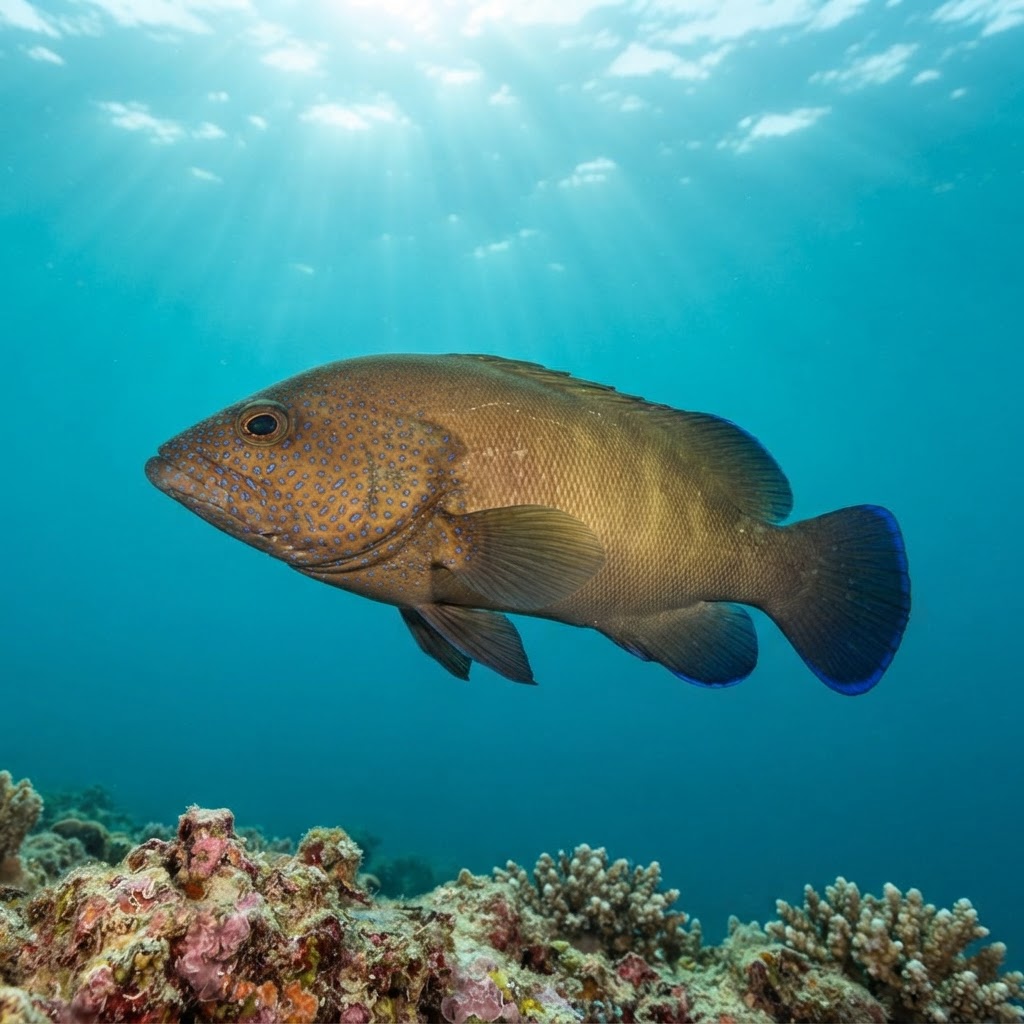
A stocky little grouper that rarely tops 18 cm, easy to overlook against coral rubble until the light catches it: the body is a deep brick-red to maroon, scattered with fine blue spots that run head to tail. It has the classic squat grouper build, big eyes, a slightly upturned mouth, and it tends to hover close to a hole or ledge rather than swim in the open. Look for a dark blotch near the rear of the dorsal fin, a useful marker when the red colouring blends into shadowed reef.
Divers usually find it perched near a coral head or tucked into a crevice, watching the reef rather than actively cruising it, in classic small-grouper ambush-predator style. It is not shy exactly, but it will hold its ground close to cover and dart back in if you approach too fast, so a slow, low approach gets you the best look. Most sightings come from typical daytime reef dives on coral slopes rather than night dives or open water.
Like many groupers in this family, it is a protogynous hermaphrodite, meaning individuals start life as females and some later switch to male as they grow, a trait that shapes how small groups on a reef are structured.
There is no clear seasonal pattern in the sightings, and with a comfortable range of 26.6 to 29.1 C it is present on tropical reefs year-round. Any month works for a Philippine reef trip if you are hoping to tick this one off.
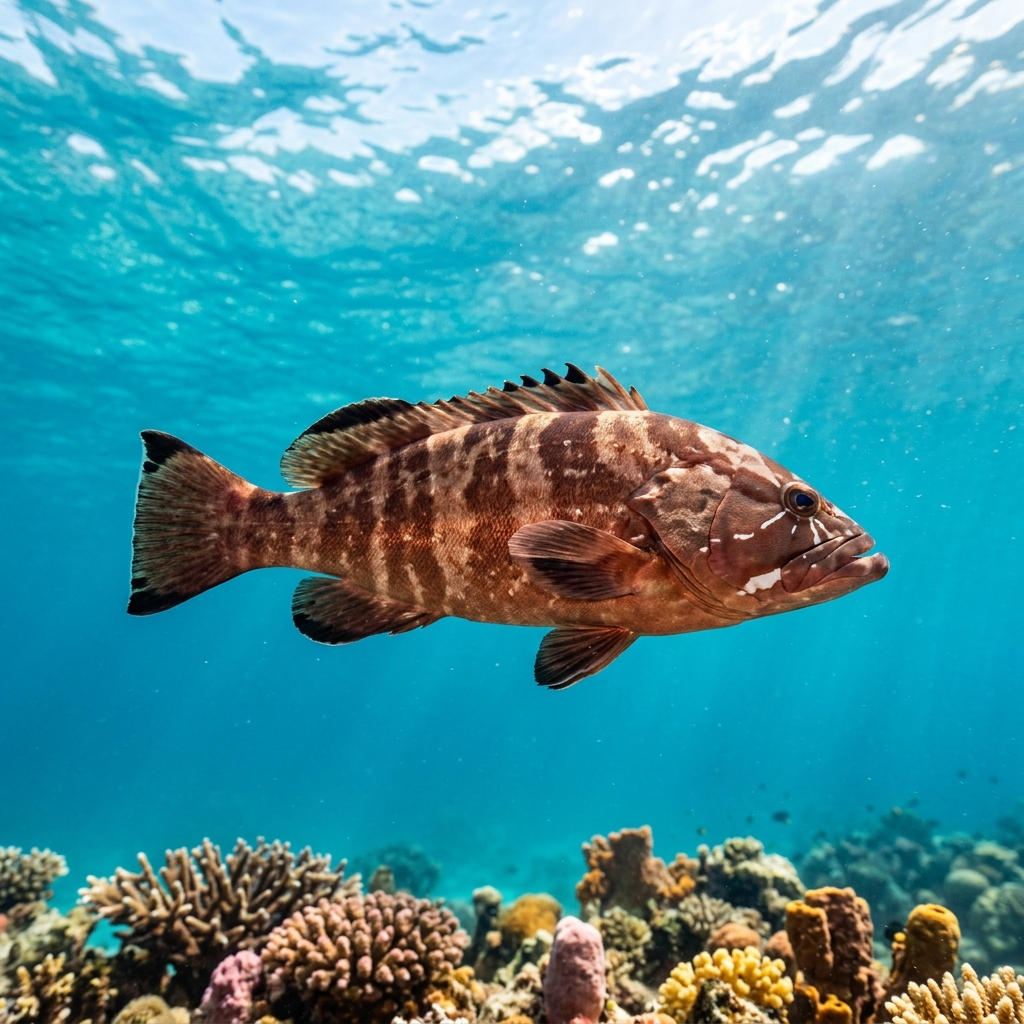
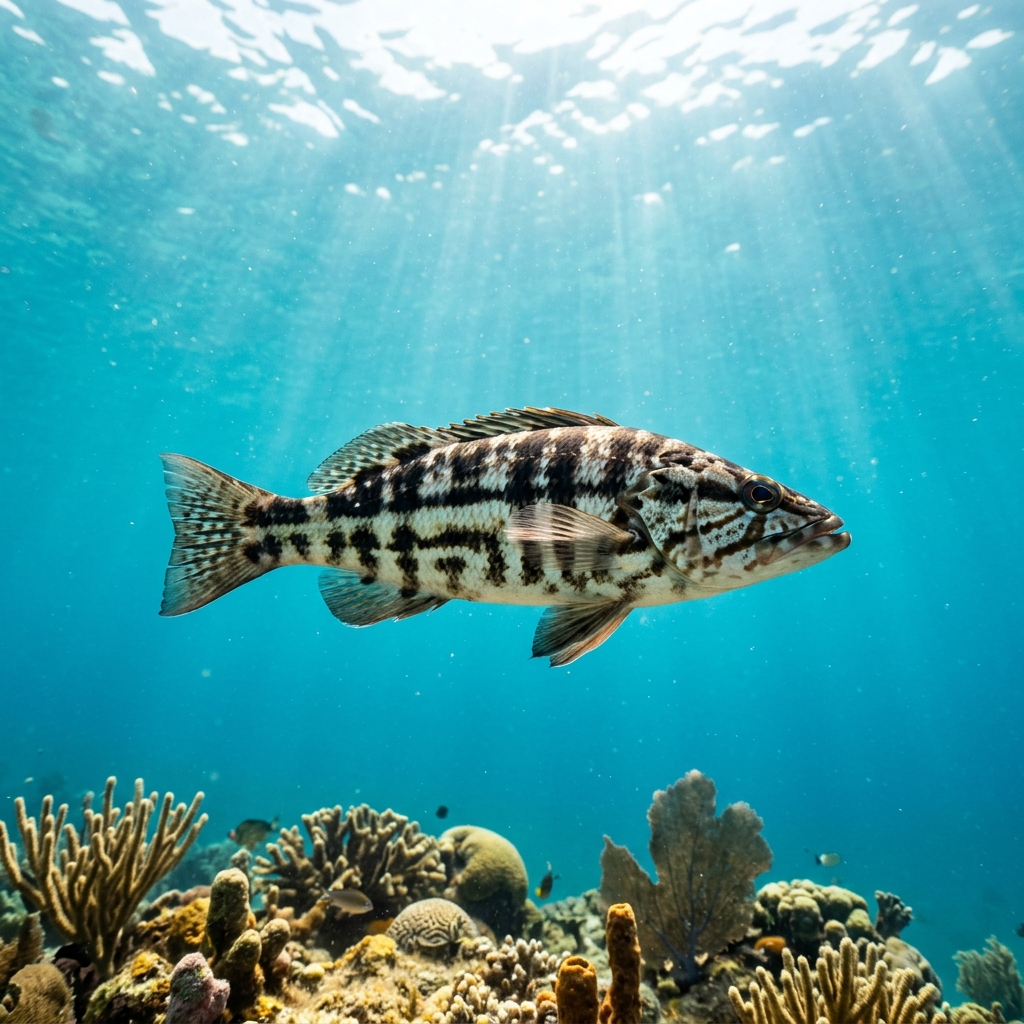
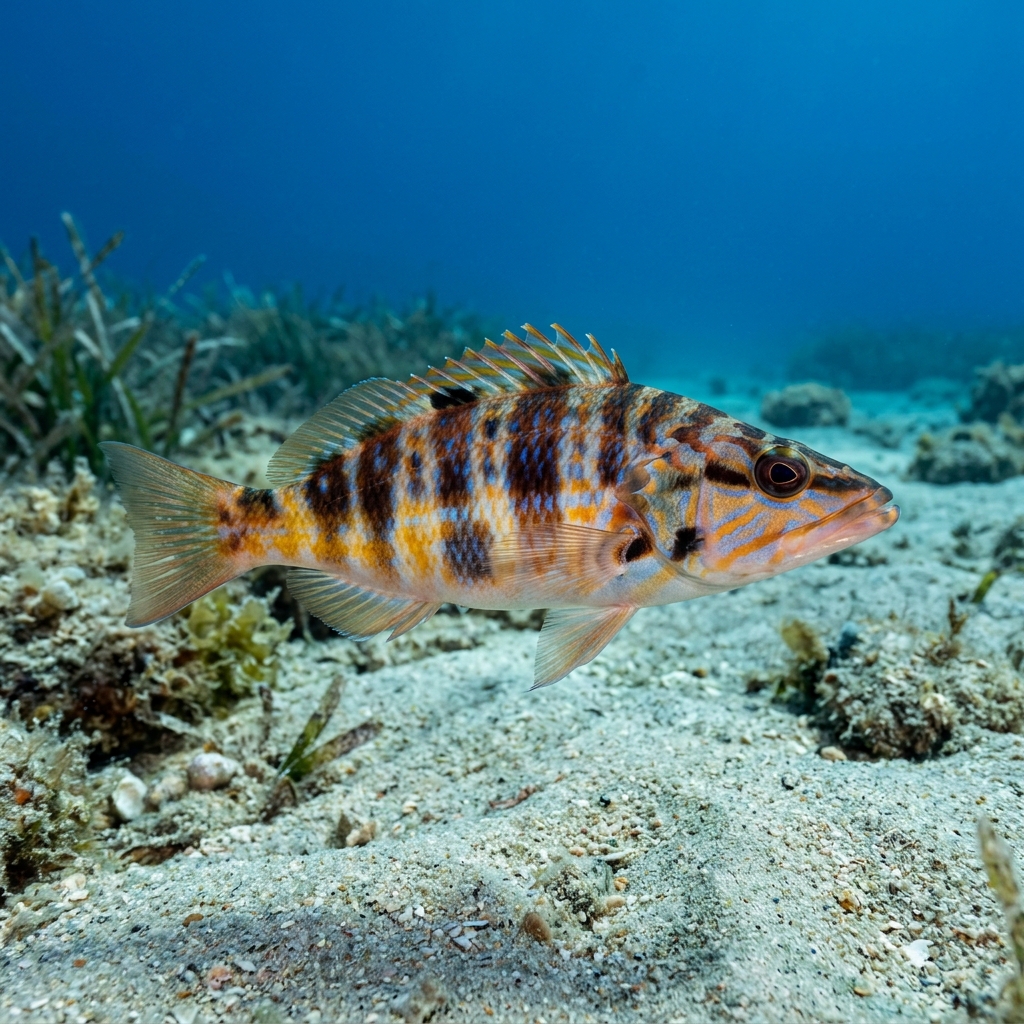
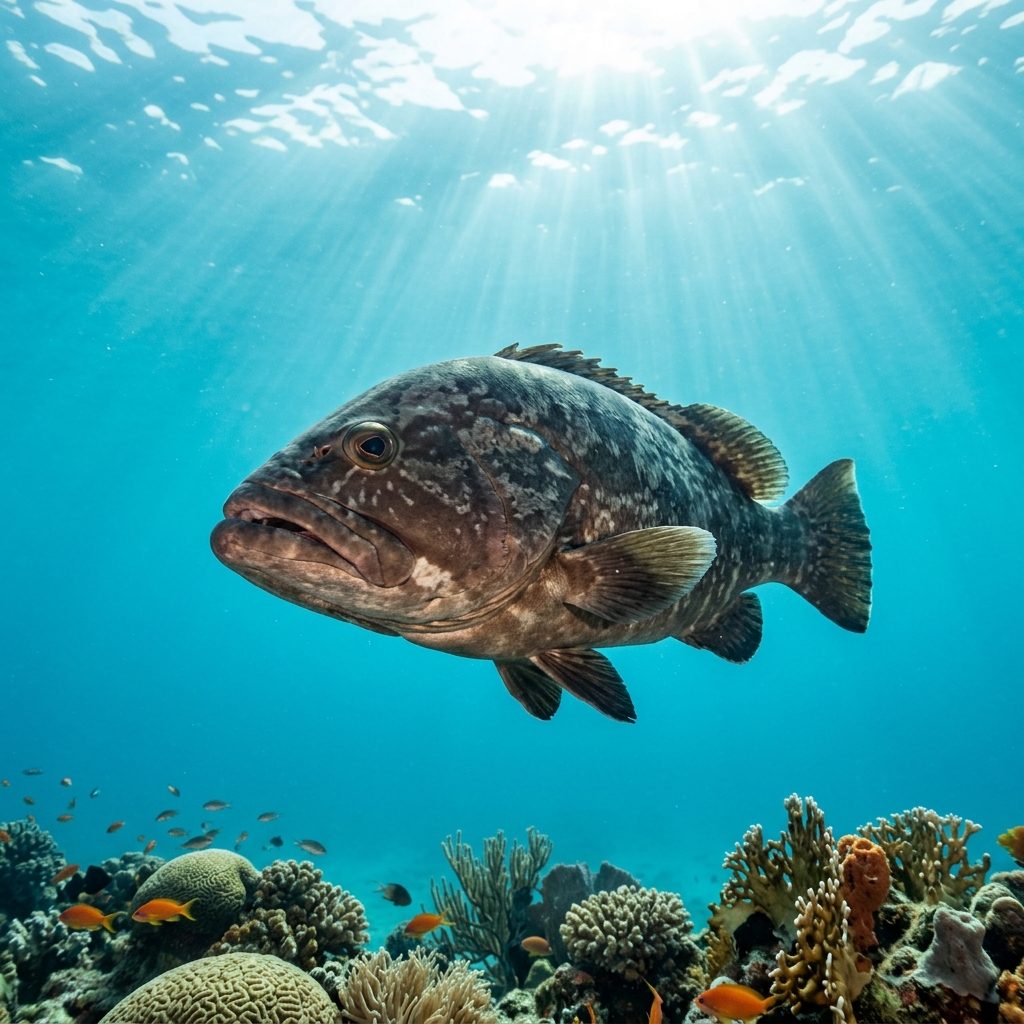
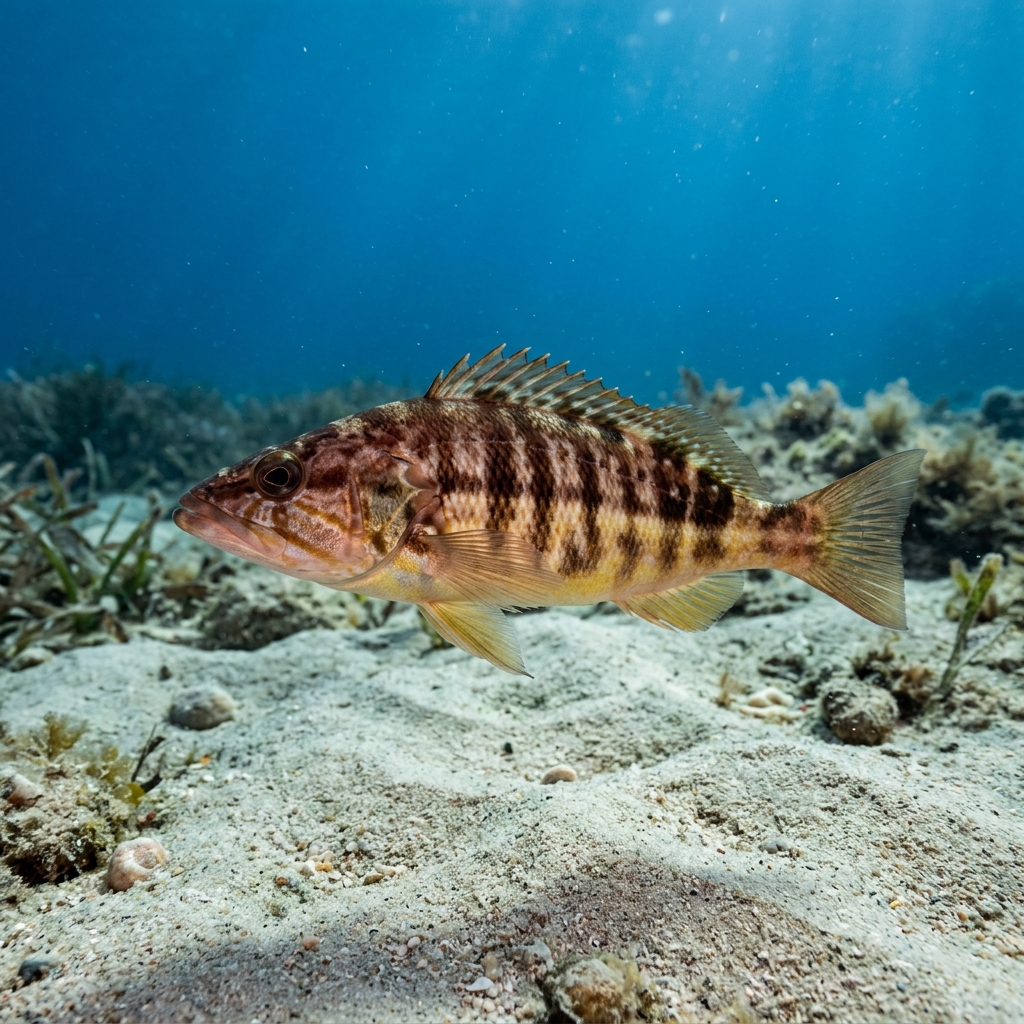
Reef neighbours a diver could mistake it for. Use the identification notes above to tell them apart.
This one is most reliably logged in the Philippines, especially across the Visayas and in Palawan, where it turns up on coral-rich sites in good numbers. Sightings also come from Sulawesi in Indonesia, Sabah in Malaysia, and Espiritu Santo in Vanuatu, so it has a wider Indo-Pacific spread even though the bulk of logged encounters sit in the Philippines.
Mapping where Coral Cod is logged…
The Philippines is the strongest spot for this species, particularly reefs across the Visayas and Palawan. Smaller numbers have also been logged in Sulawesi, Sabah, and Espiritu Santo, so it ranges more widely through the Indo-Pacific.
There is no strong seasonal signal in the sightings, and it favours warm water between roughly 26.6 and 29.1 C, so it is around on tropical reefs throughout the year rather than tied to a particular season.
Look for a small, stocky grouper around 18 cm, deep red to maroon with fine blue spots scattered over the body, often resting near a hole or coral ledge rather than swimming in open water. A dark mark toward the rear of the dorsal fin helps confirm it.
They stay small for a grouper, typically topping out around 18 cm, which keeps them close to shelter on the reef rather than out in open water like their larger relatives.
Yes, it follows the common grouper pattern of starting life as female, with some individuals changing to male as they mature, which shapes the social structure seen on the reef.
Site and sighting data is aggregated from diver logs, iNaturalist and GBIF. For taxonomy and conservation status:
Blacktip Grouper
2,726 sites