Coris picta
Uncommon reef find off New South Wales and North Island NZ, in mild 19-24C water, mostly year-round.
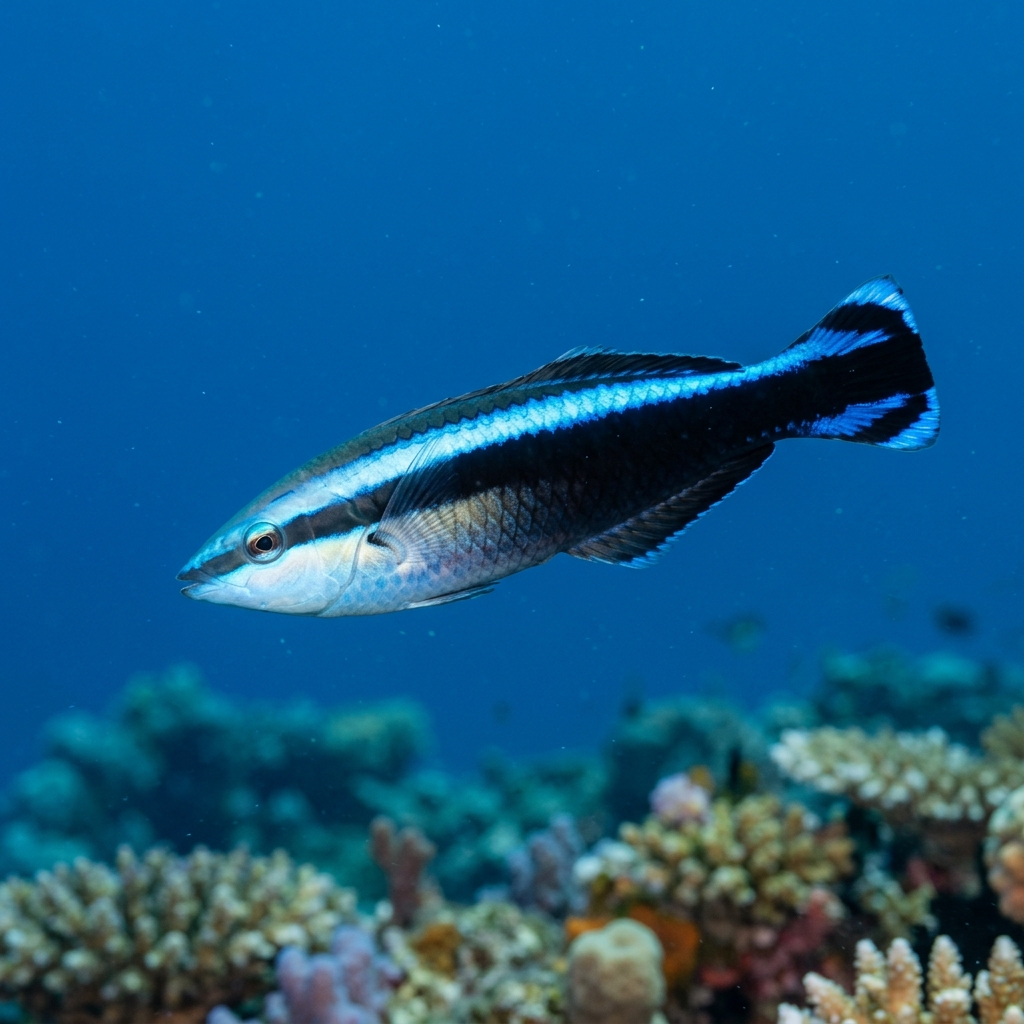
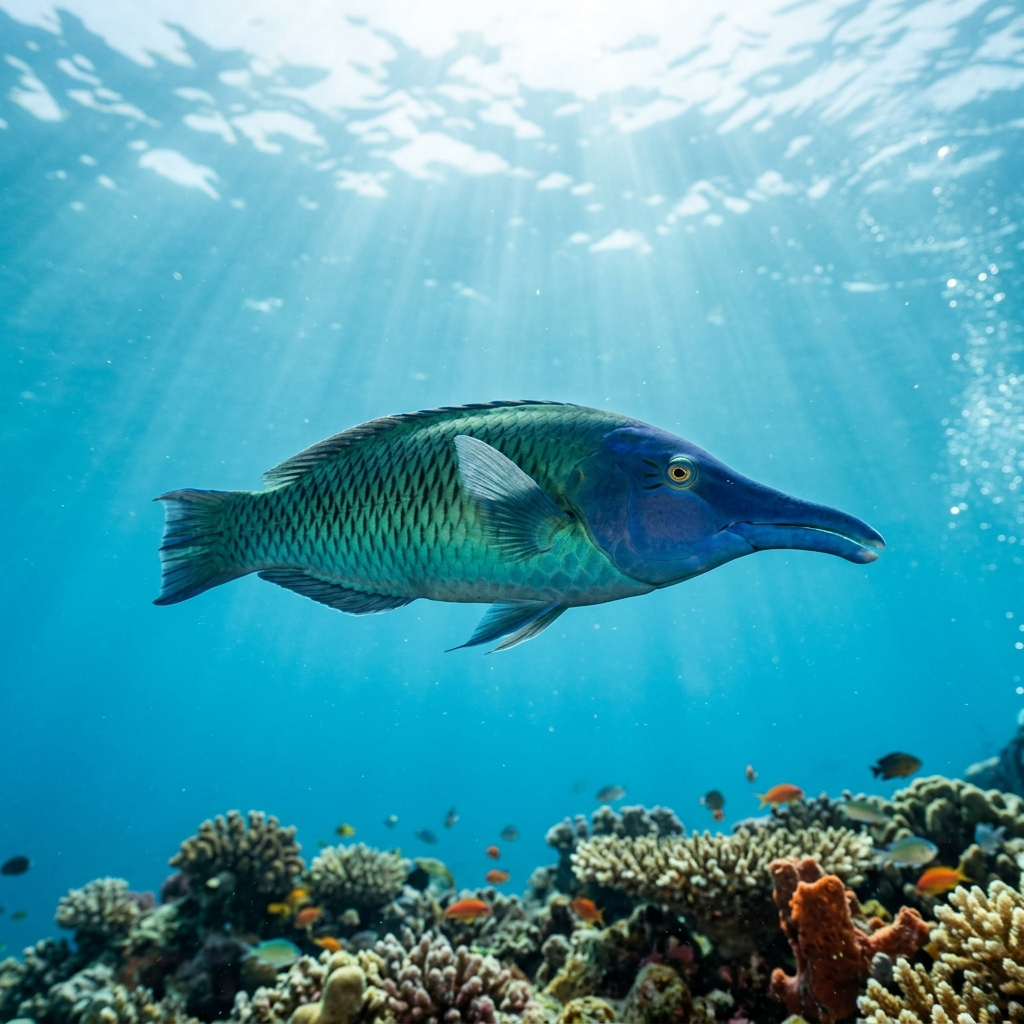
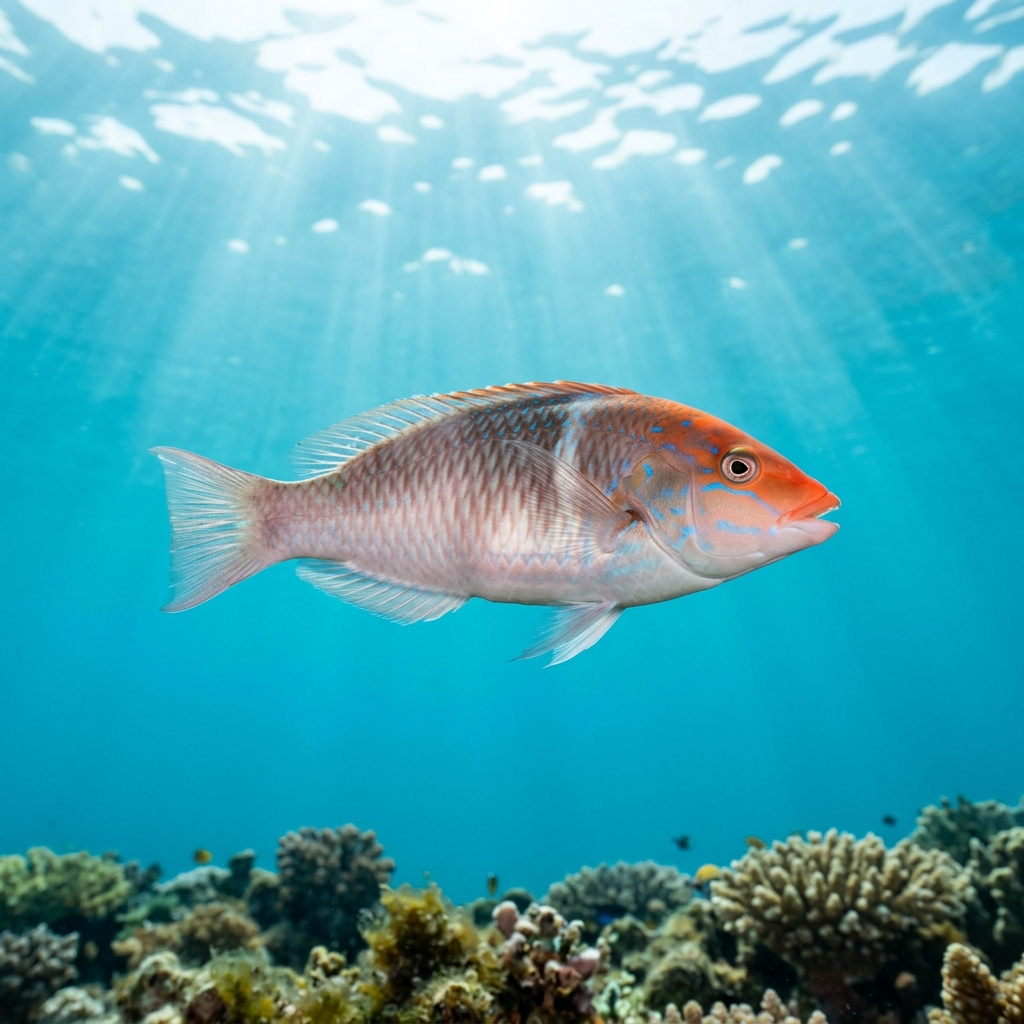
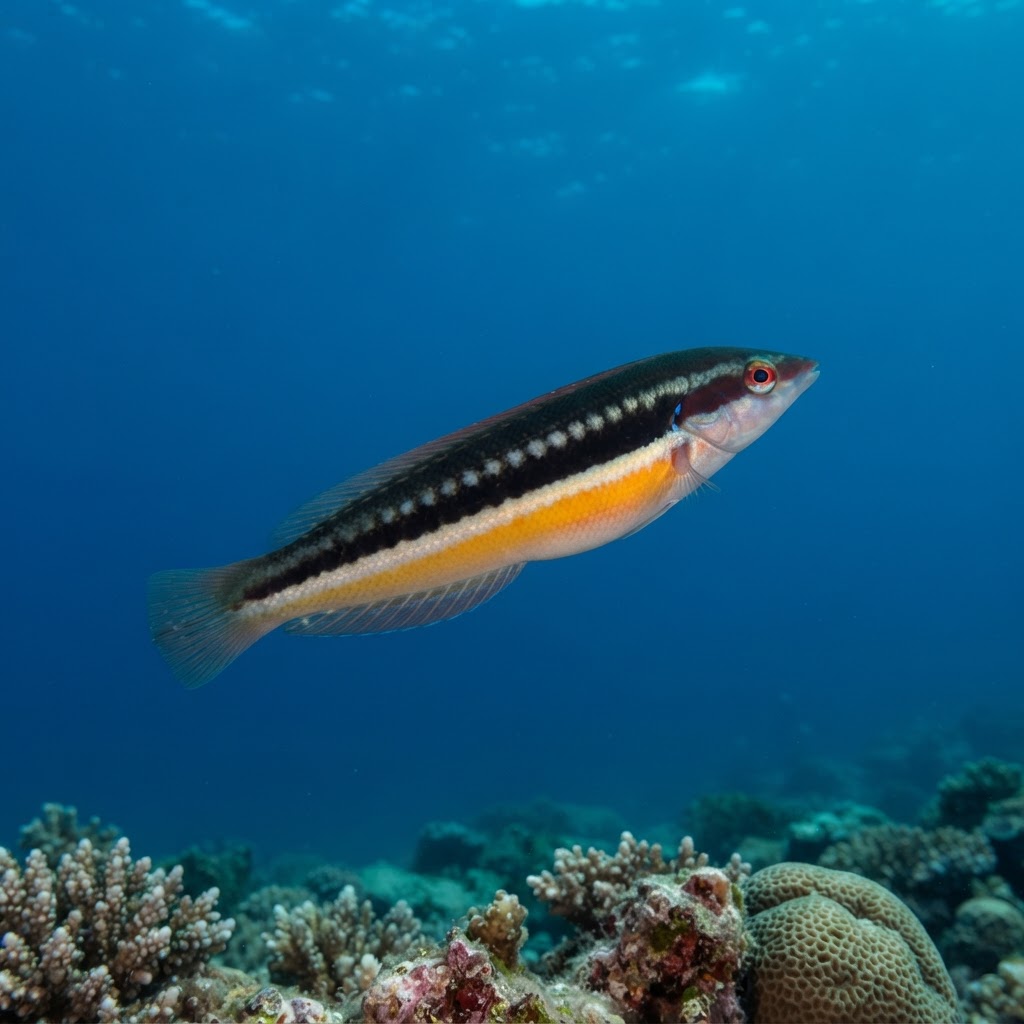
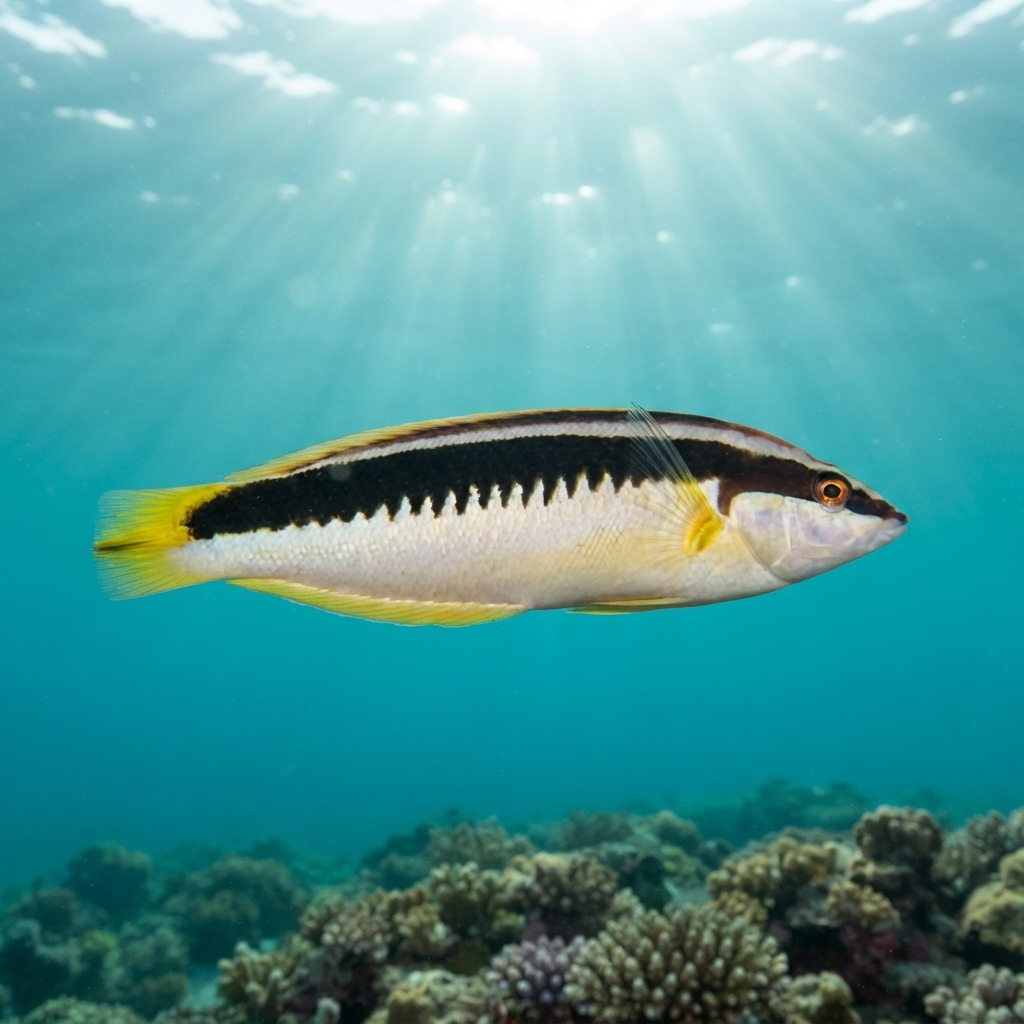
Slender, torpedo-shaped body reaching around 17 cm, with the fine longitudinal stripes and pointed snout typical of small temperate wrasses. Watch for quick, darting swimming close to the reef rather than open water, and a generally slim profile that separates it from the bulkier grouper-type wrasses it sometimes gets lumped in with. Colouring is subtle rather than flashy, so it is easy to overlook among rock and weed unless you slow down and scan crevices.
Divers typically find it working low over reef structure, picking around rock and rubble rather than schooling in open water. It is generally unbothered by divers, continuing to forage as you pass, which makes for an easy, unhurried look if you spot one. Most logs describe it as an uncommon but steady presence rather than something that turns up in numbers.
Like many wrasses it is a diurnal forager that spends its day picking small invertebrates off the reef surface, only settling down once the light fades.
Sightings show no strong seasonal pattern, and with a comfortable range of about 19 to 24C it turns up on New South Wales and North Island reefs across the year rather than in one tight window.
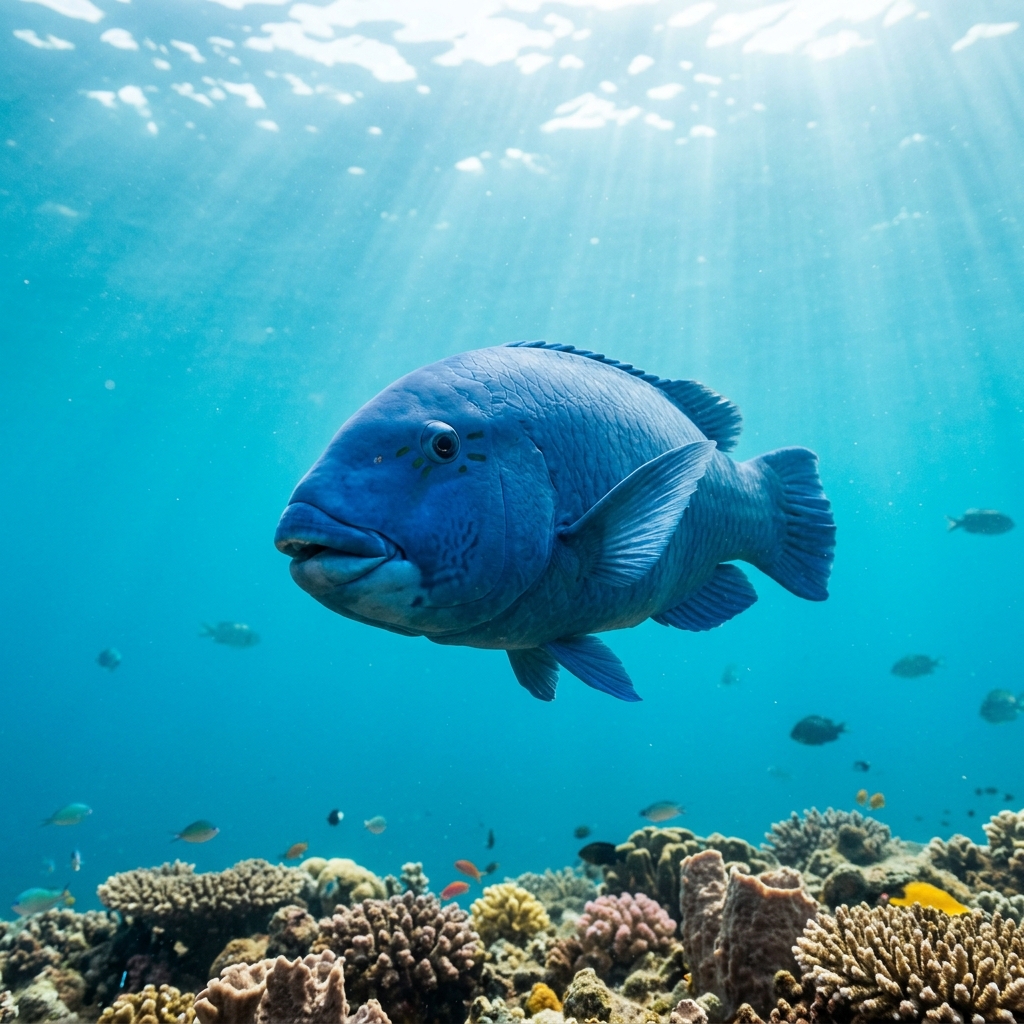
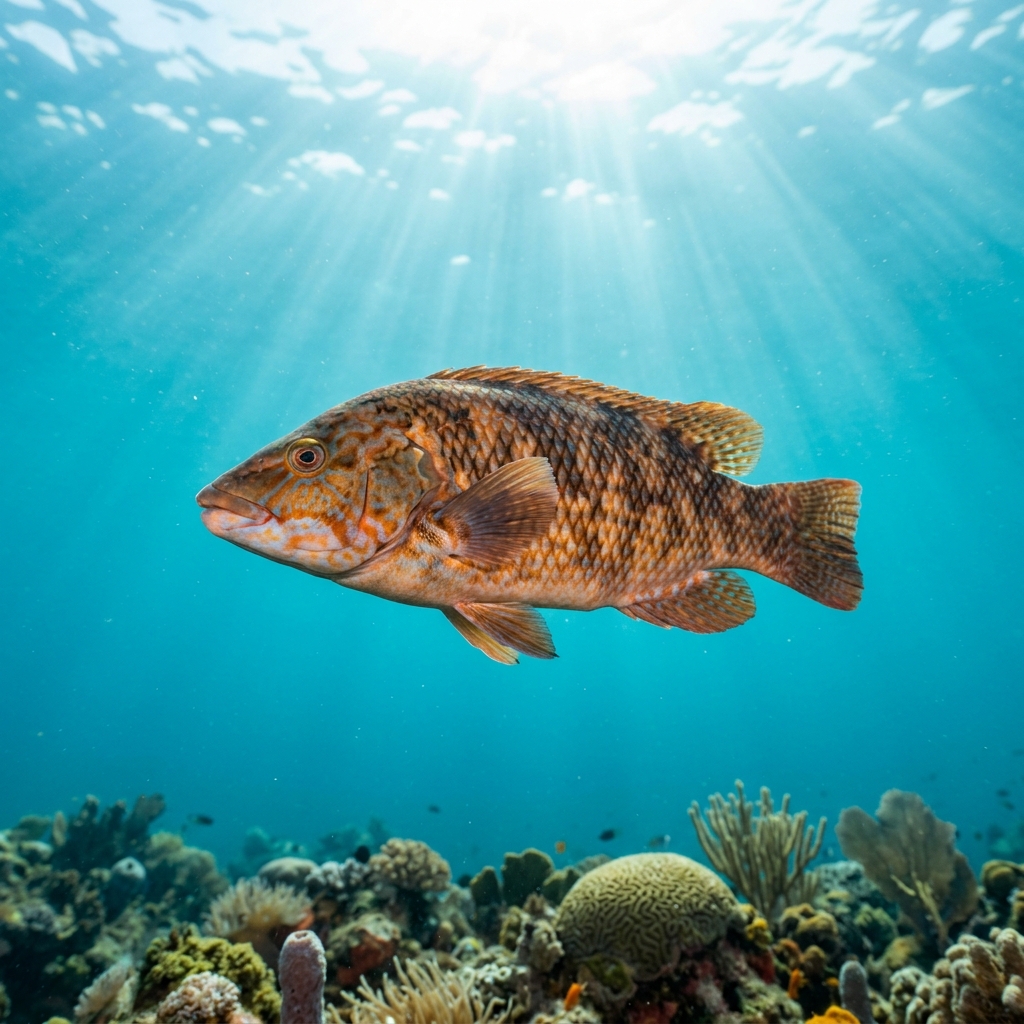
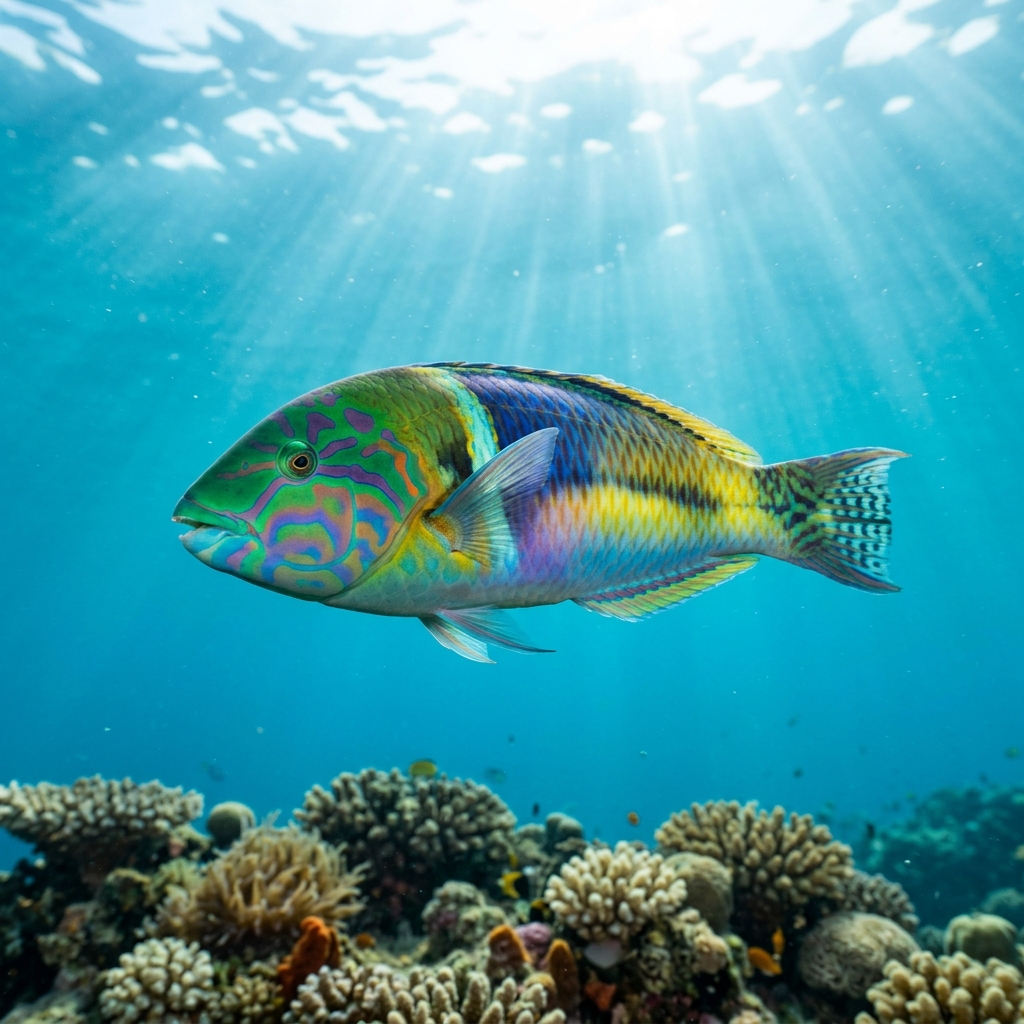
Reef neighbours a diver could mistake it for. Use the identification notes above to tell them apart.
This one is most reliably logged along New South Wales in Australia, where the bulk of sightings come from, with a smaller but consistent presence around North Island in New Zealand. A handful of records also come from Norfolk Island, making it worth a look on temperate reef dives anywhere in that part of the southwest Pacific.
Mapping where Comb Wrasse is logged…
The strongest populations are along New South Wales in Australia, with a reliable secondary presence around North Island in New Zealand. Norfolk Island also has confirmed sightings, though in smaller numbers.
There is no clear seasonal pattern in the sightings, so it is considered a year-round find on New South Wales and North Island reefs within its usual 19 to 24C comfort range.
Look for a slim, striped, torpedo-bodied wrasse around 17 cm, darting close to rock and reef rather than swimming in open water. Its subtle colouring means it is often spotted only when you slow down and check crevices closely.
They typically reach about 17 cm, making them a small, easily overlooked reef wrasse rather than a showpiece fish.
No, they pose no danger to divers and are generally unbothered by a calm, close approach.
It is logged as uncommon at most sites where it occurs, so it is not guaranteed on every dive, but it is common enough at some New South Wales sites to be a realistic target if you search low reef structure.
Site and sighting data is aggregated from diver logs, iNaturalist and GBIF. For taxonomy and conservation status:
Bird Wrasses
3,632 sites