Scolopsis ciliata
Silvery reef fish with a dark shoulder spot, most often logged around Sabah, Malaysia and Koh Chang, Thailand in warm 26-29C water.
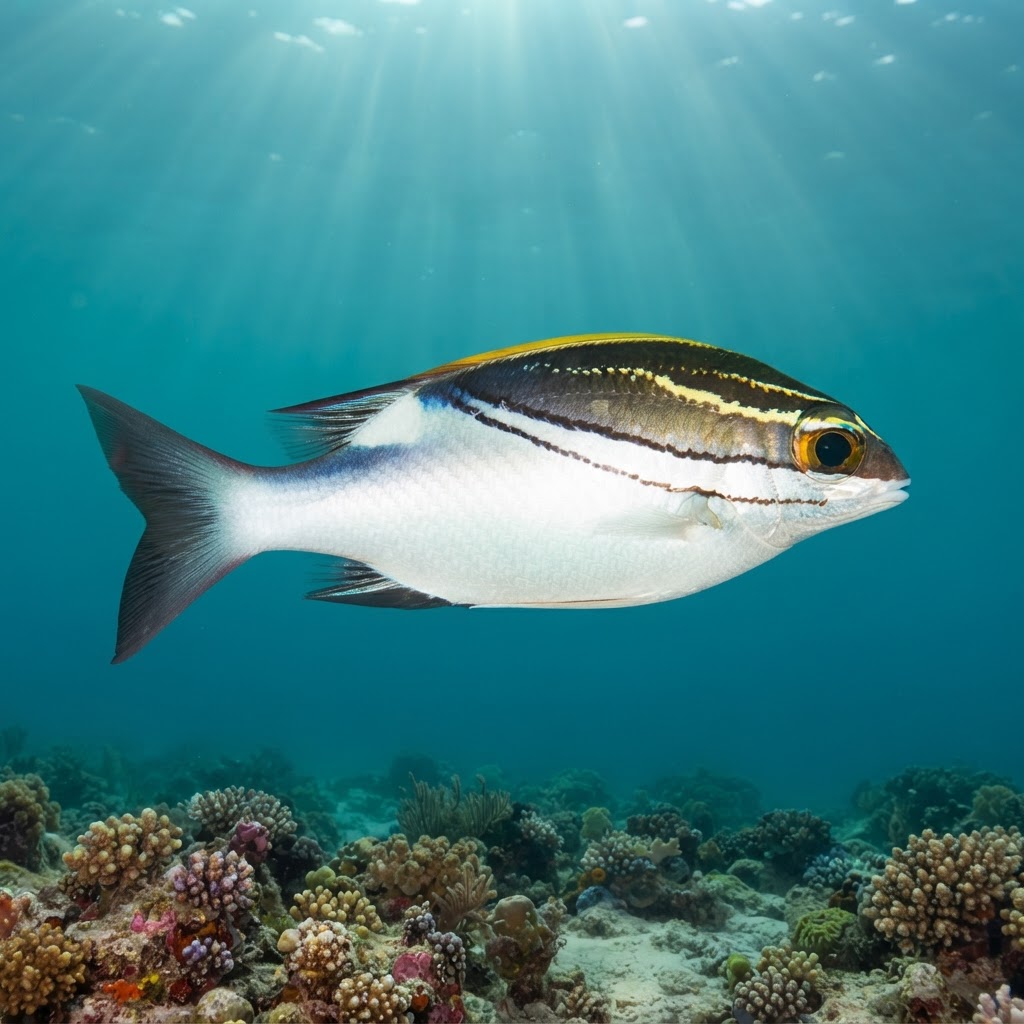
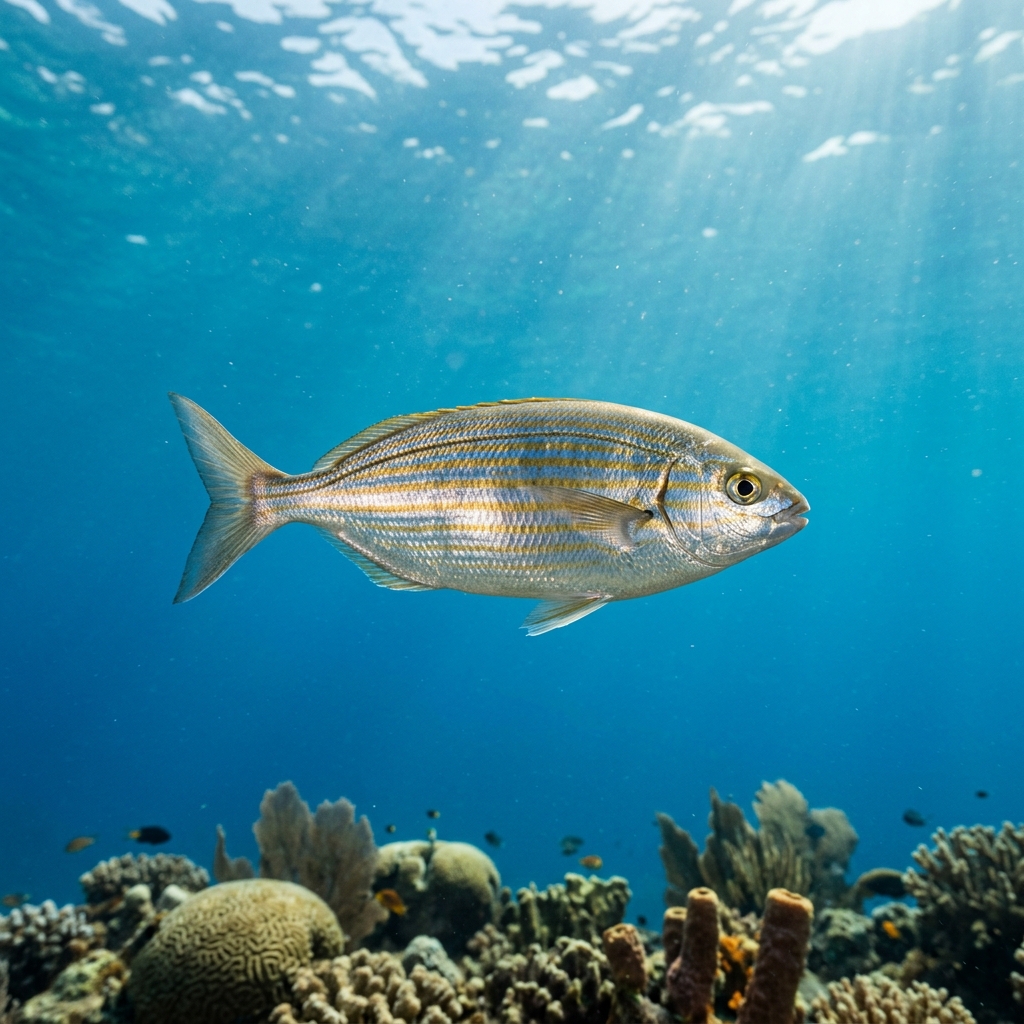
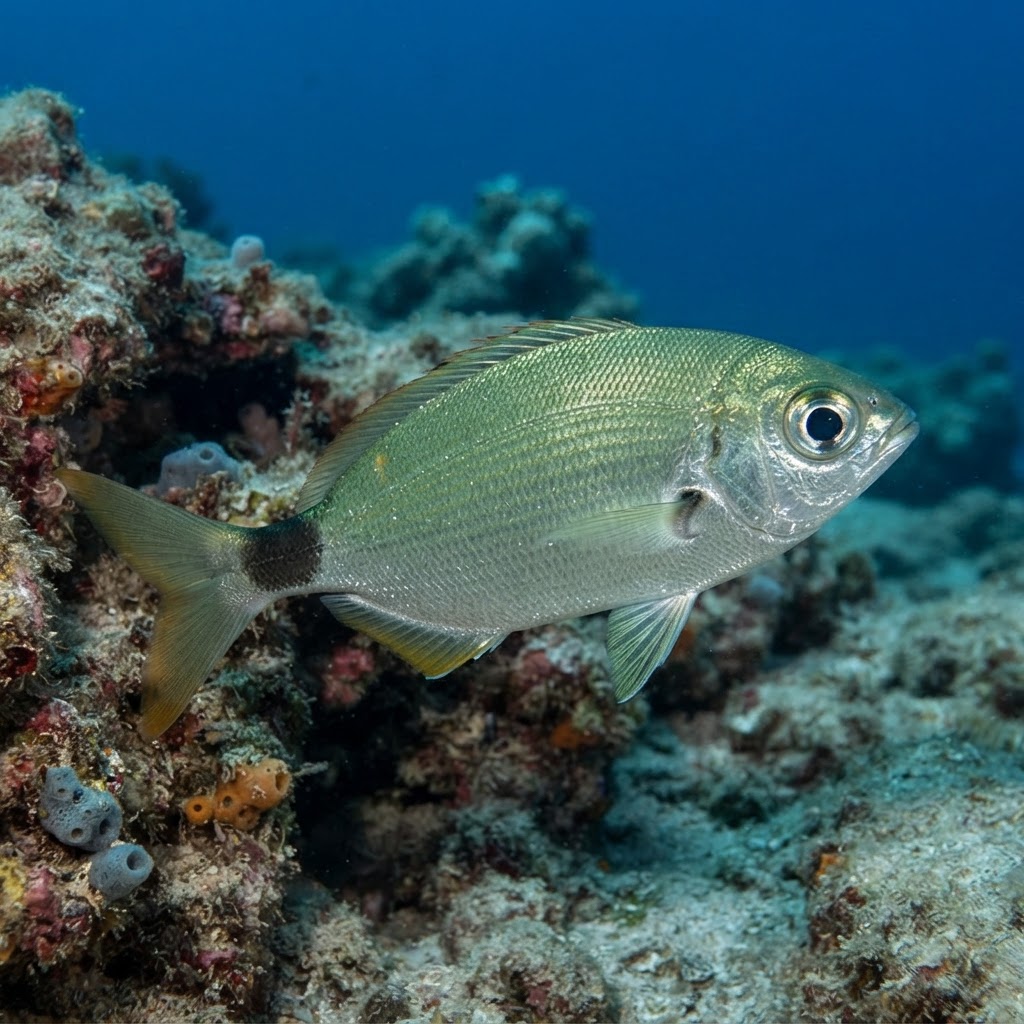
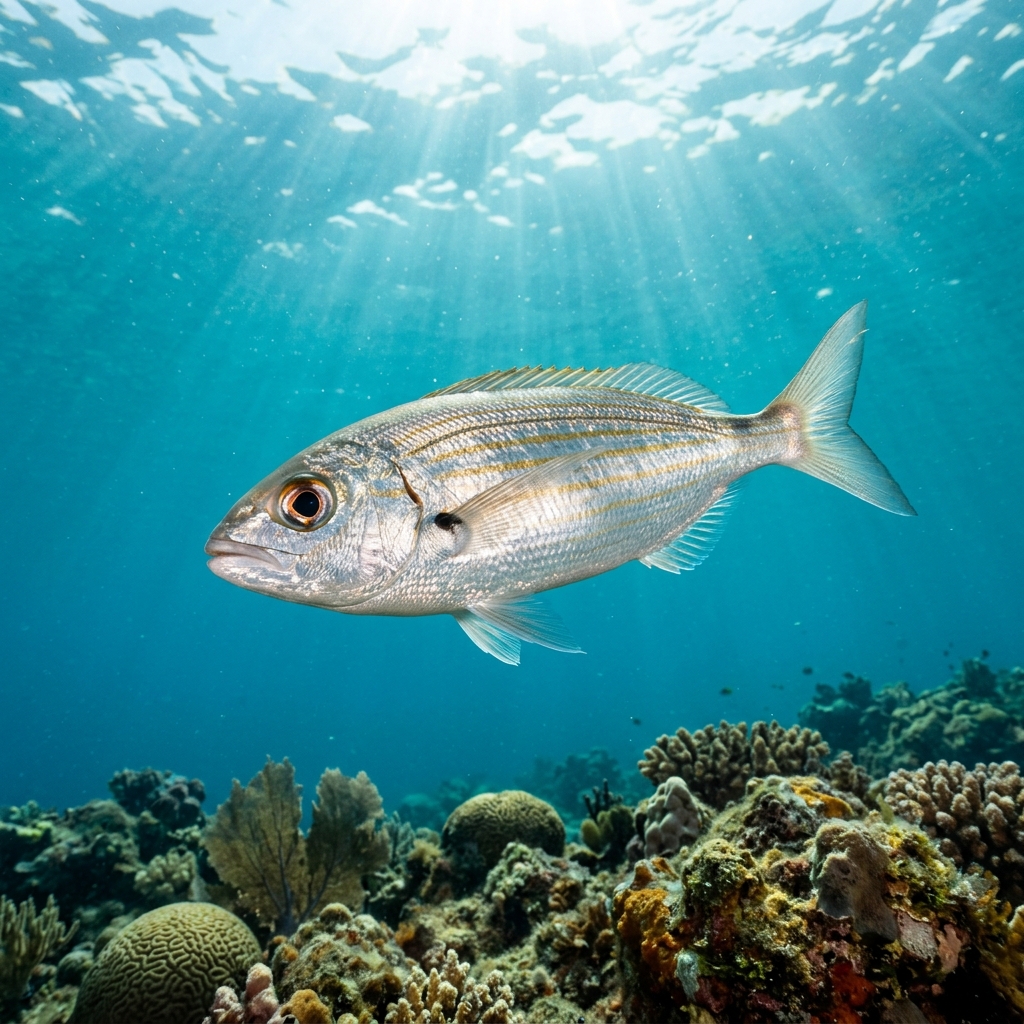
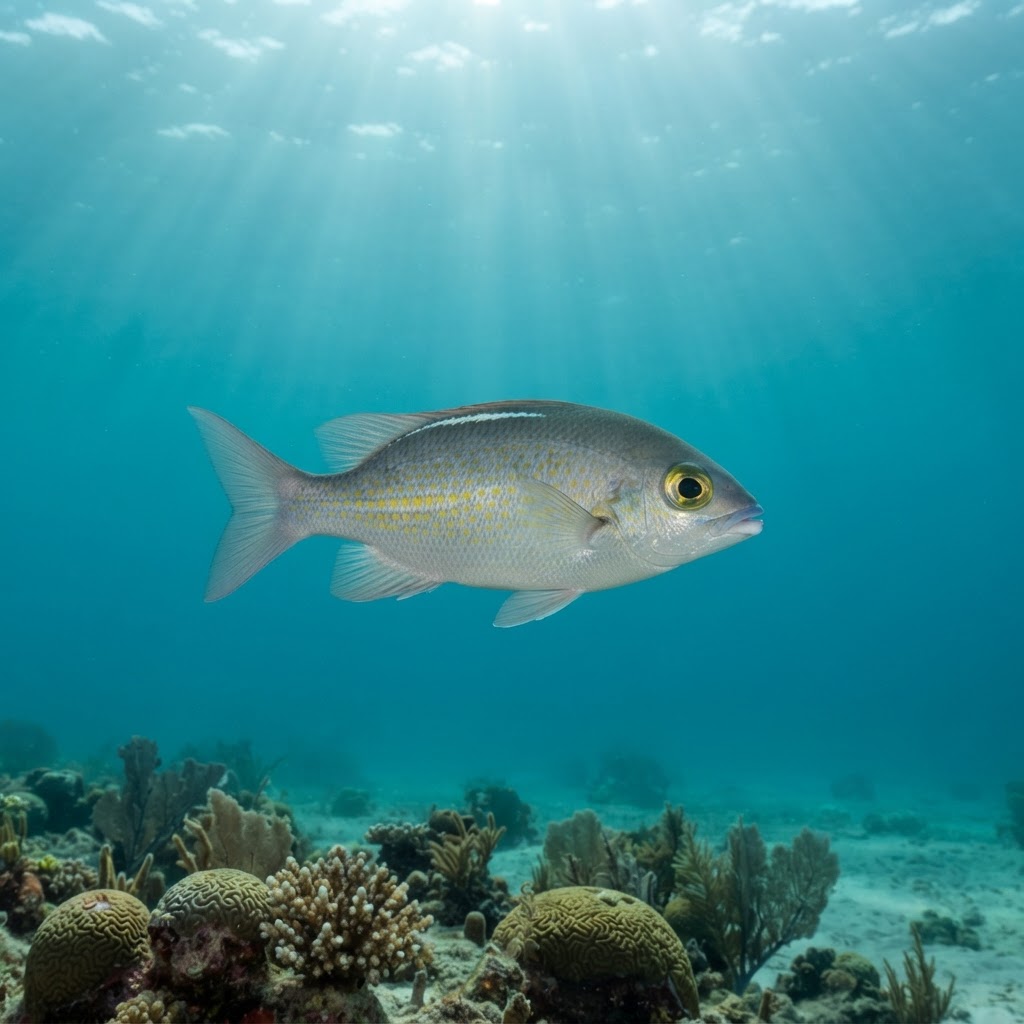
A slim, silvery fish around 17 cm with a pointed snout and a dark blotch sitting just behind the gill cover, roughly at shoulder height. Fine horizontal lines run along the flanks, and the fins are pale to faintly yellow with no bold banding. It's often seen alone or in loose pairs hovering just off the reef rather than tucked into it.
Usually spotted cruising slowly over sand patches or rubble edges next to the reef, picking at small invertebrates rather than schooling in open water. It tends to keep a bit of distance from divers but doesn't dart for cover the way some reef fish do, making it an easy, unhurried subject for a photo. Sightings are most often single fish or loose pairs rather than groups.
Despite the name, the 'spinecheek' feature (a small spine hidden under the eye) is rarely visible on a casual dive; the shoulder blotch is the far more reliable field mark.
No clear seasonal pattern shows up in the data, so treat it as a year-round sighting on tropical reefs; it's consistently logged in water between 26.3 and 29.3C, which holds steady across the year in its core Southeast Asian range.
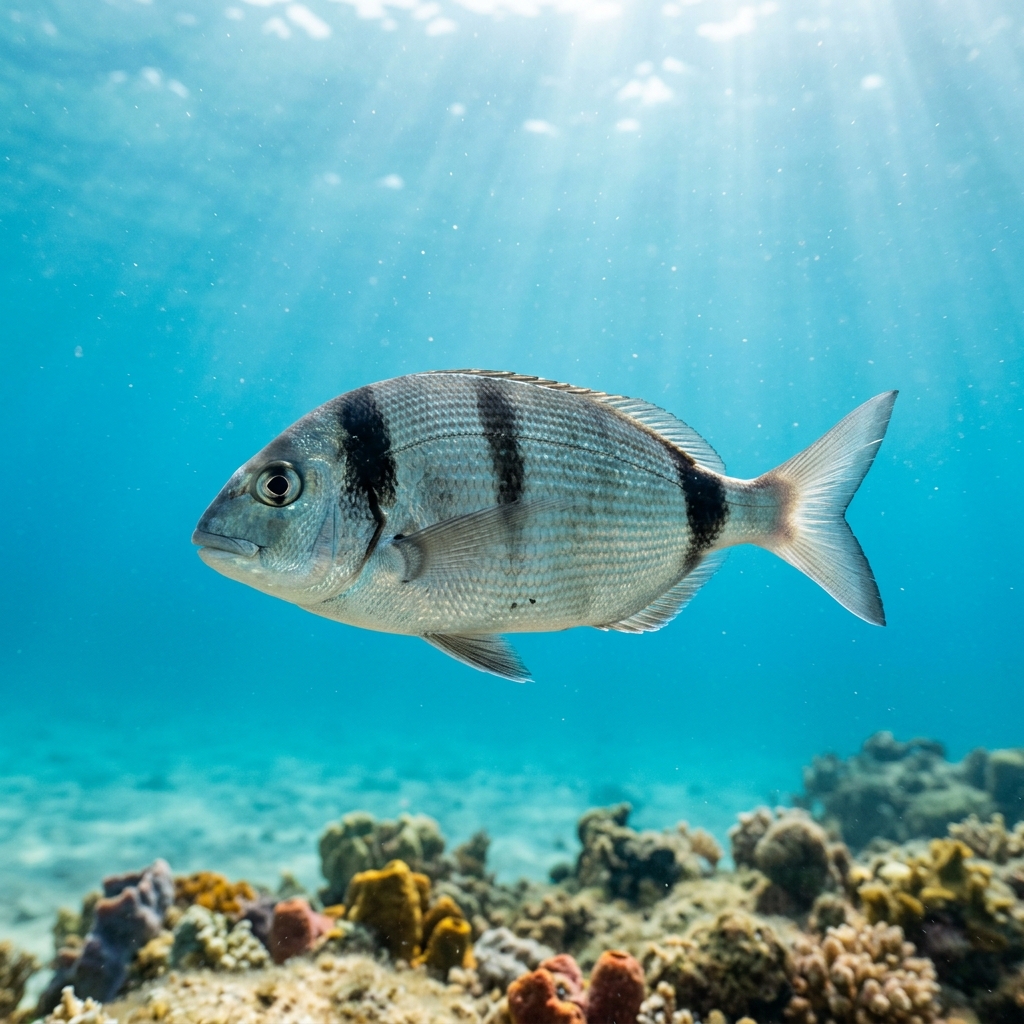
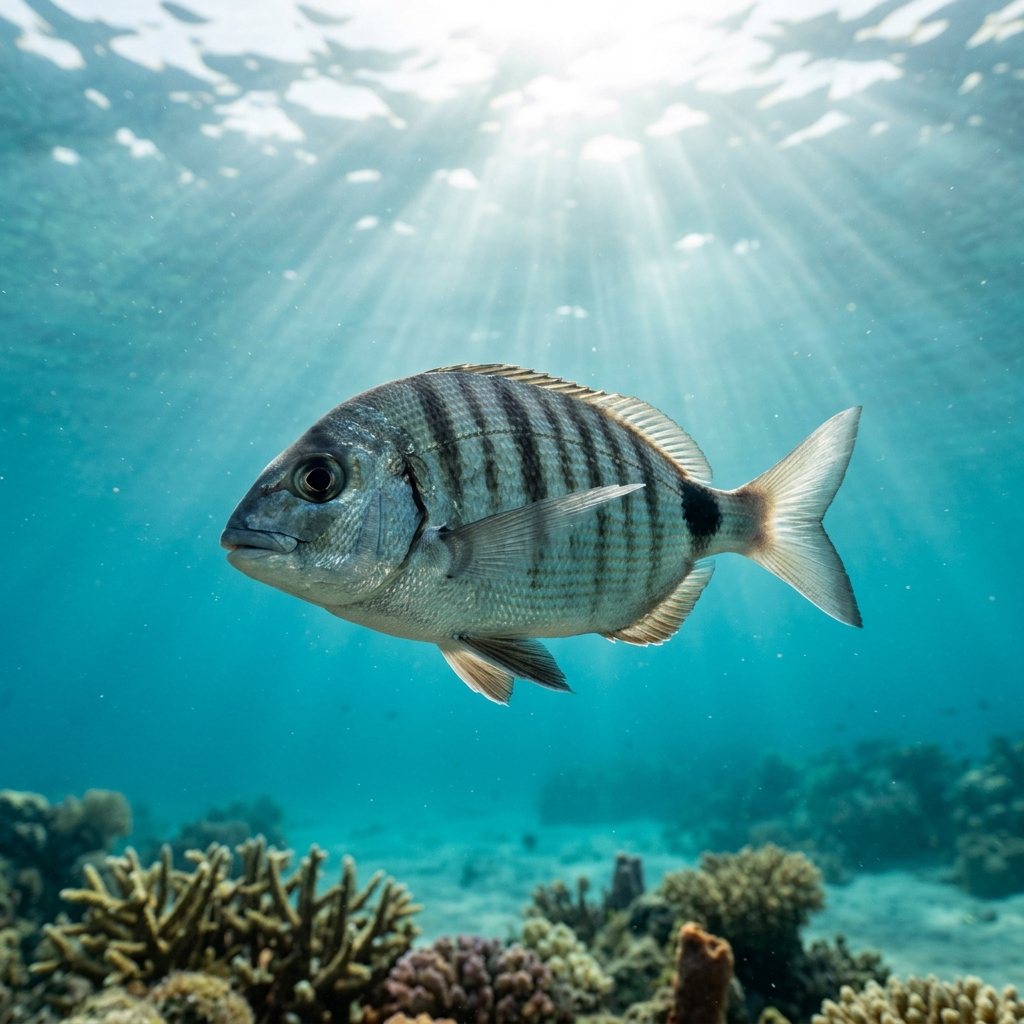
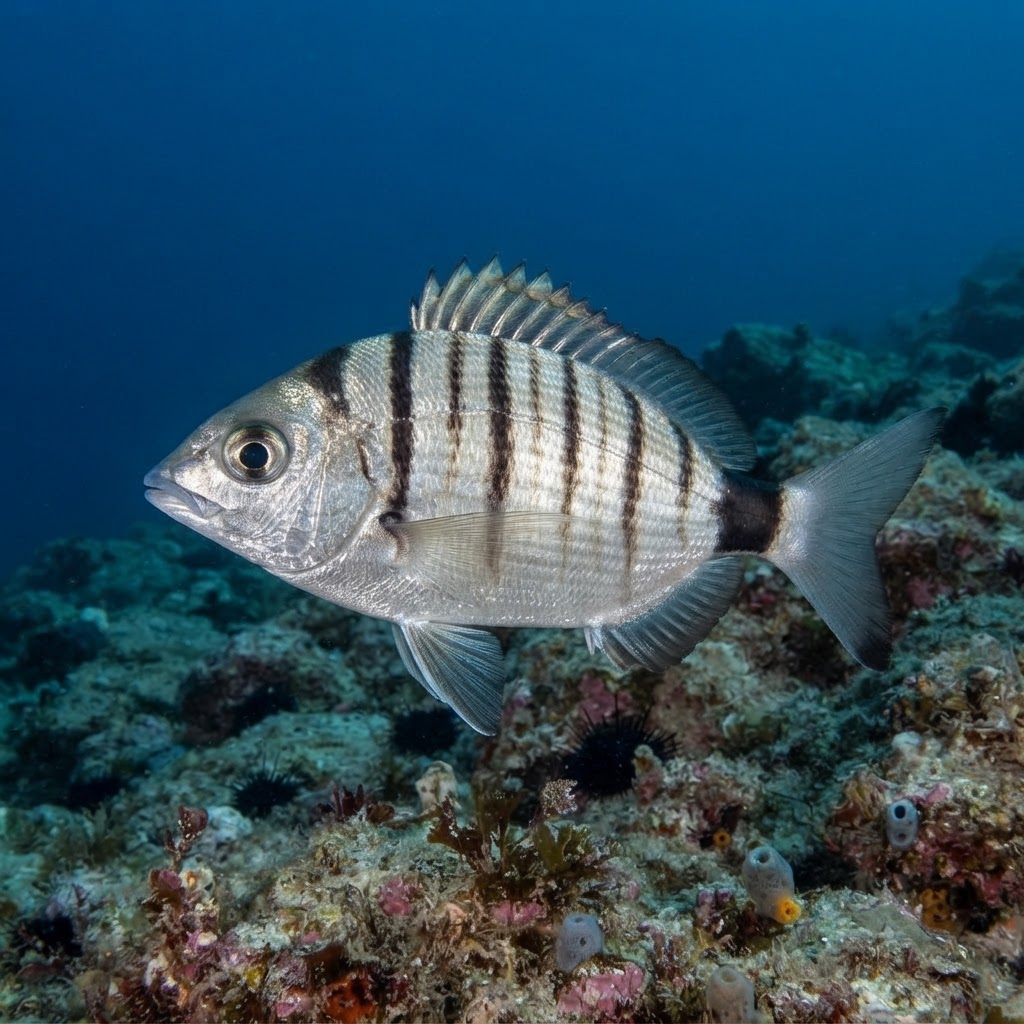
Reef neighbours a diver could mistake it for. Use the identification notes above to tell them apart.
Most reliably logged in Malaysia, especially Sabah, and in Thailand around Koh Chang and Krabi, with strong numbers too in the Philippines (Visayas, Palawan) and across Indonesia including Java and Bali. Smaller but real populations turn up in Vanuatu, India, Taiwan and Timor-Leste.
Mapping where Ciliate Spinecheek is logged…
It's most commonly logged in Malaysia, particularly Sabah, and in Thailand around Koh Chang and Krabi. It also shows up regularly across the Philippines and Indonesia, including Java, Bali and the Visayas.
There's no strong seasonal signal in sighting data, so it's a year-round find on tropical reefs where water stays between roughly 26 and 29C.
Look for a silvery, slim-bodied fish about 17 cm long with a dark blotch just behind the gill cover and faint horizontal lines along the body. It usually hovers alone or in pairs near sand and rubble rather than schooling.
They typically reach around 17 cm in length, making them a modest-sized reef fish easy to overlook if you're not scanning sand edges and rubble patches.
No, it poses no threat to divers and is generally unfazed by a calm, slow approach.
Site and sighting data is aggregated from diver logs, iNaturalist and GBIF. For taxonomy and conservation status:
Saddled Bream
3,846 sites