Gastropteron chacmol
A 1cm reef critter found on macro dives around Grand Cayman, uncommon but findable year-round in warm 24.5-30.5C water.
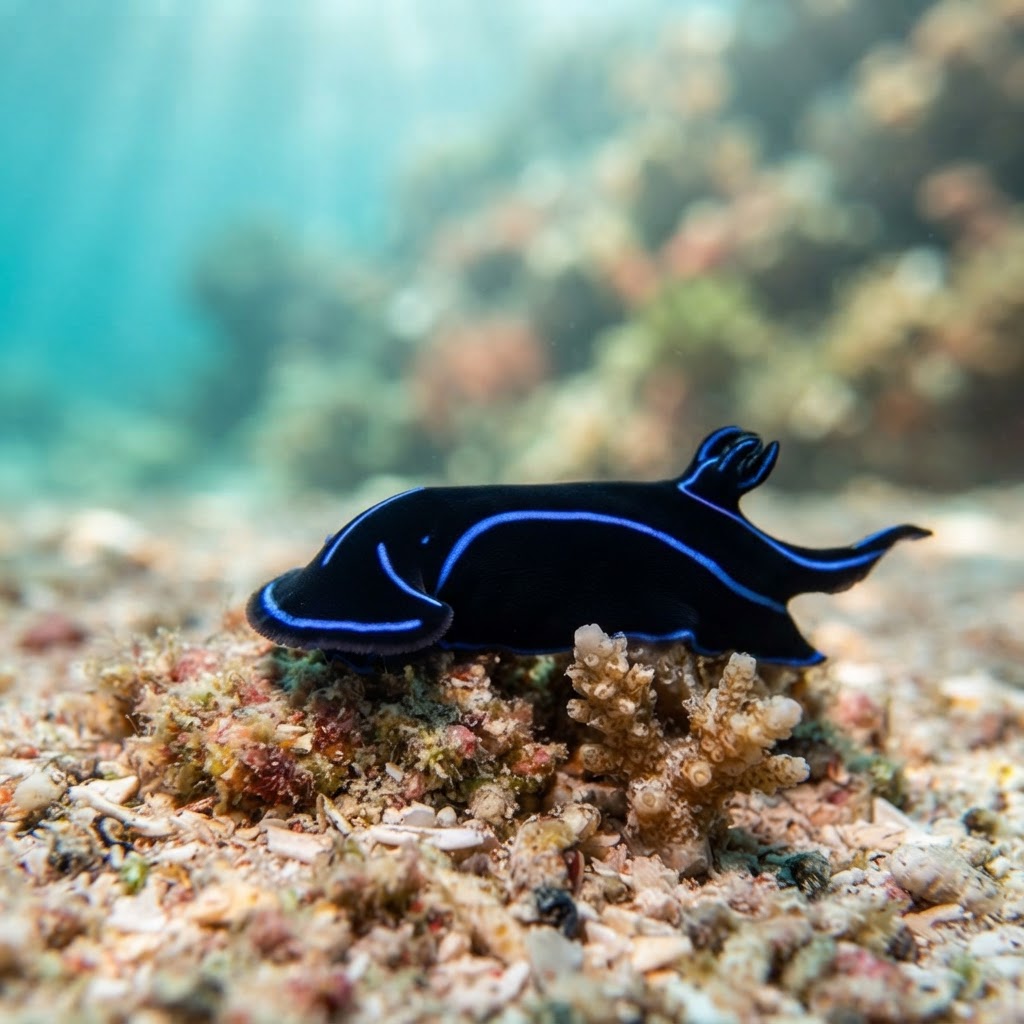
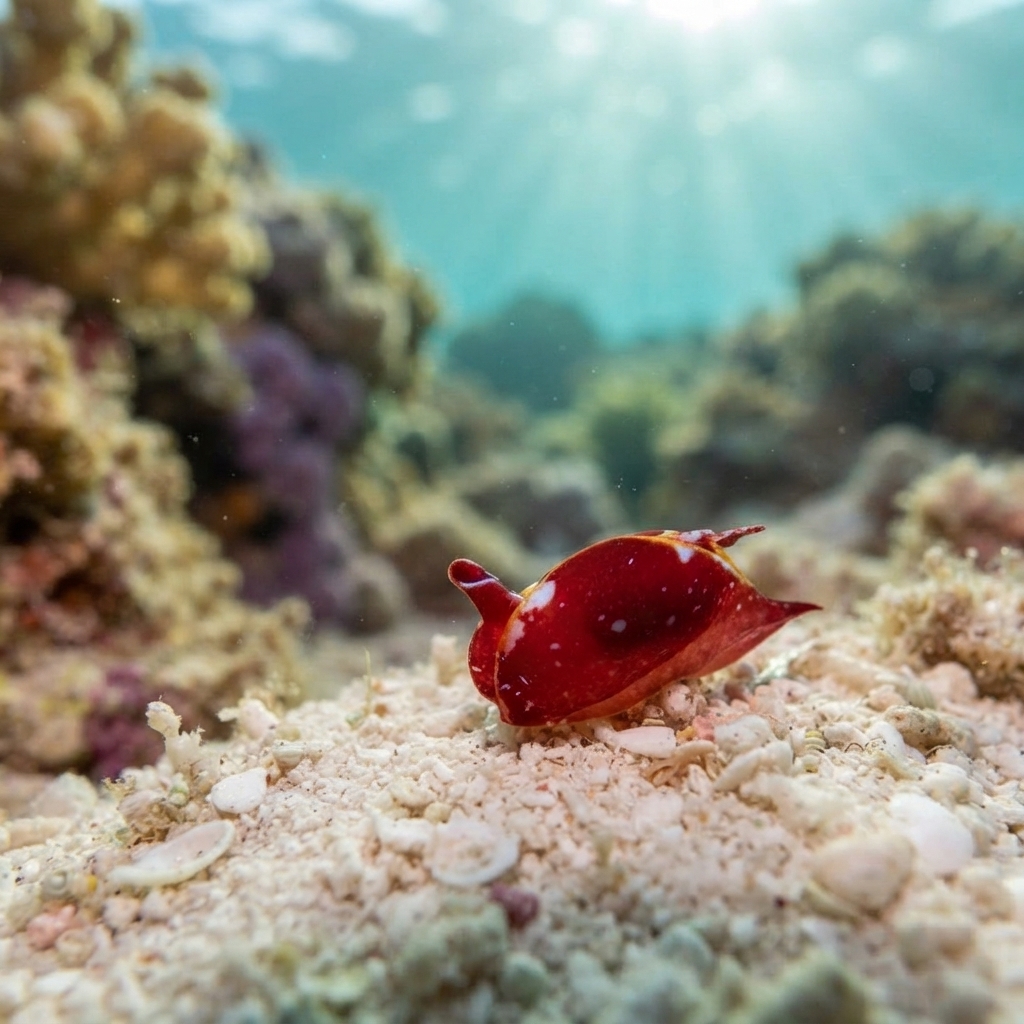
At just 1 cm long, this is a macro-only find: look for a small, soft-bodied slug with two wing-like lateral flaps (parapodia) that it can flutter to swim short distances. The body is translucent to pale, letting internal organs show through faintly, with no bold banding or spots to key on. Its small size and rounded, finless-looking profile separate it from the more elongate bubble shells and headshield slugs it shares reef rubble with.
Divers usually spot this slug moving slowly across sand or rubble patches, occasionally flaring its small wing-like flaps to swim in short, fluttering bursts just above the bottom. It shows no reaction to divers beyond retracting briefly if disturbed, and it is most often noticed by macro photographers scanning close to the substrate rather than mid-water. Look for it during daytime dives on the same low-relief terrain where headshield slugs and bubble shells turn up.
The wing-like parapodia that give this slug its common name are used for swimming, a rare trait among sea slugs that mostly crawl rather than flutter through the water.
Sightings show no clear seasonal pattern, and with a comfortable range of 24.5 to 30.5C it likely stays active on Caribbean reefs throughout the year. Plan a dive any month and treat it as a bonus find rather than a seasonal target.
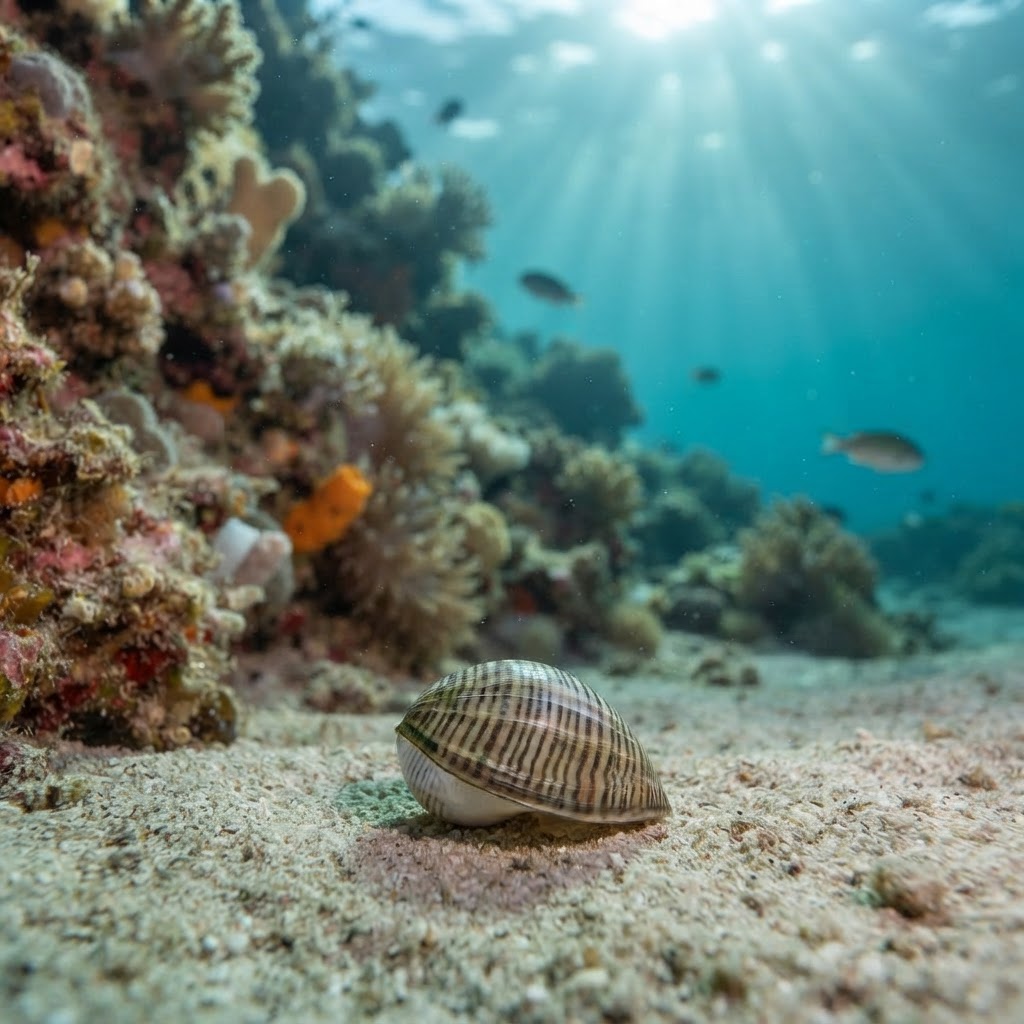
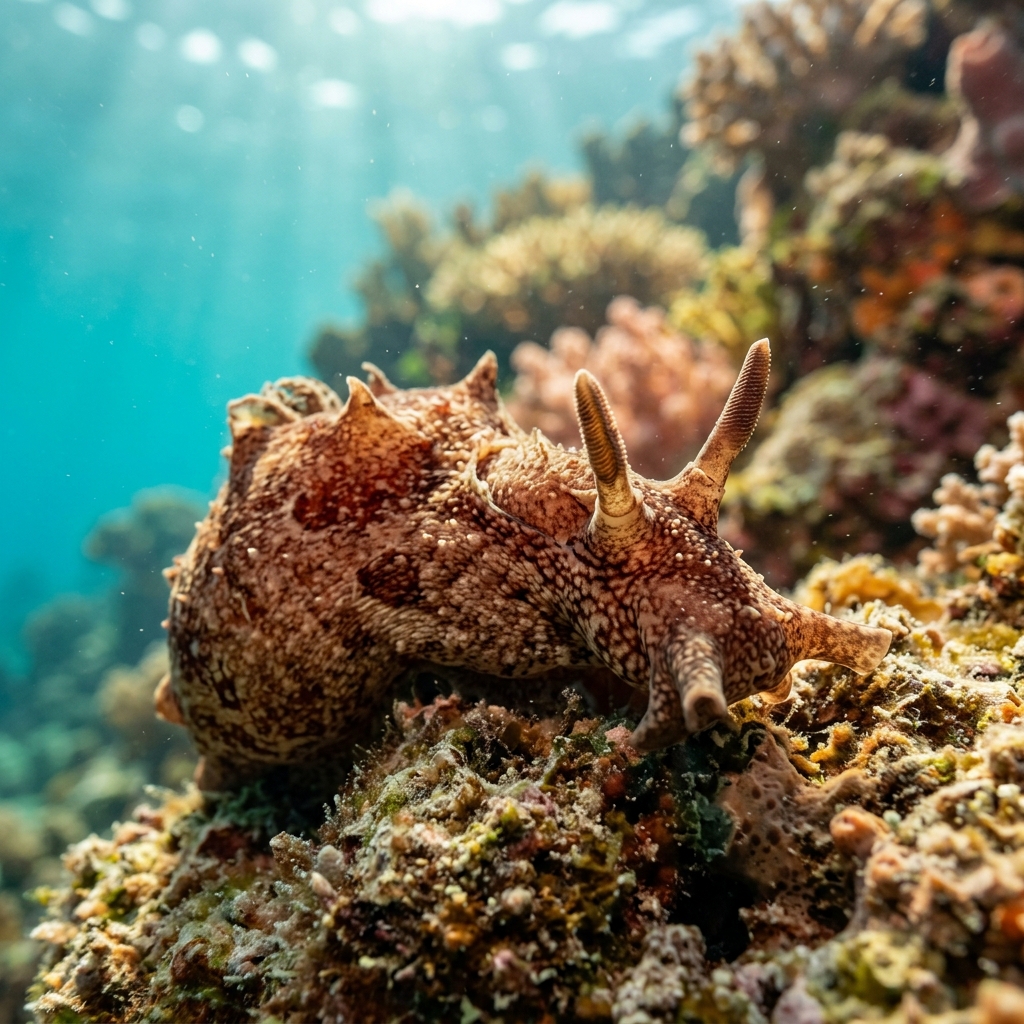
Reef neighbours a diver could mistake it for. Use the identification notes above to tell them apart.
Grand Cayman in the Cayman Islands is the strongest and most reliable spot to look for it, with additional sightings logged in Grande-Terre, Guadeloupe, and Long Island in the Bahamas. Across all three countries it stays an uncommon to rare find, so it rewards divers who search rubble and sand patches carefully rather than expecting a guaranteed encounter.
Mapping where Chacmol Bat-wing Sea Slug is logged…
Grand Cayman in the Cayman Islands is the most reliable location, with further sightings from Grande-Terre in Guadeloupe and Long Island in the Bahamas.
There is no detected season, so it can turn up year-round on warm Caribbean reefs sitting between 24.5 and 30.5C.
Look for a translucent, 1 cm slug with two wing-like flaps along its sides that it flutters to swim. It lacks the bold stripes or spots of similar reef slugs, so size and the fluttering swim motion are the best clues.
They stay tiny, typically around 1 cm long, making them a dedicated macro-lens subject rather than something spotted from a distance.
Unlike most sea slugs that only crawl, it can swim in short bursts by flapping its wing-like parapodia, a trait that gives the species its common name.
Site and sighting data is aggregated from diver logs, iNaturalist and GBIF. For taxonomy and conservation status:
Light-spotted Aegires
3,168 sites