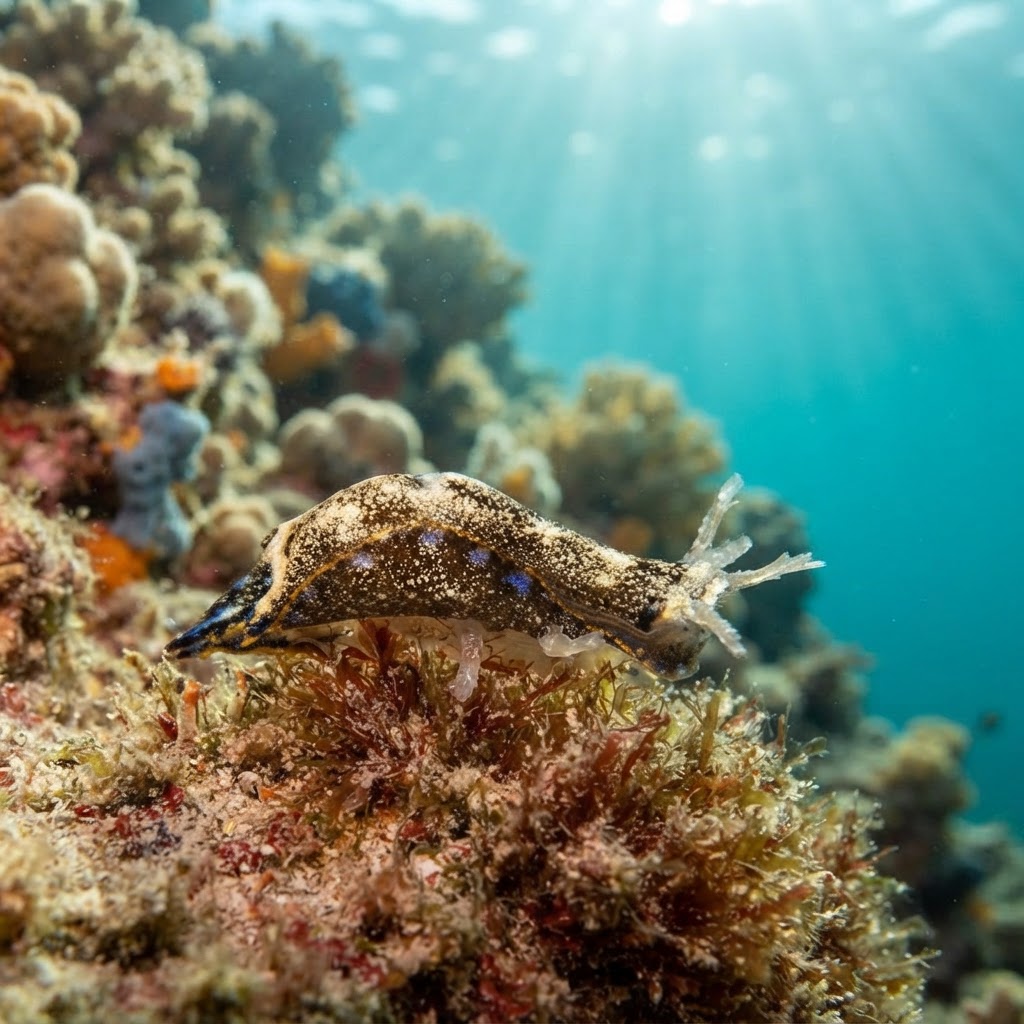
Camachoaglaja africana
An uncommon headshield slug found in the French Riviera and Crete, in water from 14 to 20C, year-round.
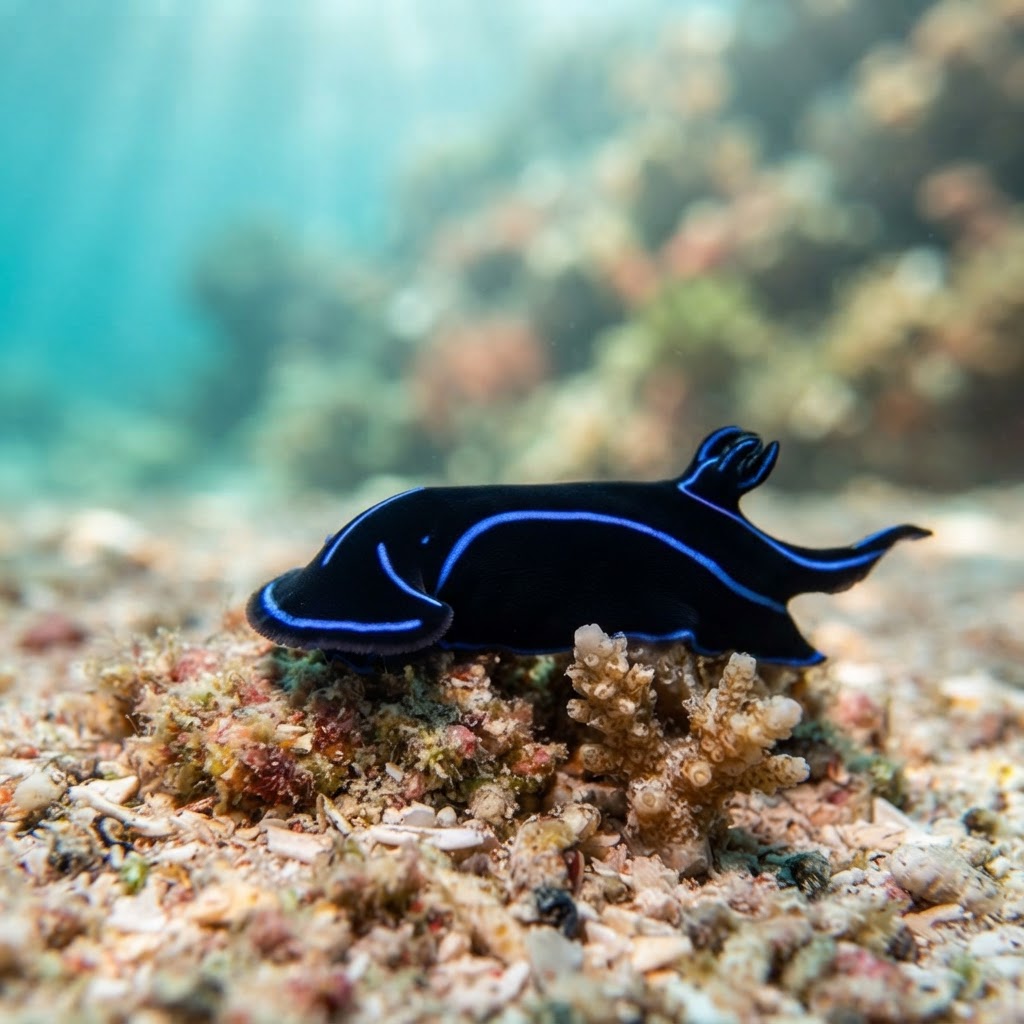
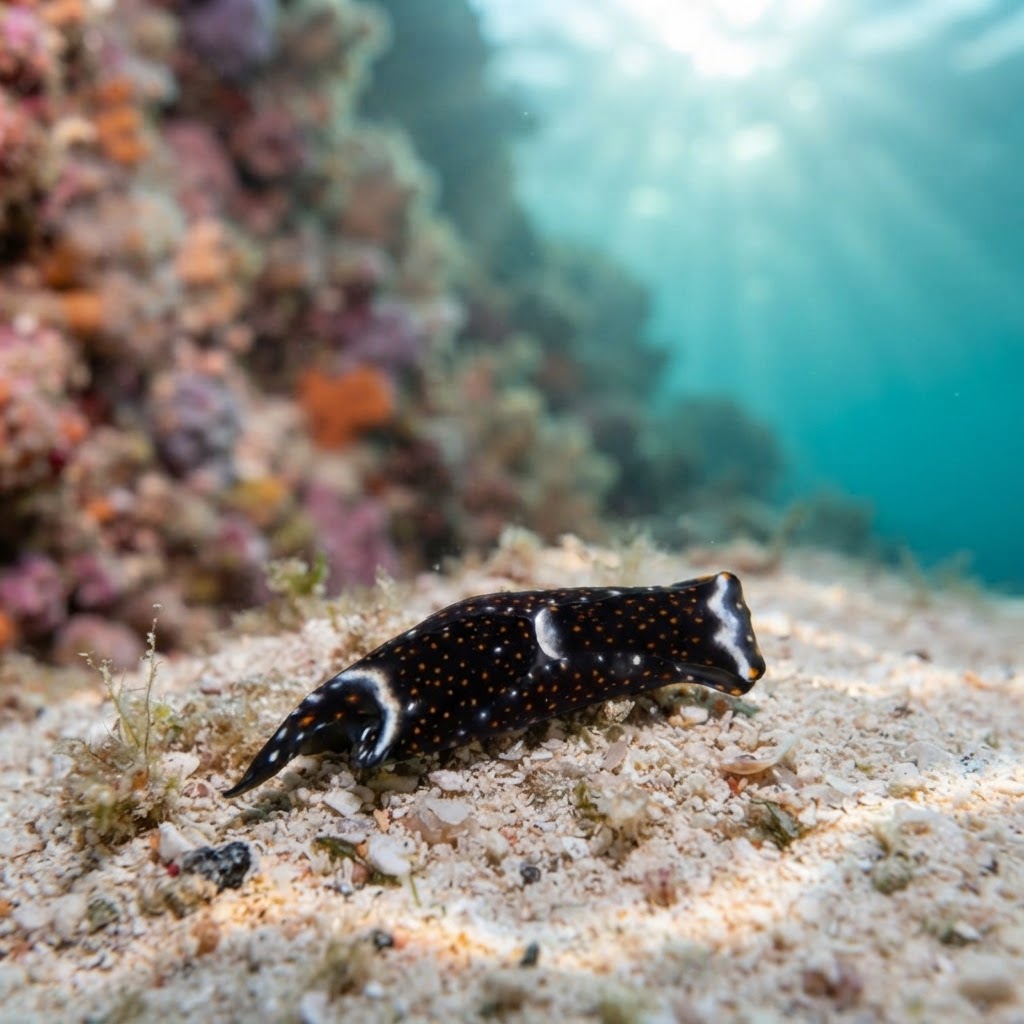
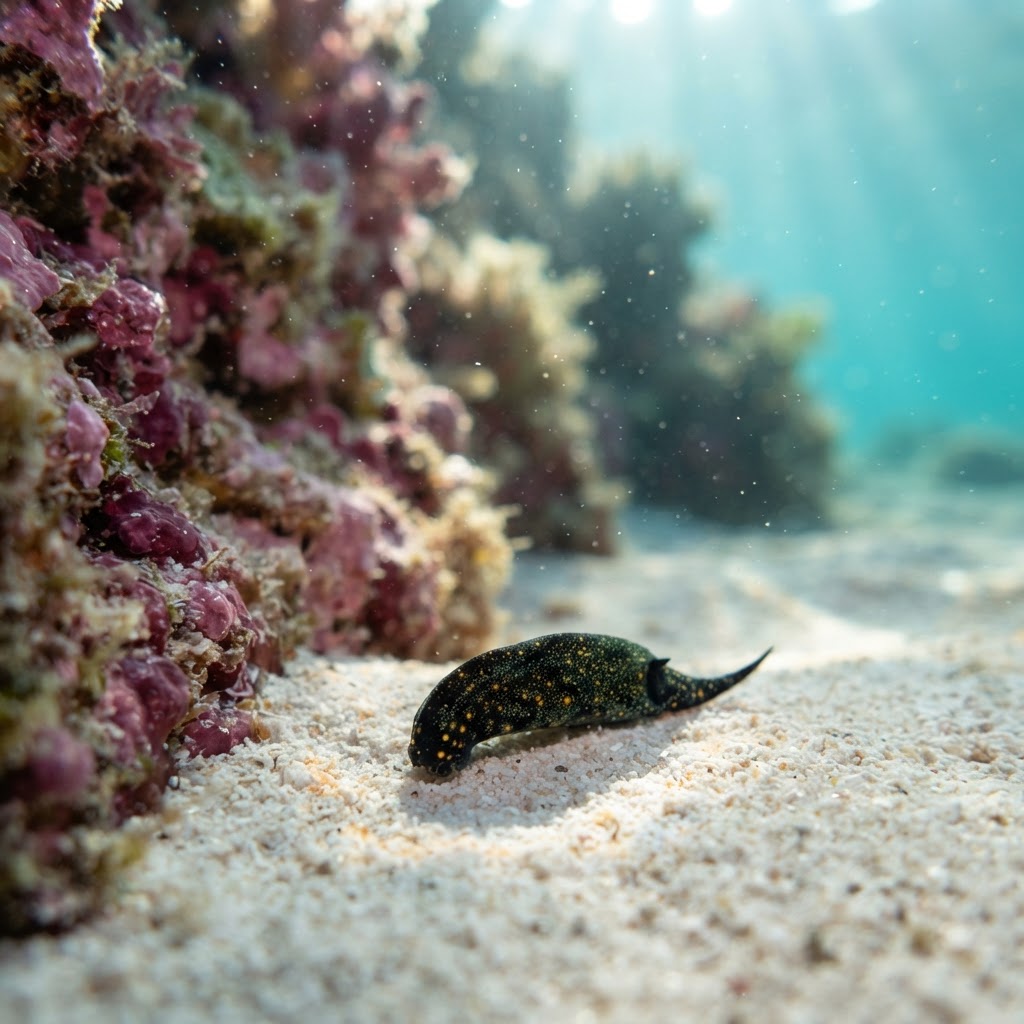
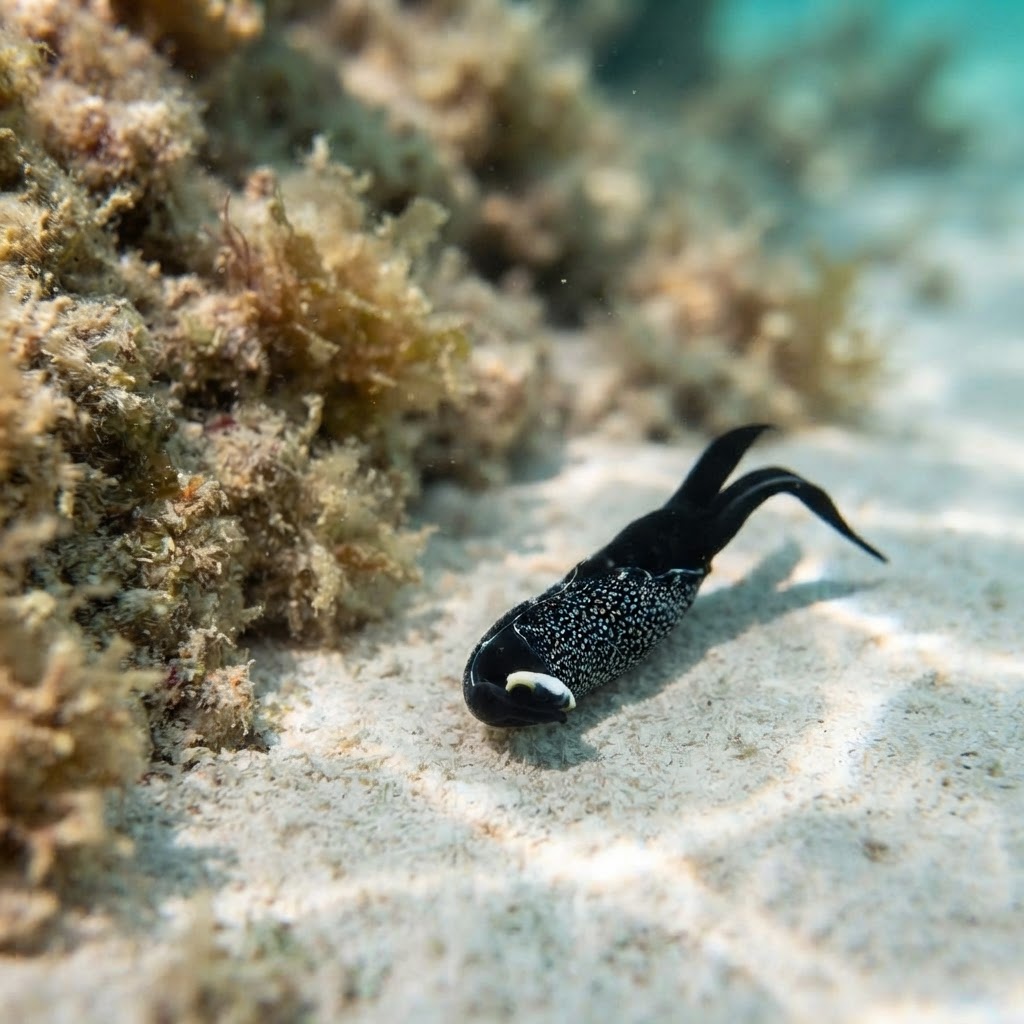
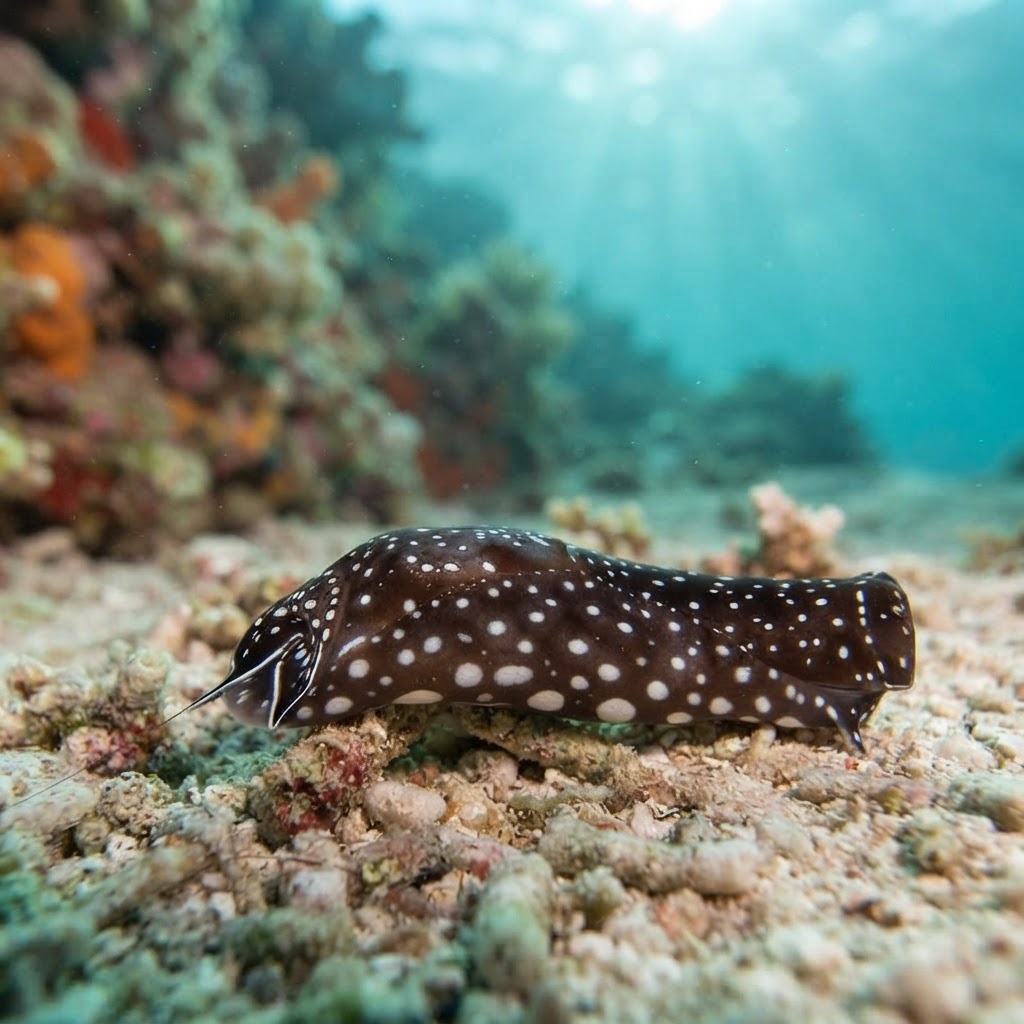
A small headshield slug with a soft, shield-shaped head plate and a smooth, rolled body rather than the frilly appendages you'd expect on a true nudibranch. Look for it moving slowly across sediment or low rock rather than perched on sponge or coral. Colour and pattern are muted enough that it blends into silty or rocky substrate, so divers usually spot it by scanning the bottom closely rather than by colour contrast.
Divers log it moving slowly over sand, mud, or low rocky bottom, usually solitary and unhurried. It shows no reaction to divers beyond continuing its slow crawl, making it an easy subject for a close macro shot if you spot it. Most sightings come from careful bottom-scanning rather than mid-water encounters.
Like other headshield slugs, it likely uses its shield-shaped head plate to plough through soft sediment while hunting, a trait shared across the aglajid family.
No clear seasonal pattern shows up in the sightings, so treat it as a year-round find. It's been observed across a water-temperature range of roughly 14.4 to 20.4C, which covers most of the diving season on the French and Greek Mediterranean coasts.
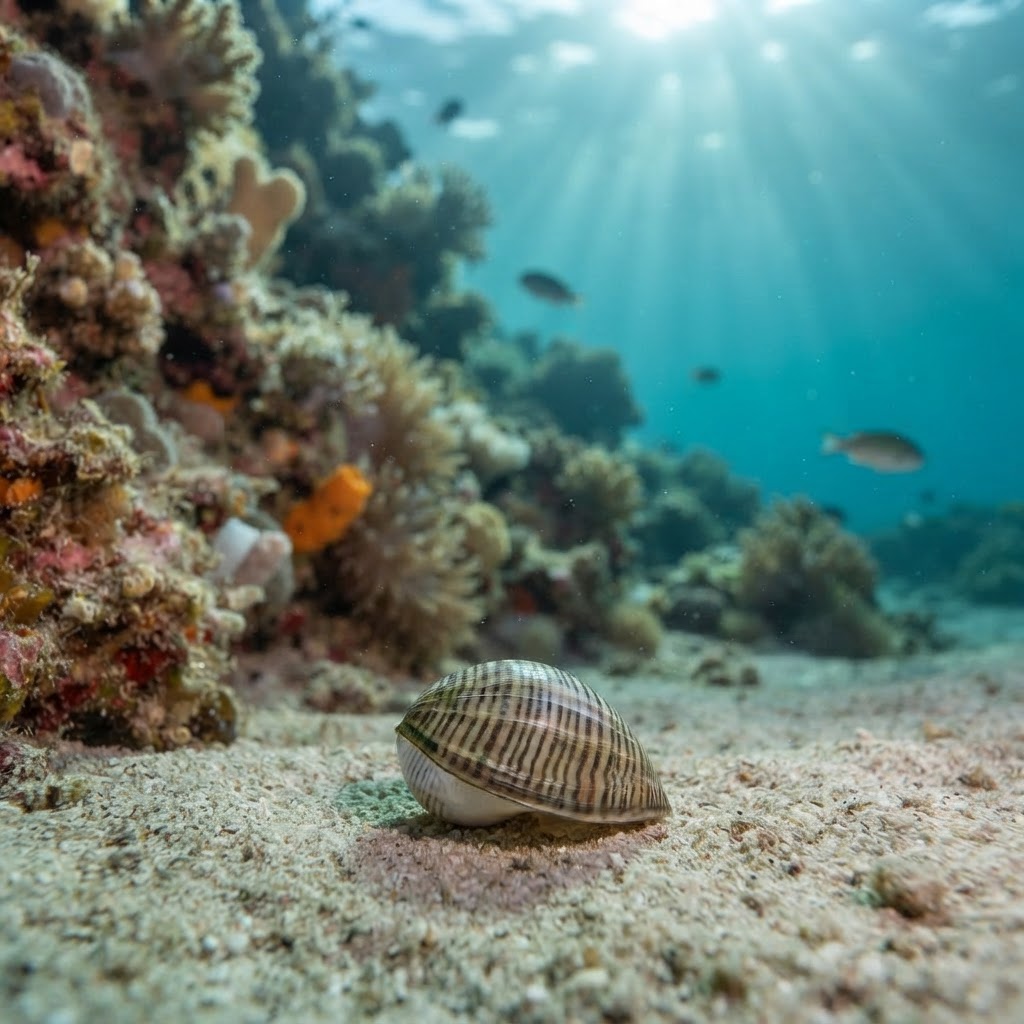
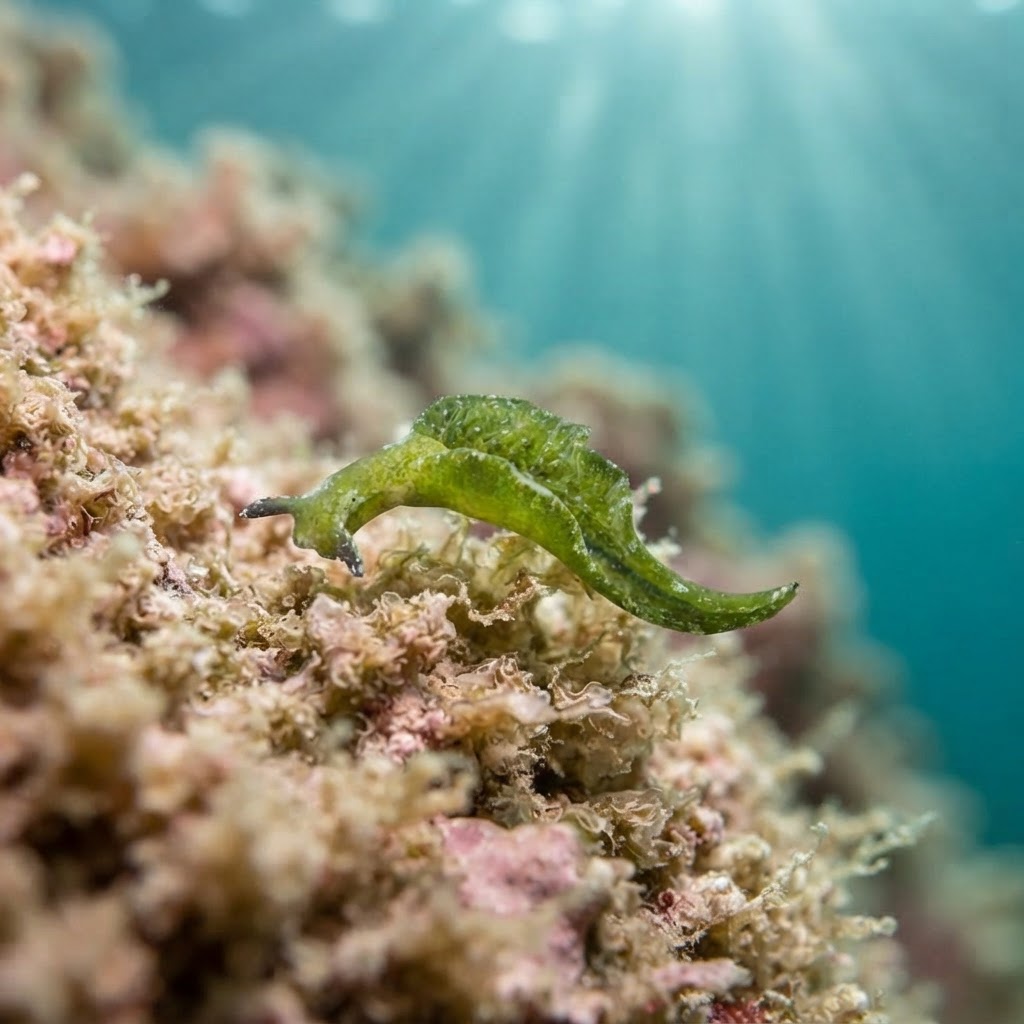
Reef neighbours a diver could mistake it for. Use the identification notes above to tell them apart.
Most reliably found along the French Riviera and Provence coast, where it turns up at a wide spread of sites, with a smaller but consistent presence around Crete in Greece. Outside these two regions it hasn't been logged, so France is the stronger bet if you're specifically looking for it.
Mapping where Camachoaglaja Africana is logged…
It's most consistently found along the French Riviera and Provence coastline in France, with a smaller population around Crete in Greece. These two regions currently account for all logged sightings.
There's no detected seasonal pattern, so it can turn up any time of year. Sightings span water temperatures from about 14.4 to 20.4C, which covers spring through autumn diving conditions in the Mediterranean.
Look for a small, smooth-bodied slug with a rounded headshield rather than the branched gills of a typical nudibranch. It's usually found crawling slowly over sand or rocky bottom, and its muted colouring means you need to look closely against the substrate.
Exact size data isn't available for this species, but like most aglajid slugs it's a small, easily overlooked animal best found by scanning the seabed closely.
No, it poses no danger to divers. It's a slow-moving, harmless sea slug that you can safely observe and photograph up close.
As a member of the aglajid family, it likely uses its flattened headshield to burrow through sand and mud while hunting, a feeding style distinct from the grazing typical of many other sea slugs.
Site and sighting data is aggregated from diver logs, iNaturalist and GBIF. For taxonomy and conservation status:
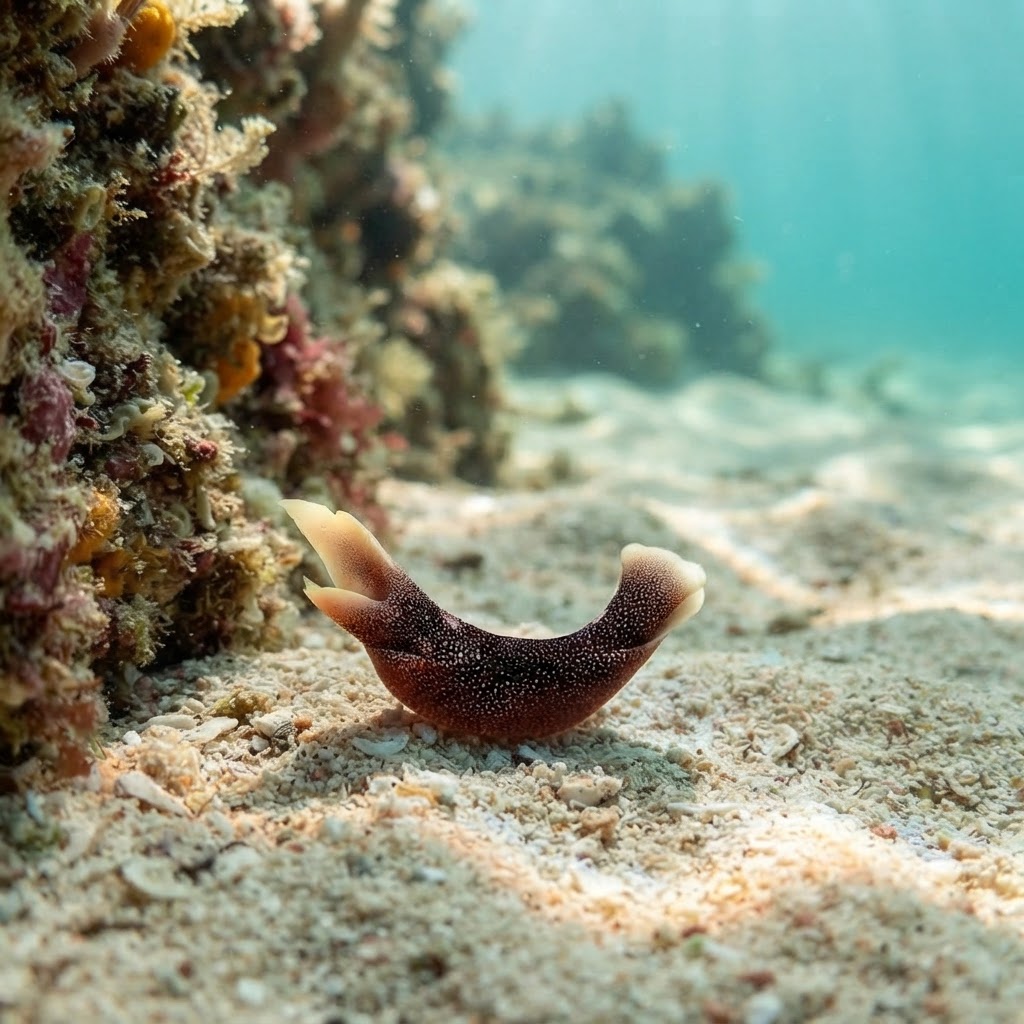
Chelidonura amoena
Elysia Timida
573 sites