Muricea californica
Spot California Golden Gorgonians along the US Pacific Coast and Baja California. Know when to dive, how to ID them, and what lives among their golden branches.
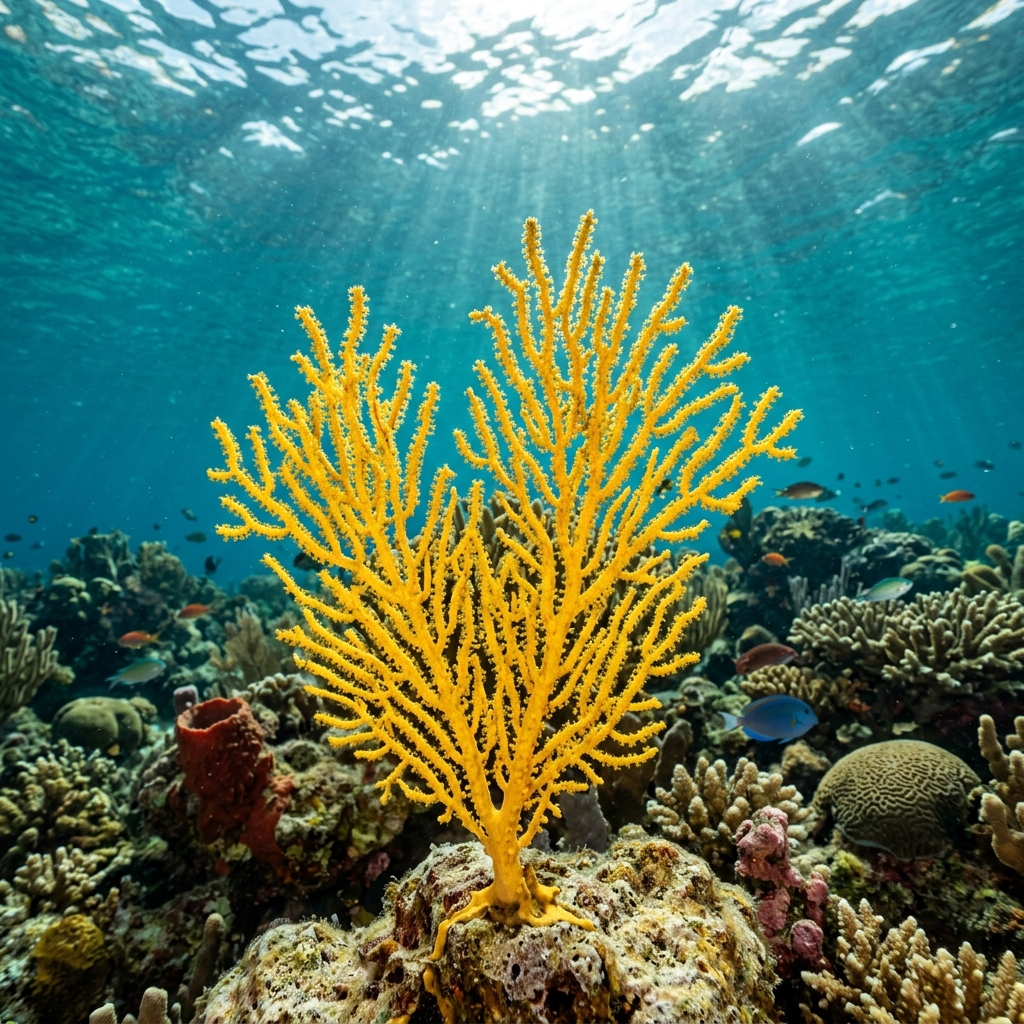
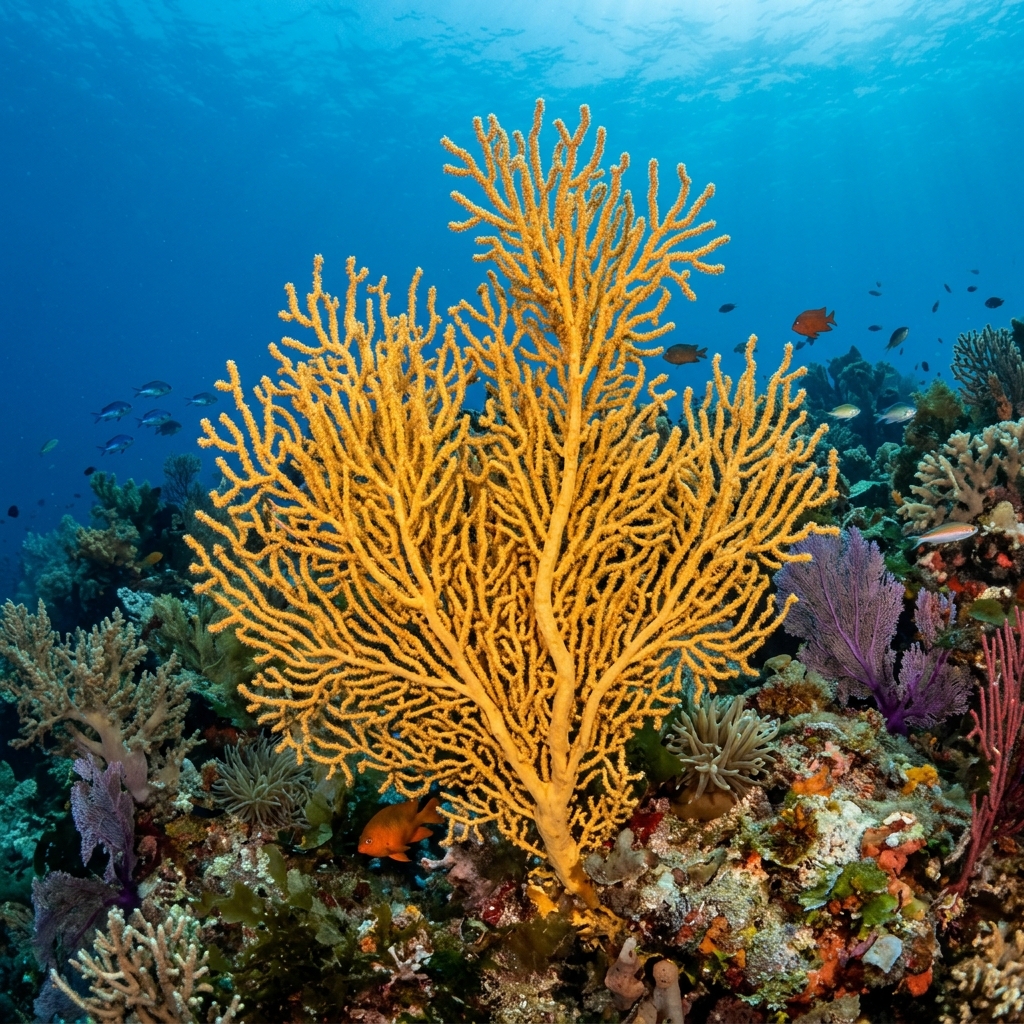
A broad, branching fan that typically reaches around 60 cm across, with a warm golden-yellow to amber colouration that makes it stand out against dark rocky reef walls. The branches are stiff and arranged in a roughly flat plane, and up close each branch is densely studded with tiny polyps that extend when feeding. Look for the rich gold tone rather than the purple or red hues typical of related gorgonians on the same reefs.
Attached firmly to rocky substrate, golden gorgonians stay put regardless of who swims past, they simply do not react to divers. What they are actively doing is filter feeding, extending their tiny polyps into the current to catch plankton; this is most visible when there is a gentle flow moving across the fan. Take a moment to scan the branches closely, as small invertebrates and reef fish regularly use the structure as shelter and hunting ground.
The flat, current-facing orientation of the fan is a deliberate growth strategy: the colony positions itself perpendicular to the prevailing current to maximise the volume of plankton-carrying water flowing across its polyps.
Sightings concentrate from April through January, covering most of the year. Because this is a sessile (permanently attached) animal, the practical limit is water conditions and visibility rather than the animal migrating away.
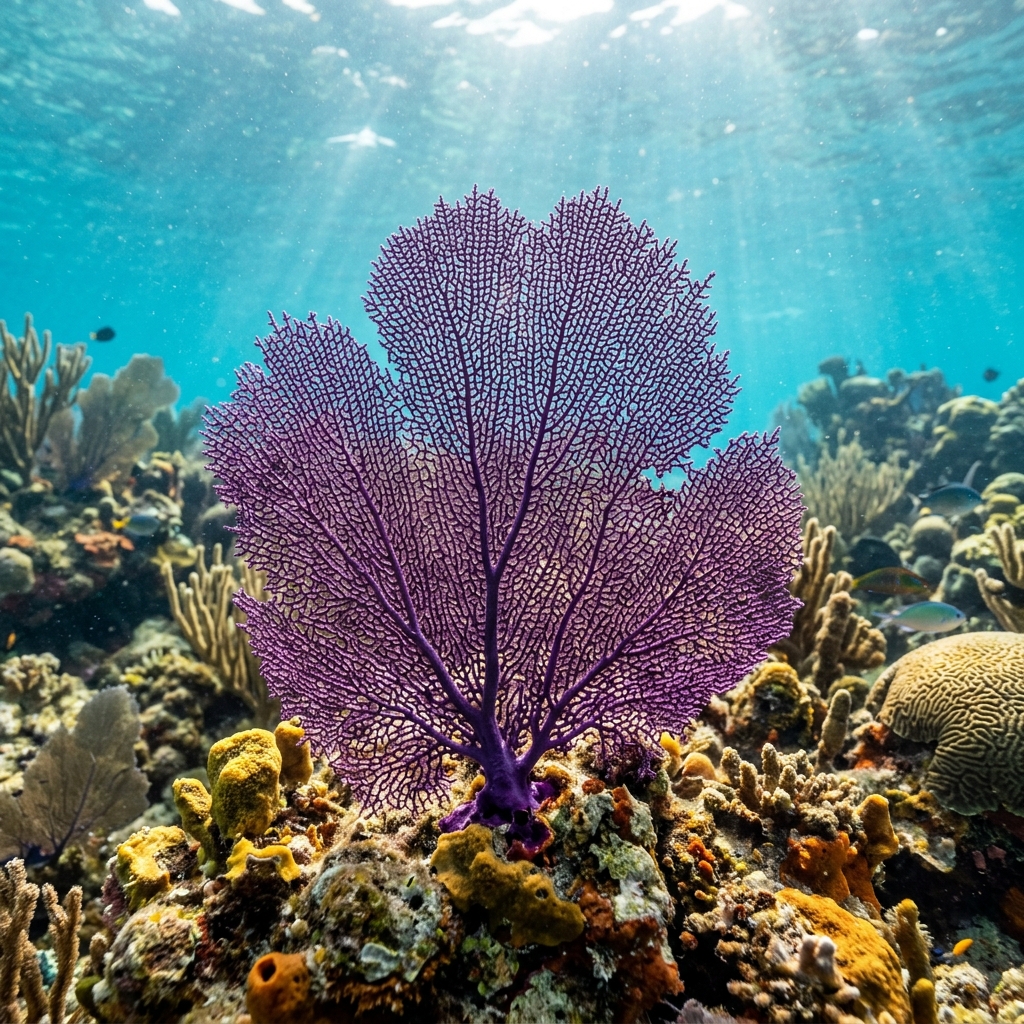
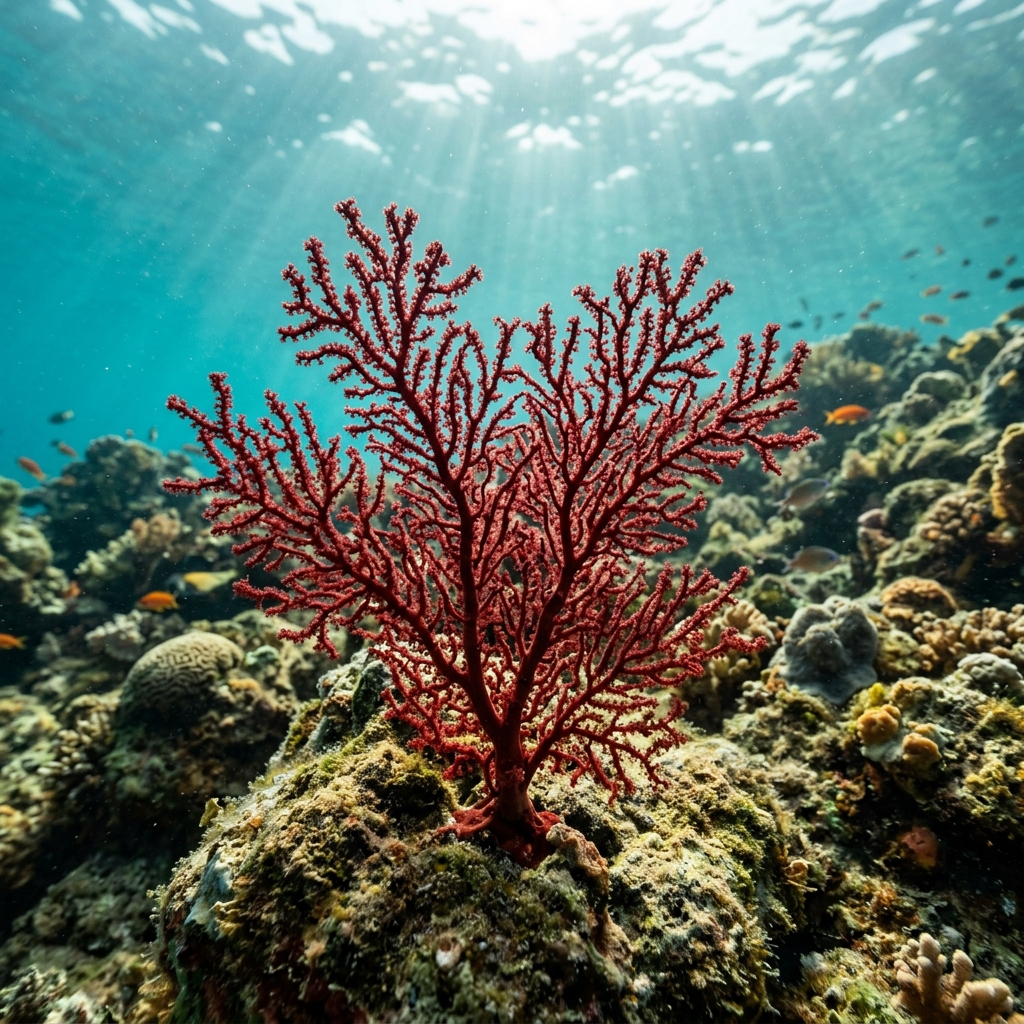
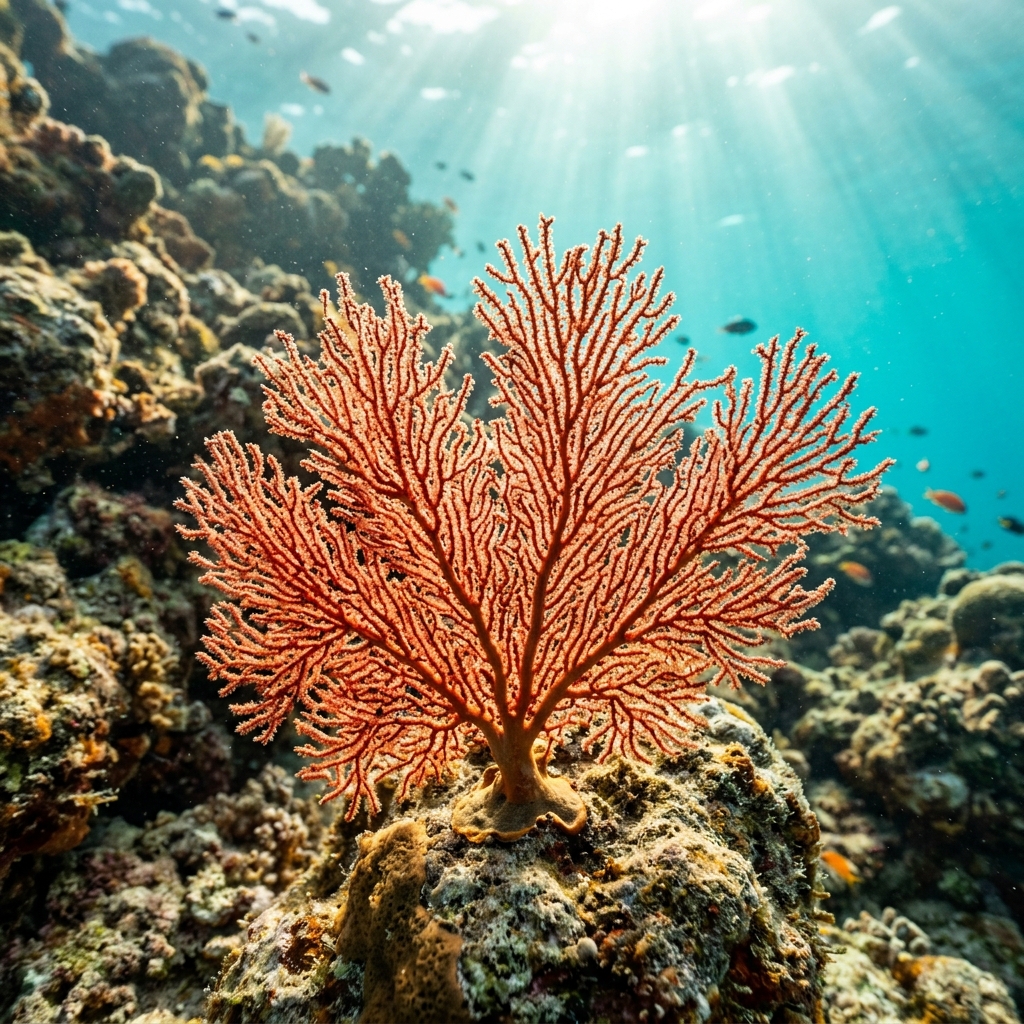
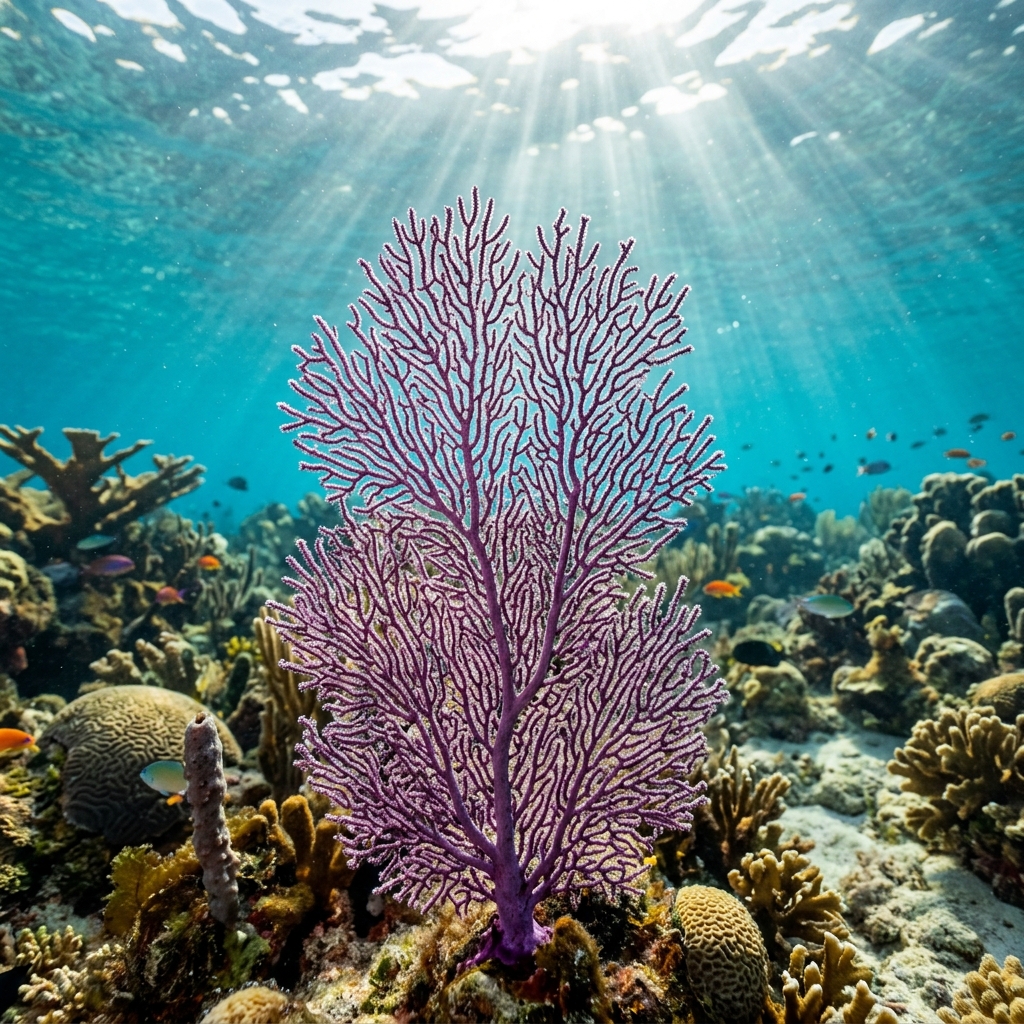
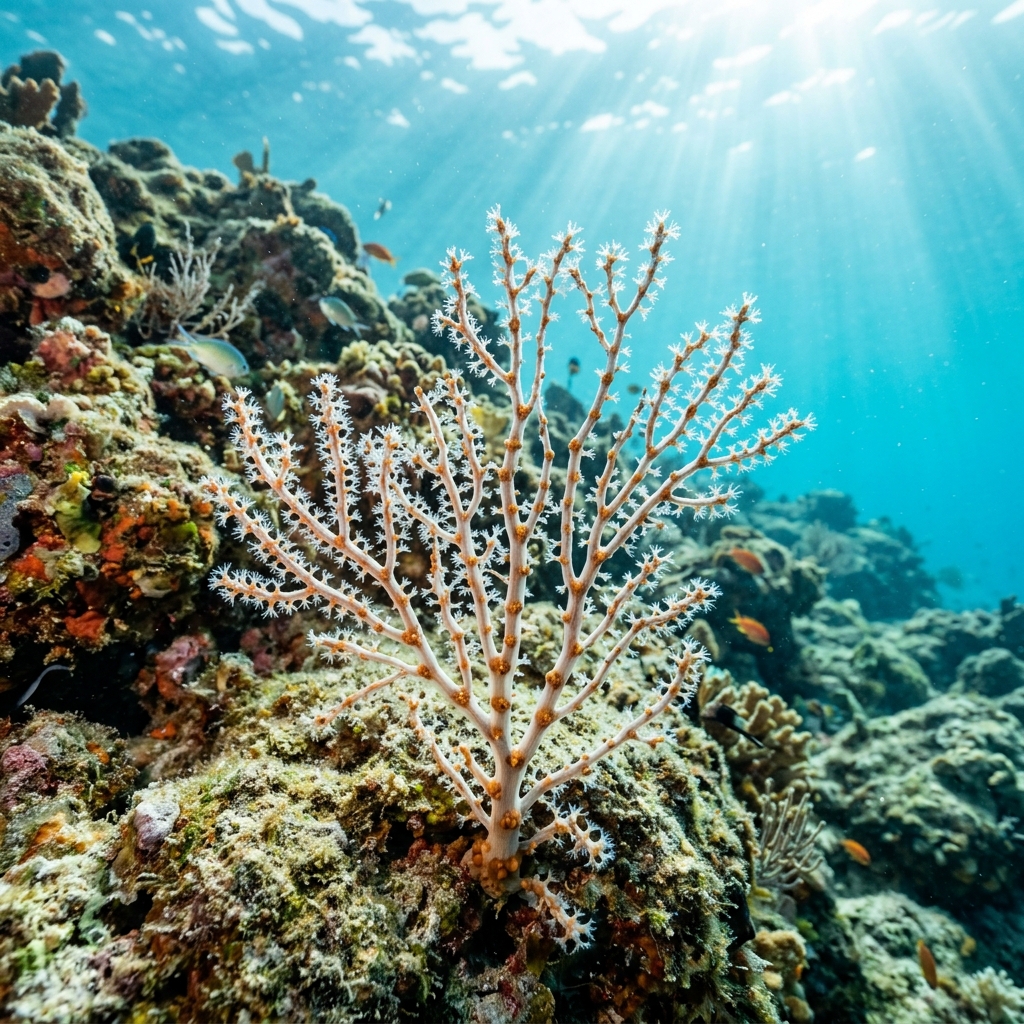
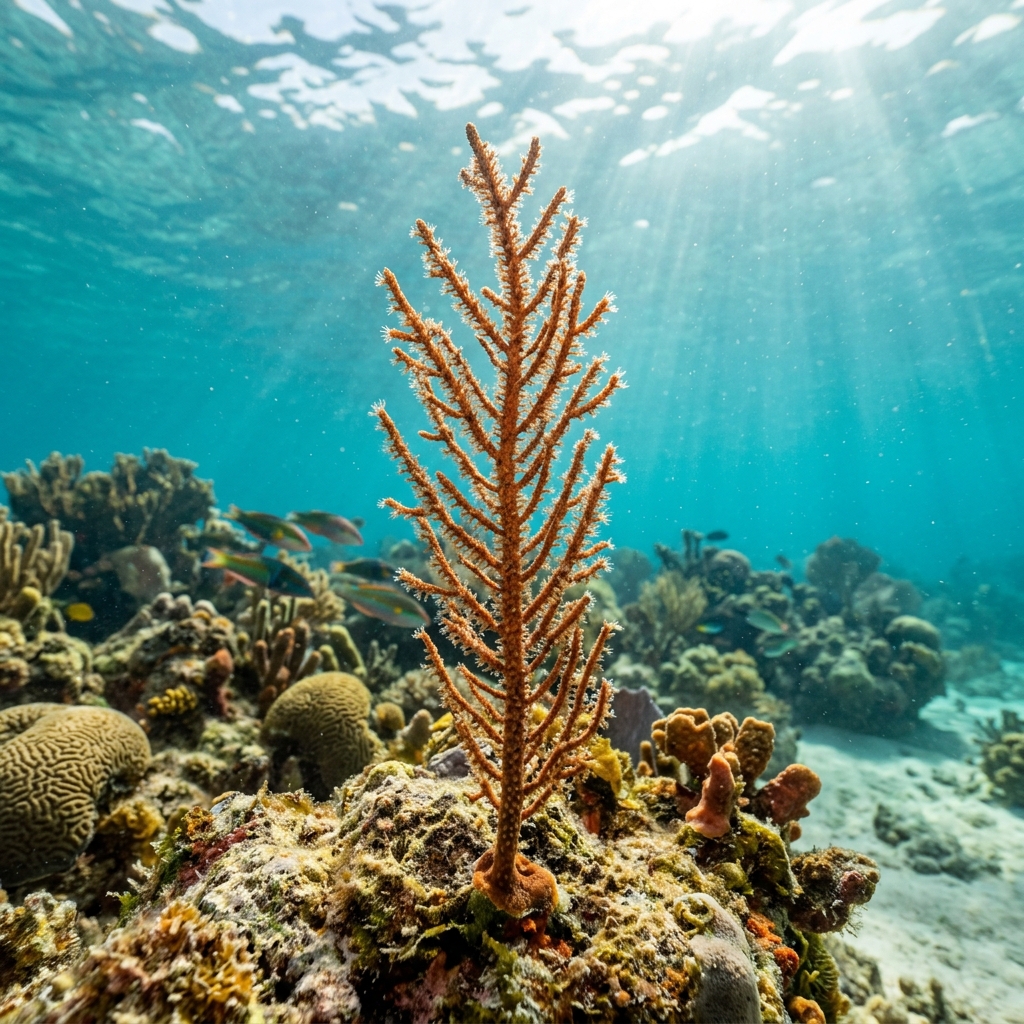
Reef neighbours a diver could mistake it for. Use the identification notes above to tell them apart.
The great majority of recorded sightings come from the US Pacific Coast, making that stretch of coastline by far the most reliable place to find this species. Mexico adds a solid secondary range through Baja California and Northern Pacific waters, so divers exploring those regions should keep an eye on any rocky reef structure between about 12 and 30 metres.
Mapping where California Golden Gorgonian is logged…
Most sightings are logged along the US Pacific Coast, which holds the large majority of known sites. Baja California and the Northern Pacific coast of Mexico are the next most productive areas. Rocky reef walls between about 12 and 30 metres depth are the place to look in both countries.
Diver records show sightings from April through January, so there is a broad window covering most of the year. The species lives in cool water between roughly 13 and 18 degrees Celsius, which is characteristic of the California Current system year-round, meaning the colony itself is always present, visibility and sea conditions are the real variable.
Key on the warm golden-yellow to amber colouration of the fan, it is noticeably brighter and more yellow than the purple or deep-red gorgonians that share the same reefs. The fan grows in a single flattened plane, typically up to about 60 cm across, and is covered in small bumpy polyps along every branch. If the colour reads gold rather than red, purple, or pale yellow, you are almost certainly looking at this species.
A typical colony spans around 60 cm across. Like most gorgonians, growth is slow, so a large fan represents many years of development. Depth and current exposure influence the final shape and spread of individual colonies.
The branching structure acts as a refuge and hunting perch for small invertebrates and reef fish. Look closely at the branches for tiny crustaceans and other animals that are well camouflaged against the golden framework. This associated community is one of the most rewarding reasons to linger at a colony.
No. They are passive filter feeders with no ability to sting, bite, or move. The main risk is accidental damage from a diver contacting the colony, so keep good buoyancy control and avoid touching the branches, both for your safety and theirs.
Site and sighting data is aggregated from diver logs, iNaturalist and GBIF. For taxonomy and conservation status:
Red Gorgonian
3,278 sites