Lepidotrigla papilio
Uncommon bottom fish found on dives across New South Wales and Victoria, Australia, in cool water between 15 and 20C. Here's how to spot one.
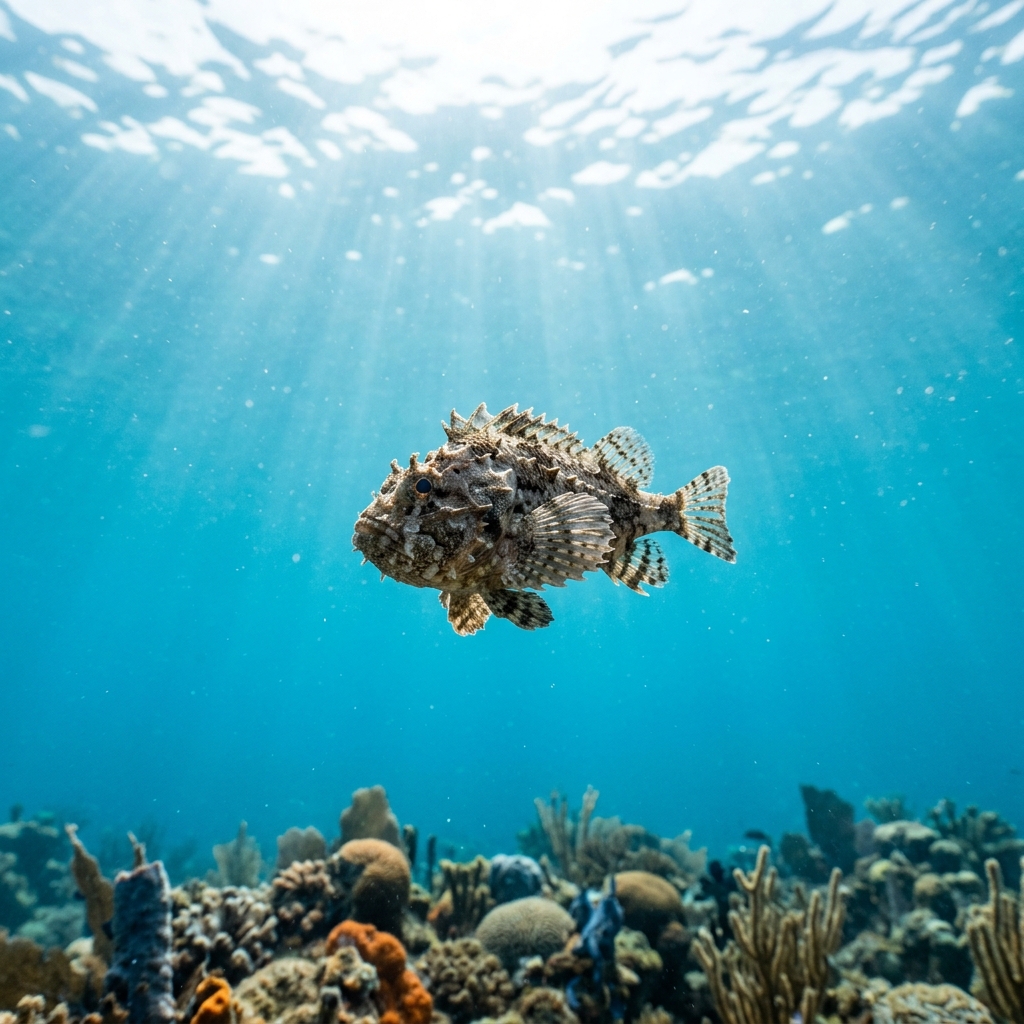
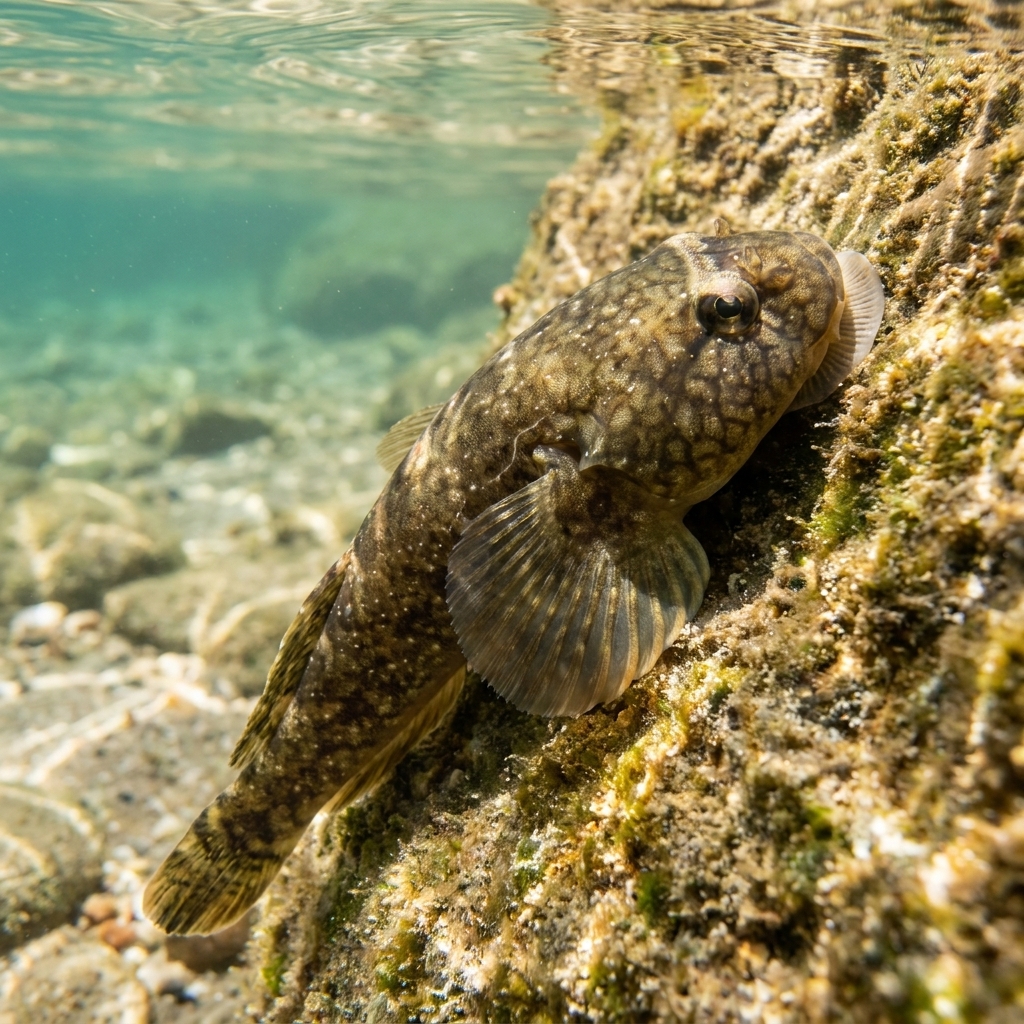
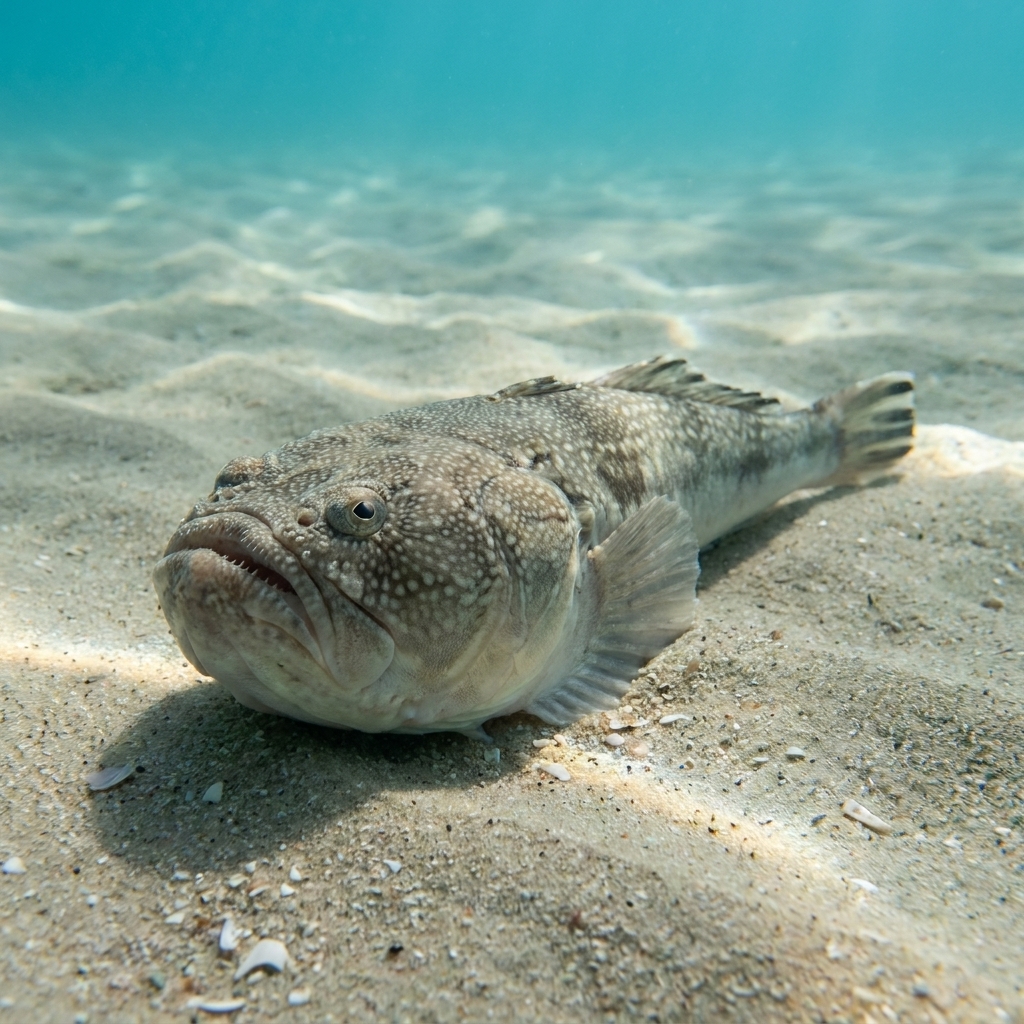
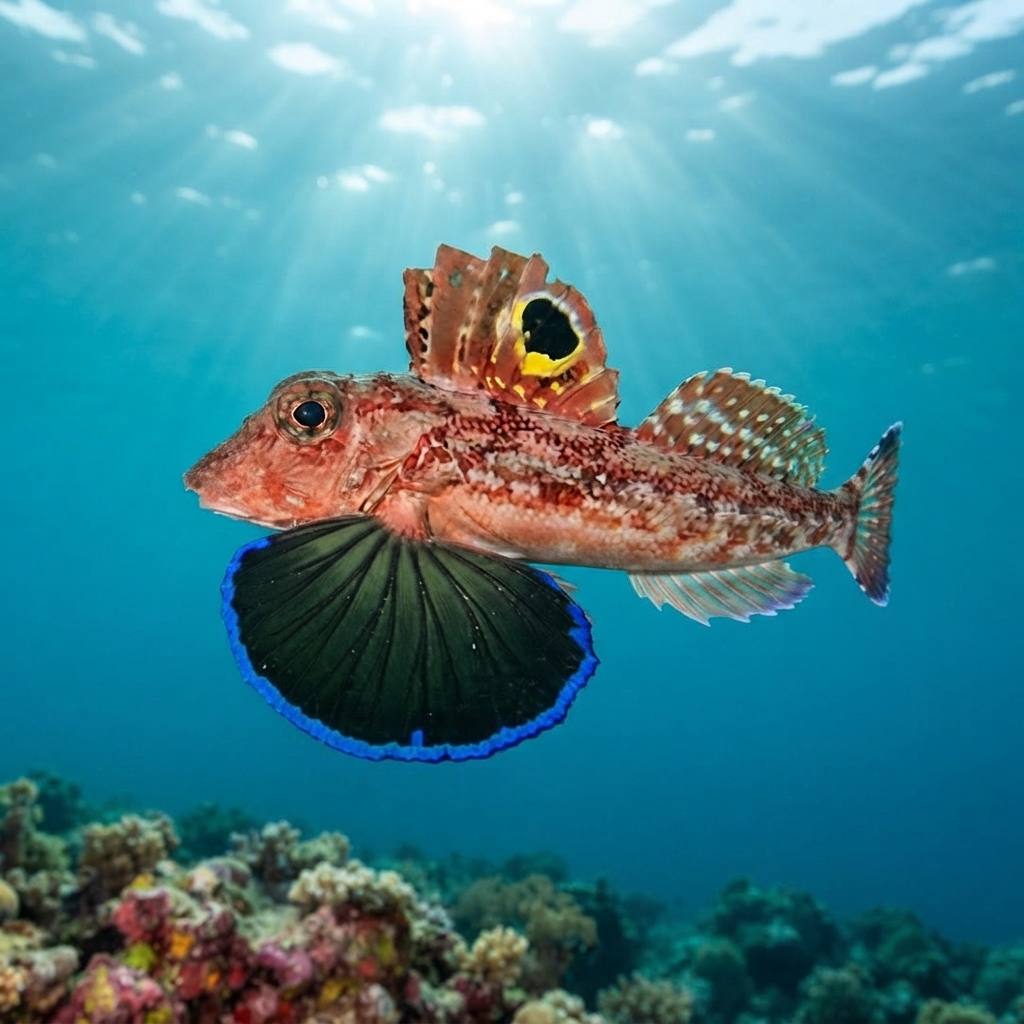
Small, reaching around 14cm, with a bony, armoured-looking head and a tapered body that sits flush on sand or rubble. The giveaway is the pair of enlarged, wing-like pectoral fins, often flushed with colour and edged in blue or dark spots, which it flares open when disturbed. Body colour runs mottled red to brown, breaking up its outline against the seafloor, and it usually rests motionless rather than swimming in open water.
Divers typically find it parked on sand, rubble or low reef, relying on its camouflage rather than moving off when approached. If pressed, it flicks open its patterned pectoral fins in a quick flash-and-freeze display before settling back down nearby. It is logged as uncommon at most sites, so a slow, close look along the bottom rather than mid-water scanning is the way to actually find one.
Those broad pectoral fins are not just for show, they act as sensory feelers, with the lower rays used to probe sand and rubble for small invertebrate prey.
Sightings are spread across the year with no clear seasonal pattern, and the observed water temperature range of 15.1 to 19.6C reflects the cooler, temperate conditions typical of New South Wales and Victoria dive sites year-round.
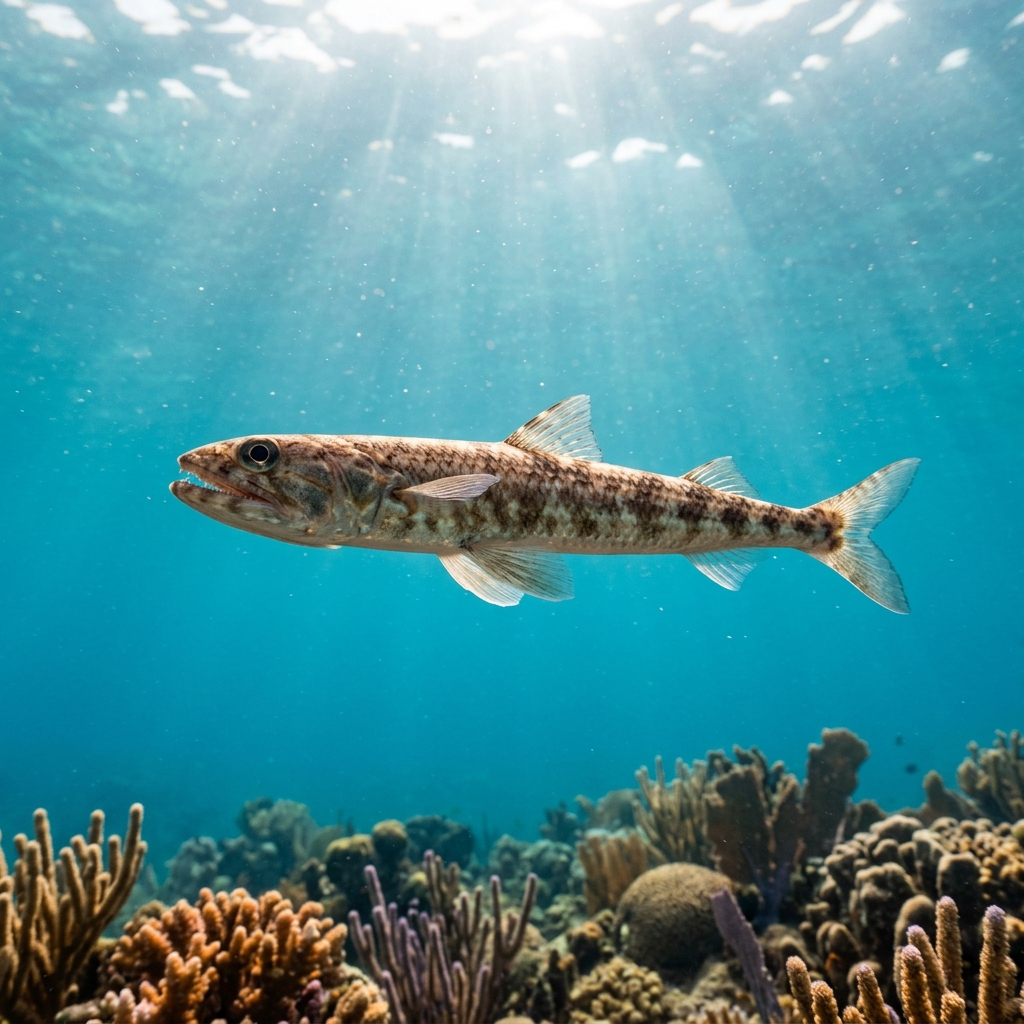
Reef neighbours a diver could mistake it for. Use the identification notes above to tell them apart.
Logged almost exclusively on dive sites in Australia, with New South Wales the strongest region and Victoria close behind. Sites in these two states account for the confirmed sightings so far, making south-eastern Australia the reliable place to look for it.
Mapping where Butterfly Gurnard is logged…
The most reliable sightings come from south-eastern Australia, particularly dive sites in New South Wales and Victoria. It's logged as an uncommon find rather than a guaranteed one, so patient bottom searching pays off.
There's no strong seasonal pattern in the sightings, and it's found in cool water between roughly 15 and 20C, so it can turn up on New South Wales and Victoria dives throughout the year.
Look for a small, mottled reddish-brown fish resting on sand or rubble with an armoured, bony head. The clincher is the oversized, wing-like pectoral fins it flares open when it feels threatened.
They're small, typically around 14cm in length, so they're easy to swim straight past if you're not scanning the bottom closely.
Its enlarged pectoral fins double as sensory feelers, with the lower fin rays used to probe sand and rubble for hidden invertebrates before it settles back into camouflage.
No, it poses no danger to divers. It's a small, bottom-dwelling fish that relies on camouflage and a startle display rather than any threat to people nearby.
Site and sighting data is aggregated from diver logs, iNaturalist and GBIF. For taxonomy and conservation status:
Soldierfish
3,612 sites