Pempheris oualensis
Copper-toned and cave-shy, bronze sweepers pack into crevices at Sai Kung, Hong Kong dive sites year-round in 25.5 to 29.3C water.
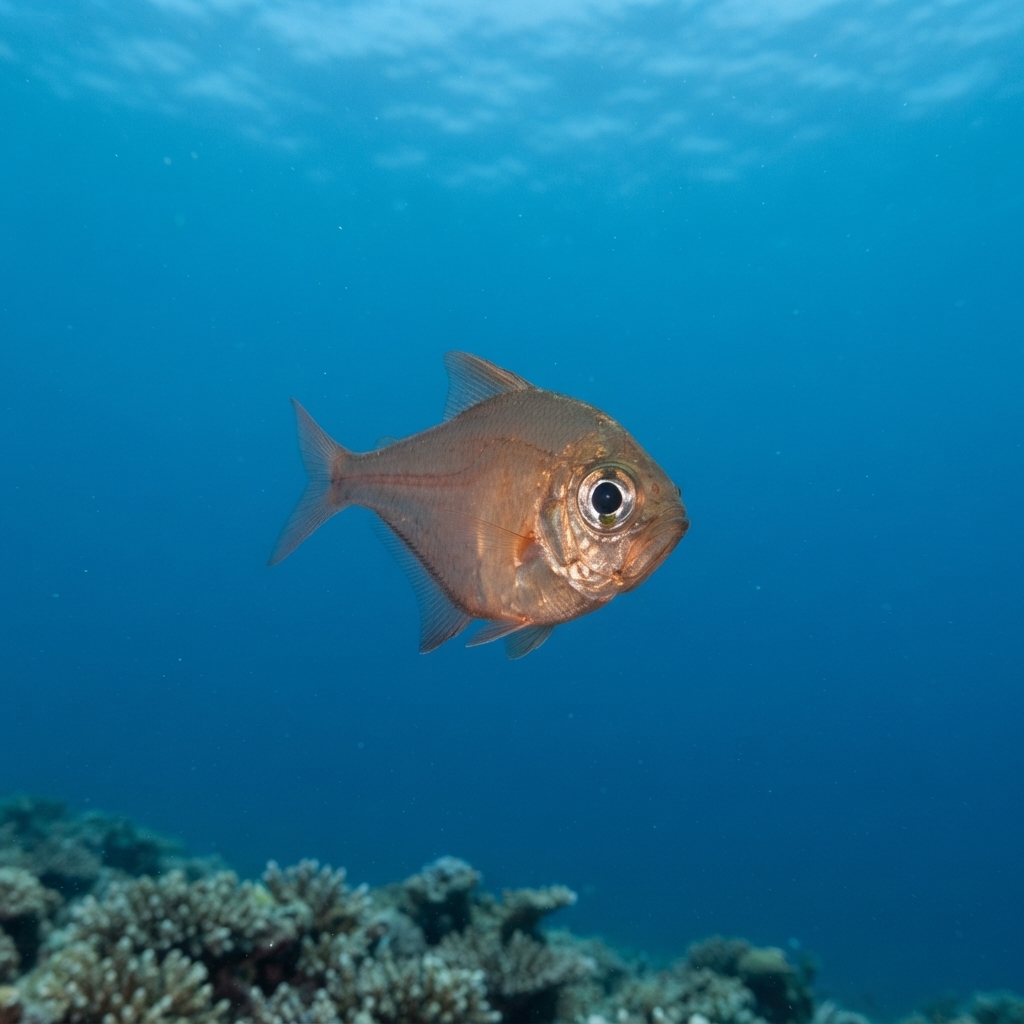
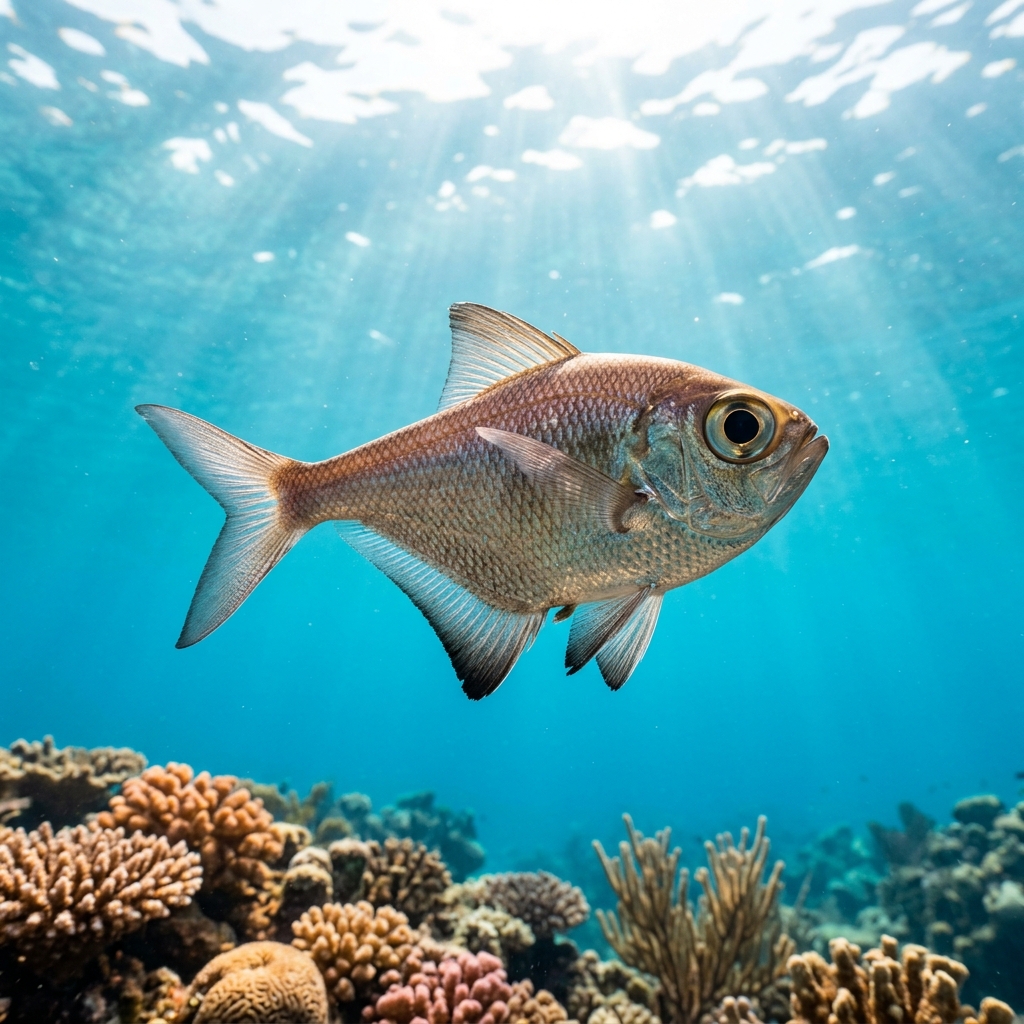
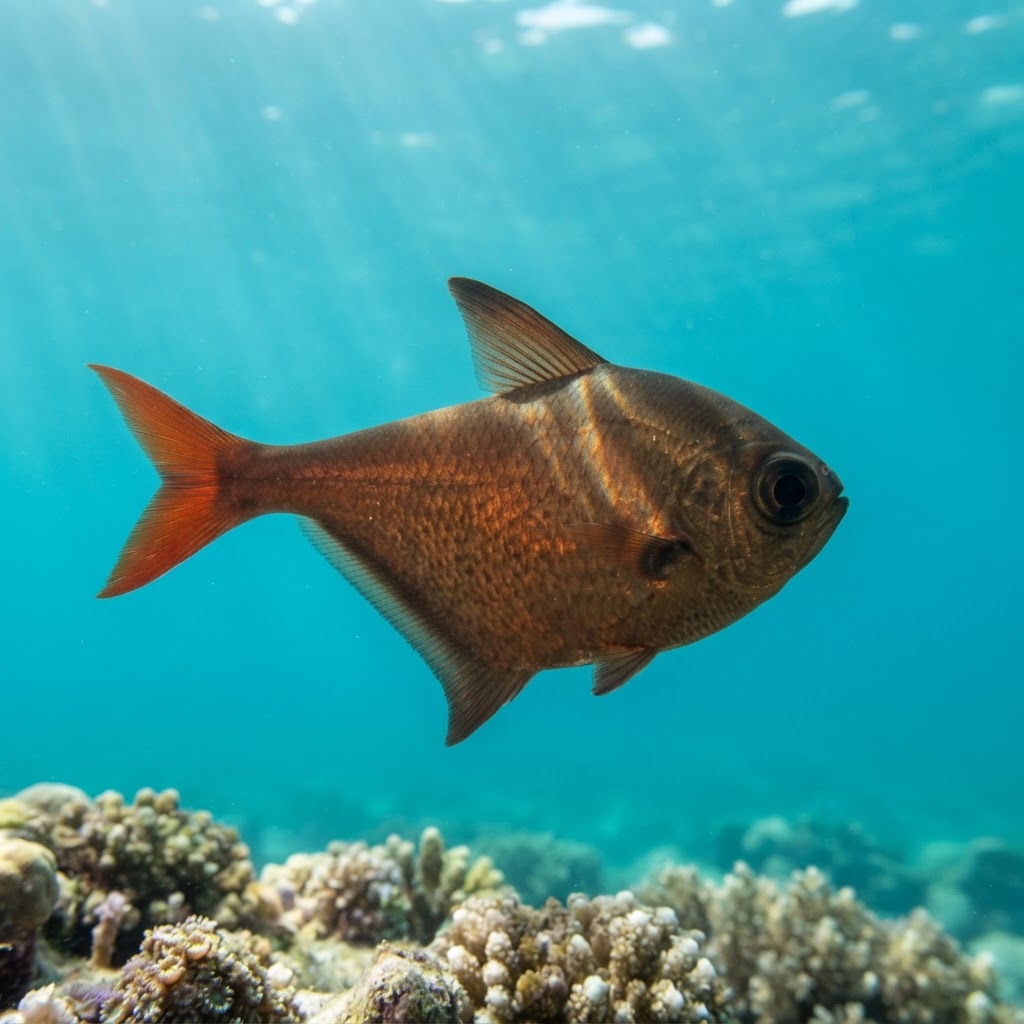
A slim, deep-bodied fish around 15 cm with a coppery, reflective bronze sheen that can look almost translucent depending on the light hitting it. Look for a slightly upturned mouth and large dark eyes suited to the dim overhangs and caves it favours. It usually shows up in tight, static schools packed into a crevice rather than swimming openly over the reef, which is often the first clue to its identity before the colour registers.
Divers typically find bronze sweepers packed shoulder to shoulder inside caves, under ledges, or tucked into crevices during the day, holding position rather than actively swimming. They tend to ignore divers unless a torch or hand comes in close, at which point the whole huddle shifts slightly deeper into the shadows. Expect to see them at rest by day, with more open, active feeding behaviour likely after dark, in line with the nocturnal habits typical of the sweeper family.
Bronze sweepers belong to a family of largely nocturnal fish that shelter in packed groups by day and disperse to feed on plankton over the reef at night, so a torch dive can reveal very different behaviour from a daytime one.
Recorded across a temperature range of 25.5 to 29.3C with no detected seasonal pattern, so treat sightings as possible year-round wherever it occurs. There is not enough data yet to point to a stronger month or season in any one region.
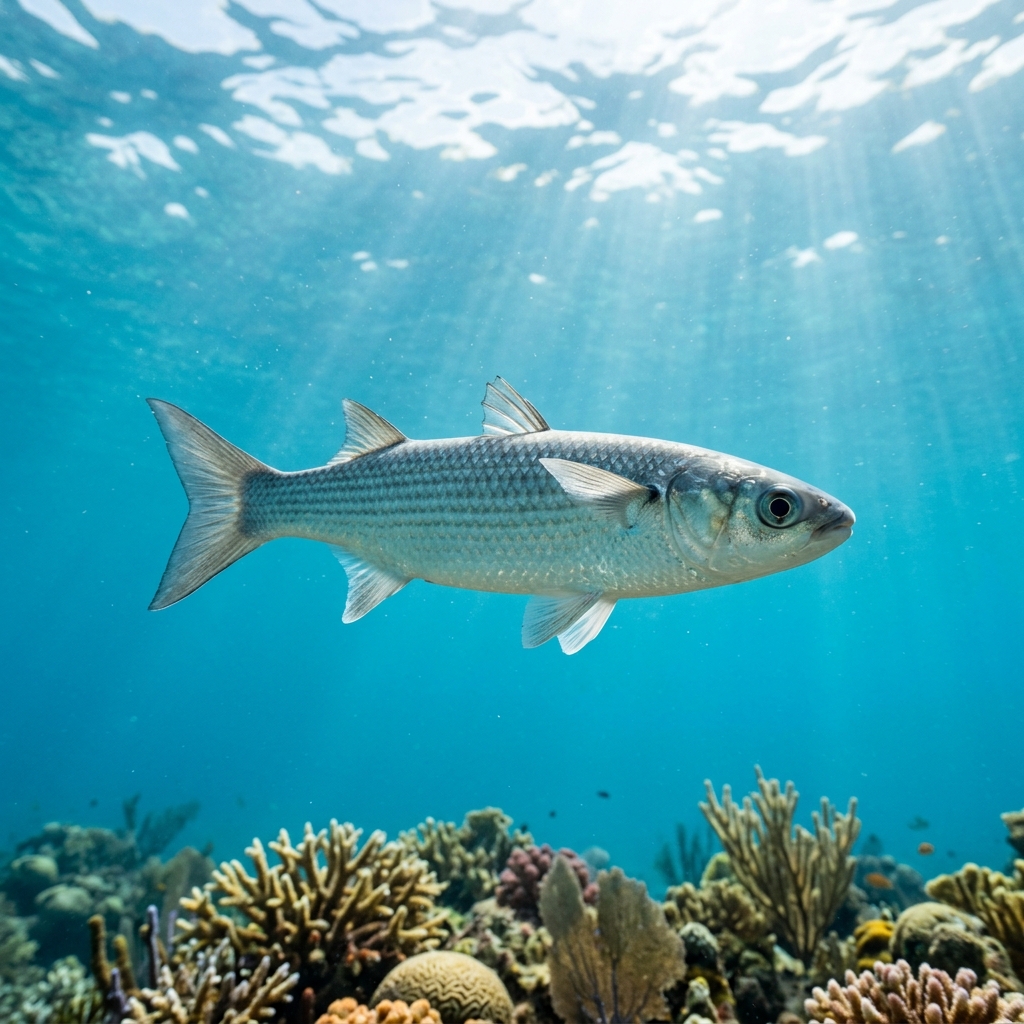
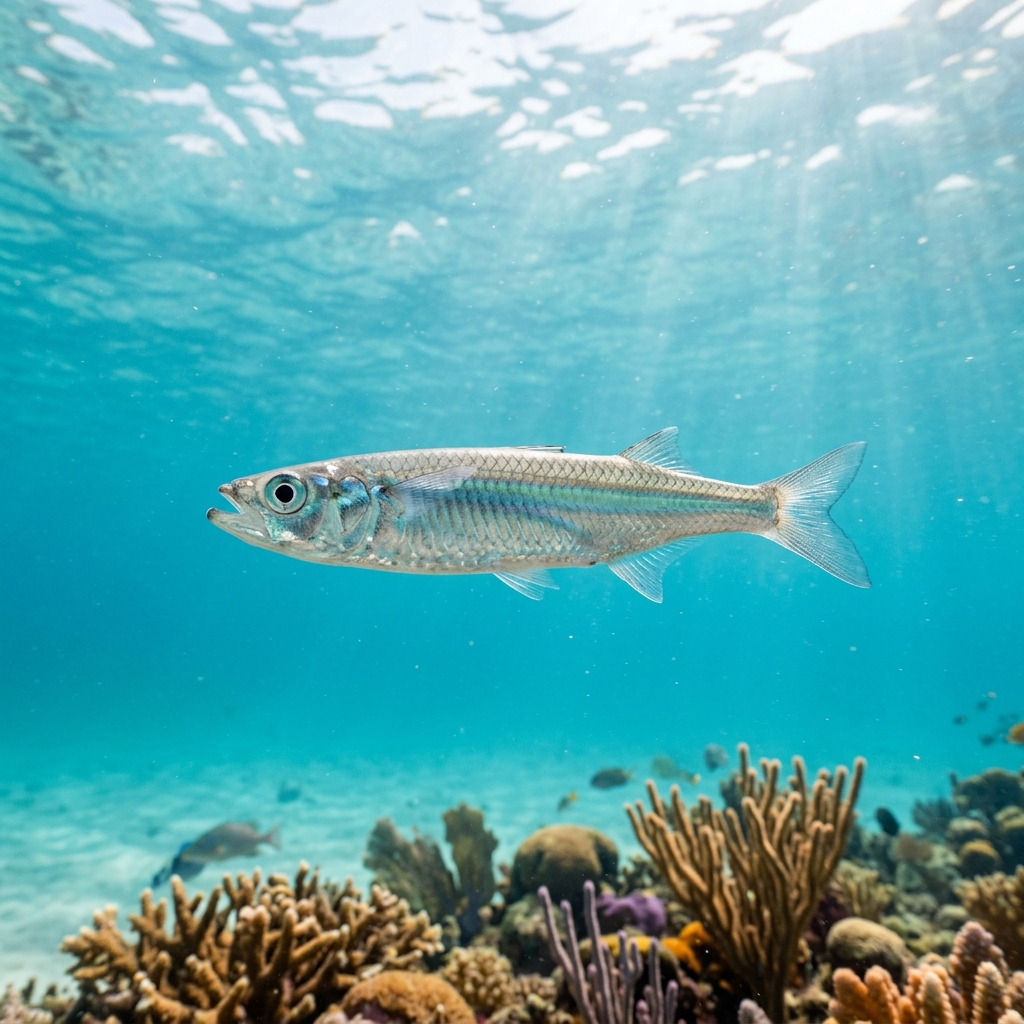
Reef neighbours a diver could mistake it for. Use the identification notes above to tell them apart.
Most reliably logged around Sai Kung in Hong Kong, where it turns up at multiple sites, with further sightings recorded in Lomaiviti, Fiji and Bourail, New Caledonia. At all known sites it is rated uncommon, so finding a school is a matter of checking the right ledges and cave mouths rather than expecting it on open reef.
Mapping where Bronze Sweeper is logged…
The strongest sightings come from Sai Kung in Hong Kong, with additional records from Lomaiviti in Fiji and Bourail in New Caledonia. It is considered uncommon even at these sites, so check cave mouths and ledges rather than open reef.
There is no clear season in the data, and it has been recorded across a warm range of 25.5 to 29.3C, so it is best treated as a year-round sighting on the reefs where it occurs.
Look for a small, deep-bodied fish about 15 cm long with a coppery bronze sheen, large eyes, and a habit of packing tightly into caves or under ledges by day rather than swimming out in the open.
They typically reach around 15 cm, a small, compact reef fish that is easy to overlook unless you spot the whole school clustered together.
No, they are not considered dangerous to divers. They shelter passively in crevices and simply retreat further into shadow if approached too closely.
Site and sighting data is aggregated from diver logs, iNaturalist and GBIF. For taxonomy and conservation status:
Anchovy
2,433 sites