Acanthaluteres spilomelanurus
Small reef filefish logged across South Australia and Tasmania in water as cool as 14.3C, most sightings uncommon rather than guaranteed.
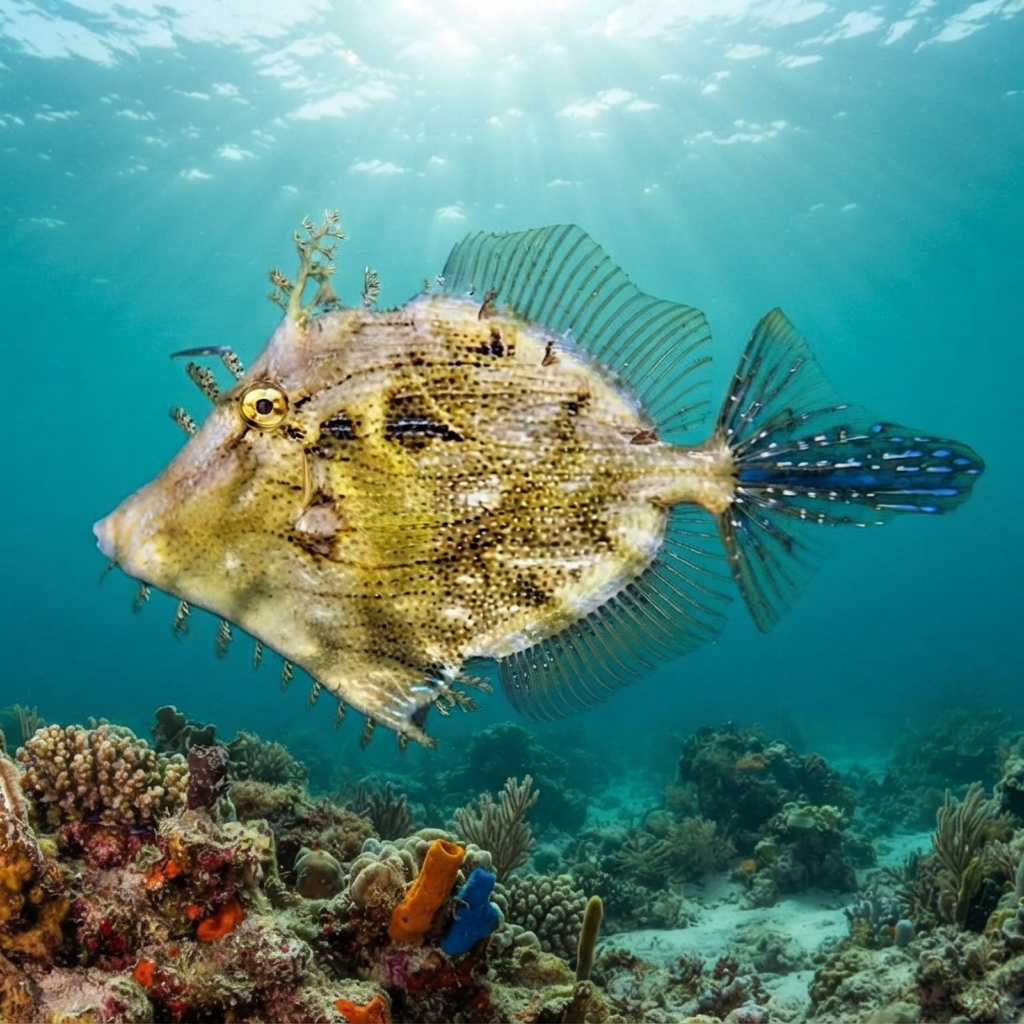
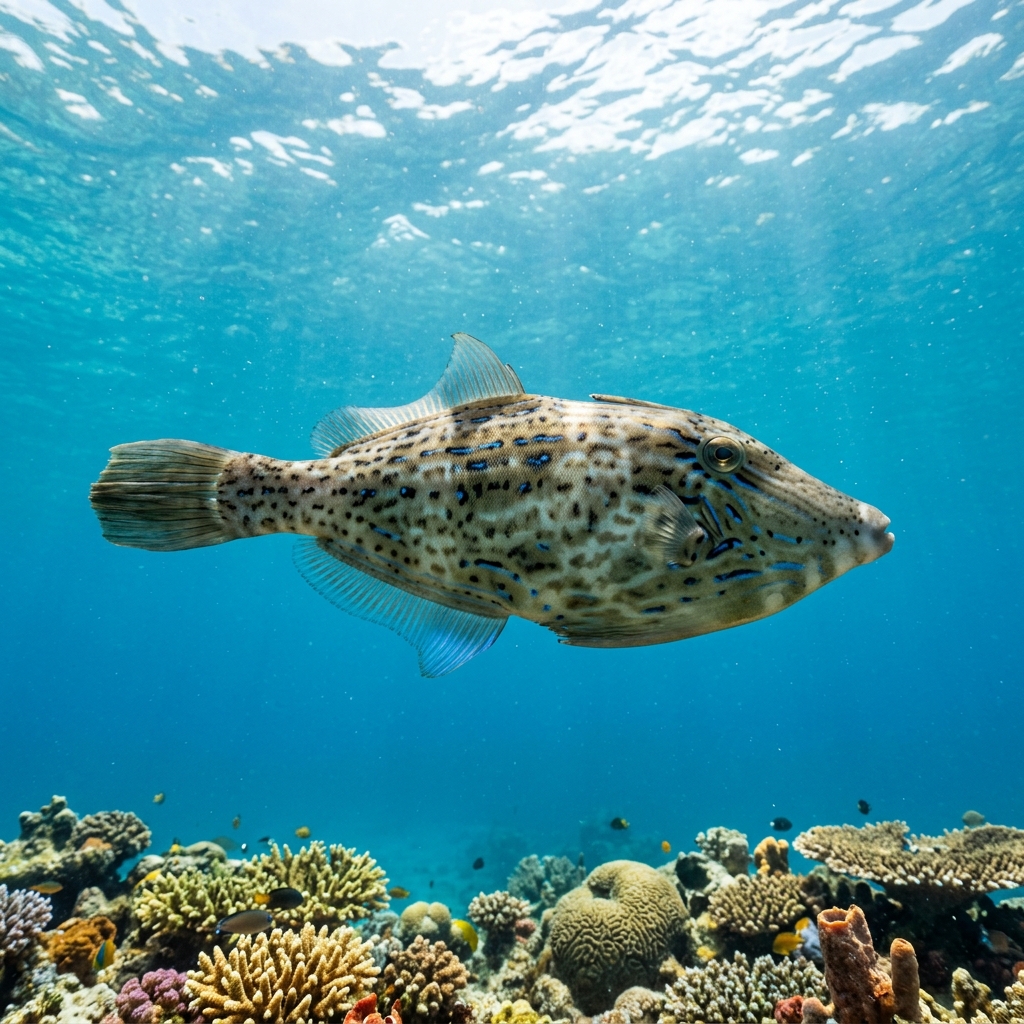
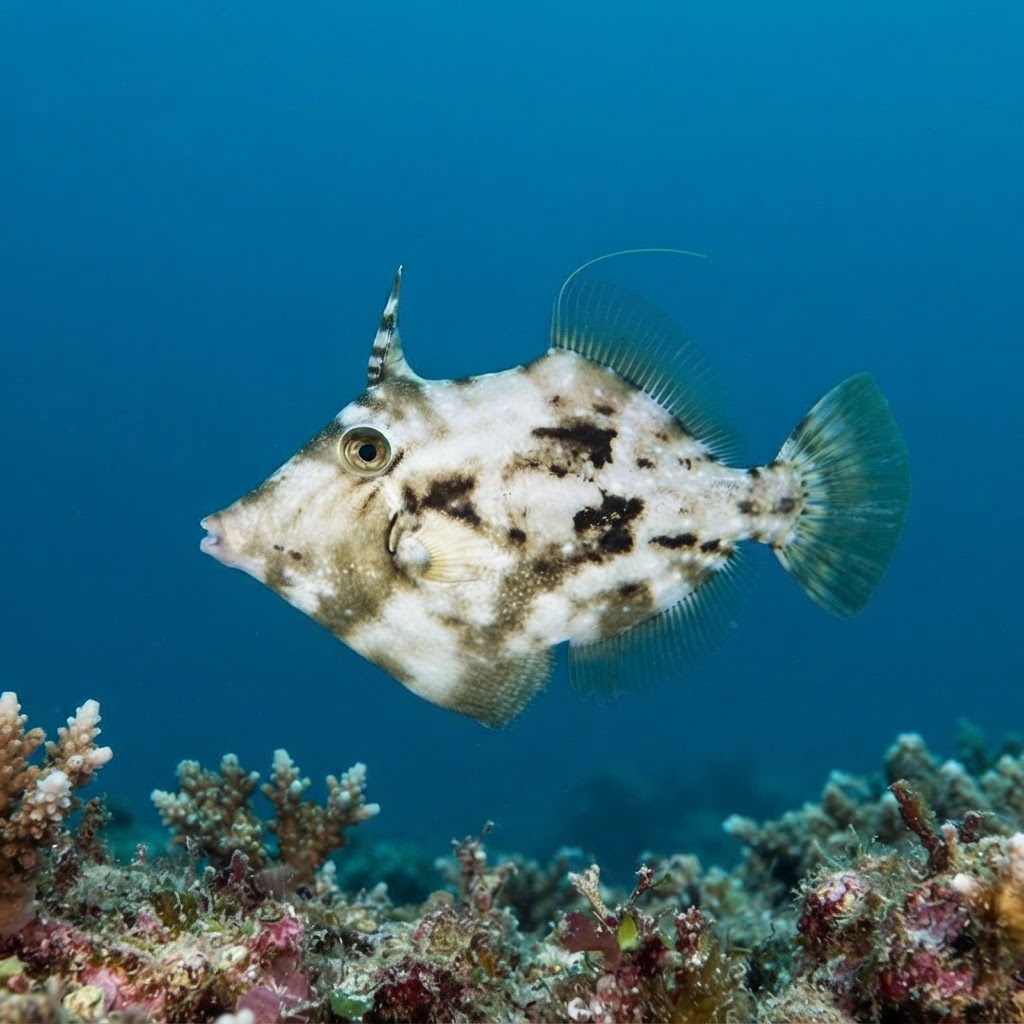
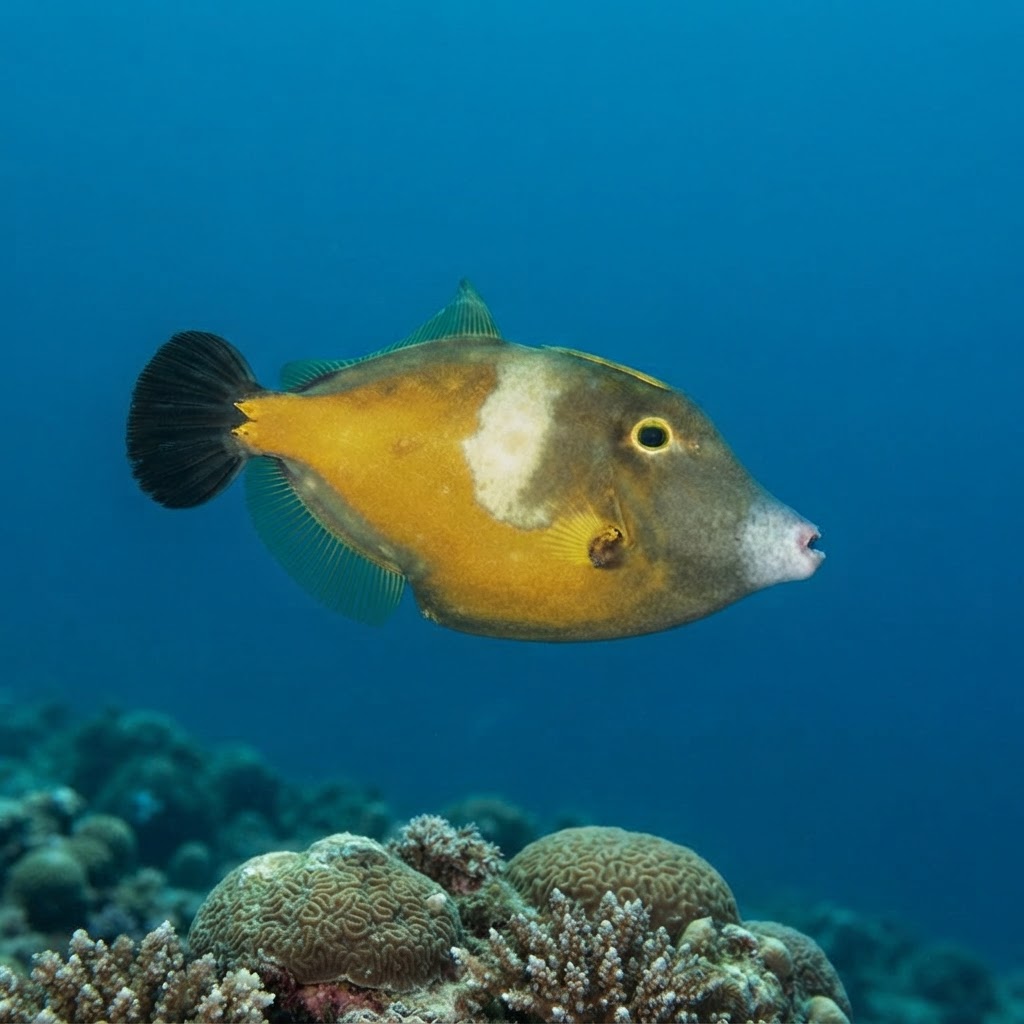
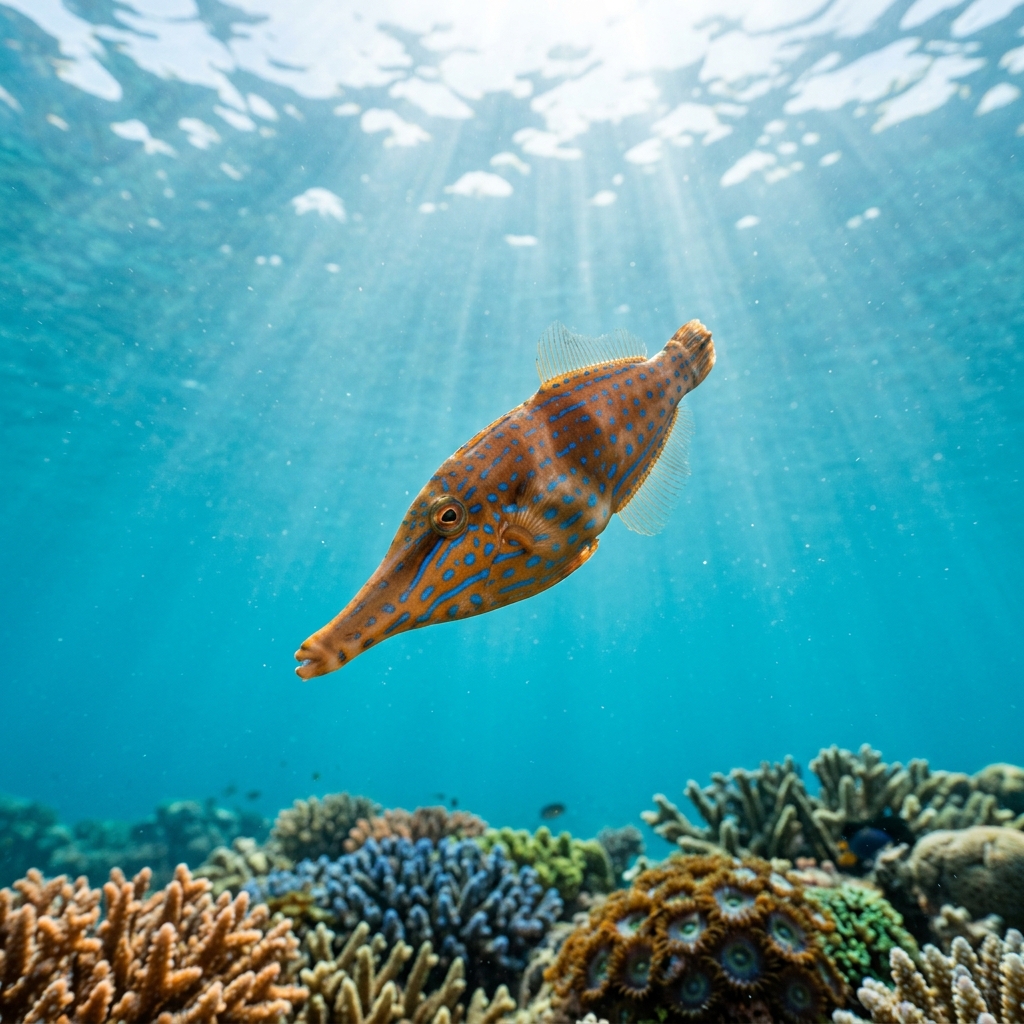
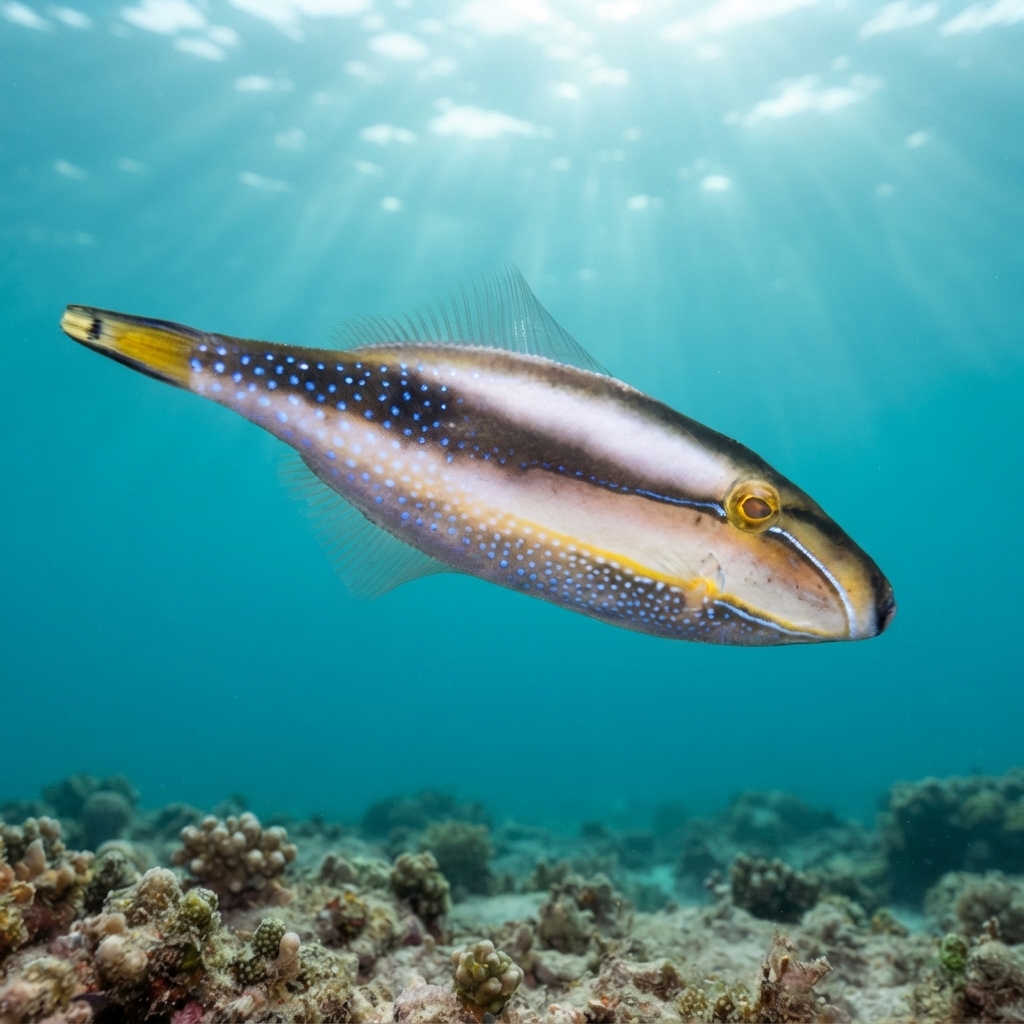
A small filefish, around 10 cm, with a flattened, oval body and a fine, retractable spine on its back rather than a dorsal fin you'd notice at a glance. Colouring runs mottled brown to olive-green with darker blotching, which helps it blend into weedy reef and sand rather than stand out. Look for the subtle dark markings near the base of the tail (the 'bridled' pattern the name refers to) as the main giveaway once you've spotted one holding still against the reef.
Divers usually find it hovering low over reef and weed, picking at small invertebrates rather than cruising open water. It's not a fast or flighty fish but it does rely on camouflage, so it often sits still and lets divers pass rather than bolting for cover. Most logs describe it as uncommon at a given site, meaning it's a fish you notice if you slow down and look closely rather than something that swims out to meet you.
Like other filefish, it can lock that dorsal spine upright to wedge itself into a crevice, making it awkward for a predator to pull back out.
Sightings are spread across the year with no clear seasonal peak in the data, and the observed temperature range of 14.3 to 21.0C covers the typical southern Australian diving calendar, so it's a year-round possibility rather than a seasonal target.
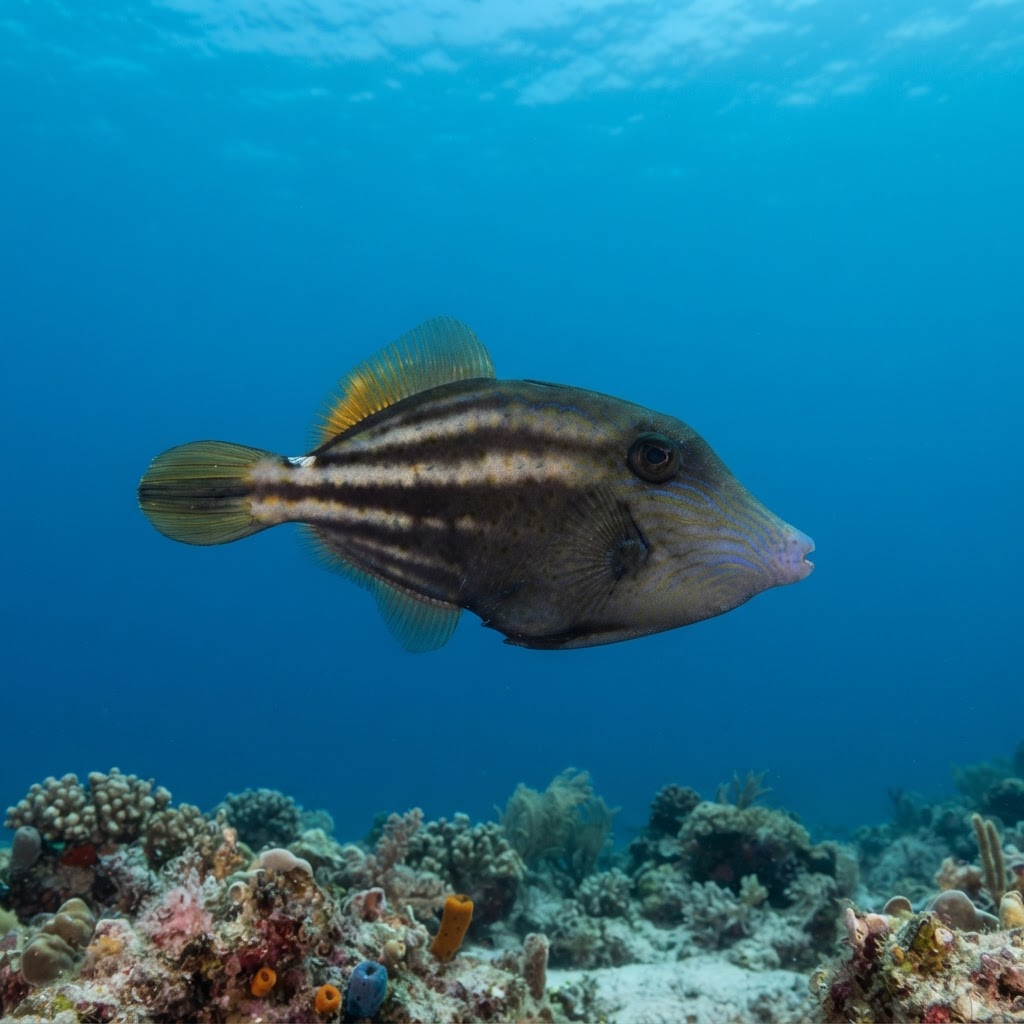
Reef neighbours a diver could mistake it for. Use the identification notes above to tell them apart.
This is a temperate Australian species, most logged in South Australia, with Tasmania and Victoria also reliable, and fewer sightings reaching New South Wales and Western Australia. South Australian sites carry the bulk of recorded encounters, so that's the strongest bet if you're targeting this fish specifically.
Mapping where Bridled Leatherjacket is logged…
South Australia has the most recorded sightings, with Tasmania and Victoria also worth checking. Smaller numbers have been logged in New South Wales and Western Australia.
There's no strong season in the sighting data, and its comfortable temperature range of roughly 14 to 21C spans most of the southern Australian dive calendar, so it turns up year-round.
Look for a small, flattened fish around 10cm long, mottled brown-green for camouflage, with subtle dark marking near the tail base. It typically sits low over reef or weed rather than swimming in open water.
They're a small species, typically around 10 cm in length, which along with their camouflage colouring makes them easy to swim straight past on a reef.
No, they pose no threat to divers. They're small, non-aggressive, and rely on camouflage and a lockable dorsal spine for defence rather than any behaviour that concerns humans.
Site and sighting data is aggregated from diver logs, iNaturalist and GBIF. For taxonomy and conservation status:
Orangespotted Filefish
836 sites