Sarotherodon melanotheron
Common in Hawaii's brackish waters, this mouthbrooding cichlid turns up year-round at 22 to 28 C, no closed season needed.
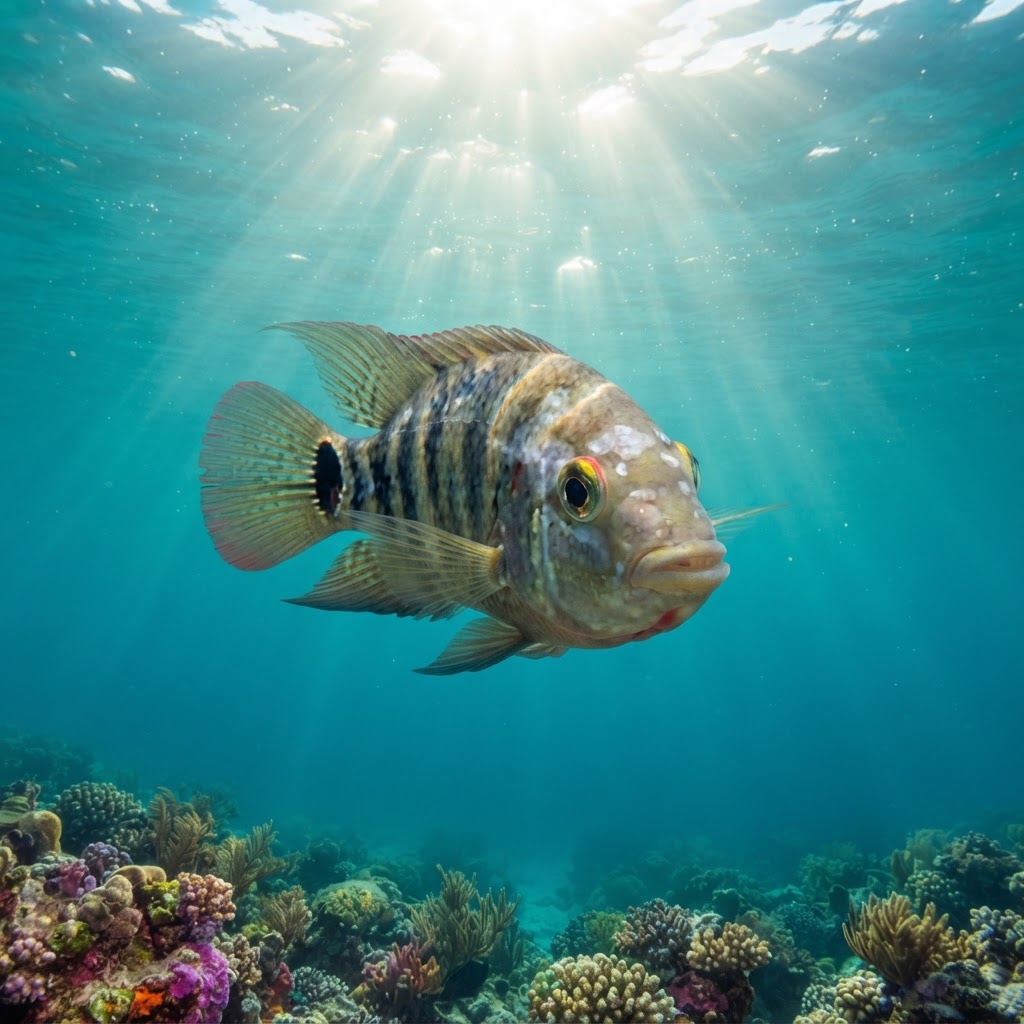
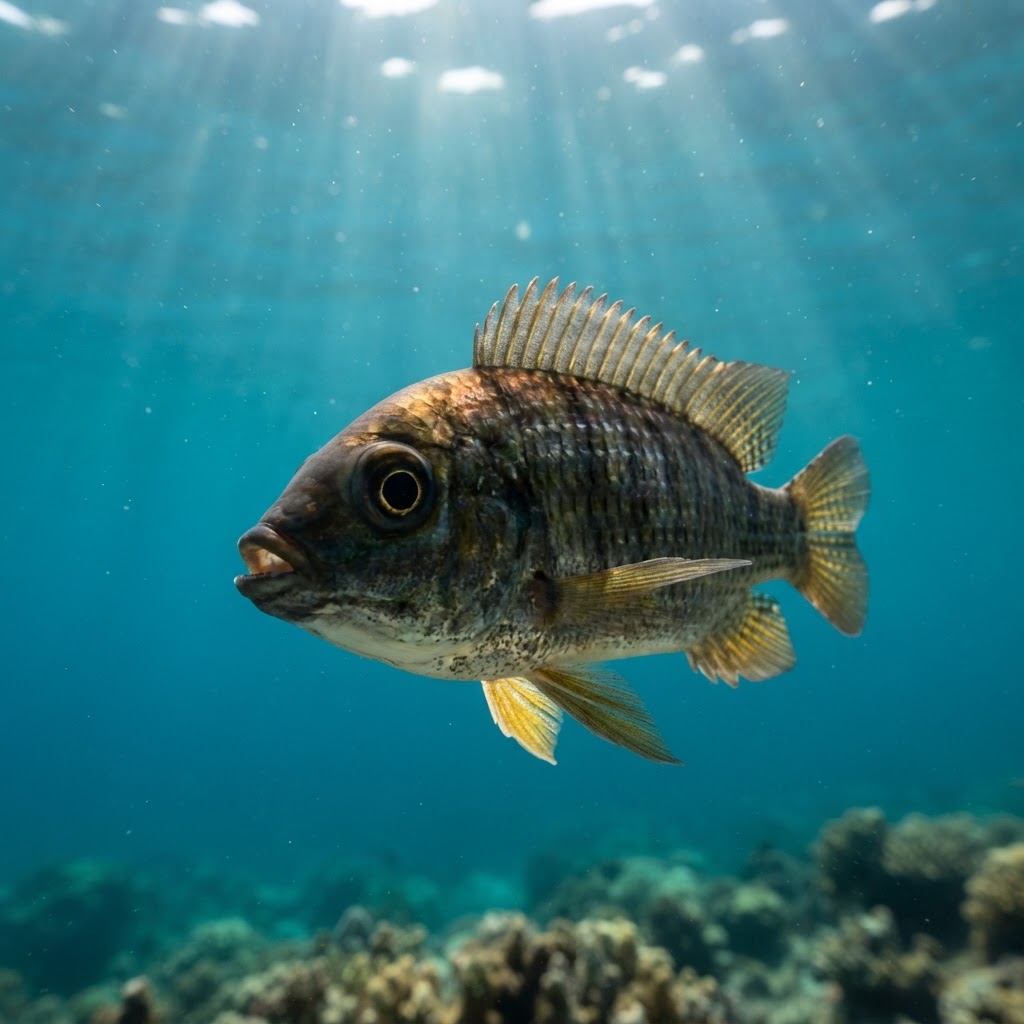
Deep, laterally flattened body up to about 20 cm, grey to olive-brown with faint vertical barring and a single continuous dorsal fin running most of the back. The giveaway is the dark blotch on the chin and lower jaw that gives the species its name. Breeding males often darken further across the head and throat, making the chin patch stand out even more against the body.
Usually seen hovering low over sand or silt in sheltered, calm water, often in small loose groups rather than tight schools. They're unfazed by divers and snorkellers, holding position or drifting off slowly rather than bolting, which makes them easy to get a good look at. Watch for adults with a mouth that looks oddly full or swollen, that's often a parent carrying eggs or fry rather than feeding.
Blackchin tilapia are mouthbrooders: one parent holds fertilised eggs and then the hatched young inside its mouth for protection, releasing them gradually as they grow strong enough to fend for themselves.
No clear season shows up in the sighting data, and with a comfortable range of 22.3 to 28.3 C, Hawaii's waters stay within that window all year, so any month works.
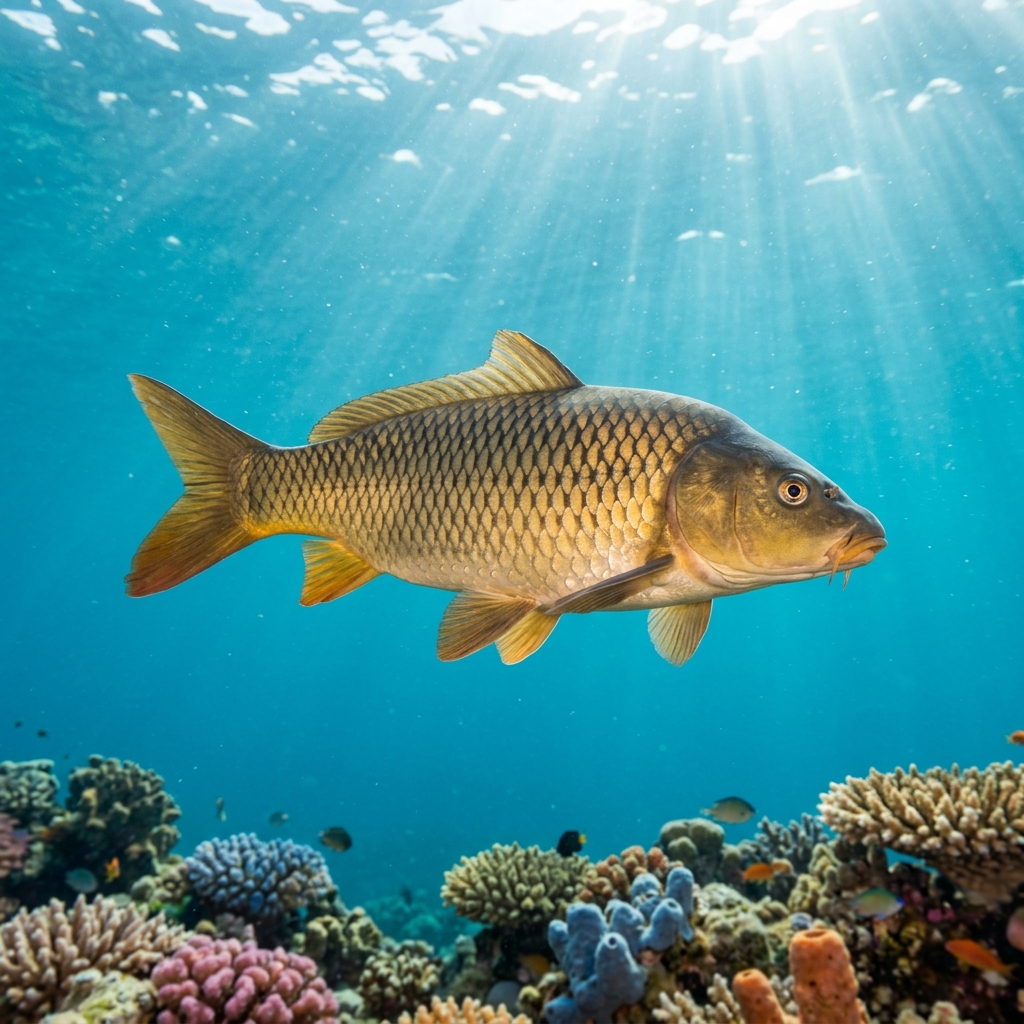
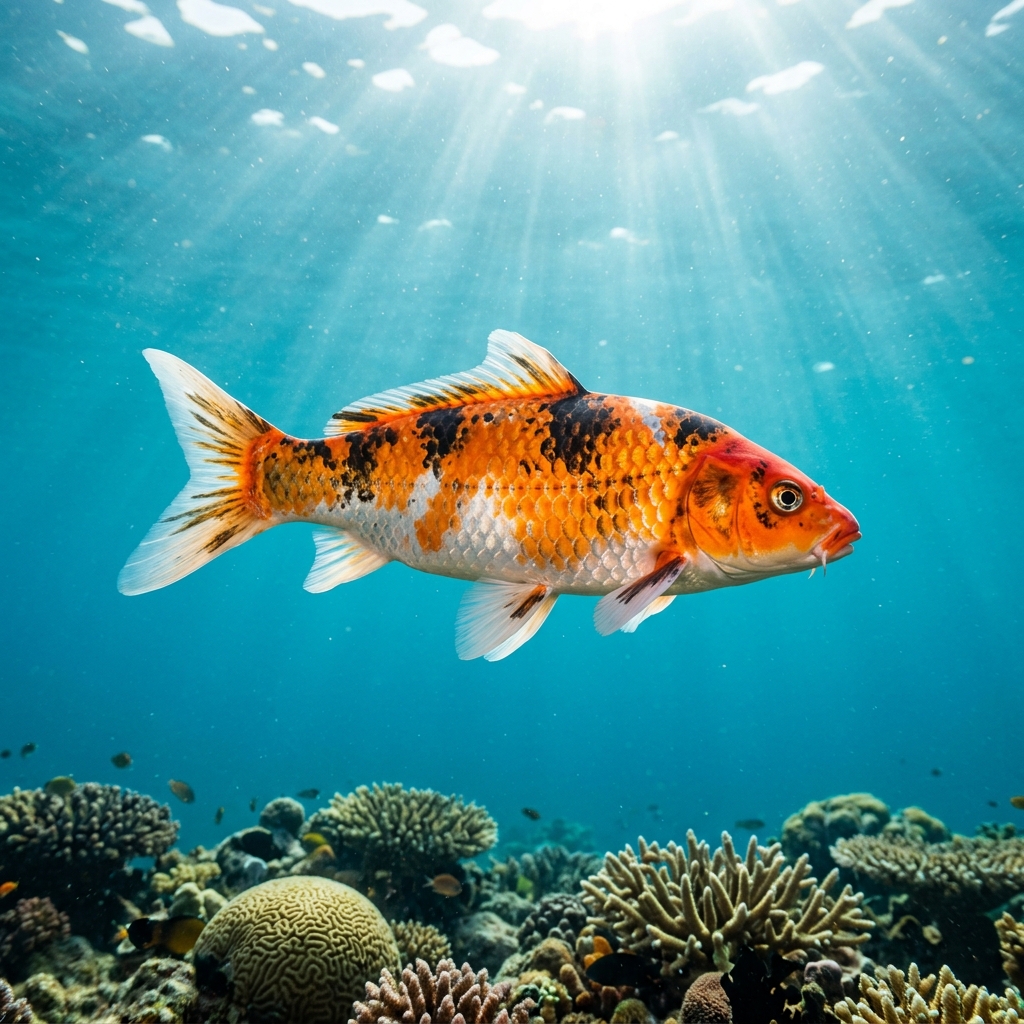
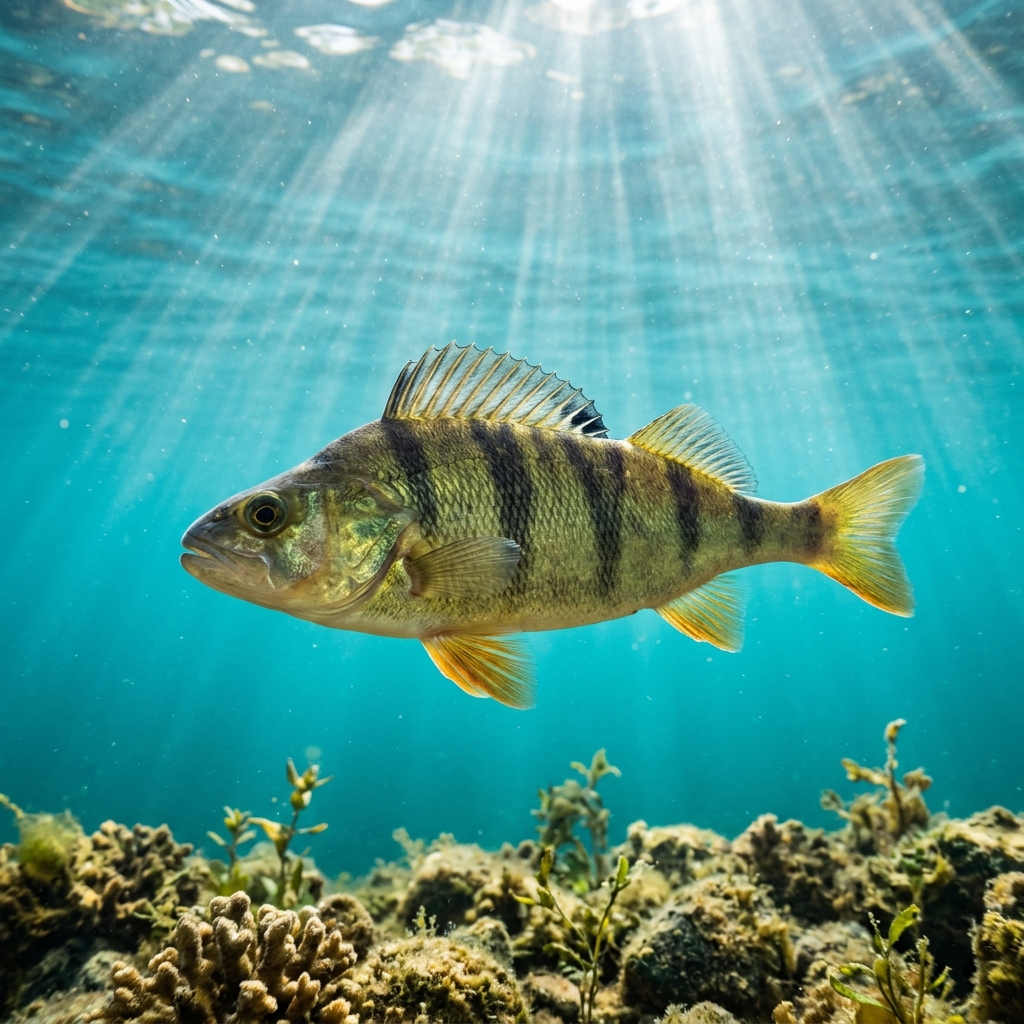
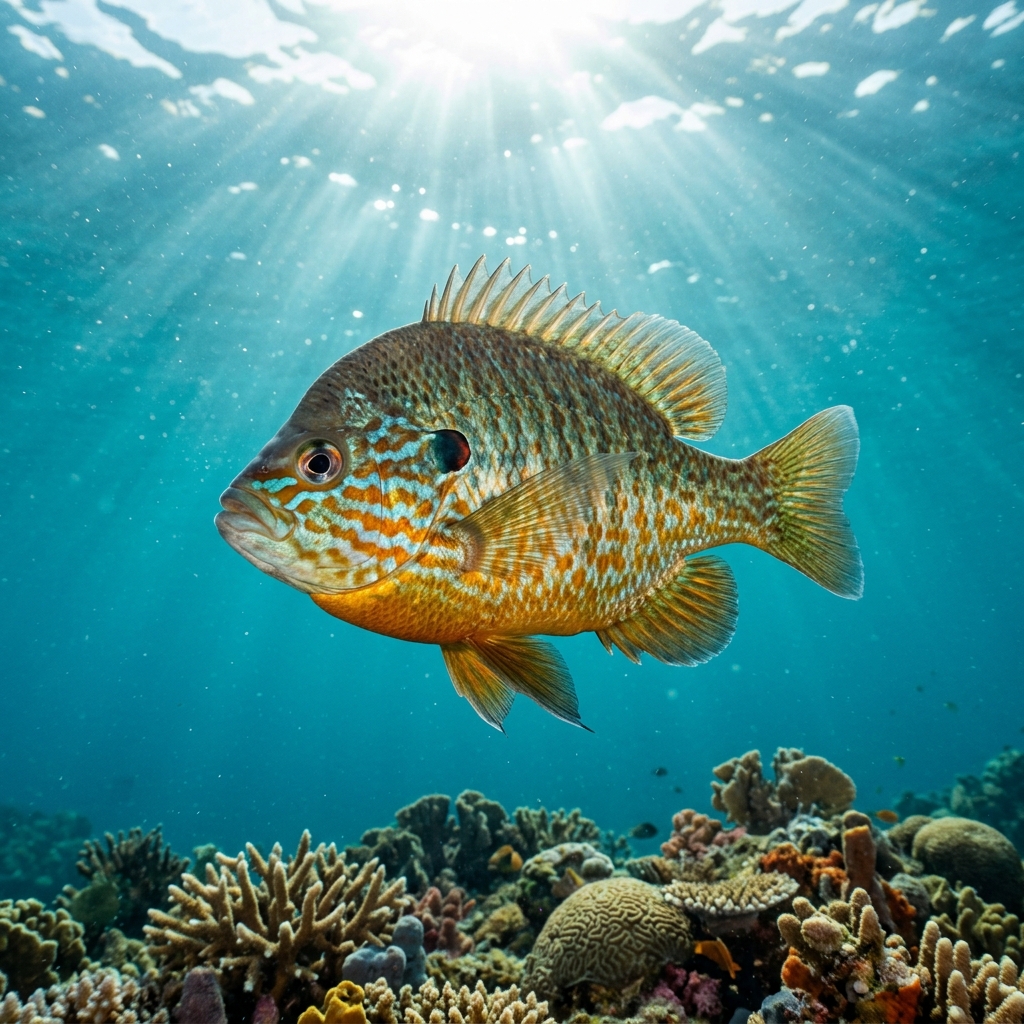
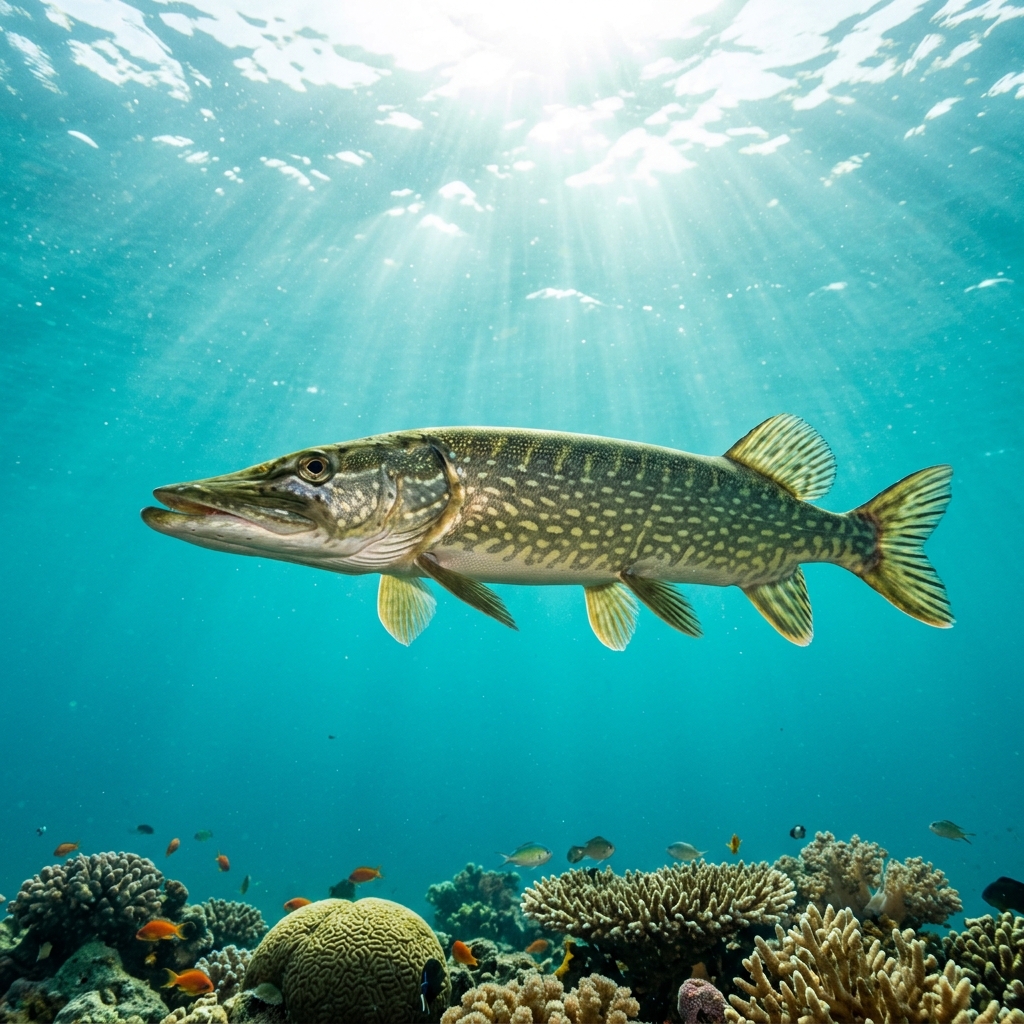
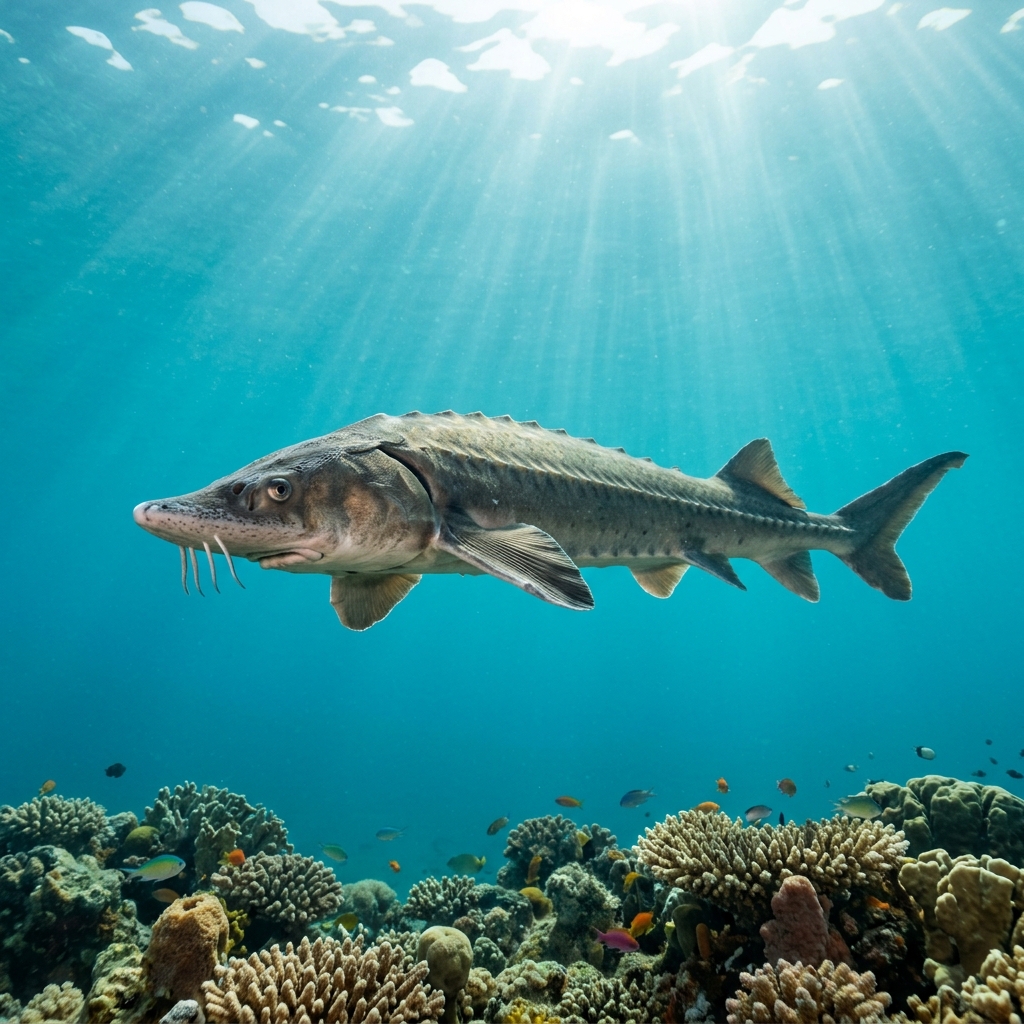
Reef neighbours a diver could mistake it for. Use the identification notes above to tell them apart.
Almost all logged sightings come from Hawaii, particularly around Oahu, with a single additional record from Florida. If you're snorkelling or diving brackish shoreline, harbour, or estuary-influenced sites in Hawaii, this is one of the more reliably encountered freshwater fish on the list.
Mapping where Blackchin Tilapia is logged…
They're most consistently logged around Oahu in Hawaii, in sheltered brackish and coastal freshwater sites, with only occasional records elsewhere such as Florida.
There's no strong seasonal pattern in the sighting data. They tolerate water from about 22 to 28 C, which Hawaii holds year-round, so you can look for them in any month.
Look for a deep-bodied, grey-brown fish around 20 cm with faint vertical bars and a distinctive dark patch on the chin and lower jaw. Breeding males darken further around the head, making that chin mark even clearer.
They typically reach around 20 cm in length, a modest, deep-bodied size that's easy to mistake for other small cichlids at a glance.
They're mouthbrooders, carrying fertilised eggs and then newly hatched young inside the mouth of one parent until the fry are big enough to survive on their own.
No. They're calm, non-aggressive fish that tend to hold position or drift away slowly rather than react defensively to divers or snorkellers nearby.
Site and sighting data is aggregated from diver logs, iNaturalist and GBIF. For taxonomy and conservation status:
Sun Perch
2,182 sites