Bodianus mesothorax
Look for a dark band across the flank on reefs in Visayas or Sabah, where this wrasse turns up year-round in warm 26-29C water.
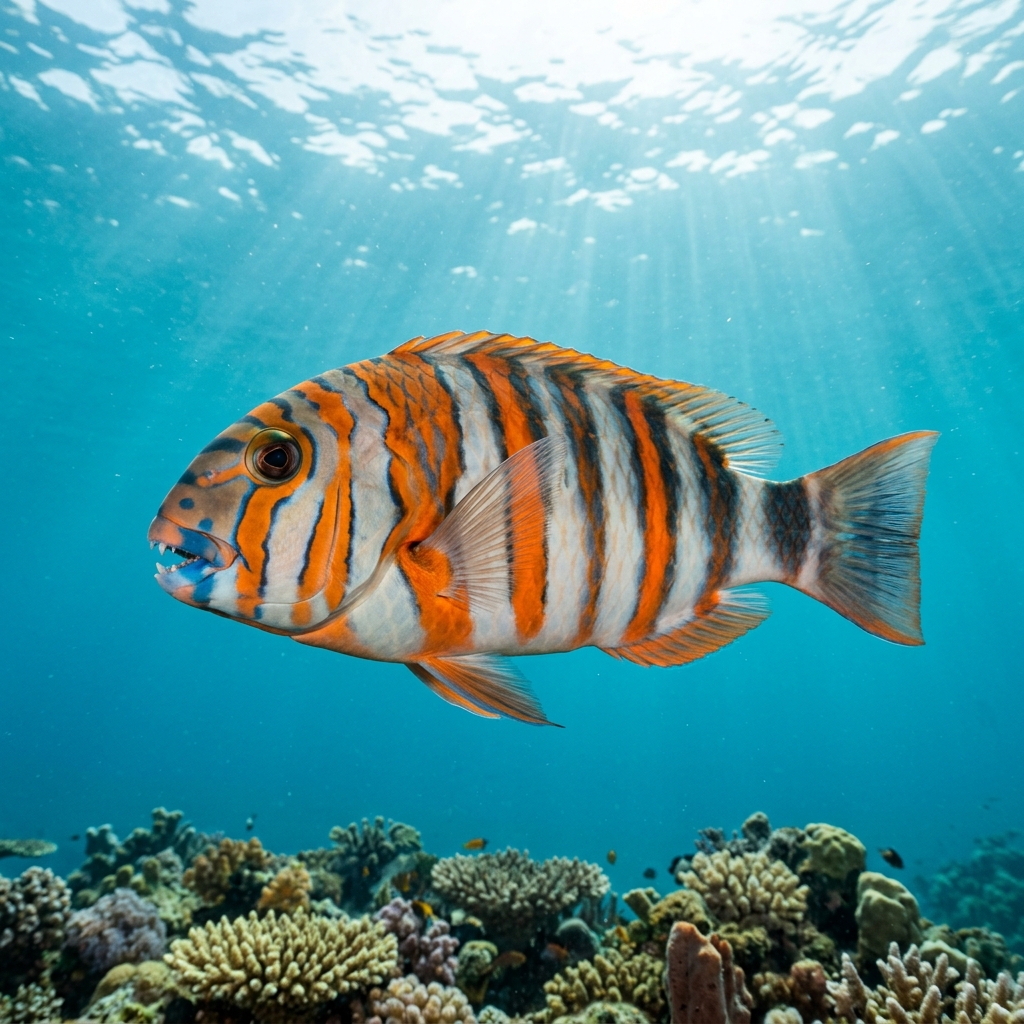
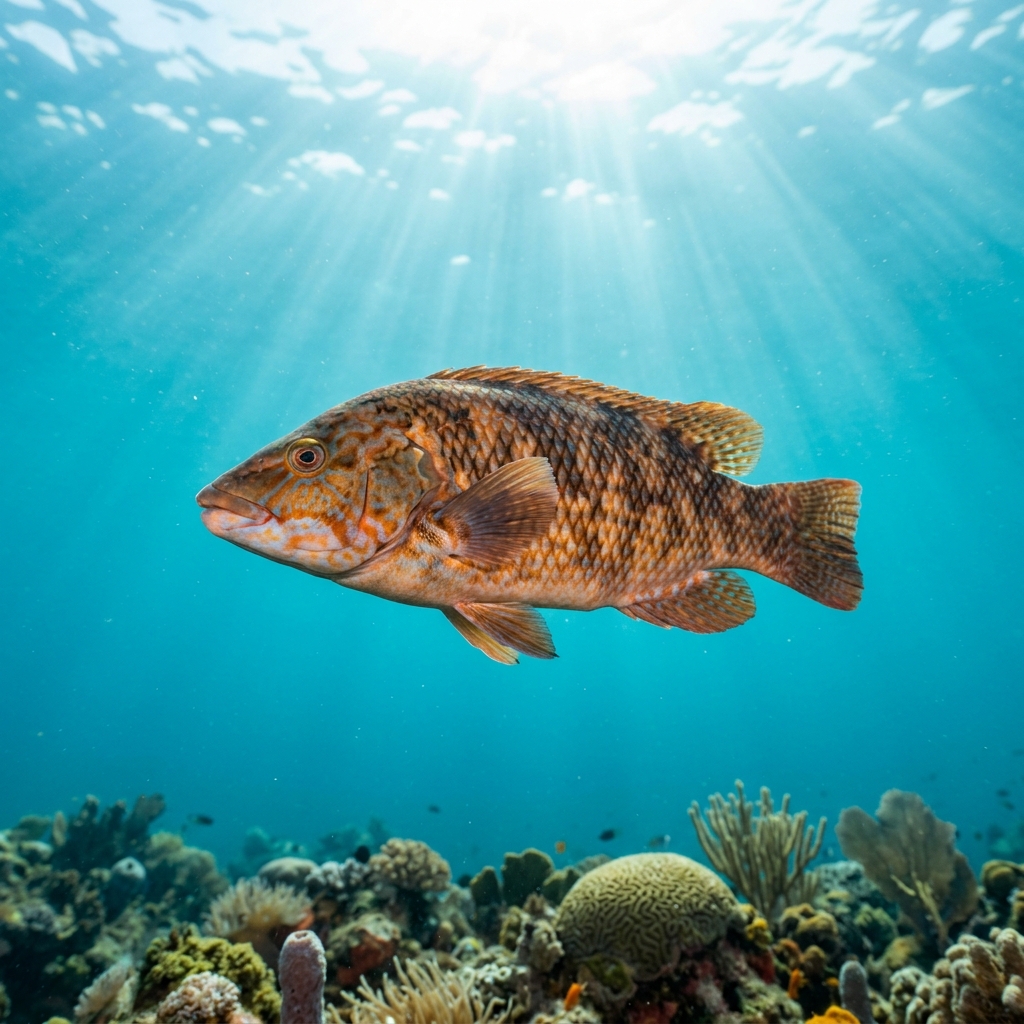
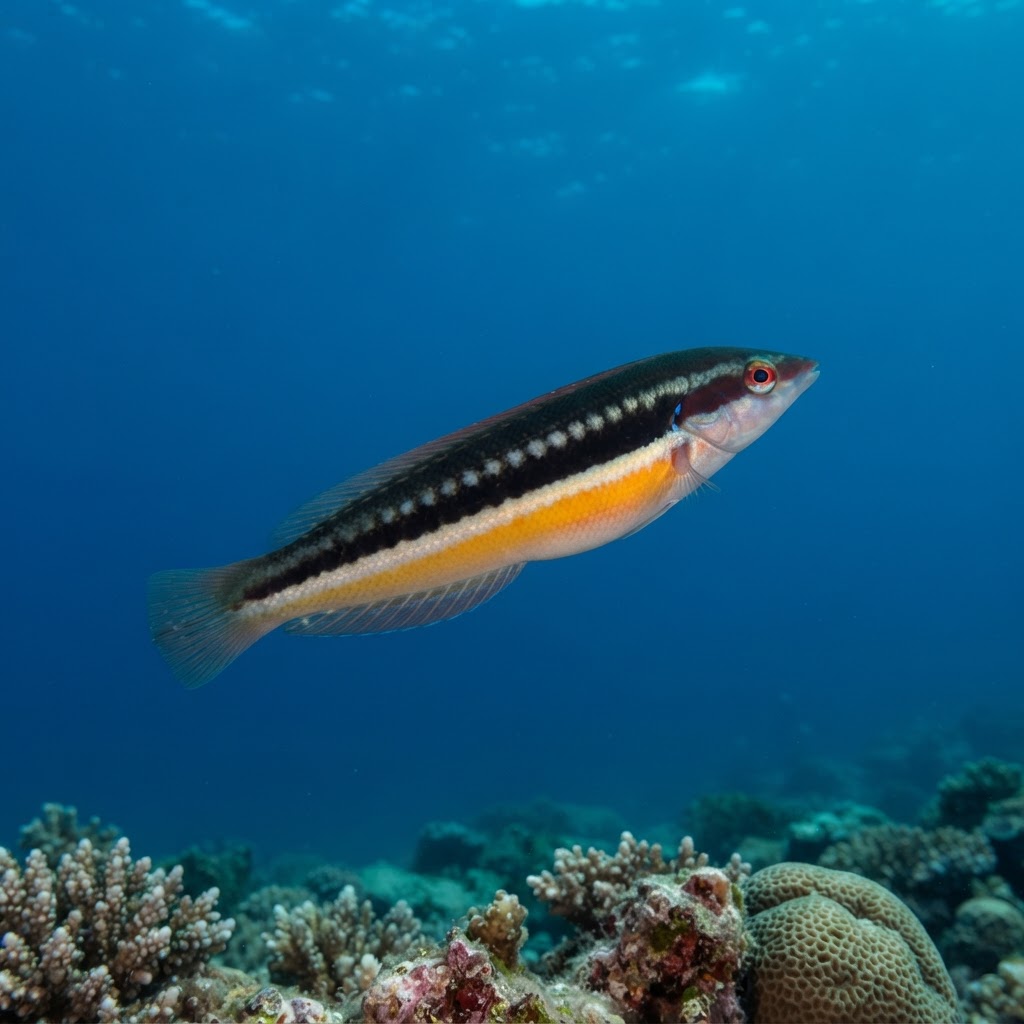
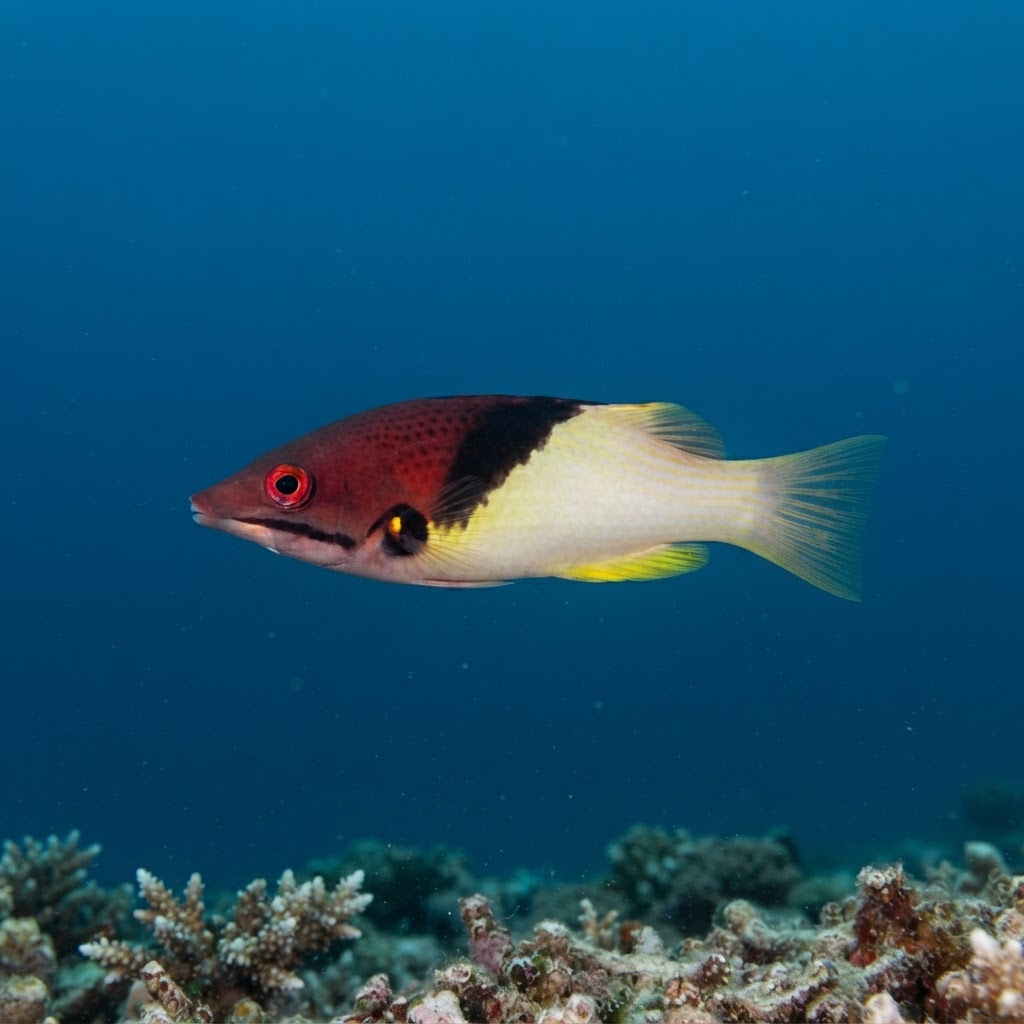
A stocky little wrasse to about 17 cm, easiest to pick out by the broad dark diagonal band running across the middle of its orange-yellow body, giving it the look of wearing a belt. The head and tail stay bright yellow-orange, and the fins carry the same warm tone with a dark spot near the base of the dorsal fin. It swims with the quick, darting motion typical of wrasses, staying low and close to reef structure rather than out in open water.
Usually seen picking its way over rubble, coral rock and reef edges by day, hunting small invertebrates tucked into crevices rather than schooling or lingering in open water. It tends to be wary and quick to duck for cover when a diver gets close, which is part of why it logs as uncommon at most sites even where it is present. Look for it working a patch of reef alone rather than in a group.
Like many wrasses, it is a protogynous hermaphrodite, meaning individuals start life as females and some later transition into males as they mature.
No strong seasonal pattern shows up in the sightings, and given its comfort range of roughly 26.5 to 29C, that tracks: these are warm tropical reefs year-round, so there is no need to time a trip around a particular month for this species.
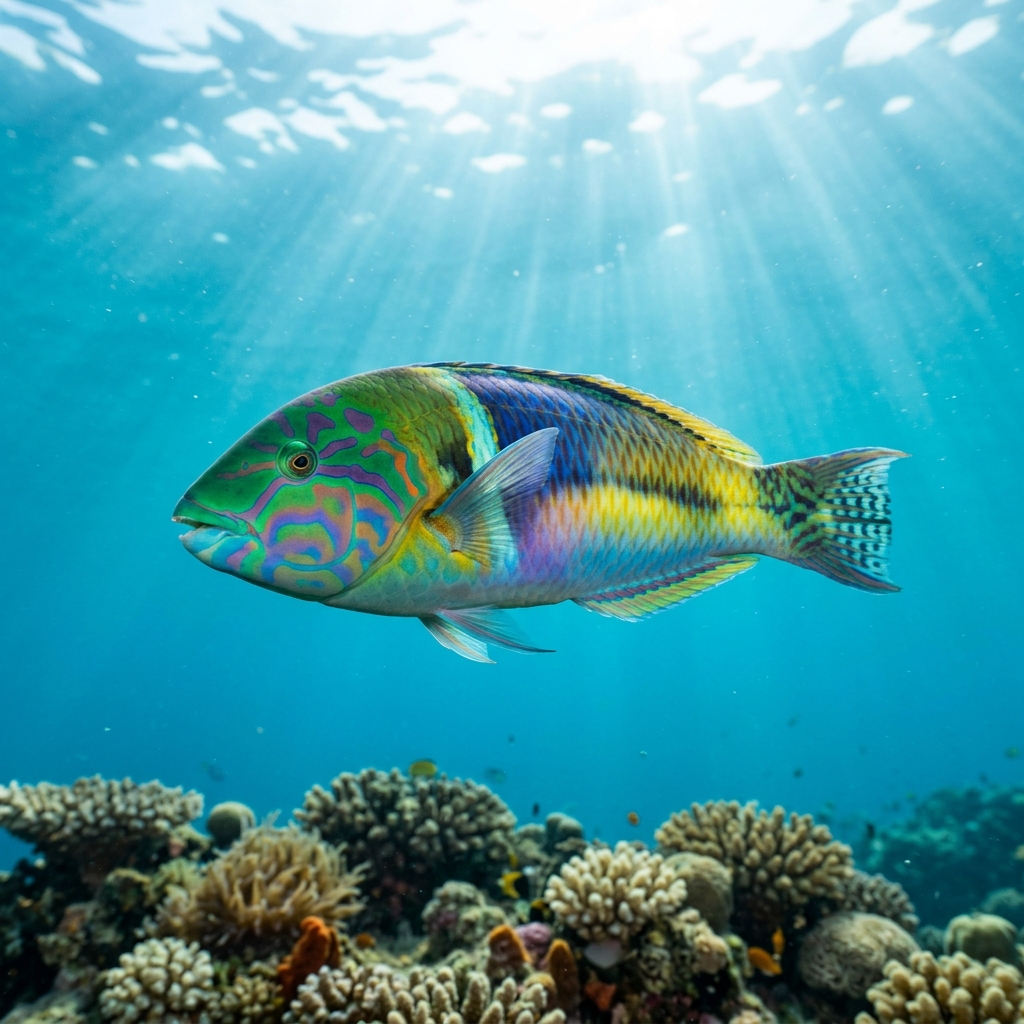
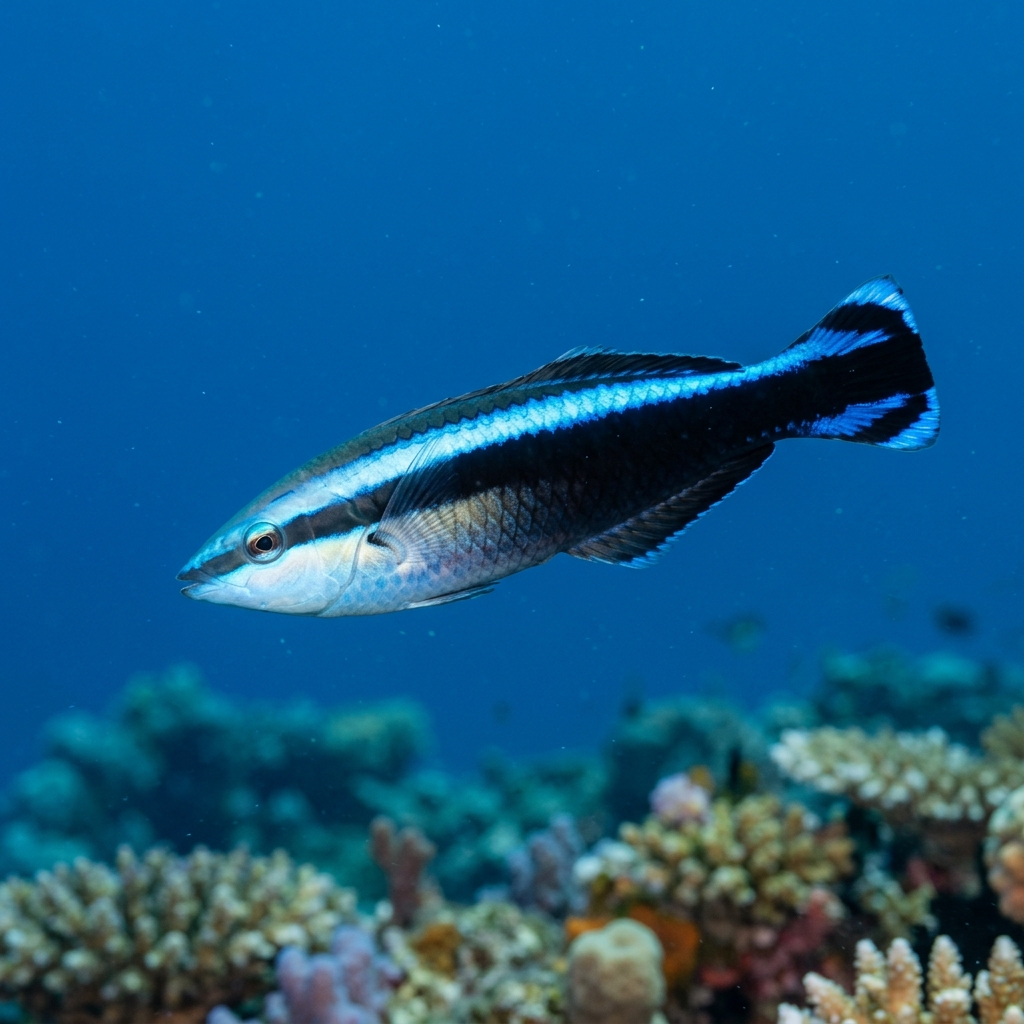
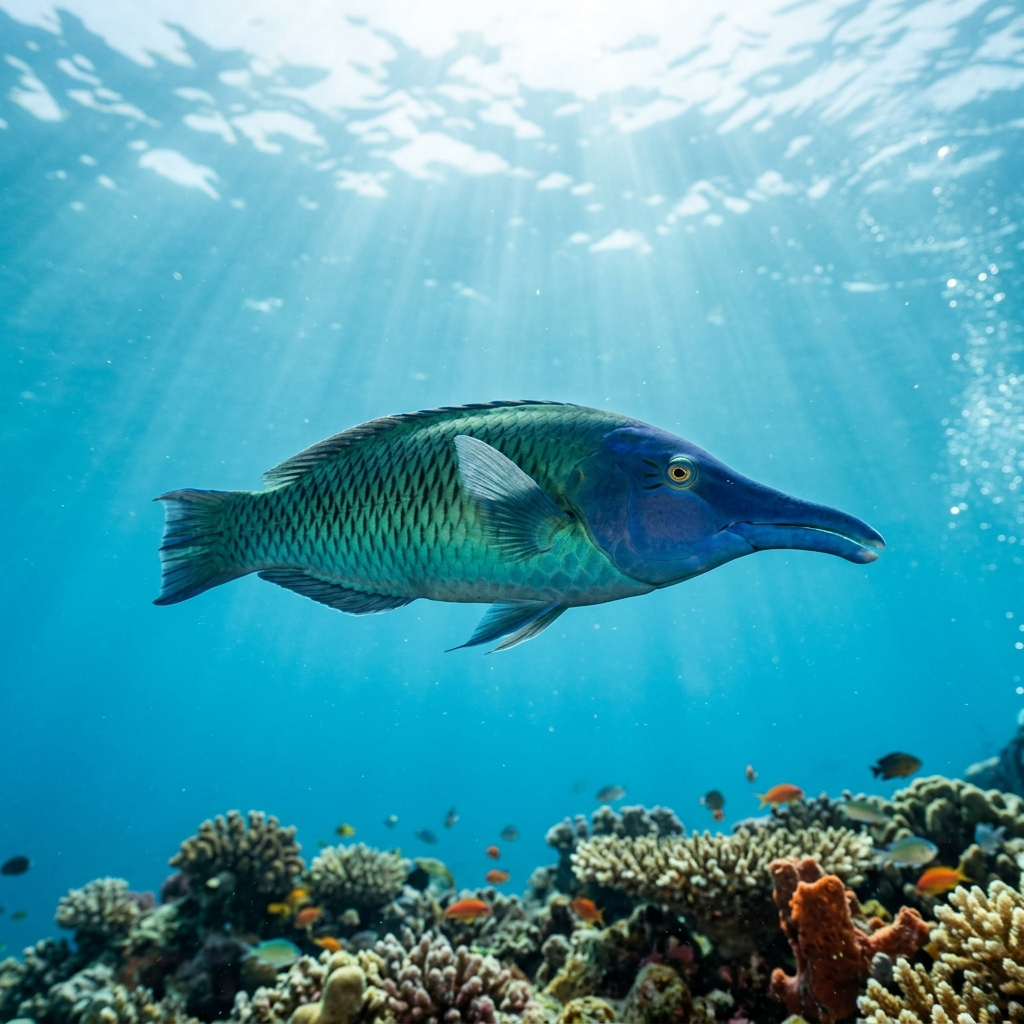
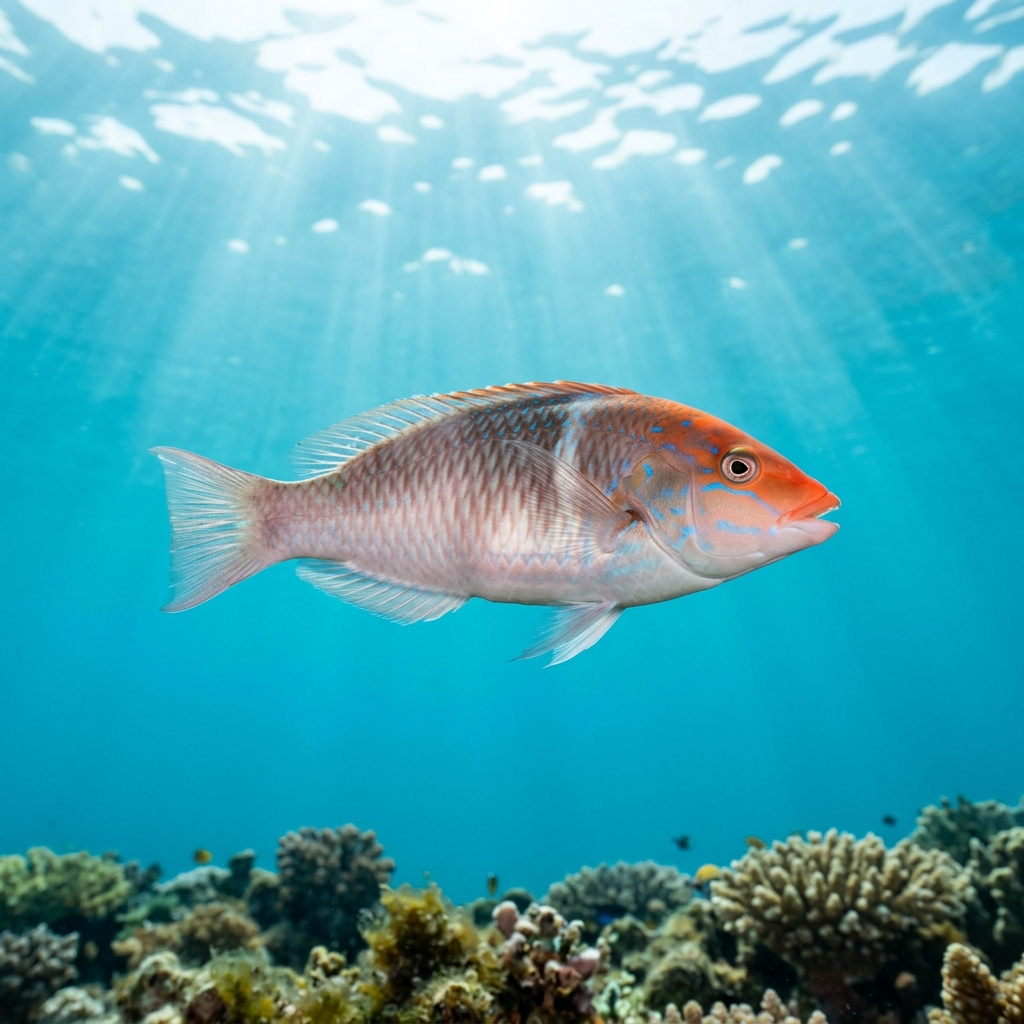
Reef neighbours a diver could mistake it for. Use the identification notes above to tell them apart.
Most reliably logged in the Philippines, especially around the Visayas, and in Malaysia's Sabah region, with Phuket and Khao Lak in Thailand also producing steady sightings. Indonesia adds further records from Bali and Sulawesi and Raja Ampat, and it has been logged more occasionally in Papua New Guinea, Timor-Leste, Australia and Fiji.
Mapping where Blackbelt Hogfish is logged…
The strongest sightings come from the Philippines, particularly the Visayas, and from Sabah in Malaysia. Phuket and Khao Lak in Thailand, plus Bali, Sulawesi and Raja Ampat in Indonesia, are other solid spots to look.
There is no clear seasonal spike in sightings, and its warm-water niche of roughly 26.5 to 29C is met year-round across its Indo-Pacific range, so any time of year works for a dive trip.
Look for a small, orange-yellow wrasse with a dark diagonal band crossing the middle of its body, like a belt slung across the flank. It stays close to reef structure and darts off quickly rather than hovering in the open.
They top out around 17 cm, making them one of the smaller members of the hogfish group divers are likely to encounter on a reef.
Yes, like many wrasses they are protogynous hermaphrodites, starting out as females with some individuals later developing into males as they grow.
Site and sighting data is aggregated from diver logs, iNaturalist and GBIF. For taxonomy and conservation status:
Bird Wrasses
3,632 sites