Lophopanopeus bellus
A cold-water crab most often found tucked under rocks in British Columbia, spotted in 7.6-13.6°C water year-round, but always a rare find.
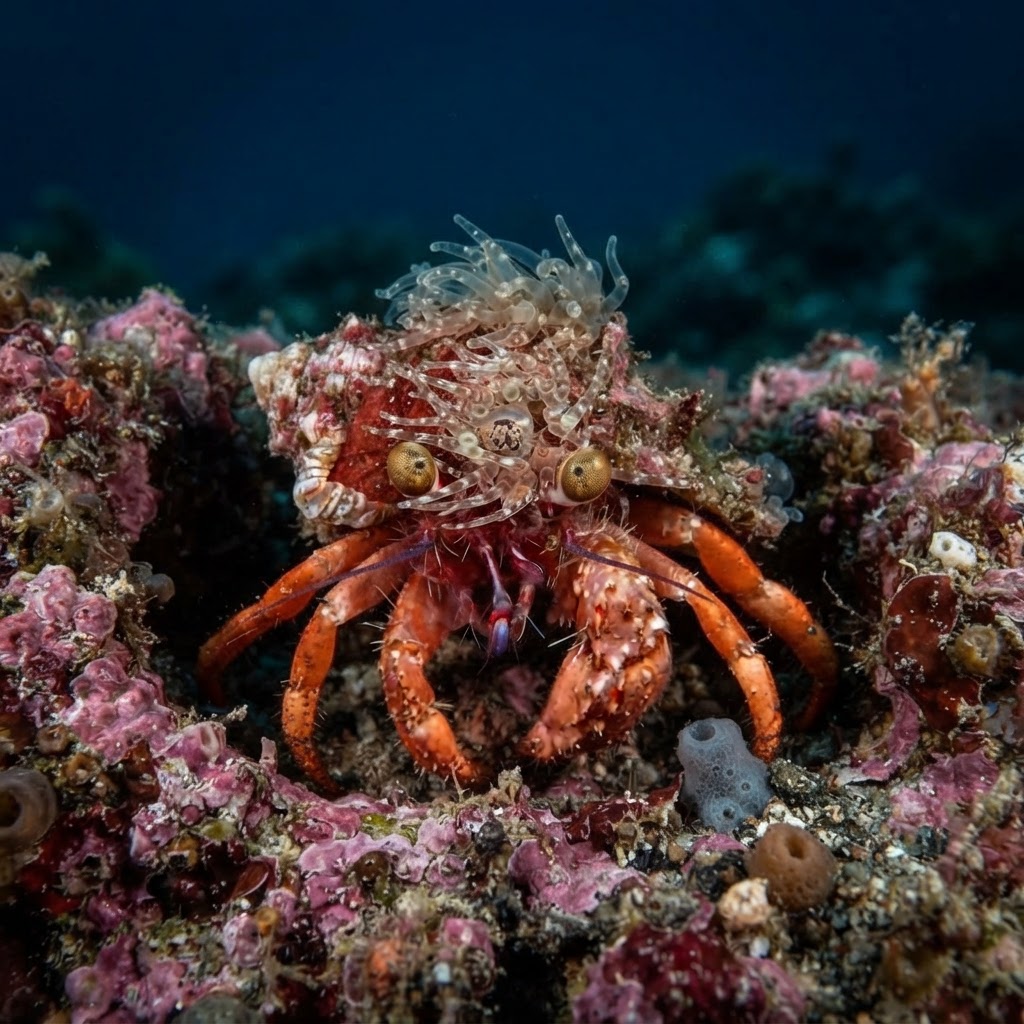
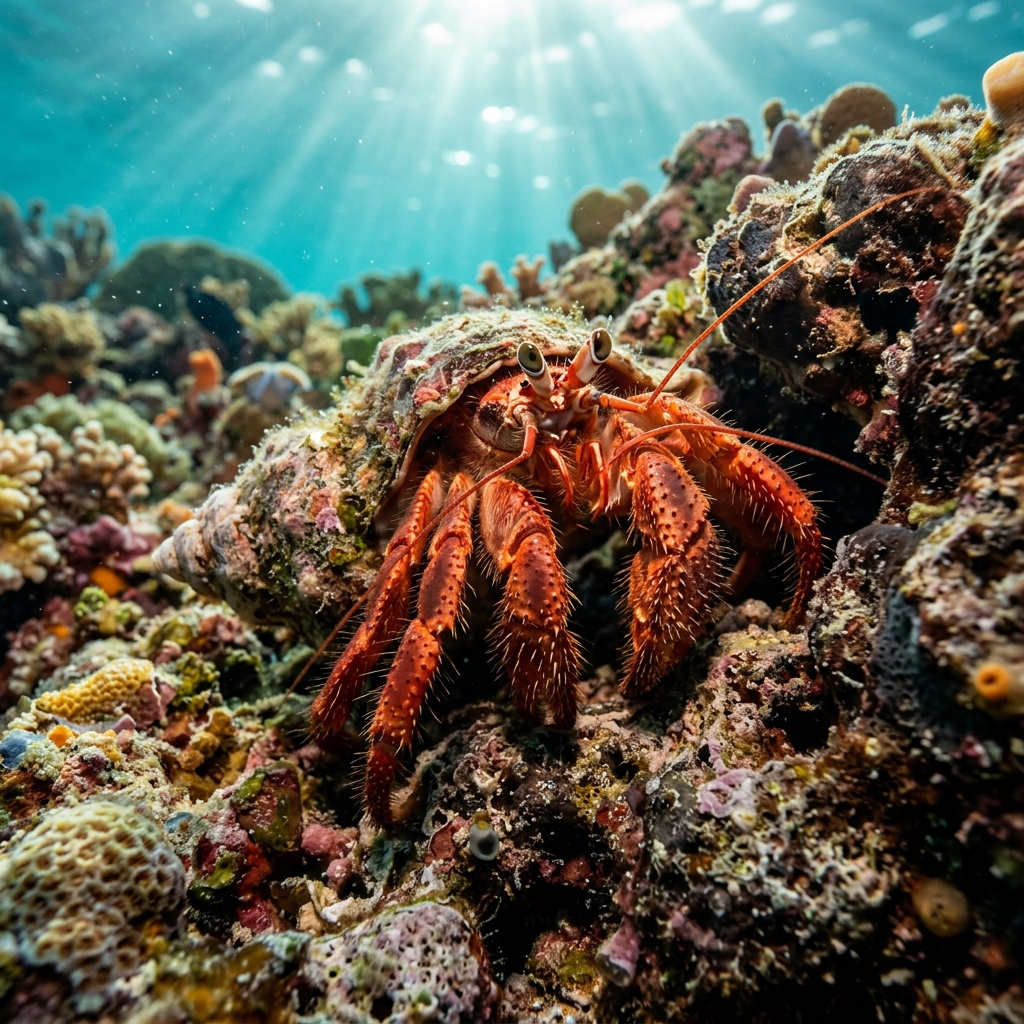
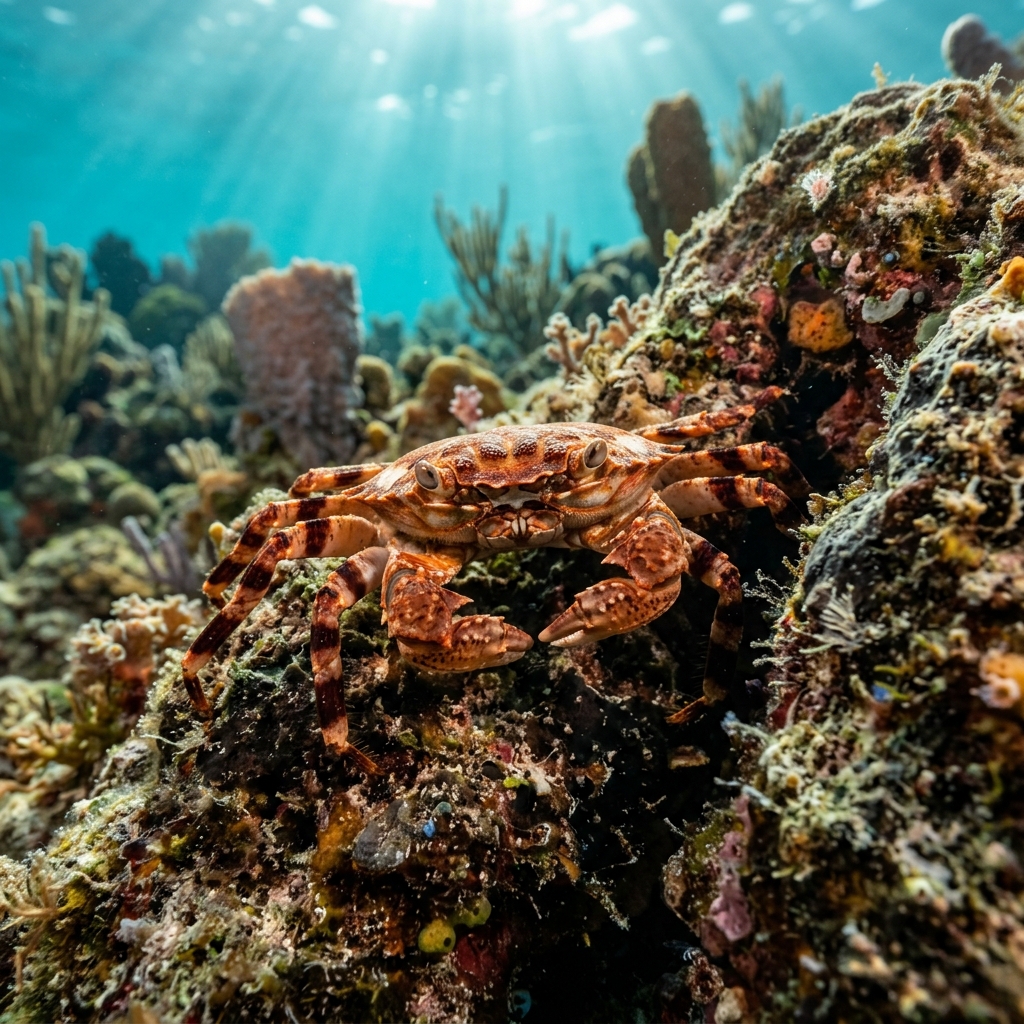
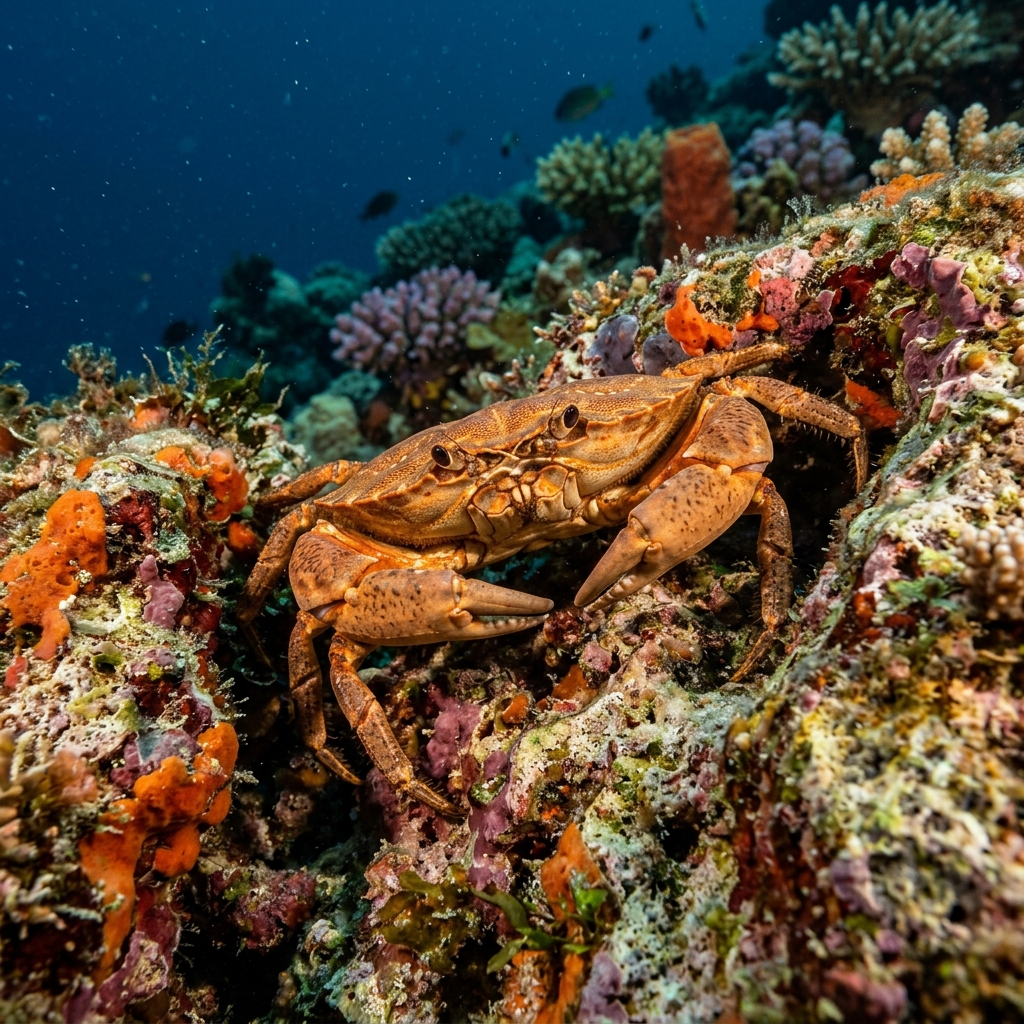
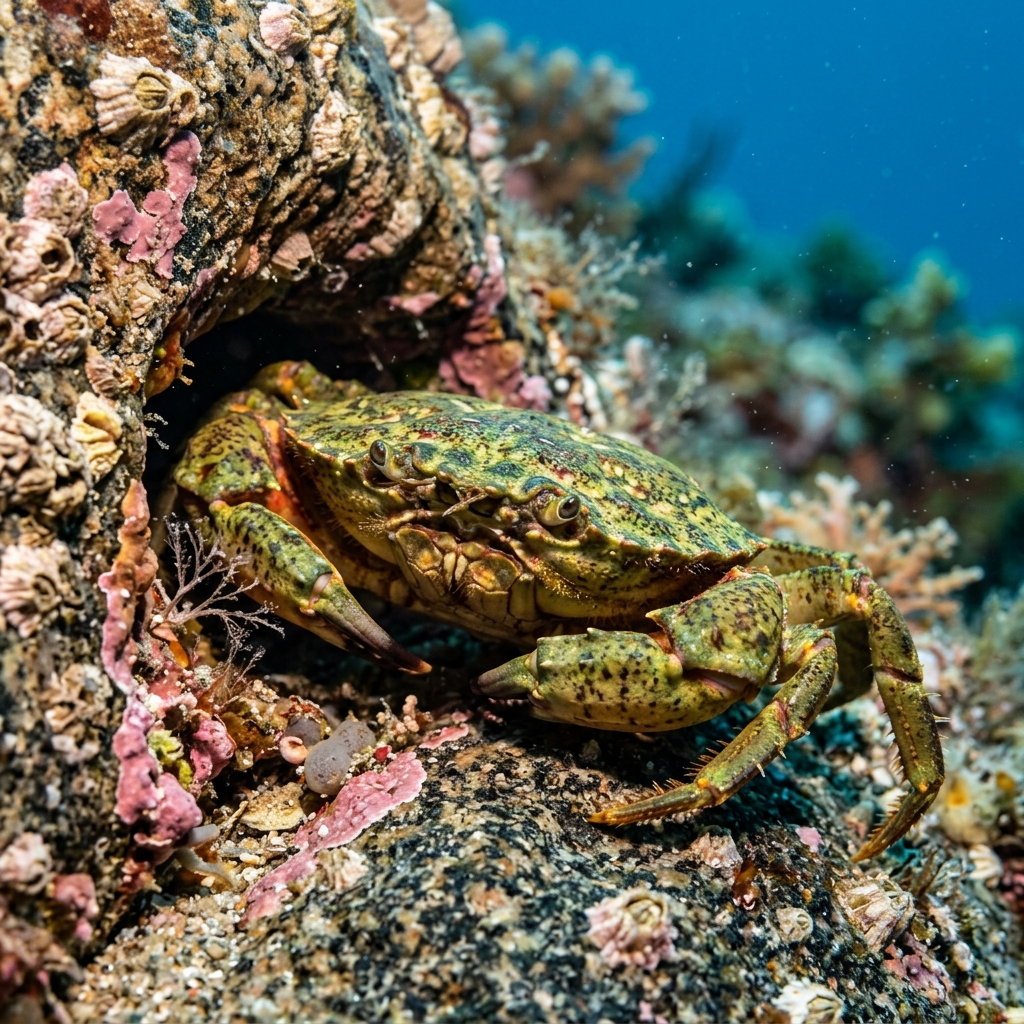
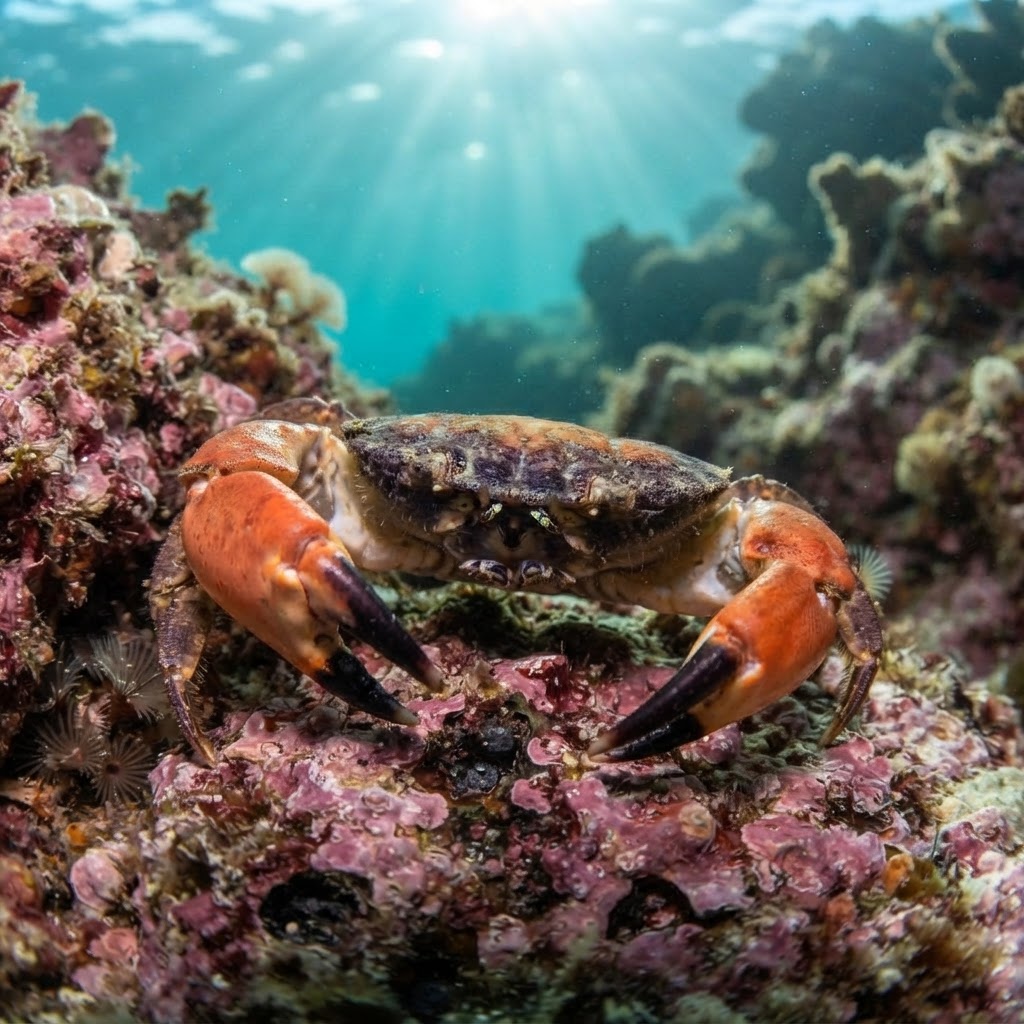
A small, rounded crab with a mottled brown or purplish shell that blends into rocky rubble, its most obvious tell is the dark, almost black tips on both claws against otherwise pale pincers. It sits low and tucked against or under rock rather than out in the open, and divers typically only spot it by looking closely into crevices rather than across open reef. Size in the water reads as modest, palm-sized at most, nothing that jumps out on a wide-angle pass.
Divers most often find it wedged into rock crevices or under cobble on the seafloor, sitting still rather than actively foraging in view. It's not a species that reacts to divers in any obvious way, being small, well camouflaged, and inclined to stay put rather than bolt. Most logs describe it as rare to uncommon at a given site, so finding one usually comes down to a slow, deliberate look under ledges rather than spotting it in open water.
Its dark claw tips are the single most useful field mark, standing out clearly against the otherwise dull, camouflaged shell once you know to look for them.
There's no clear seasonal pattern in the sightings, and with a comfort range of roughly 7.6 to 13.6°C it fits the cold water divers already find on British Columbia and Pacific Northwest dives all year, so treat it as a year-round possibility rather than a seasonal target.
Reef neighbours a diver could mistake it for. Use the identification notes above to tell them apart.
Most reliably logged along British Columbia, Canada, with a solid secondary spread through the Pacific Northwest region of the United States, plus occasional sightings further north in Alaska and as far south as California. This is a cold, rocky-coast species, so shore and boat dives on typical Pacific Northwest rock and boulder terrain are where divers actually run into it.
Mapping where Black-clawed Mud Crab is logged…
British Columbia in Canada is the strongest area for sightings, with the Pacific Northwest region of the United States a reliable secondary spot. Occasional records also come from Alaska and California.
Sightings don't show a clear season, and its cold-water comfort range of 7.6 to 13.6°C is typical of British Columbia and Pacific Northwest waters throughout the year, so it's a year-round possibility rather than a seasonal target.
Look for a small, mottled brown crab tucked into rock crevices or under cobble, with distinctive dark, almost black tips on both claws against otherwise pale pincers. It stays low and still rather than moving across open ground.
No, it poses no danger to divers. It's a small, retreating crab that stays tucked into rock and has no defensive behaviour of concern to people.
Exact size data isn't well documented, but in the water it reads as a small crab, roughly palm-sized at most, easy to overlook against rocky rubble.
Most dive logs describe it as rare, with a smaller number calling it uncommon and only a single site logging it as common. Finding one usually takes a deliberate search under rocks and ledges rather than a casual glance.
Site and sighting data is aggregated from diver logs, iNaturalist and GBIF. For taxonomy and conservation status:
European Green Crab
2,469 sites