Plagiotremus laudandus
A small, twitchy reef fish with big fangs, most reliably logged around Viti Levu and Taveuni, Fiji in warm 25-29 C water.
Safety warning
Bites are not life-threatening but can be a sharp, sudden surprise, usually a quick nip on exposed skin such as an ankle or wrist. Keep hands away from small crevices and holes in the reef where one might be perched, and avoid handling it if you spot one at a cleaning station or hide.
If you're bitten
Venomous bite (mild)General first-aid guidance, not a substitute for professional medical care. In an emergency, call your local emergency number.
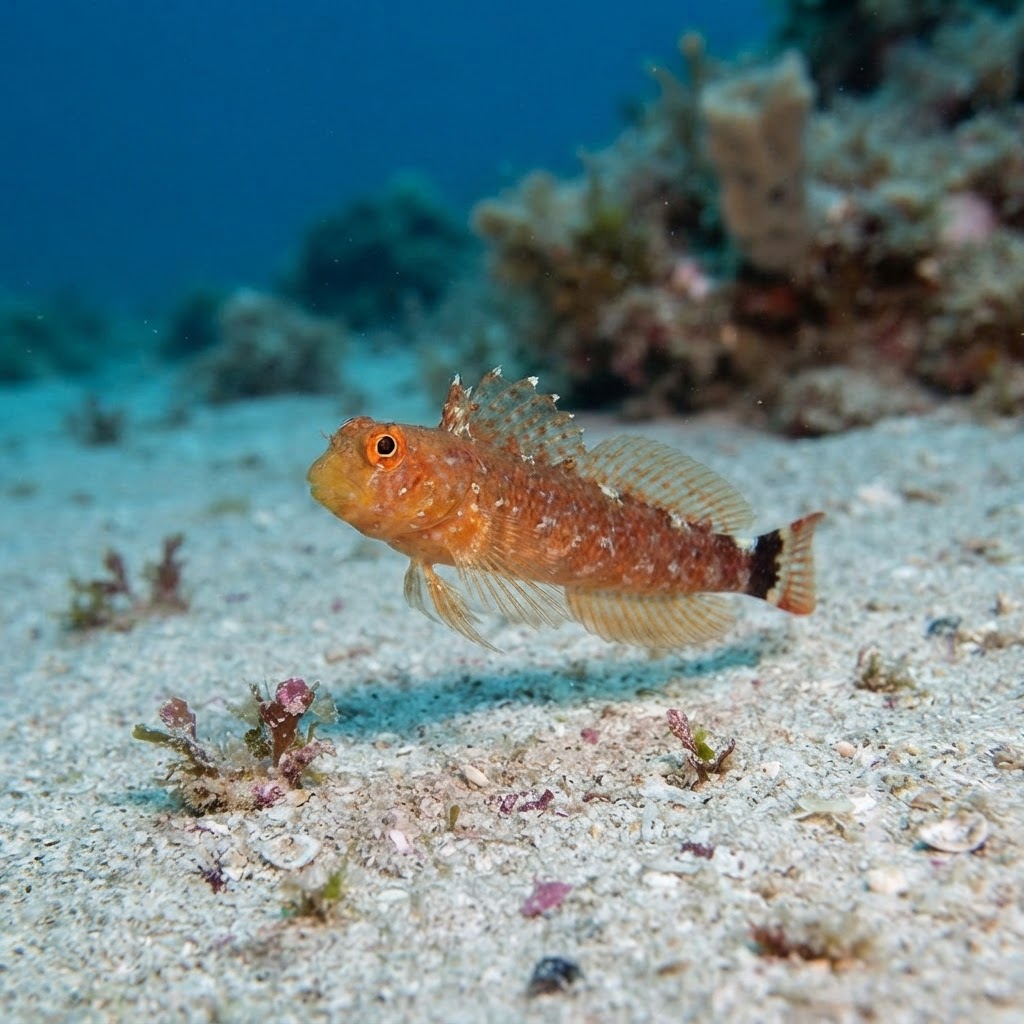
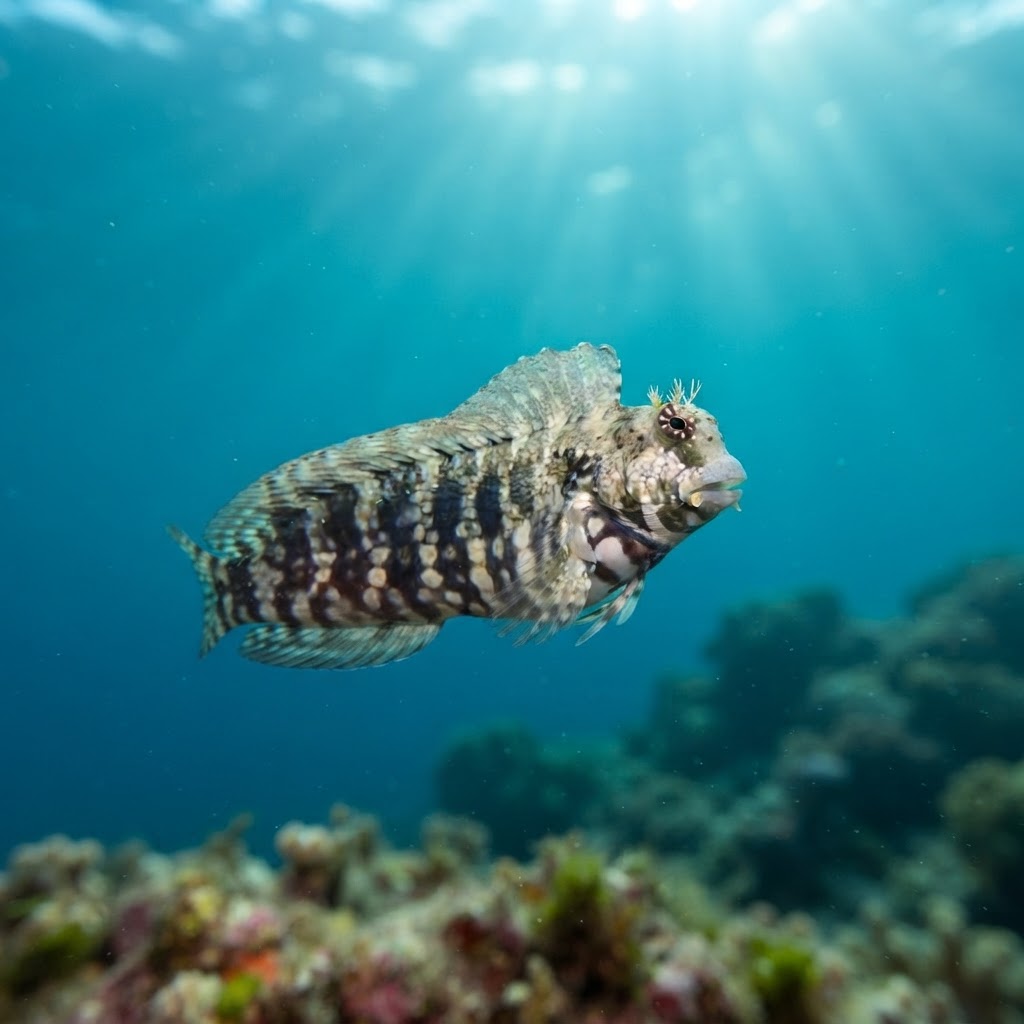
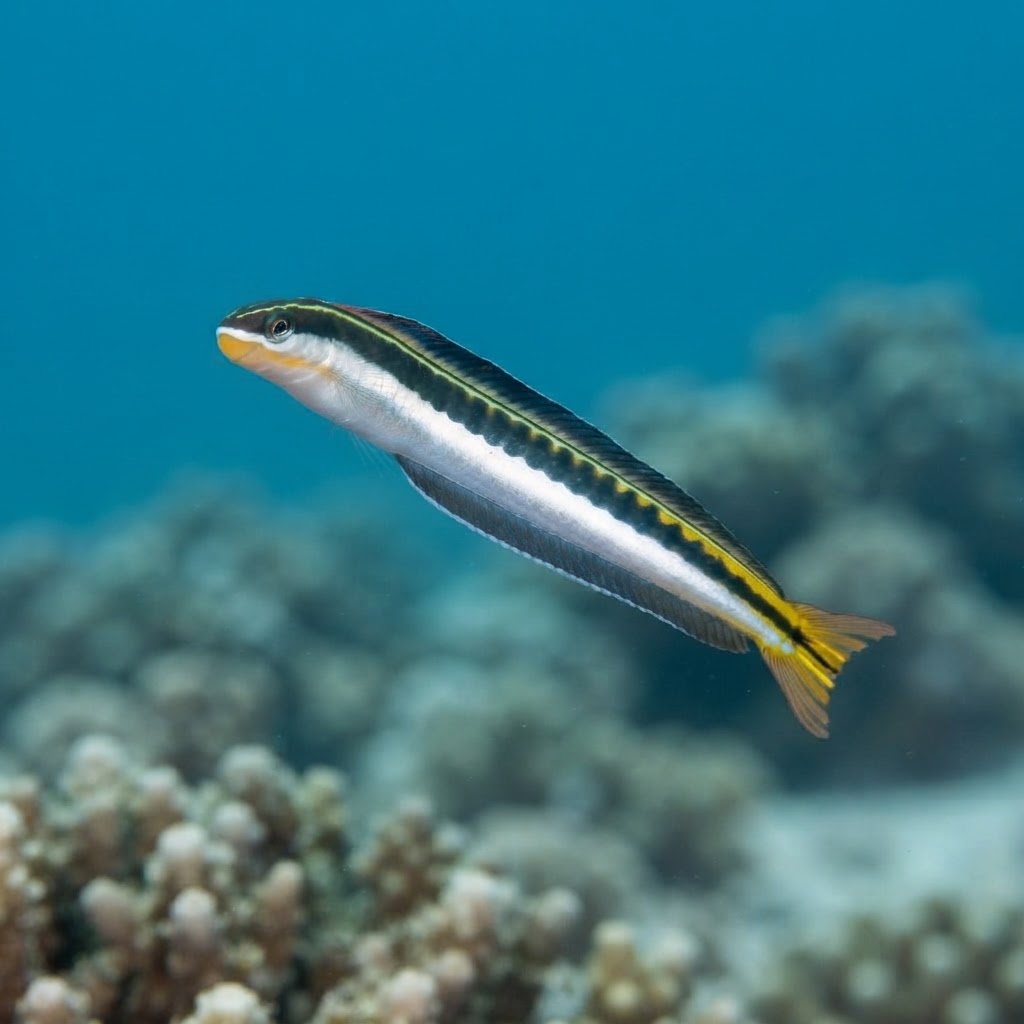
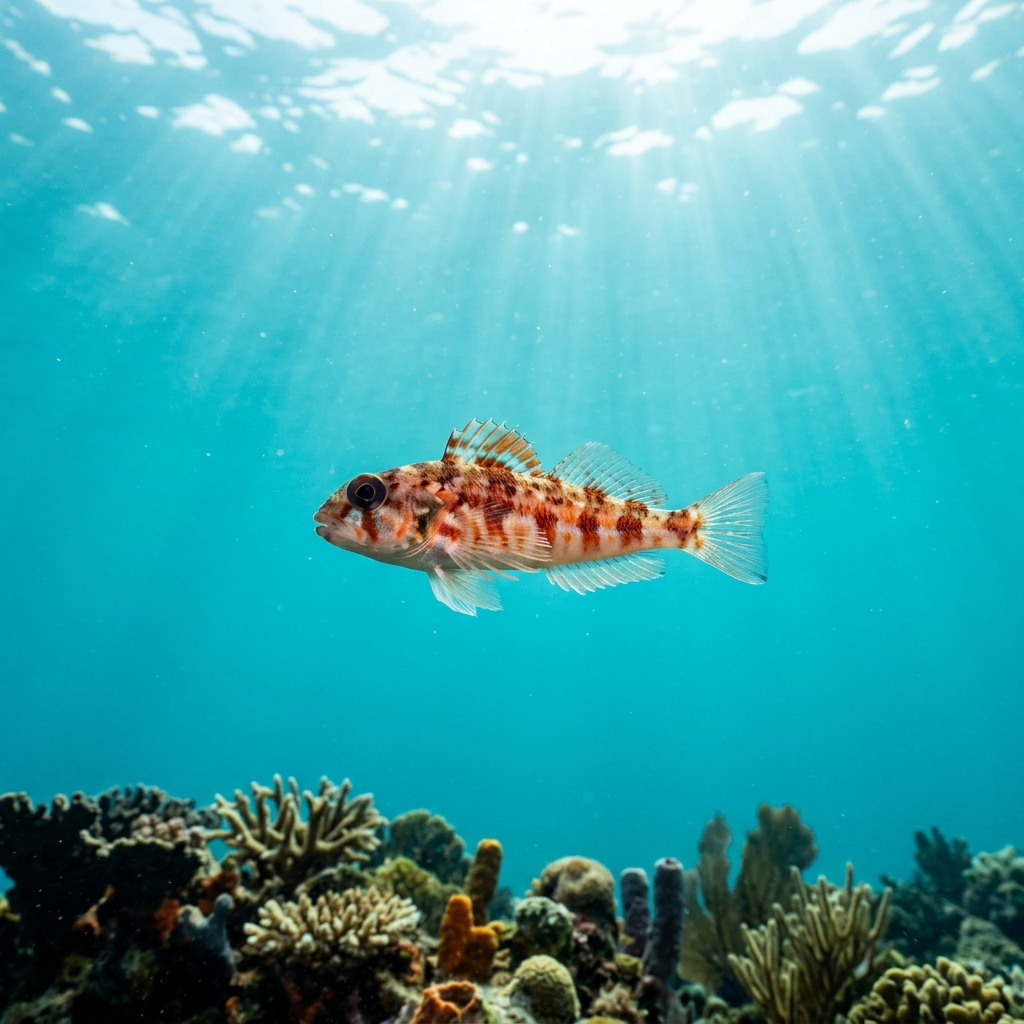
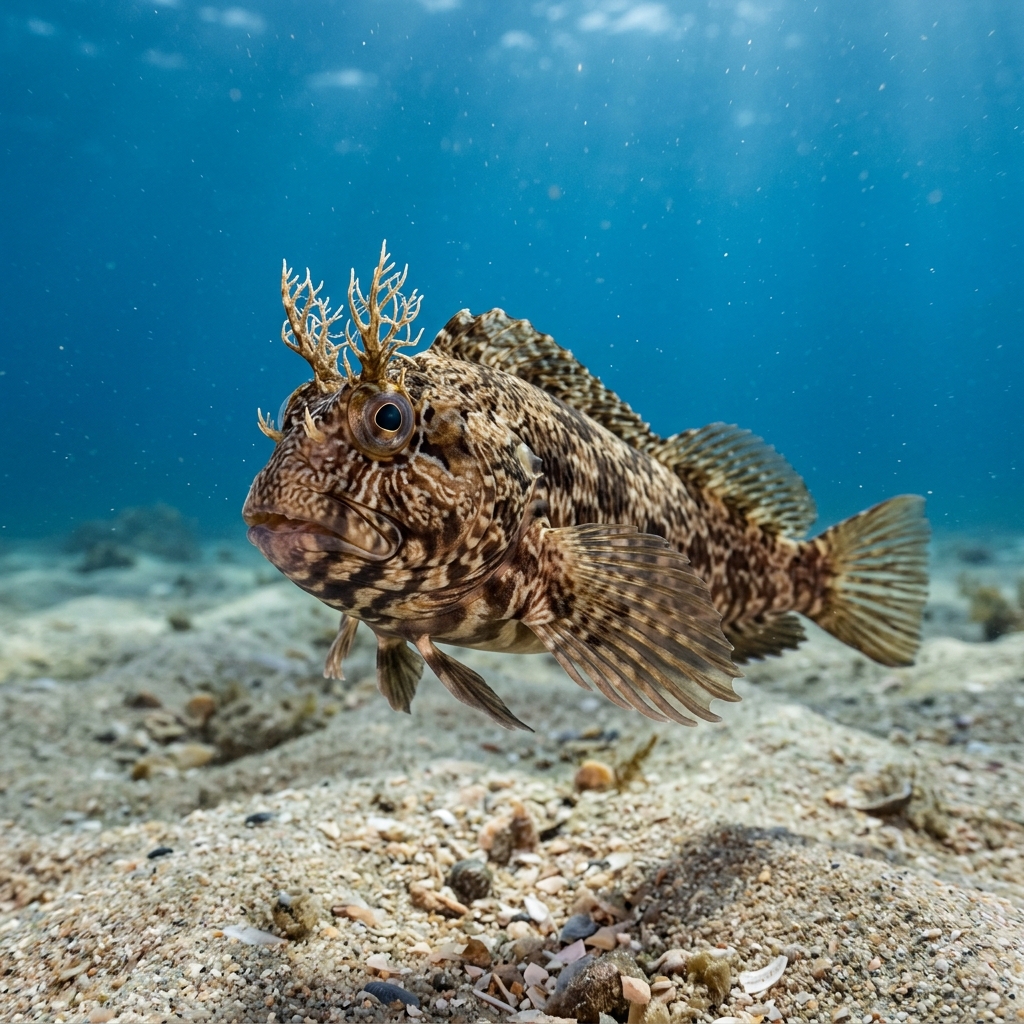
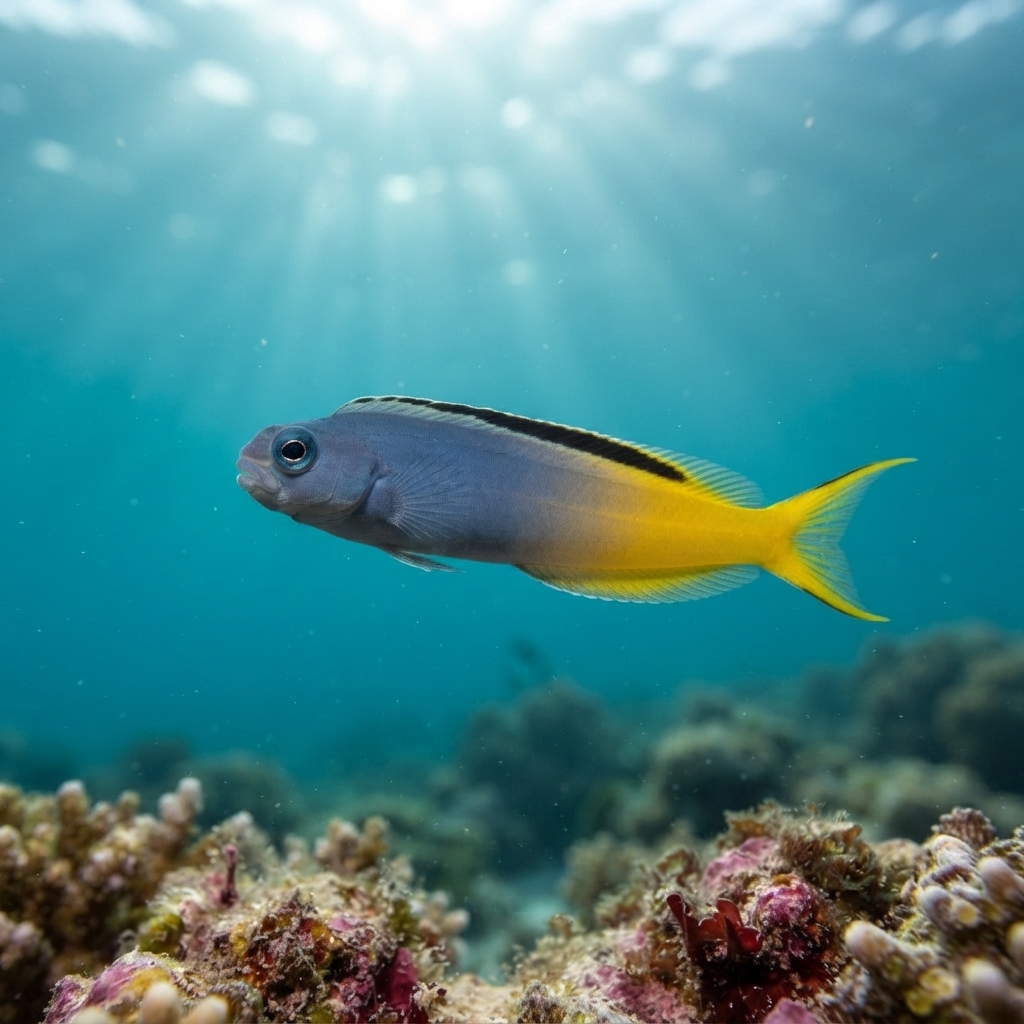
A tiny, elongated fish, rarely more than 6 cm, that perches on the reef with its body slightly curved like a resting eel. Colour splits roughly in two along its length, typically a darker orange-brown to olive front half fading into a paler blue-grey or white tail, though shade varies between individuals. Look for the long, tapered blenny body shape and a face that looks almost too big for the fish, hiding the curved fangs that give the family its name.
Divers typically find it perched motionless on coral heads or tucked into a crevice, darting out in quick, jerky bursts rather than swimming smoothly like most reef fish. It's an ambush feeder, so don't expect it to follow a set patrol route, it tends to stay put near one favoured perch across multiple dives. Given how small and well camouflaged it is against rubble and coral, most sightings come from divers who slow down and scan close-up rather than those cruising past.
Like other fangblennies, it uses venom-loaded fangs defensively and occasionally darts in to nip passing fish or divers rather than fleeing, a strategy that trades size for surprise.
Sightings don't show a clear season, and with water sitting comfortably between 25 and 29.3 C year-round on these reefs, it's a fish you can reasonably expect to encounter on any month's dive in Fiji.
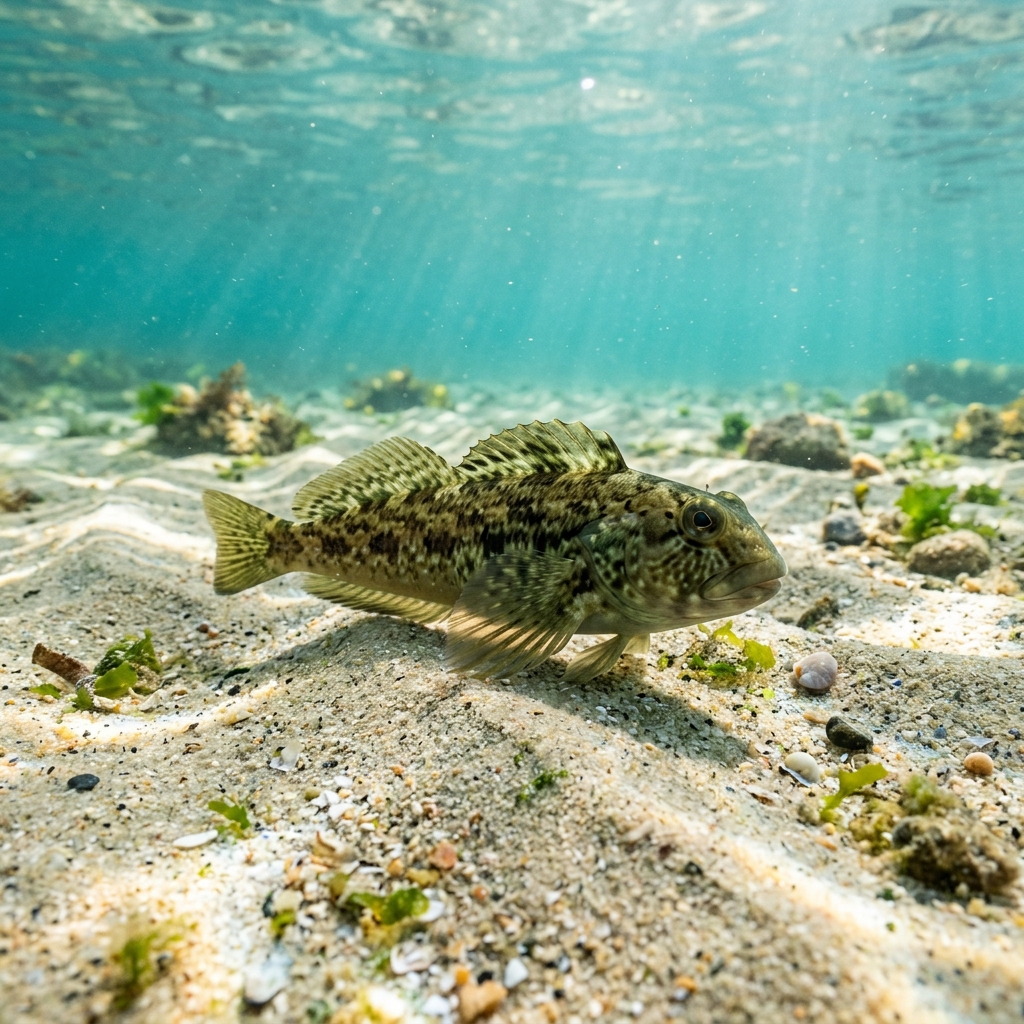
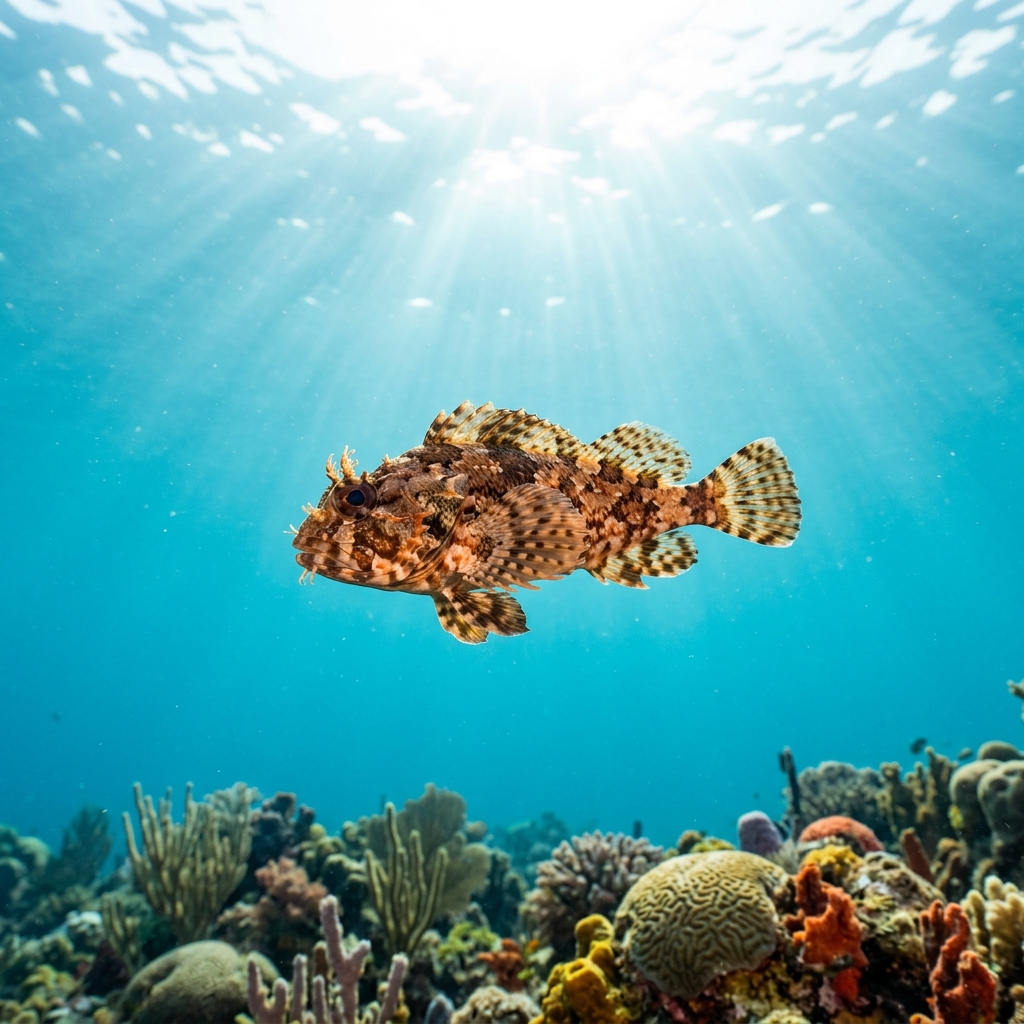
Reef neighbours a diver could mistake it for. Use the identification notes above to tell them apart.
This one is very much a Fiji fish in the logged data, with sightings concentrated on Viti Levu and Taveuni, and a smaller number from the Yasawa Islands. All three regions sit on the same warm reef systems, so any Fijian reef dive with healthy hard coral cover is worth a slow look for it.
Mapping where Bicolor Fangblenny is logged…
Fiji is the strongest area in the data, particularly around Viti Levu and Taveuni, with additional sightings in the Yasawa Islands. Look on coral-rich reef sections rather than sand or rubble flats.
There's no strong seasonal pattern in sightings, and the warm 25 to 29.3 C water it favours is present on Fijian reefs all year, so it's realistic to look for it on any trip.
They can deliver a quick venomous nip if provoked or startled, though it's not dangerous in a serious sense. Avoid putting fingers into reef crevices where one might be resting.
Look for a small, slender blenny around 6 cm long with a two-toned body, usually orange-brown at the front fading to pale blue-grey towards the tail. Its jerky, darting movement and habit of perching still on coral are strong clues.
They stay small, typically around 6 cm as adults, which makes close, slow scanning of the reef the best way to spot one.
It carries curved, venom-grooved fangs in its lower jaw, which it uses to defend itself or occasionally nip at passing fish and divers, a rare defensive strategy among small reef fish.
Site and sighting data is aggregated from diver logs, iNaturalist and GBIF. For taxonomy and conservation status:
Rusty Blenny
2,605 sites