Malacoctenus zonogaster
A pocket-sized reef fish found almost exclusively around the Galápagos Islands, sitting still on rock and rubble in 23.5-25C water.
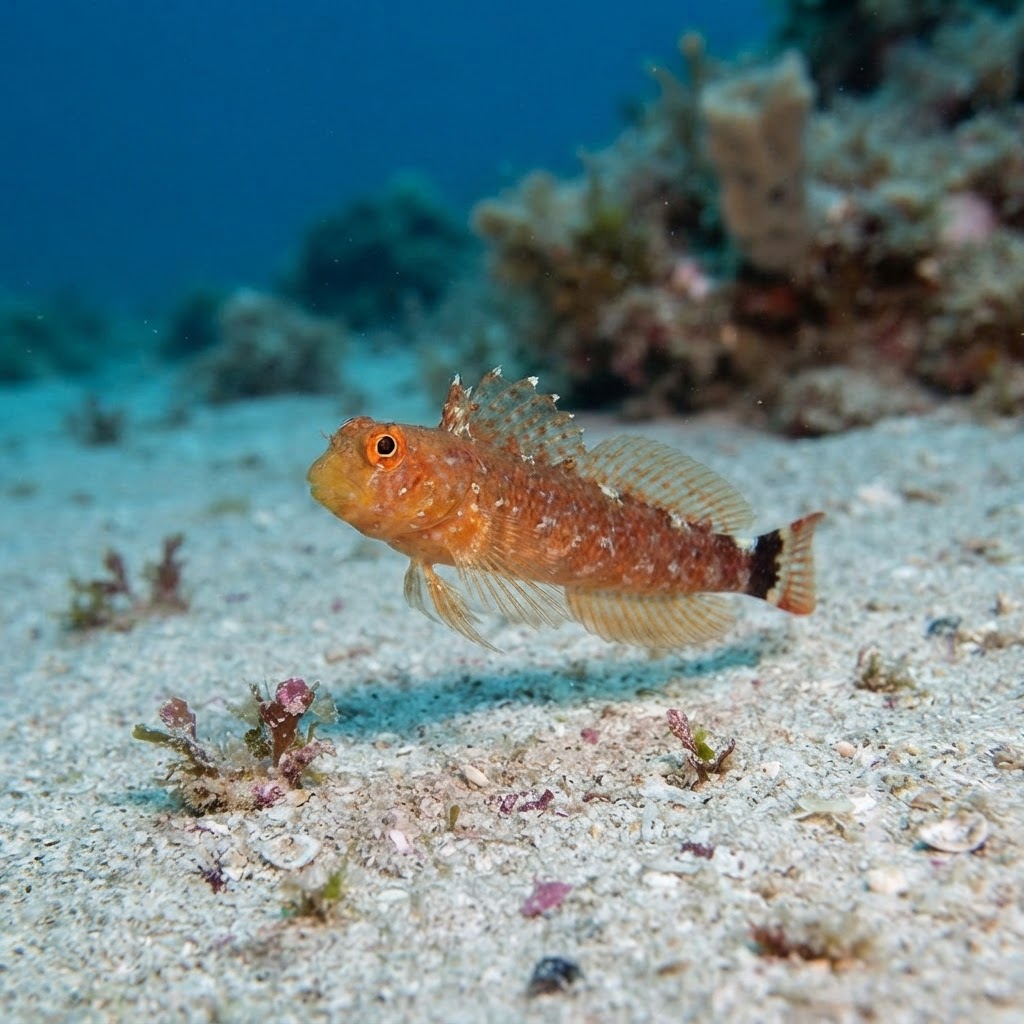
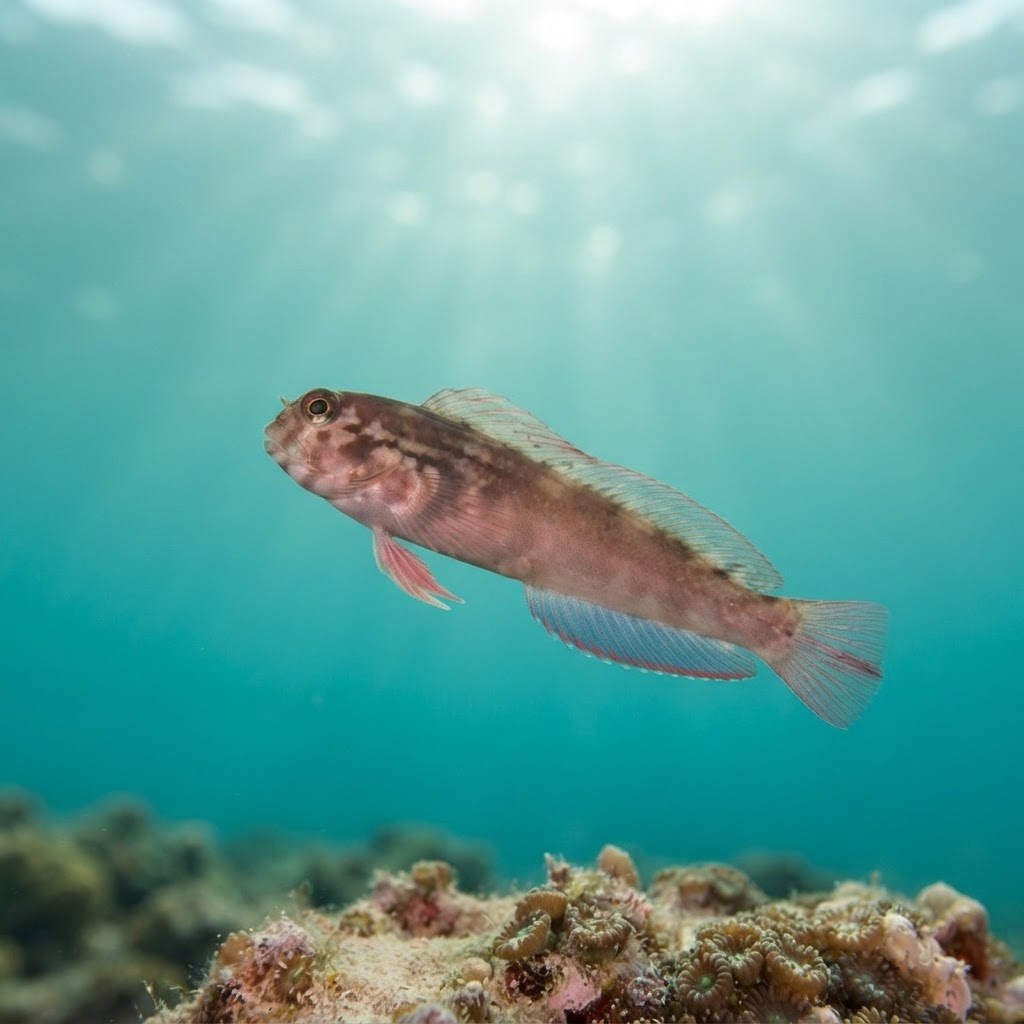
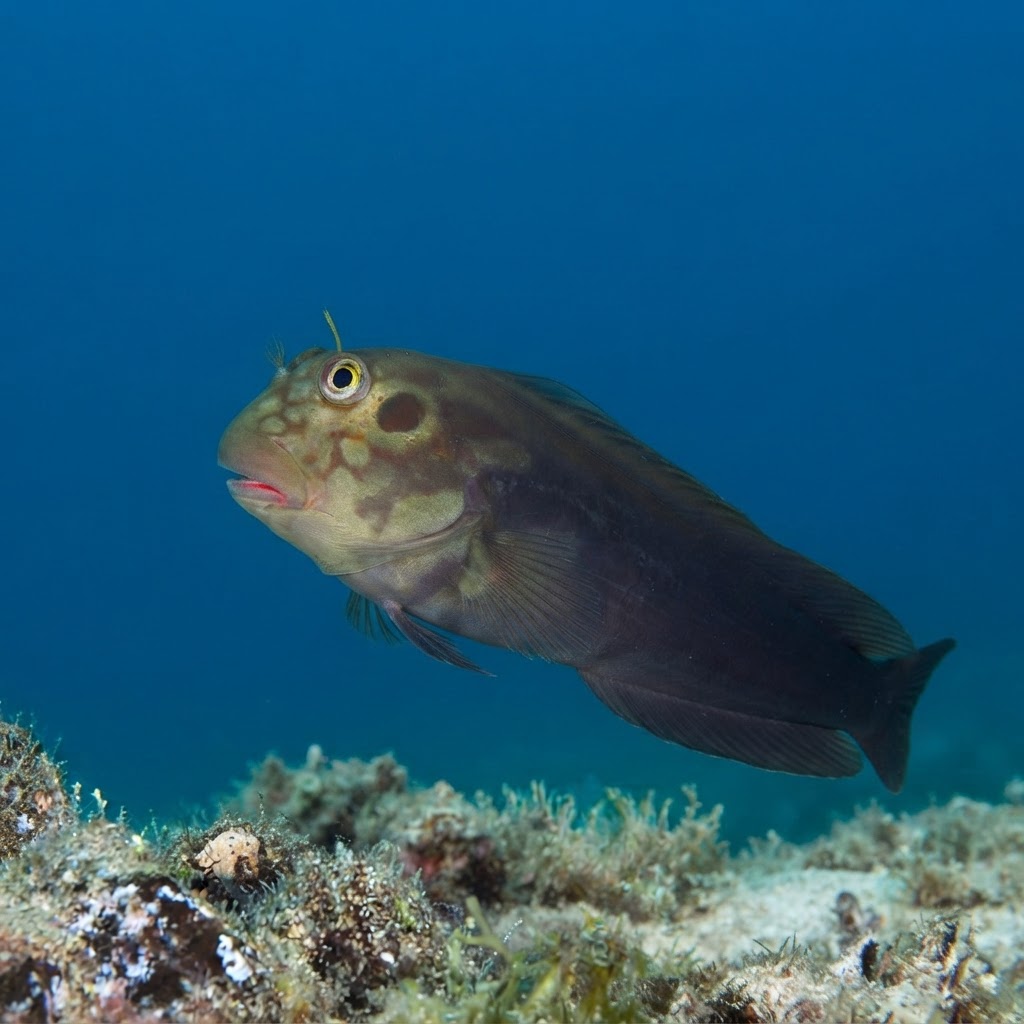
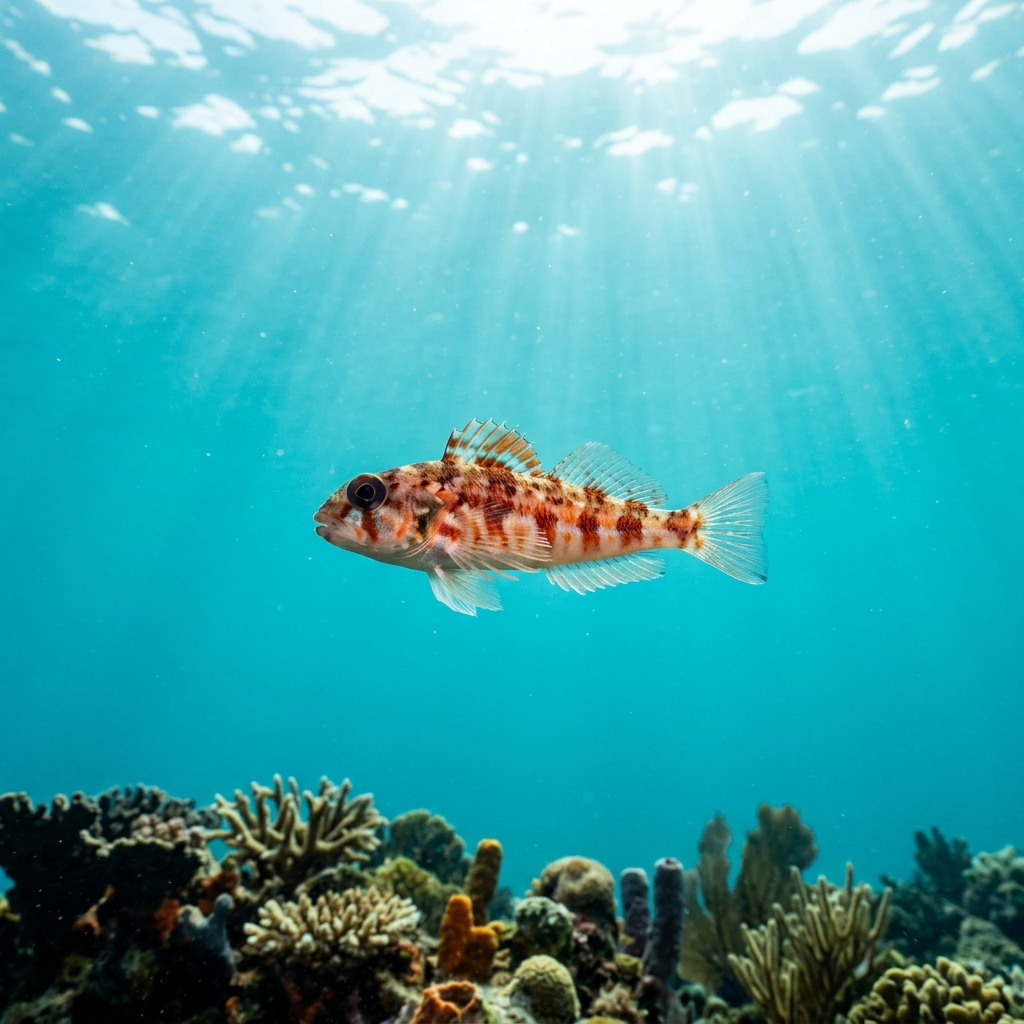
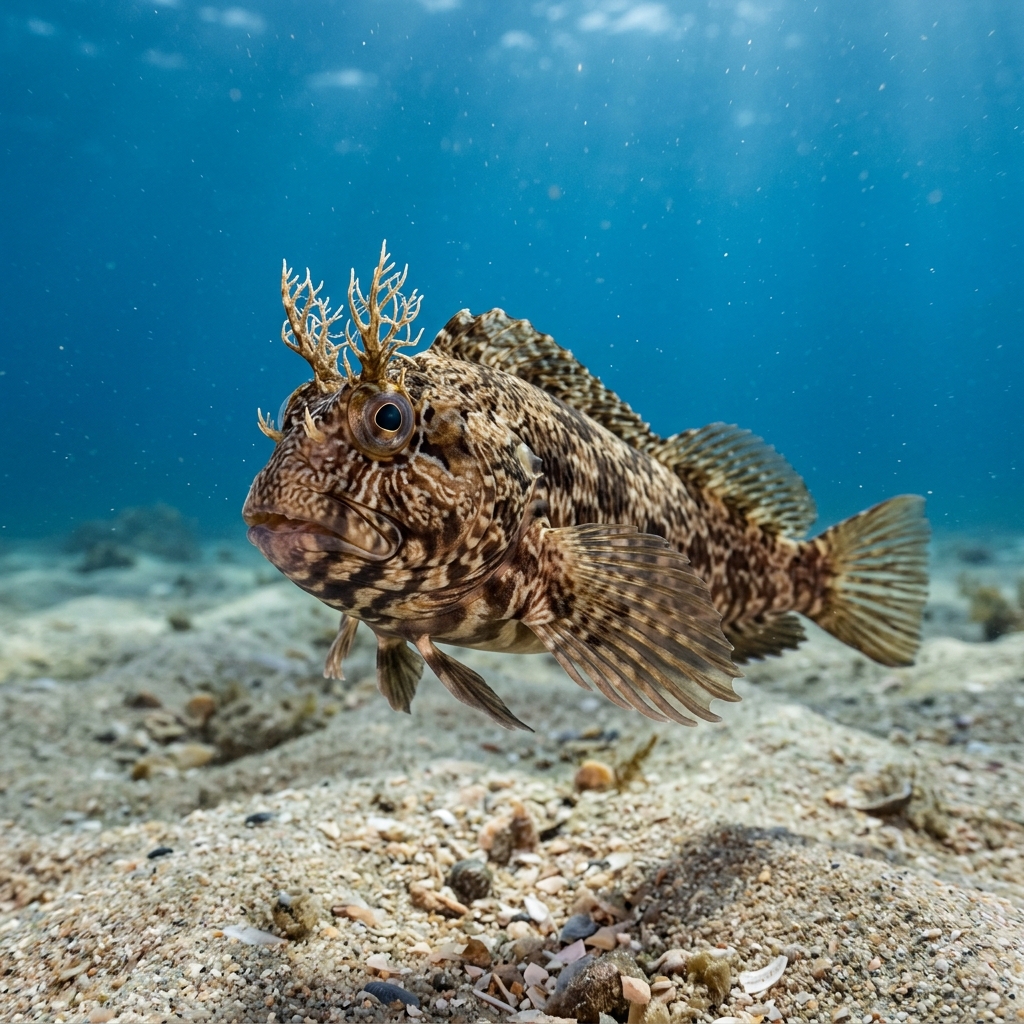
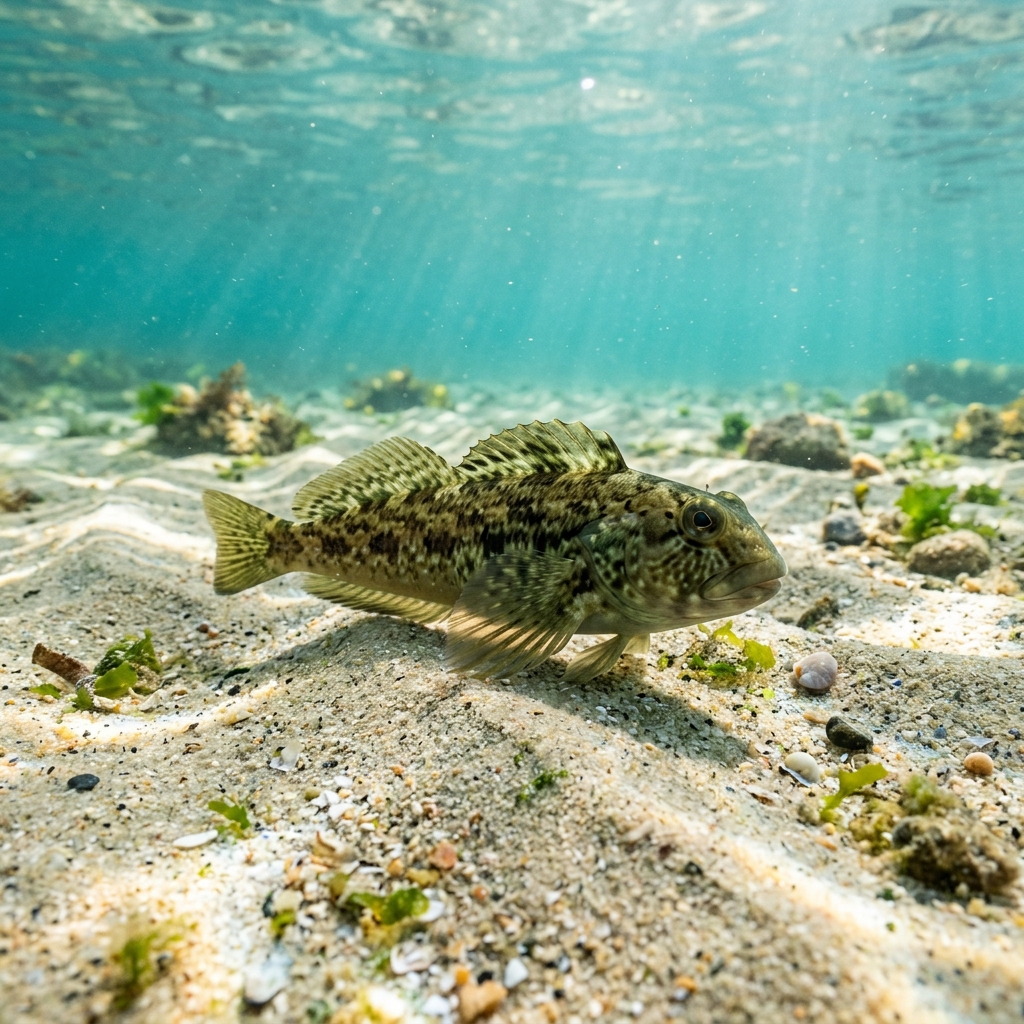
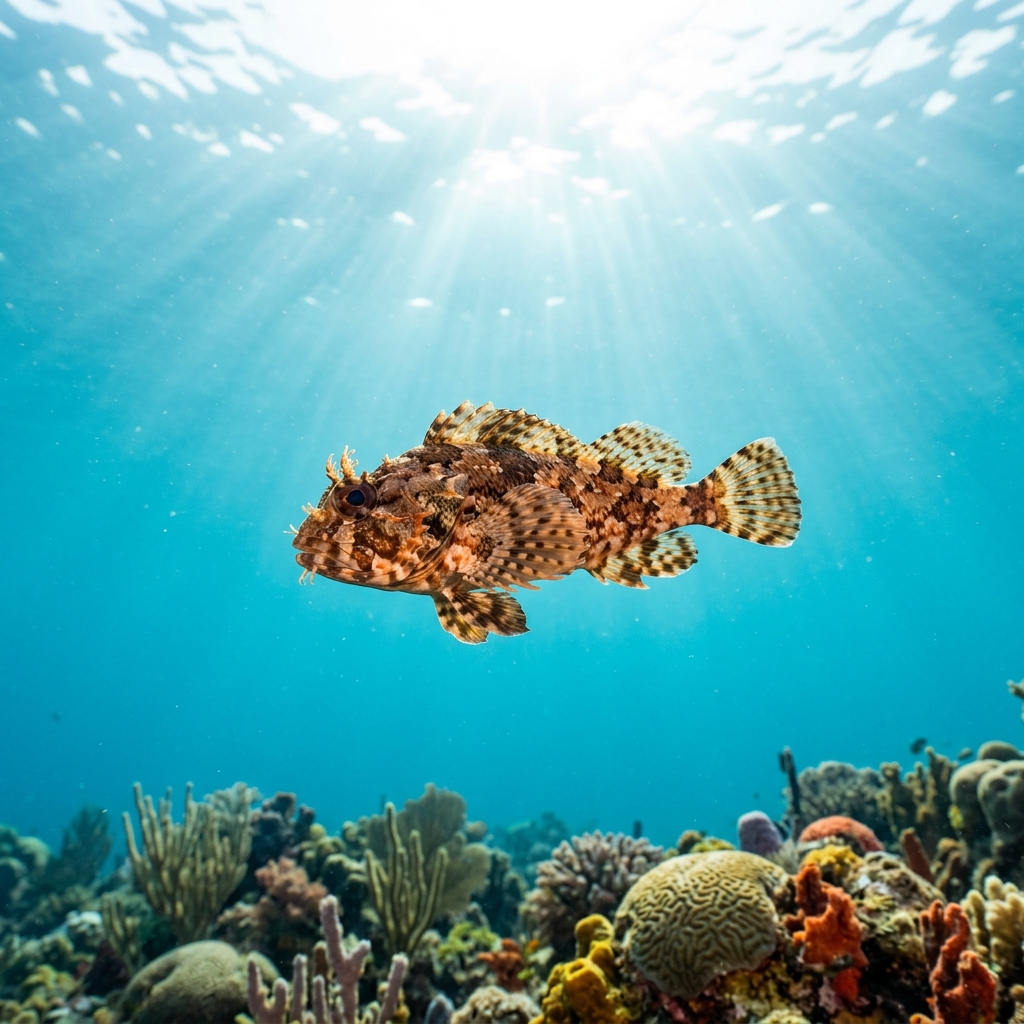
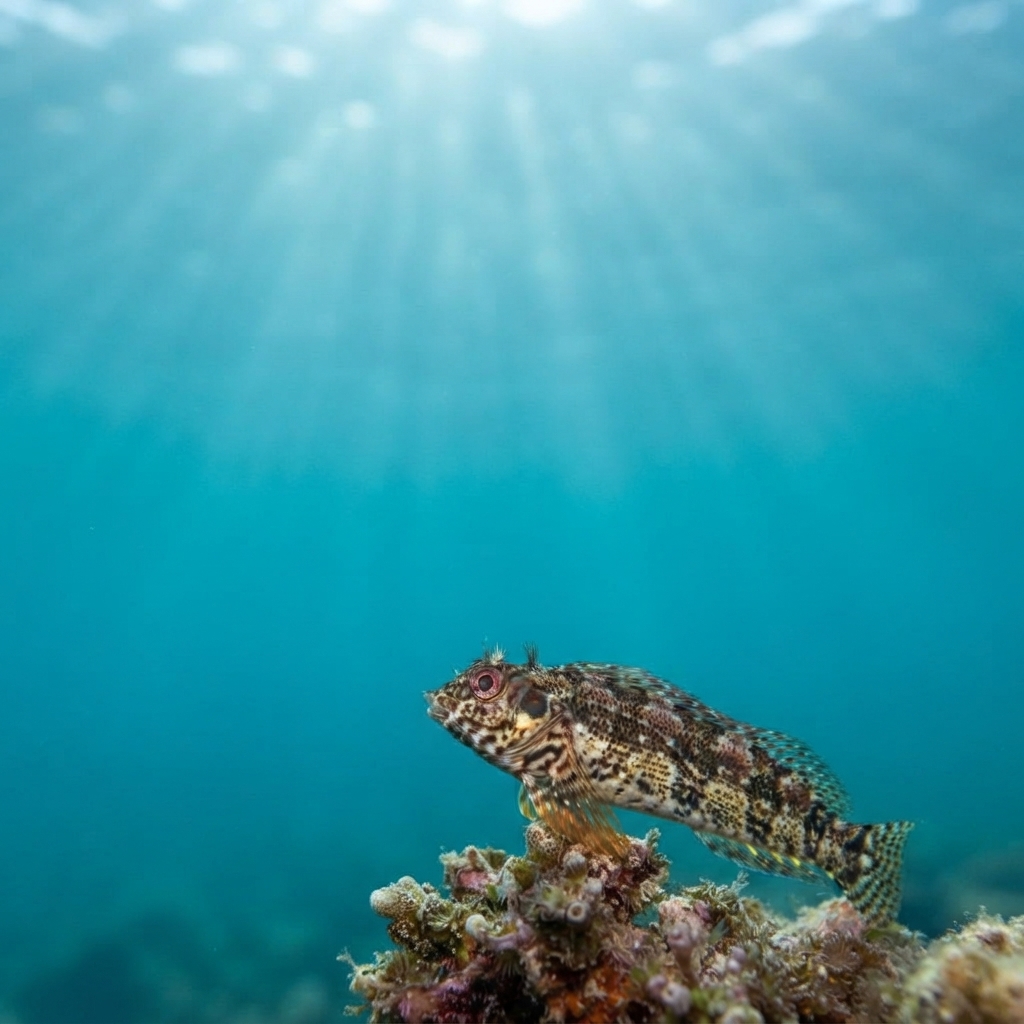
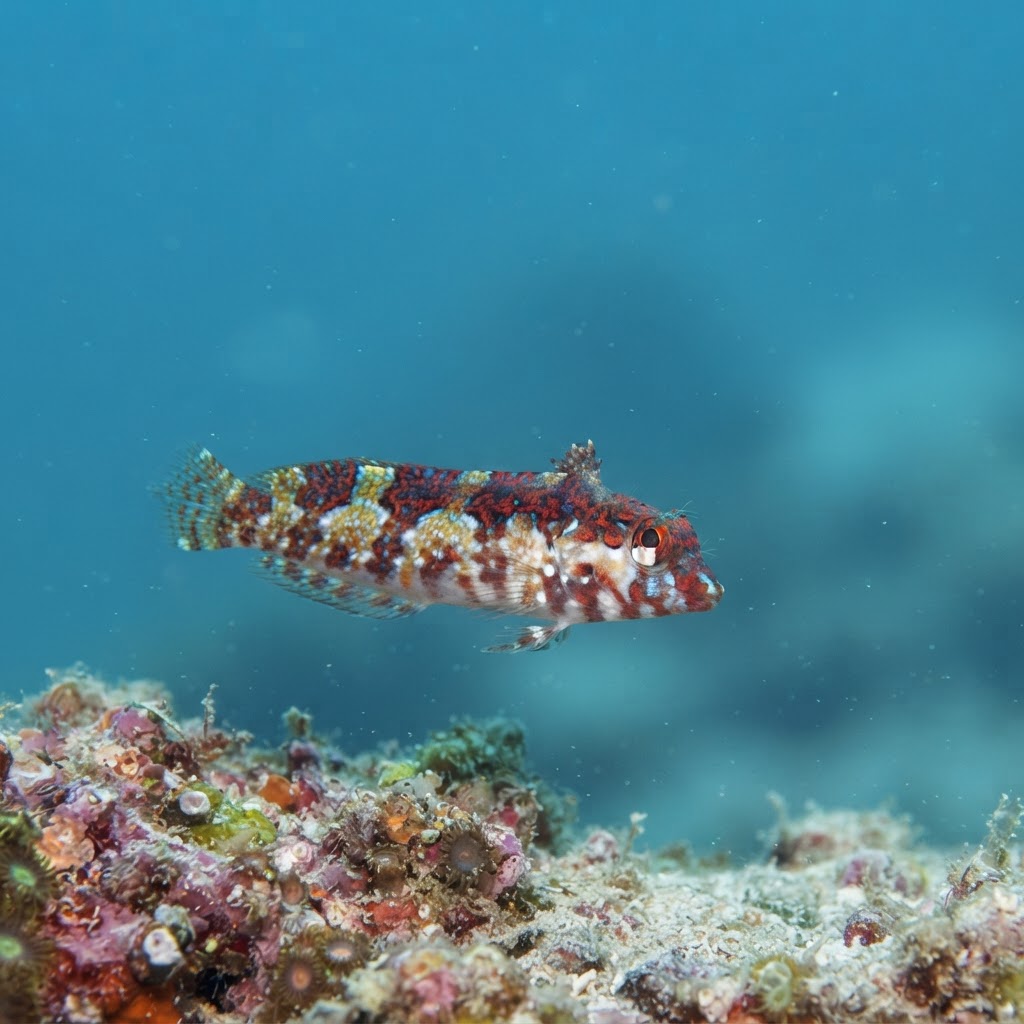
A tiny, elongated fish at around 6cm, usually seen perched motionless on rock or rubble rather than swimming in open water. Look for the pattern of dark bars or bands crossing the body, which gives this blenny its name, along with the blunt head and large eyes typical of the group. It rests propped on its pelvic fins, blending closely with the substrate it sits on.
Divers typically find it parked on rock or rubble close to the bottom, holding still rather than actively cruising the reef. It is a small, low-profile fish that tends to stay put when approached, so slow, close looking pays off more than wide scanning. Most sightings are logged as uncommon to rare, so treat any find as a bonus rather than a given on a Galápagos dive.
Like other Malacoctenus blennies, it lacks a swim bladder and relies on its pelvic fins to prop itself on the bottom rather than hovering in the water column, which is why it looks perched rather than swimming when you find it.
No clear seasonal pattern shows up in the sightings, and water temperatures at the sites where it is logged sit in a narrow 23.5-24.9C band, so it appears to be a year-round resident rather than a seasonal visitor.
Reef neighbours a diver could mistake it for. Use the identification notes above to tell them apart.
Every logged sighting comes from the Galápagos Islands, Ecuador, making this the only reliable place to look for it. Within the archipelago it turns up across a broad spread of sites, so it is worth scanning rocky bottoms and rubble patches on any Galápagos dive rather than chasing one specific location.
Mapping where Belted Blenny is logged…
Sightings are concentrated entirely in the Galápagos Islands, Ecuador, spread across a wide range of dive sites there rather than one hotspot. It has not been logged as a reliable find outside Ecuador.
There is no detected season, and it is found in a steady 23.5-24.9C temperature range, so it is considered a year-round sighting in the Galápagos rather than tied to a particular month.
Look for a small, roughly 6cm fish perched on rock or rubble with dark bands crossing its body, a blunt head and large eyes. It rarely swims far, instead resting propped on its pelvic fins against the substrate.
It stays small, reaching around 6cm in length, which is typical for blennies in the Malacoctenus genus.
No. It poses no danger to divers and is far too small and reef-bound to pose any risk; the only challenge is spotting it.
It has no swim bladder, so instead of hovering like many reef fish it braces itself on the bottom using its pelvic fins, giving it that characteristic perched posture divers notice.
Site and sighting data is aggregated from diver logs, iNaturalist and GBIF. For taxonomy and conservation status:
Malacoctenus triangulatus
Rusty Blenny
2,605 sites