Ecsenius bathi
A tiny reef-hugger spotted across Raja Ampat, Nusa Tenggara and Maluku in warm 28-29C water, most often as a single uncommon find on the reef.
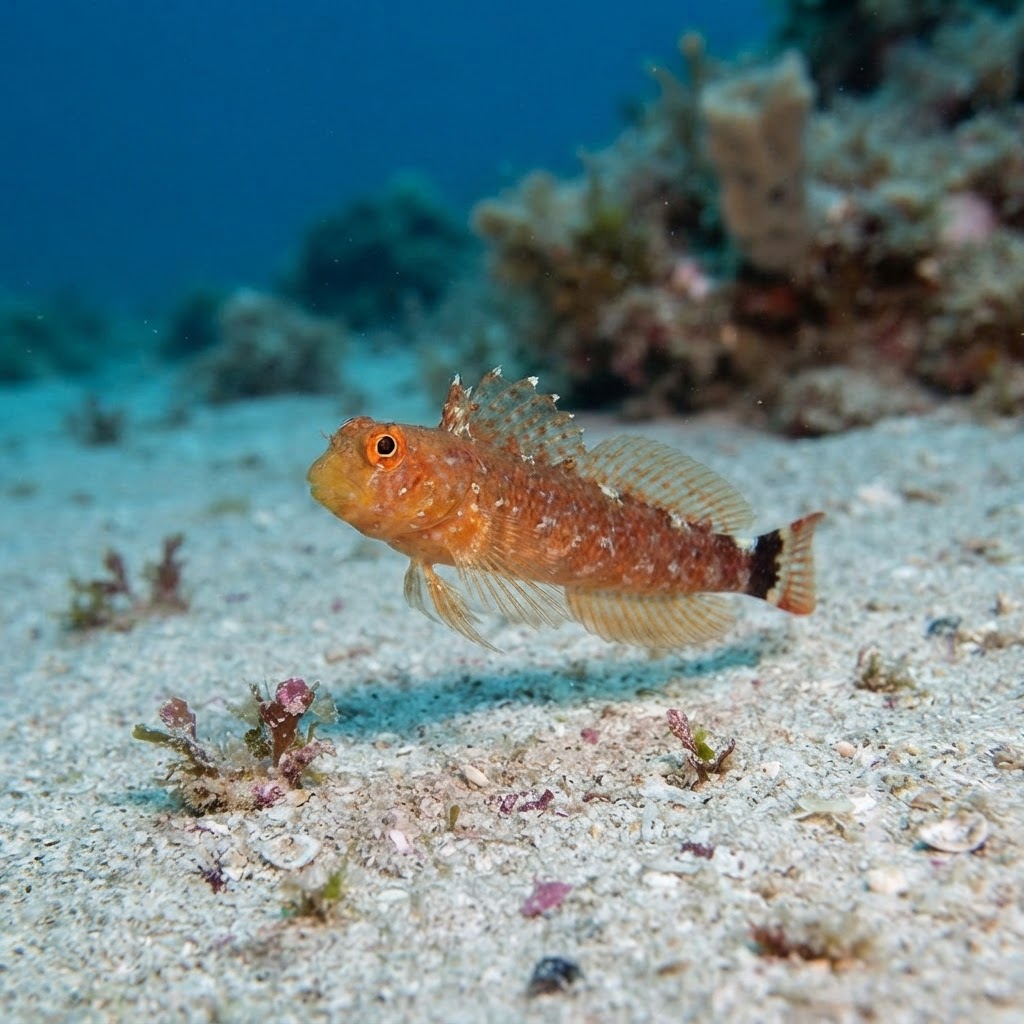
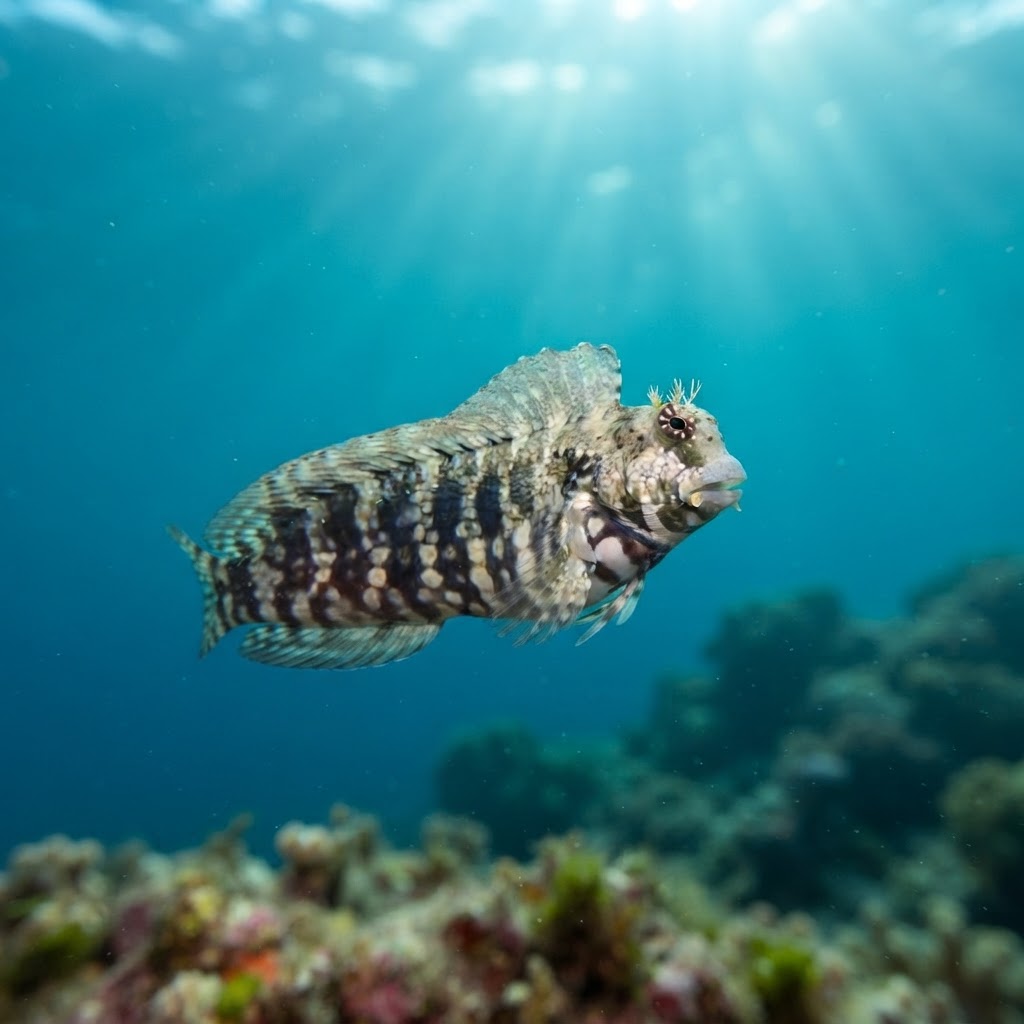
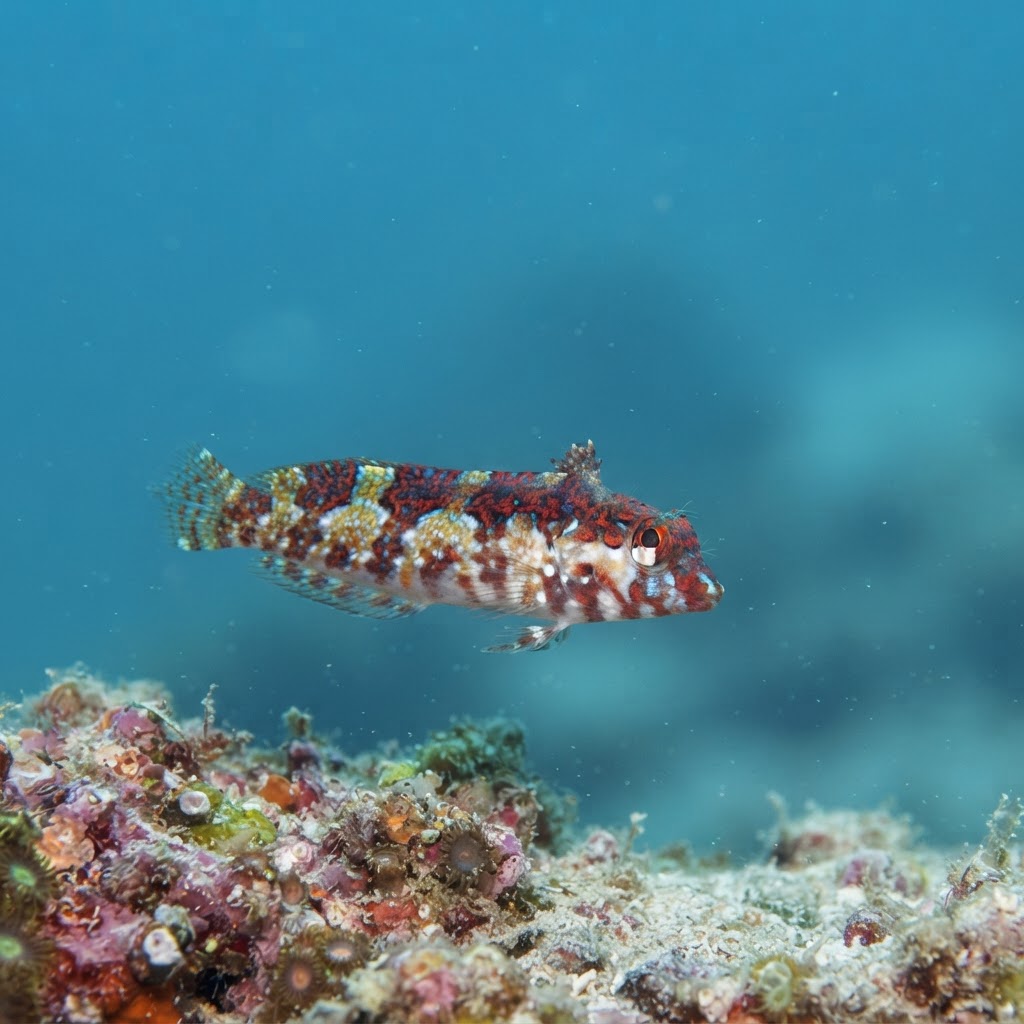
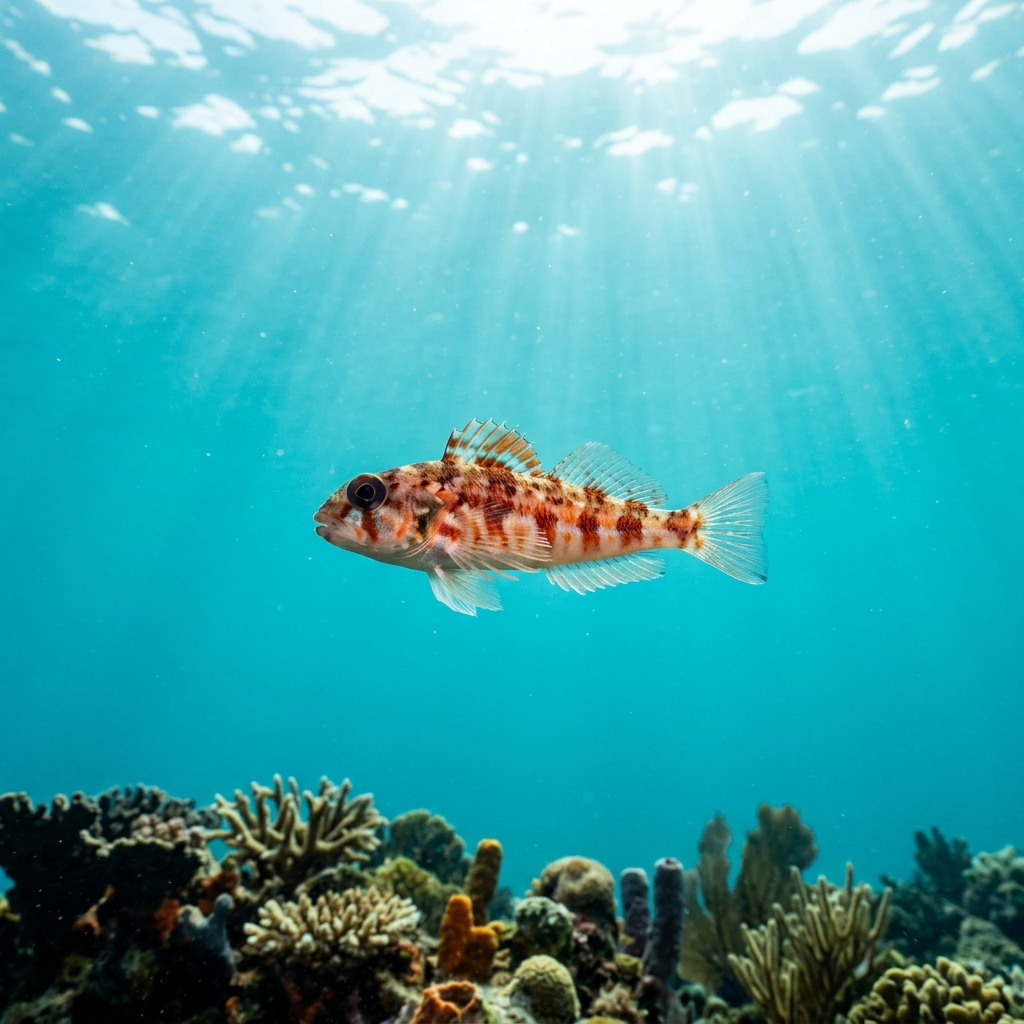
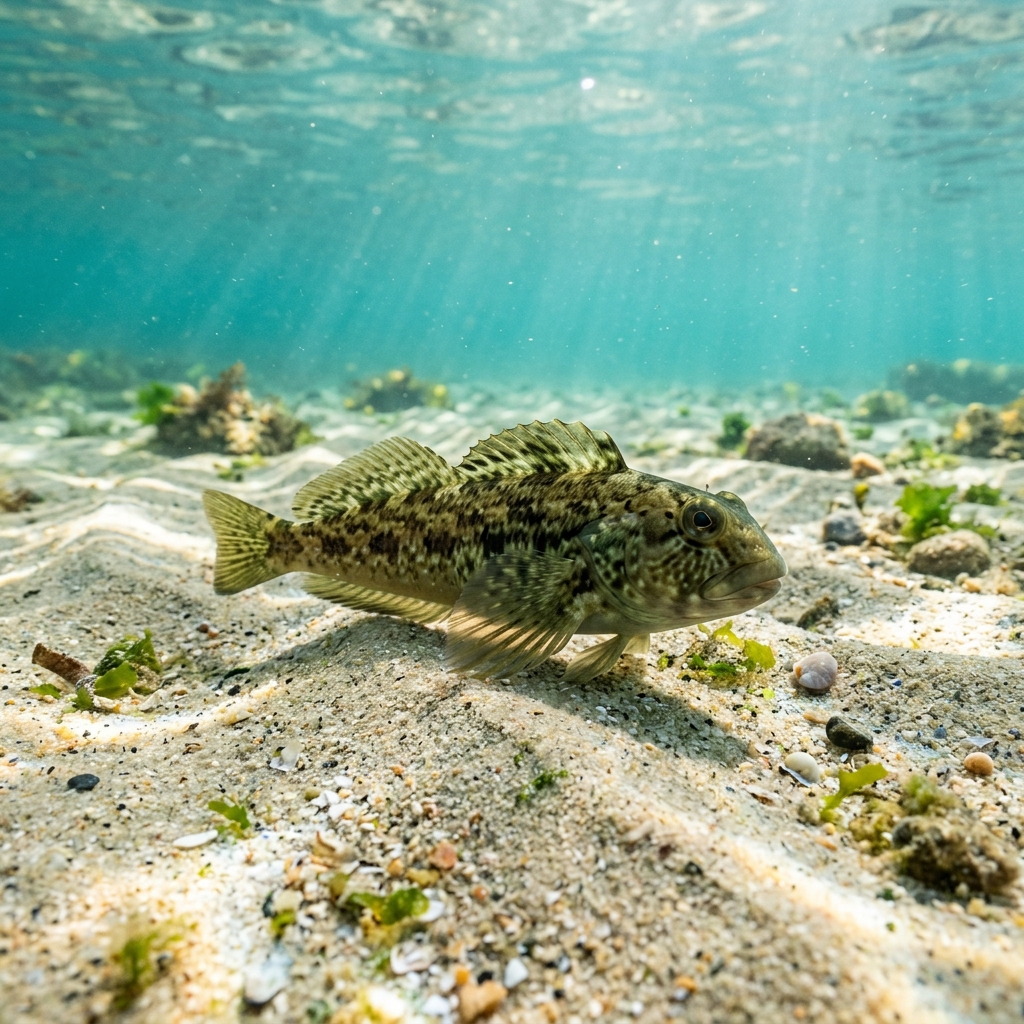
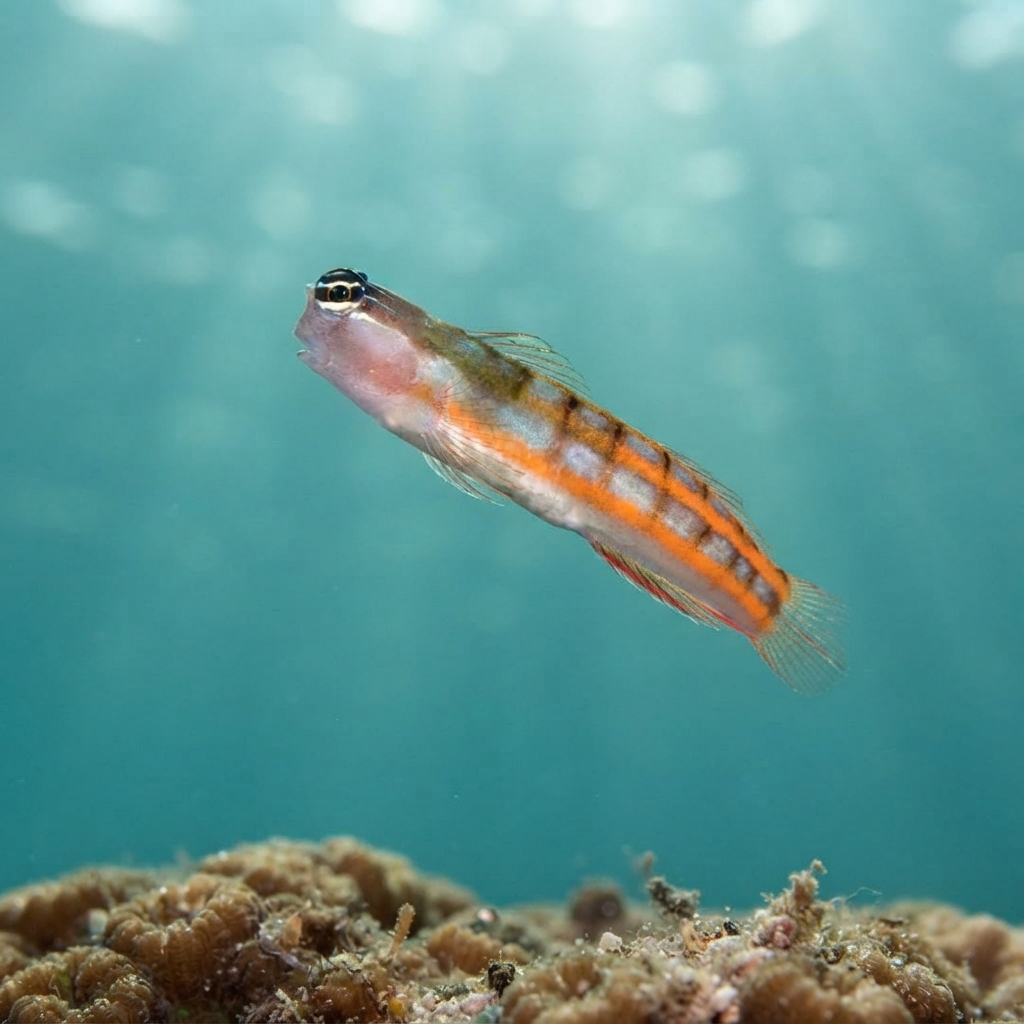
A pocket-sized blenny at around 3 cm, easy to swim past unless you slow down and scan bare coral rock or rubble at close range. Look for a slender, tapering body held propped up on the substrate rather than swimming freely, with the blunt head and large eyes typical of combtooth blennies. Colouration is mottled and reef-matched rather than flashy, which is exactly why most divers log it as an uncommon spot rather than an easy one.
Divers typically find it perched still on rubble or bare rock rather than out swimming in open water, blending into the substrate until you get close enough to notice it. It is not a fish that flees dramatically like some blennies do, but its small size and camouflage mean most sightings come from divers doing a slow, deliberate scan of the reef floor rather than cruising past. Logged as uncommon at most sites, so patience and a close look at rubble zones pays off more than luck.
Combtooth blennies like this one get their name from a row of fine, comb-like teeth used to graze algae and tiny invertebrates directly off the substrate, a feeding style that keeps them glued to the reef floor rather than out in the water column.
Sighting data shows no detectable seasonal pattern, and the observed water temperature of 28.4 to 29.3C reflects a stable warm-water niche typical of Indonesian reefs year-round, so there is no particular month to target.
Reef neighbours a diver could mistake it for. Use the identification notes above to tell them apart.
This one is essentially an Indonesia specialty in the logged data, with the strongest showing in Nusa Tenggara, closely followed by Raja Ampat and then Maluku. If you are working muck or rubble patches on reefs through those regions, keep an eye on bare substrate rather than coral heads.
Mapping where Bath's Combtooth-blenny is logged…
It is most reliably logged in Indonesia, particularly Nusa Tenggara, Raja Ampat and Maluku. Outside these regions it has not been well documented by divers.
There is no clear season in the sighting data. Water temperatures stay steady between 28.4 and 29.3C, so it is a year-round find on Indonesian reefs.
Look for a tiny, roughly 3 cm blenny perched still on rubble or bare rock rather than swimming in open water. Its mottled colouring blends into the substrate, so slow, close scanning is the key to spotting it.
They stay small, typically around 3 cm long, which is one reason divers log them as an uncommon sighting even in areas where they are present.
No. It poses no threat to divers and simply goes about grazing the reef substrate when approached.
Site and sighting data is aggregated from diver logs, iNaturalist and GBIF. For taxonomy and conservation status:
Rusty Blenny
2,605 sites