Hypsoblennius brevipinnis
Small reef-dwelling blenny found along Mexico's Pacific Coast in 22-29C water, usually spotted tucked into rocky crevices year-round.
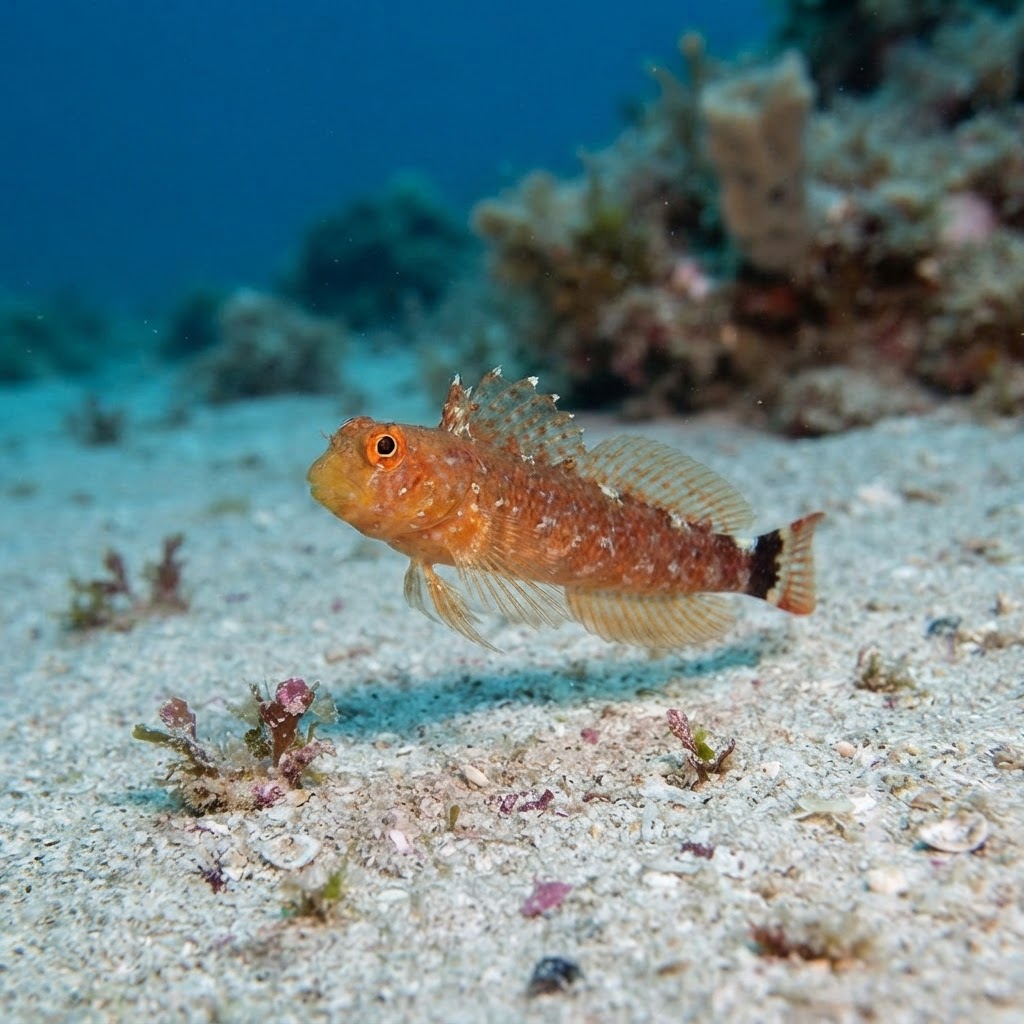
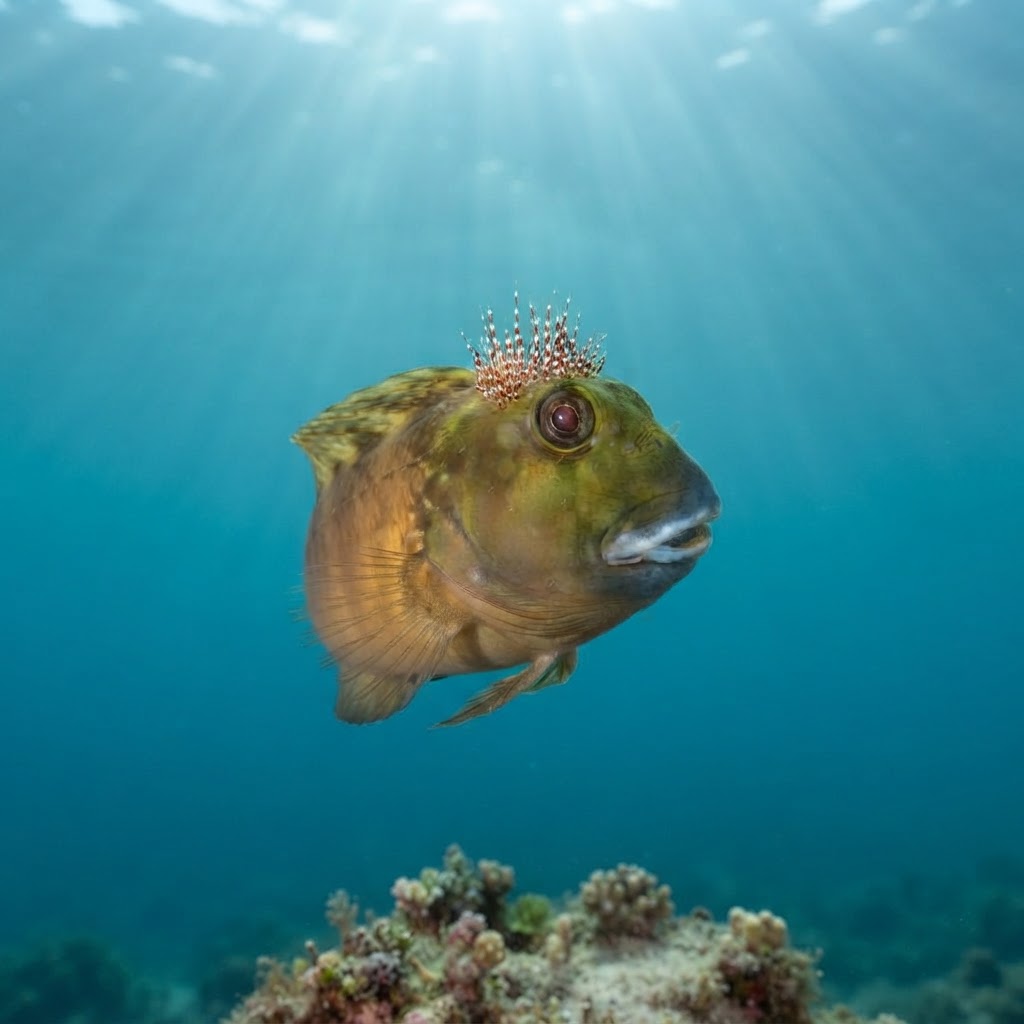
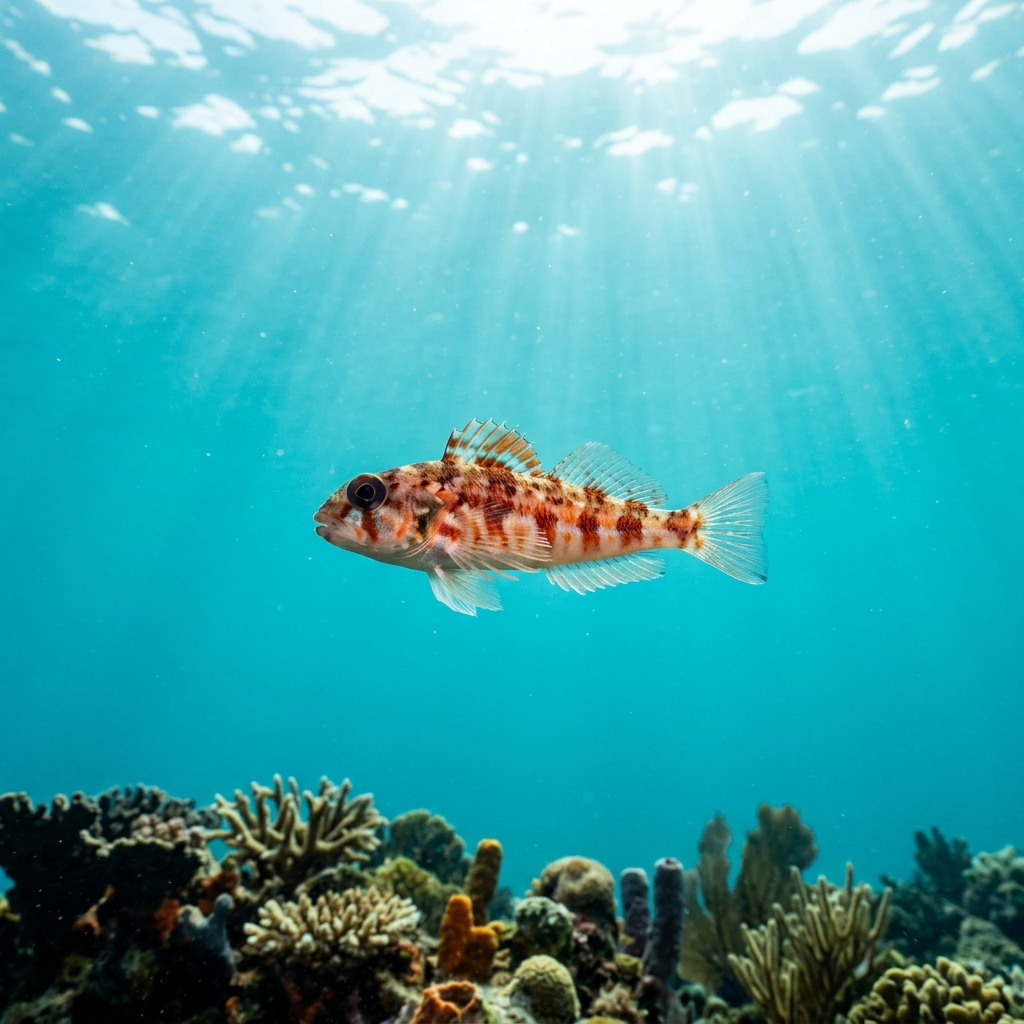
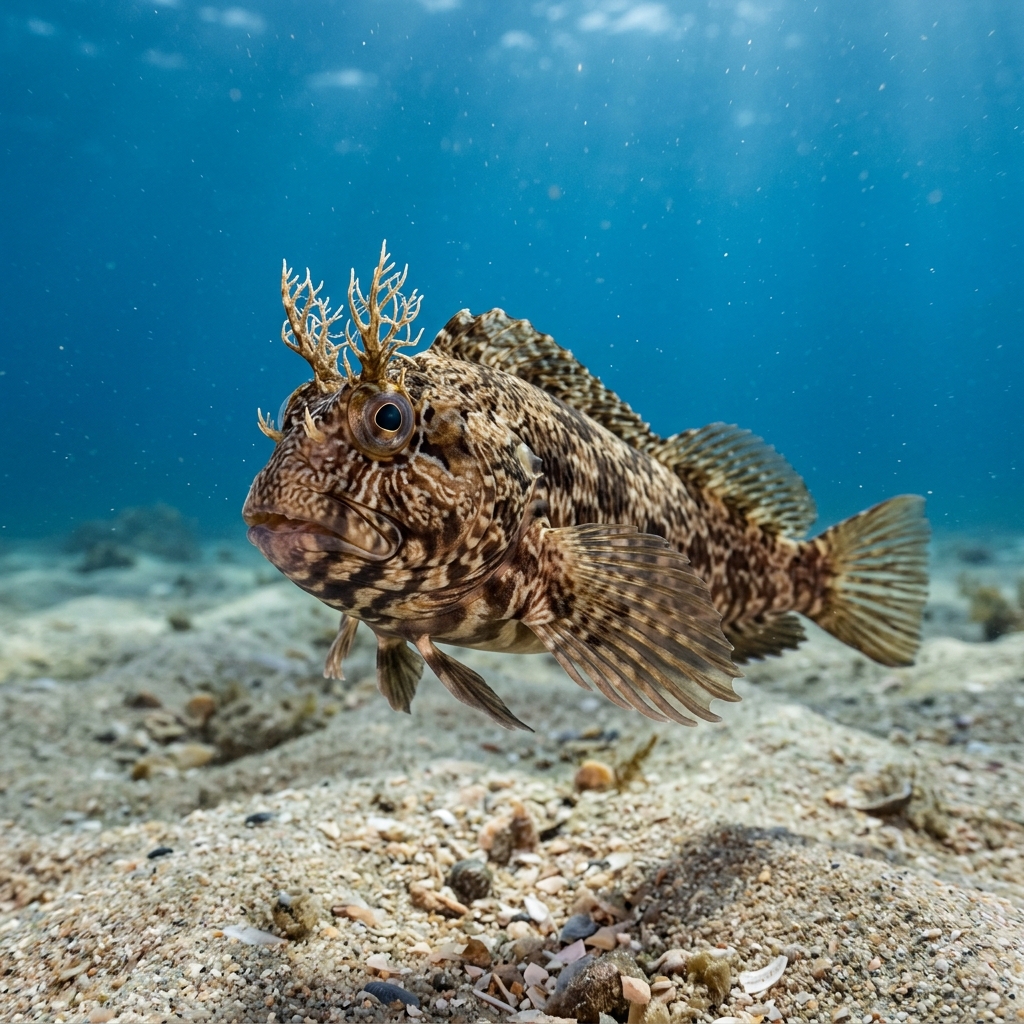
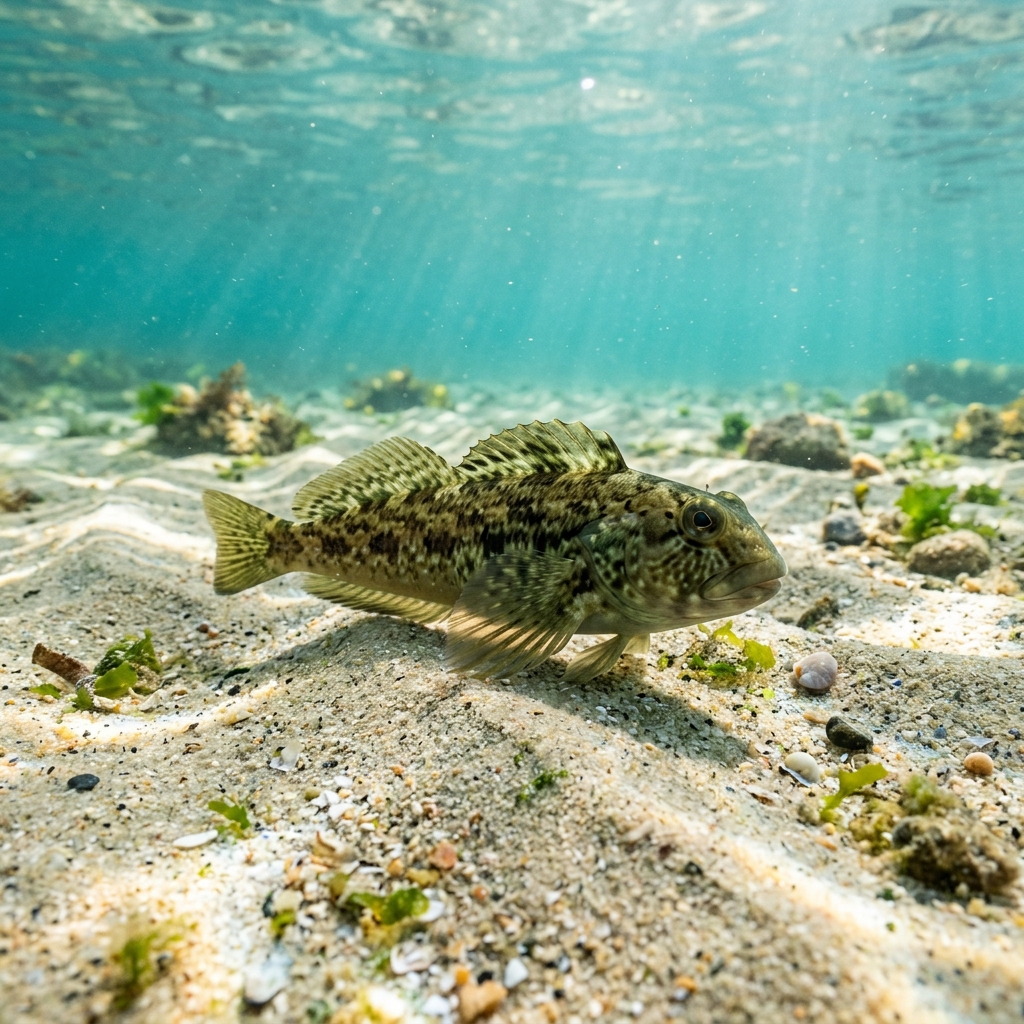
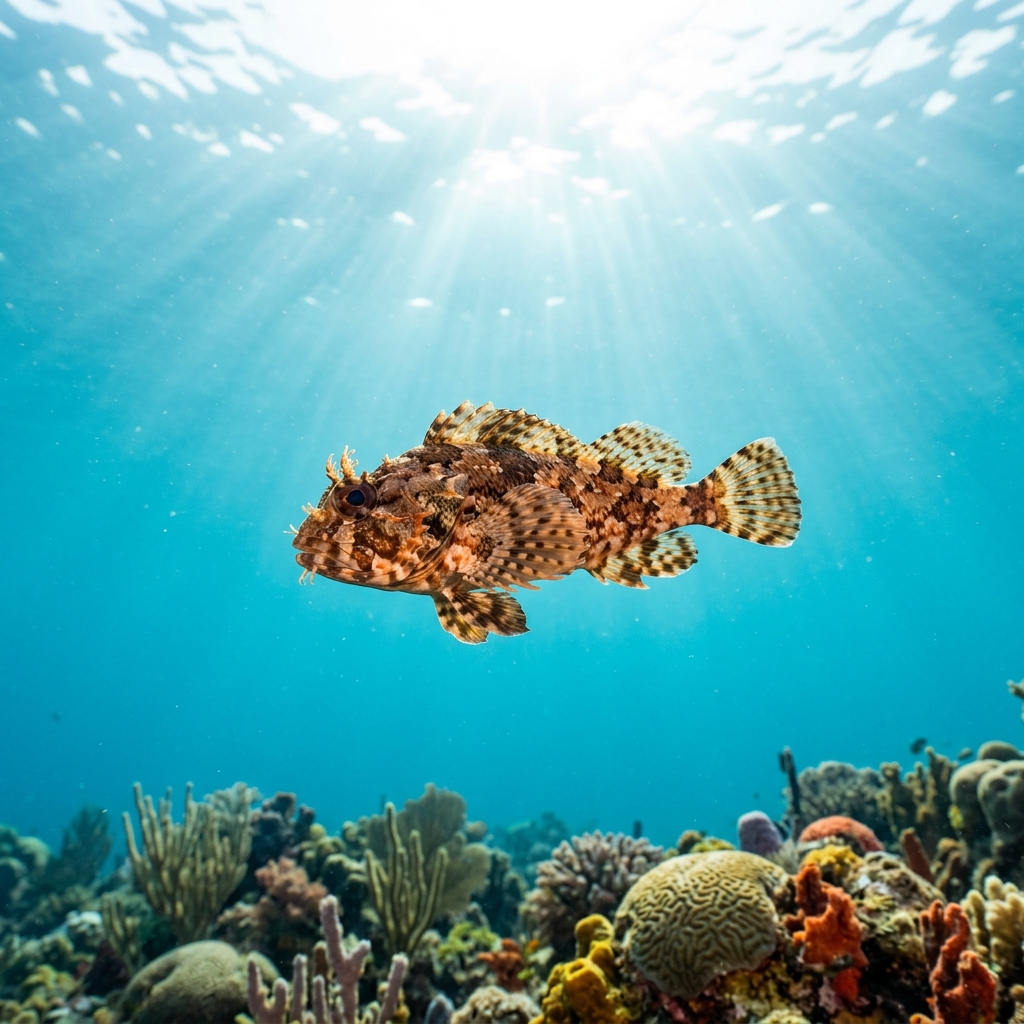
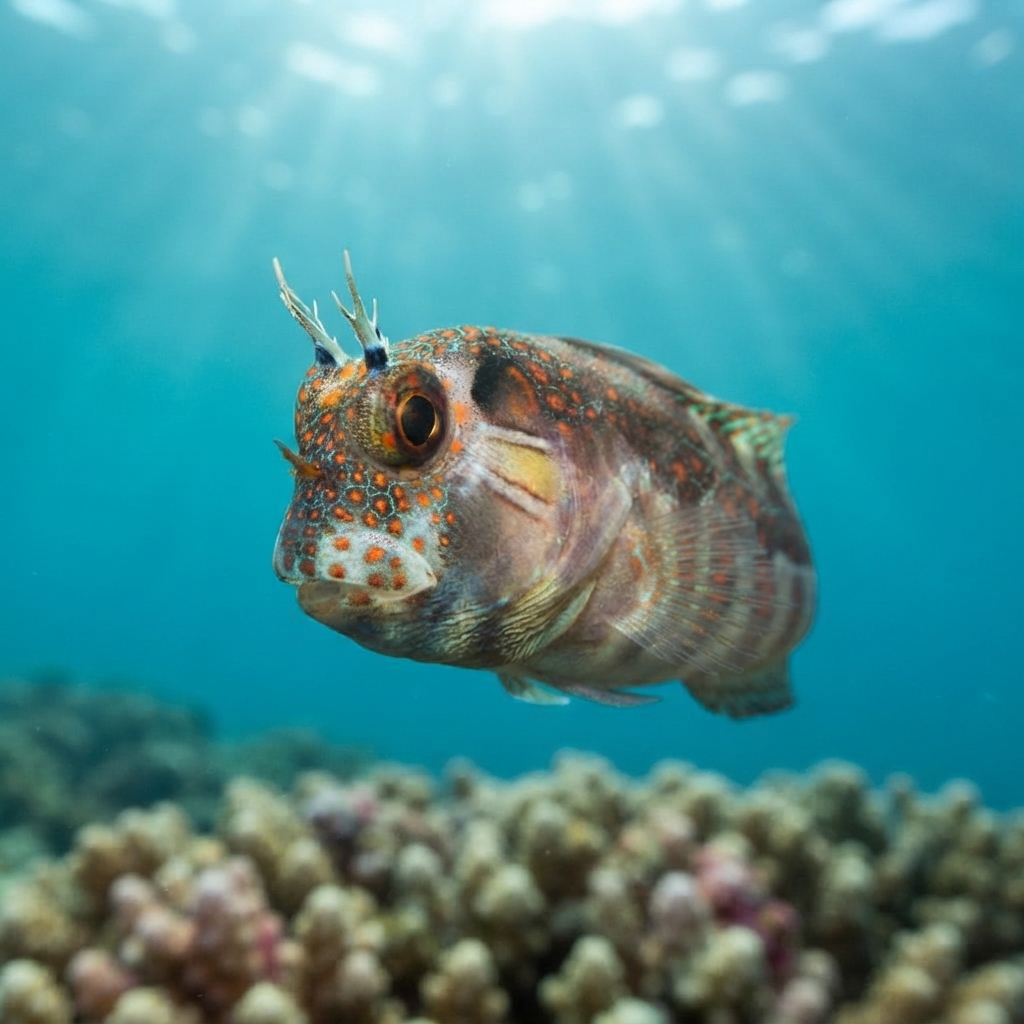
Barely bigger than a thumb at around 8 cm, this blenny is mottled brown to olive with a stubby, tapered body built for wedging into holes. Look for the blunt head and close-set eyes perched high on the skull, giving it that classic peering-out-of-a-hole look. It rarely swims far from cover, so the giveaway is often just a pair of eyes and a snout poking from a barnacle shell or worm tube rather than a full body view.
Divers usually find it holed up in an abandoned barnacle shell, worm tube, or small rock crevice, with just its head visible. It holds its ground rather than bolting when approached, though it will duck fully inside if you get too close or move fast. Most sightings come from slow looks at rubble and rocky patches rather than mid-water encounters, so it rewards divers who stop and scan holes instead of just cruising past.
Like other blennies, it doesn't build its own shelter, it simply moves into whatever empty barnacle shell, tube, or crevice fits, which is exactly where the common name comes from.
No clear seasonal pattern shows up in the sighting data, and its comfort range of 22.4 to 29.1 C covers warm water most of the year, so it's a fair year-round target on Mexico's Pacific Coast.
Reef neighbours a diver could mistake it for. Use the identification notes above to tell them apart.
Most reliably found along Mexico's Pacific Coast, where it turns up at the majority of sites it's been logged. There's also at least one confirmed sighting in Ecuador's Galápagos Islands, so it's not exclusive to the Mexican mainland, just far more consistently logged there.
Mapping where Barnacle Blenny is logged…
Mexico's Pacific Coast is by far the most consistent place to find it, logged across a wide spread of sites there. A single sighting has also come from the Galápagos Islands in Ecuador.
There's no strong seasonal signal in the data, and it tolerates a warm 22.4 to 29.1 C range, so it can be spotted on Pacific Mexico reefs any time of year.
Look for a small, mottled brown fish about 8 cm long peeking out from a barnacle shell or rocky hole, with high-set eyes and a blunt snout. It rarely leaves its shelter, so you'll usually see just the head rather than the whole body.
They stay small, topping out around 8 cm, which is typical for reef-dwelling blennies that spend their lives tucked into crevices and shells.
No. They're harmless to divers and will simply retreat into their shelter if you get too close.
It doesn't dig or build its own home, it moves into empty barnacle shells, worm tubes, or small crevices left behind by other reef animals, which is where its name comes from.
Site and sighting data is aggregated from diver logs, iNaturalist and GBIF. For taxonomy and conservation status:
Rusty Blenny
2,605 sites