Arripis trutta
Sighted mostly around New Zealand's North Island in cool water between 15.6 and 22.3 C, year-round with no clear peak season.
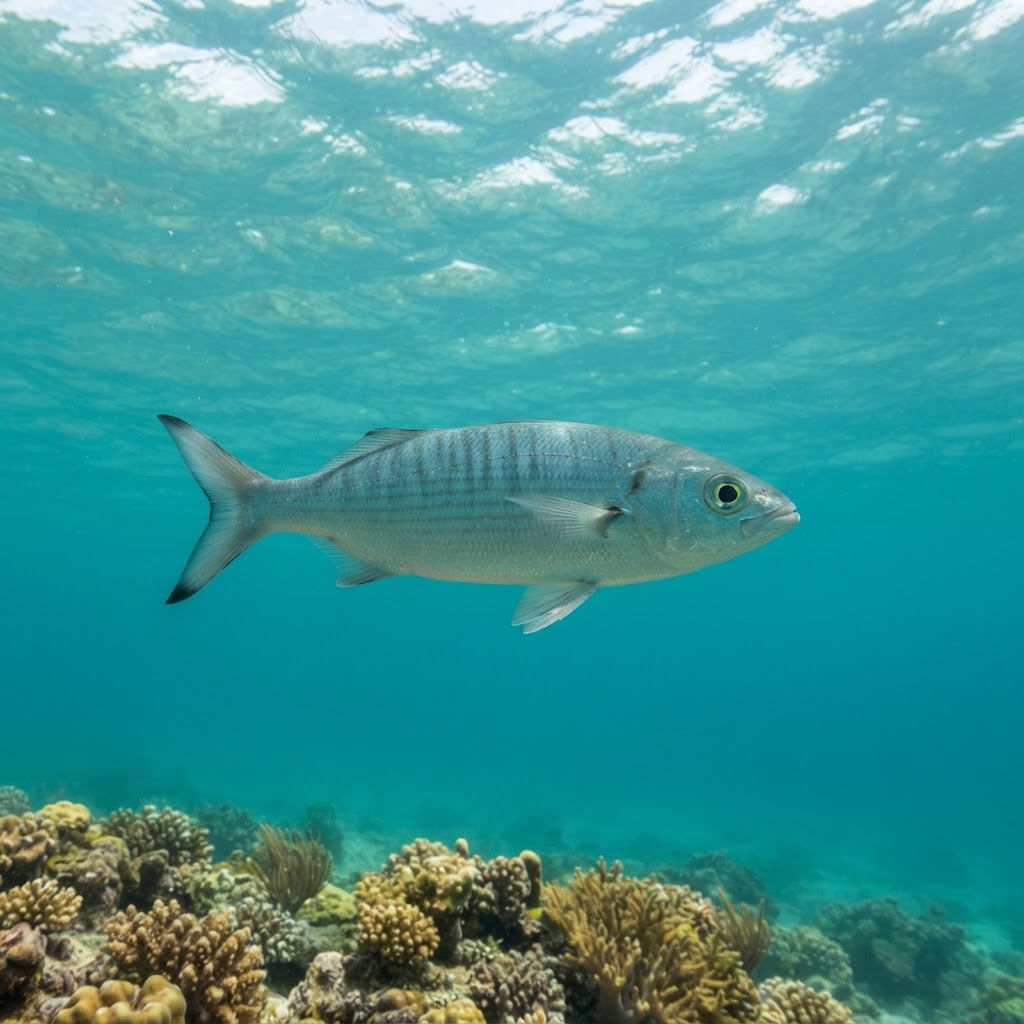
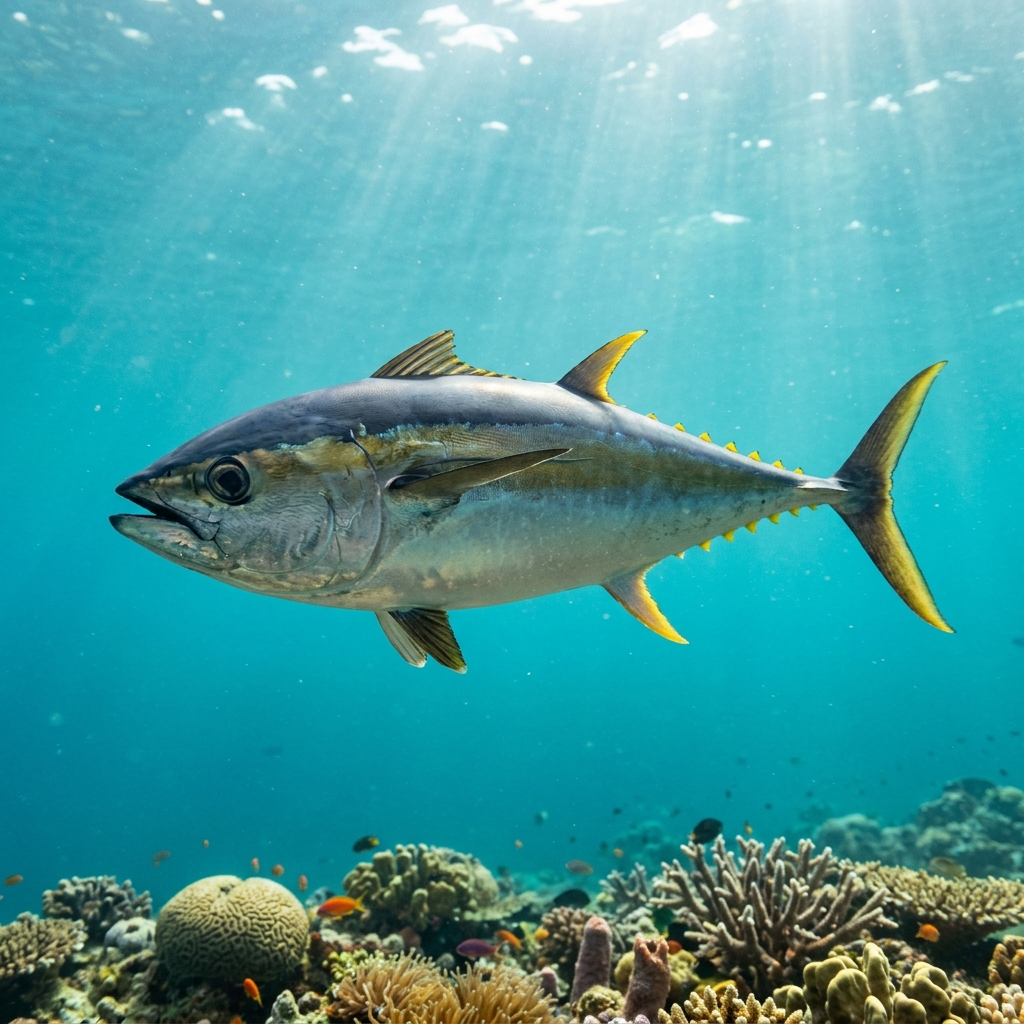
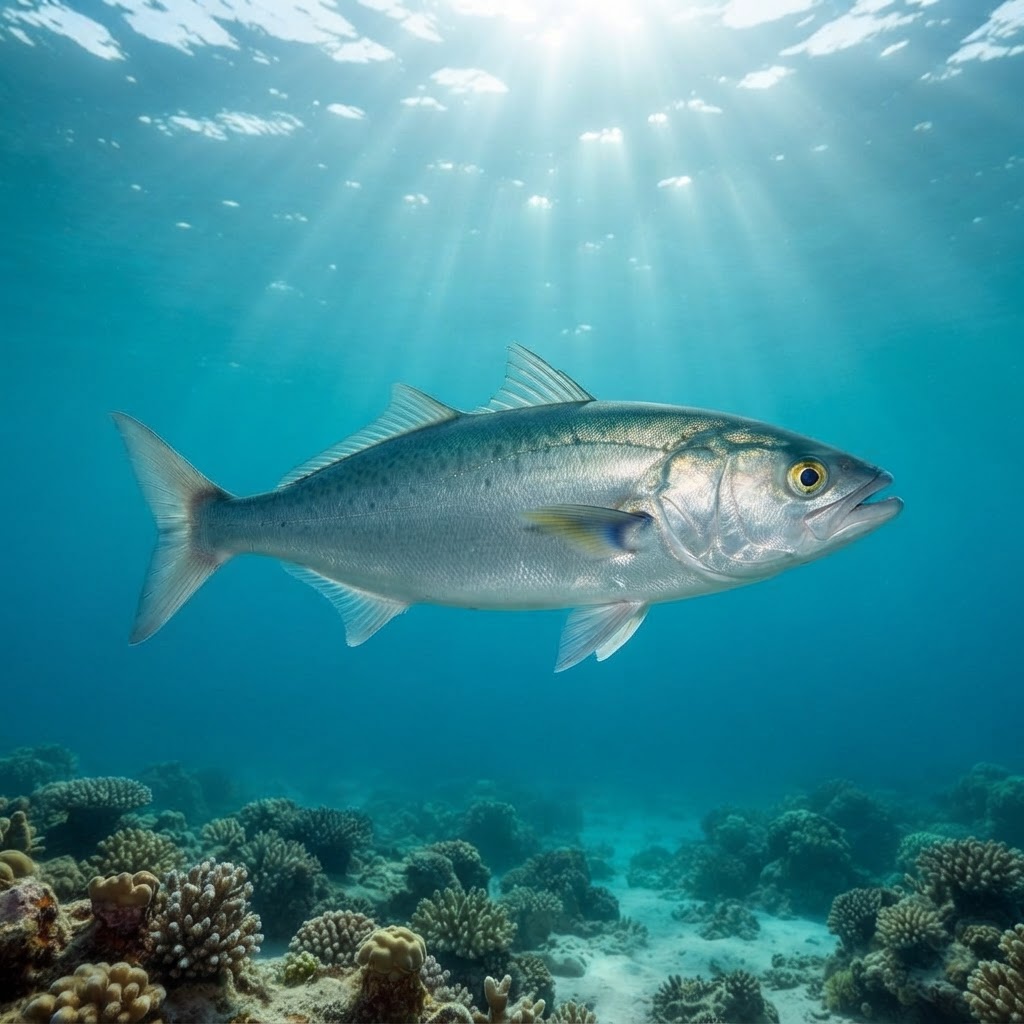
A long, torpedo-shaped fish reaching over half a metre, with a silvery flank fading to a dark, faintly speckled or blotched back. The tail is deeply forked and the body has the streamlined, fast-water build typical of open-water hunters rather than reef dwellers. Divers usually spot it mid-water rather than tucked against structure, its scales flashing as it turns.
Usually seen cruising in open water off rocky reefs and headlands rather than hovering over coral, often in small loose groups. It tends to keep some distance from divers, moving through rather than settling, which fits its reputation as a fast, active swimmer that patrols current-swept edges. Most logs describe it as an uncommon sighting, so a pass overhead or through the blue is the typical encounter rather than a lingering one.
It's a strong, fast swimmer built for chasing baitfish in open water, which is why divers usually see it moving through rather than resting on structure.
Sightings don't show a clear seasonal spike, so treat it as a year-round possibility rather than a migration-timed target. It's been logged across a water temperature range of 15.6 to 22.3 C, consistent with cooler temperate reefs rather than a tight seasonal window.
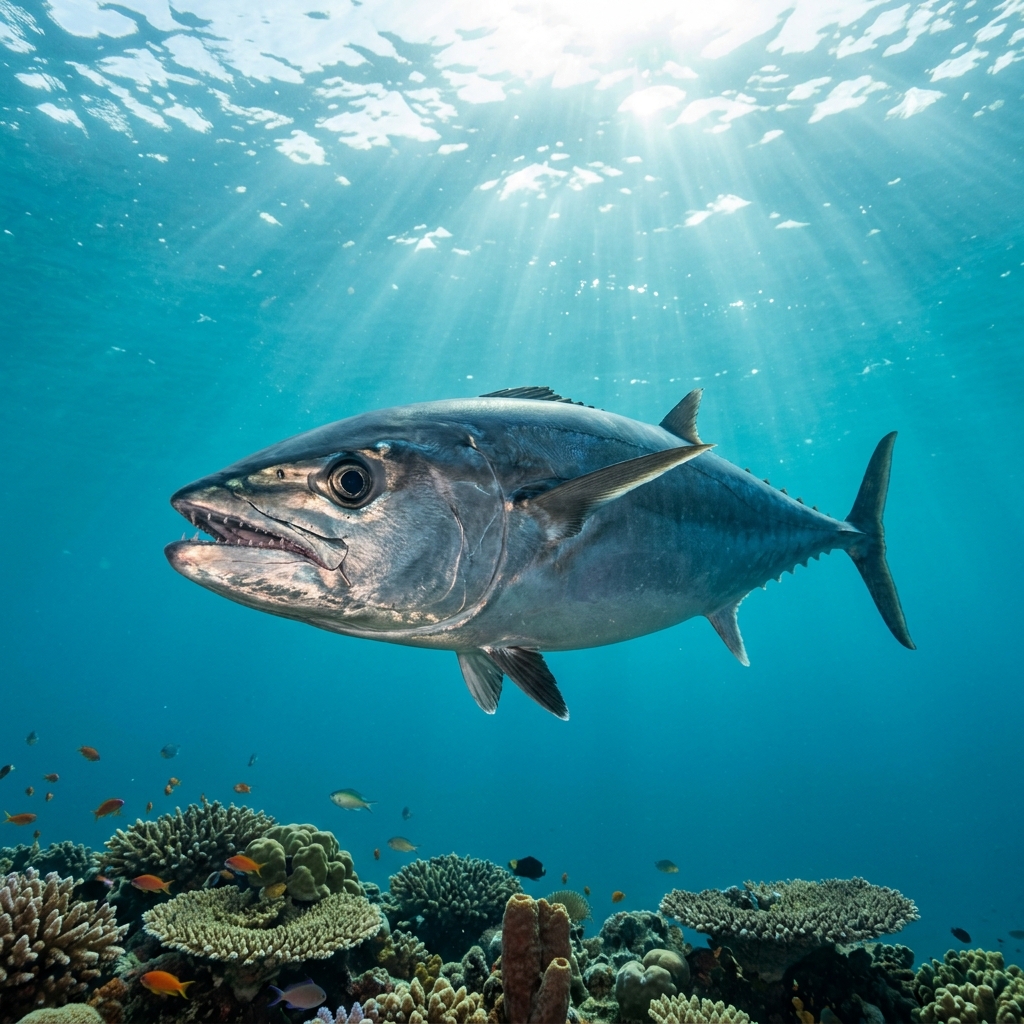
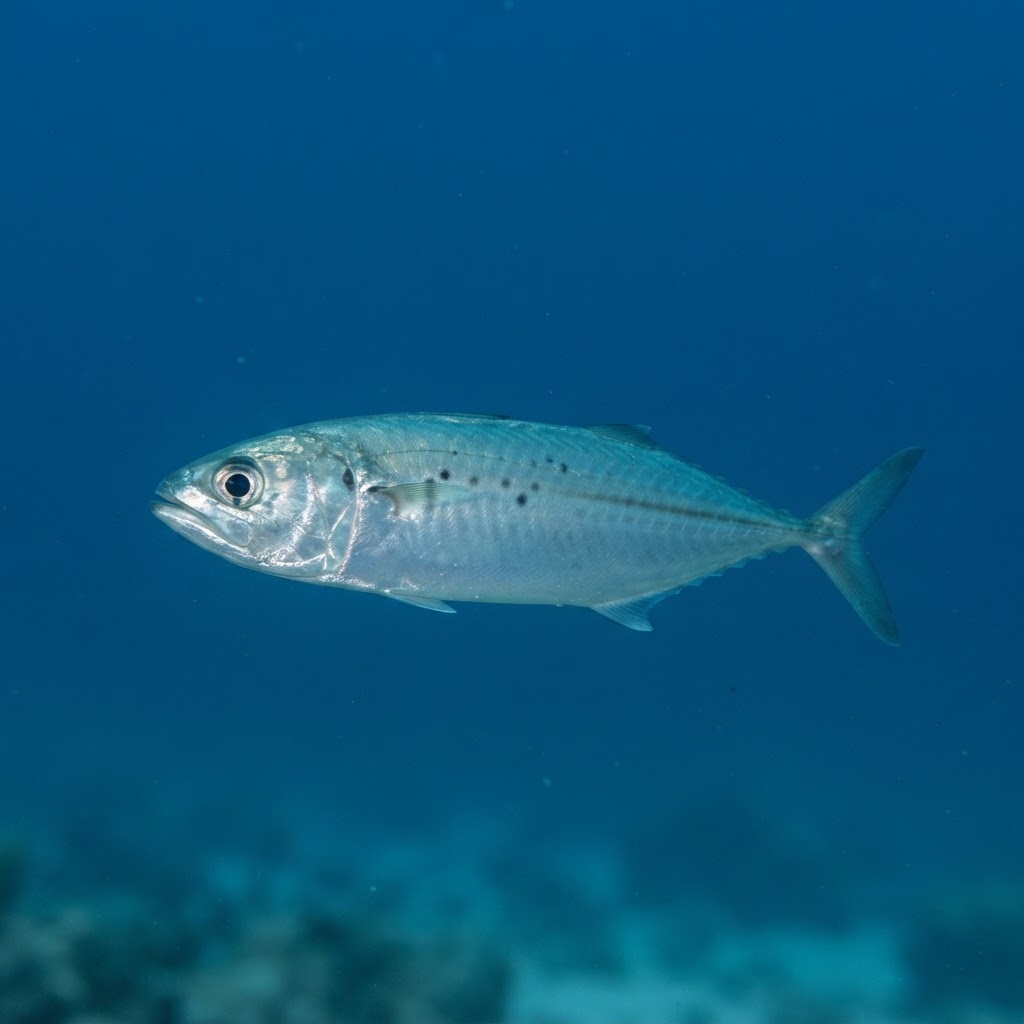
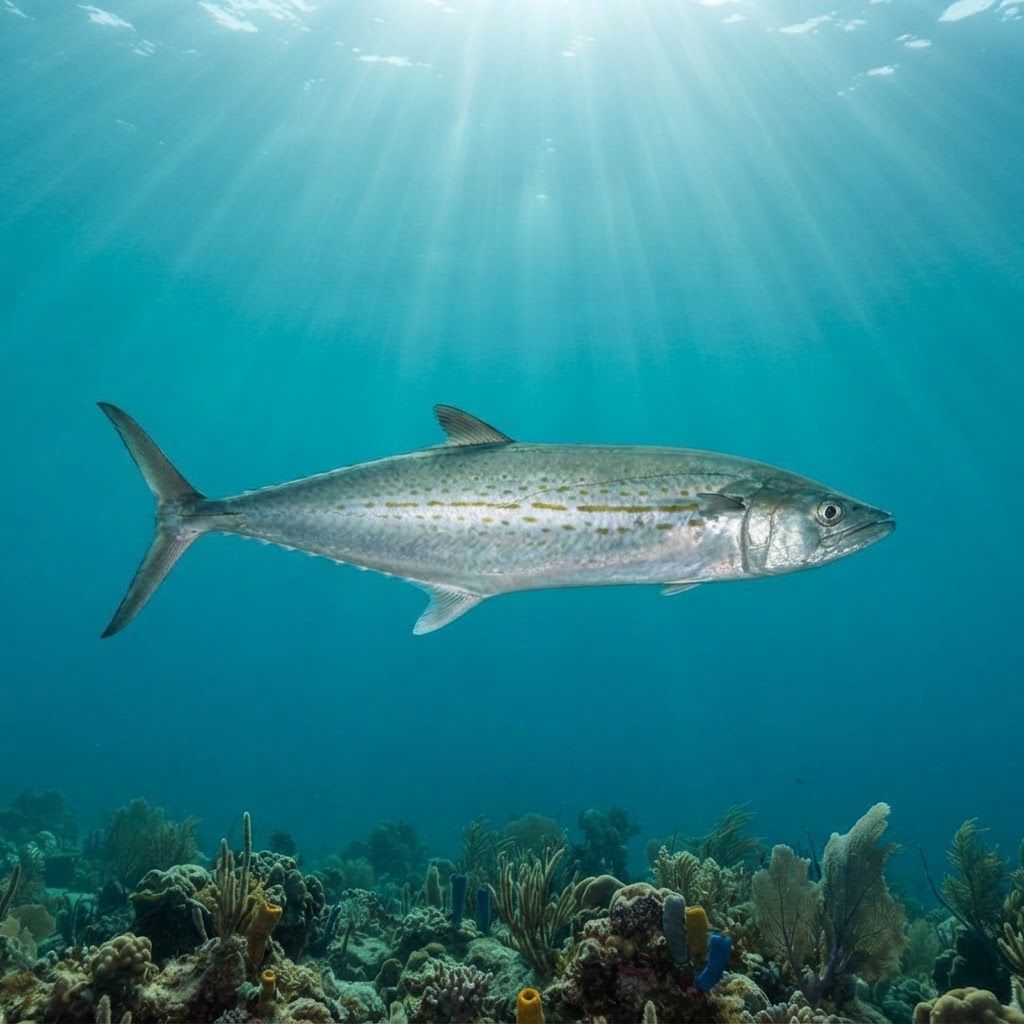
Reef neighbours a diver could mistake it for. Use the identification notes above to tell them apart.
This one is most reliably logged around the North Island of New Zealand, with a smaller but steady presence in New South Wales, Australia, and occasional sightings in Victoria. New Zealand sites outnumber Australian ones heavily in the data, so North Island rock reefs and headlands are the strongest bet.
Mapping where Australian Salmon is logged…
The strongest sightings come from the North Island of New Zealand, with additional records from New South Wales and Victoria in Australia. It favours rocky headlands and open-water edges rather than coral reef settings.
There's no strong seasonal pattern in the sighting data, so it's best treated as a year-round possibility. It has been recorded across a temperate range of roughly 15.6 to 22.3 C.
Look for a long, silvery, torpedo-shaped fish with a darker speckled back and a deeply forked tail, typically cruising mid-water near rocky reef edges. It grows to around 62 cm and moves with the fast, purposeful swimming style of an open-water hunter.
They typically reach around 62 cm in length, making them a noticeably larger presence than many of the smaller reef fish sharing the same water.
No, they're not considered a danger to divers. They tend to keep their distance and move through open water rather than approach or linger near people.
Site and sighting data is aggregated from diver logs, iNaturalist and GBIF. For taxonomy and conservation status:
Dogtooth Tuna
629 sites