Arripis georgiana
Small silvery schooling fish common along Western Australia's coast, usually spotted uncommon-to-rare in 15-20C water year-round.
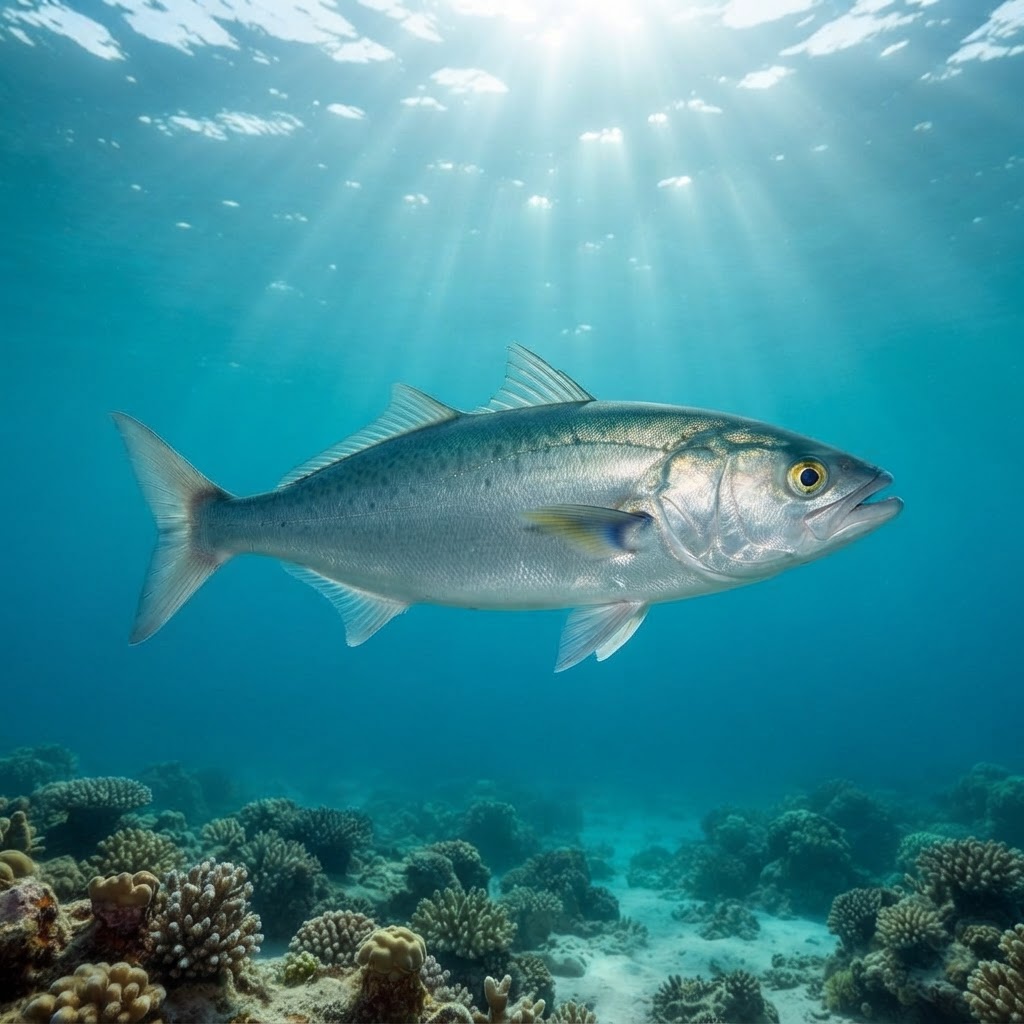
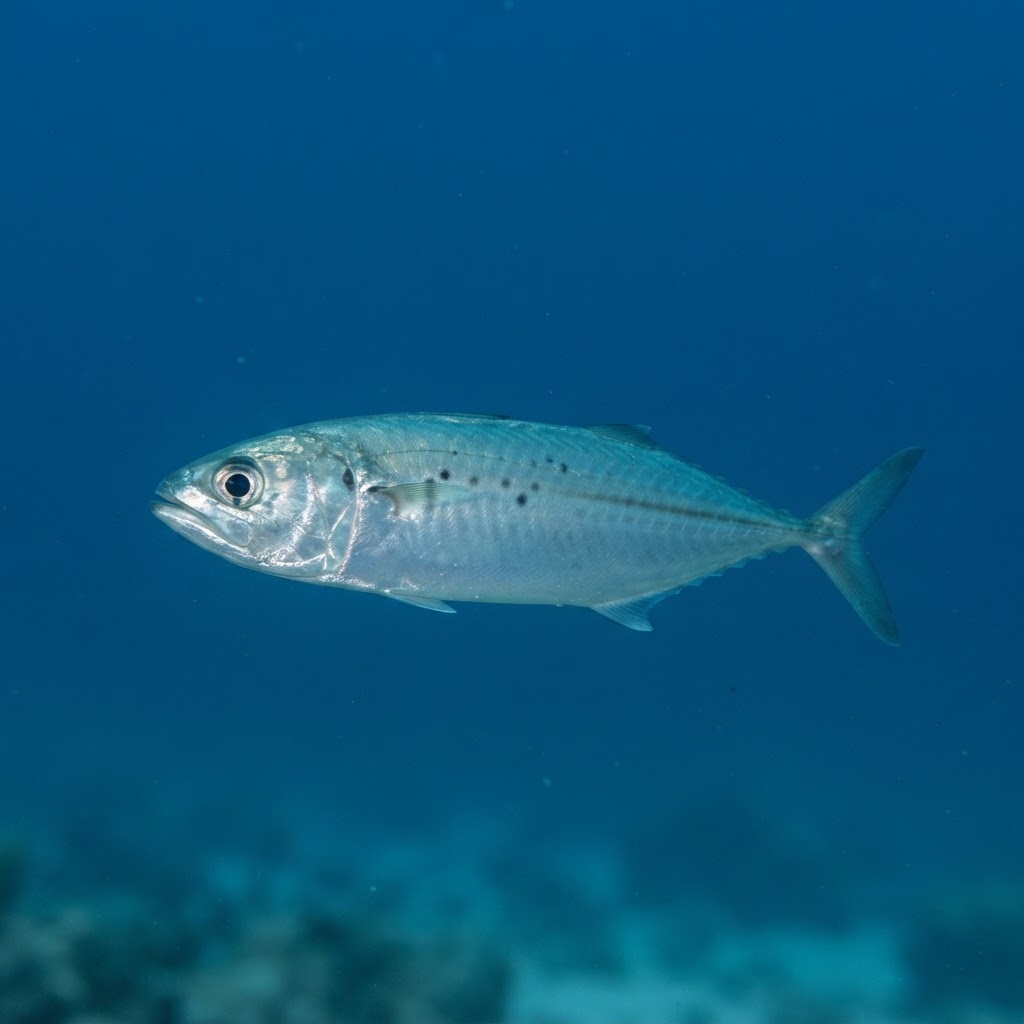
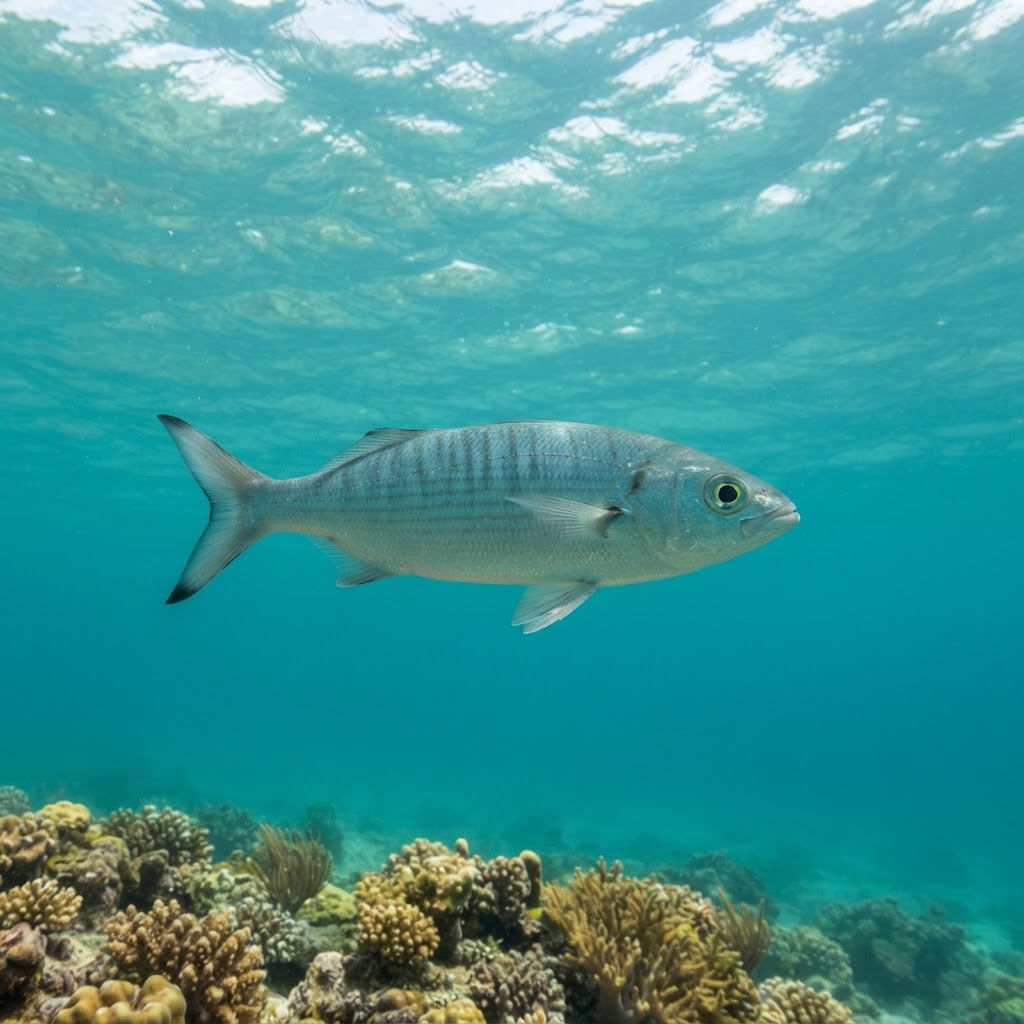
Look for a slim, torpedo-shaped fish about 29 cm long with a silvery body and faintly darker olive-green back. A small dark blotch sits just behind the gill cover, which is one of the few reliable field marks on an otherwise plain fish. They usually move in loose schools rather than alone, hanging in midwater over sand or reef edges.
Divers typically find them cruising in loose, open-water schools rather than tucked into reef structure, often hanging just off sand patches or reef edges where they can dart into the water column. They are not especially bold around divers and tend to keep a bit of distance, drifting past rather than settling for a close look. Most reports describe them as an uncommon background sighting rather than the main event on a dive.
Despite the name, this species is not closely related to true herrings; it belongs to the Australian salmon family (Arripidae), a small group found only in southern Australian and New Zealand waters.
There is not enough seasonal data to point to a specific window, and sightings are logged across the year, so treat this as a year-round species within its 15.2 to 20.5C temperature niche. That range covers the cooler temperate waters off southern and western Australia through most seasons.
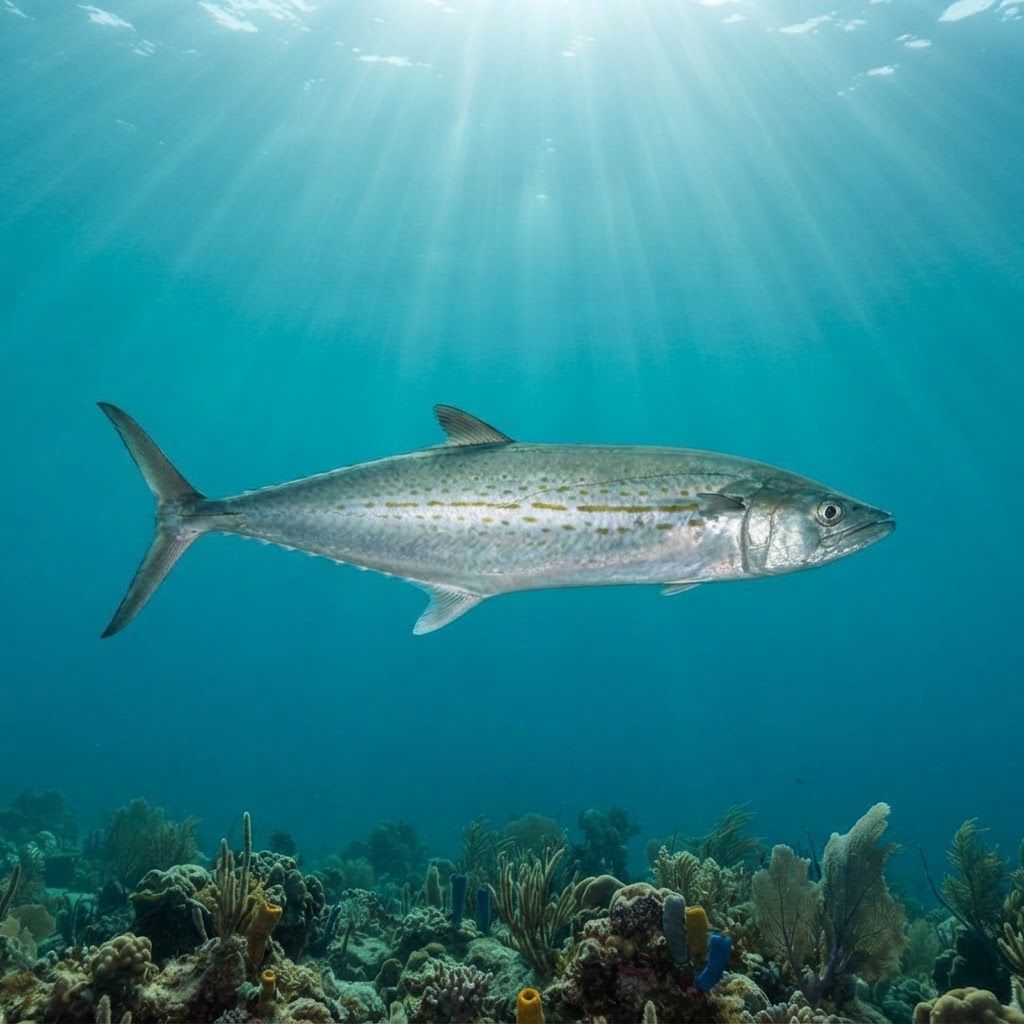
Reef neighbours a diver could mistake it for. Use the identification notes above to tell them apart.
Almost all logged sightings come from Australia, with Western Australia the clear stronghold for this species. South Australia and Victoria also produce occasional sightings, but in far smaller numbers, making Western Australia the region to target if you want a reliable look.
Mapping where Australian Herring is logged…
Western Australia is by far the strongest region for sightings, with smaller numbers reported from South Australia and Victoria. Nearly all logged encounters come from Australian dive and snorkel sites.
There is no strong seasonal pattern in the data, so sightings happen year-round. They are found in water between about 15 and 20.5C, which fits the temperate conditions off southern and western Australia through most of the year.
Look for a slender silvery fish around 29 cm with a faint dark spot behind the gill cover, typically seen schooling in open water over sand or reef edges rather than close to structure.
They typically reach about 29 cm in length, making them a small to medium-sized schooling fish rather than a large target species.
No, despite the common name they belong to the family Arripidae, which also includes Australian Salmon, and are not closely related to true herrings at all.
Site and sighting data is aggregated from diver logs, iNaturalist and GBIF. For taxonomy and conservation status:
Dogtooth Tuna
629 sites