Rhizoprionodon terraenovae
Spot the Atlantic Sharpnose Shark in Florida, Cuba, or Brazil. A slim, shy reef shark under 80 cm, present year-round in warm Atlantic waters.
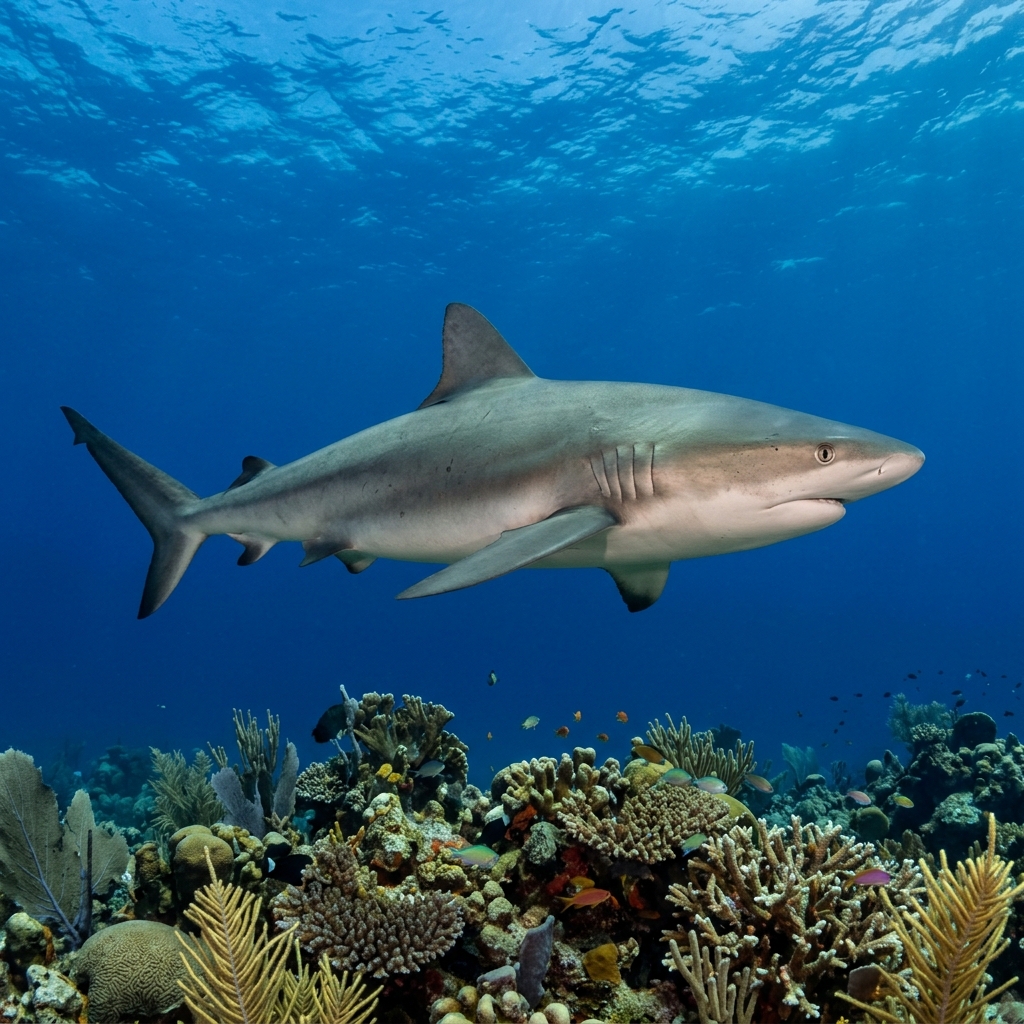
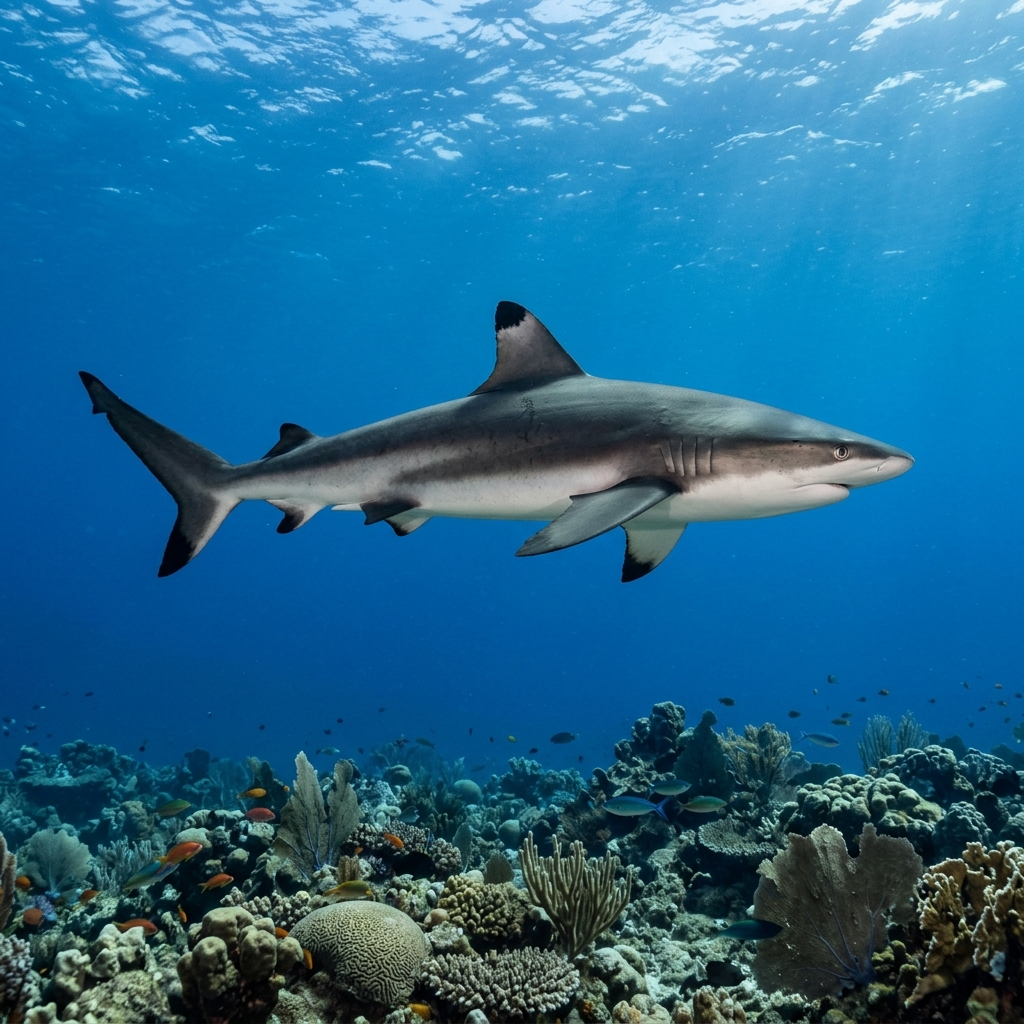
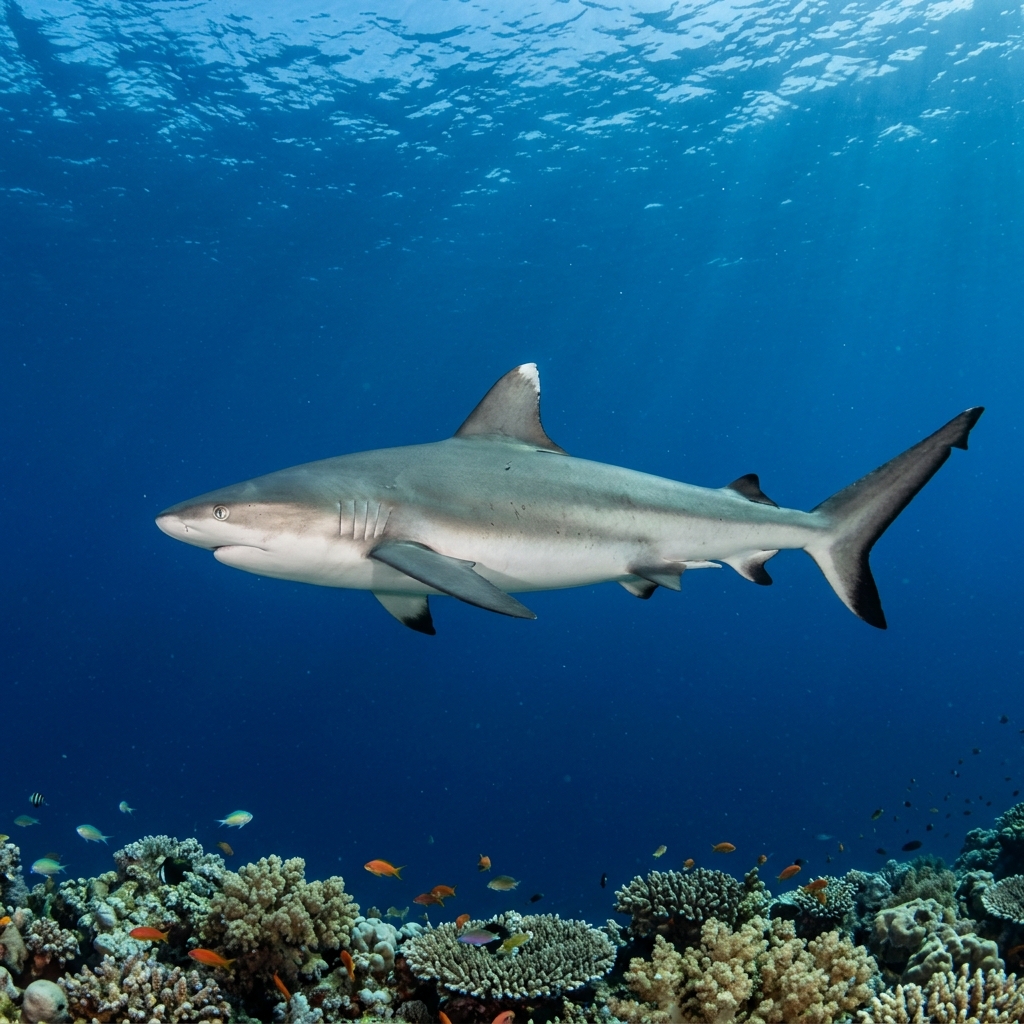
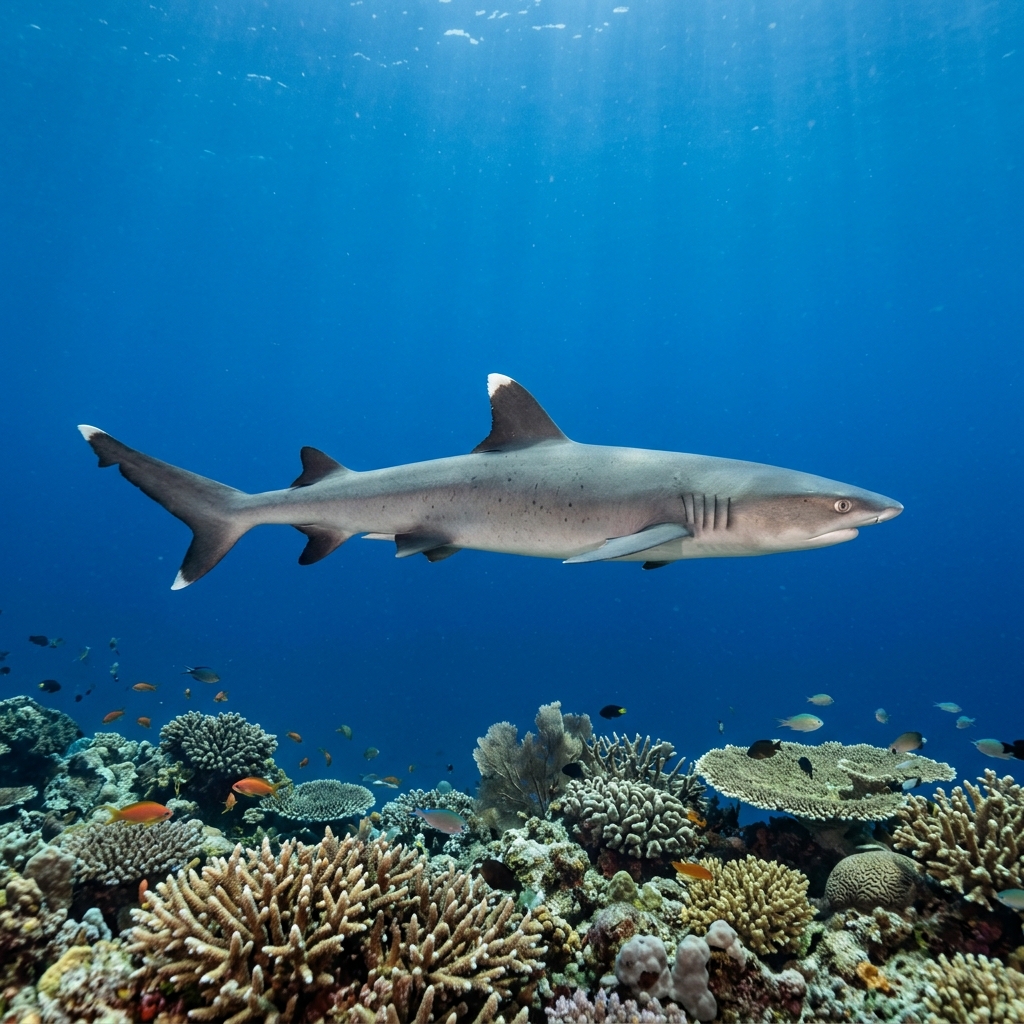
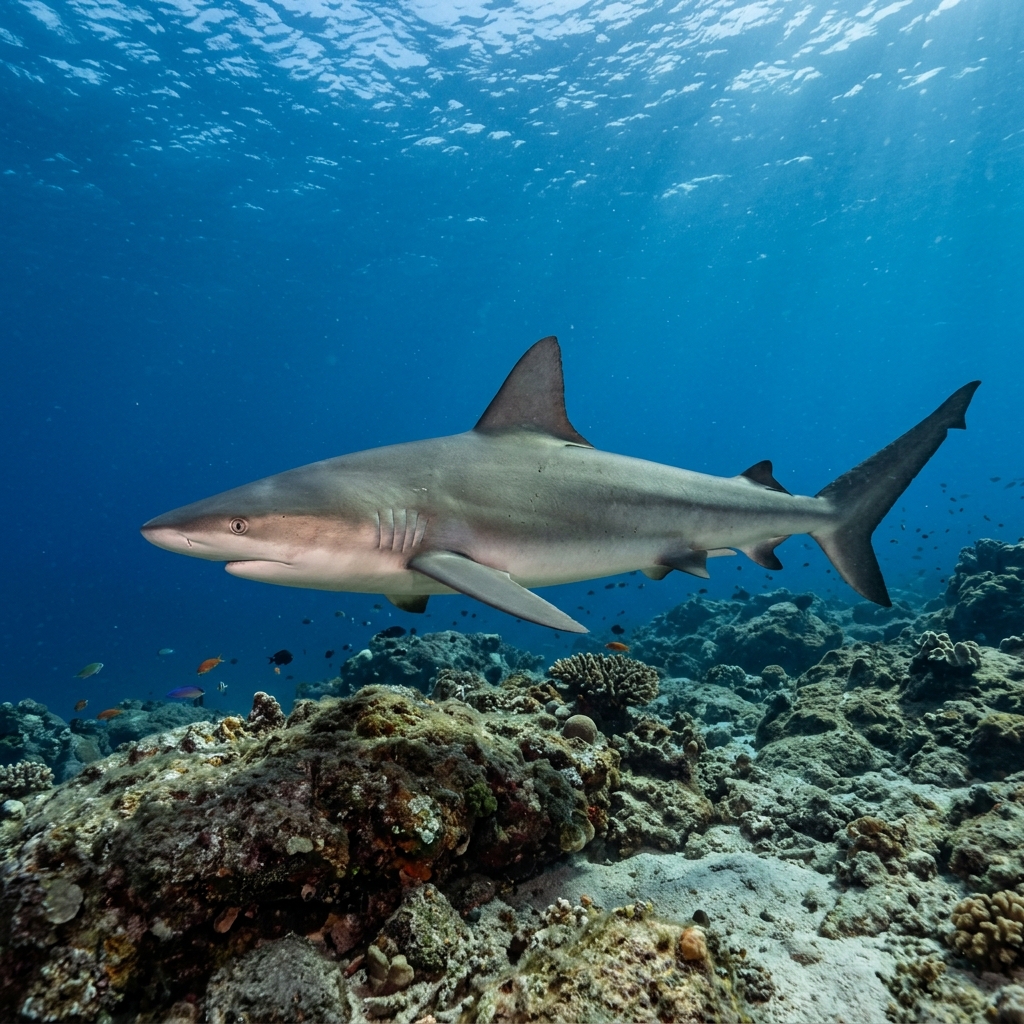
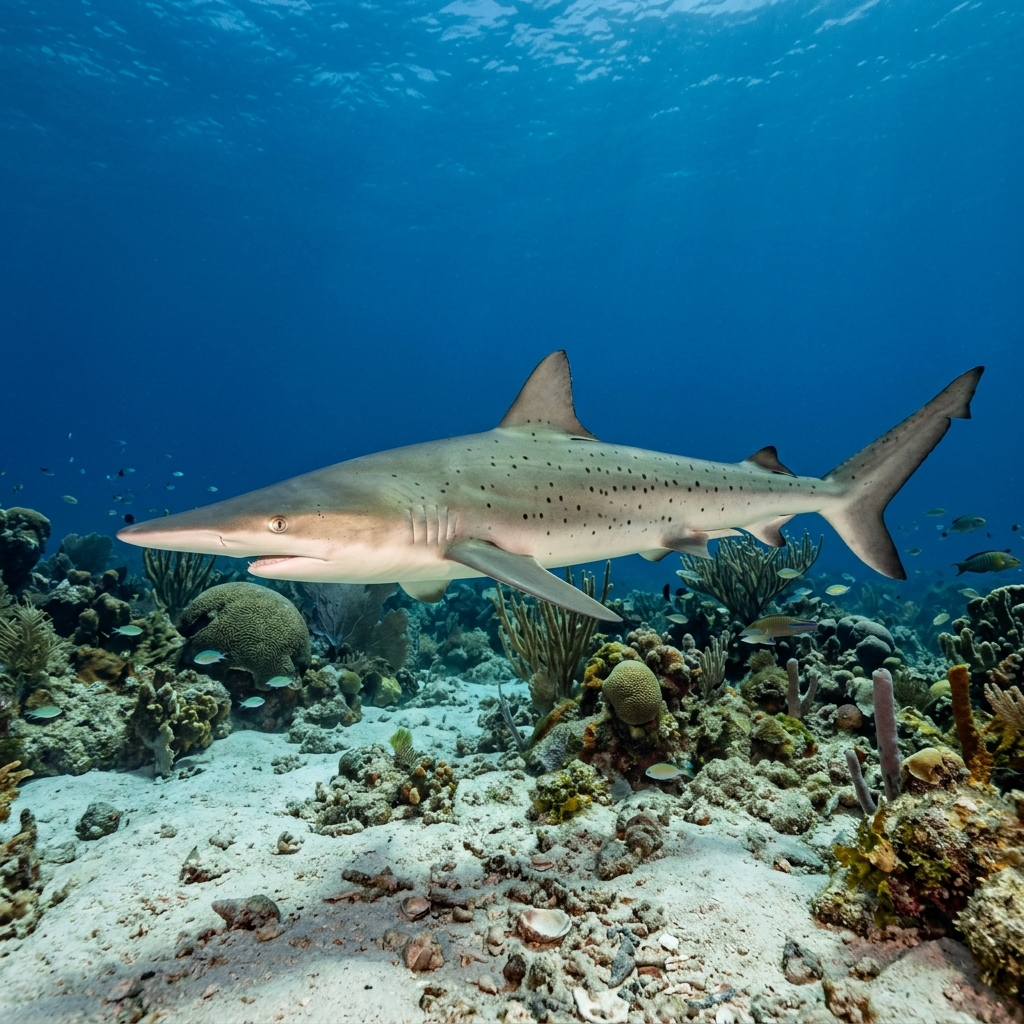
A slender, small shark that rarely exceeds 80 cm, with a notably long, pointed snout that gives it its name. Body colouration is grey-brown above, fading to a pale or white underside, with faint white spots scattered along the flanks on some individuals. Look for the white trailing edges on the pectoral fins, which are one of the more reliable field marks underwater. Males can be distinguished by the pair of claspers (elongated reproductive organs) visible at the inner edge of the pelvic fins; females show a clean, smooth pelvic fin margin.
Expect a cautious, distance-keeping animal: when it encounters divers it tends to circle at range before moving off, showing curiosity rather than any aggression. It is a demersal (bottom-associated) shark, so watch the sandy or rubble seabed where it hunts small fish, crustaceans, and molluscs rather than scanning the open water column. Calm conditions and good visibility give you the best chance of a longer look before it slips away.
Despite its small size, the Atlantic sharpnose shark is viviparous (live-bearing), giving birth to litters of typically two to six pups, with the young already well-formed and independent at birth.
No strong seasonal peak has been detected in the sighting data, so this species is best treated as a year-round resident wherever conditions are warm. Its observed temperature niche of roughly 23 to 28 °C aligns with the tropical and subtropical waters across its Atlantic range throughout the year.
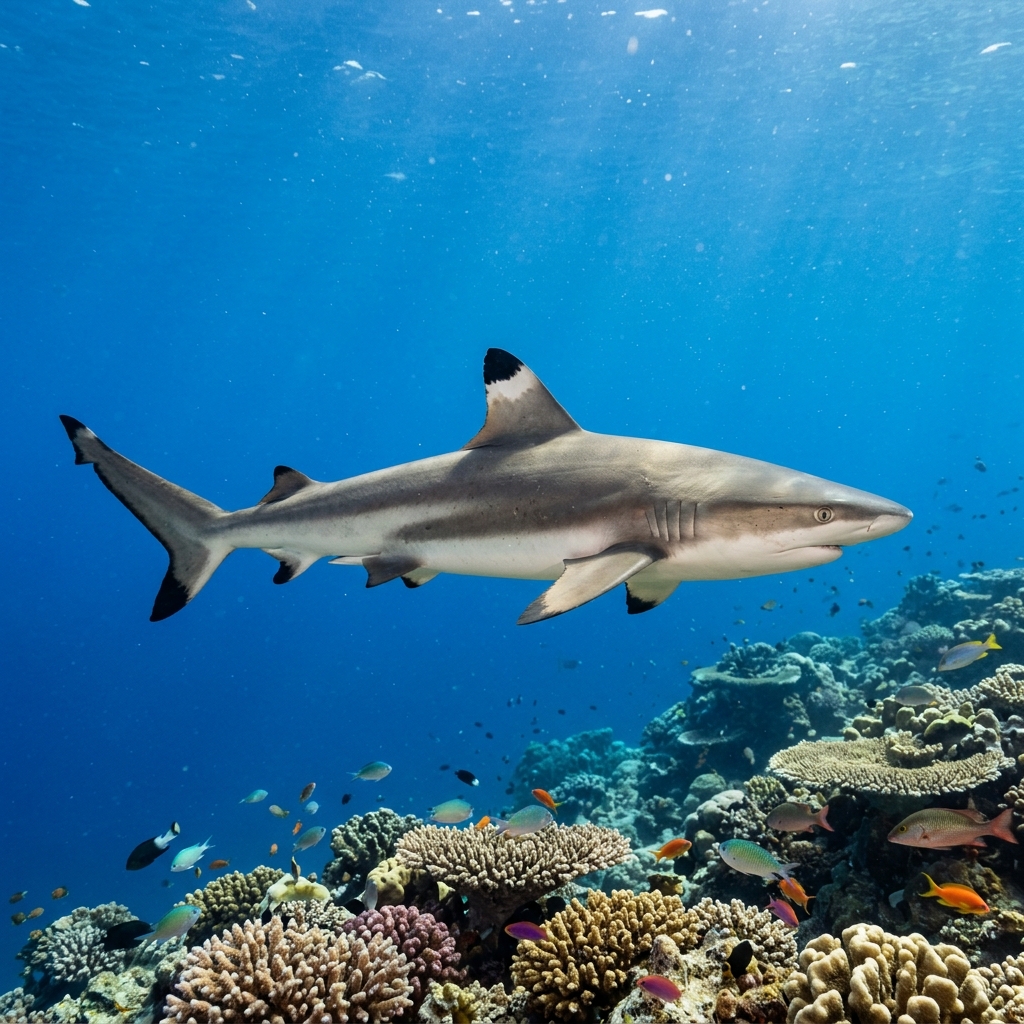
Reef neighbours a diver could mistake it for. Use the identification notes above to tell them apart.
Most commonly logged across the western Atlantic, with the strongest presence in the United States, particularly along Florida and the Southeast coast. Cuba, especially the Jardines del Rey region, and Brazil's Northeast Coast also show a solid spread of sites within its range. Venezuela, the Bahamas, Belize, Mexico's Yucatán Peninsula, and the Dominican Republic round out the key areas where this shark is expected.
Mapping where Atlantic Sharpnose Shark is logged…
This species is spread across the western Atlantic, with the most sites recorded in the United States (especially Florida), Cuba, Brazil, and Venezuela. The Bahamas, Belize, Mexico's Yucatán Peninsula, and the Dominican Republic are also within its range. Sightings are rated uncommon, so treat it as a bonus encounter rather than a target species.
There is no clear seasonal peak in the available data. Its preferred water temperatures of roughly 23 to 28 °C are found year-round across the tropical and subtropical Atlantic, so any time of year is a reasonable bet in the right region.
No. This is a small, shy species that typically keeps its distance from divers. It may circle briefly out of curiosity but has no record of aggression towards people and poses no meaningful risk.
Key features are its small size (under 80 cm), very long pointed snout, grey-brown colouration, and white trailing edges on the pectoral fins. Some individuals show faint white spots along the flanks. It is a bottom-associated shark, so look near the seabed rather than in open water.
Adults typically reach around 77 cm, making this one of the smaller carcharhinid sharks you are likely to encounter. Maximum recorded sizes approach about 110 cm, but that is exceptional.
Site and sighting data is aggregated from diver logs, iNaturalist and GBIF. For taxonomy and conservation status:
Sandbar Shark
1,474 sites