Cinetorhynchus rigens
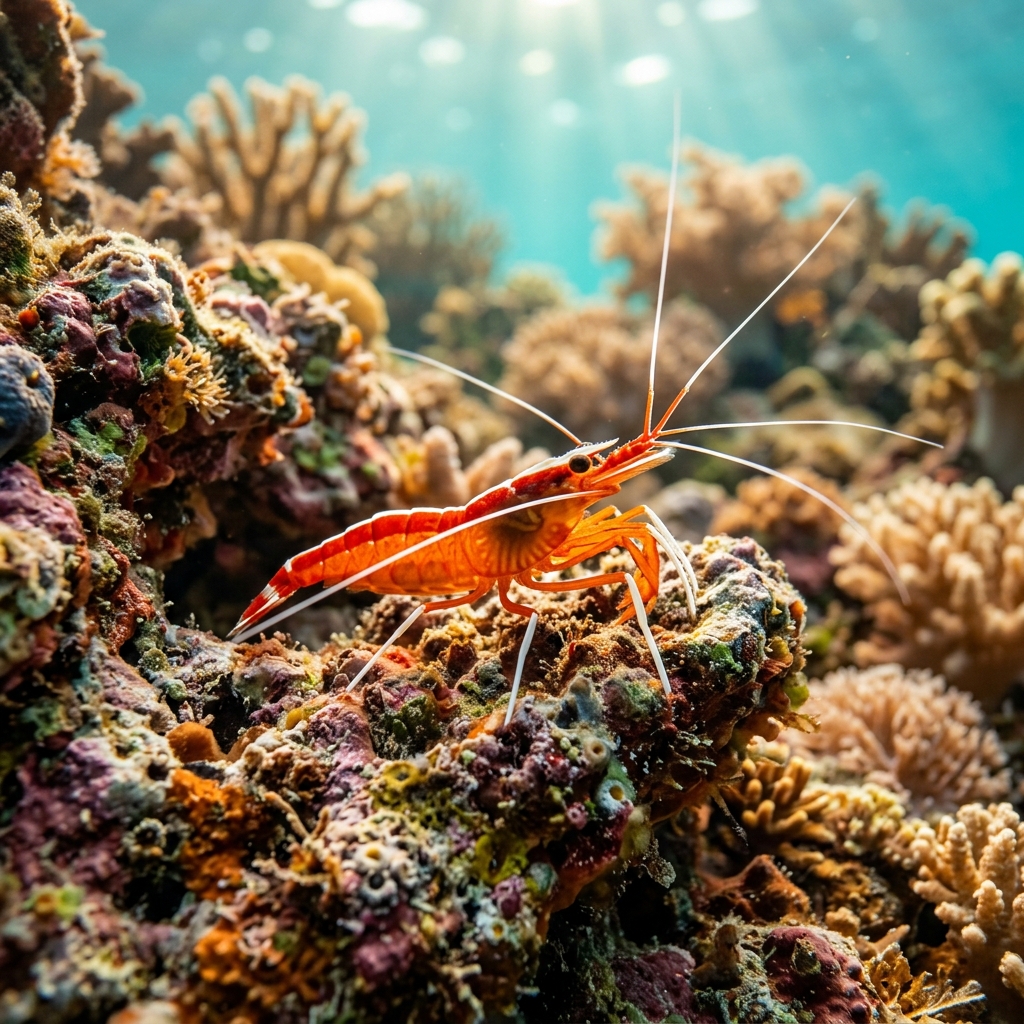
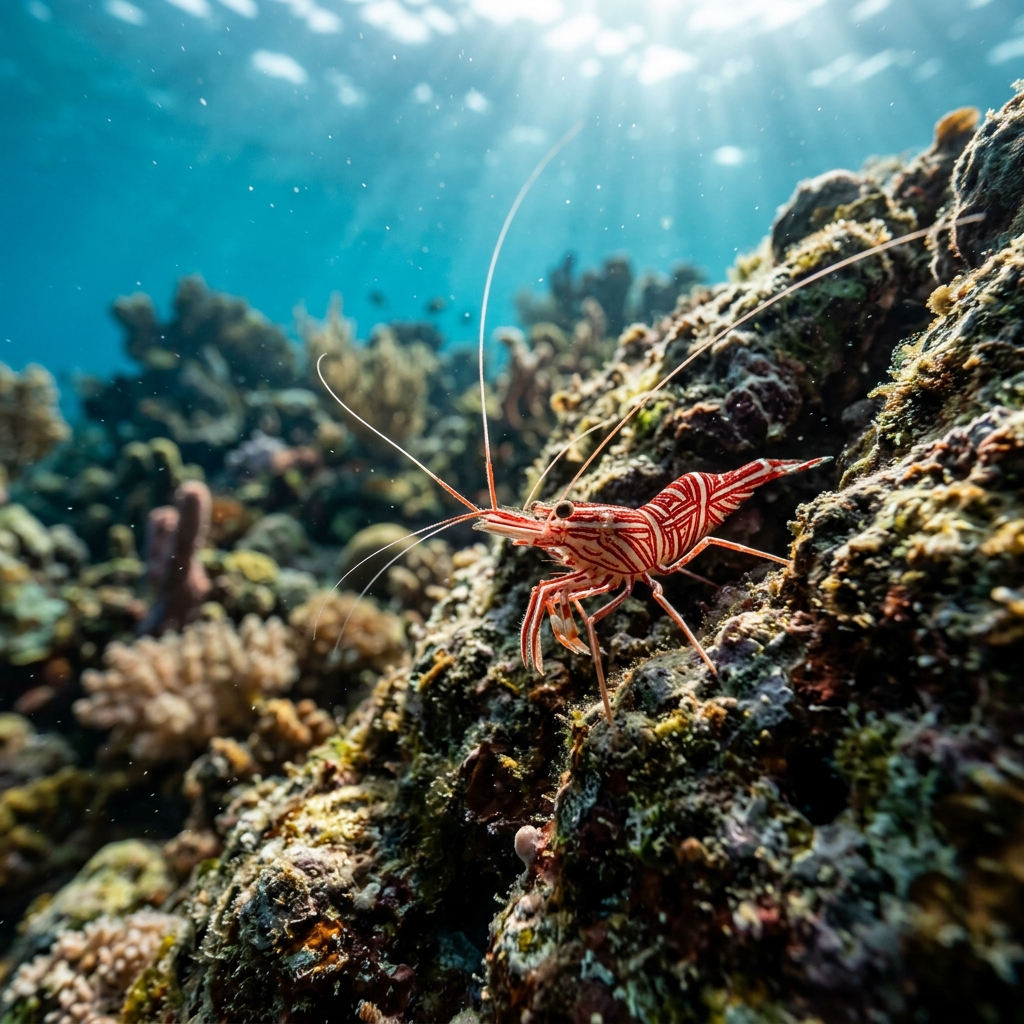
Look for this red-and-white shrimp under ledges in El Hierro and Madeira, most active after dark in 18-24C water.
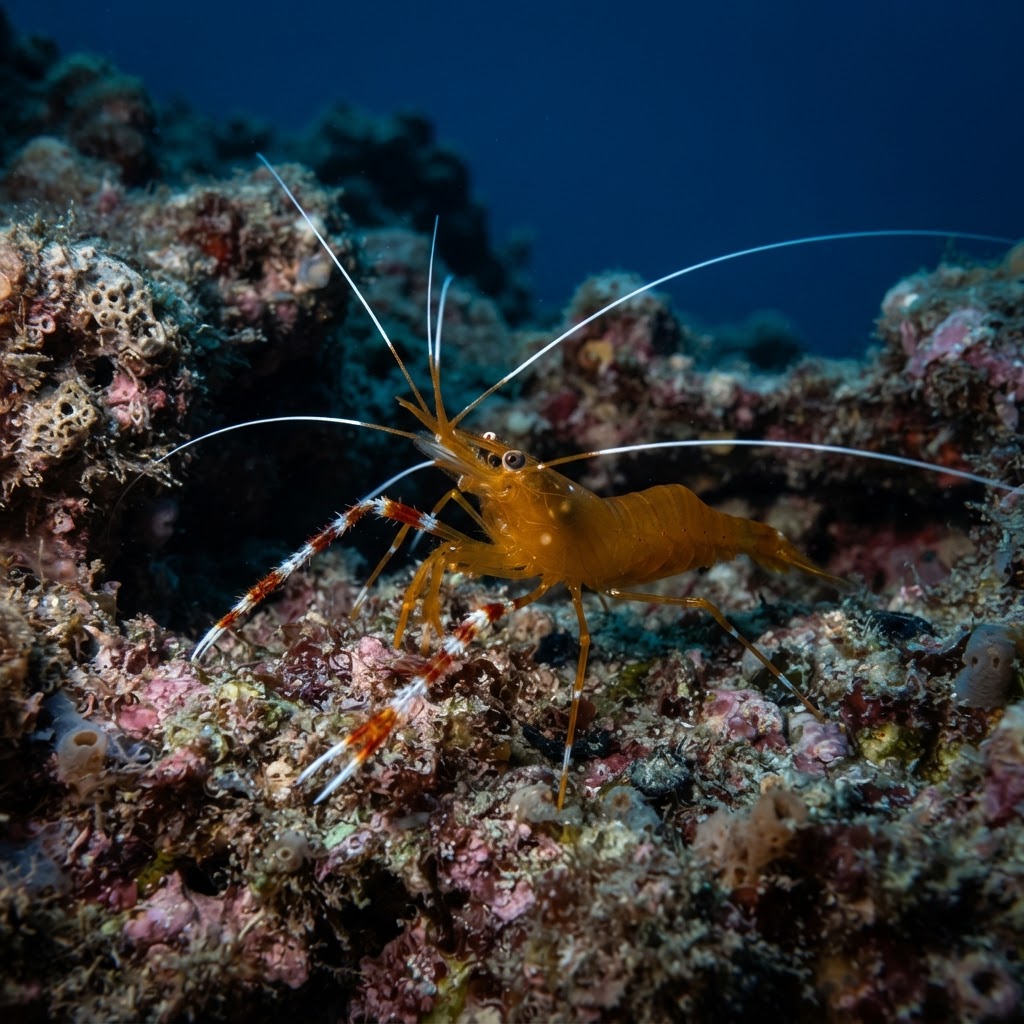
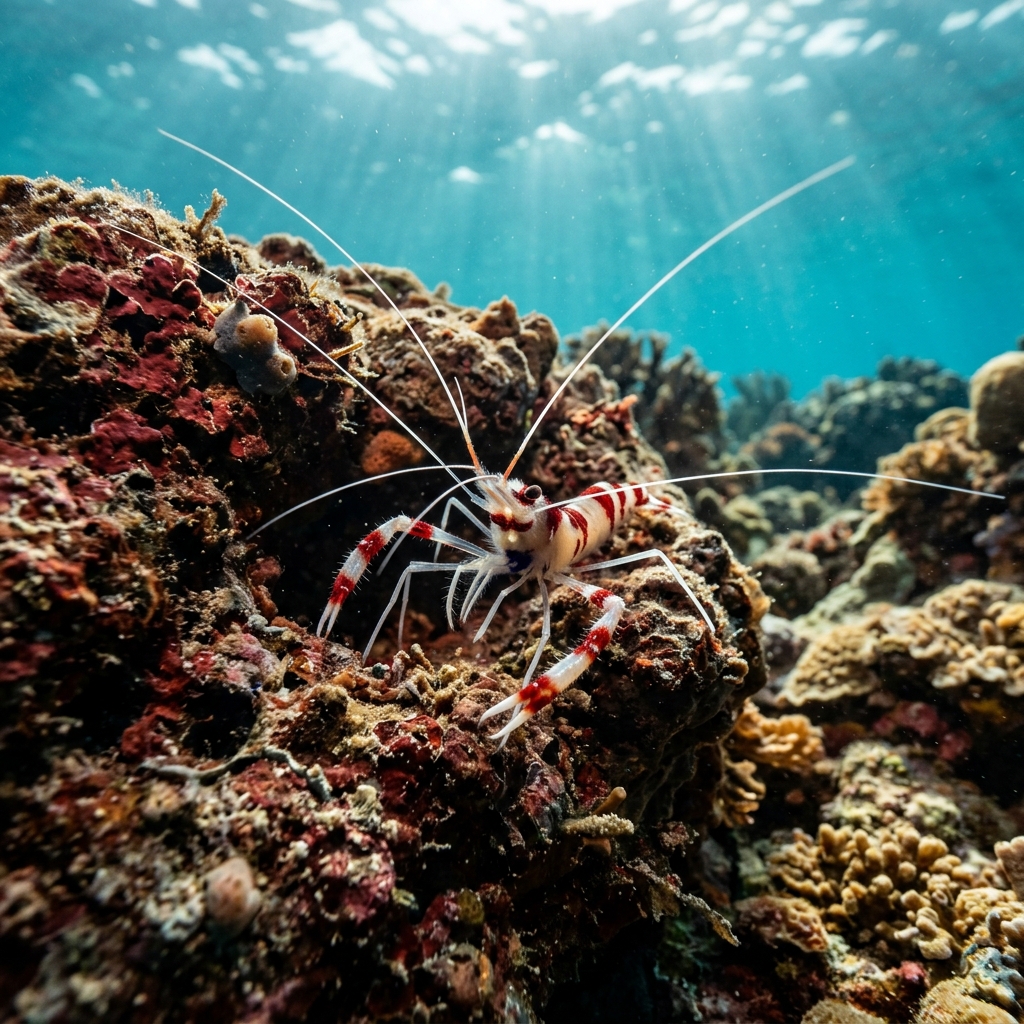
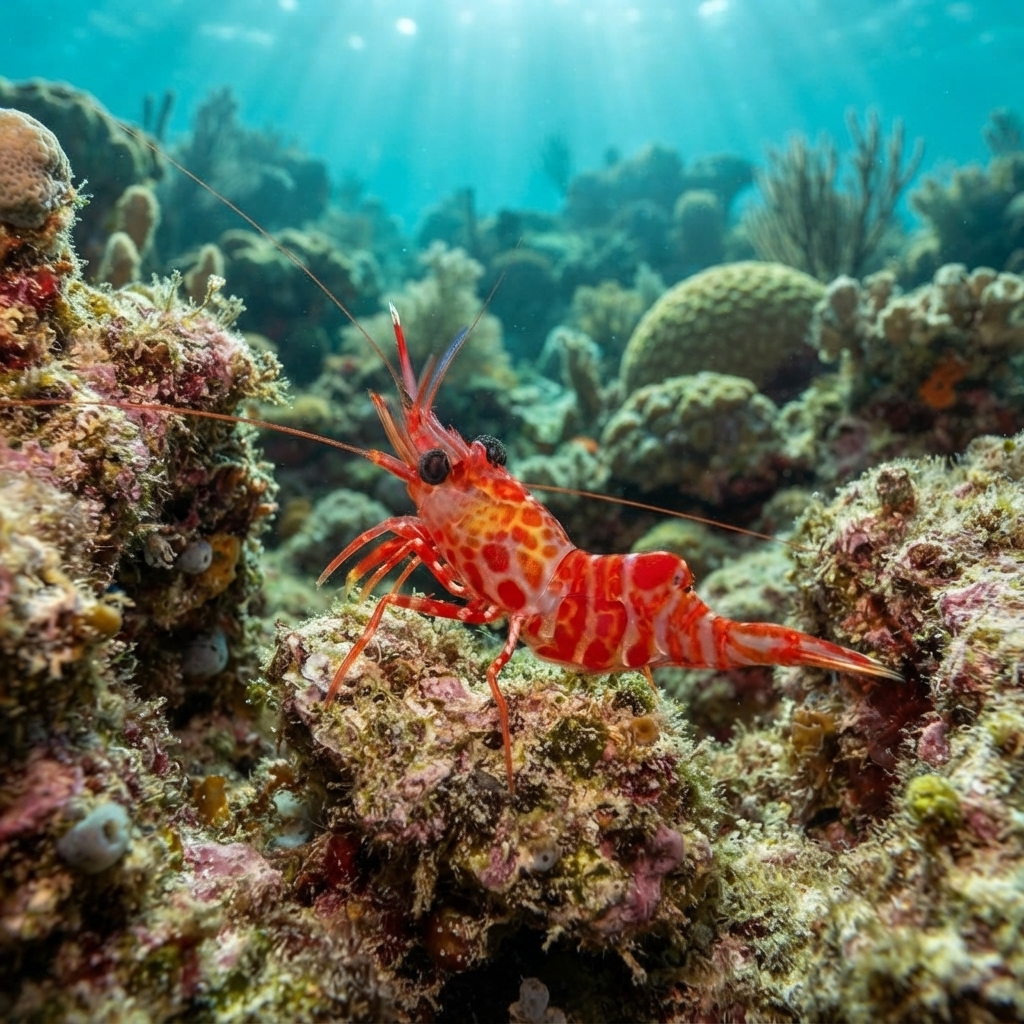
A small shrimp with a boldly banded body in red and white, long white antennae that sweep constantly, and eyes on stalks that catch a torch beam from metres away. It tends to rock or sway its body from side to side when disturbed, which is the
2 to 3
The constant rocking motion that gives this shrimp its
1_ to 2,
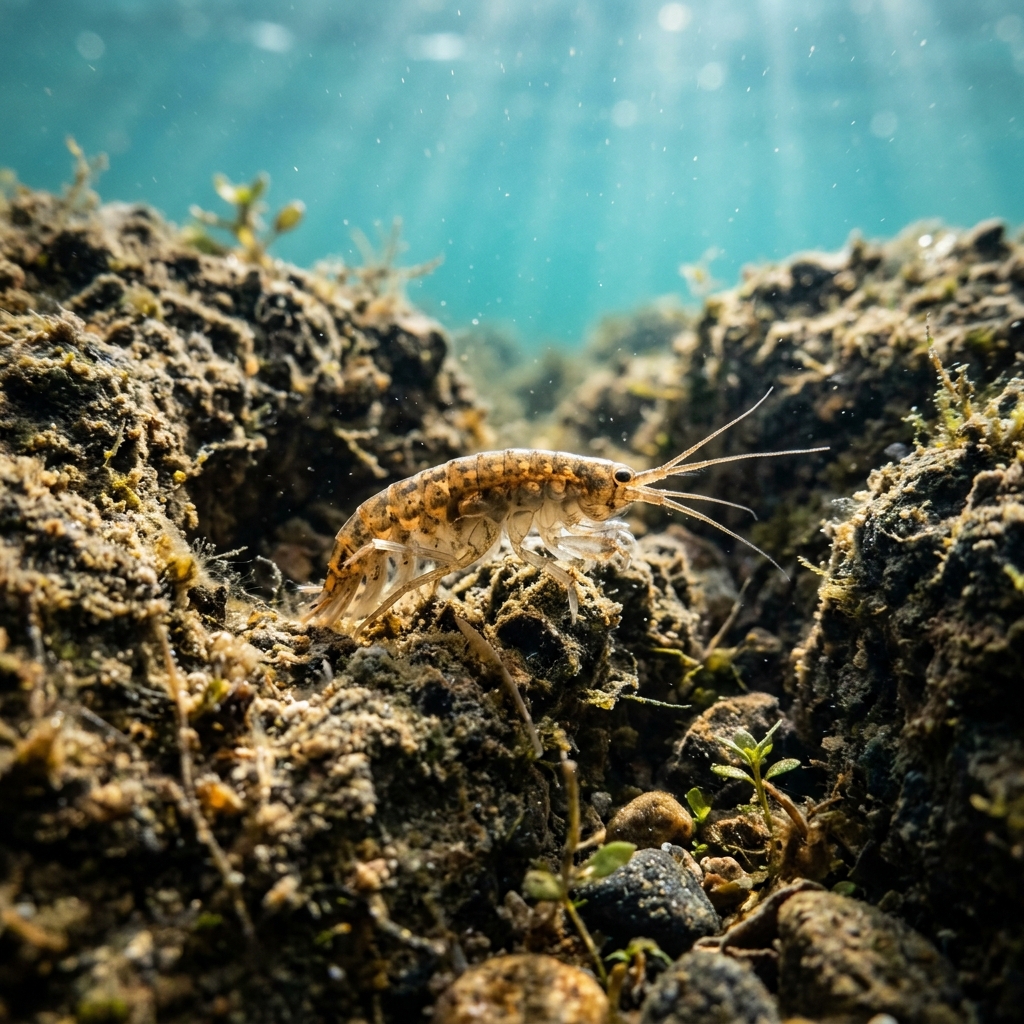
Reef neighbours a diver could mistake it for. Use the identification notes above to tell them apart.
: ,,
Mapping where Atlantic Dancing Shrimp is logged…
They turn up reliably in the Canary Islands, especially El Hierro, Tenerife and Gran Canaria, and are also a solid find around Madeira Island and Porto Santo. Smaller populations are logged at Lighthouse Reef in Belize and around Santiago in Cape Verde.
There is no strong seasonal pattern in the sightings, so they are considered a year-round find. Water temperatures where they are logged run from about 18 to 24C, comfortable for these shrimp across most of the year in their core Atlantic island range.
Look for a small shrimp with red and white banding on the body and long, pale antennae, usually tucked under an overhang or ledge rather than out in the open. The swaying, rocking movement when a torch light hits it is a useful giveaway alongside the colour pattern.
Exact size data is not available, but like other rhynchocinetid shrimp they are small crustaceans, typically only a few centimetres long, easy to overlook without a careful scan of crevices and ledges.
No, they pose no risk to divers and are safe to observe closely with a torch or macro lens.
Their name comes from the rocking, swaying motion they make with their bodies, most obvious when a diver's light disturbs them in their ledge or crevice hideout.
Site and sighting data is aggregated from diver logs, iNaturalist and GBIF. For taxonomy and conservation status:
Rockpool Prawn
2,179 sites