Pagurus armatus
Tiny hermit crab logged across British Columbia's cold water sites, often uncommon to common in the 8.5 to 14.5 C range year-round.
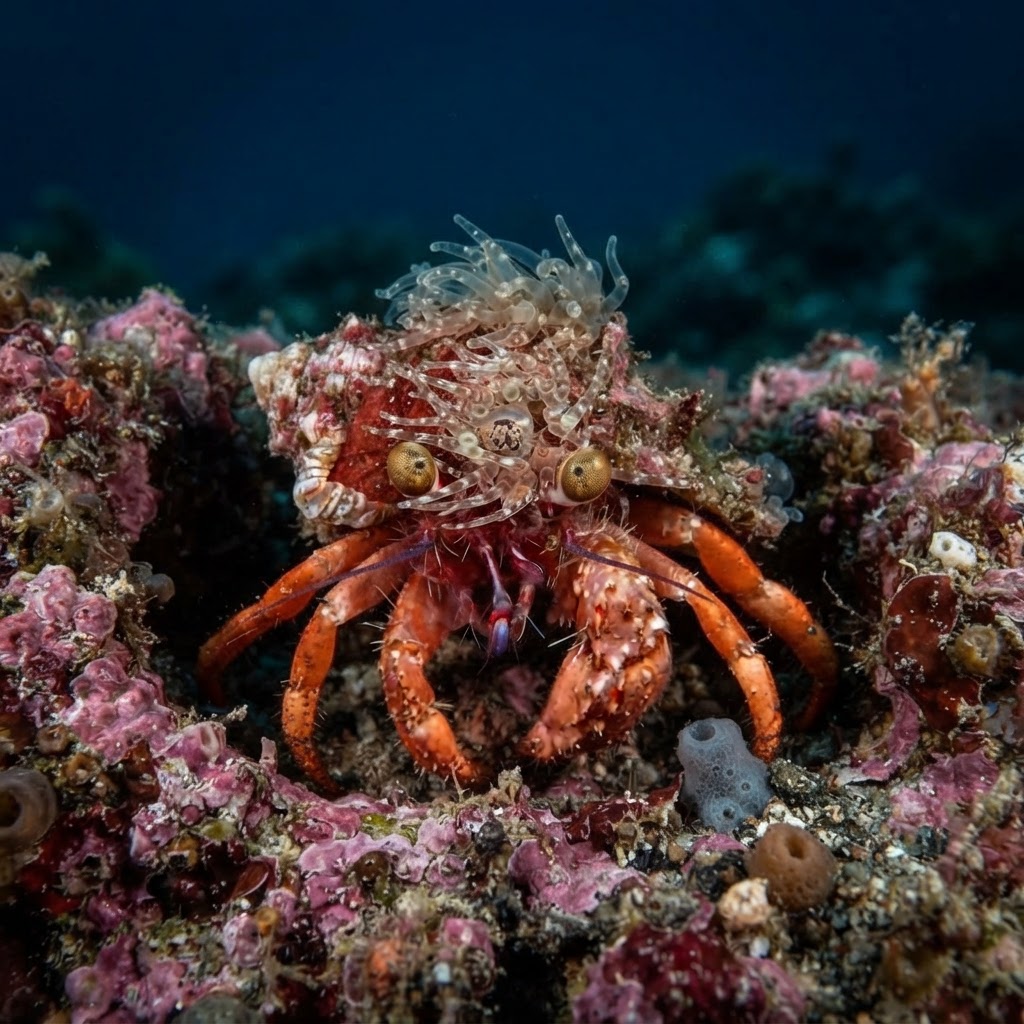
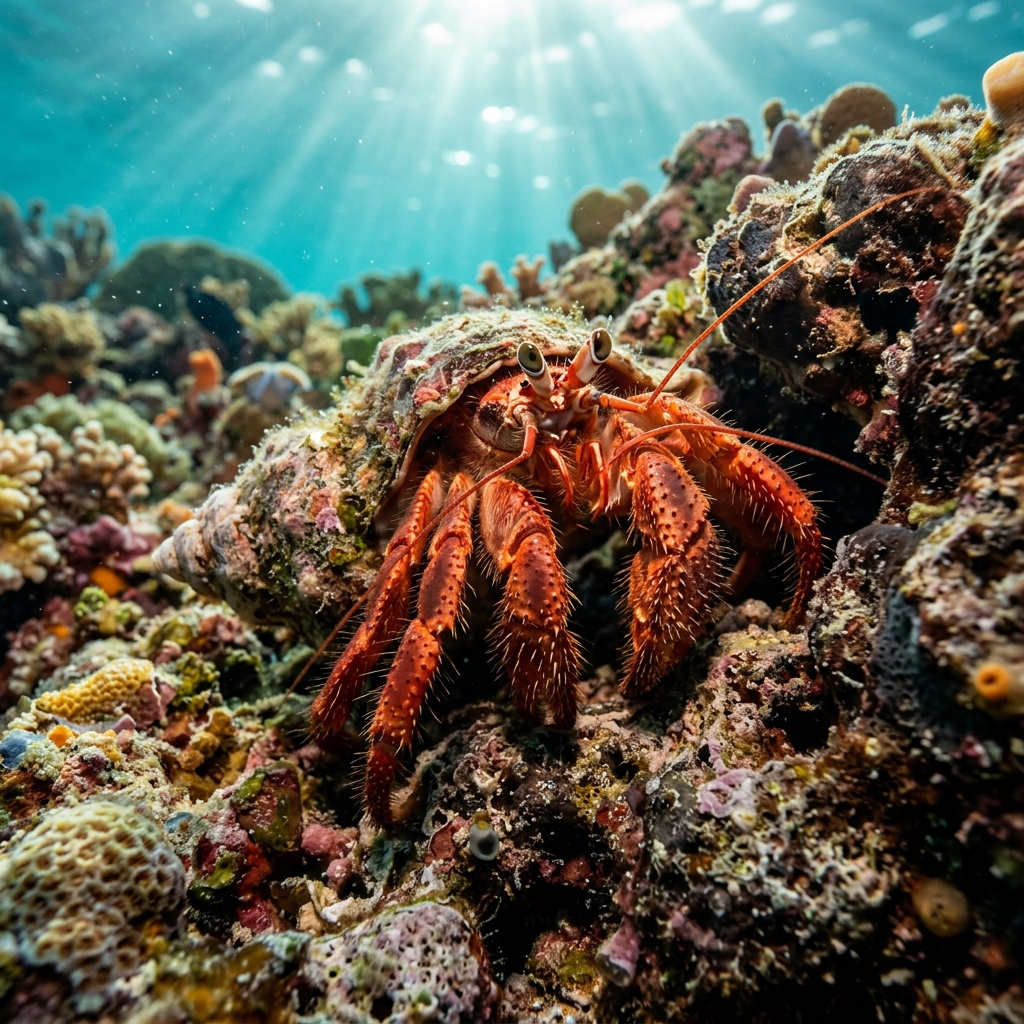
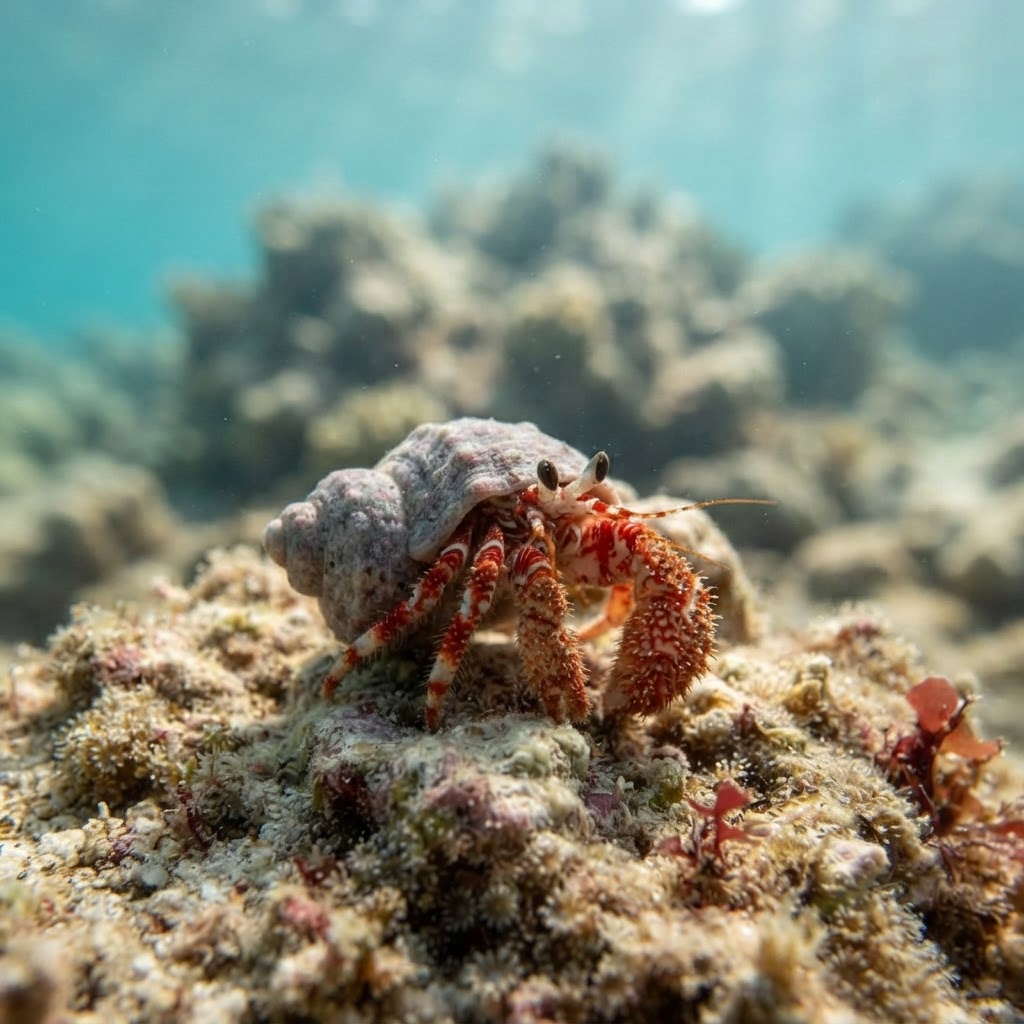
At barely a centimetre across, this is a shell-dwelling crab you have to look closely to spot, usually tucked into a recycled snail shell with only its legs and eyestalks showing. Look for reddish to orange legs with small spines along the walking legs, giving the species its common name, and a set of unequal claws poking from the shell opening. It moves in short bursts across cobble and sand, retracting fully into its shell the moment a light or hand comes close.
Divers usually find this hermit crab picking its way across sand, cobble, or eelgrass beds, using its claws to scavenge detritus and small organic scraps rather than actively hunting. It is skittish underwater, withdrawing into its borrowed shell at the first sign of disturbance and waiting out the intrusion before re-emerging. Most sightings come from slow, close-focus looks at the substrate rather than mid-water encounters, so a careful eye on the bottom pays off more than scanning open water.
Like all hermit crabs, this species does not grow its own shell but occupies an empty snail shell and must periodically abandon it for a larger one as it grows, leaving it briefly exposed and vulnerable during the swap.
Sightings show no clear seasonal pattern, so treat this as a year-round find rather than something tied to a particular month. It sits comfortably in the 8.5 to 14.5 C range typical of Pacific Northwest and British Columbia waters, which likely explains why it turns up across the calendar rather than in a narrow window.
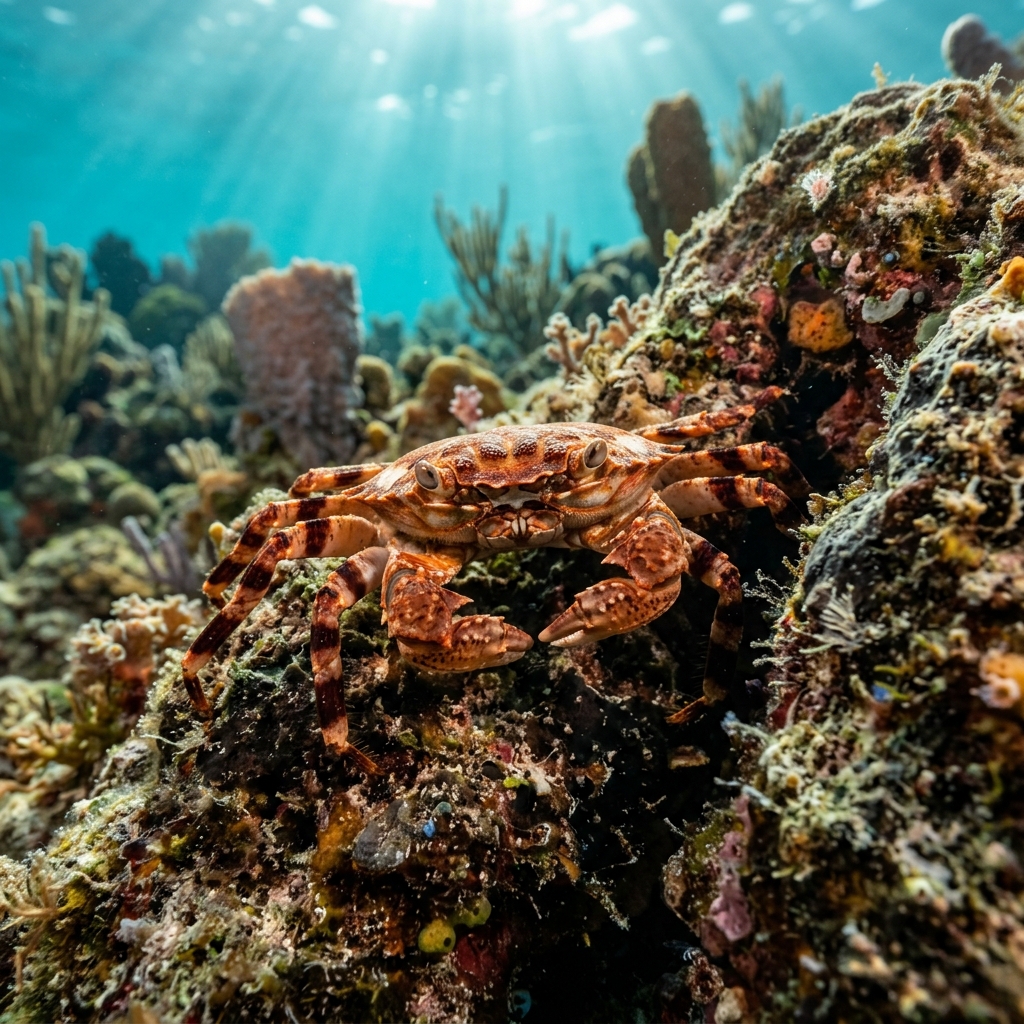
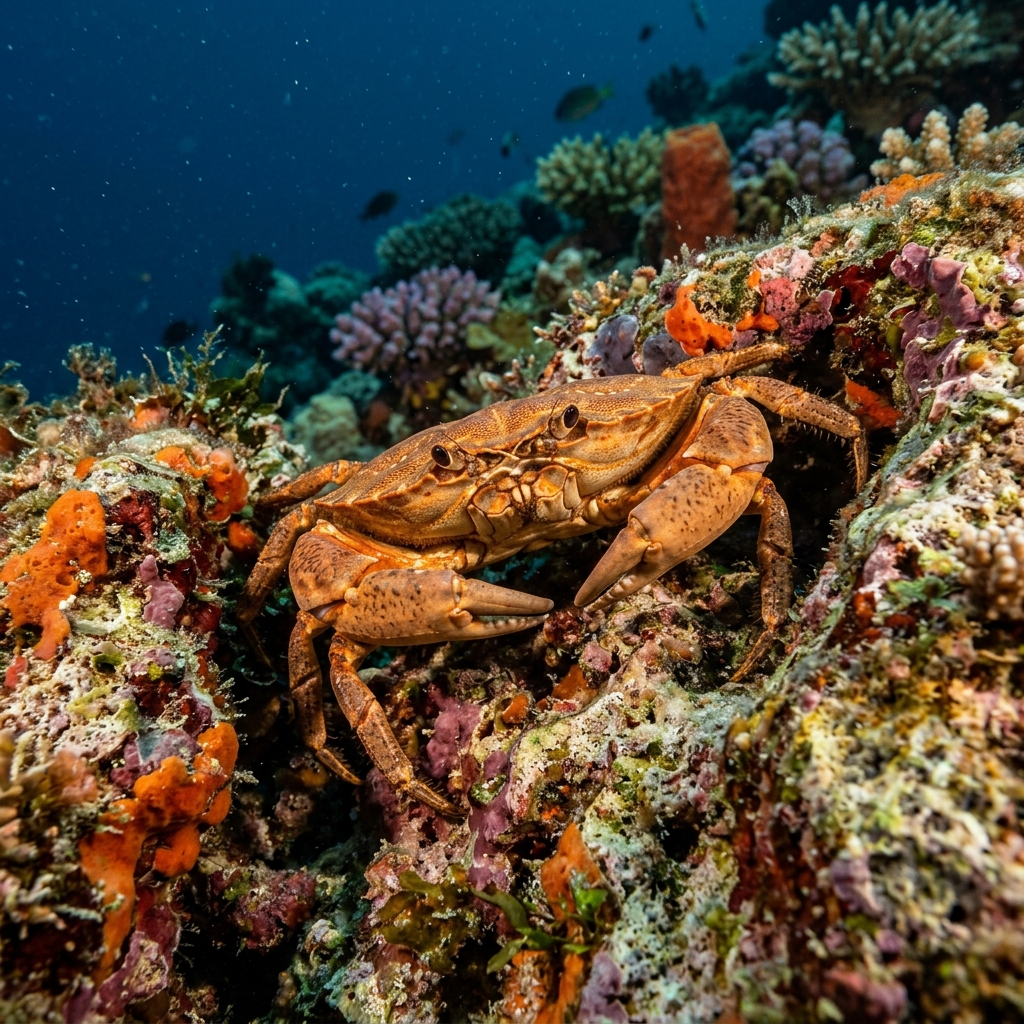
Reef neighbours a diver could mistake it for. Use the identification notes above to tell them apart.
This is a cold-water find, most reliably logged across sites in British Columbia, Canada, with a smaller but consistent presence in the Pacific Northwest region of the United States. Divers in Canadian sites report it more often than their counterparts south of the border, making British Columbia the strongest bet for a sighting.
Mapping where Armed Hermit Crab is logged…
British Columbia, Canada is the strongest region for this species, with additional sightings logged in the Pacific Northwest of the United States. It favours cold rocky or sandy seabeds typical of these areas.
There is no strong seasonal pattern in the data, so it is considered a year-round sighting in its cold-water range. It is found consistently in waters between roughly 8.5 and 14.5 C.
Look for a tiny crab, about a centimetre across, living inside a scavenged snail shell with reddish, spiny legs visible at the opening. Its small size and cold-water habitat help separate it from tropical hermit crab species.
This is a small species, typically reaching about 1 cm, so divers need to look closely at shells on the seabed rather than expect an obvious animal.
No, this species poses no danger to divers. It is a small, shy scavenger that retreats into its shell rather than interact with anything approaching it.
It does not build a shell of its own but occupies an empty snail shell for protection, trading up to a bigger one as it outgrows the old shell throughout its life.
Site and sighting data is aggregated from diver logs, iNaturalist and GBIF. For taxonomy and conservation status:
European Green Crab
2,469 sites