Epinephelus areolatus
Speckled, low-key reef grouper logged around Sabah and Bali in 22-28C water, mostly as an uncommon but steady find.
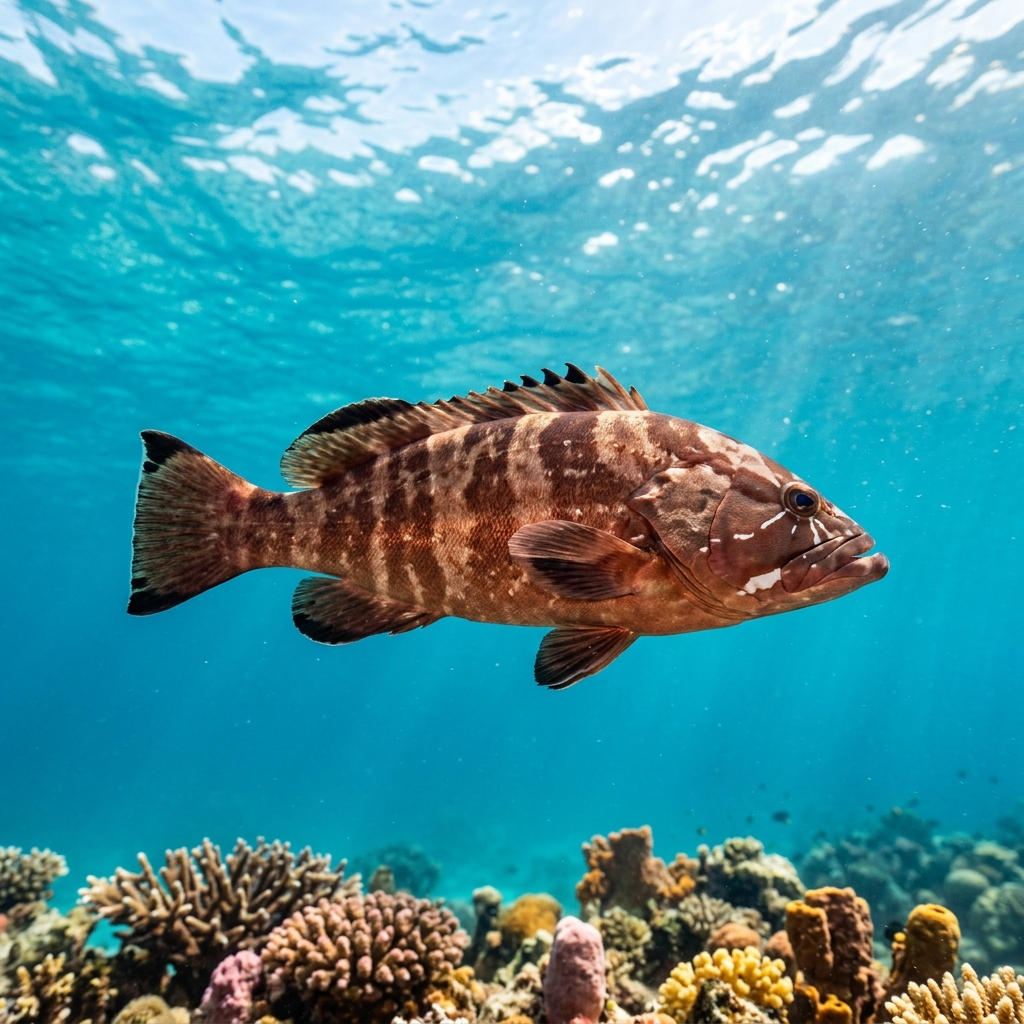
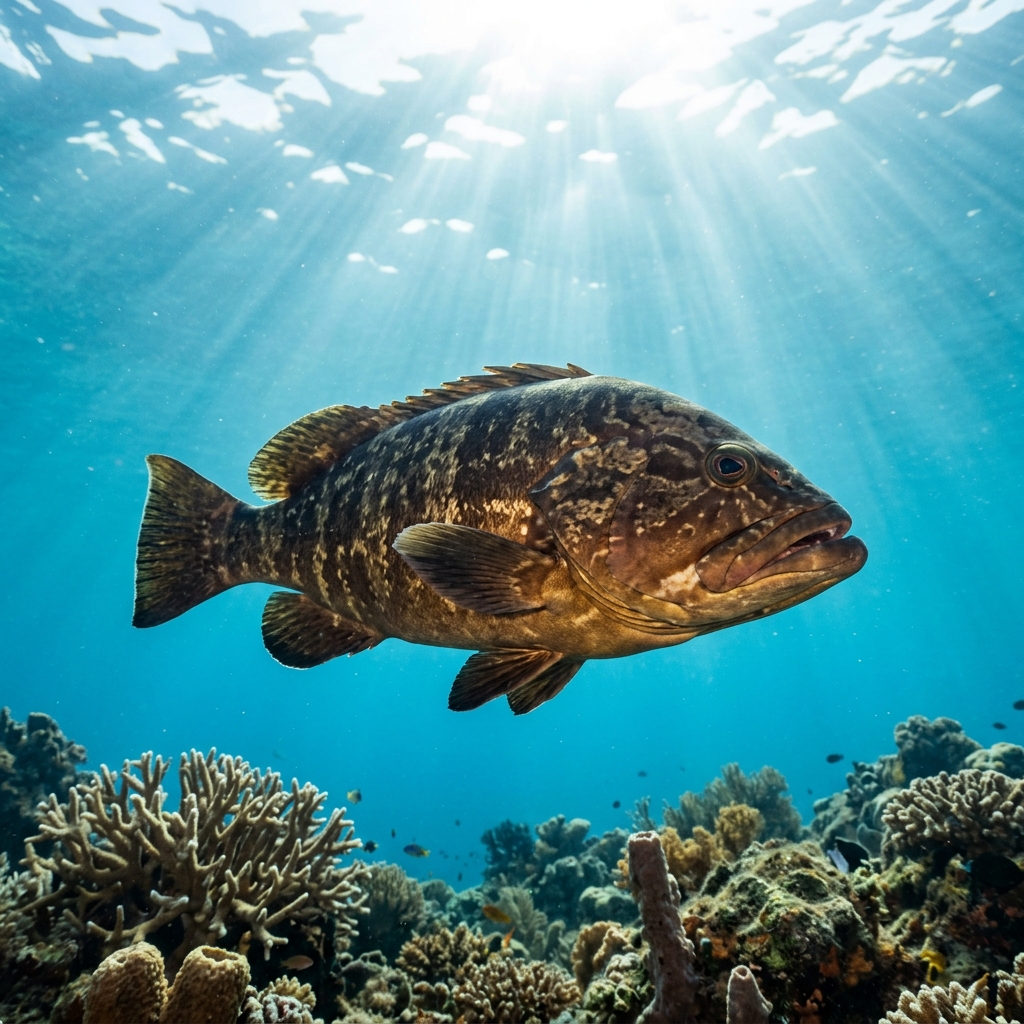
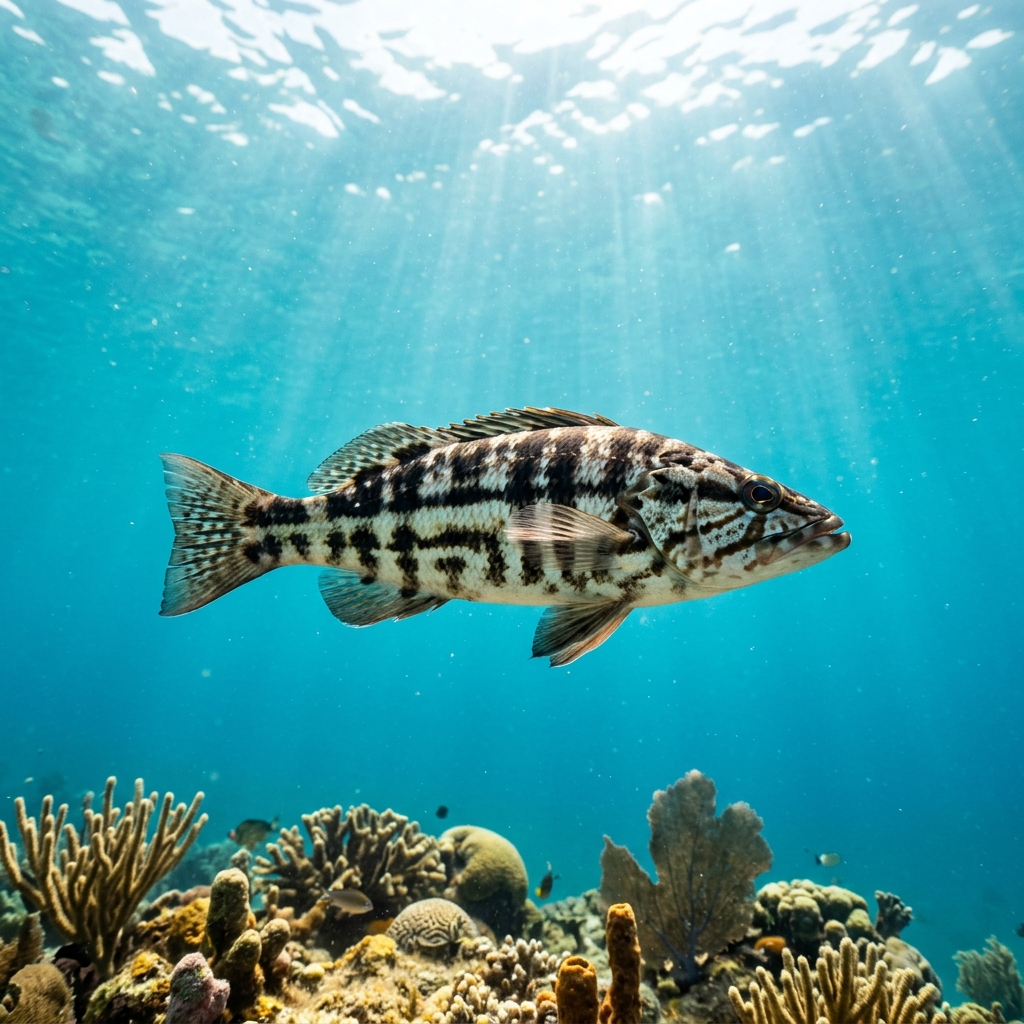
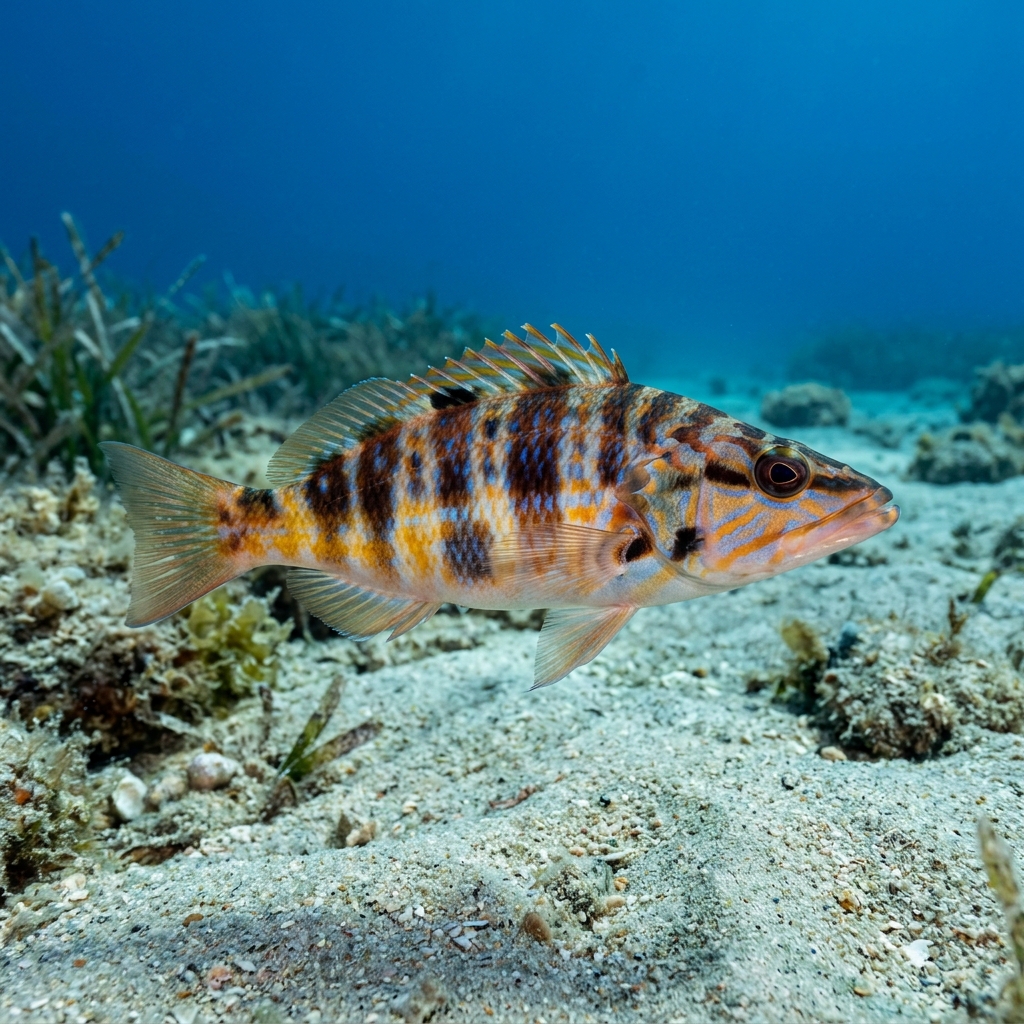
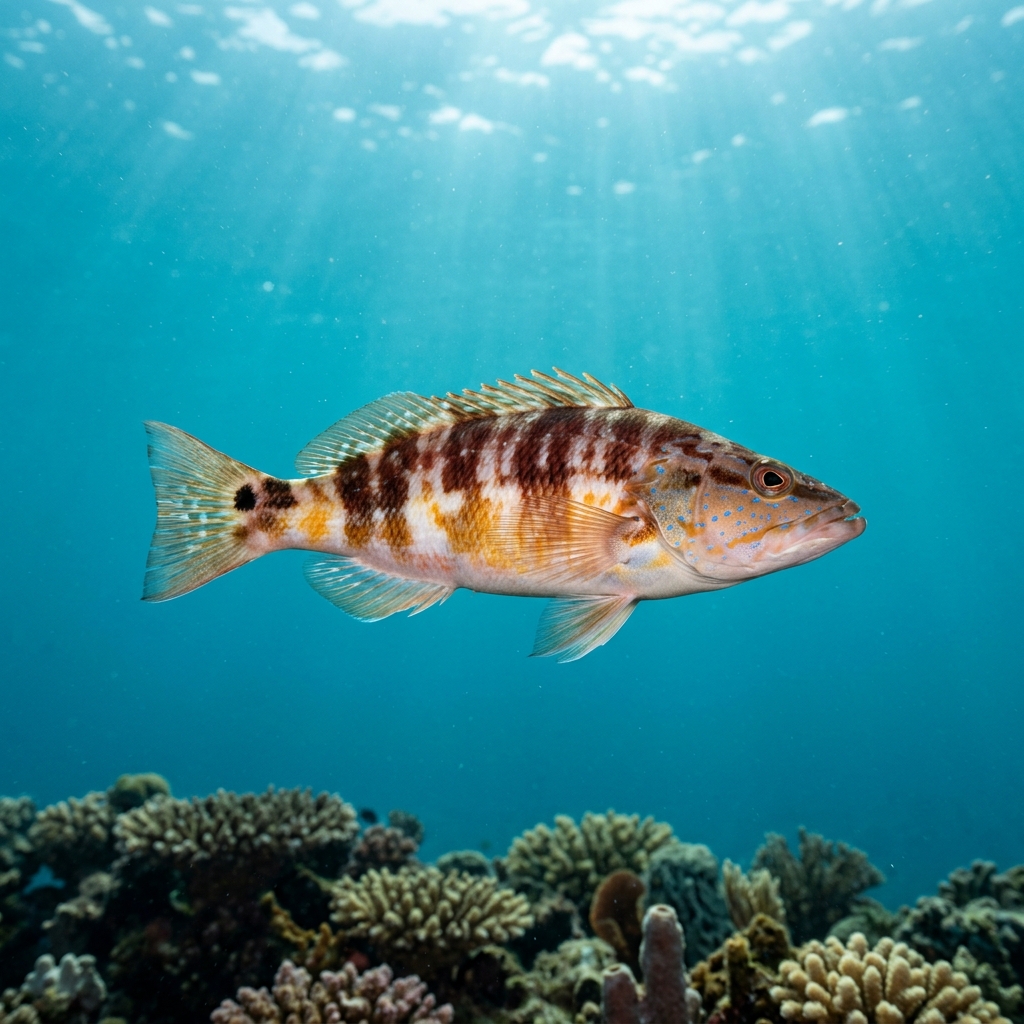
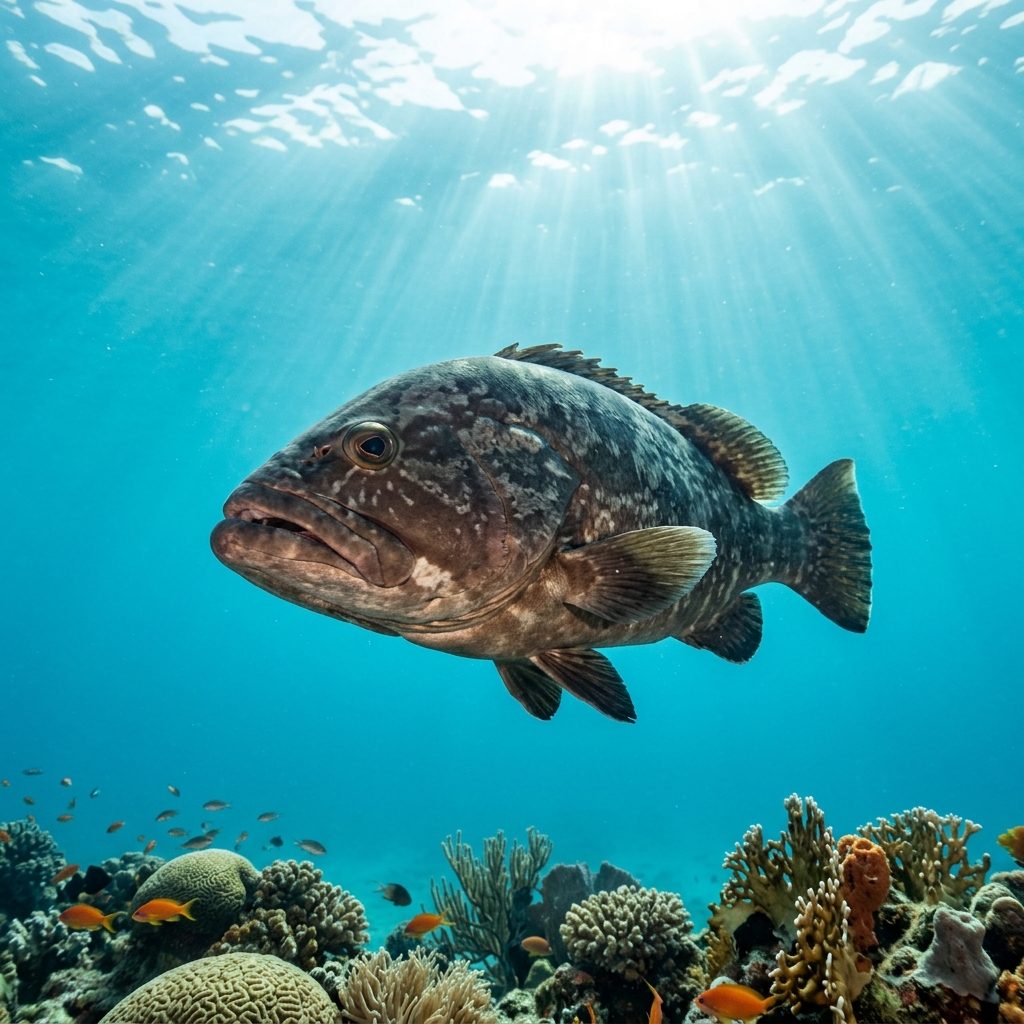
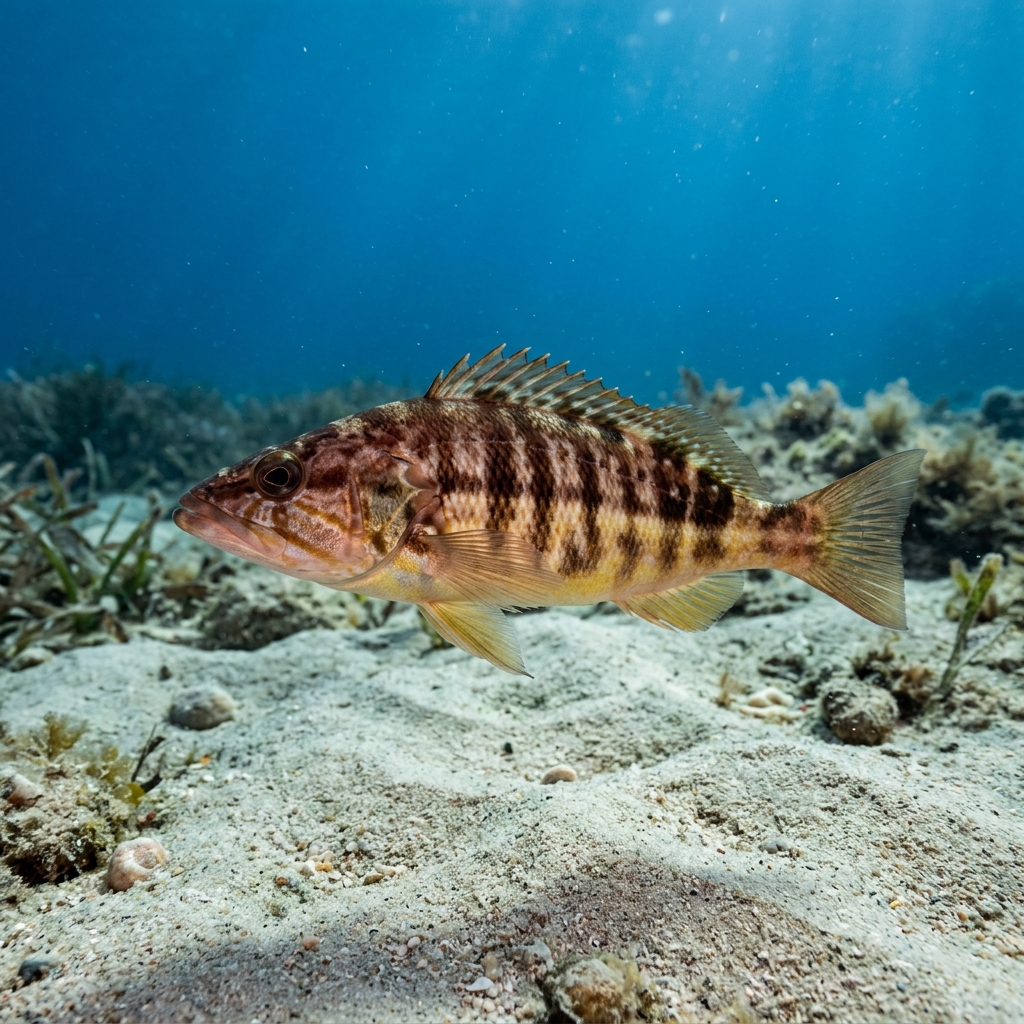
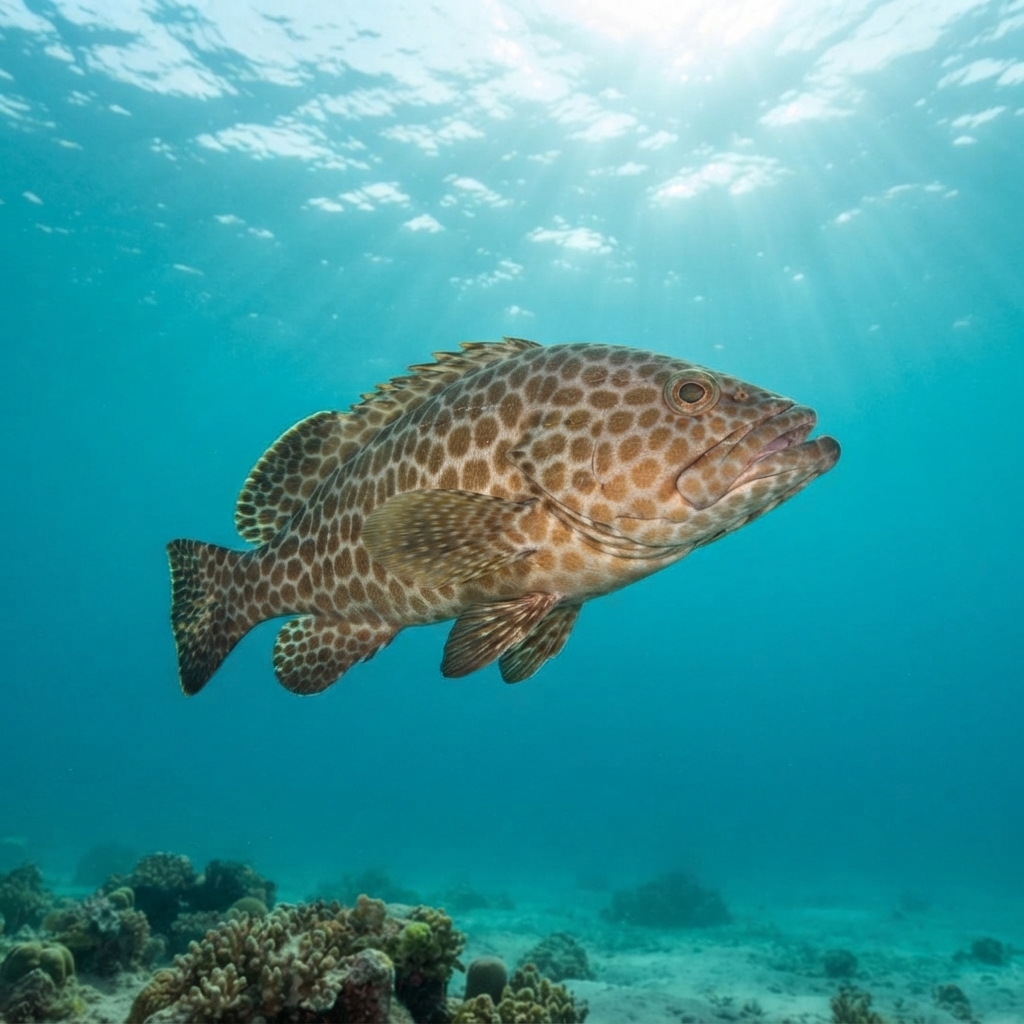
Grows to around 37 cm, with a stocky, elongated grouper body covered in small dark brown to reddish rosette-shaped spots over a pale grey or tan background. The spots are denser and more evenly scattered than the blotches on many similar-sized groupers, giving it a stippled, almost speckled look rather than a mottled one. It usually sits still on the reef or a sandy patch nearby, relying on that pattern to blend in rather than moving off quickly.
Typically found resting on the reef or on adjacent sand and rubble, often near a ledge or small overhang it can retreat into. It tends to hold its position as divers approach rather than bolting, so a slow, low approach usually gets you a good look before it moves off. Most sightings are on the reef itself rather than in open water, consistent with an ambush-style hunter that spends much of its time stationary.
Like many groupers, it is a protogynous hermaphrodite, meaning individuals typically start life as females and some later change into males as they grow.
No clear seasonal pattern shows up in the data, and with a comfortable range of 22.4 to 28.4C it is present on these reefs year-round. Plan around good visibility and site conditions rather than a particular month.
Reef neighbours a diver could mistake it for. Use the identification notes above to tell them apart.
Most consistently logged around Sabah in Malaysia, with further sightings across Bali in Indonesia, Nouméa in New Caledonia, and Dili in Timor-Leste. Sabah stands out as the strongest area for it, though at most of these sites divers should expect an uncommon, one-off sighting rather than a guaranteed encounter.
Mapping where Areolate Grouper is logged…
Sabah in Malaysia is the strongest area for sightings, with additional records from Bali in Indonesia, Nouméa in New Caledonia, and Dili in Timor-Leste. Most sites report it as an uncommon find rather than a sure thing.
There is no strong season in the sighting data, so it is best treated as a year-round possibility. It is recorded in water between 22.4 and 28.4C, a range typical of tropical reefs through most of the year.
Look for a stocky grouper around 37 cm long with a pale grey-brown body covered in small, evenly spaced dark rosette-shaped spots. It usually rests on the reef or nearby sand rather than swimming actively in the open.
They reach roughly 37 cm in length, making them a mid-sized reef grouper rather than one of the giant species.
No, they are not considered dangerous to divers. They are a calm, reef-resting species that tends to hold still or move off slowly rather than react aggressively.
Like most groupers, individuals generally begin life as females and some switch to being male later on, a pattern called protogynous hermaphroditism.
Site and sighting data is aggregated from diver logs, iNaturalist and GBIF. For taxonomy and conservation status:
Blacktip Grouper
2,726 sites