Aphelodoris luctuosa
A cold-water dorid nudibranch logged across New Zealand's North Island, often spotted in cool 13-19C water year-round.
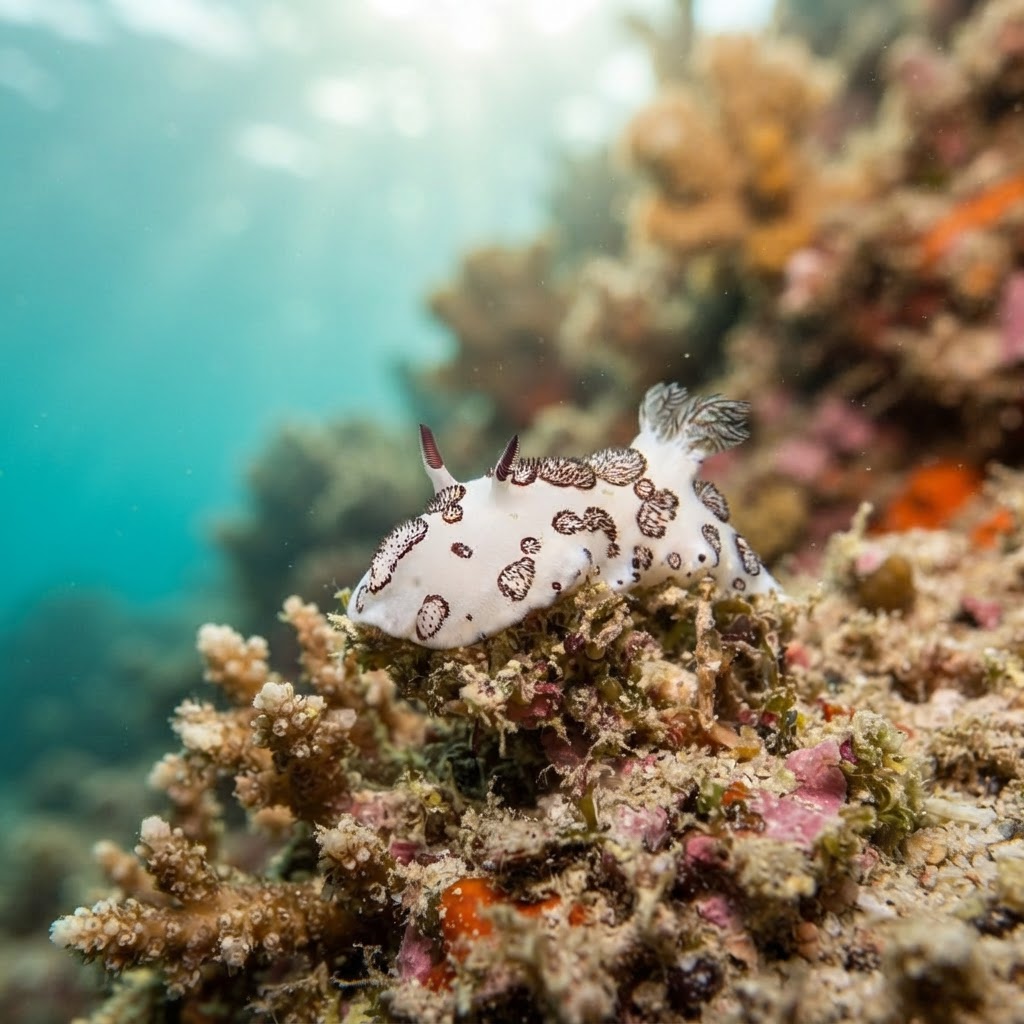
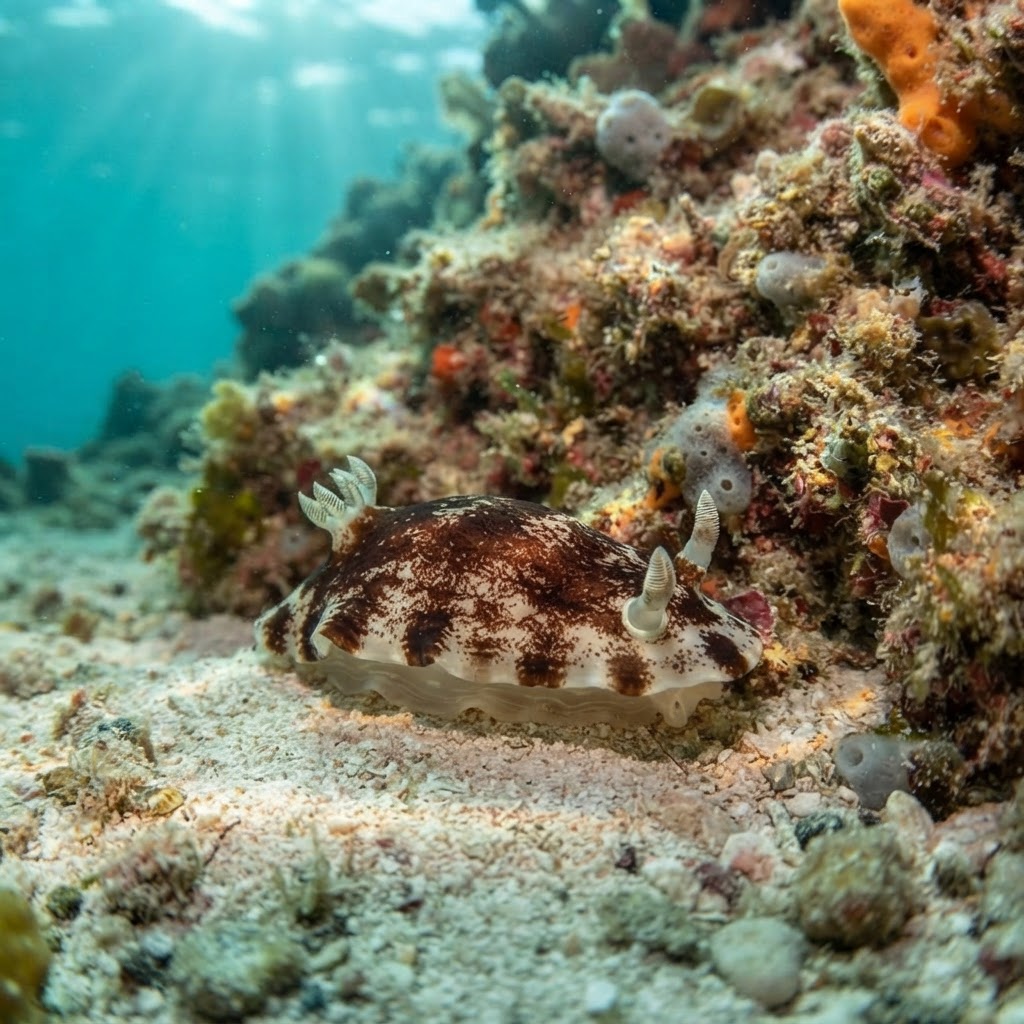
Look for a broad, soft-bodied sea slug with a dark, sombre-toned mantle scattered with pale raised bumps (tubercles), giving it a slightly warty texture rather than a smooth gloss. It sits low and wide on the substrate, more oval than elongated, with the two rhinophores (sensory horns) and feathery gill tuft tucked toward the rear, both retractable if disturbed. Size in the water is modest, easy to swim past unless you are scanning rock and rubble at close range.
Divers find it moving slowly over rock, rubble and encrusted surfaces, doing what dorid nudibranchs do best: grazing quietly and largely ignoring anything happening around it. It shows no reaction to divers beyond retracting its gills and rhinophores if bumped or lit up too closely, so a slow approach and a steady torch beam give the best look. Most sightings are logged at sites where it turns up as an occasional rather than a headline find, so it rewards divers who search low and slow rather than mid-water.
Like other discodorid nudibranchs, it almost certainly feeds on sponges, using specialised radula (a ribbon of tiny teeth) to rasp at its prey, a common lifestyle across the family.
There's no clear seasonal pattern in the sightings, so treat it as a year-round find. It's logged in a fairly narrow cool-water band of roughly 13 to 19C, consistent with New Zealand's temperate diving conditions through most of the year.
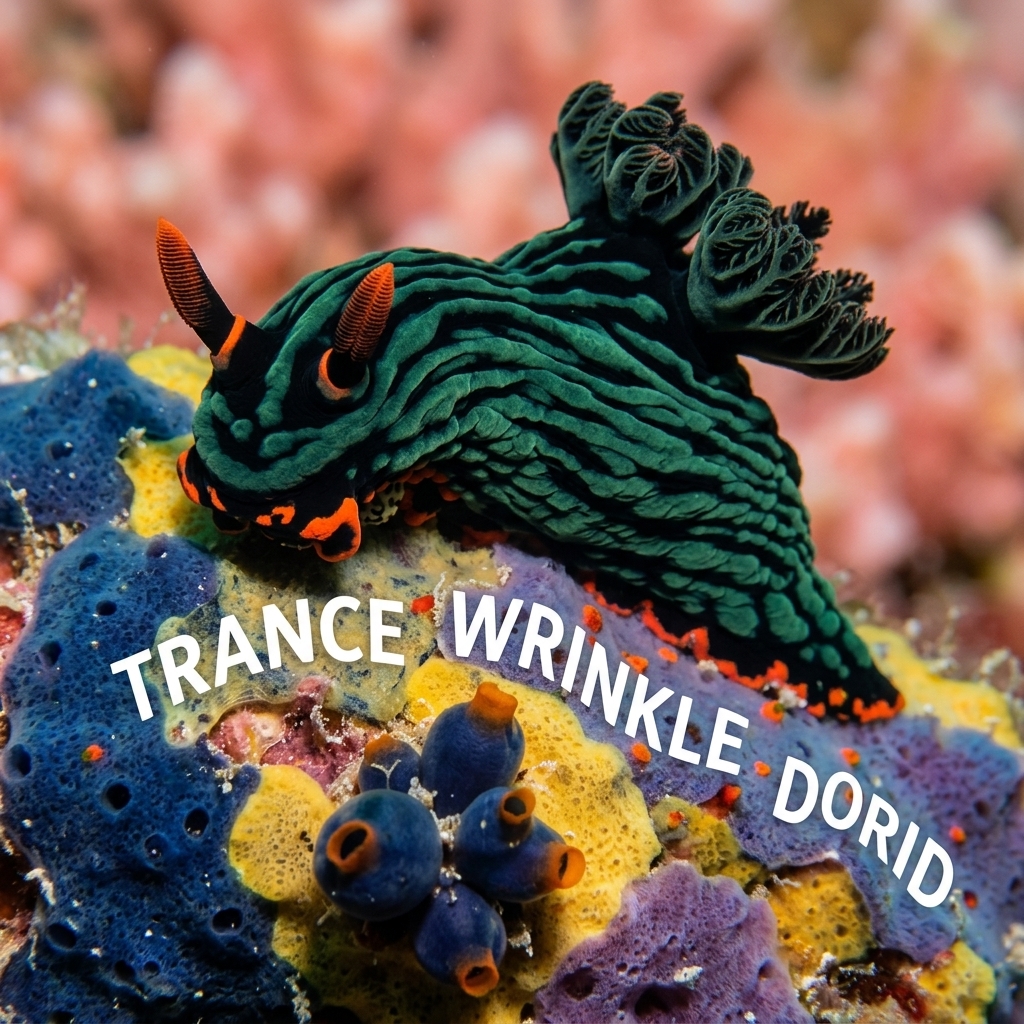
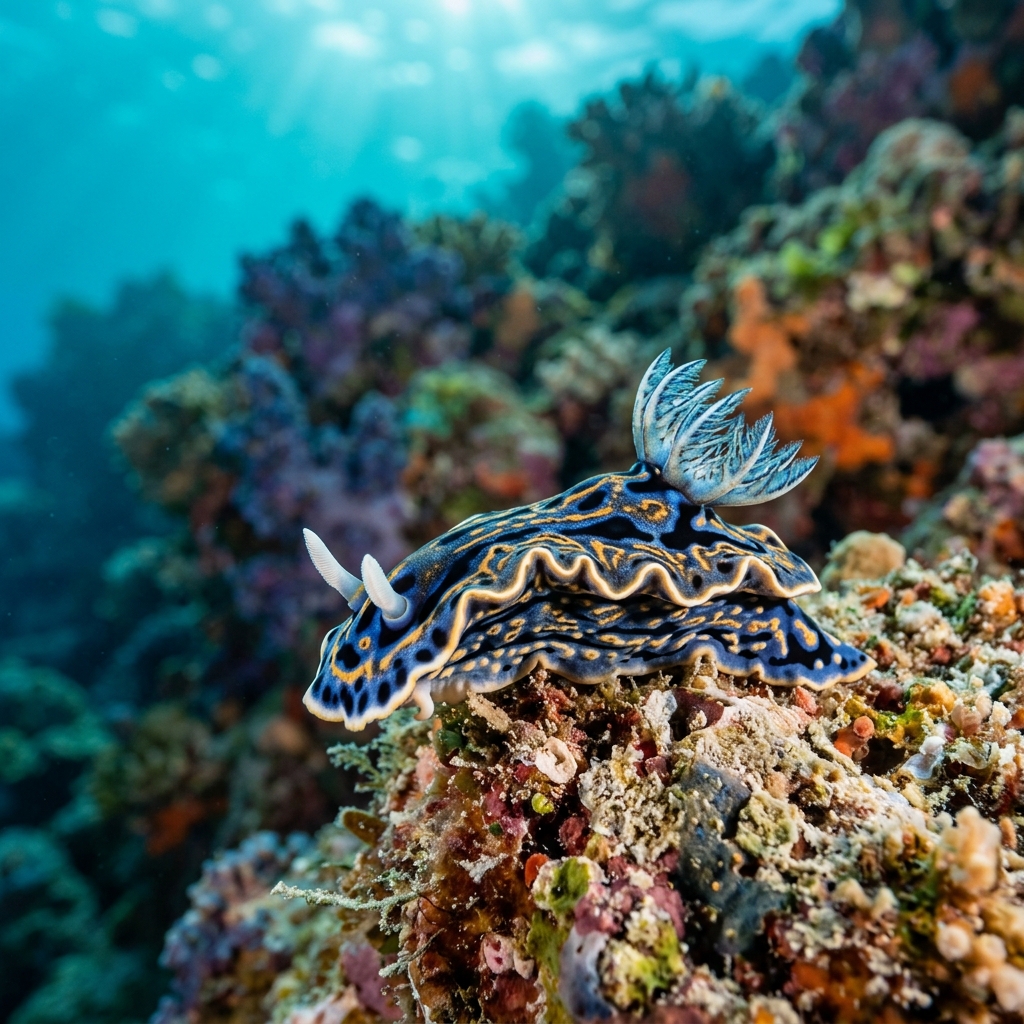
Reef neighbours a diver could mistake it for. Use the identification notes above to tell them apart.
This is very much a New Zealand species, most reliably found around the North Island, with sites also logged off the South Island. Divers searching cool temperate reef and rubble patches around the North Island have by far the best odds.
Mapping where Aphelodoris luctuosa is logged…
It's essentially a New Zealand species, most often logged around the North Island, with a smaller number of sightings from the South Island.
Sightings don't show a strong season, so it can turn up any time of year on New Zealand's cool temperate reefs, generally in water between 13 and 19C.
Look for a wide, oval-bodied nudibranch with a dark mantle covered in pale, low tubercles, and a retractable gill tuft near the rear. It sits flat on rock and rubble rather than swimming.
Exact size data isn't available, but like most Aphelodoris species it stays in the small-to-modest nudibranch range, easy to overlook without a close look at the substrate.
No, it poses no threat to divers. It's a slow-moving, harmless grazer best appreciated with a steady torch and a bit of patience.
Site and sighting data is aggregated from diver logs, iNaturalist and GBIF. For taxonomy and conservation status:
Blue Dragon
3,163 sites