Kuhlia sandvicensis
Silvery schooling fish found year-round in Hawaii's shallows, comfortable in 25-29C water. Here's where and how to spot Aholehole.
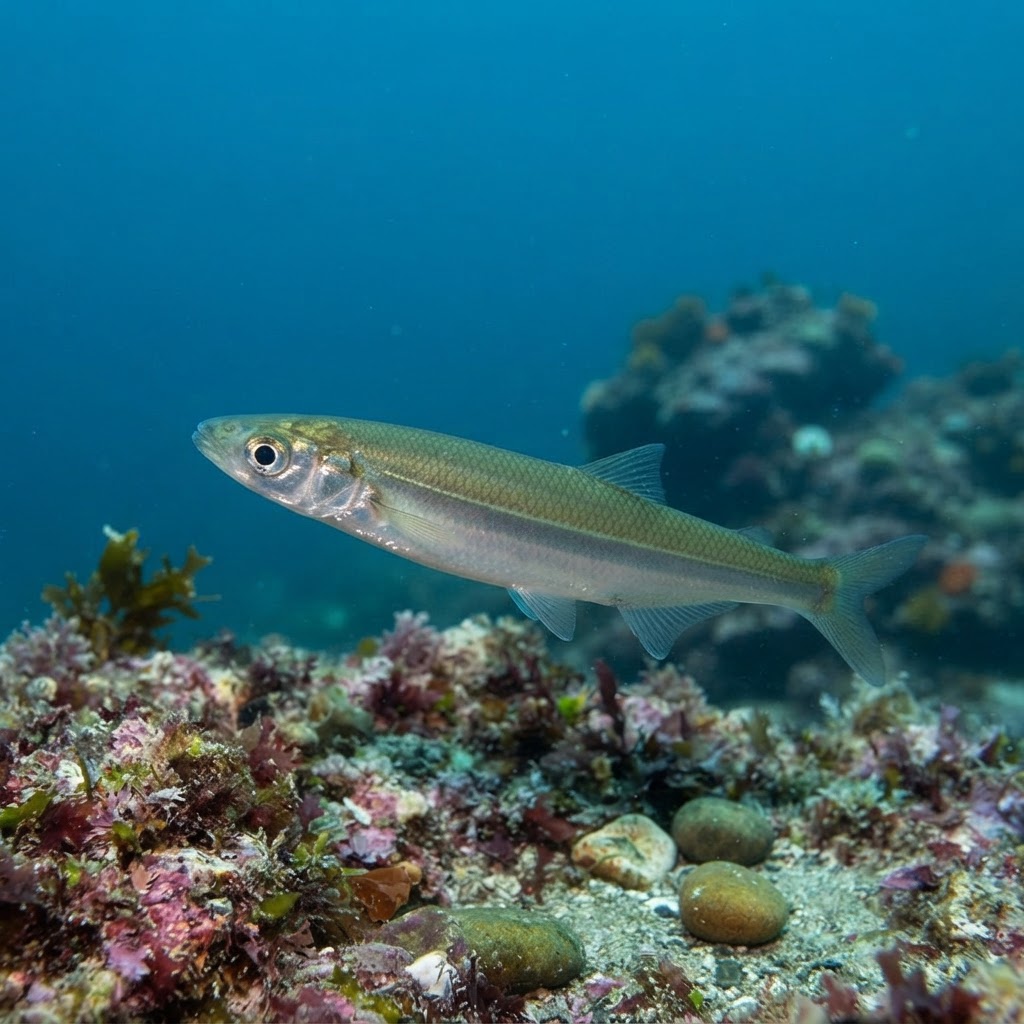
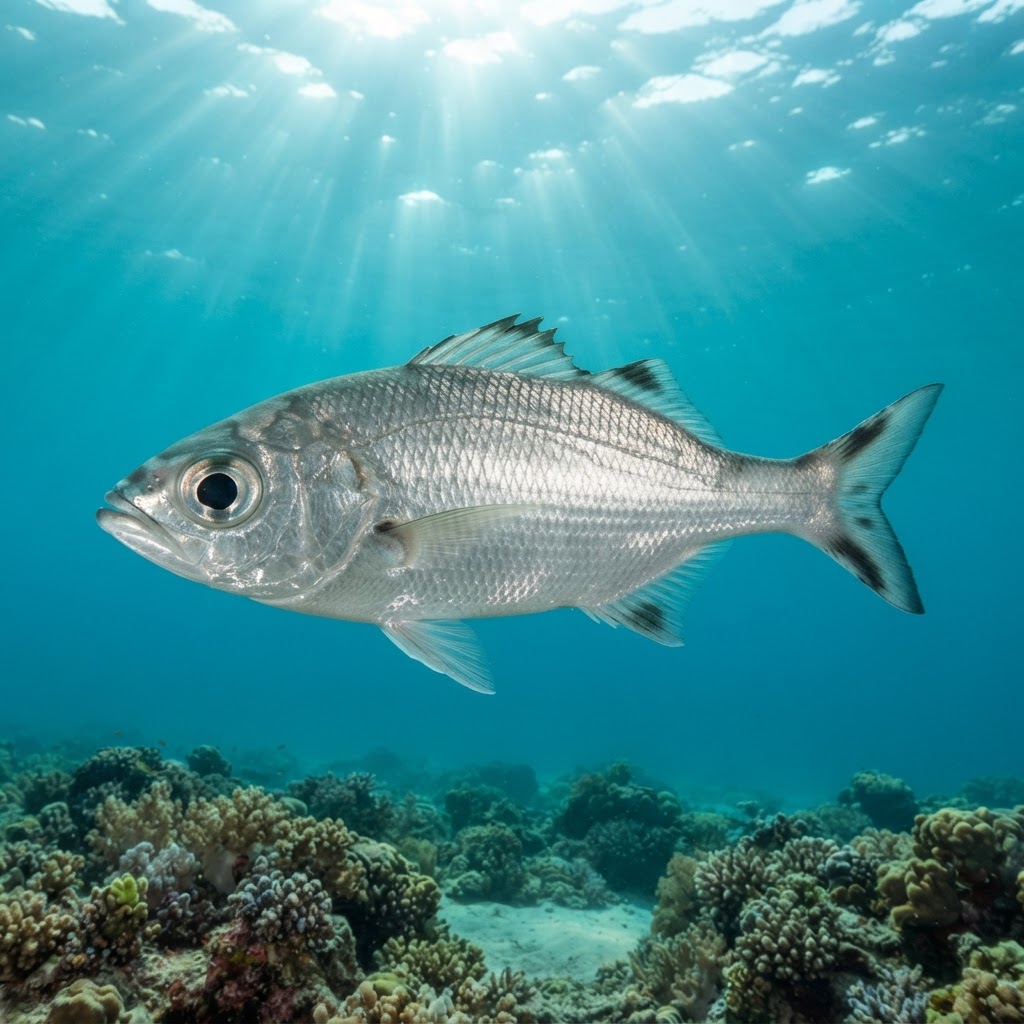
Look for a compact, silvery fish about 18cm long with a deep, slightly oval body and a forked tail. It has large eyes and a plain, unmarked silver-grey body that catches light as it turns, often moving in loose schools rather than alone. There are no bold stripes or spots to key on, so body shape and that schooling habit near shallow rocky or sandy structure are your best clues.
Divers typically find it hovering in loose, milling schools just off the bottom in shallow, sheltered water, often near rocky ledges or sandy pockets close to shore. It tends to hold its distance from divers rather than approach, drifting as a group rather than darting for cover, and seems equally active by day.
Juveniles of this species are known to tolerate brackish and even fully fresh water, which is unusual for a reef-associated fish and lets young Aholehole turn up well up coastal streams before moving back to the sea as adults.
No clear seasonal pattern shows up in the data, and with a comfortable range of roughly 25 to 29C, Hawaii's inshore water stays within its niche year-round, so sightings are possible on any given trip.
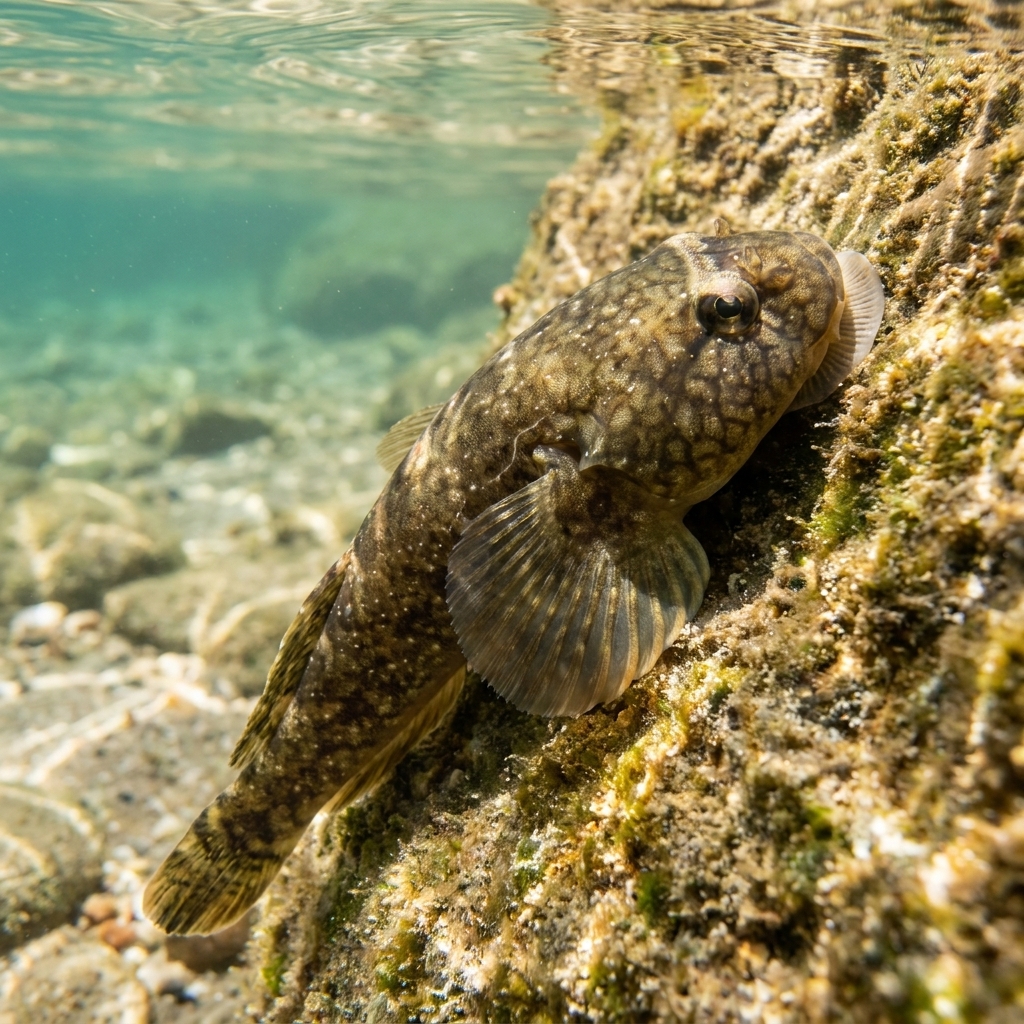
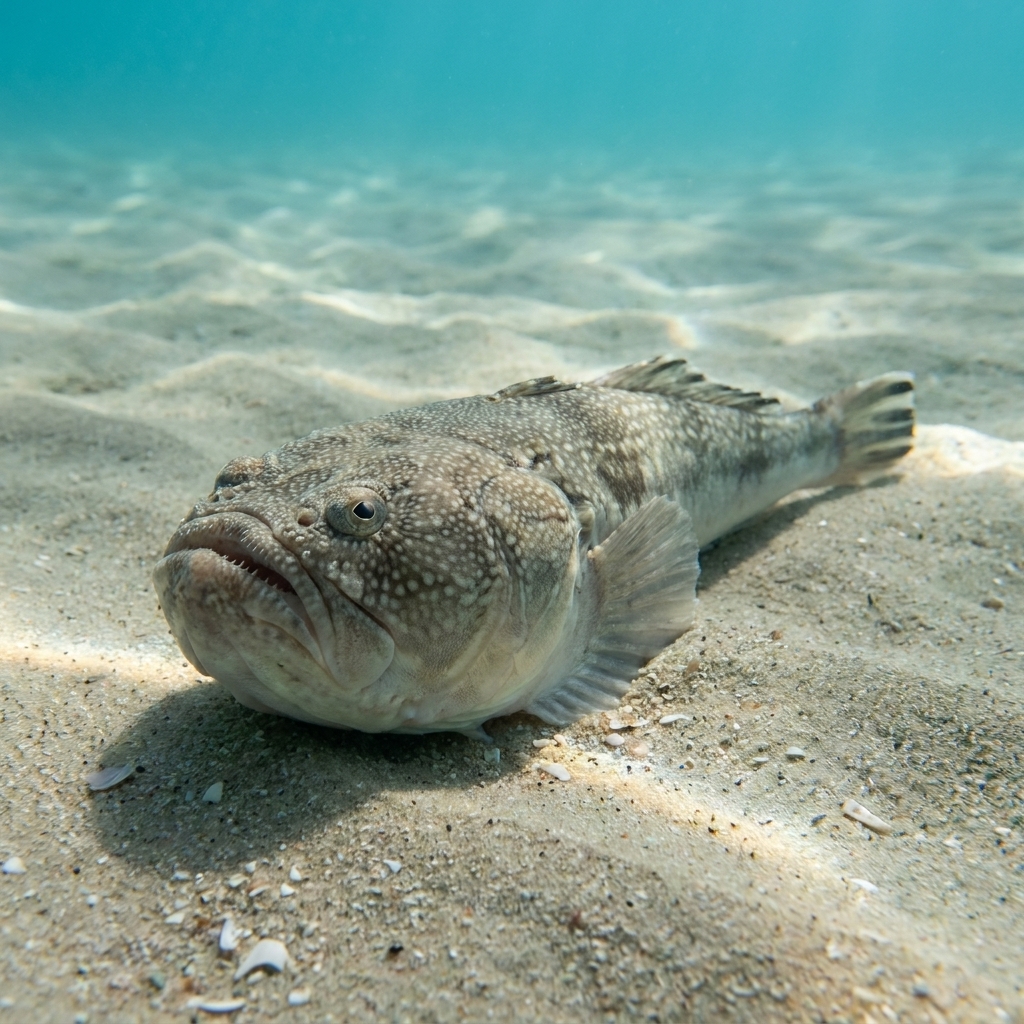
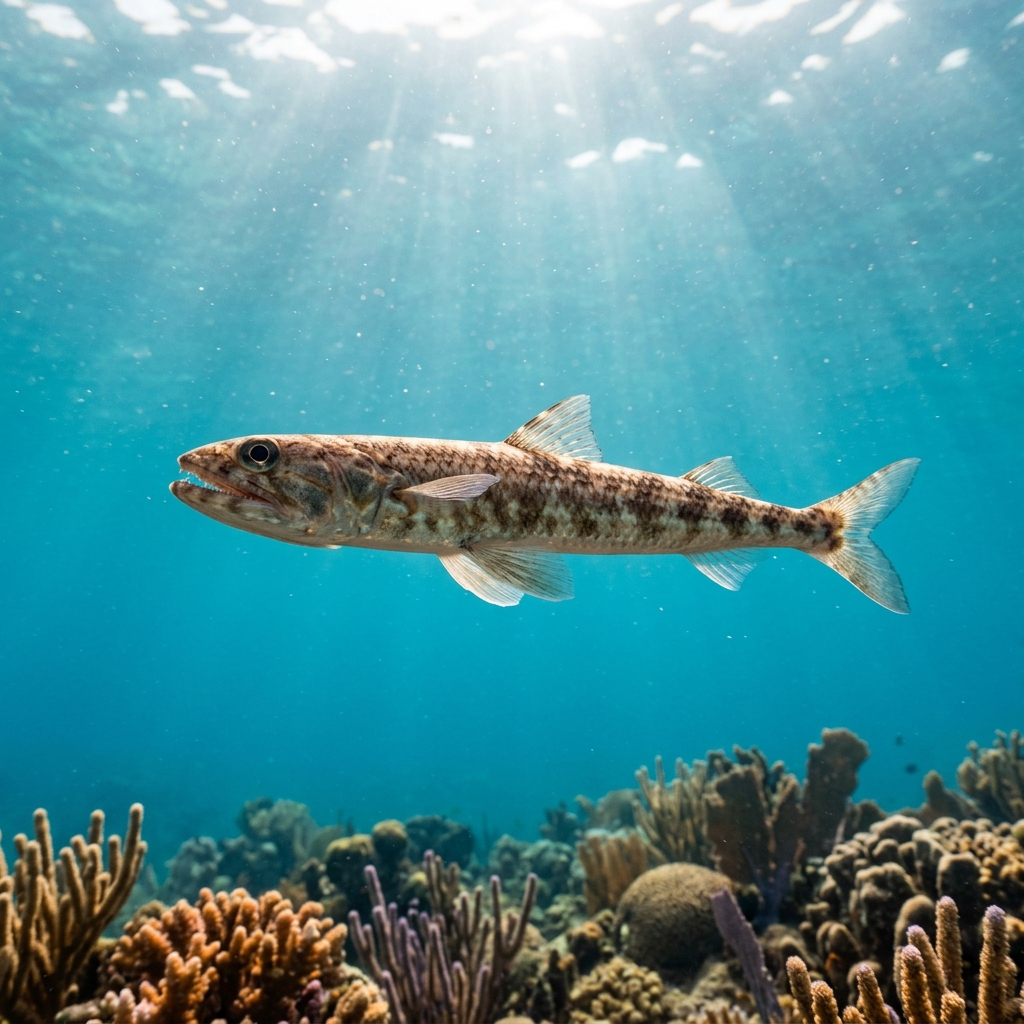
Reef neighbours a diver could mistake it for. Use the identification notes above to tell them apart.
Logged almost exclusively in Hawaii, United States, where it turns up across a wide spread of sites in shallow coastal water. It's an uncommon to rare find at any single site, so treat a sighting as a bonus rather than a target on a Hawaiian dive or snorkel.
Mapping where Aholehole is logged…
Nearly all logged sightings come from Hawaii, United States, where it's spread across many shallow coastal sites. It's not a guaranteed sighting anywhere, showing up as uncommon or rare even at its best-known spots.
There's no strong seasonal pattern in the sighting data, and Hawaii's water stays within its preferred 25 to 29C range all year, so it can be seen on any trip rather than during a specific season.
Look for a plain silvery fish around 18cm with a deep oval body and forked tail, usually moving in loose schools in shallow rocky or sandy water. It lacks bold markings, so its shape and schooling habit are the main giveaways.
They typically reach around 18cm in length, making them a small, unassuming fish best noticed by their schooling behaviour rather than size.
Young Aholehole can tolerate brackish and fresh water, sometimes moving well up coastal streams before returning to the sea as they mature, an unusual trait for a fish typically seen on shallow reefs.
Site and sighting data is aggregated from diver logs, iNaturalist and GBIF. For taxonomy and conservation status:
Soldierfish
3,612 sites