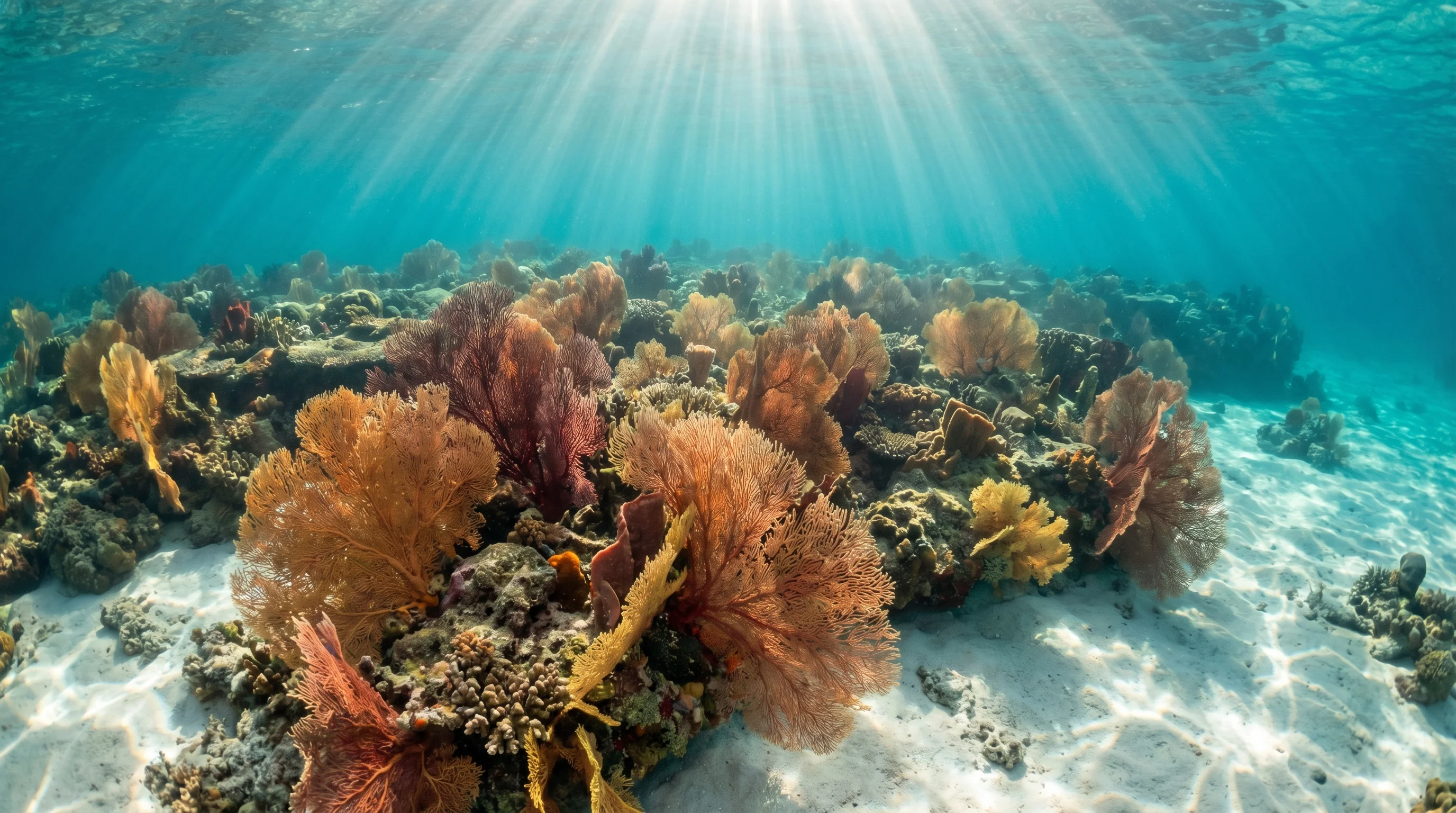
Best for beginner divers, 1-15m, shore & boat entry, mild current.
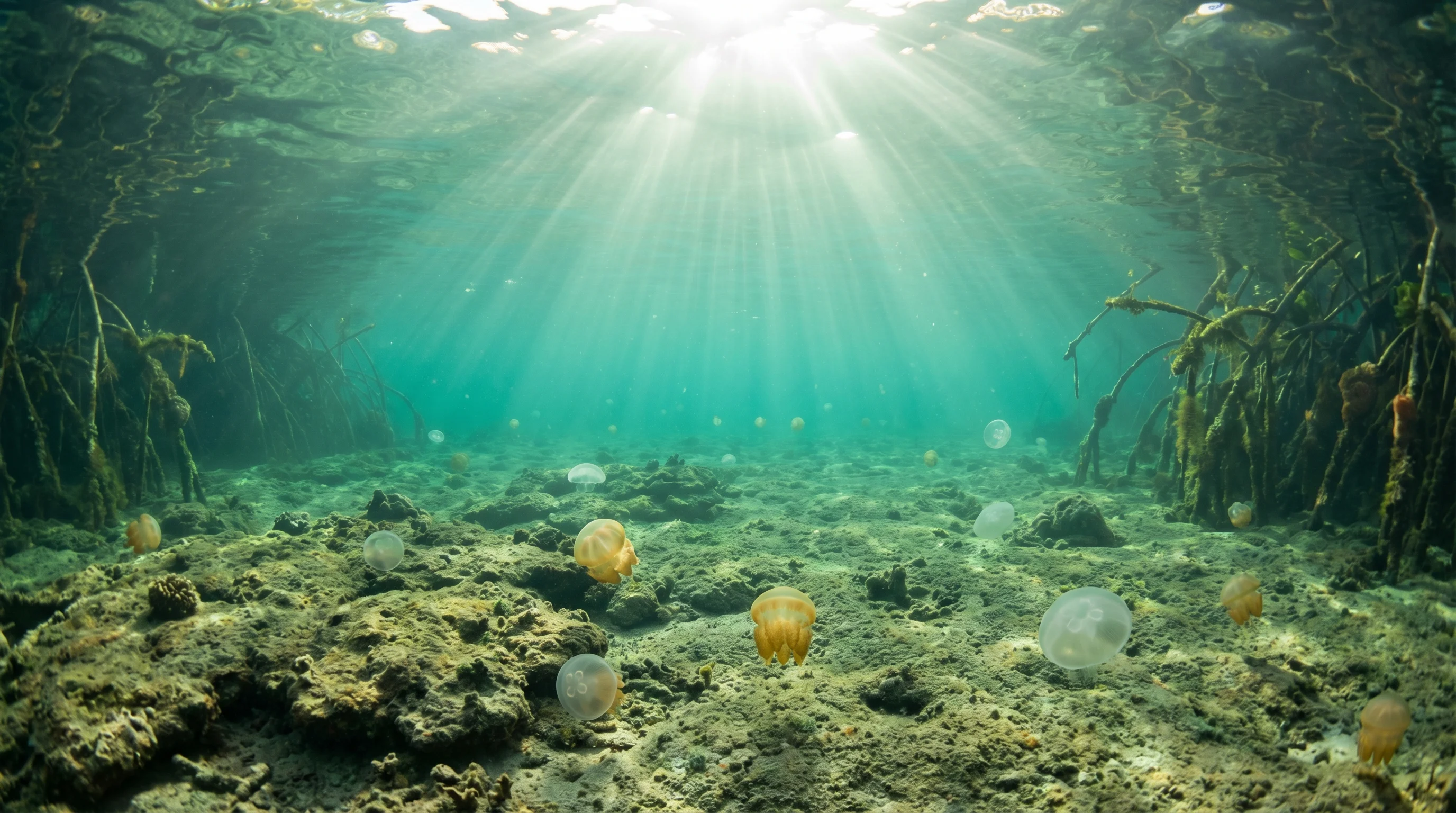
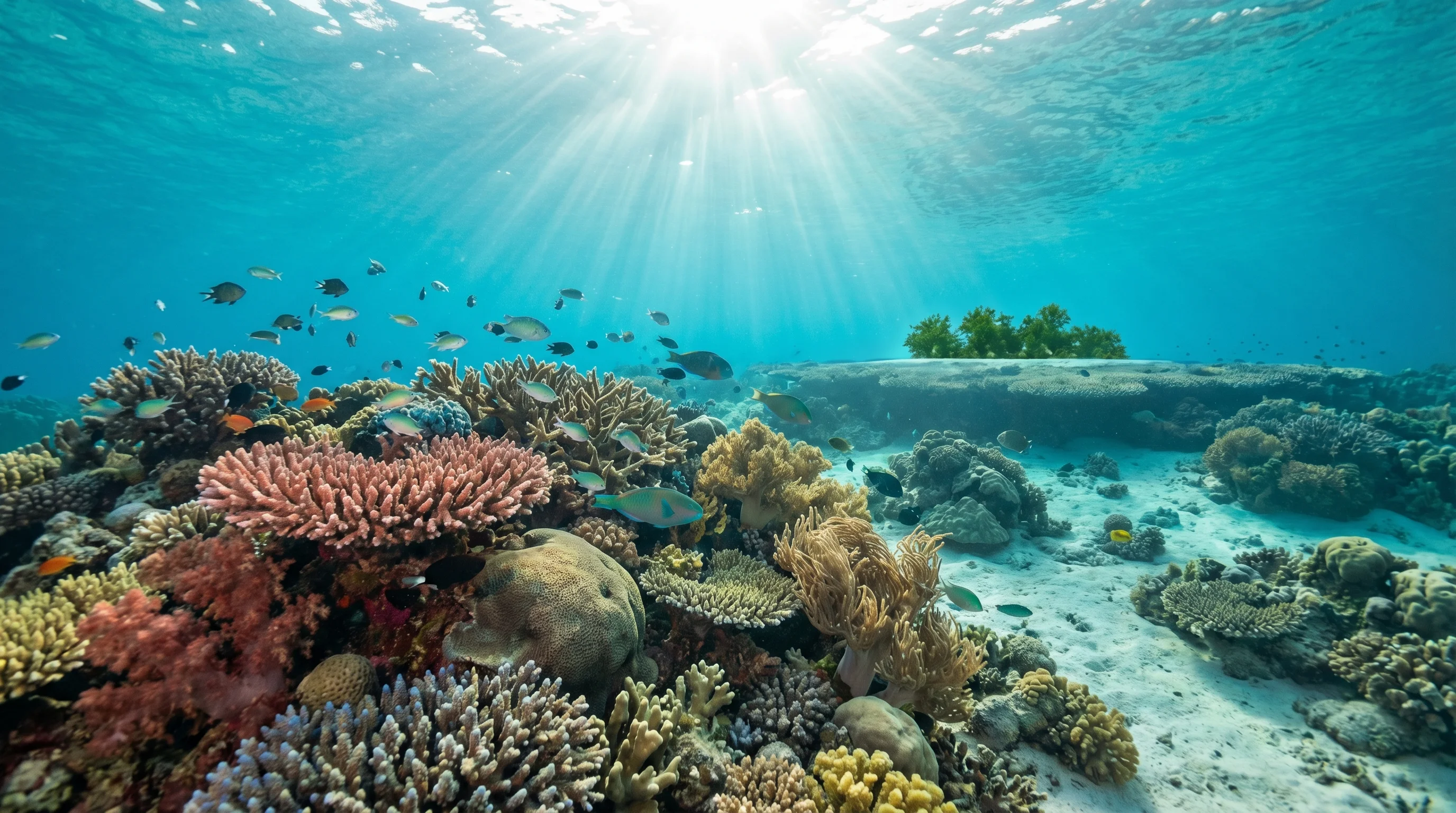
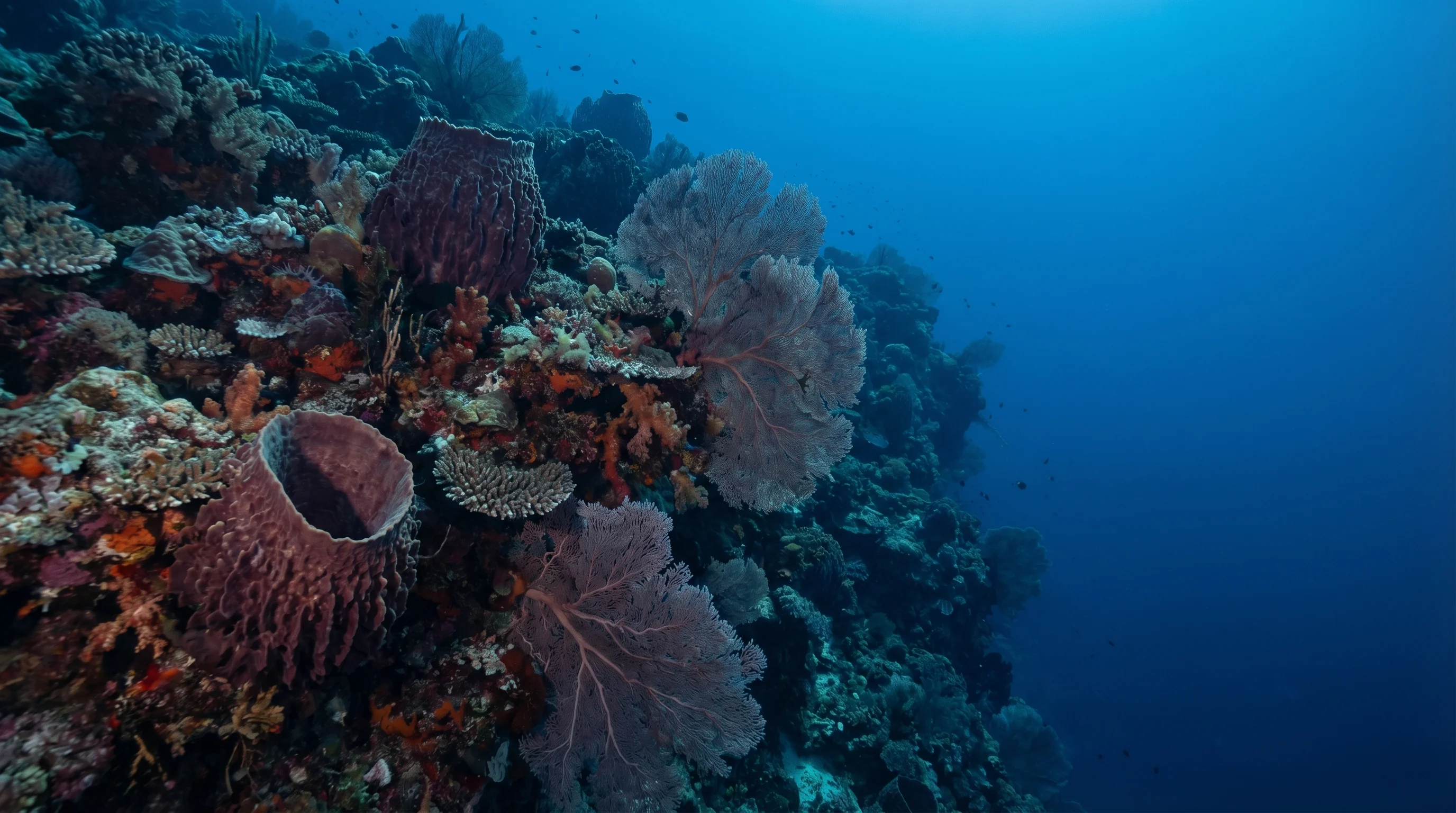
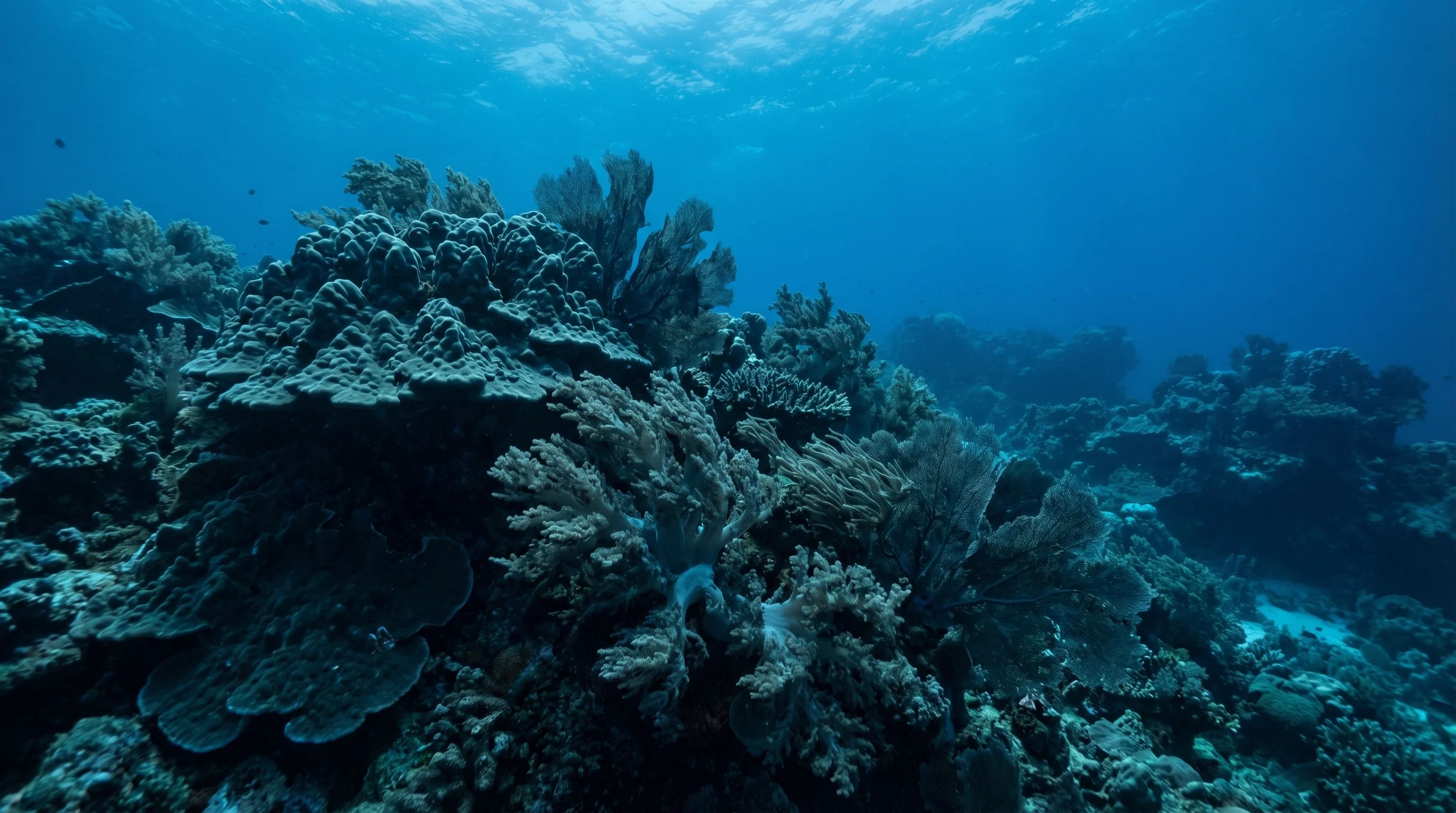
Karina Beach in Bomba, Indonesia, features a shallow reef flat characterised by a dense coral carpet. This marine site is well-suited for beginners, with depths ranging from 1 to 15 metres and an average depth of 5 metres. Divers and snorkellers can access the site from both the shore and by boat. Conditions are generally mild, with visibility typically spanning 15 to 40 metres. Water temperatures remain warm throughout the year, fluctuating between 29C and 31C. Hazards at this location include sea urchins and sharp coral. A cafe is available on-site for visitors, and the area is a frequent stop for those touring nearby jellyfish lakes.
-0.44780, 121.85220
Ask at your guest house for a boat contact to reach Mariona Lake.
The Togian Islands can only be reached by boat from Gorontalo in the north or Ampana in the south.
Recorded at this site
Depth
Up to 15m
Visibility
15-40m
Skill Level
Beginner
Entry
Shore & Boat
Water Temp
29-31°C
Current
Mild
Typical Dive
45 min
Best Time
Mar, Apr, May, Jun, Jul, Aug, Sep, Oct, Nov, Dec
Yes, the site is suitable for beginners, offering shallow depths and mild currents.
The depth ranges from 1 to 15 metres, with an average depth of 5 metres.
Yes, Karina Beach is highly rated for snorkelling with a rating of 4 out of 5.
Yes, entry to the water is possible from both the shore and by boat.
Divers and snorkellers should be aware of sea urchins and sharp coral present at the site.
A rashguard or 2mm shorty is recommended for diving at Karina Beach in Togian Islands. Water temperatures range from 29°C to 31°C.
The best months to visit Karina Beach in Togian Islands are March, April, May, June, July, August, September, October, November, and December. Conditions outside these months can still be good but are less predictable.
Karina Beach in Togian Islands typically has mild currents that most divers can handle comfortably.
Visibility at Karina Beach in Togian Islands typically ranges from 15 metres to 40 metres. Conditions vary with weather, tides, and seasons.