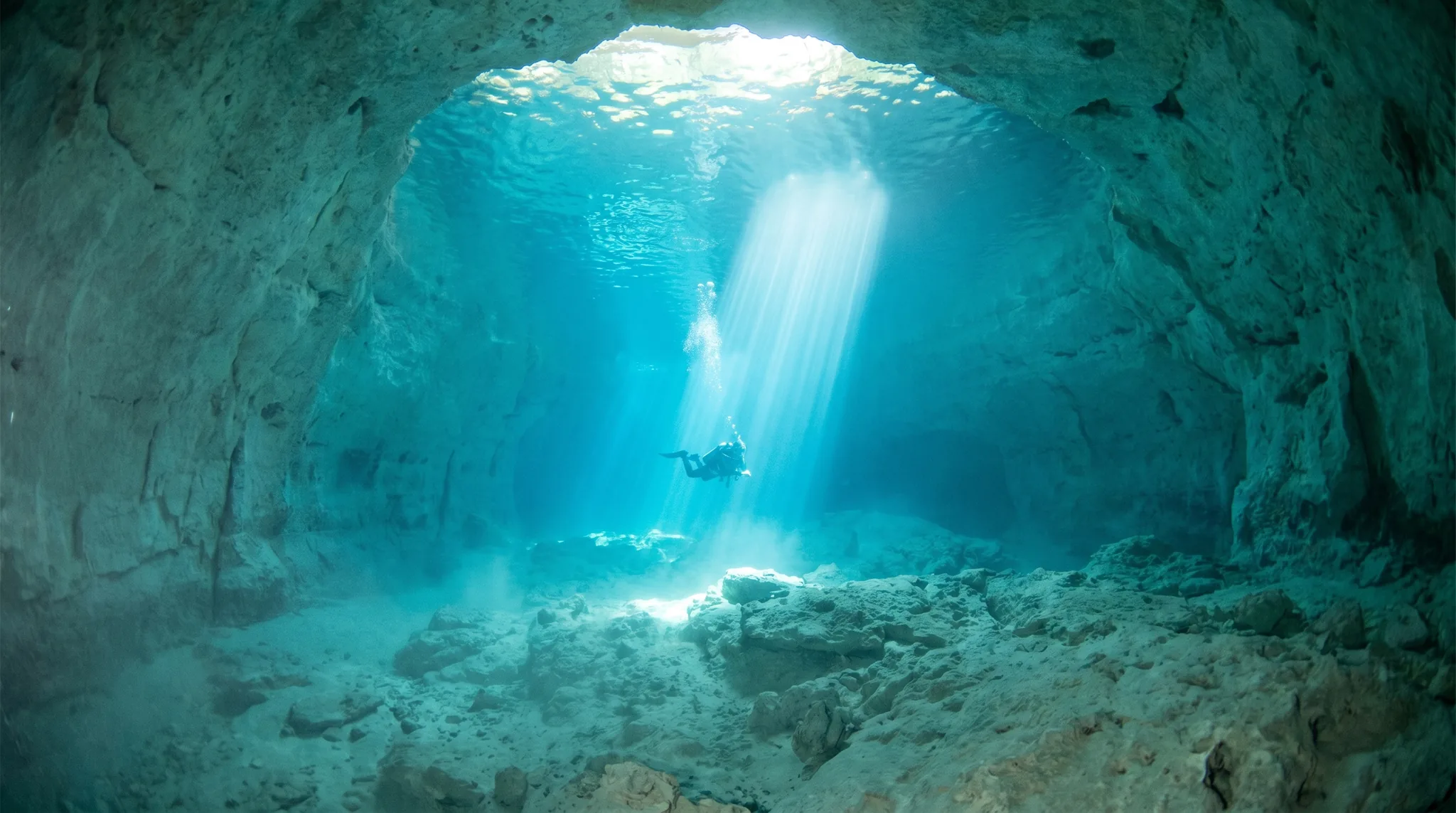
Best for expert divers, 17-50m, shore entry.
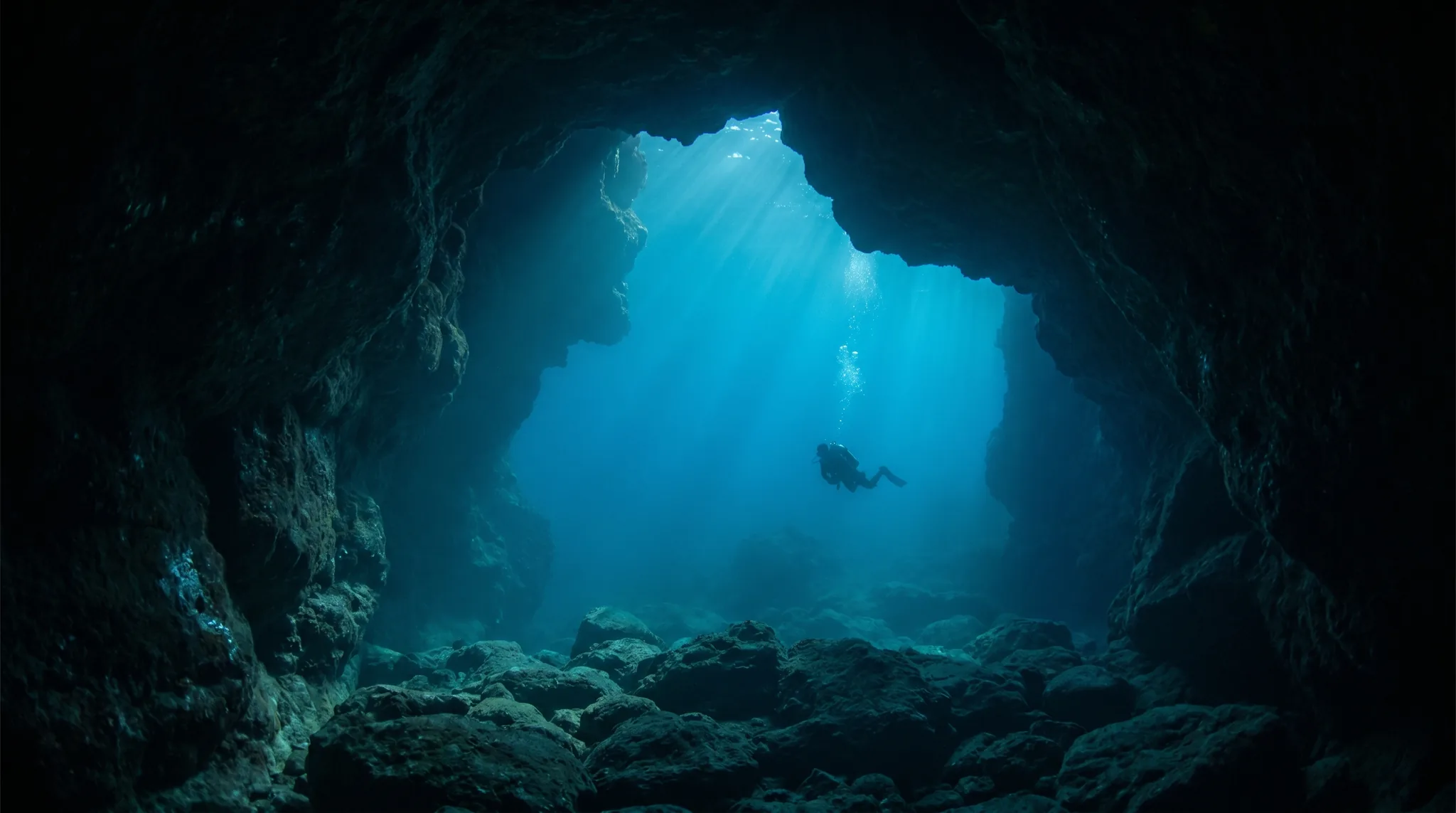
Oeil de la Doue is a technical cave dive located in the Gramat Area of France. This shore-entry site features an overhead environment reaching depths between 17 and 50 metres. Divers must navigate a complex rocky structure, which presents significant entanglement risks, requiring strict buoyancy control and disciplined line protocols. Visibility within the cave system typically ranges from 4 to 10 metres. Due to the technical nature of the penetration and the potential for varying conditions, this site is reserved for expert divers with full cave certification. The habitat supports various freshwater fish and invertebrates typical of the region, though specific sightings are not guaranteed.
44.96528, 1.58750
Verify your gas planning accounts for the full penetration depth before entry, as the site reaches 50 metres and conditions inside can change your consumption rate. Check locally for any site-specific regulations or access requirements before travelling.
The cave is entered under a rock wall, after which you have to walk to the entry point. Long walk to entry point.
Expected in this region. No sightings logged here yet.
Depth
17-50m
Visibility
4-10m
Skill Level
Expert
Entry
Shore
Current
None
Typical Dive
92 min
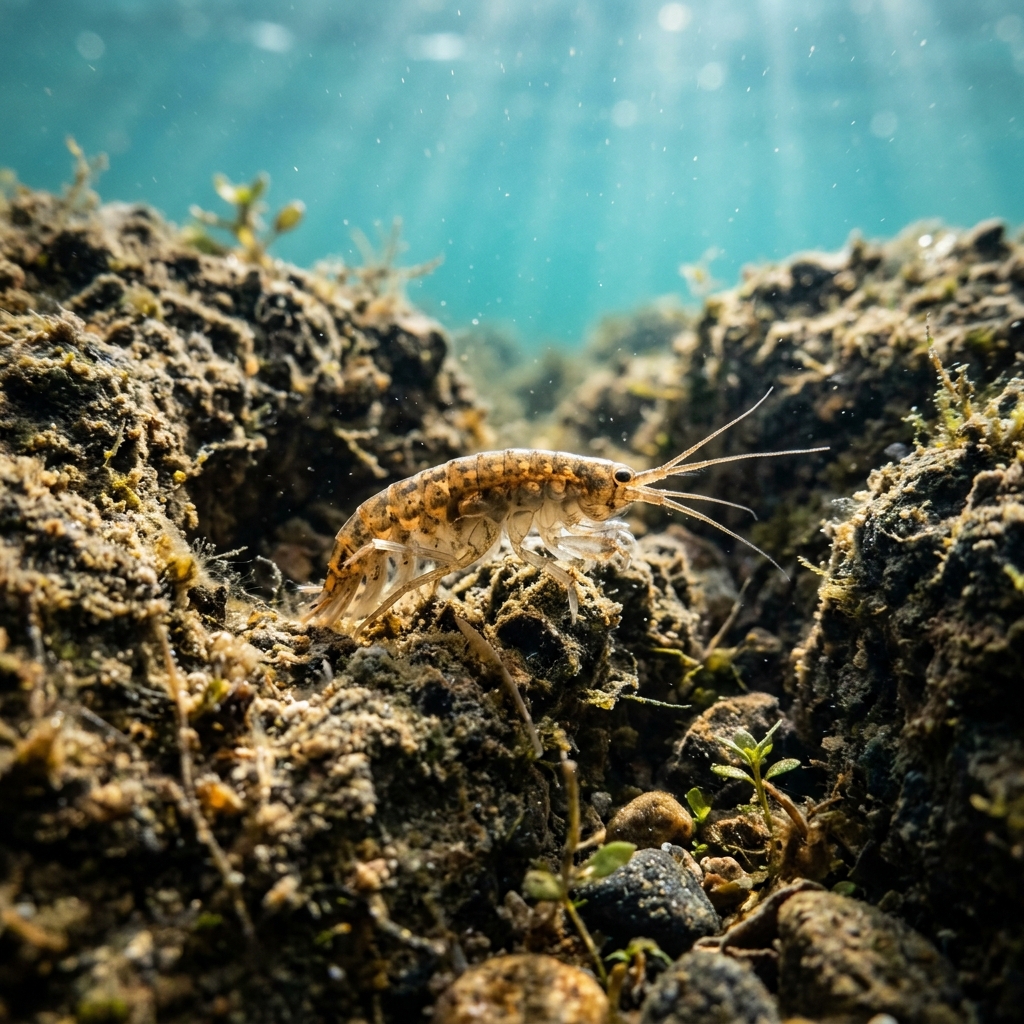
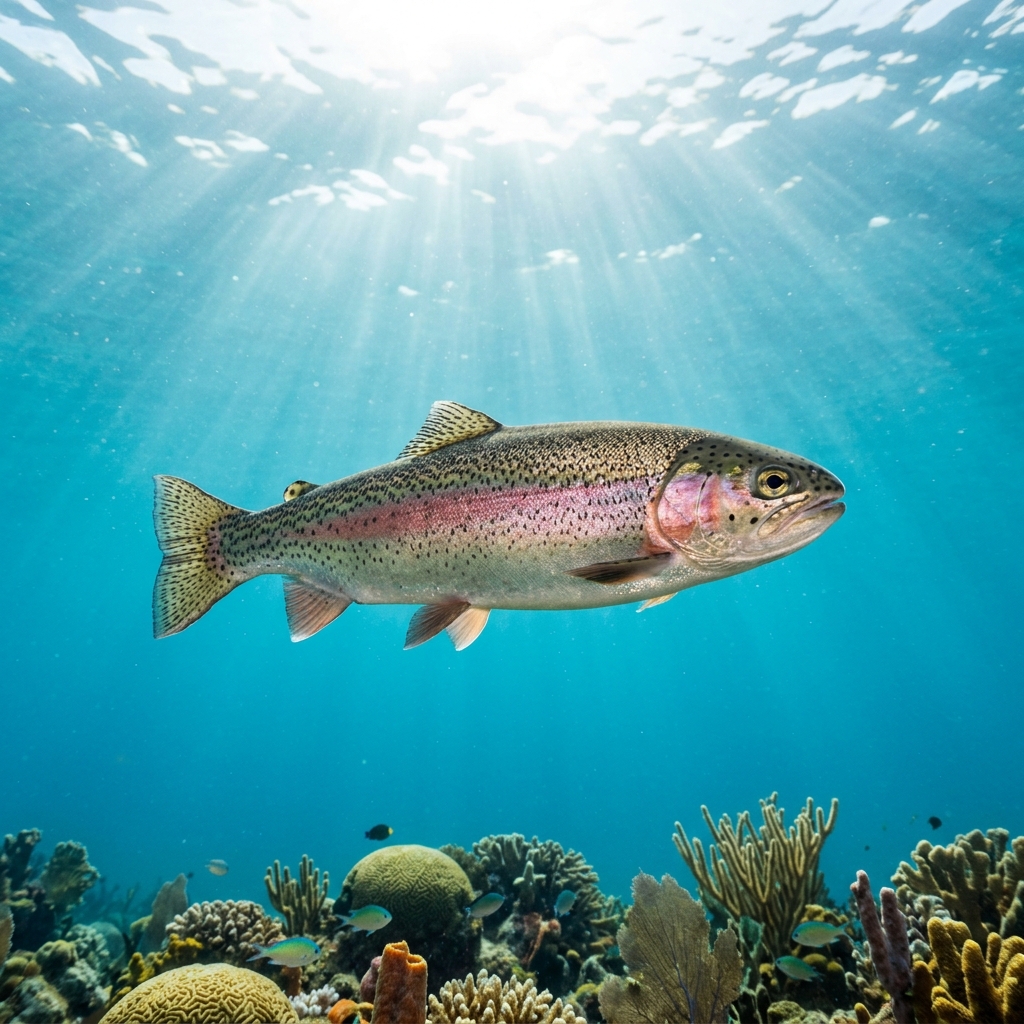
The site supports freshwater fish and invertebrates typical of the region, such as European eel, temperate bass, trout, carp, catfish, and freshwater shrimp.
No, Oeil de la Doue is an expert-level site requiring full cave certification due to the technical nature of the overhead environment.
The site reaches depths between 17 and 50 metres, with an average depth of 10 metres in some sections.
Access to the site is via a shore entry.
The main hazards are the overhead environment and the risk of entanglement within the rocky structure of the cave.
Diving at Oeil de la Doue in Martel requires the following certifications: Cave, Cavern. Always dive within your training limits.
Visibility at Oeil de la Doue in Martel typically ranges from 4 metres to 10 metres. Conditions vary with weather, tides, and seasons.