Best for beginner divers, 3-4m, shore entry, moderate current.
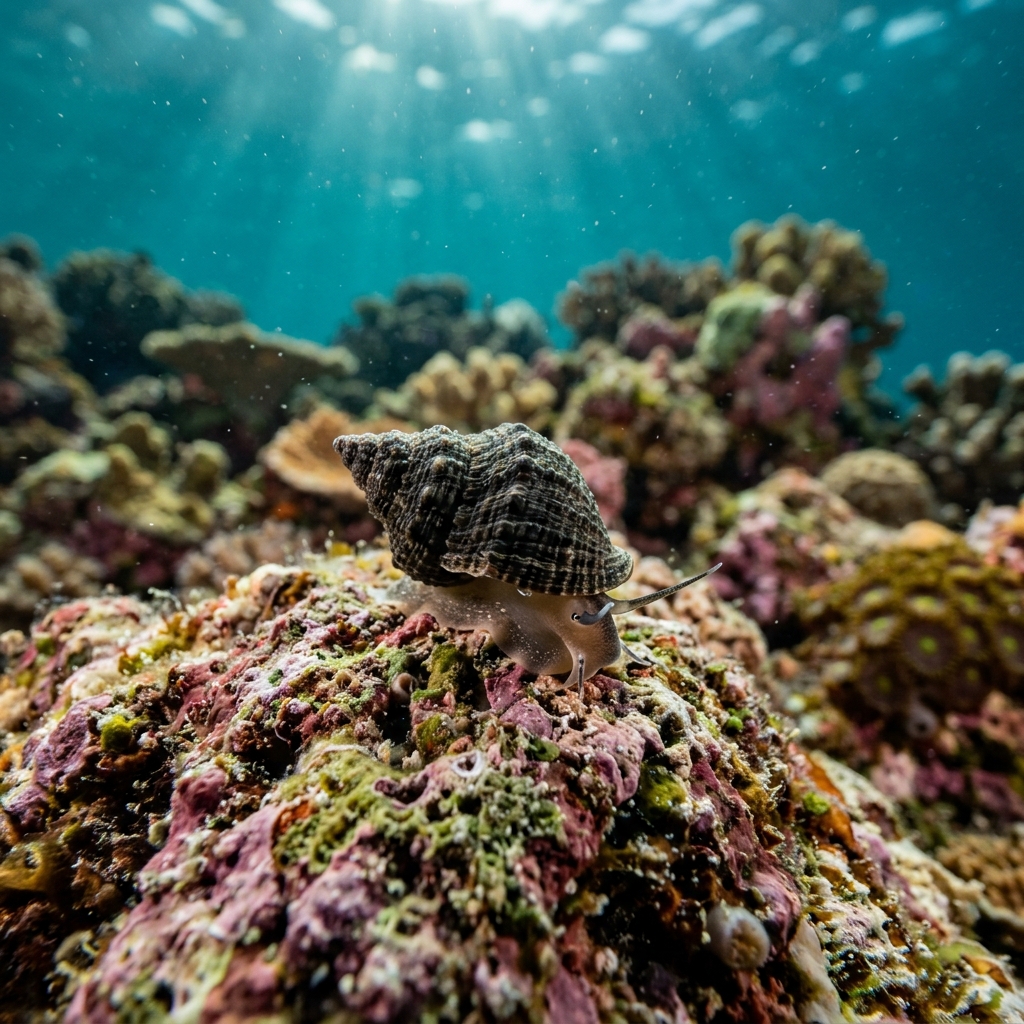
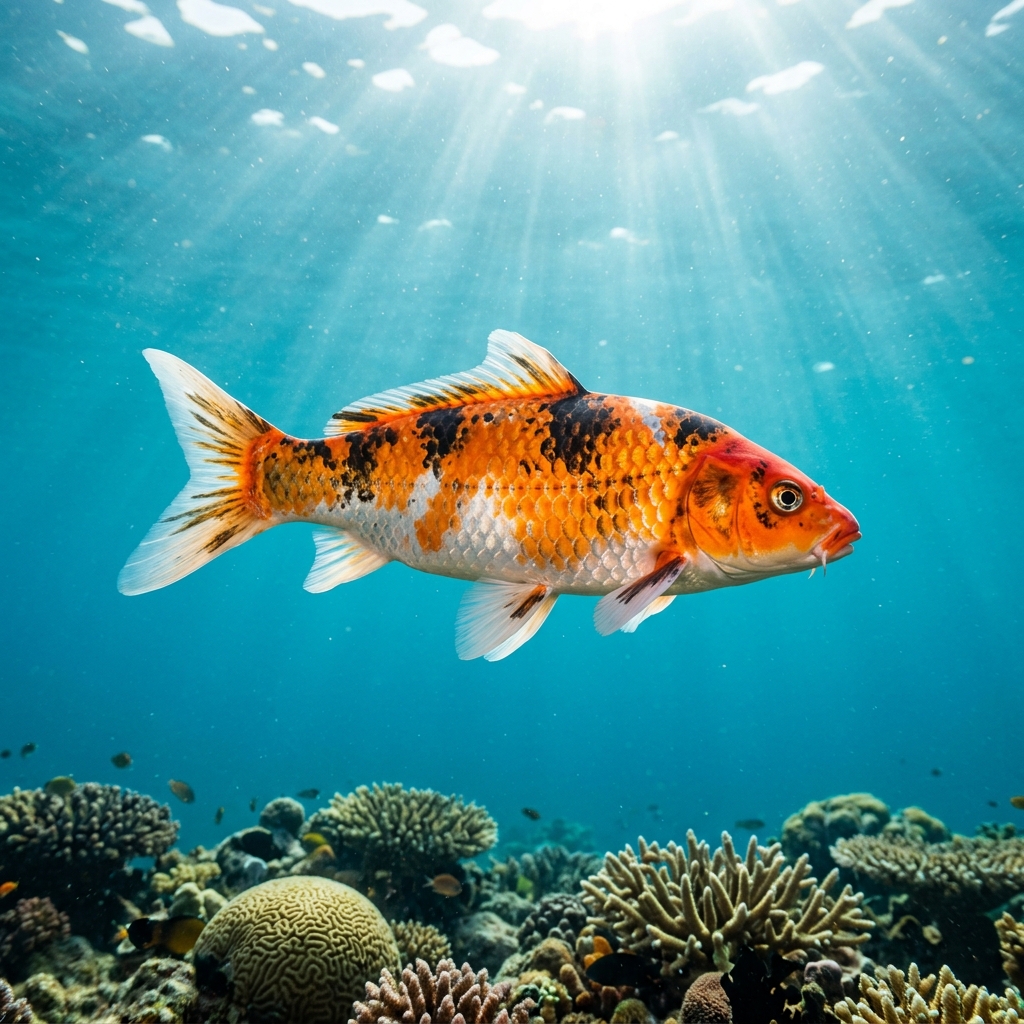
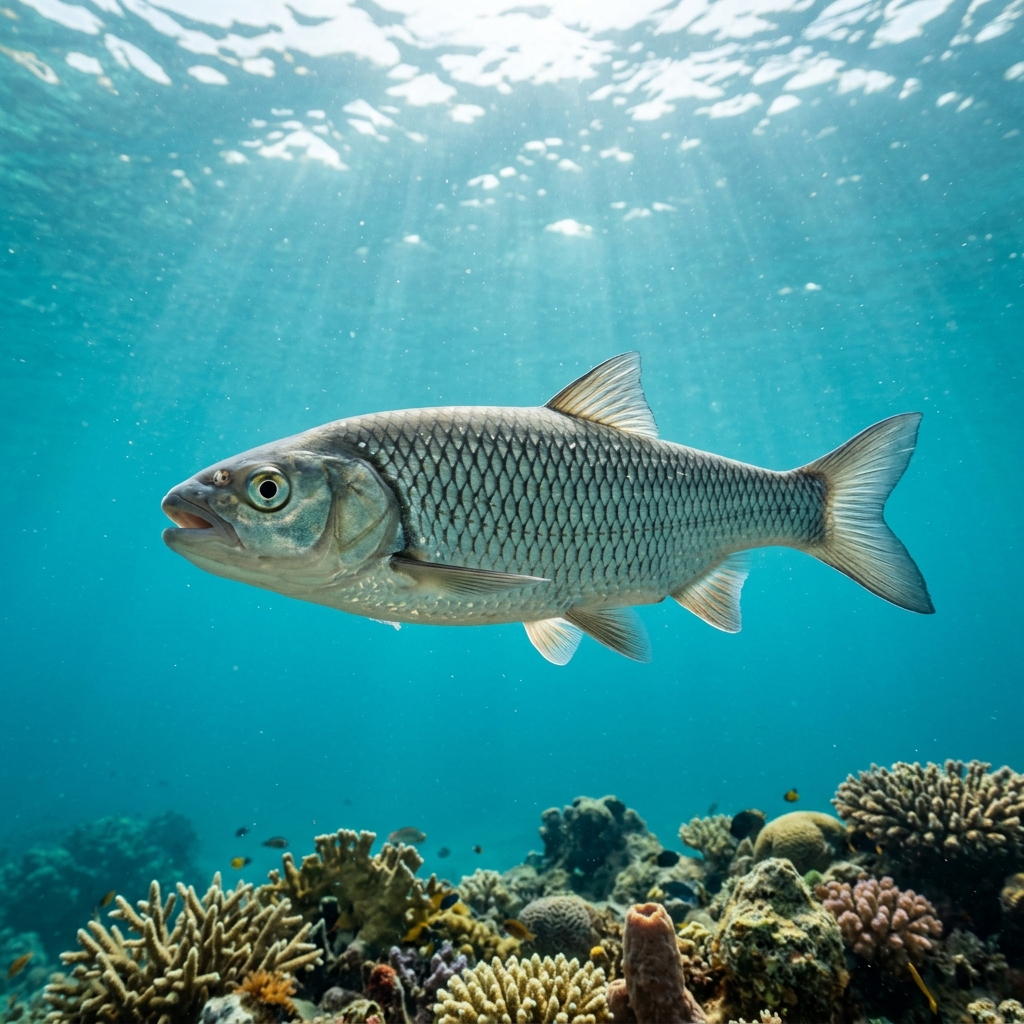
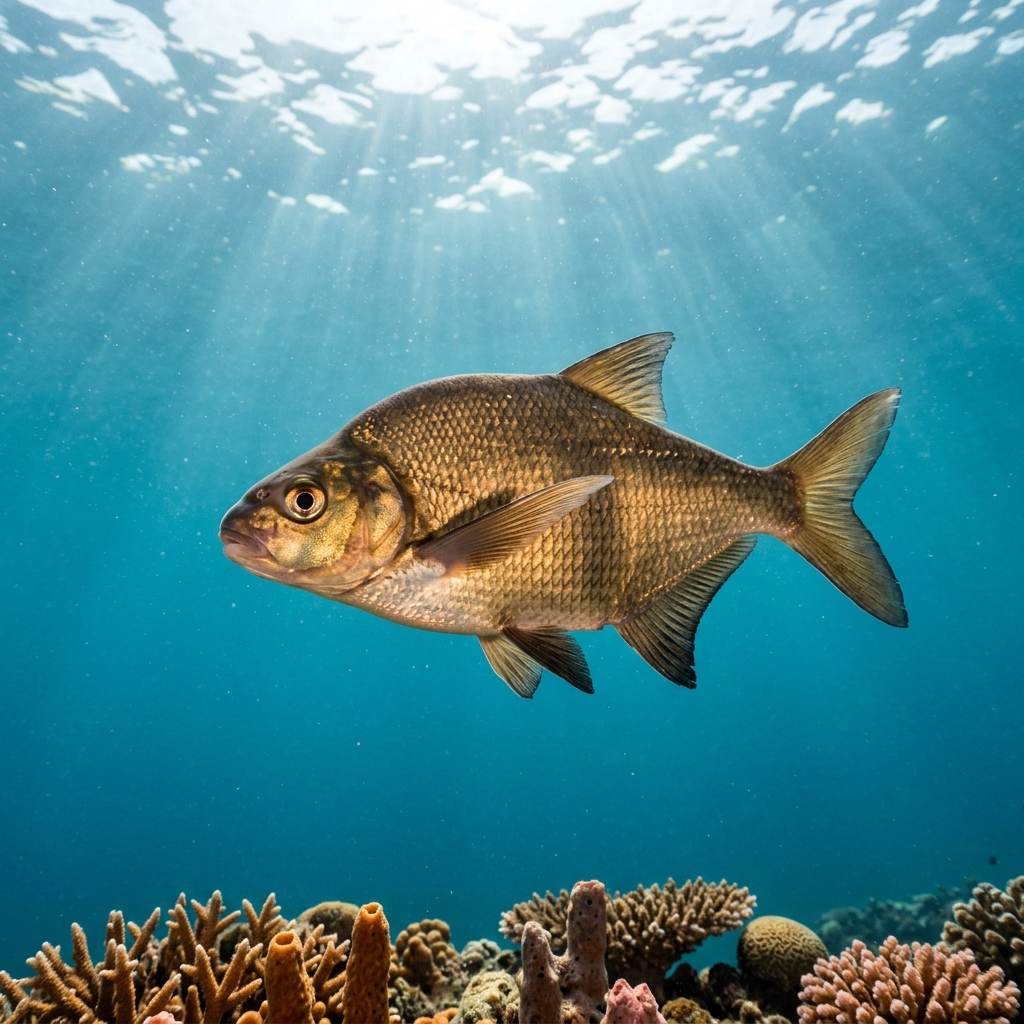
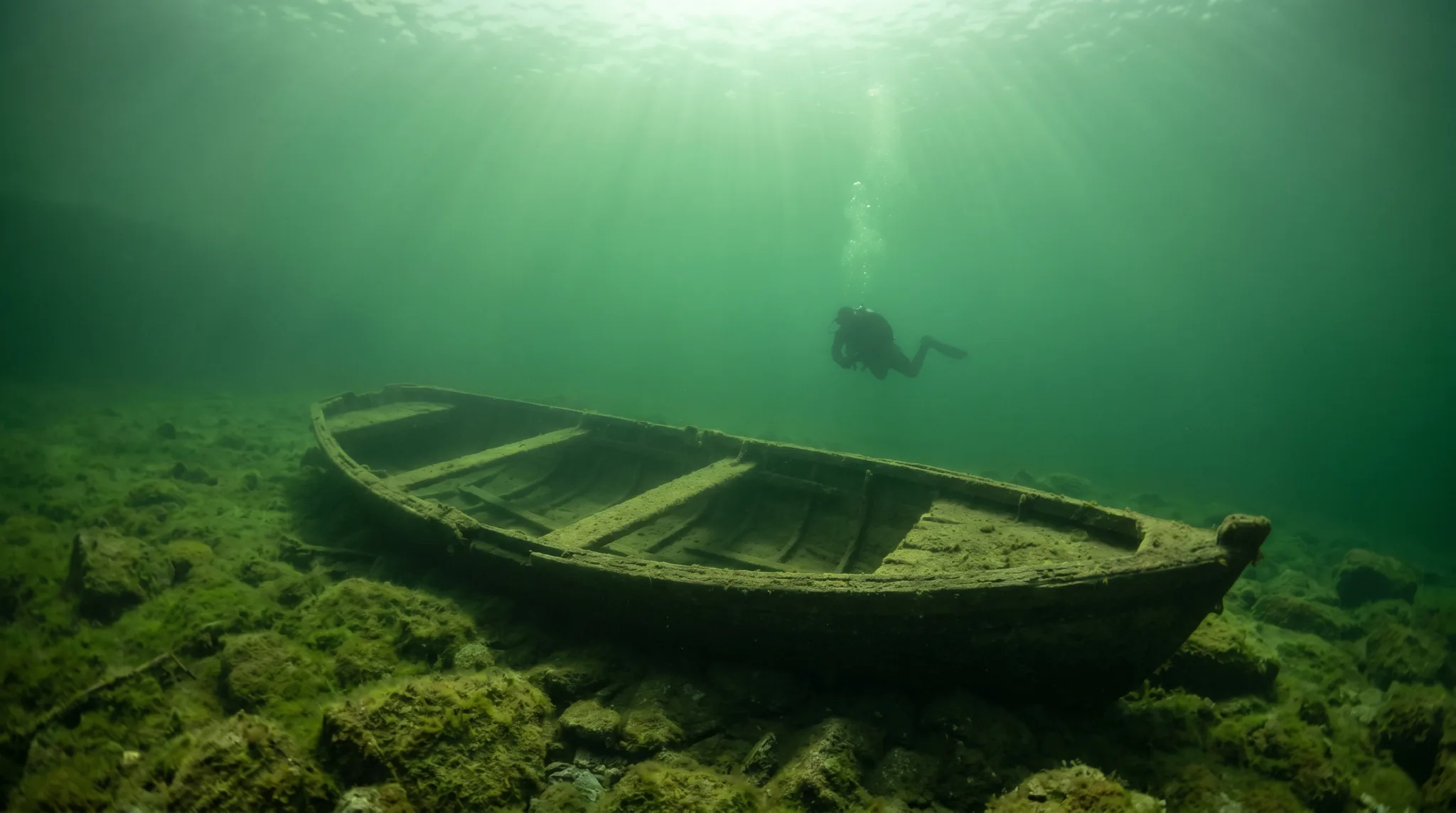
Vltava Pod Karlovým mostem is an urban freshwater dive site situated directly beneath the Charles Bridge in Prague. The site features submerged artificial structures at depths ranging from 3 to 4 metres. Divers should expect challenging conditions, including moderate currents and low visibility typically between 1 and 2 metres. Due to active boat traffic and potential entanglement hazards, constant vigilance is required. The water is very cold, ranging from 8 to 10 degrees Celsius, necessitating appropriate exposure protection. This site is suitable for beginner divers, though it requires self-sufficiency. Species recorded around this area include snails, common carp, and chub, though sightings are not confirmed at this specific location.
50.08658, 14.40954
Avoid diving here on New Year's Eve to prevent injury from falling bottles and glasses thrown from the bridge.
Entry is from the boat landing on the Lesser Town side of the Vltava river under Charles Bridge. Consult with the navigation authority before diving.
Recorded at this site
Depth
3-4m
Visibility
1-2m
Skill Level
Beginner
Entry
Shore
Current
Moderate
Typical Dive
50 min
Species recorded around this area include snails, common carp, and chub, though these are not confirmed at this exact site.
Yes, the site is suitable for beginner divers given the shallow depths of 3 to 4 metres.
The depth at this site is consistently between 3 and 4 metres, with an average of 3 metres.
Entry to the water is from the shore.
Divers must remain alert for active boat traffic and potential entanglement hazards due to the urban river environment.
Diving at Vltava Pod Karlovým mostem in Prague requires the following certifications: Open Water. Always dive within your training limits.
Expect moderate currents at Vltava Pod Karlovým mostem in Prague. Good buoyancy control and some drift diving experience is helpful.
Visibility at Vltava Pod Karlovým mostem in Prague typically ranges from 1 metres to 2 metres. Conditions vary with weather, tides, and seasons.