Sebastes flavidus
Cold-water rockfish logged across British Columbia's reefs and walls, comfortable in 4 to 11C water year-round.
Safety warning
The spines carry venom and snap off easily in the skin. Do not touch it, and never rest a hand or knee on the reef near one; the spines drive in on the lightest contact.
If you're stung
Venomous spinesGeneral first-aid guidance, not a substitute for professional medical care. In an emergency, call your local emergency number.
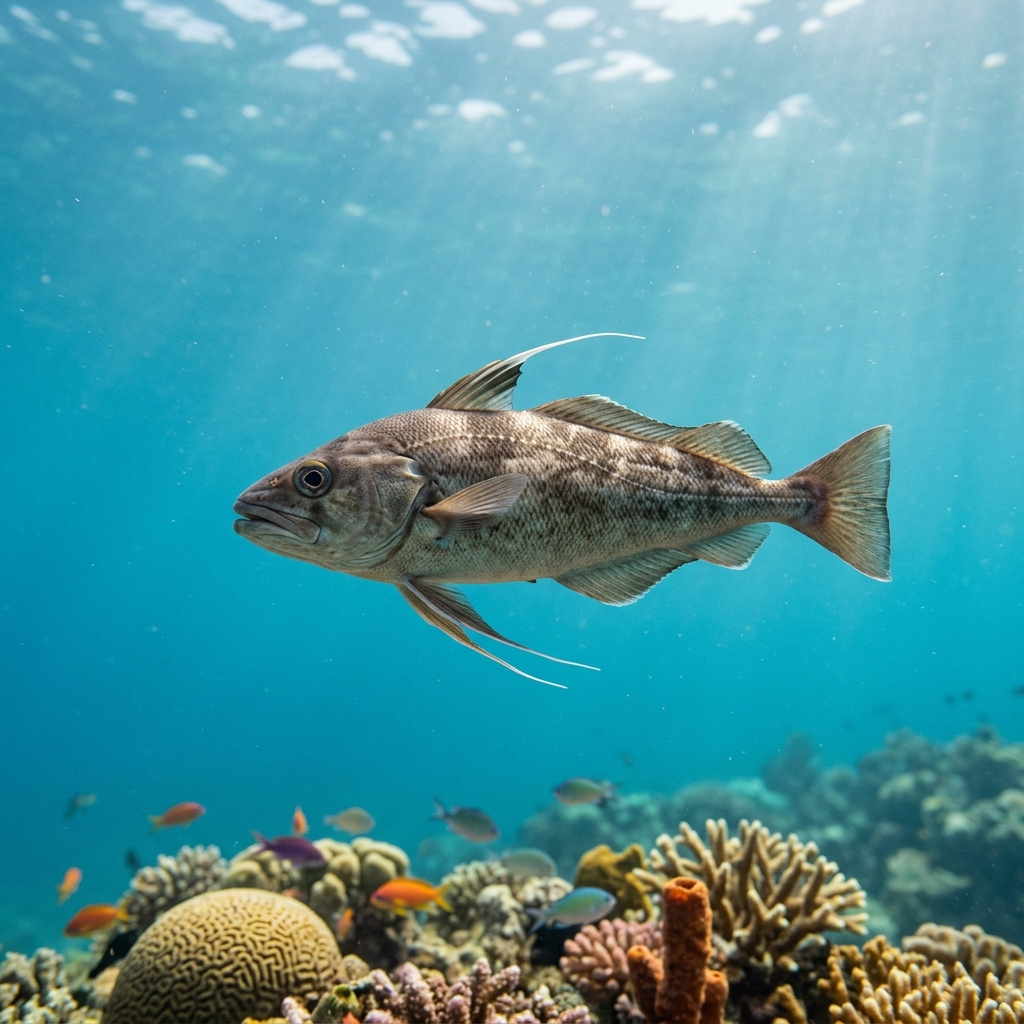
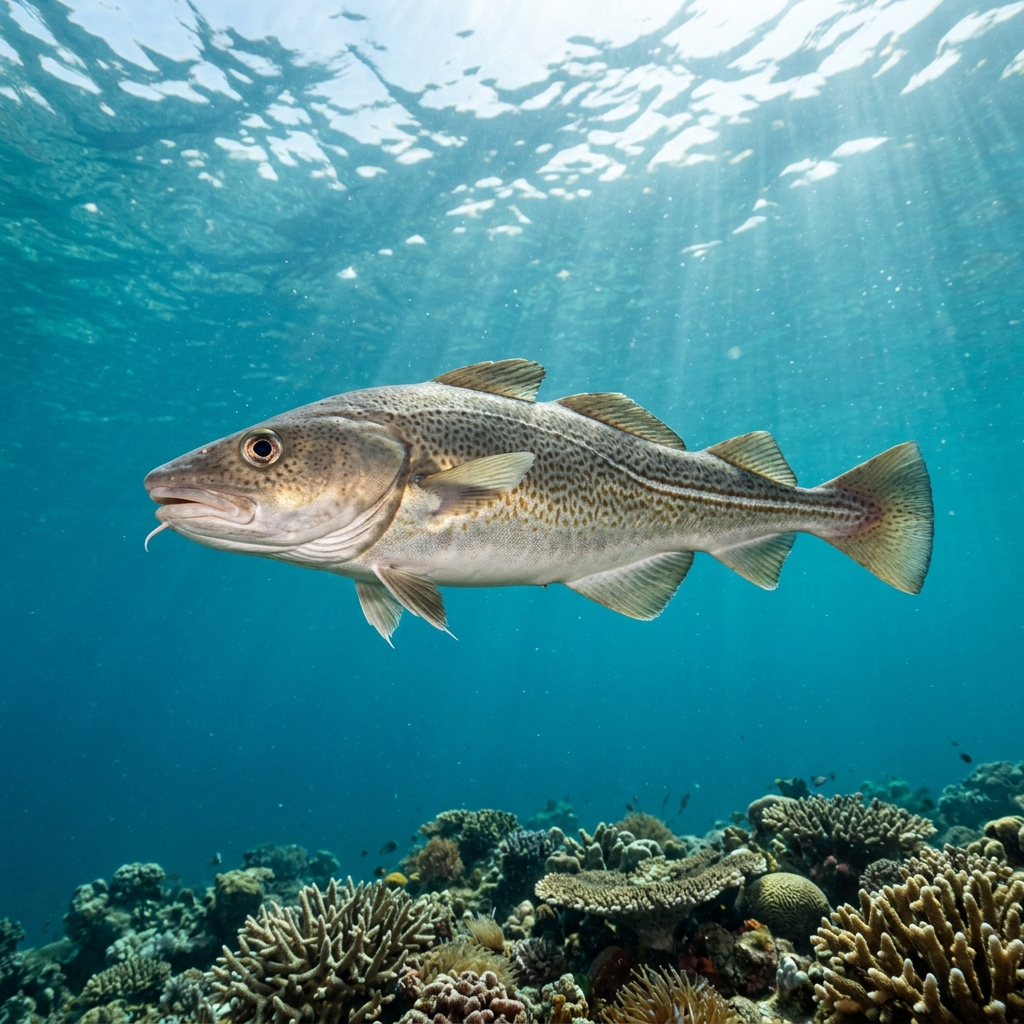
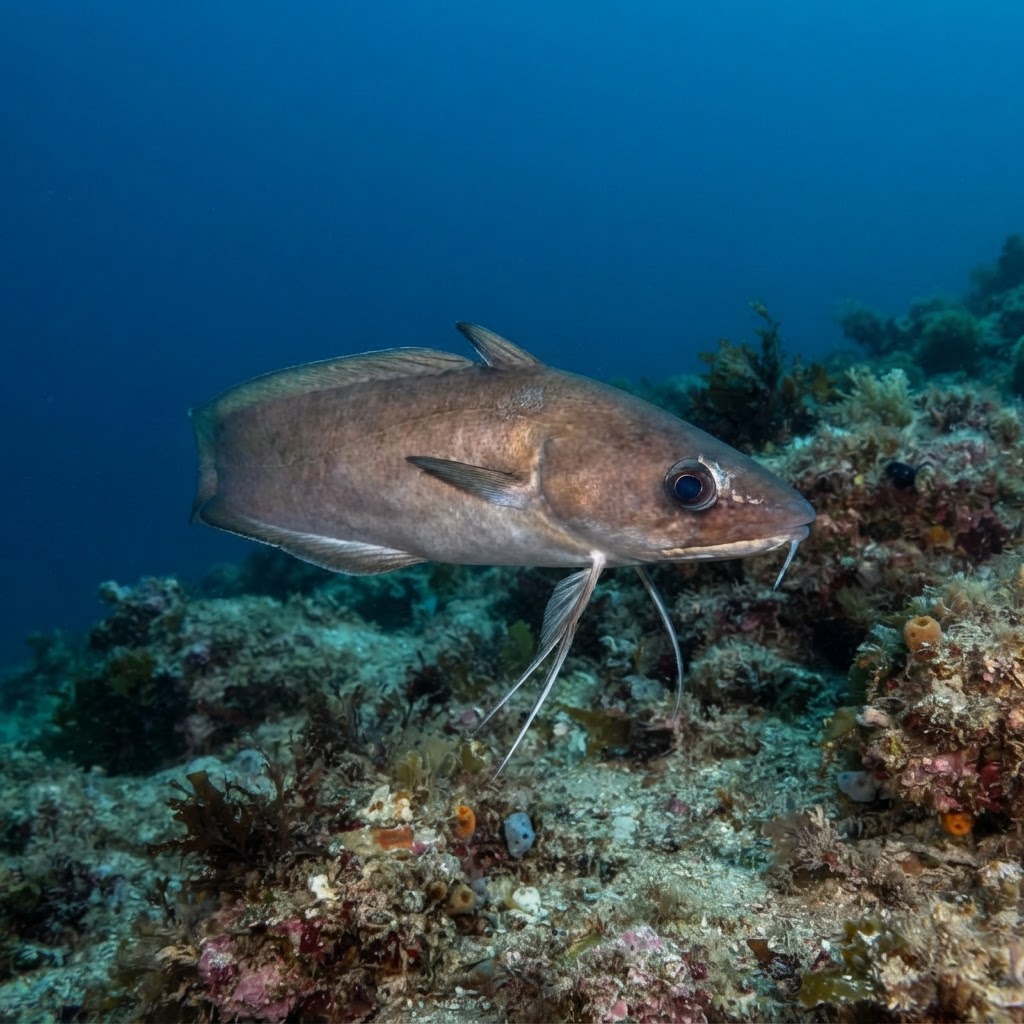
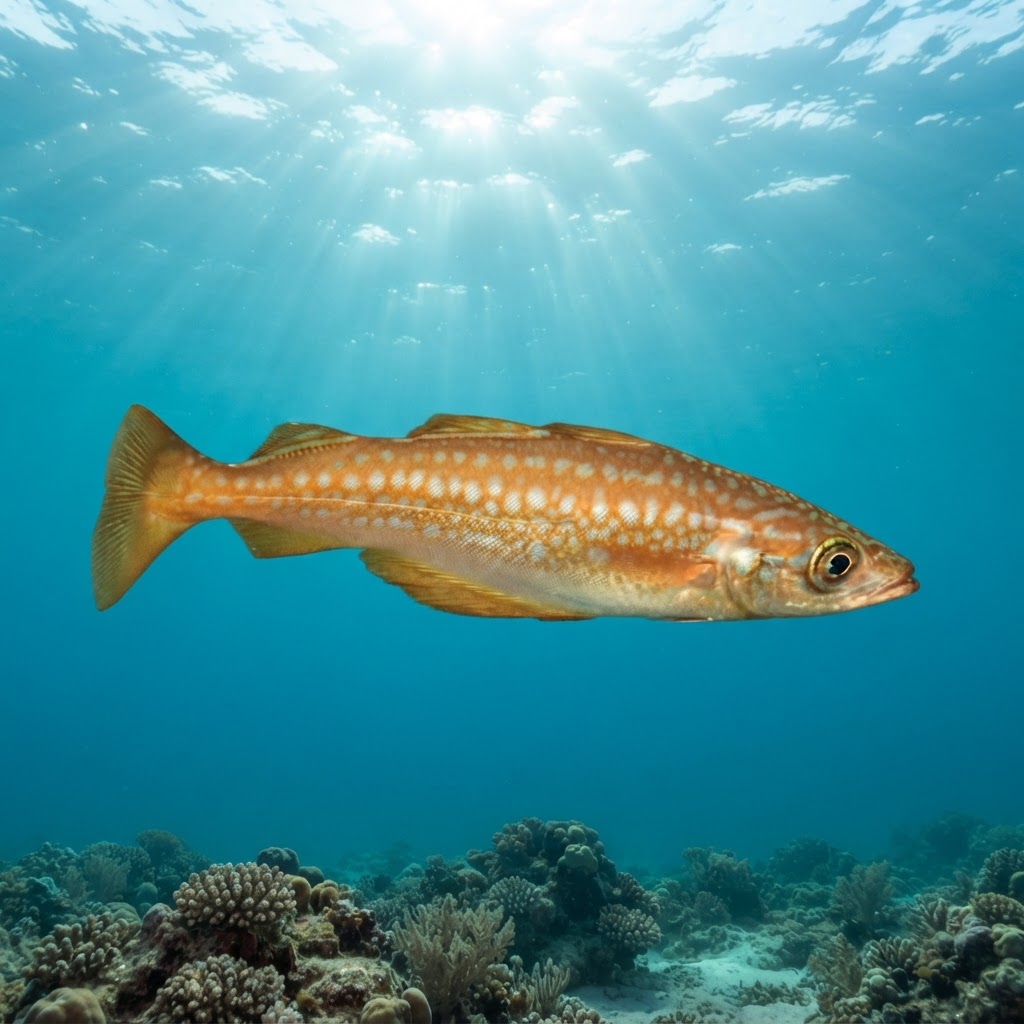
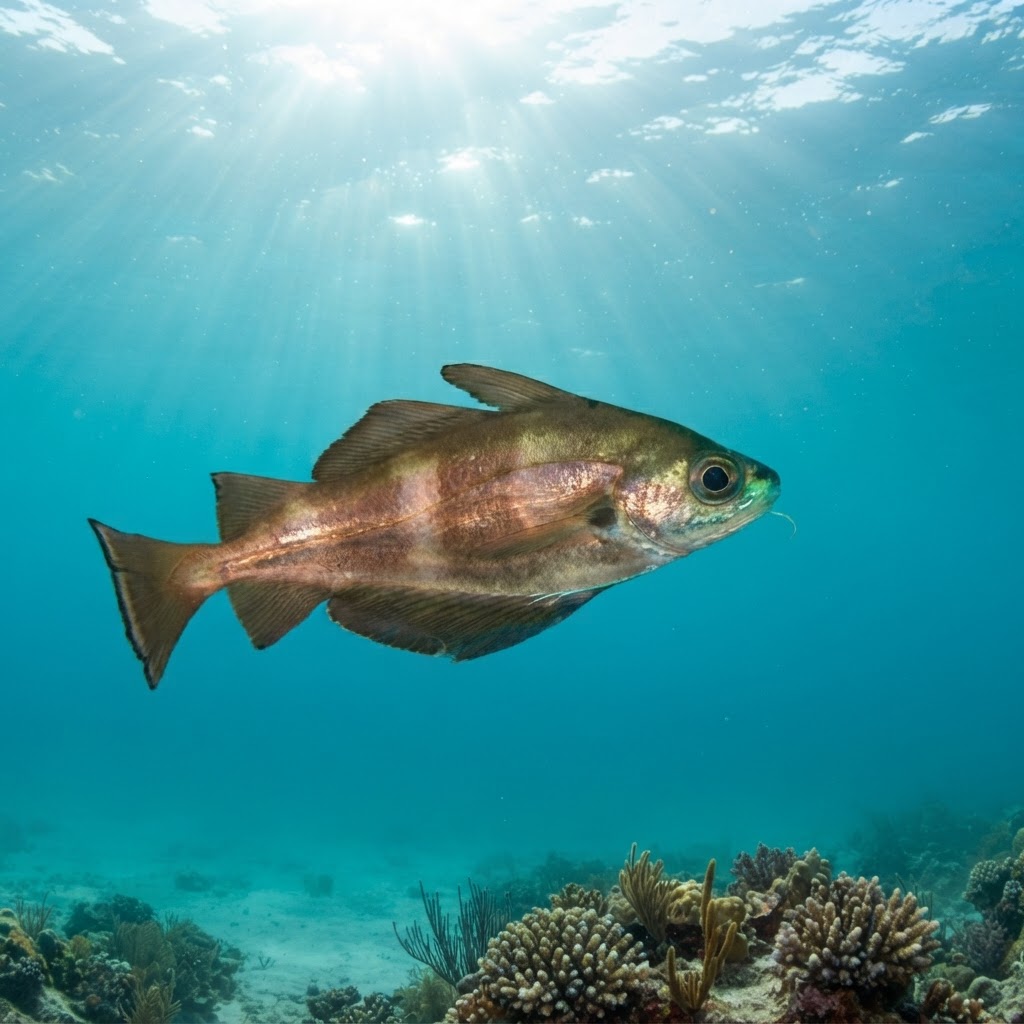
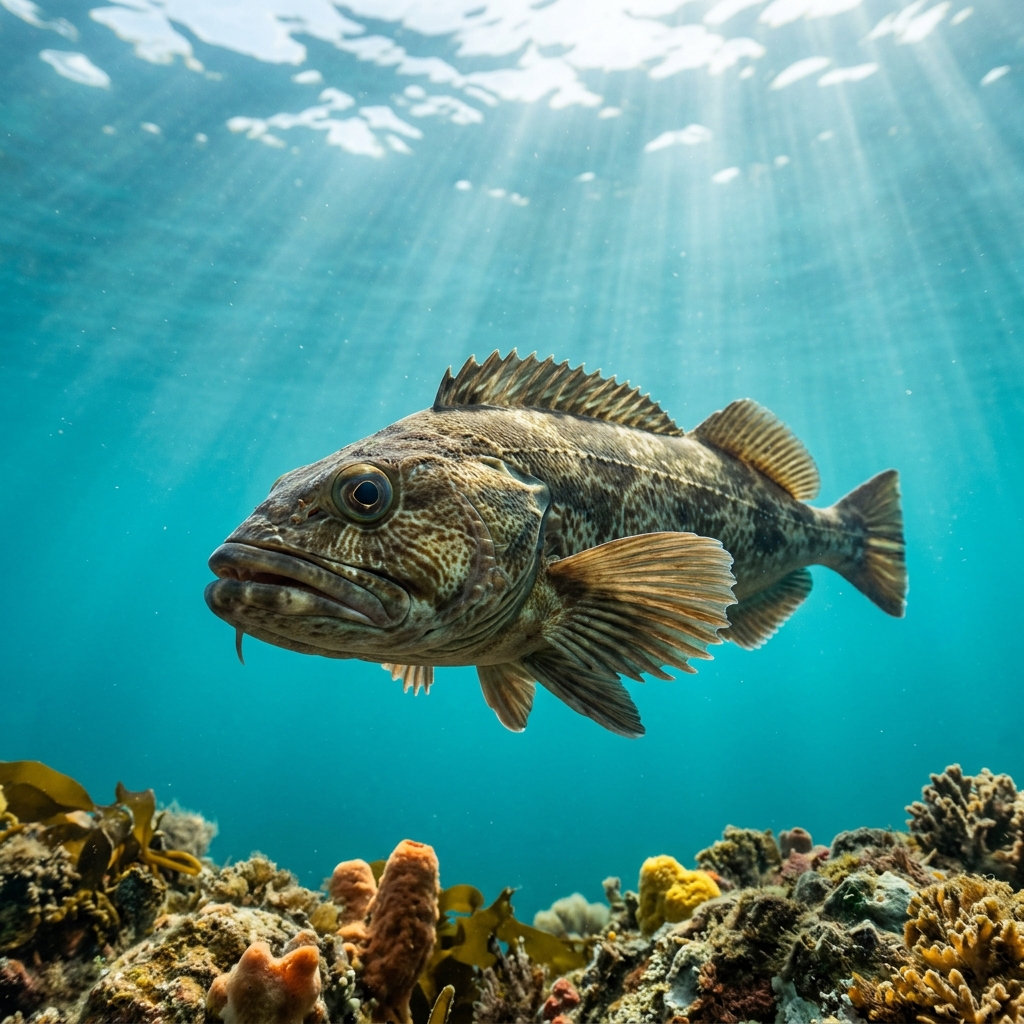
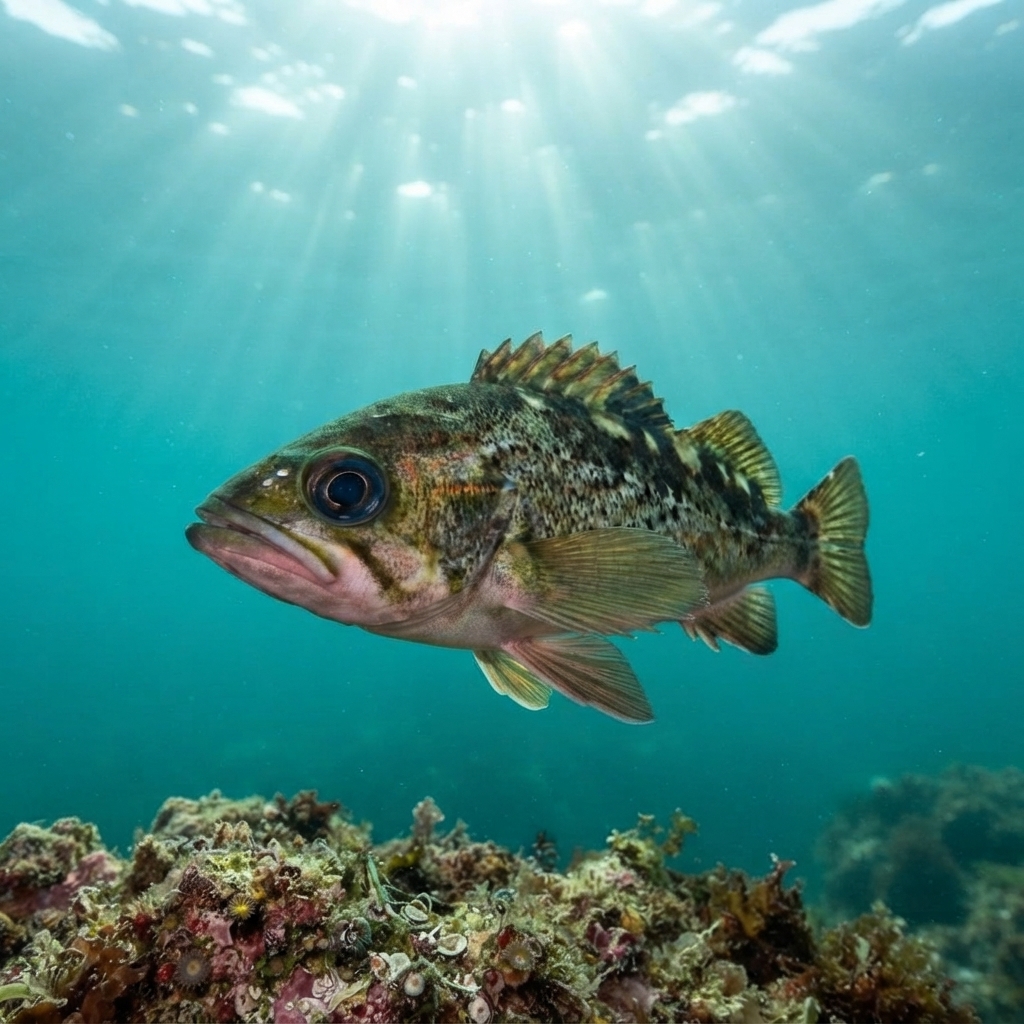
Grows to around 46cm, with a deep-bodied, spiny-finned shape typical of rockfish and a mottled olive-brown to greenish body that breaks up its outline against rock and kelp. The giveaway is in the name: look for a yellowish or olive tint along the tail and fin margins, most visible when light catches it side-on. It tends to hang at a slight head-up angle near structure rather than lying flat on the bottom.
Typically seen holding station in loose groups off rocky walls and reef structure, often suspended a metre or two above the bottom rather than resting on it. Divers generally find it unbothered by a slow approach, holding position or drifting off a short distance rather than bolting for cover. Most sightings come from open rock and boulder habitat rather than sand or silt bottoms.
Rockfish in this family give birth to live young rather than laying eggs, with females releasing large broods of larvae directly into the water column.
No clear seasonal pattern shows up in the sightings, so treat this as a year-round fish in British Columbia's cold water, which sits in the 4.2 to 11.4C range divers have logged it in.
Logged almost exclusively in British Columbia, Canada, where it turns up on rocky reefs and walls throughout the region. Sightings run uncommon to rare at most of these sites, so it is a nice bonus fish rather than a guaranteed encounter, and worth scanning mid-water along rock faces rather than just the seabed.
Mapping where Yellowtail Rockfish is logged…
British Columbia, Canada is by far the strongest region for sightings, with divers logging them on rocky reefs and walls throughout the area.
There is no strong seasonal signal in the data, so they are considered a year-round sighting in British Columbia's cold water, roughly 4 to 11C.
Look for a deep-bodied, spiny fish around 46cm with a mottled olive-brown body and a yellowish tint along the tail and fin edges, usually holding just off rocky structure.
They typically reach about 46cm in length, a mid-sized member of the rockfish family found on cold-water reefs.
No, they are not considered dangerous to divers and are generally calm around a slow, non-threatening approach.
Like other rockfish, they give birth to live larvae instead of laying eggs, with females releasing large numbers into open water rather than depositing eggs on the reef.
Site and sighting data is aggregated from diver logs, iNaturalist and GBIF. For taxonomy and conservation status:
Pollack
282 sites